
pumpkin
Grow magnificent pumpkins for carving, cooking, and autumn decorations with these simple care tips.
Video Tutorials
Watch these helpful videos to learn more about pumpkin care.
About pumpkin
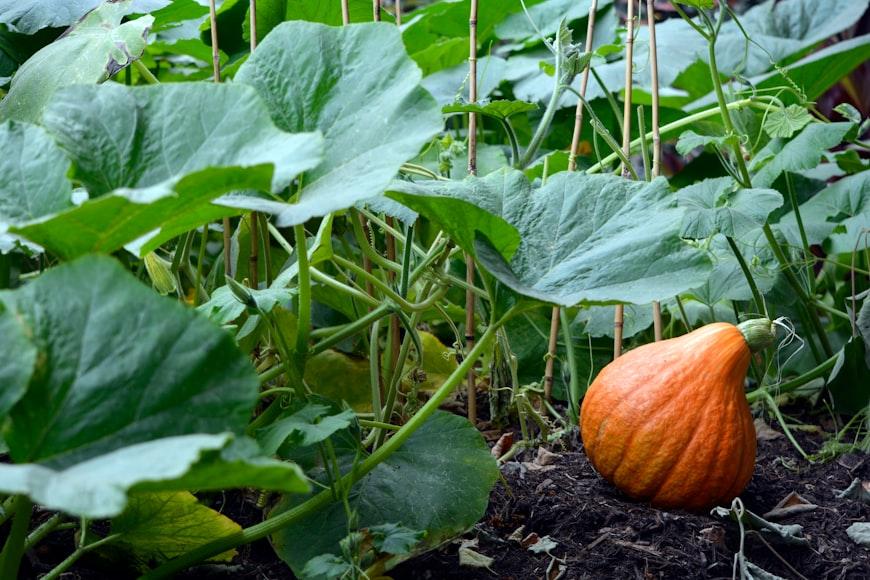
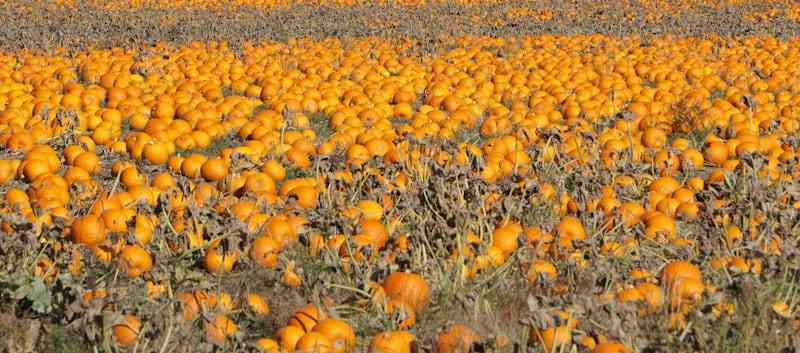
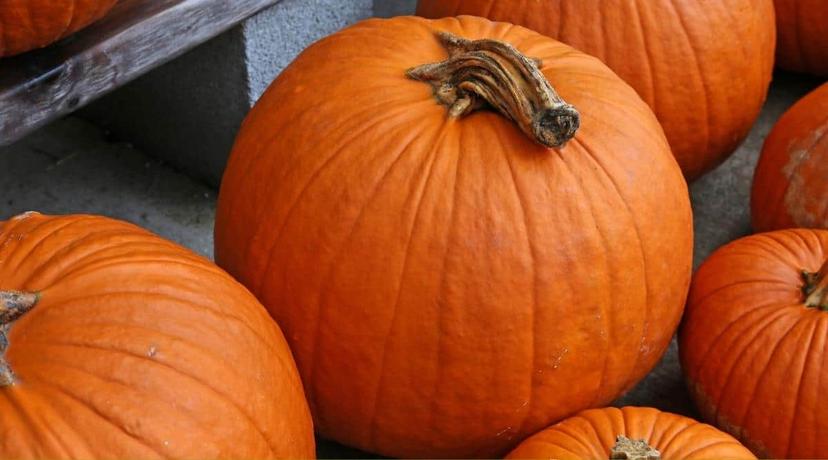
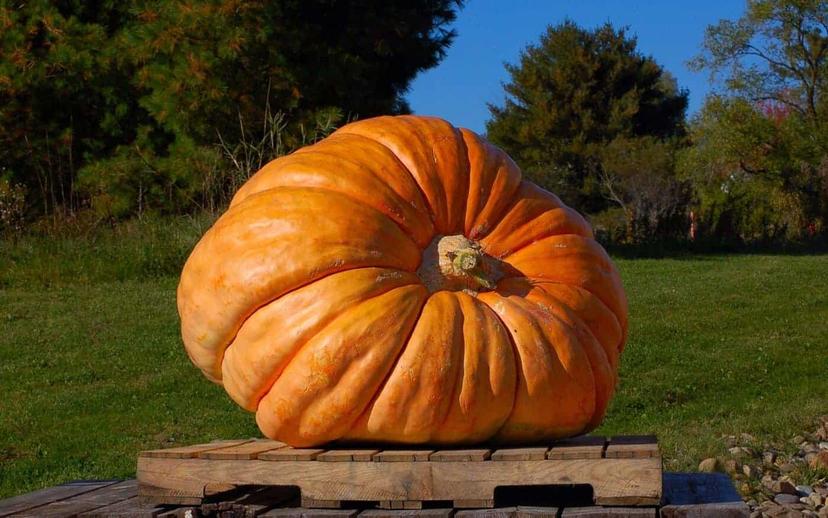
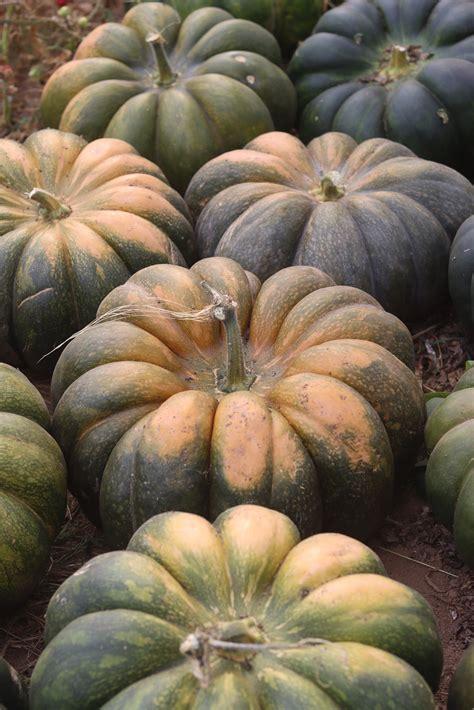
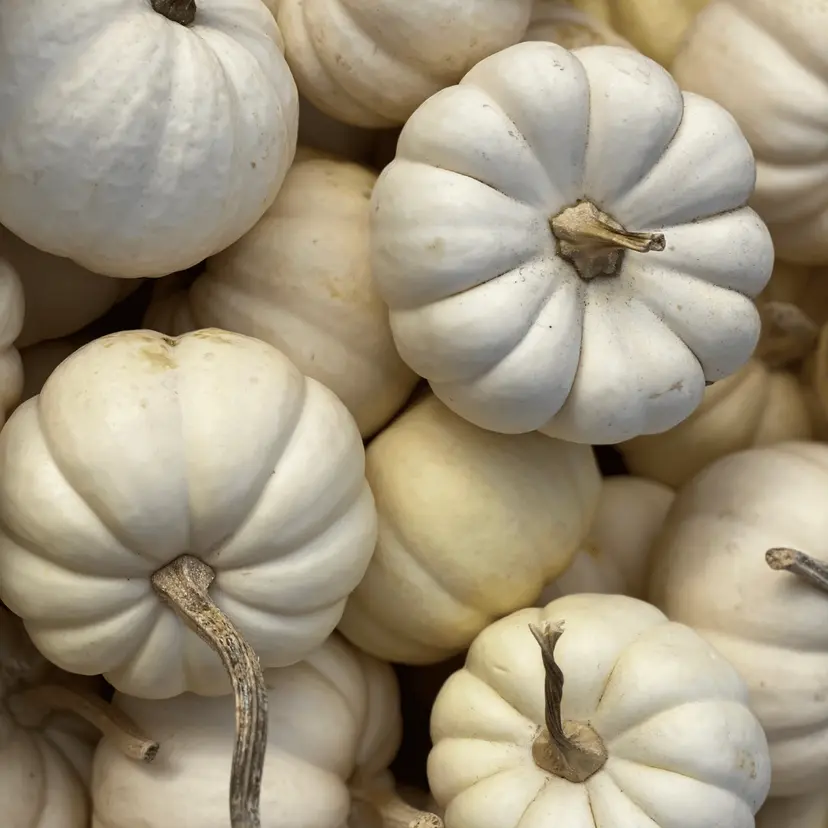
Pumpkins are sprawling vines that produce vibrant gourds in dozens of varieties. From tiny decorative types to massive specimens weighing hundreds of pounds, they're reliable for Halloween carving, cooking, or decoration.
Native to the Americas and domesticated in southern Mexico 8,000-10,000 years ago, pumpkins thrive in warm conditions with plenty of sunlight and rich soil. The plants produce separate male and female flowers requiring bee pollination.
Pumpkins mature in 90-120 days with proper care: full sun, consistent moisture, regular feeding, and disease management. A single plant can produce multiple fruits ready for autumn celebrations.
Watering Schedule
Pumpkins need consistent moisture for fruit development. Provide 1 inch of water weekly through deep soaking at soil level.
Common Problems & Solutions
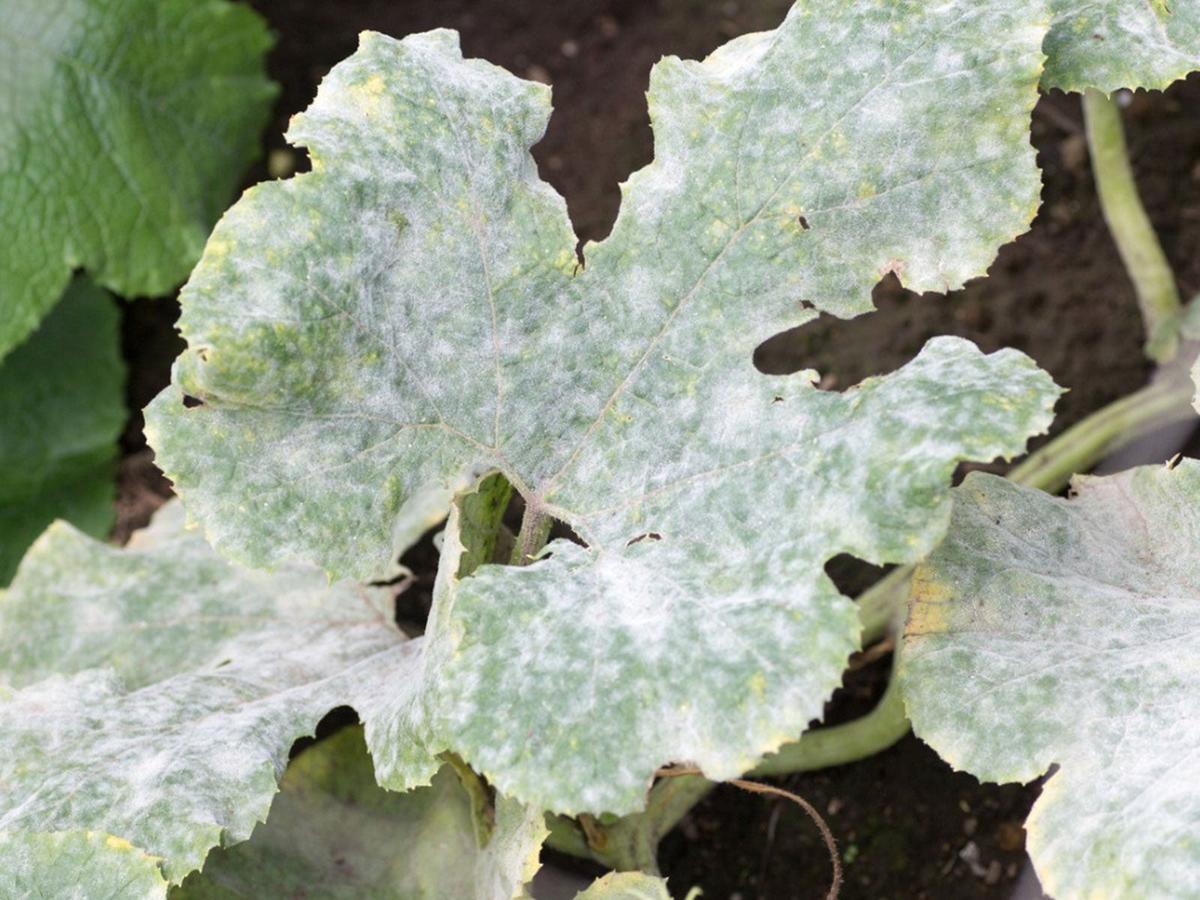
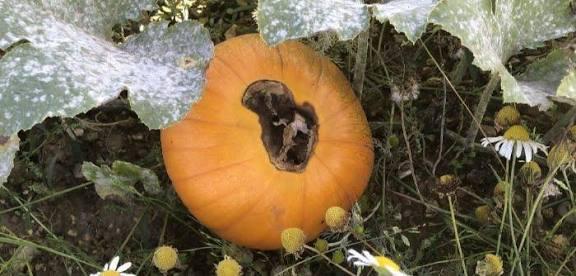
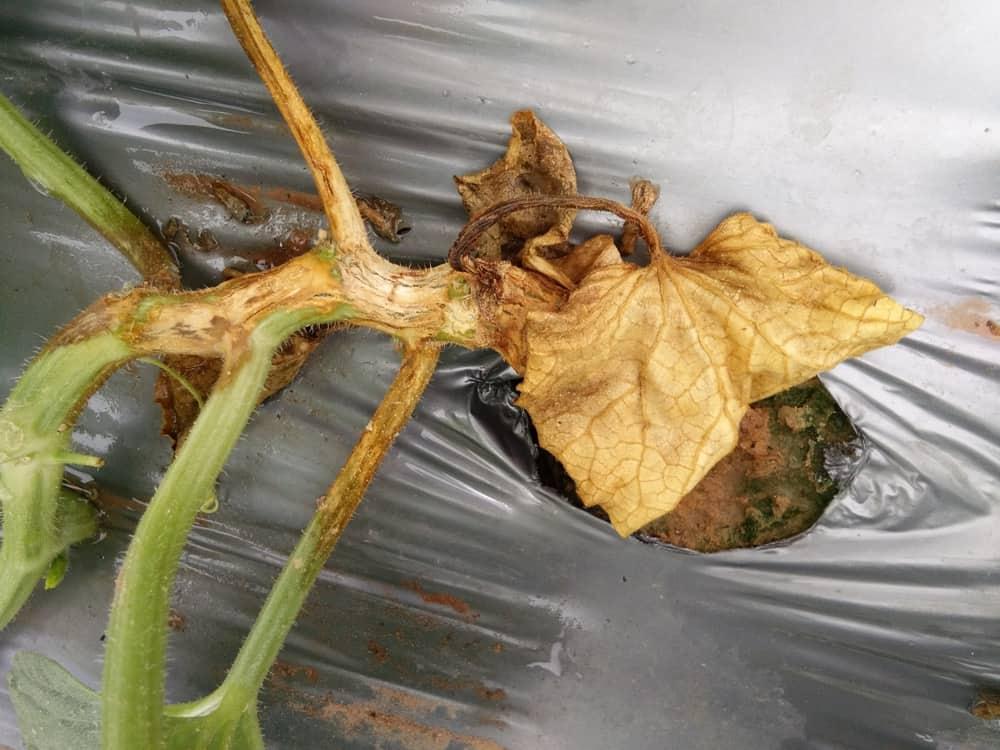
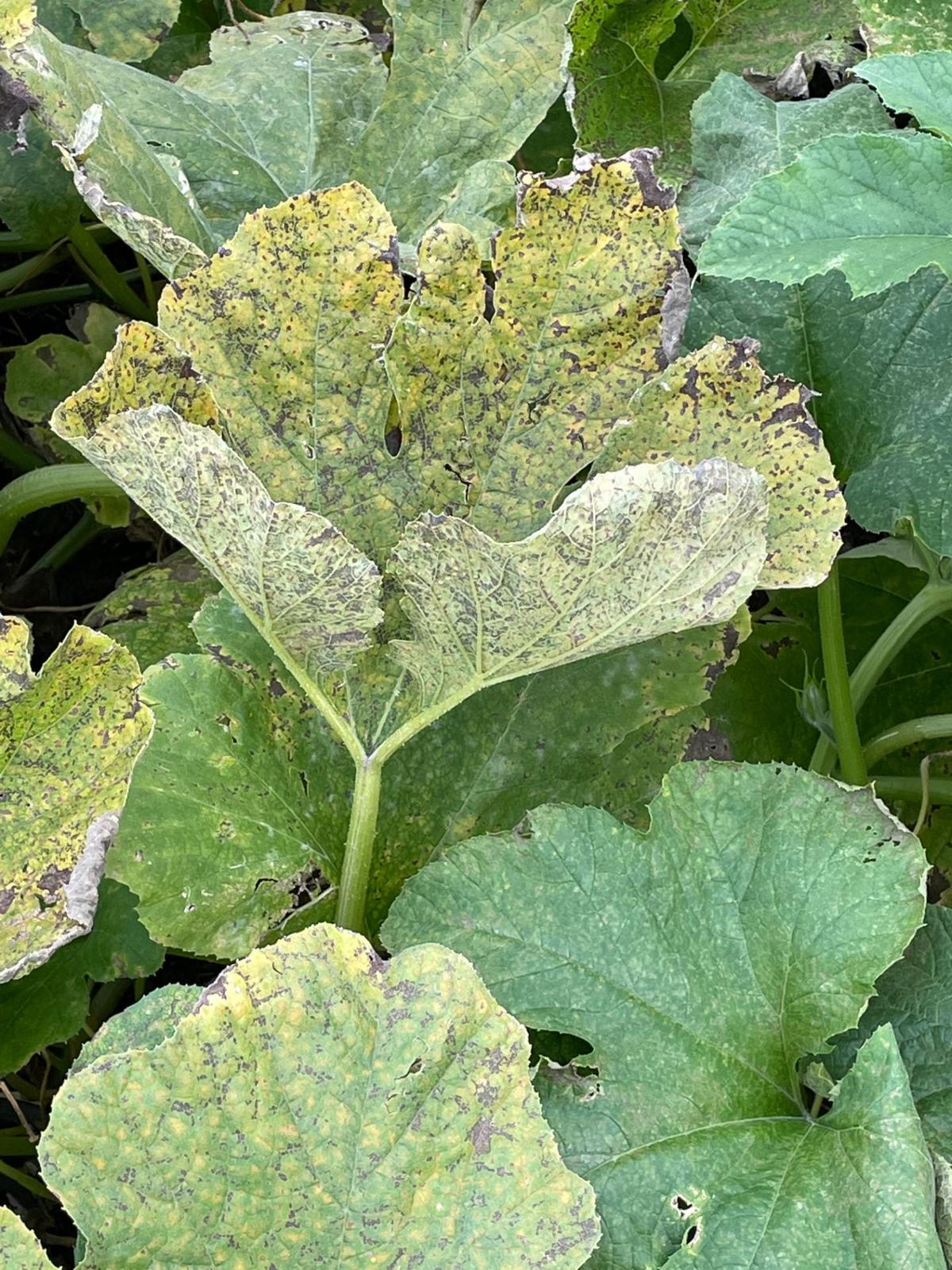
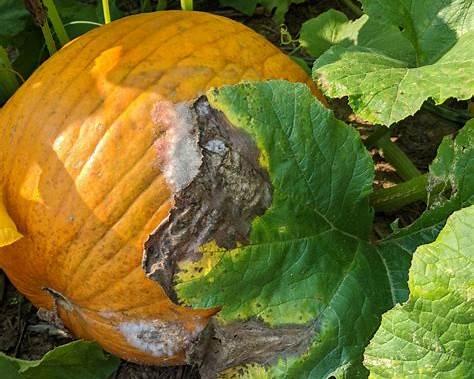
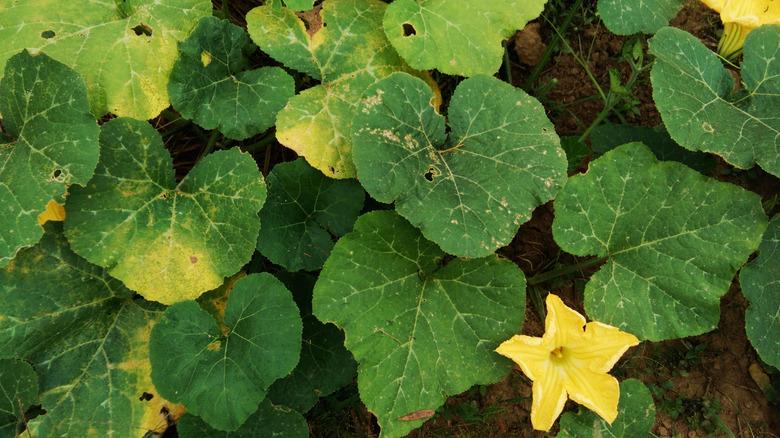
Here's how to identify and fix the most common pumpkin problems.
Popular Varieties
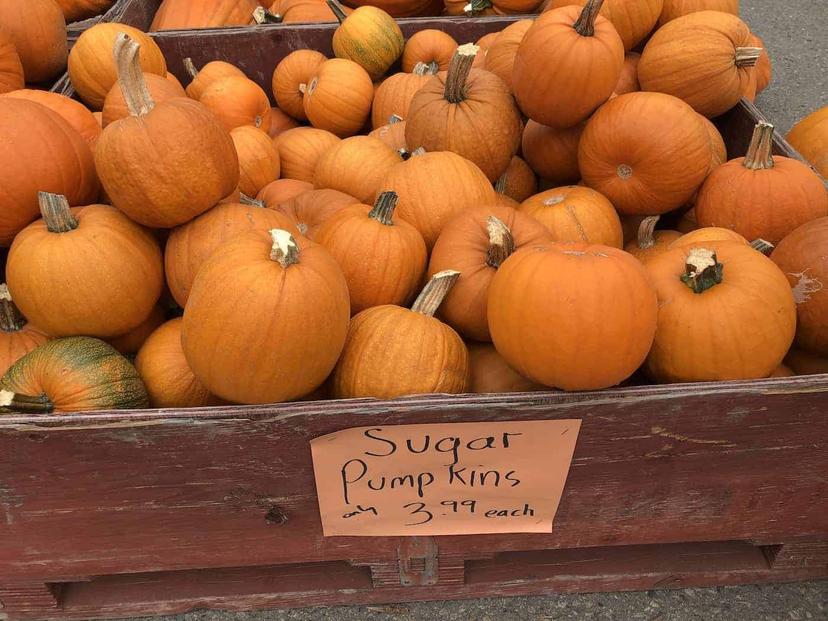
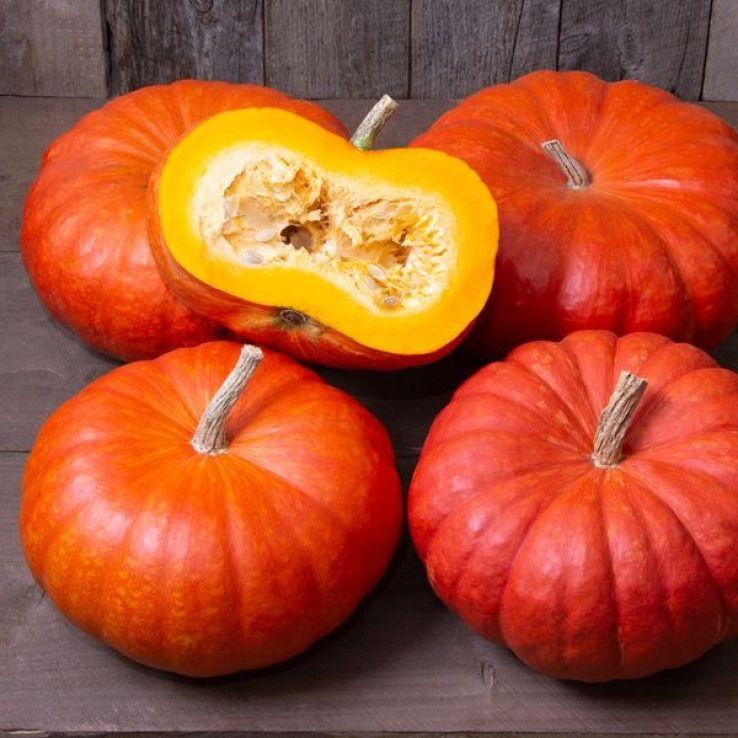
Explore different pumpkin varieties and find your perfect match.
Care Tips & Best Practices
Humidity & Air Circulation
Space plants 3-5 feet apart and prune excess foliage to allow wind movement. Good airflow keeps leaves dry and prevents fungal diseases.
Feeding Schedule
Feed every 2-3 weeks from planting. Use nitrogen-rich (20-10-10) first 6-8 weeks for vigorous vines. Switch to phosphorus-rich (5-10-10) at flowering. Use potassium-rich (0-52-34) for fruit development.
Pruning & Vine Management
Pinch vine tips to concentrate energy into fruit. Remove secondary growth and diseased foliage. For large pumpkins, allow only 1-2 fruits per plant.
Vertical Support & Training
Train vines up sturdy trellises to save space. Use soft fabric slings to support developing fruit and prevent breaking.
Pollination
Pumpkins depend on bees for pollination. Plant flowers nearby and avoid pesticides. Hand-pollinate by transferring pollen from male to female flowers in early morning if needed.
Mulching Benefits
Apply 2-3 inches of mulch to conserve moisture, suppress weeds, and prevent disease splash. Keep mulch 6 inches from plant crown.
Care Checklist
10 Common Mistakes to Avoid
Planting Too Early
Why it's bad: Frost kills plants below 50°F.
Do this instead: Plant after last frost when soil reaches 60-70°F. Count backward 100-120 days from harvest date.
Inconsistent Watering
Why it's bad: Causes wilting, small fruit, blossom end rot.
Do this instead: Water 1-2 times weekly for 1 inch total. Mulch to stabilize moisture.
Overhead Watering
Why it's bad: Promotes powdery mildew and fungal diseases.
Do this instead: Water at soil level only with drip irrigation in early morning.
Inadequate Spacing
Why it's bad: Causes competition and poor air circulation.
Do this instead: Space 3-5 feet apart or train vertically.
Over-Fertilizing Nitrogen
Why it's bad: Produces foliage but few flowers and tiny fruit.
Do this instead: Use nitrogen first 6-8 weeks, then switch to phosphorus and potassium.
Harvesting Too Early
Why it's bad: Pumpkins don't ripen after picking.
Do this instead: Wait until skin is hard, color deep, and stem is dry.
Planting in Shade
Why it's bad: Causes weak vines and few fruits.
Do this instead: Choose full sun location with 8-12 hours daily sun.
Poor Drainage
Why it's bad: Causes root rot.
Do this instead: Plant on mounds or raised beds. Amend soil with compost.
Too Many Seeds
Why it's bad: Overcrowding results from easy germination.
Do this instead: Plant 3-4 seeds per mound, thin to 1-2 strongest.
Ignoring Disease Symptoms
Why it's bad: Delayed treatment allows rapid disease spread.
Do this instead: Inspect leaves weekly. Remove affected leaves immediately. Apply fungicides early.
Frequently Asked Questions
How long does it take to grow pumpkins?
Most varieties mature in 90-120 days from seed. Count backward from your target harvest date to determine planting time.
Can pumpkins grow in containers?
Only miniature varieties under 3 pounds work in containers. Use very large pots (20+ gallons) with frequent watering.
What temperature do pumpkins need?
Thrive at 65-95°F with ideal days around 85°F. Killed by frost. Seeds need 60°F soil minimum.
How much water per week?
1 inch weekly through deep soaking. In hot climates, 2 inches or every 2-3 days.
Can pumpkins grow indoors?
No, not without extensive grow lights. Seedlings start indoors 4-6 weeks before transplanting.
What soil pH do pumpkins need?
6.0-6.8 is ideal. Test soil and amend with lime if below 6.0, sulfur if above.
When are pumpkins ripe for harvest?
Deep color, hard skin (fingernail won't pierce), dry woody stem. Harvest before hard frost.
Water from above or base?
Always at soil level. Overhead watering promotes powdery mildew. Water early morning.
Are pumpkins safe for pets?
Yes, fresh raw and cooked pumpkin are safe for dogs and cats. Feed in moderation only.
How long do pumpkins store?
2-3 months most varieties, up to 6 months thick-skinned types. Store at 50-55°F with 50-75% humidity.
References & Sources
Information in this guide is based on these trusted sources.