
Pothos
The easiest houseplant to grow, pothos thrives in any light and bounces back from neglect. Perfect for beginners and plant parents everywhere.
Video Tutorials
Watch these helpful videos to learn more about Pothos care.
About Pothos
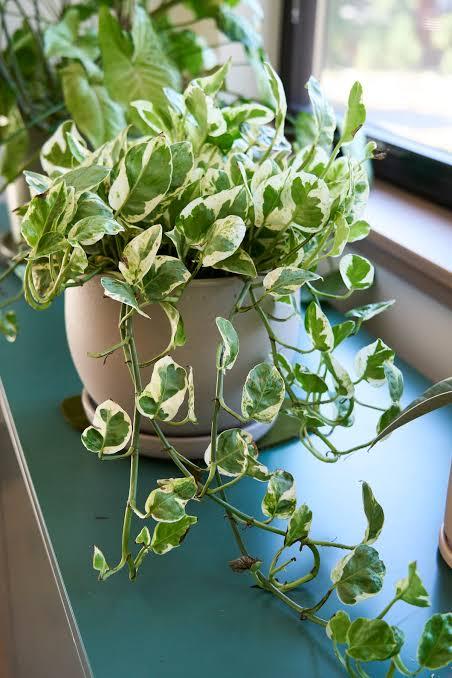
Pothos is the beginner's best friend and most forgiving houseplant. Also called Devil's Ivy, this tropical vine grows almost anywhere and propagates effortlessly. Its popularity stems from incredible adaptability: it tolerates low light, irregular watering, and even neglect for weeks.
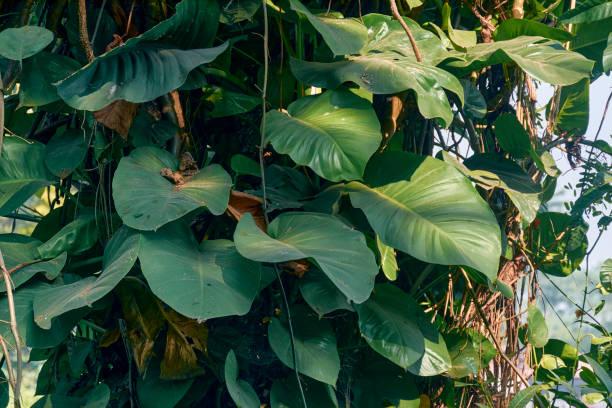
Native to French Polynesia, pothos naturally climbs rainforest trees in warm, humid conditions with dappled light. This tropical nature explains its preference for warmth, though it adapts surprisingly well to typical homes.
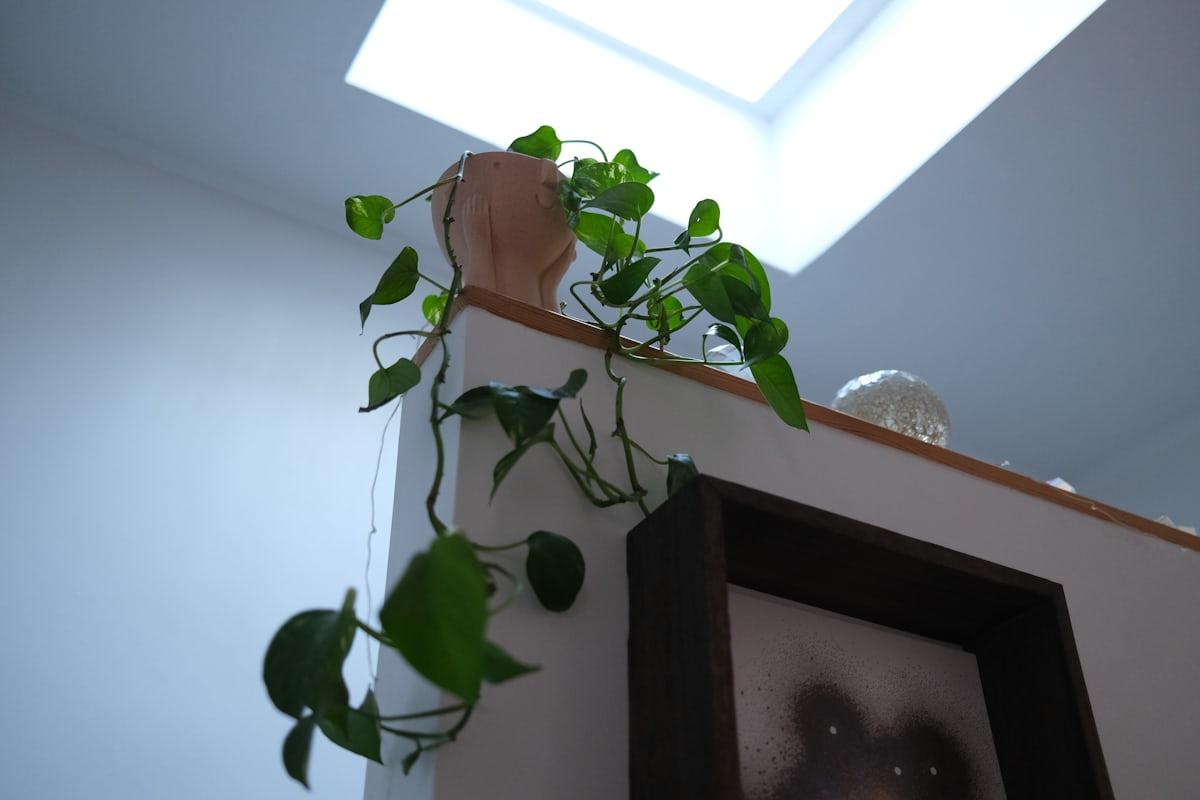
As a houseplant, pothos is virtually indestructible and perfect for every room. It cascades from shelves or climbs moss poles. With basic care, vines grow several feet yearly, staying vibrant for decades.
Watering Schedule
Pothos prefers to dry out between waterings but tolerates both neglect and inconsistency. Water thoroughly when top 50-75% of soil feels dry.
Common Problems & Solutions
Here's how to identify and fix the most common Pothos problems.
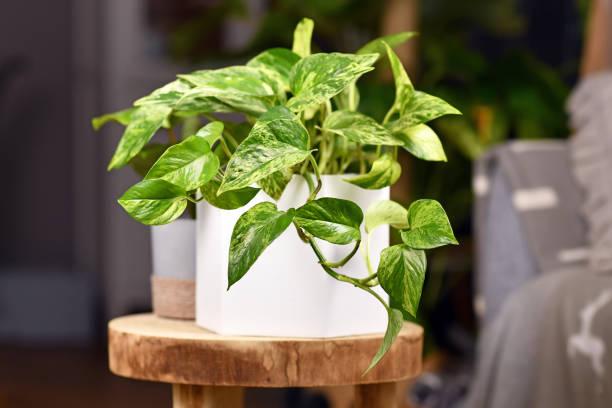
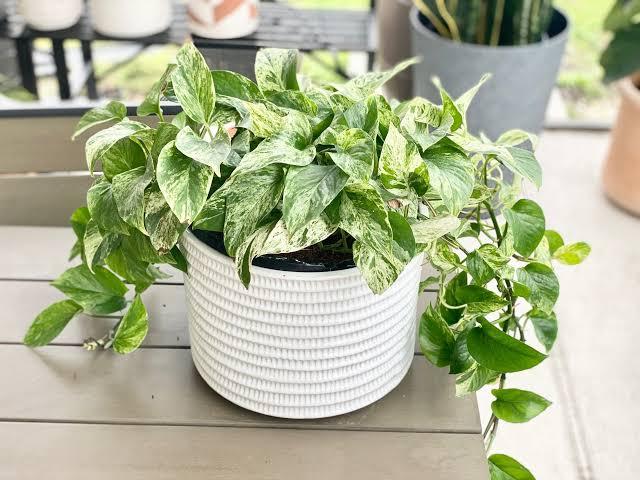
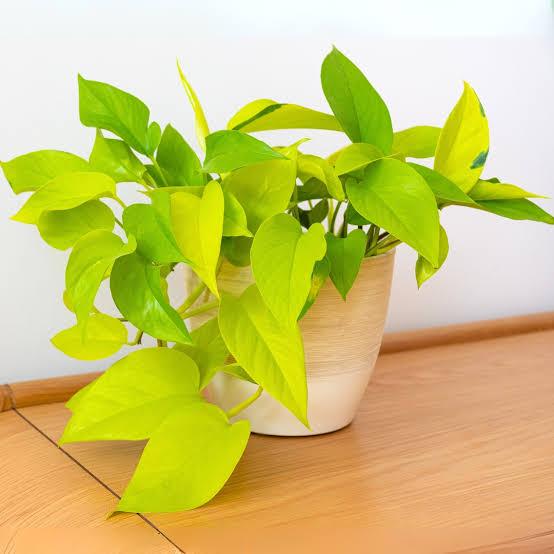
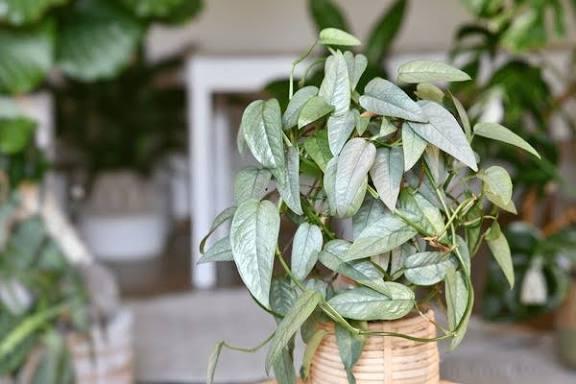
Popular Varieties
Explore different Pothos varieties and find your perfect match.
Care Tips & Best Practices
Humidity & Air Circulation
Average household humidity is fine. Misting is optional. Use fans.
Feeding & Nutrients
Feed monthly during spring and summer with diluted all-purpose fertilizer.
Leaf Cleaning
Wipe leaves monthly with damp cloth to remove dust and improve photosynthesis.
Support & Staking
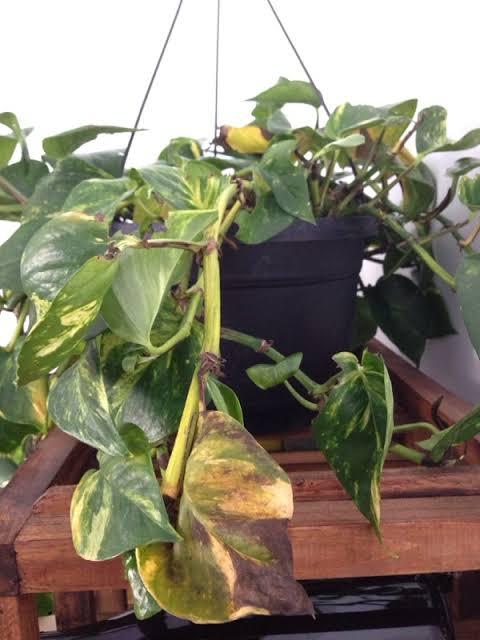
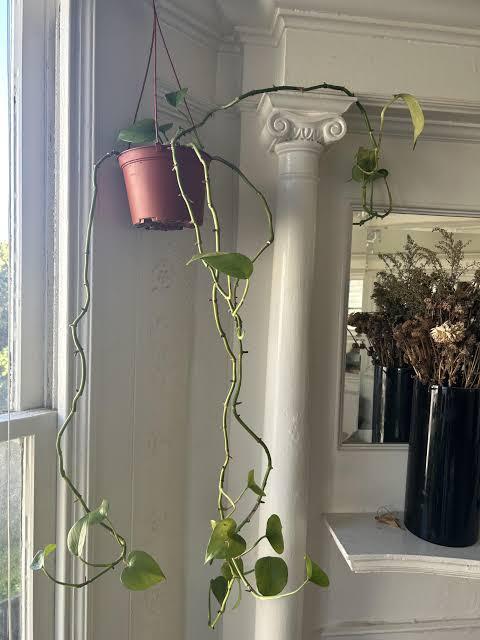
Pothos climbs moss poles for larger leaves or cascades from hanging baskets.
Pruning for Shape
Pinch tips to encourage bushier growth; trim vines to desired length.
Weekly Rotation
Rotate weekly in bright light for balanced, symmetrical growth.
Care Checklist
10 Common Mistakes to Avoid
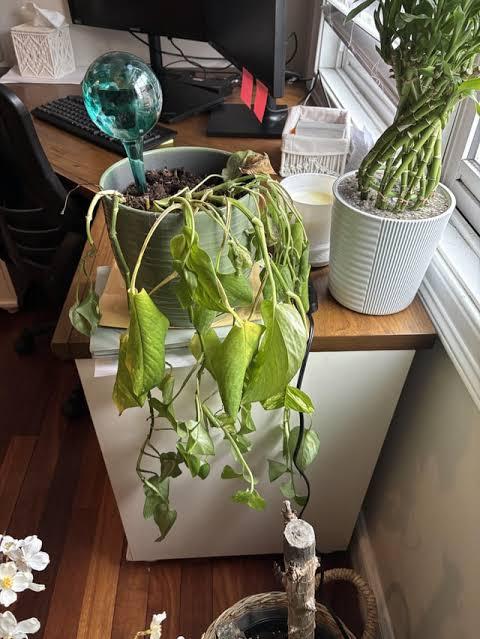
Overwatering or watering on fixed schedule
Why it's bad: Constant moisture causes root rot, the leading killer.
Do this instead: Check soil first; water only when 50-75% is dry.
Placing in completely dark corner
Why it's bad: Even pothos needs some light; complete darkness kills growth.
Do this instead: Position in any light; even low light works fine.
Using dense moisture-retaining potting soil
Why it's bad: Compact soil stays wet too long, promoting rot.
Do this instead: Mix potting soil with 30-40% perlite for drainage.
Ignoring pests until infestation spreads
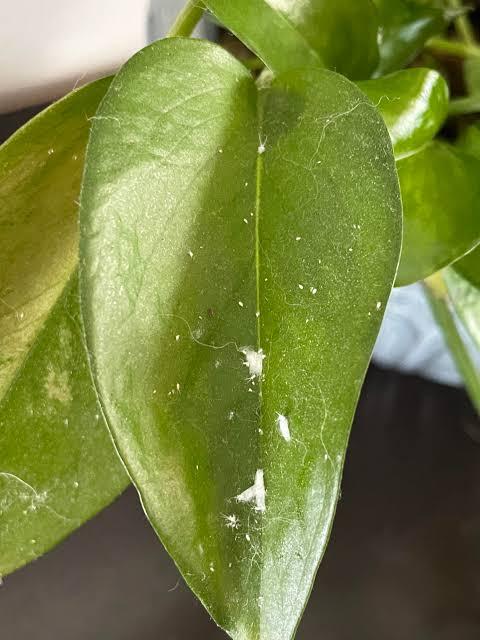
Why it's bad: Spider mites and mealybugs multiply rapidly unchecked.
Do this instead: Inspect leaves weekly; treat early with neem oil.
Placing near heating vents or cold drafts
Why it's bad: Temperature fluctuations stress plant and cause drop.
Do this instead: Keep in stable location away from vents and drafts.
Never pruning or pinching tips
Why it's bad: Unpruned pothos gets leggy and sparse over time.
Do this instead: Pinch tips monthly to encourage bushier growth.
Not rotating pot weekly in bright light
Why it's bad: One-sided light creates lopsided, unbalanced growth.
Do this instead: Rotate 180 degrees weekly for even development.
Potting in containers without drainage holes
Why it's bad: Water accumulates at bottom causing root rot.
Do this instead: Always use pots with bottom drainage holes.
Fertilizing constantly or in winter dormancy
Why it's bad: Excess fertilizer burns roots; winter feeding wastes nutrients.
Do this instead: Feed only monthly during spring and summer.
Exposing to harsh direct afternoon sunlight
Why it's bad: Intense sun scorches and browns tender leaves.
Do this instead: Provide bright indirect light or morning sun only.
Frequently Asked Questions
How fast does pothos grow?
Pothos grows 1-2 feet per month in bright light. Growth slows in low light. Established plants can triple in size yearly.
Can I grow pothos in water indefinitely?
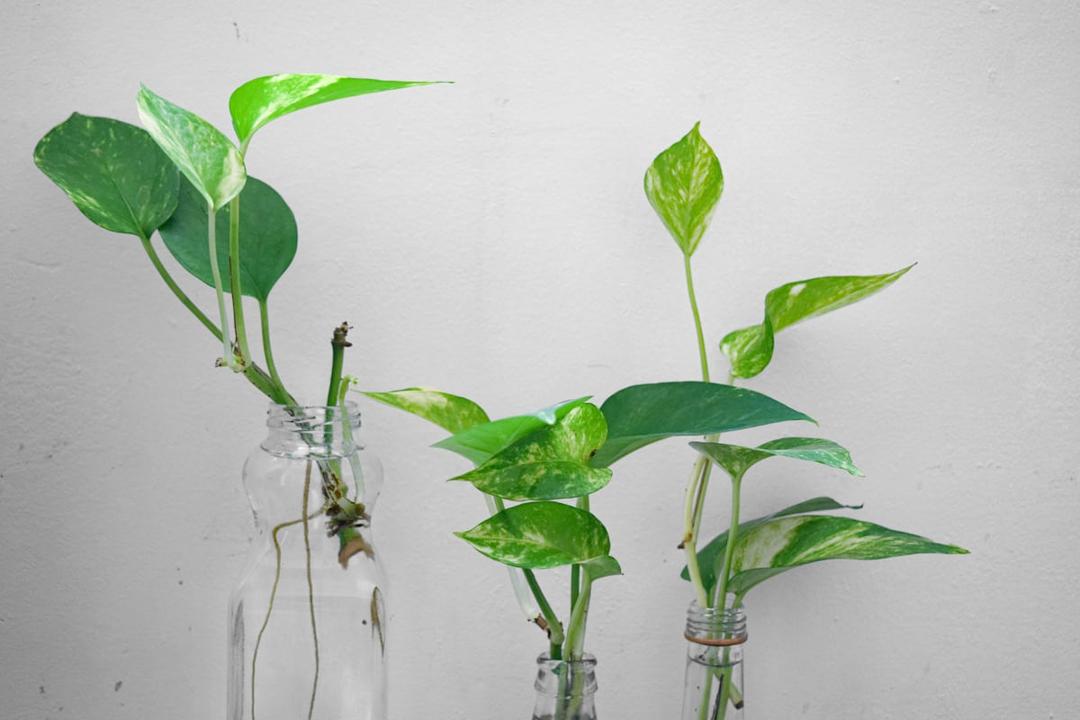
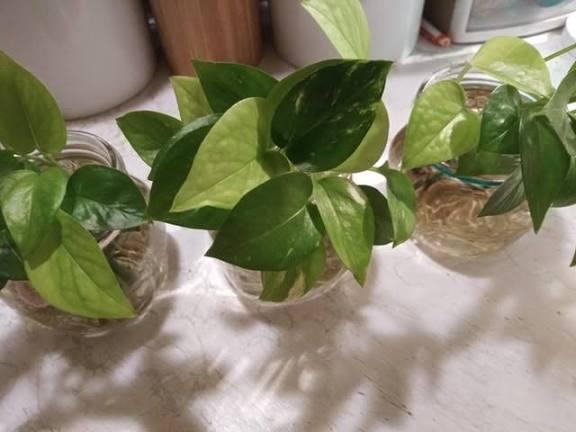
Yes. Rooted cuttings survive months or years in water with occasional changes. It adapts easily between water and soil.
Is pothos toxic to cats or dogs?
Yes, pothos contains calcium oxalate crystals irritating mouths causing drooling or vomiting if chewed. Small exposures cause minor upset.
How often should I water pothos?
Water every 1-2 weeks when top 50-75% soil feels dry. Frequency varies with light and temperature. Check soil first.
Why are my pothos leaves turning yellow?
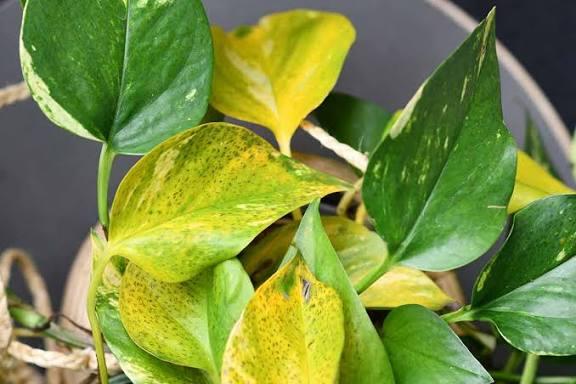
Overwatering is the #1 cause. Check if soil is soggy, repot into fresh soil if mushy, and reduce watering frequency.
Can I propagate pothos without rooting hormone?
Yes. Pothos roots easily without rooting hormone in water or soil. Rooting hormone just speeds up the process.
Does pothos need high humidity?
No. Average household humidity (40-60%) is perfect. Pothos grows in dry homes too. Misting is optional.
How do I make pothos bushier and fuller?
Pinch tips monthly to encourage side growth, provide bright light to maximize leaf size, and ensure consistent watering.
Can pothos climb or does it only cascade?
Both. Provide a moss pole and it climbs with increasingly larger leaves. Or let it cascade from hanging baskets.
How long do pothos plants live?
Pothos lives decades with minimal care. Plants thrive 30-50+ years in homes. They're essentially immortal with basic watering.
References & Sources
Information in this guide is based on these trusted sources.