
Potato
Cool-season staple crop producing nutritious underground tubers in containers. Needs bright light and consistent moisture for best harvests.
Video Tutorials
Watch these helpful videos to learn more about Potato care.
About Potato
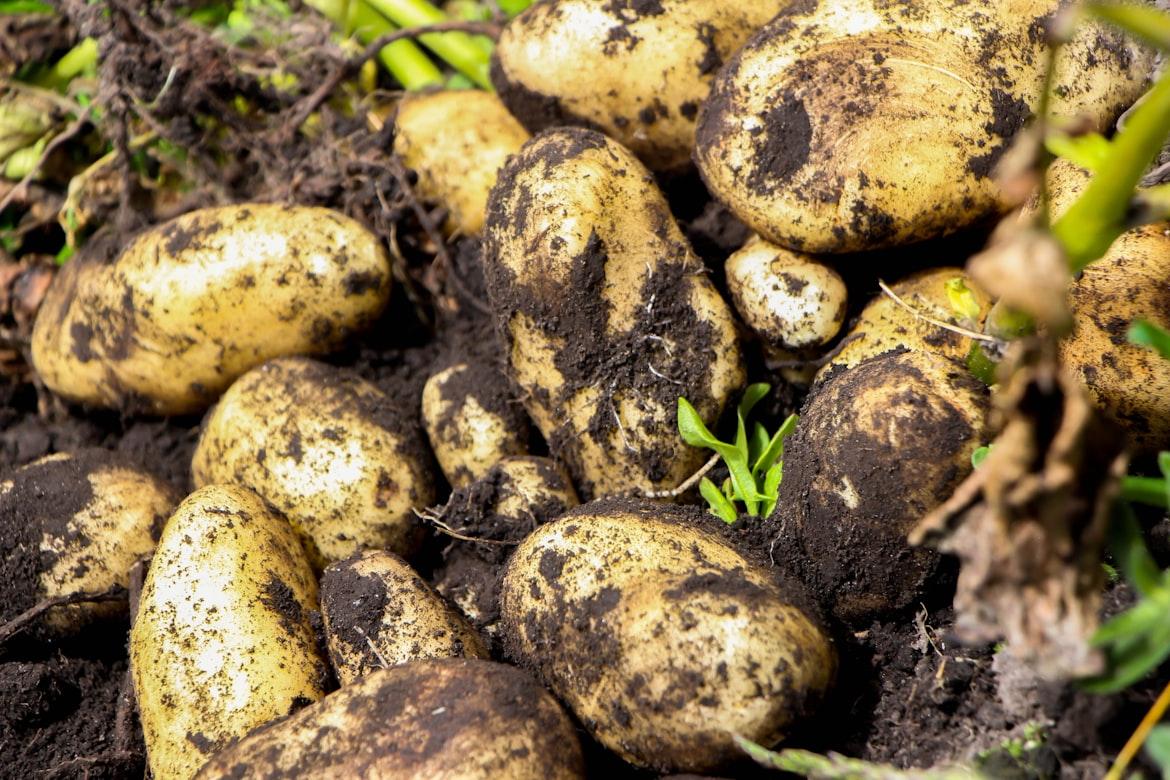
Potatoes rank with wheat and rice as one of world's most important food staples. These underground stem tubers from the nightshade family offer exceptional nutrition and cooking versatility. Home gardeners grow potatoes in containers for fresh harvests.
Native to Andes Mountains of South America where wild ancestors grew at high elevations. Cool temperatures and moderate moisture shaped potato's growing preferences. Traditional regions remain centers of potato diversity and cultivation expertise.
Container-grown potatoes mature in 90-130 days producing multiple tubers per plant. Proper light, hilling technique, and disease prevention yield healthy crops. Indoor cultivation requires supplemental lighting for meaningful tuber production.
Watering Schedule
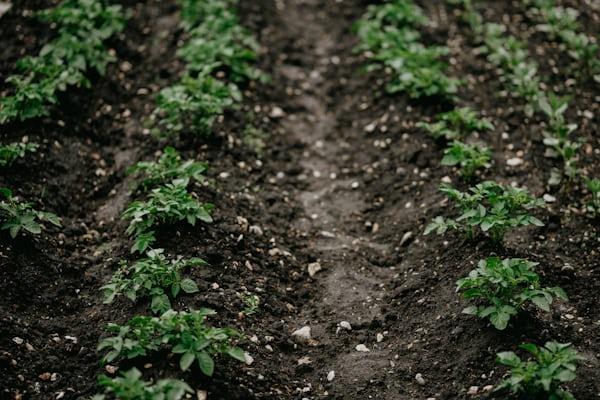
Potatoes require consistent soil moisture, but the soils should not be logged. The recommended 1-2 inches of water per week can be applied in any method as long as the root zone is kept evenly moist. In containers, check daily since they dry faster than ground beds.
Common Problems & Solutions
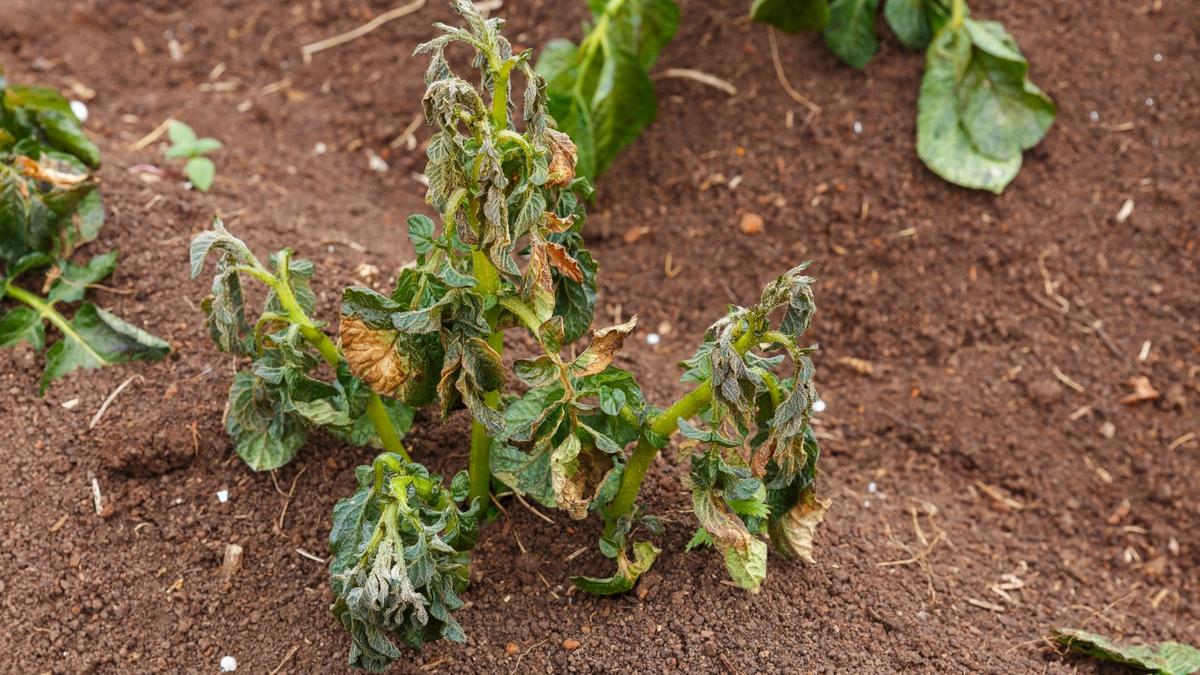
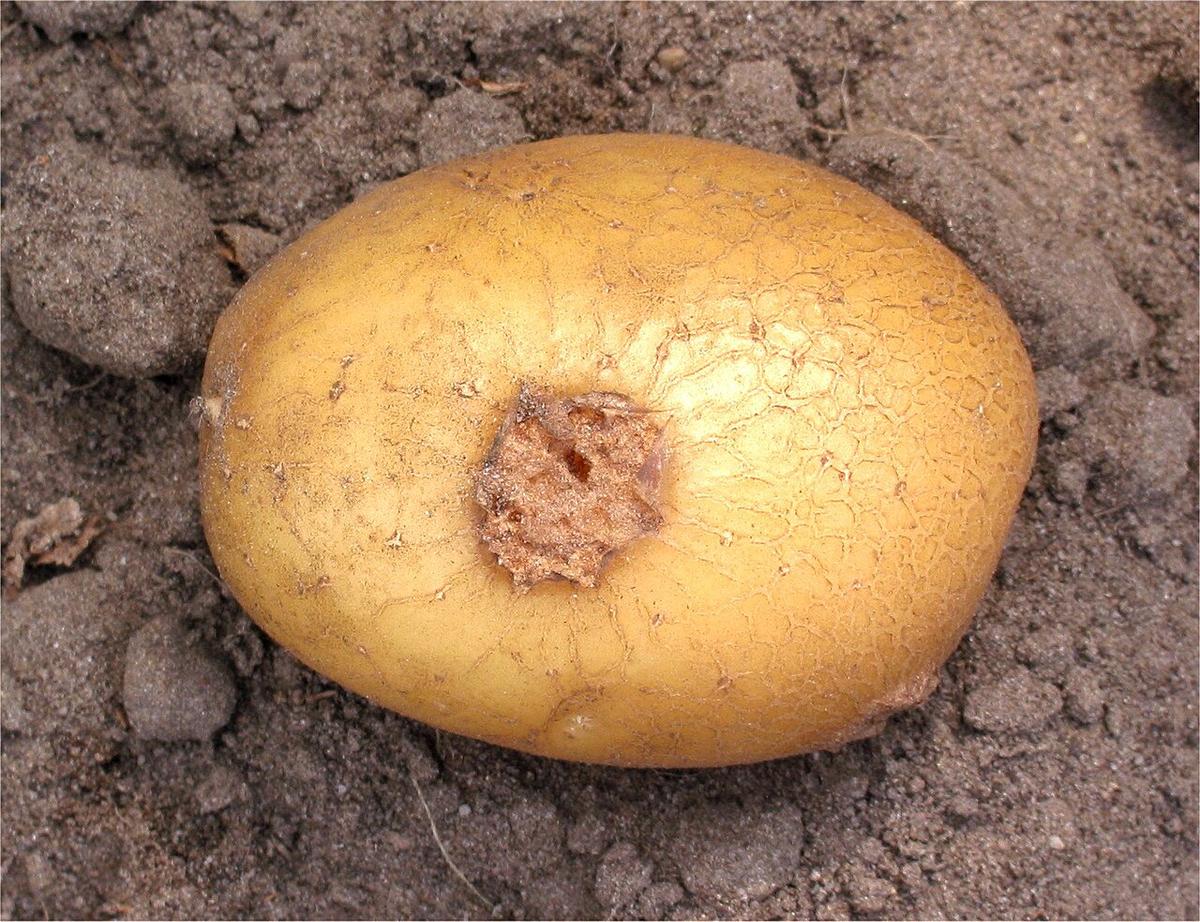
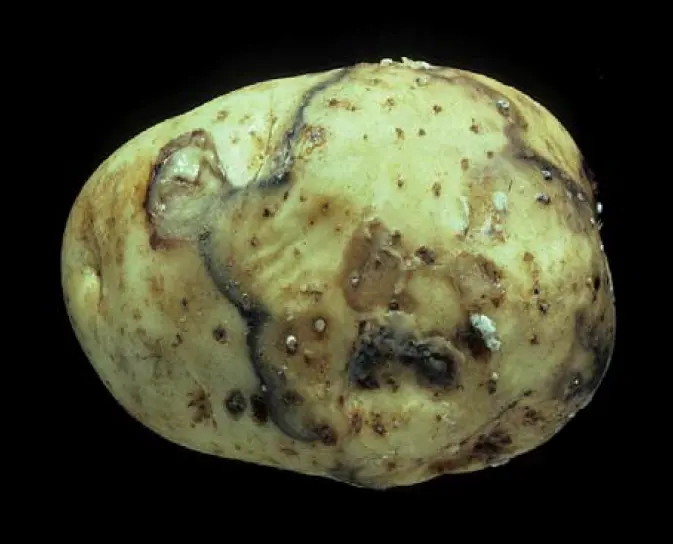
Here's how to identify and fix the most common Potato problems.
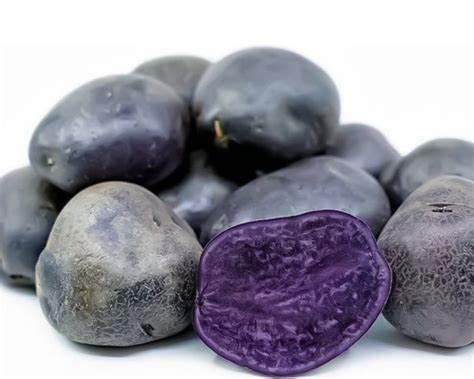
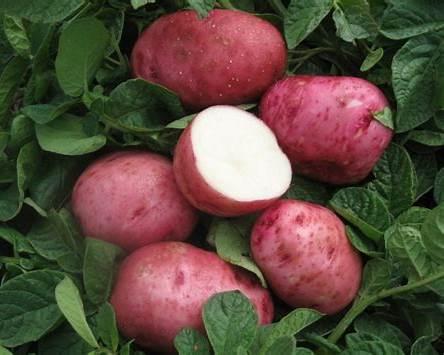
Popular Varieties
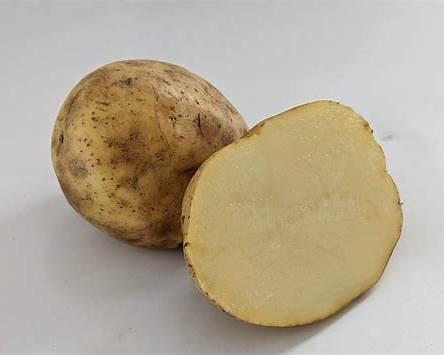
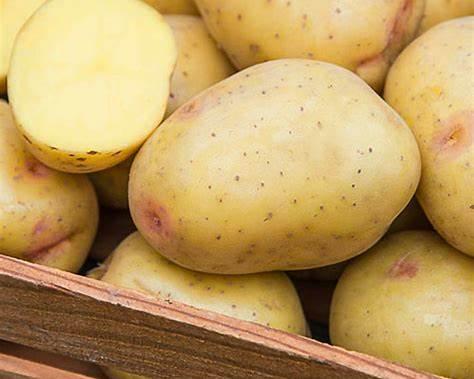
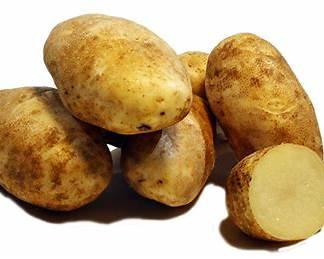
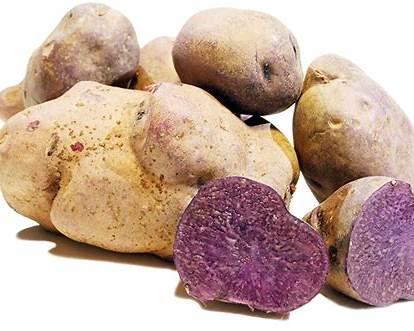
Explore different Potato varieties and find your perfect match.
Care Tips & Best Practices
Humidity Control
Moderate 40-60% ideal. Good air movement prevents fungal leaf diseases naturally
Fertilizer Feeding
10-10-10 NPK every 3 weeks starting tuber formation through bulking phase
Hilling Technique
Weekly soil mounds around stems totally prevent green toxic tuber formation.
Pruning Maintenance
Remove yellow lower leaves improving air circulation disease prevention
Leaf Rotation
Turn containers weekly exposing all leaf surfaces to light evenly
Pest Patrol
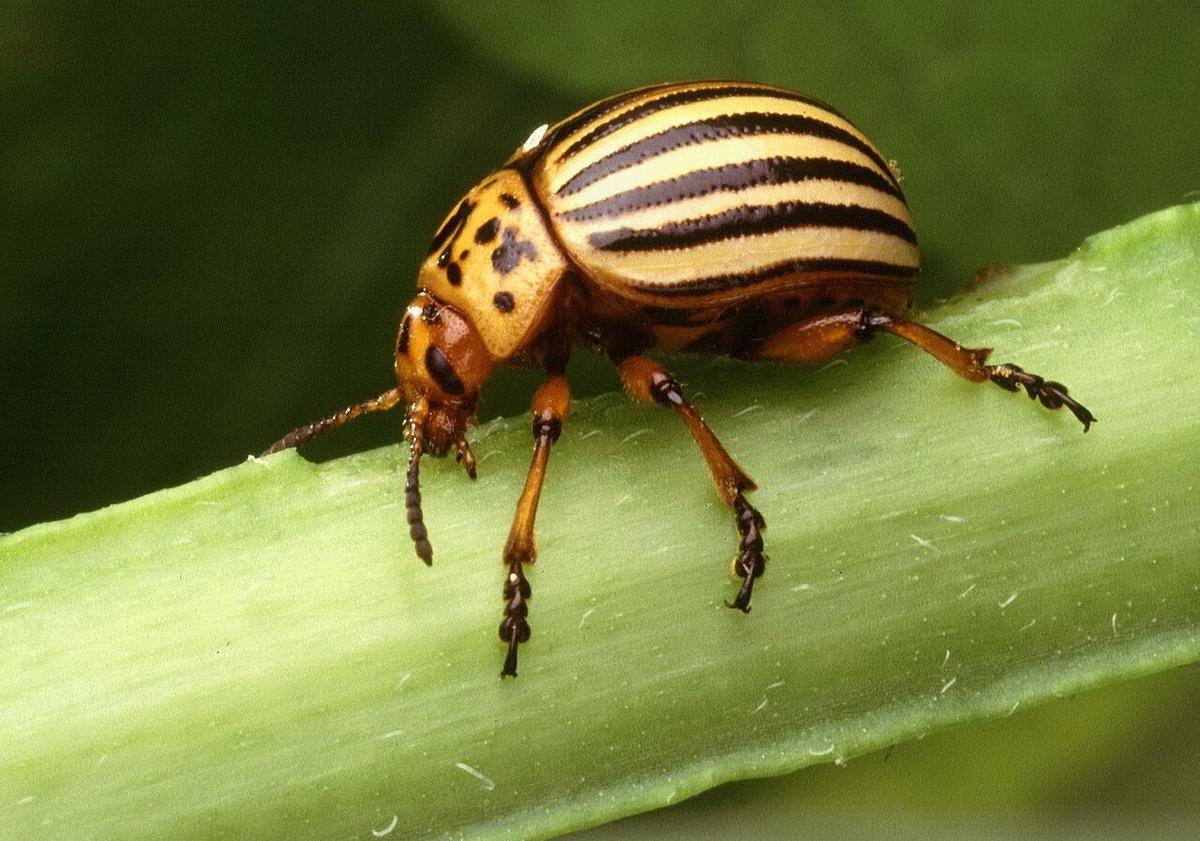
Daily underside leaf inspection catches Colorado beetle eggs before hatching.
Care Checklist
10 Common Mistakes to Avoid
Cold soil planting
Why it's bad: The seed pieces simply rot before sprouting germination fails.
Do this instead: 45°F soil minimum frost danger passed
Overwatering soggy soil
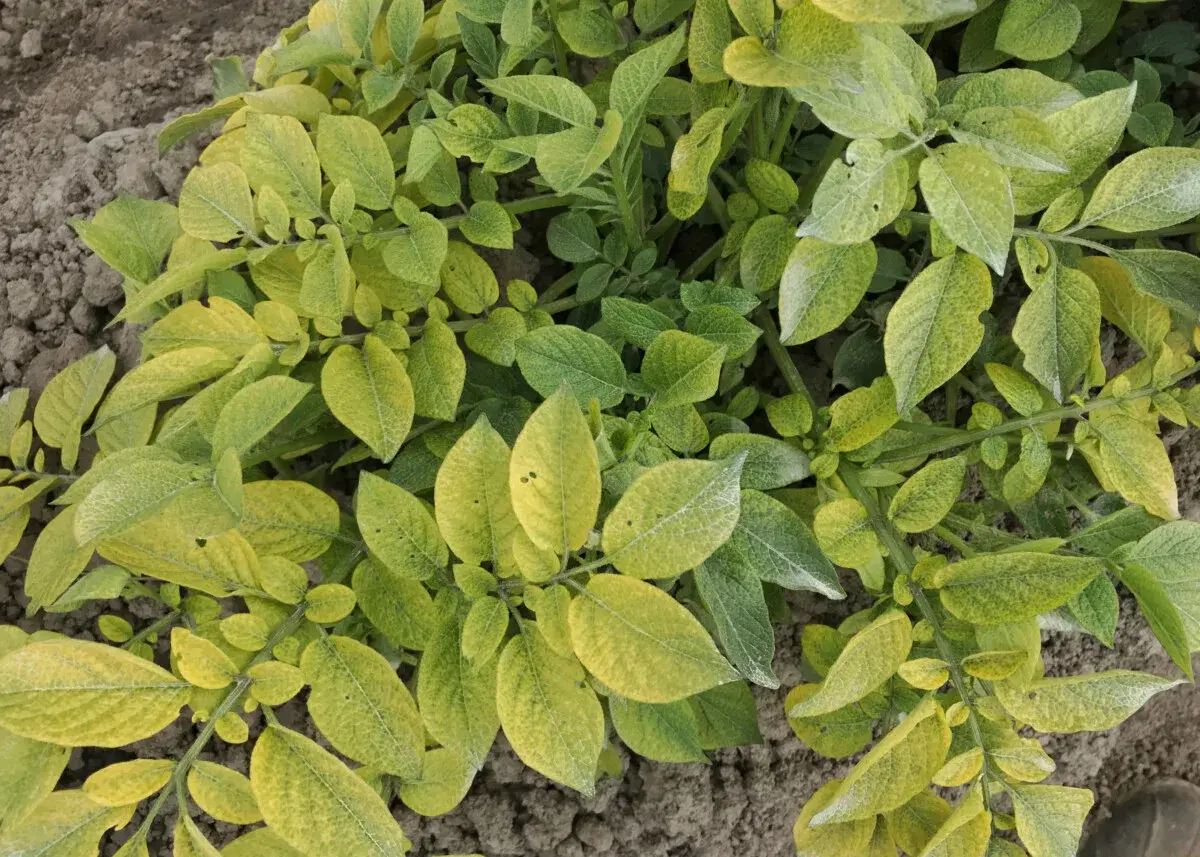
Why it's bad: It develops root rot fungus disease on the plant which makes its leaves turn yellow
Do this instead: Top inch dry between waterings drainage essential
Insufficient lighting
Why it's bad: Leggy plants minimal tuber production
Do this instead: 13+ hours combined natural artificial light
Store bought tubers
Why it's bad: Sprout inhibitors diseases poor vigor
Do this instead: Certified disease-free seed potatoes only
No soil hilling
Why it's bad: Green toxic solanine tuber formation
Do this instead: Weekly mounds covering stems completely
Heavy garden soil
Why it's bad: Poor drainage compaction disease risk
Do this instead: Potting mix compost perlite blend
Crowded spacing
Why it's bad: Poor circulation fungal spread competition
Do this instead: 8-12 inches minimum plant separation
Pest neglect
Why it's bad: Beetle populations explode defoliation
Do this instead: Weekly egg crushing leaf inspection
Inconsistent moisture
Why it's bad: Misshapen cracked stress tubers
Do this instead: Even 1-2 inches weekly all season
Wrong harvest timing
Why it's bad: Small immature tough woody tubers
Do this instead: Complete vine dieback maximum size
Frequently Asked Questions
Indoor potato growing possible?
Yes 13+ hours light deep containers consistent moisture. Tuber production limited without grow lights south windows.
Harvest timeline?
90-130 days planting to harvest. Early varieties 70-90 days late varieties 110-130 days maximum.
Green parts toxic?
Yes solanine poison leaves stems green tubers. Discard green portions eat only cured white tubers.
Best container size?
10-liter 2.5-gallon per plant yields 3-5 tubers. 6-inch pots produce 1-3 smaller tubers.
Green tubers safe?
No toxic solanine buildup light exposure. Increase hilling shading tubers completely prevent greening.
Seed potatoes edible?
No fungicide sprout inhibitor treatments. Certified seed planting use only never consumption.
Fertilizer schedule?
10-10-10 NPK 3 weeks intervals tuber formation through bulking. Stop yellowing foliage harvest.
Late blight prevention?
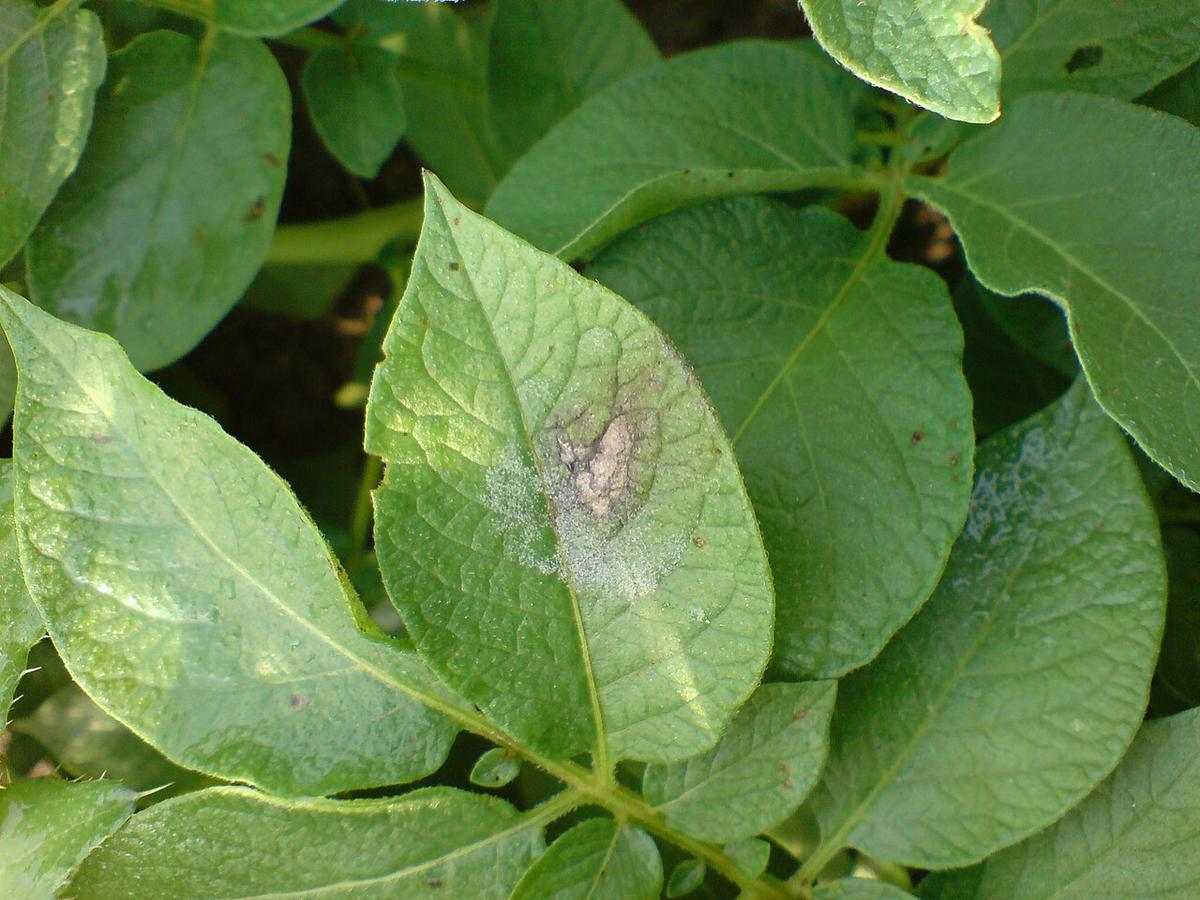
Dry foliage drip irrigation air circulation resistant varieties. Remove 25% infection immediately.
Natural light sufficient?
No 13+ hours needed most windows. South windows plus 12-hour grow lights minimum required.
Best NPK ratio?
10-10-10 balanced 5-10-10 phosphorus emphasis. Potassium critical bulking phase avoid excess nitrogen.
References & Sources
Information in this guide is based on these trusted sources.