
Philodendron
Tropical houseplant that thrives in low light. Perfect for beginners.
Video Tutorials
Watch these helpful videos to learn more about Philodendron care.
About Philodendron
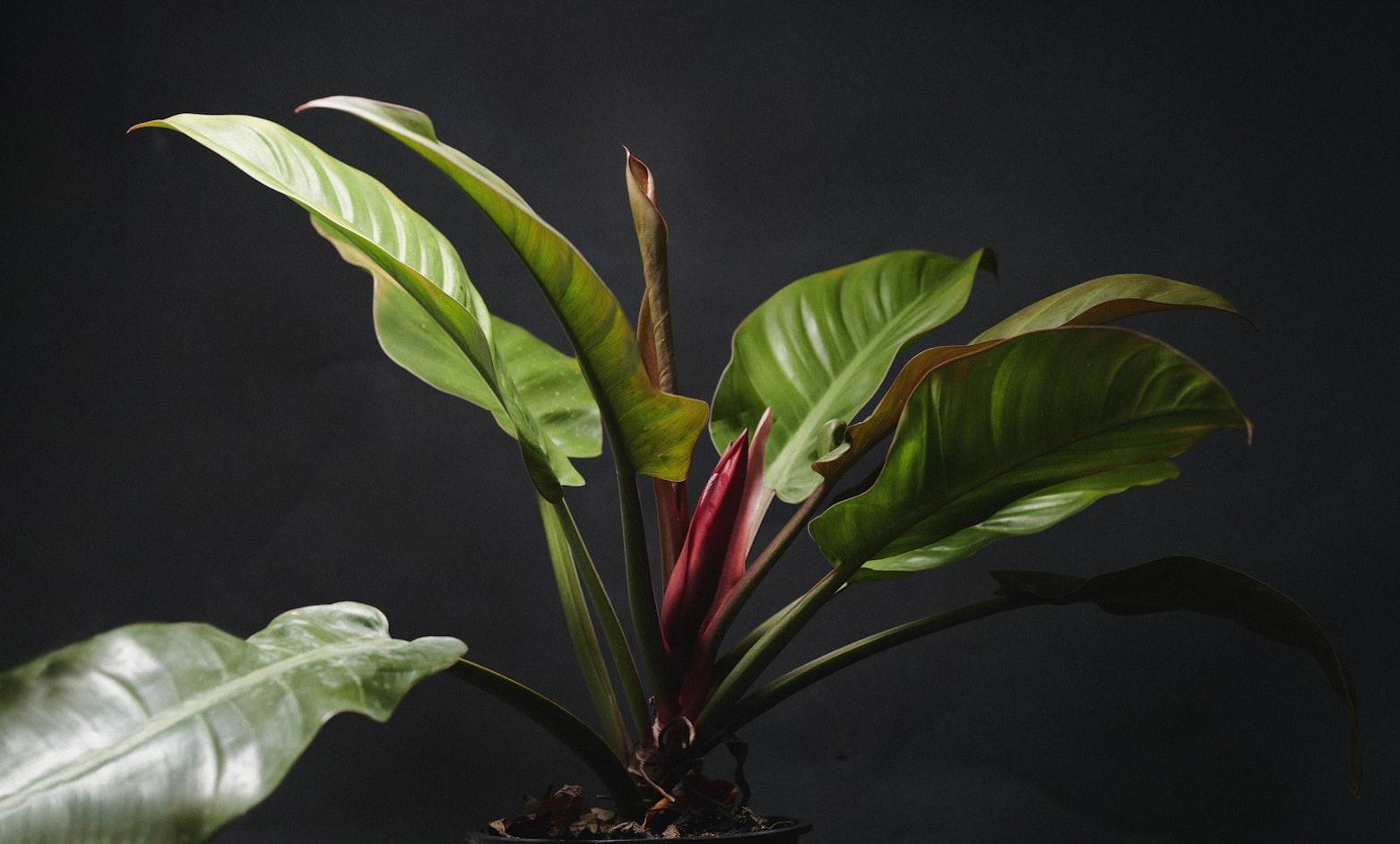
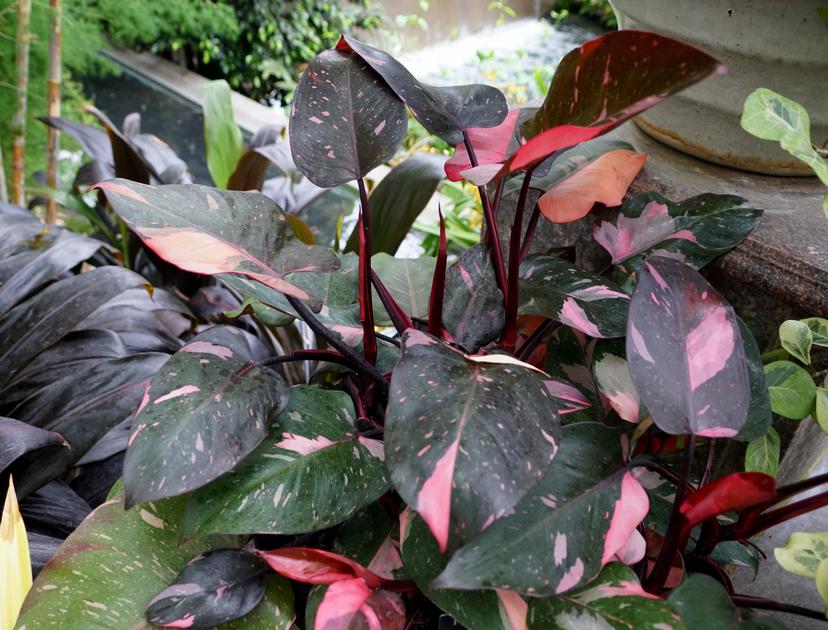
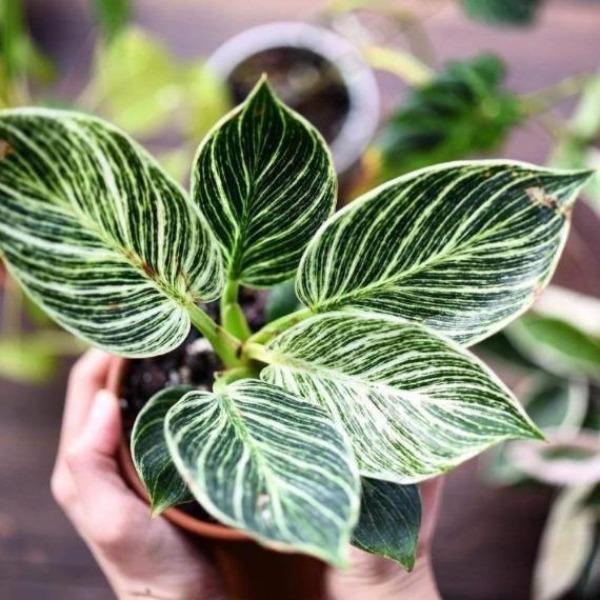
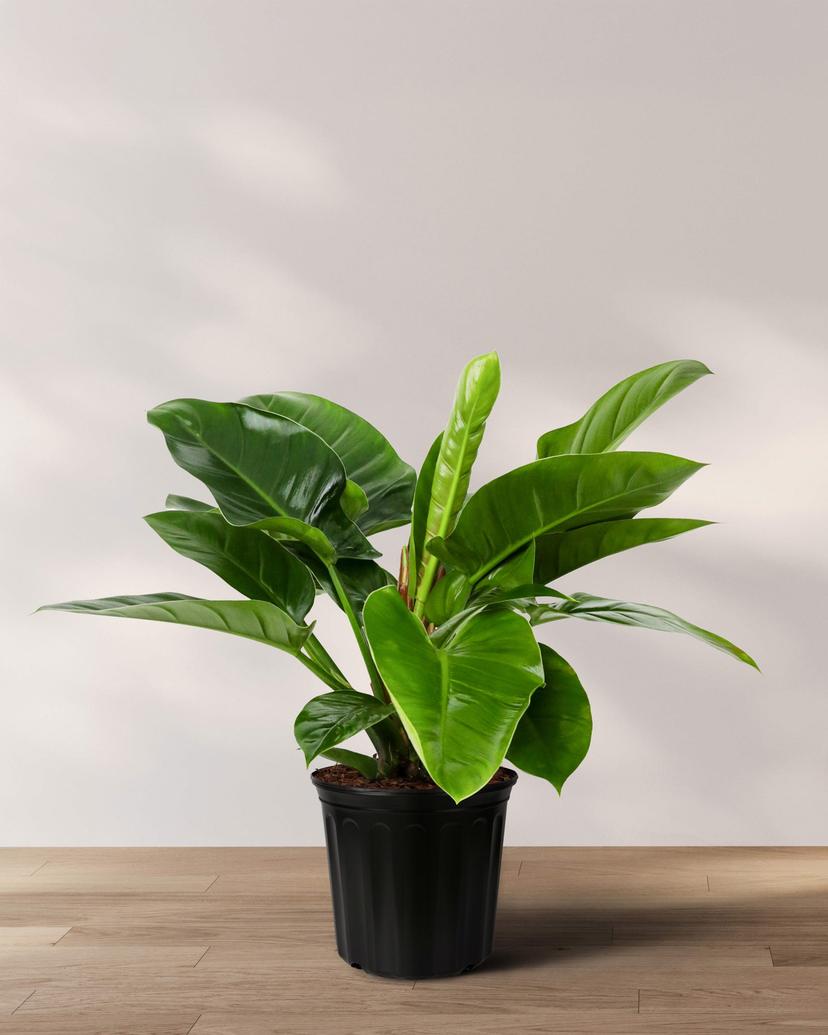
Philodendrons are the most popular houseplants worldwide. These tropical vines belong to the Araceae family and come in hundreds of varieties. Known for adaptability, they're ideal for beginners and experienced growers. Many varieties feature stunning variegation or unique leaf shapes.
Native to rainforests of Central and South America, philodendrons evolved in the shaded understory. This explains their tolerance for lower light and preference for indirect rays. They thrive in humid, warm environments with well-draining soil.
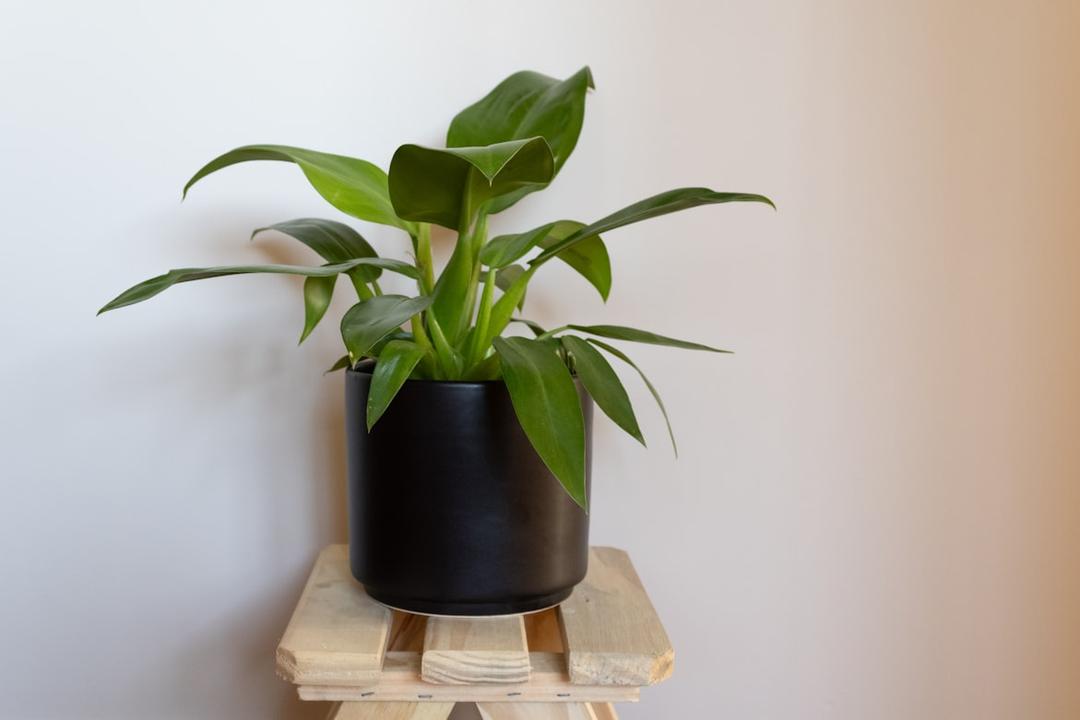
Indoors, philodendrons adapt beautifully to average conditions while thriving with bright indirect light. Most varieties grow vigorously in spring-summer, slowing naturally in cooler months. A single cutting grows several feet per year.
Watering Schedule
Let the top 1-2 inches of soil dry before watering. Spring-summer means weekly watering; fall-winter extends to 2-3 weeks.
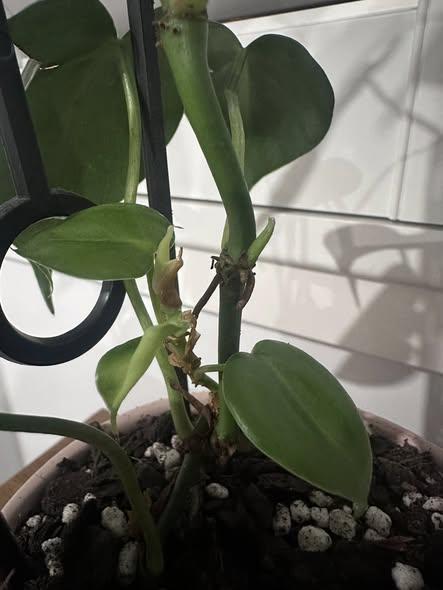
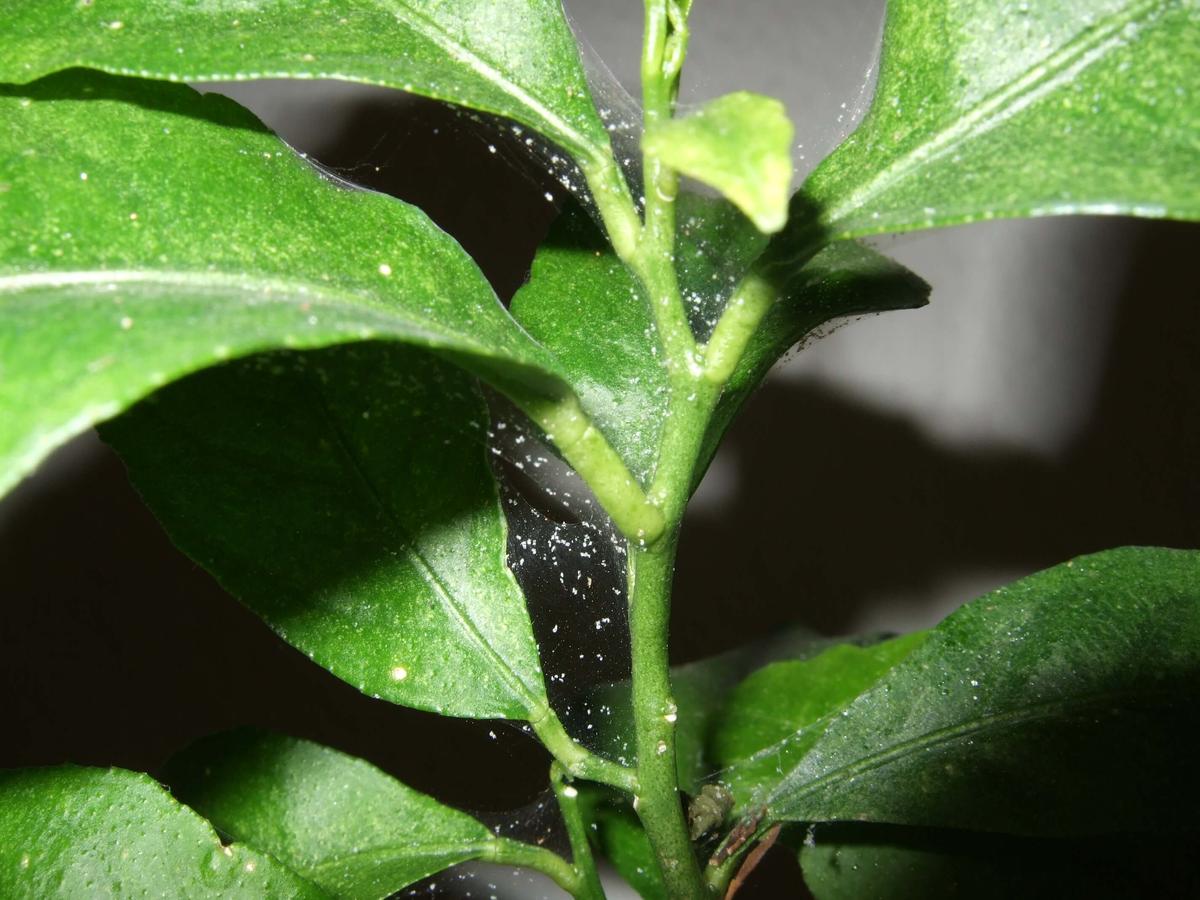
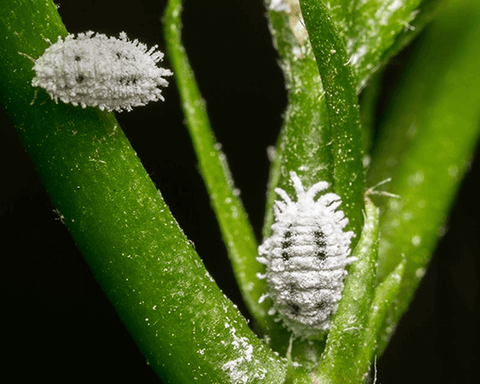
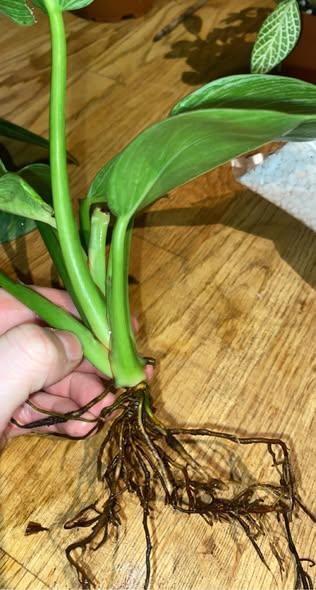
Common Problems & Solutions
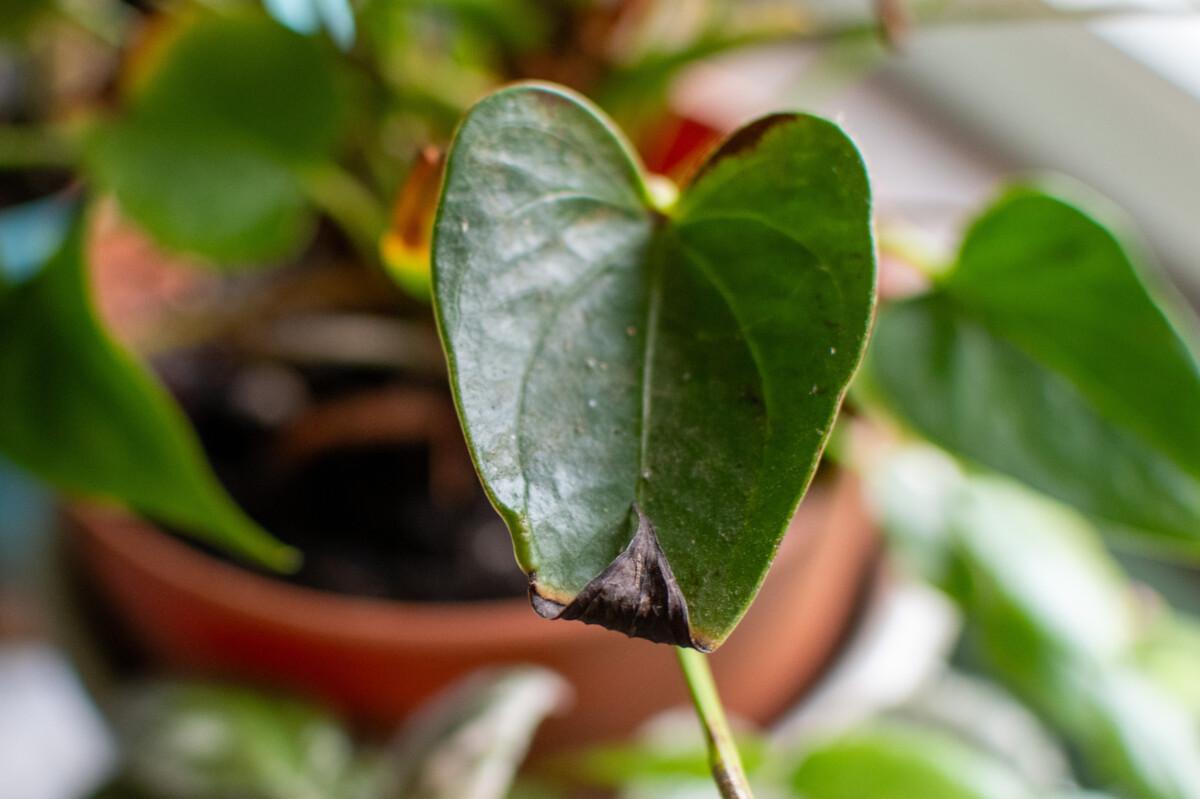
Here's how to identify and fix the most common Philodendron problems.
Popular Varieties
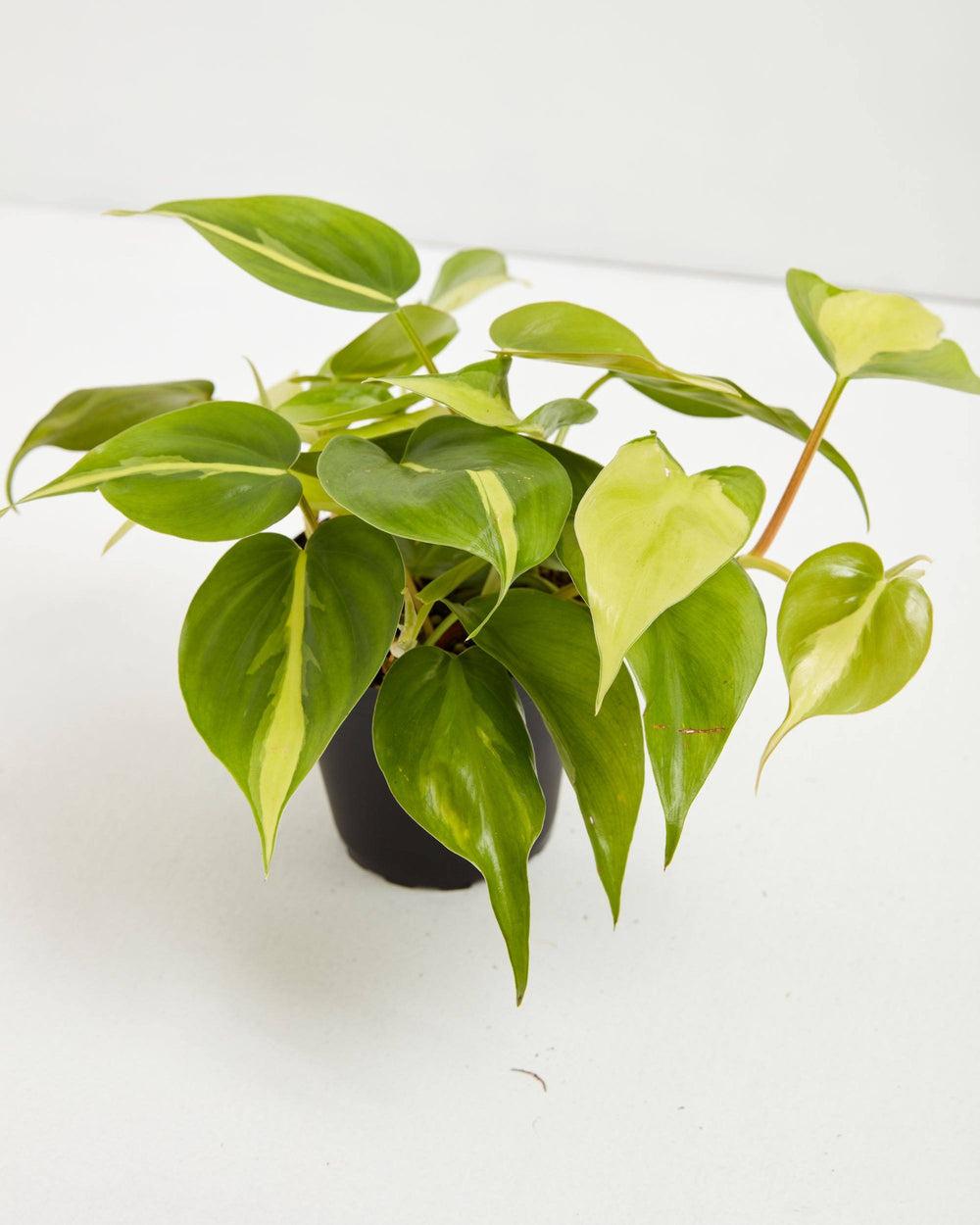
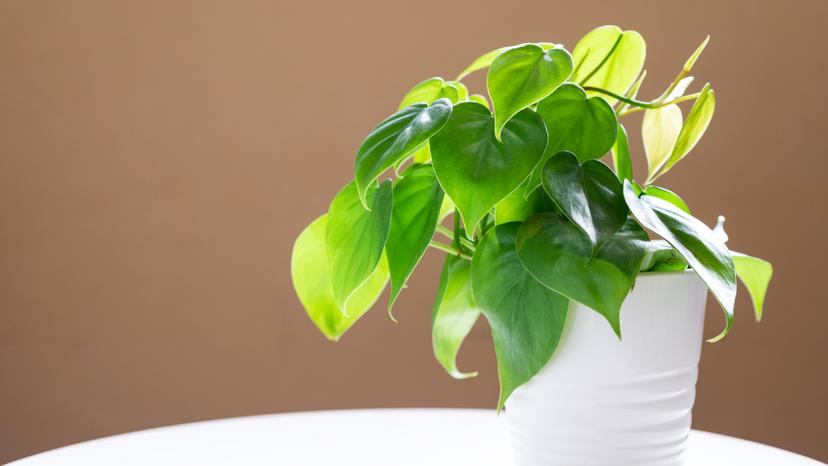
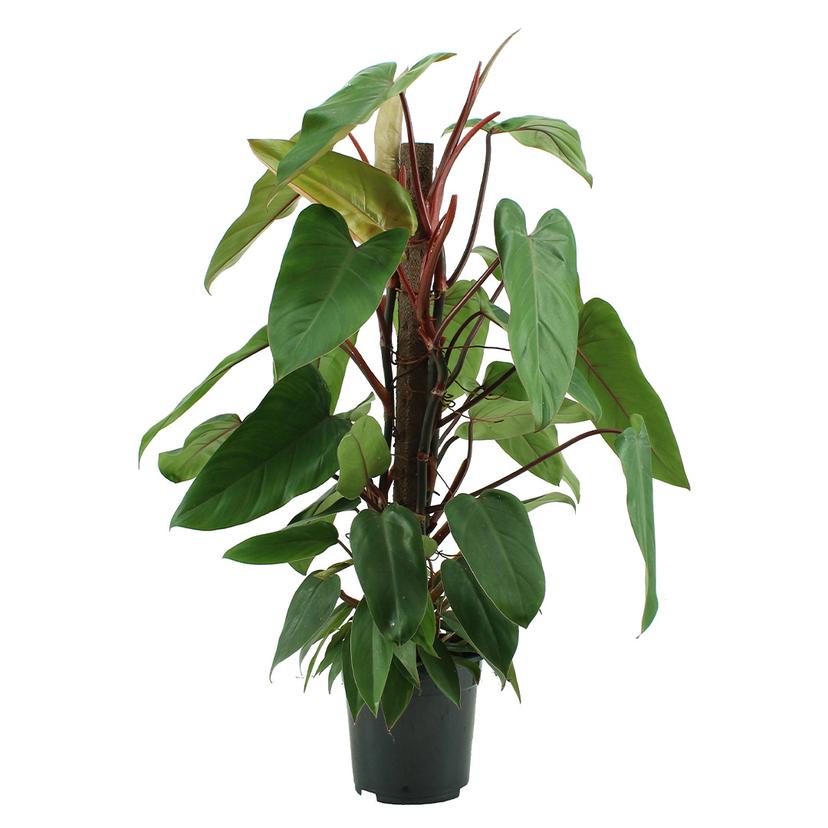
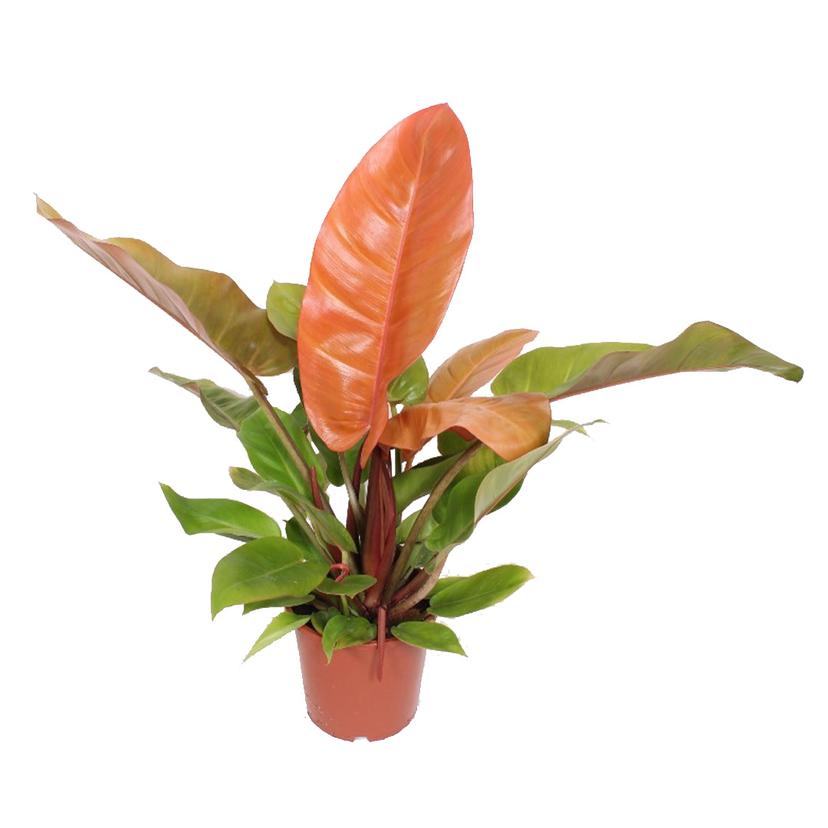
Explore different Philodendron varieties and find your perfect match.
Care Tips & Best Practices
Humidity
Mist 2-3 times weekly or place on a pebble tray with water. Bathrooms and kitchens provide natural humidity.
Feeding
Use balanced liquid fertilizer (10-10-10 NPK) at half strength every 4-6 weeks in spring-summer. Stop in fall-winter.
Cleaning
Wipe leaves monthly with a damp cloth to remove dust and improve light absorption.
Support
Train vining types up moss poles or trellises. Climbing upward encourages larger leaves.
Pruning
Prune in late spring when growth is active. Cut just above nodes to trigger branching. Never remove more than 1/3 of plant.
Rotation
Rotate 90 degrees weekly for even light exposure. Prevents one-sided growth and creates fuller appearance.
Care Checklist
10 Common Mistakes to Avoid
Overwatering out of love
Why it's bad: Roots suffocate in wet soil, causing rot and fungal infections.
Do this instead: Check soil first. Water only when top 2 inches are dry.
Using potting mix only without amendments
Why it's bad: Dense soil compacts, holding moisture and preventing root oxygen.
Do this instead: Mix 1 part potting soil with 1 part orchid bark and perlite.
Placing in dark corners
Why it's bad: Plants become leggy, pale, and stunted; growth stops.
Do this instead: Position near any window with indirect light or add grow light.
Never fertilizing
Why it's bad: Nutrients deplete within weeks; plant starves and yellows.
Do this instead: Fertilize monthly April-September with half-strength formula.
Ignoring humidity
Why it's bad: Dry air causes brown leaf tips, curling, and stunted growth.
Do this instead: Mist 2-3 times weekly or use a pebble tray.
Repotting into a pot too large
Why it's bad: Excess soil holds moisture; roots rot before filling space.
Do this instead: Increase pot size by only 1-2 inches for current roots.
Propagating cuttings with no nodes
Why it's bad: Nodes are where roots emerge; without them, cuttings rot.
Do this instead: Always include at least 1-2 nodes on every cutting.
Leaving water pooled in saucers
Why it's bad: Roots sit in standing water, becoming waterlogged and rotting.
Do this instead: Empty saucers 1 hour after watering completely.
Fertilizing plants in winter
Why it's bad: Plants can't use nutrients when growth has stopped.
Do this instead: Stop fertilizing October-February during dormancy.
Never rotating or pruning
Why it's bad: Growth becomes one-sided and leggy, looking sparse.
Do this instead: Rotate weekly and prune 1/3 maximum in late spring.
Frequently Asked Questions
Can I grow philodendron in water permanently?
Yes, heartleaf variety thrives in water. Change water weekly and add aquarium fertilizer monthly. However, soil grows plants faster.
How often should I repot?
Repot every 12-18 months in spring when roots circle the pot. Signs: roots on surface, fast water drain, or stunted growth.
Why are leaves turning yellow?
Overwatering is the main cause. Check roots for softness. If mushy, repot into dry soil. Other causes: nutrient deficiency or low light.
Can it tolerate low light?
Yes, among the most low-light tolerant houseplants. However, growth slows and leaves stay small. Bright indirect light is ideal.
Is it toxic to pets?
Yes, all contain calcium oxalate crystals causing mouth irritation if chewed. Keep out of reach. Call vet if ingestion occurs.
How fast does it grow?
In ideal conditions, expect 1-3+ new leaves monthly in spring-summer. Heartleaf grows fastest. Low light reduces growth.
Philodendron vs Pothos, what's the difference?
Pothos has waxy leaves with white veins. Philodendrons have thicker leaves with different vein patterns. Both tolerate low light.
Can I root a leaf cutting alone?
No, leaf-only cuttings rarely root. Always include at least 1-2 nodes where roots emerge.
How do I make it bushier?
Prune in late spring, cutting just above leaf nodes to trigger branching. Cut at different heights for fullness.
What's the best fertilizer?
Use balanced liquid fertilizer (10-10-10 NPK) at half strength every 4-6 weeks in spring-summer. Stop in fall-winter.
References & Sources
Information in this guide is based on these trusted sources.