
Petunia
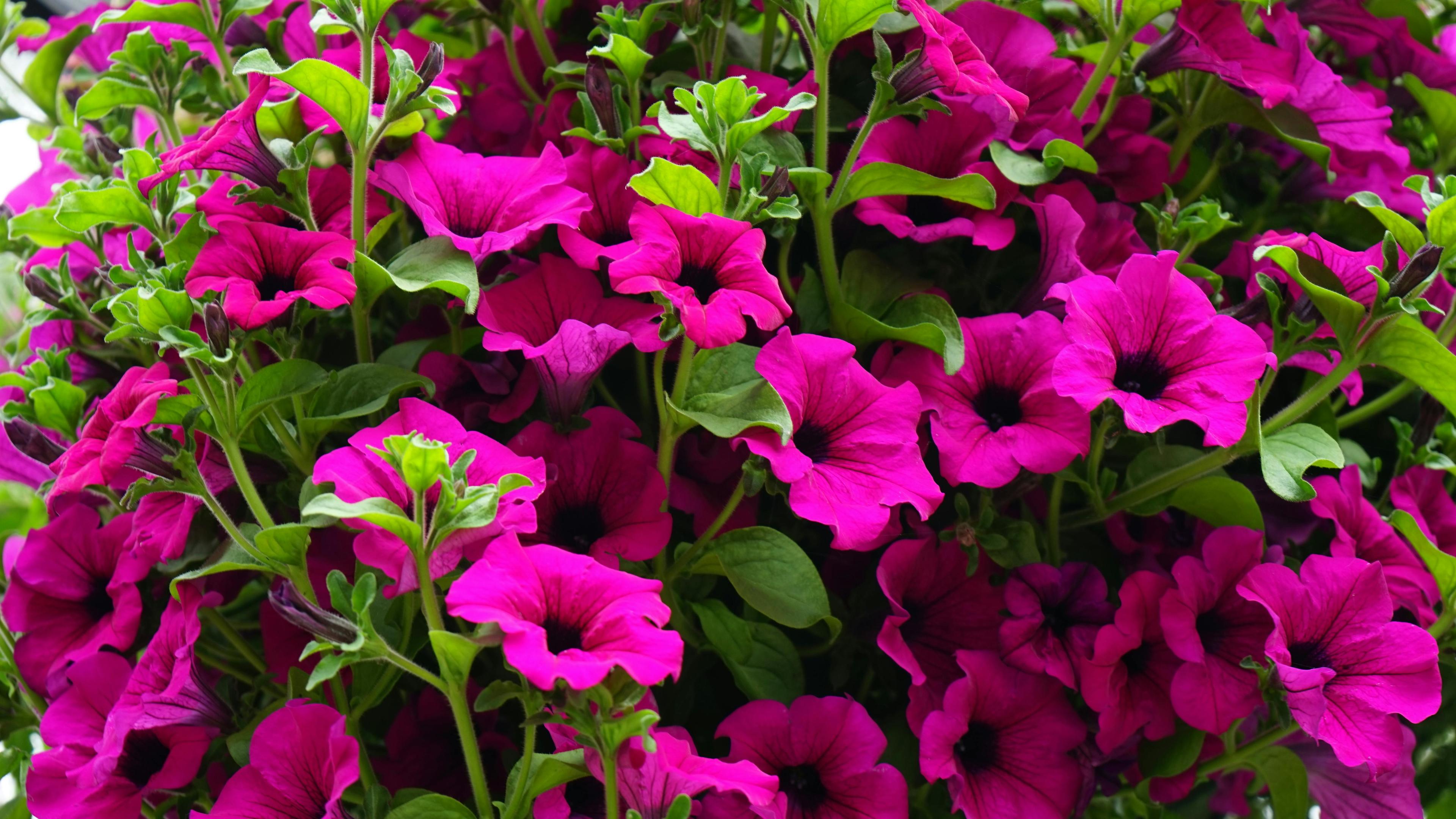
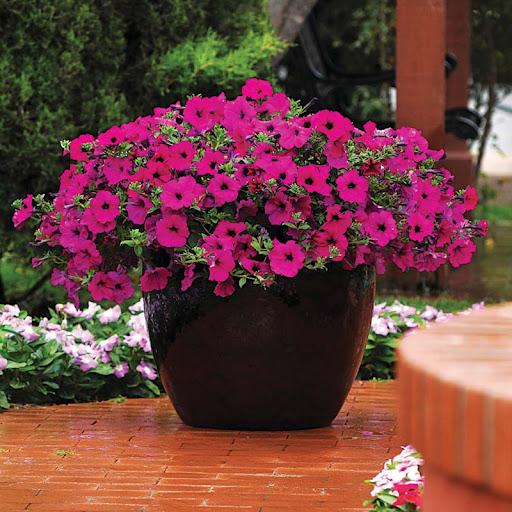
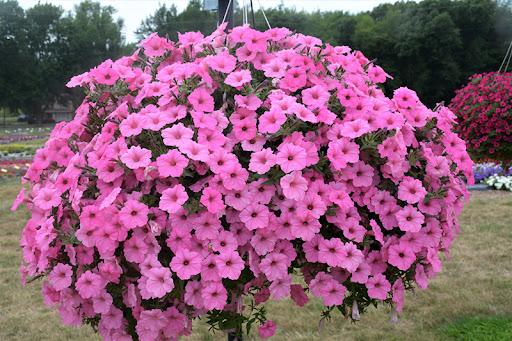
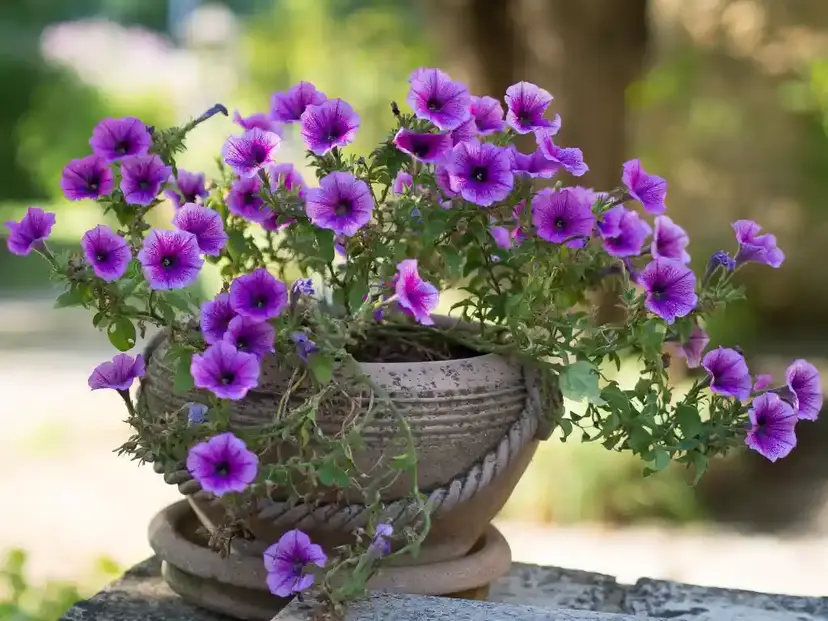
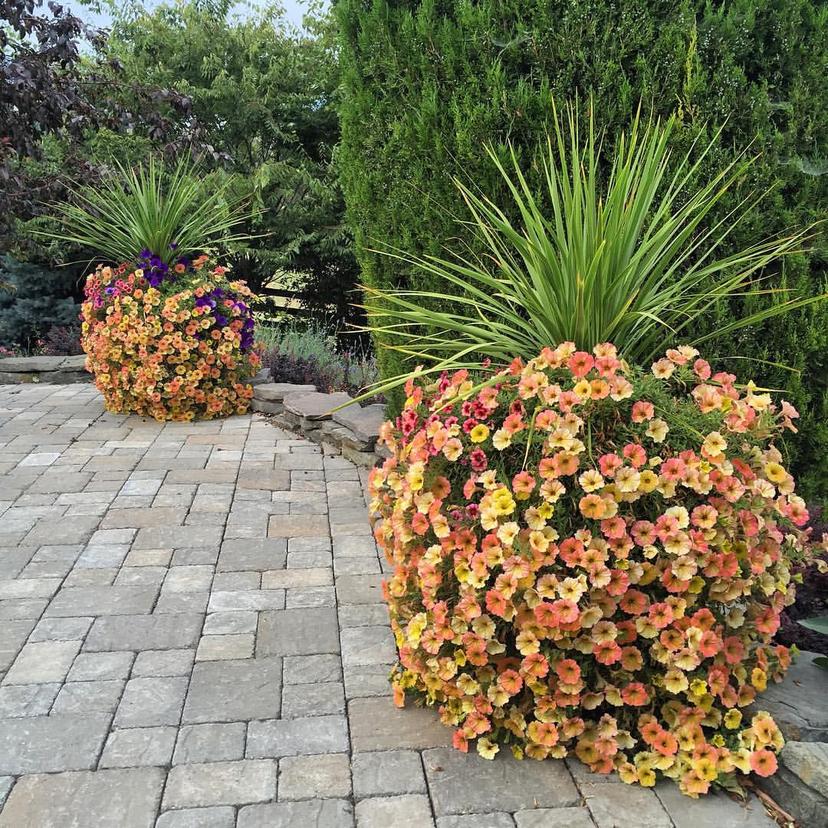
Petunias burst with trumpet-shaped blooms all season, filling patios with vibrant color and sweet fragrance. Perfect for hanging baskets and borders.
Video Tutorials
Watch these helpful videos to learn more about Petunia care.
About Petunia
Petunias top the list for easy, non-stop summer flowers that thrive in pots and gardens. Their big, colorful blooms draw pollinators and brighten any space.
Native to South American grasslands, they love sunny, well-drained spots much like their wild homes in Argentina and Brazil.
Indoors or out, petunias reward simple care with months of flowers; pinch tips for bushy growth and enjoy up to one season.
Watering Schedule
Water petunias weekly to keep soil evenly moist but never soggy. Let top inch dry between waterings.
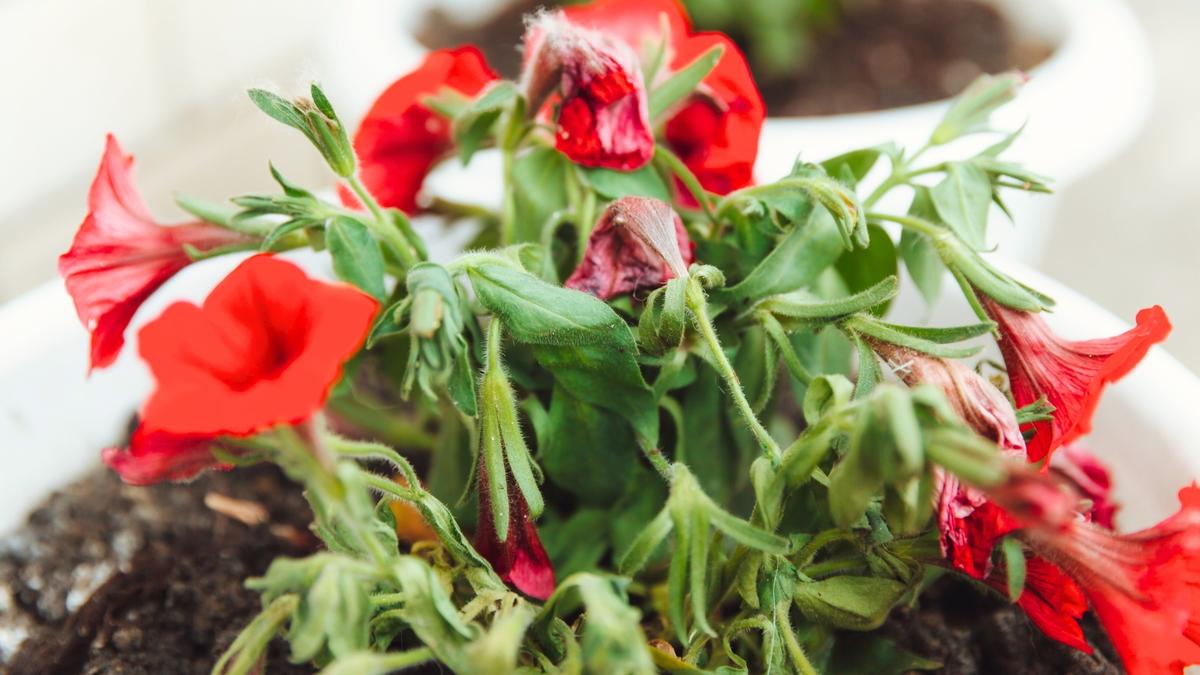
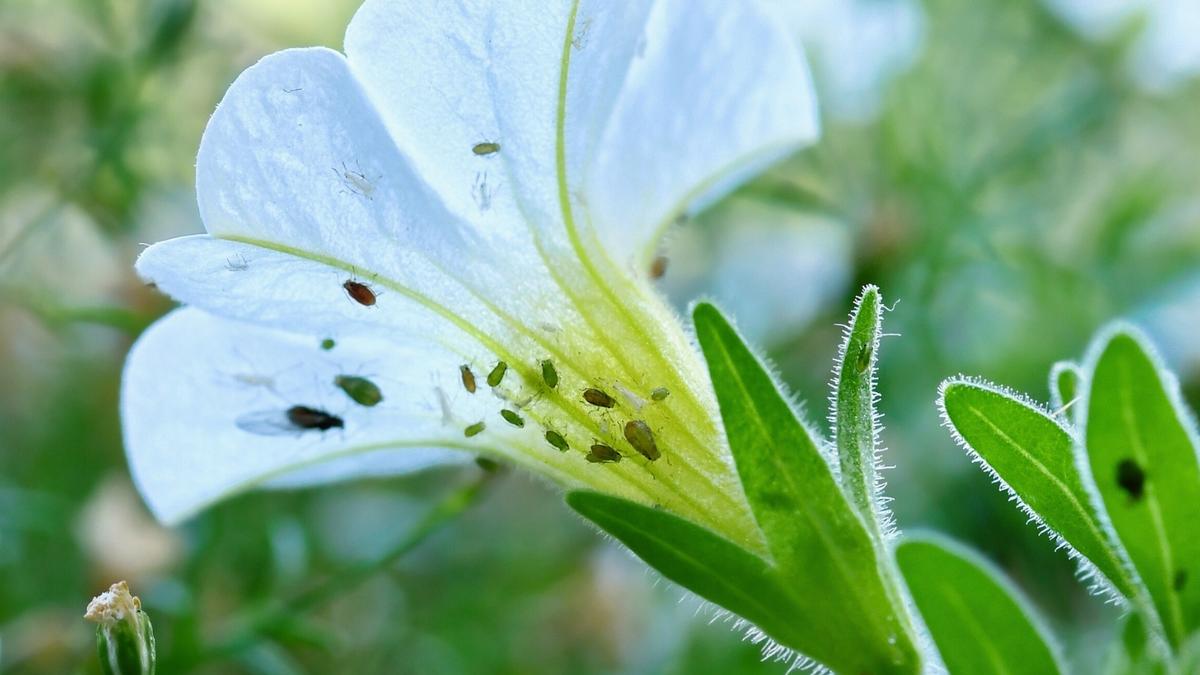
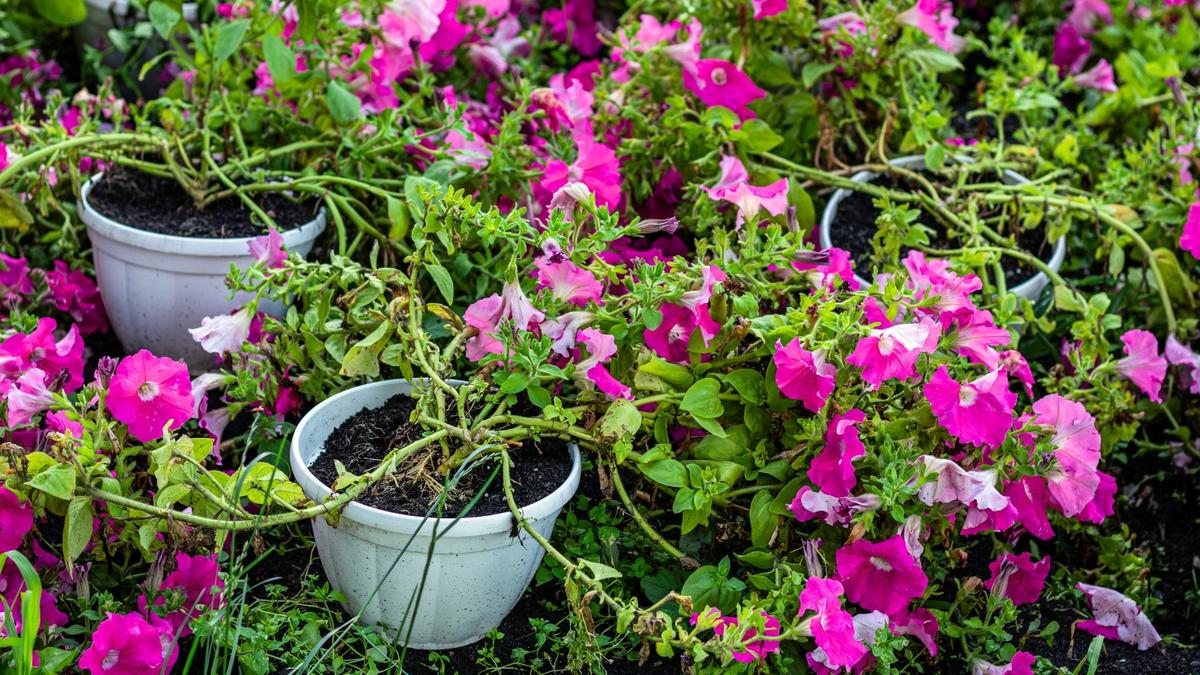
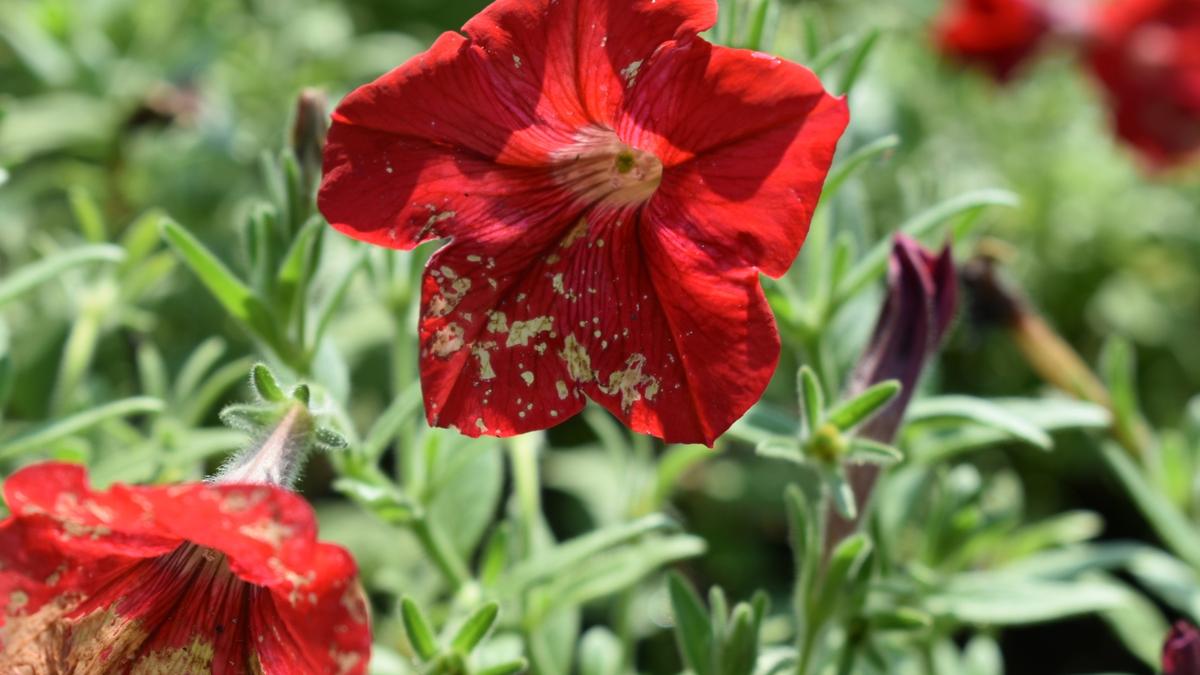
Common Problems & Solutions
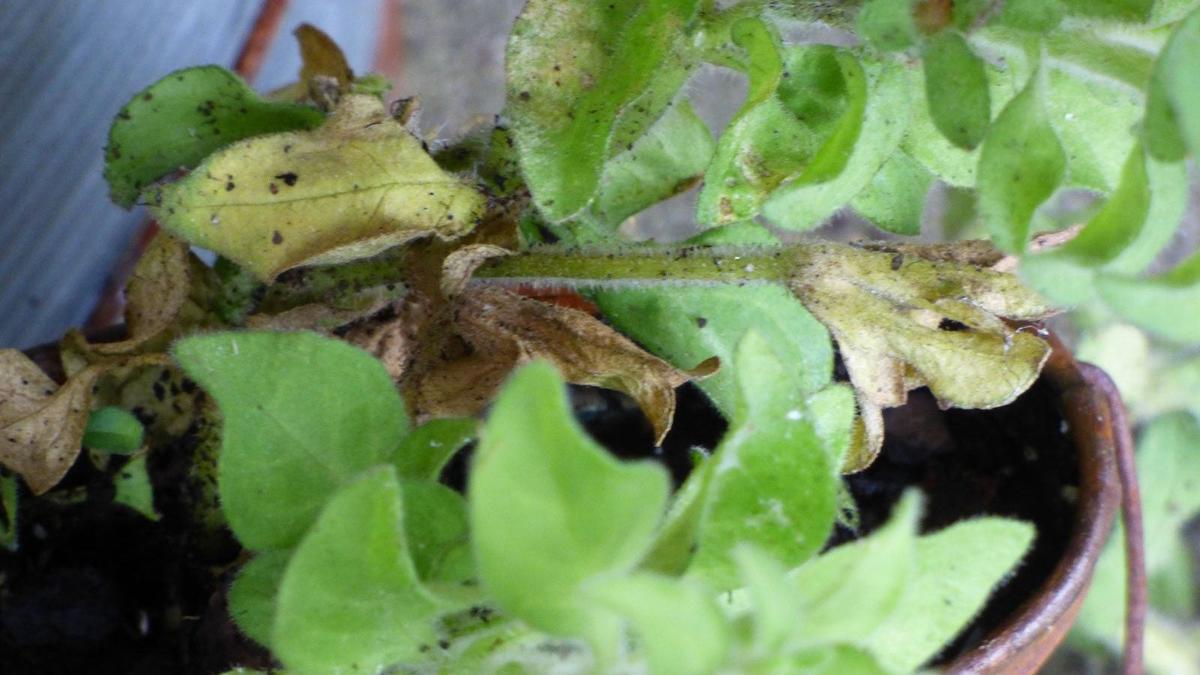
Here's how to identify and fix the most common Petunia problems.
Popular Varieties
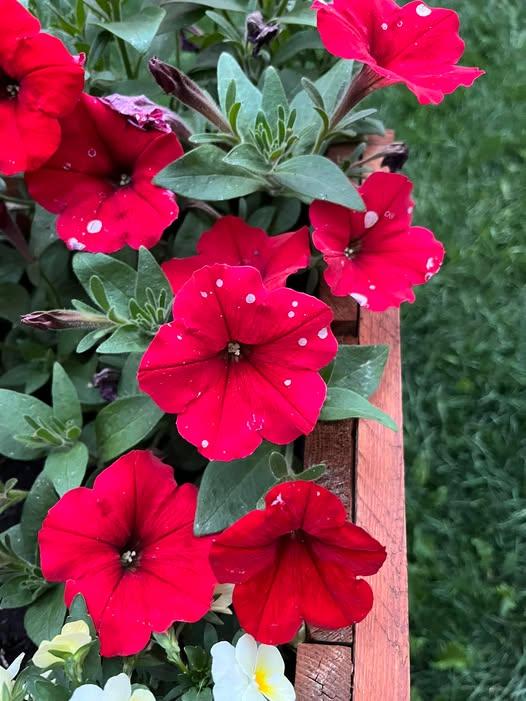
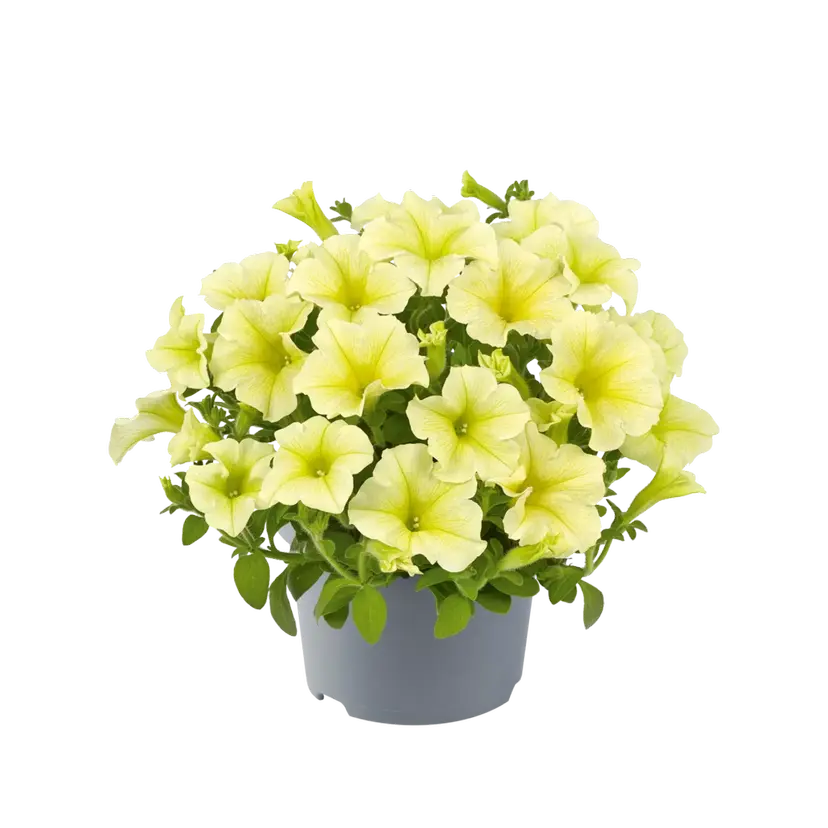
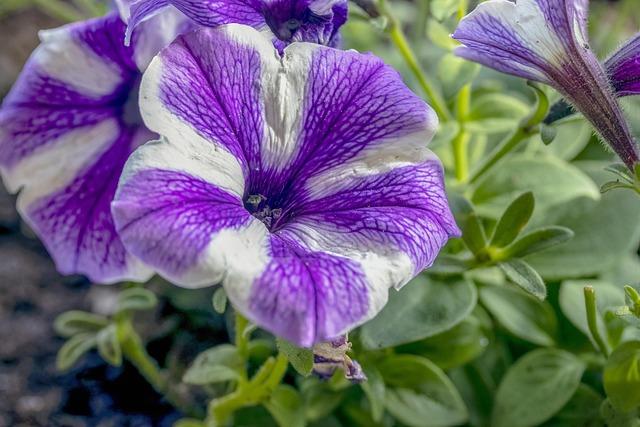
Explore different Petunia varieties and find your perfect match.
Care Tips & Best Practices
Humidity
Maintain 40-60% with pebble tray; mist sparingly.
Feeding
Fertilize every 2 weeks with bloom-booster 10-30-20.
Cleaning
Wipe leaves monthly with damp cloth to boost light.
Support
Use stakes for upright types in windy spots.
Pruning
Deadhead weekly; trim 1/3 when leggy for new blooms.
Rotation
Rotate pots weekly for even growth and light exposure.
Care Checklist
10 Common Mistakes to Avoid
Overwatering regularly
Why it's bad: Causes root rot and yellow leaves.
Do this instead: Let top soil dry out first.
Skipping deadheading
Why it's bad: Stops new blooms from forming.
Do this instead: Remove faded flowers weekly.
Insufficient sunlight
Why it's bad: Leads to leggy weak plants.
Do this instead: Provide 6 hours full sun.
No fertilizing
Why it's bad: Blooms fade without nutrients.
Do this instead: Feed every 2 weeks.
Poor drainage pots
Why it's bad: Roots drown in wet soil.
Do this instead: Always use holes and perlite.
Ignoring pests
Why it's bad: Aphids spread and weaken plant.
Do this instead: Inspect weekly; treat early.
No pruning
Why it's bad: Plant gets straggly and bare.
Do this instead: Pinch tips monthly.
Cold drafts exposure
Why it's bad: Stunts growth and drops buds.
Do this instead: Keep above 60°F.
Wrong soil type
Why it's bad: Heavy soil holds too much water.
Do this instead: Use light potting mix.
Forgetting rotation
Why it's bad: Uneven growth toward light.
Do this instead: Turn pots every week.
Frequently Asked Questions
How often do petunias need water?
Water weekly when top inch dries; more in heat. Keep soil moist but not soggy to avoid rot.
Can petunias grow indoors?
Yes, near sunny windows with 6 hours light. Fertilize and deadhead for year-round blooms.
Are petunias toxic to pets?
No, fully safe for dogs, cats, horses. Mild stomach upset possible if overeaten.
Why are my petunia leaves yellow?
Usually overwatering or nutrient lack. Check drainage and fertilize with balanced mix.
How do I make petunias bloom more?
Deadhead weekly, full sun, and bloom fertilizer. Pinch for bushier plants.
Can I overwinter petunias?
Cut back and bring indoors cool; water sparingly. Restart in spring.
What's wrong if no flowers?
Too much shade or nitrogen fertilizer. Switch to sun and phosphorus boost.
How to propagate petunias?
Sow surface seeds or root stem cuttings. Germinate in light at 70°F.
Do petunias attract pests?
Aphids and budworms common. Hose off or use soap spray early.
Best fertilizer for petunias?
High phosphorus like 10-30-20 every 2 weeks during growth.
References & Sources
Information in this guide is based on these trusted sources.