
Pepper
A versatile, sun-loving plant producing colorful peppers. Perfect for indoor and outdoor gardening with proper warmth and light.
Video Tutorials
Watch these helpful videos to learn more about Pepper care.
About Pepper
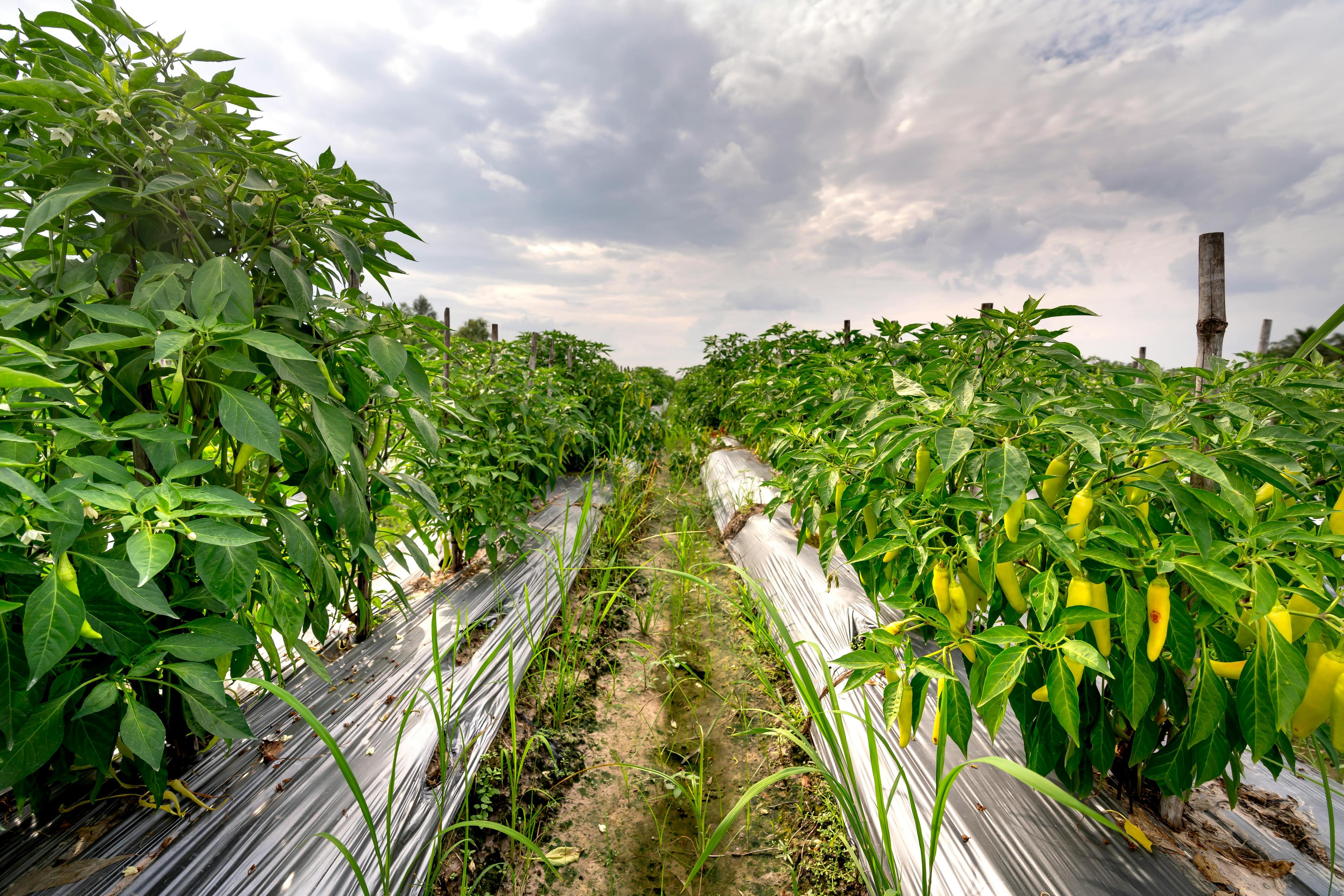
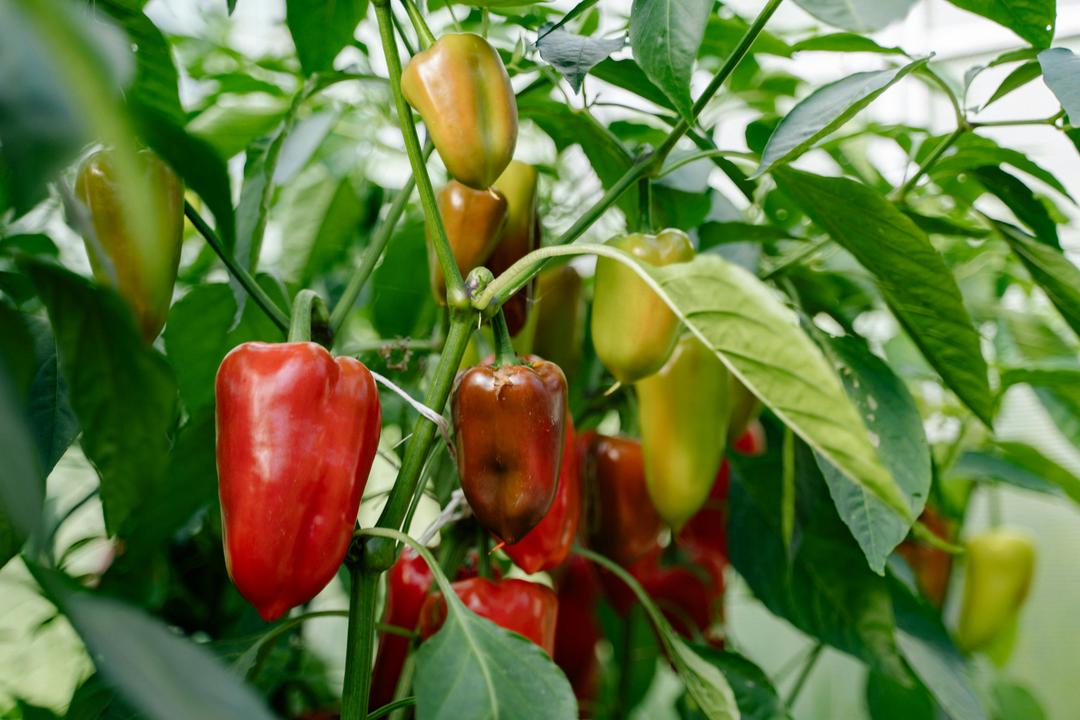
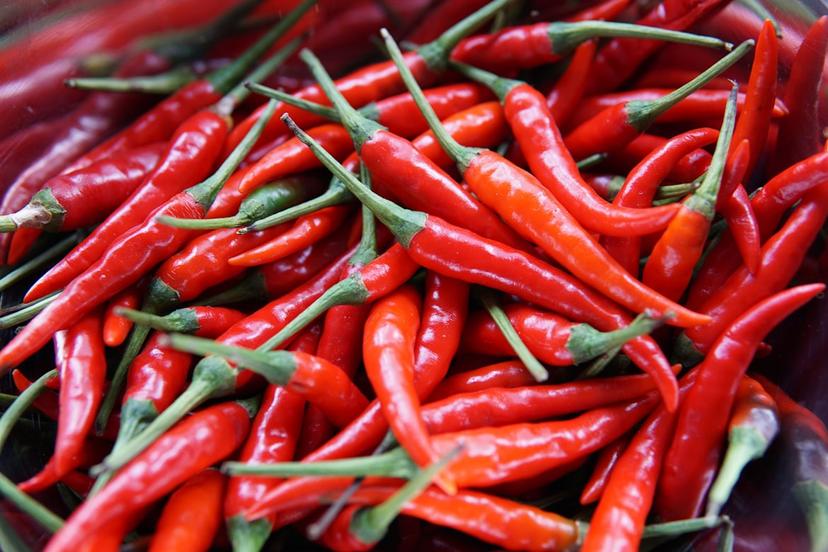
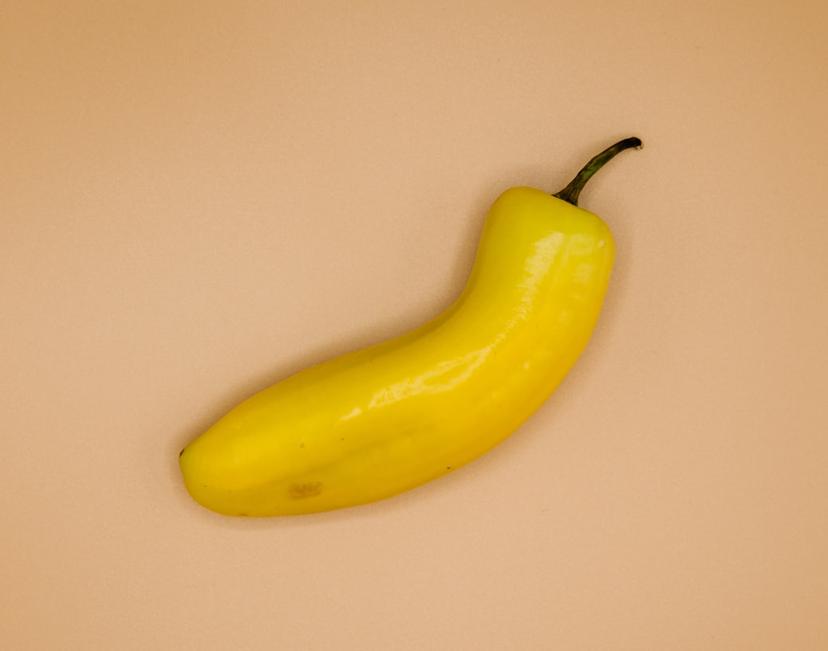
Pepper plants (Capsicum annuum) produce vibrant berries in countless varieties from mild sweet bells to fiery habaneros. These long-season growers originated in South America and Mexico over 6,000 years ago. Their popularity spans home gardens, commercial farms, and indoor kitchens worldwide.
The plants are from tropical South America, where pepper plants became adapted to warm, sunny locales with relatively even warmth and moderate moisture. They are also naturally evergreen perennial bushes and will last 6-10 years in frost-free climates.
As houseplants, peppers adapt well to containers with 6-8 hours direct light daily. Indoors they require warmth, consistent watering, and hand-pollination. Plants produce abundant fruit within 3-4 months.
Watering Schedule
Peppers need consistent moisture but hate soggy roots. Water when the top inch of soil feels dry, typically every 3-5 days.
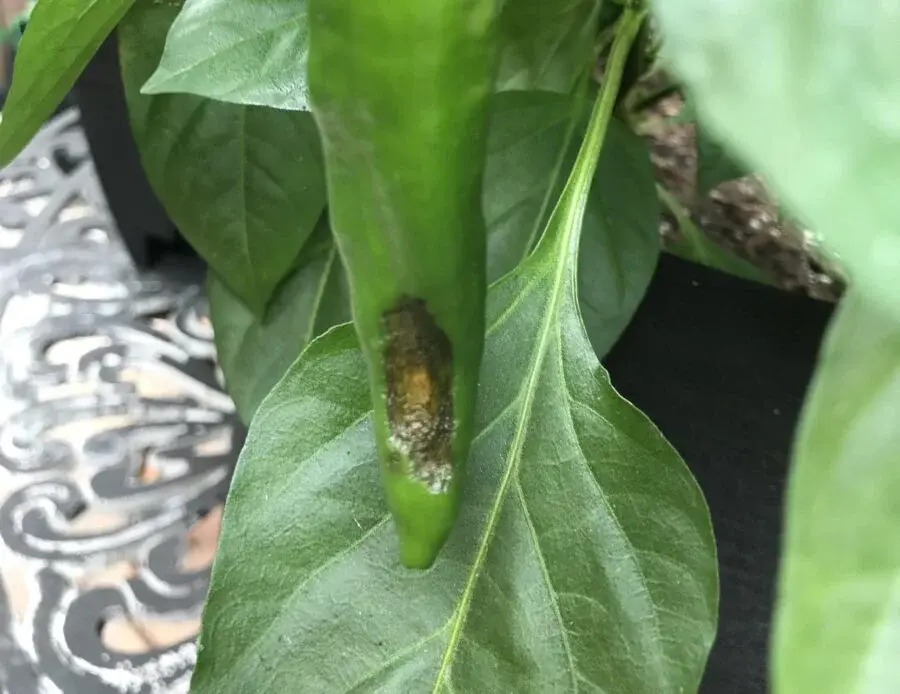
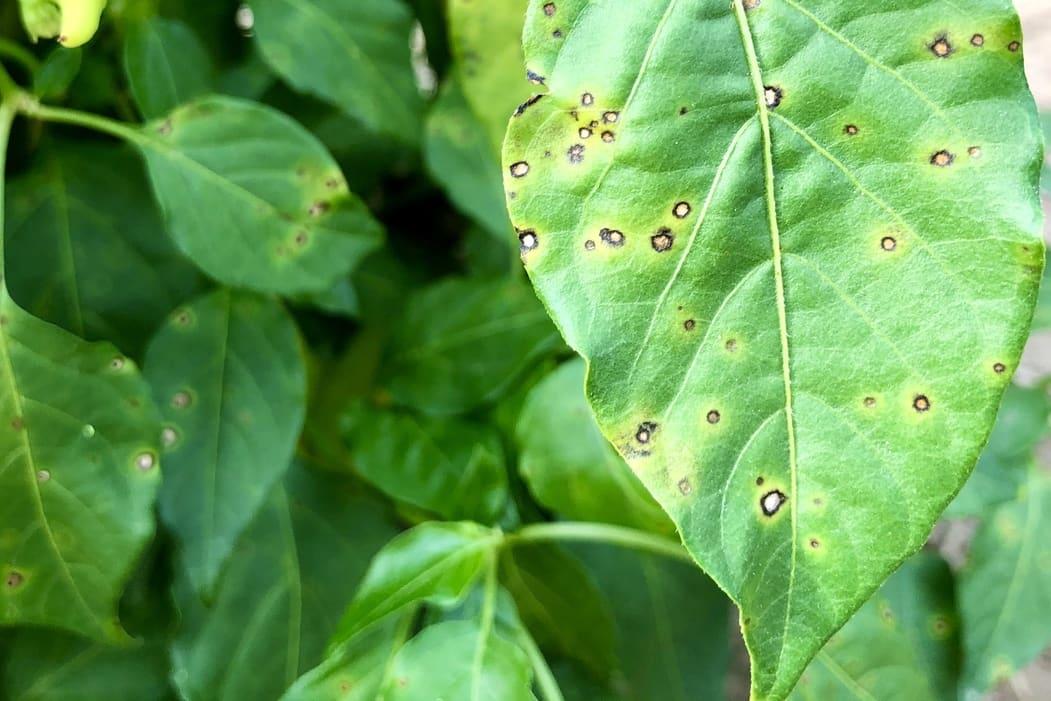
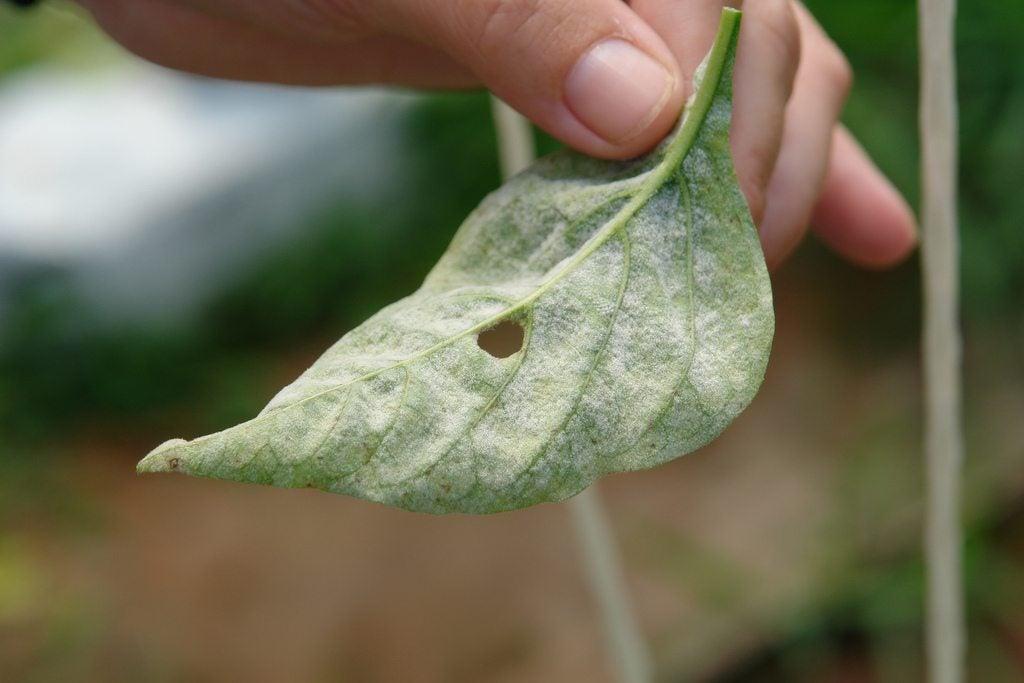
Common Problems & Solutions
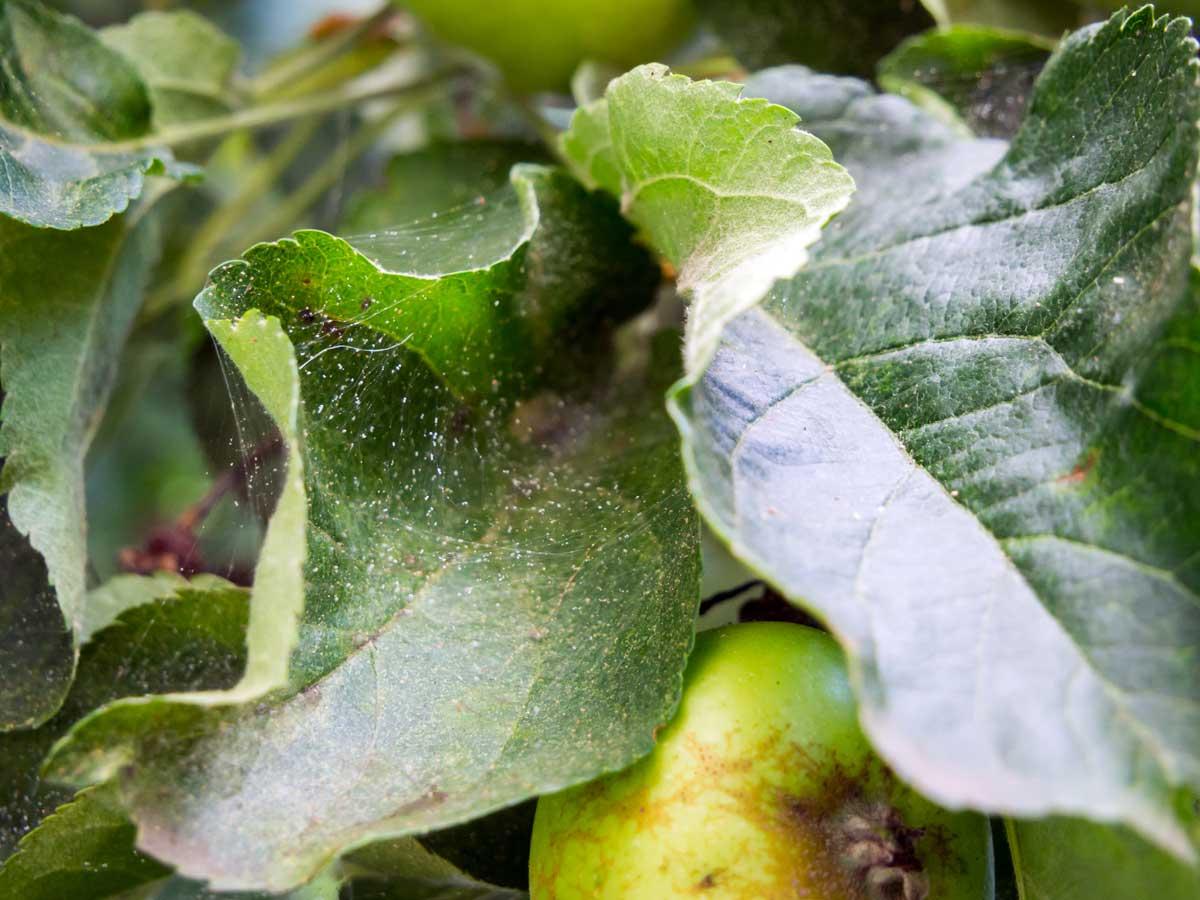
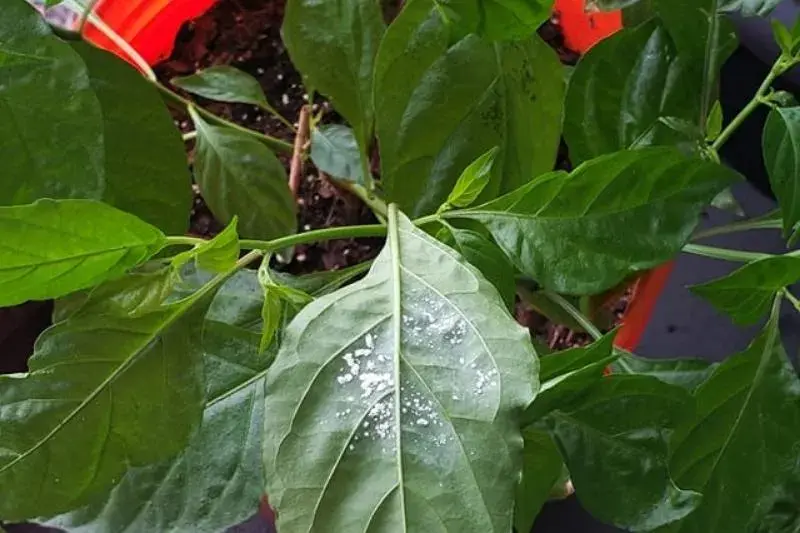
Here's how to identify and fix the most common Pepper problems.
Popular Varieties
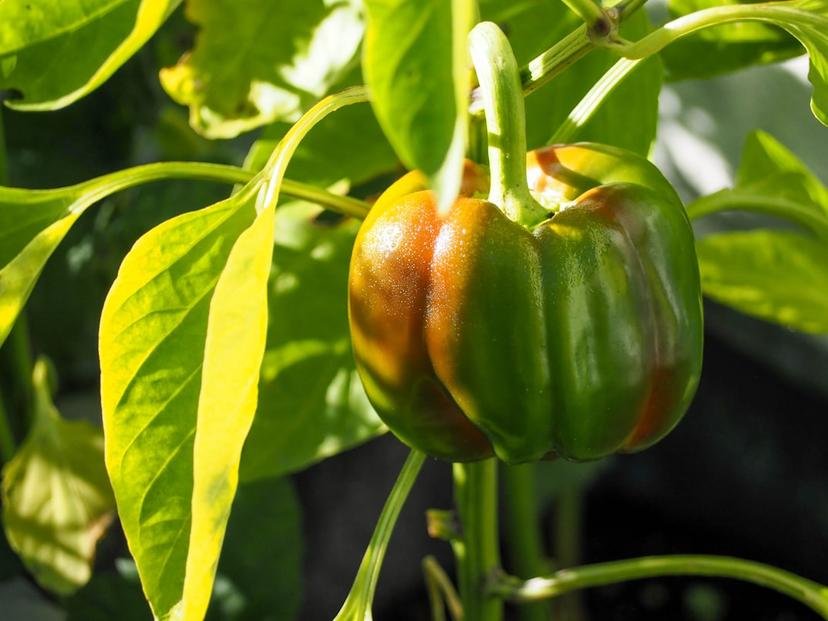
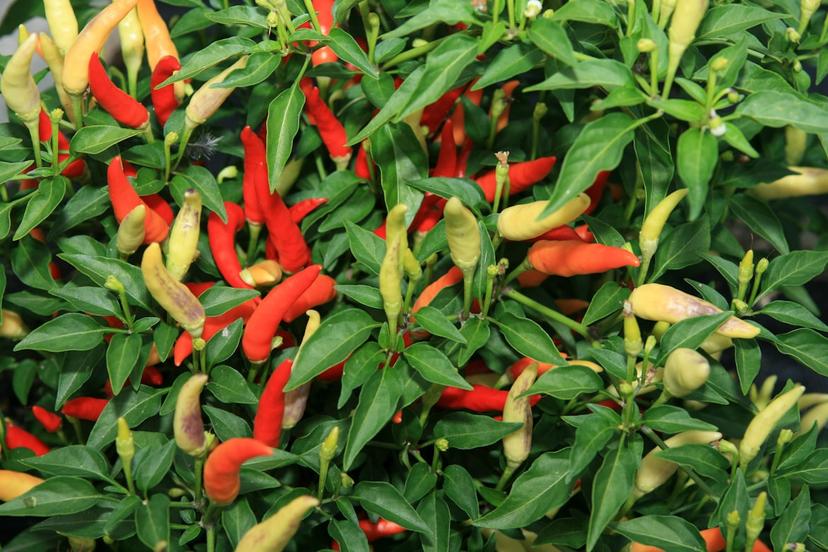
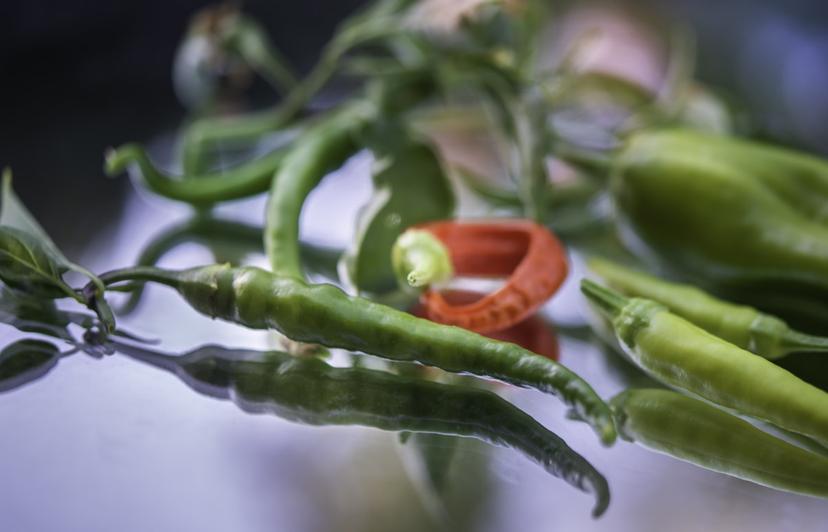
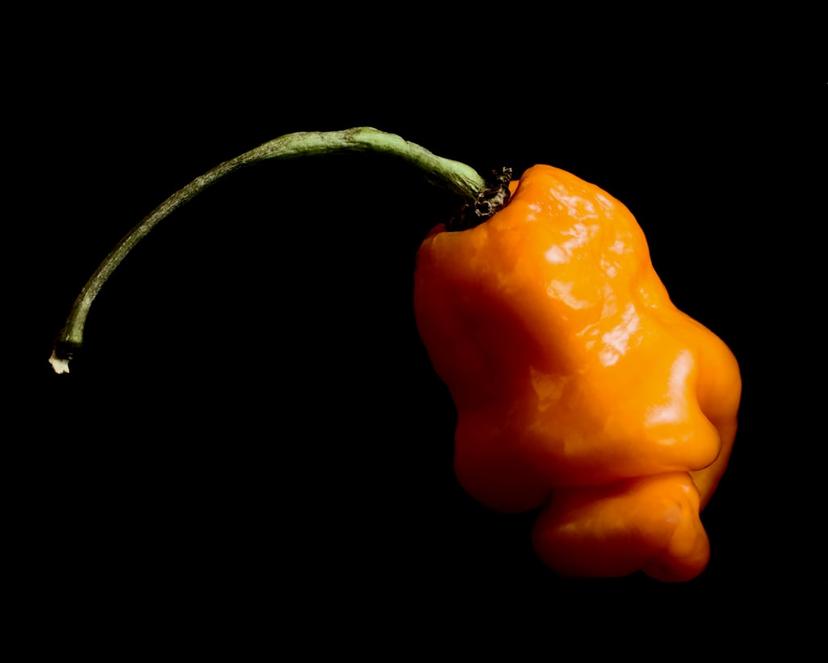
Explore different Pepper varieties and find your perfect match.
Care Tips & Best Practices
Humidity Management
Maintain 50-65% humidity by misting leaves or grouping plants. Avoid excessive moisture that invites fungal problems.
Feeding Schedule
Start with diluted balanced formula when seedlings sprout. Switch to high-phosphorus (5-10-5) at flowering, then high-potassium (5-5-10) during fruiting.
Leaf Cleaning
Lightly wipe leaves with wet cloth monthly to remove dust and allow for better light absorption, be mindful of examing plants for pests by checking the undersides of leaves.
Plant Support
Install stakes or cages when plants reach 6-8 inches tall to support heavy fruit weight.
Pruning for Shape
Pinch growing tips at 6-8 inches to encourage bushier growth. Remove lower leaves to improve air circulation.
Rotation Practice
Spin your potted plants 180 every 2-3 days for a nice even light distribution and balanced growth!
Care Checklist
10 Common Mistakes to Avoid
Overwatering pepper plants
Why it's bad: Causes root rot, yellow leaves, blossom-end rot, and fungus gnats.
Do this instead: Water only when top 1-2 inches soil feels dry. Let excess drain completely.
Providing insufficient light indoors
Why it's bad: Without 6-8 hours sun or grow lights, peppers fail to flower or fruit.
Do this instead: Place on sunniest windowsill or invest in quality LED grow lights.
Overhead watering and wetting leaves
Why it's bad: Wet foliage spreads fungal diseases like powdery mildew and leaf spots.
Do this instead: Always water soil directly at base using drip irrigation or soaker hose.
Inconsistent watering schedule
Why it's bad: Alternating dry and wet soil causes blossom-end rot, flower drop, and fruit cracking.
Do this instead: Water on consistent schedule maintaining evenly moist soil.
Crowding plants together
Why it's bad: Poor air circulation spreads diseases and encourages pest infestations.
Do this instead: Space plants 18-24 inches apart. Prune lower leaves to improve airflow.
Over-fertilizing with nitrogen
Why it's bad: Excess nitrogen promotes leaves over flowers and causes blossom-end rot.
Do this instead: Use balanced formula early; switch to high-phosphorus when flowering starts.
Starting seeds too late
Why it's bad: Peppers need 60-90 days to mature. Late starts mean late or no fruit.
Do this instead: Start seeds indoors 8 weeks before last frost date.
Transplanting without hardening off
Why it's bad: Moving seedlings directly outdoors causes shock and sunburn.
Do this instead: Gradually expose plants to outdoor sun over 7-10 days.
Ignoring temperature extremes
Why it's bad: Temperatures below 65°F or above 90°F cause flower drop and prevent fruiting.
Do this instead: Maintain 70-80°F days and 65-70°F nights. Shade in extreme heat.
Not pollinating indoor peppers
Why it's bad: Indoor peppers lack insect pollinators, preventing pollen transfer.
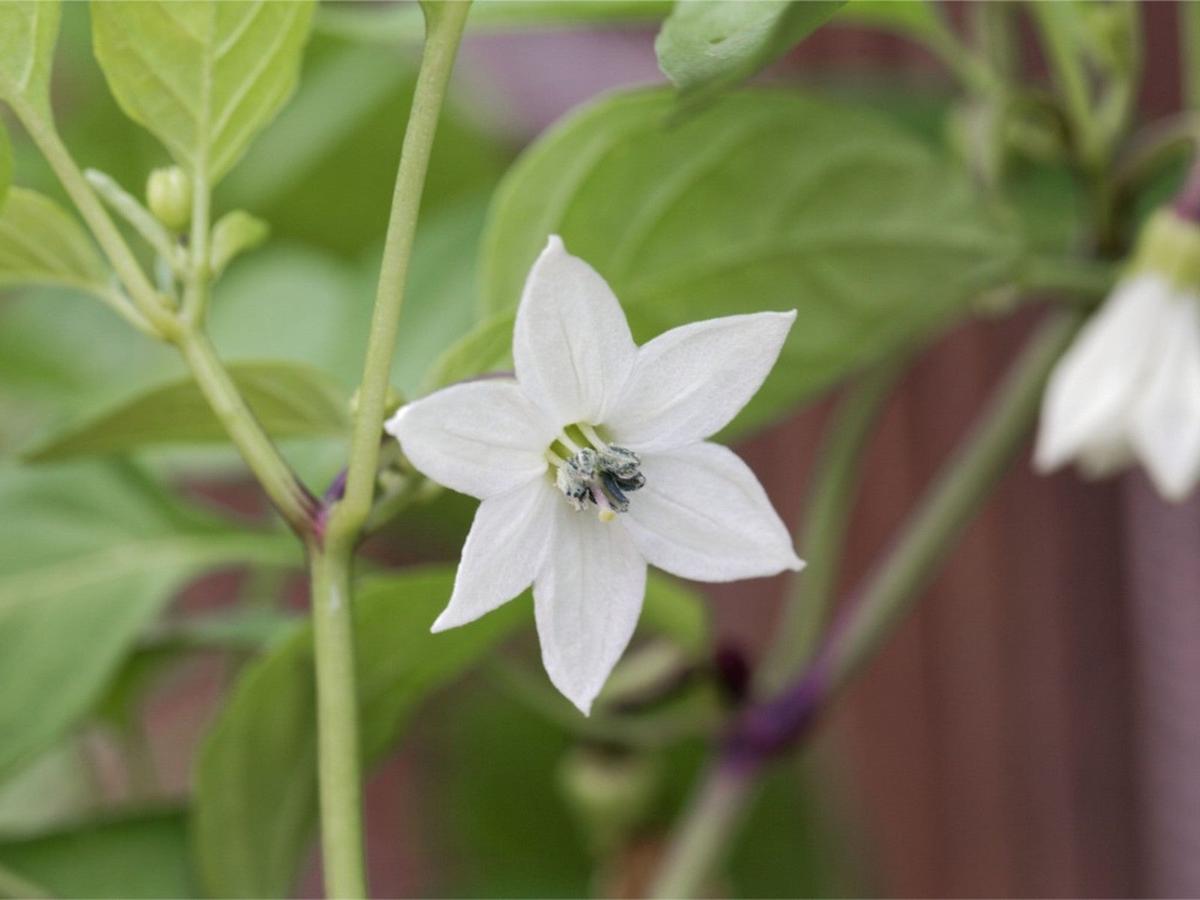
Do this instead: Hand-pollinate daily during bloom by shaking plants or using cotton swab.
Frequently Asked Questions
How often should I water pepper plants?
Water when top 1-2 inches soil feels dry, typically every 3-5 days. Provide 1-2 inches total water weekly through rain and irrigation combined.
Can I grow peppers indoors successfully?
Yes, with 6-8 hours direct light or 14-16 hours under LED grow lights. Maintain 70-80°F, use well-draining soil, feed weekly, and hand-pollinate flowers.
Why are my pepper flowers dropping?
Temperature stress (below 72°F or above 90°F), inconsistent watering, or poor pollination cause flower drop. Maintain stable warmth and hand-pollinate indoors.
What temperature do peppers need?
Ideal daytime temps are 70-80°F with 65-70°F nights. Peppers set fruit best at 75-86°F. Avoid below 65°F or above 95°F.
How do I prevent blossom-end rot?
Maintain pH 6.5-6.8, water consistently at 1-2 inches weekly, use balanced fertilizer, and avoid excess nitrogen. Mulch to retain moisture.
When should I fertilize peppers?
Start 1-2 weeks after sprouting. Feed weekly or every 2-3 weeks. Use high-phosphorus (5-10-5) at flowering, then high-potassium (5-5-10) during fruiting.
How much light do peppers need?
Minimum 6-8 hours direct sun daily; 8-10 hours ideal. Indoors use LED grow lights on 14-16 hour cycles, positioned 3-4 inches above plants.
Can I overwinter pepper plants?
Yes, bring potted peppers indoors before frost, prune back 2/3 of growth, keep at 55-65°F with minimal water and light.
Are pepper plants toxic to pets?
Leaves and stems contain solanine and are toxic to dogs and cats. Ripened fruits are non-toxic. Keep plants out of pet reach.
How long does it take to grow peppers from seed?
Germination takes 7-14 days. First flowers appear week 8-12. Fruit ripens 60-90 days from seed depending on variety.
References & Sources
Information in this guide is based on these trusted sources.