
Peach
A sweet fruit tree with spring blossoms and summer harvests, thriving indoors with full sun and proper chill hours.
Video Tutorials
Watch these helpful videos to learn more about Peach care.
About Peach
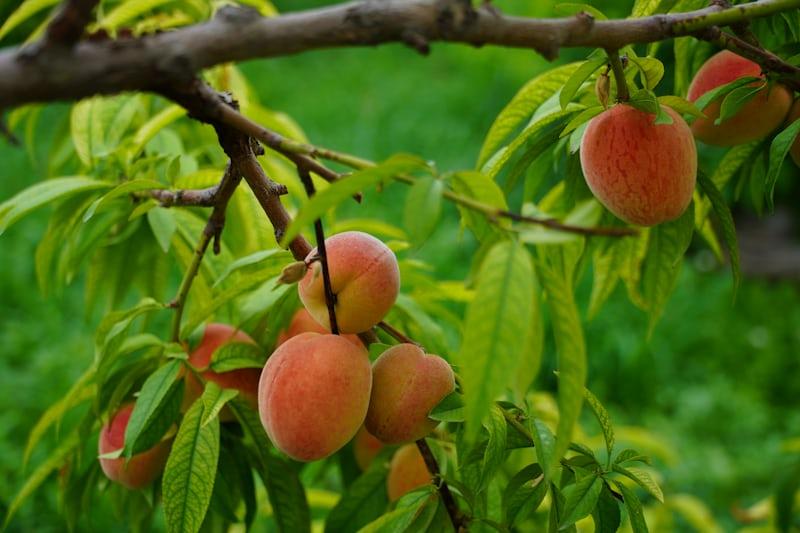
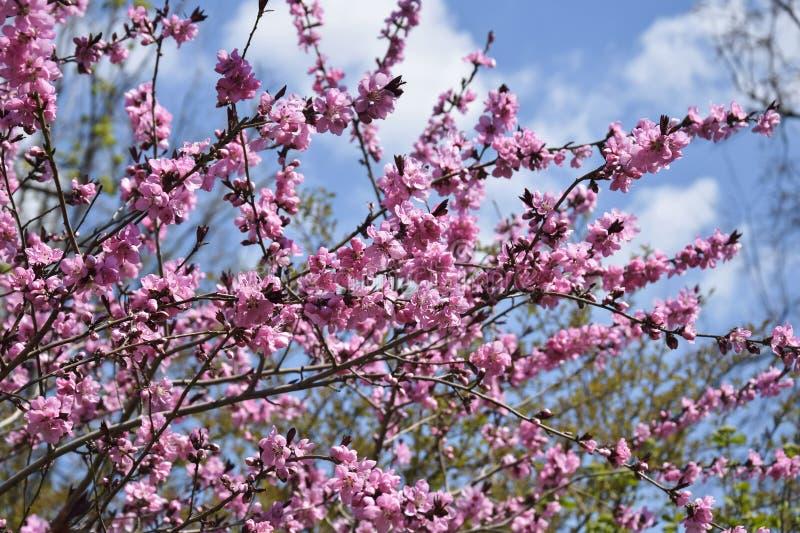
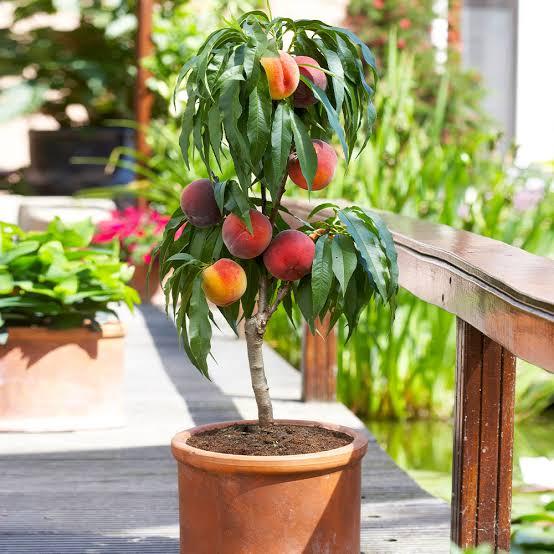
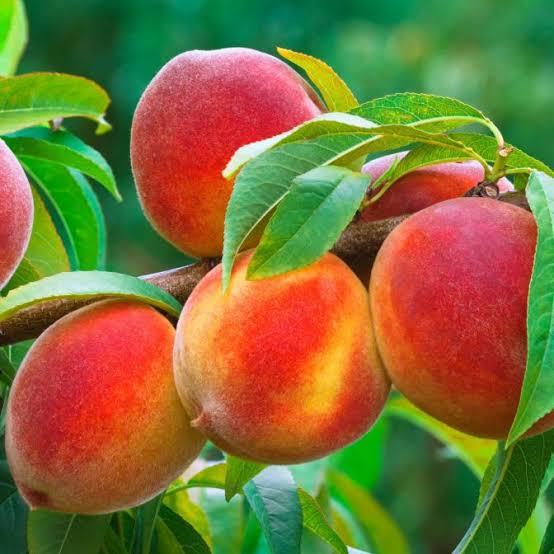
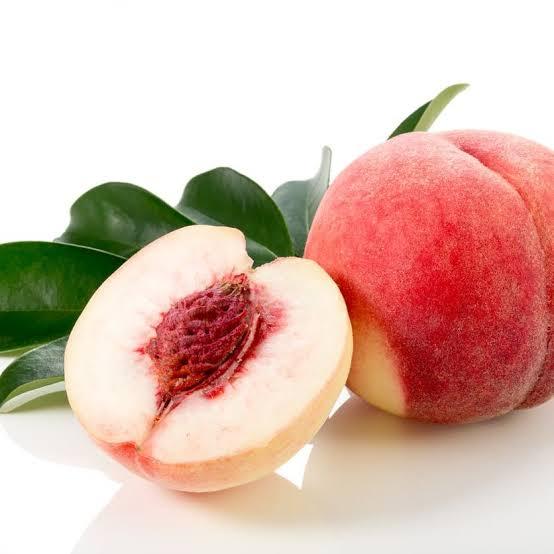
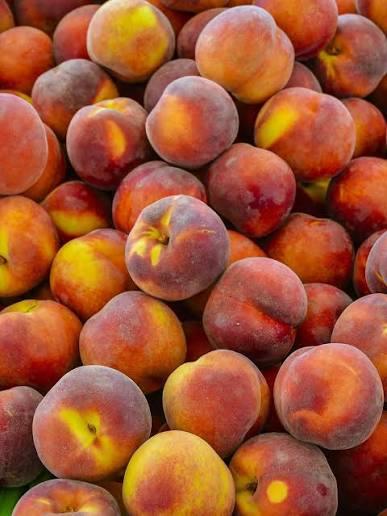
Peach trees offer spring blossoms and sweet summer fruit. Dwarf varieties suit containers, producing full-sized peaches in 2-3 years.
Peaches originated in China, thriving in temperate climates requiring cold dormancy to break bud and produce fruit.
Indoors, dwarf varieties grow 4-8 feet and live 10-15+ years. They demand full sun, regular water, and specific chill hours.
Watering Schedule
Container peach trees dry faster than ground trees. Deep water every 5-7 days spring; daily in hot summer.
Common Problems & Solutions
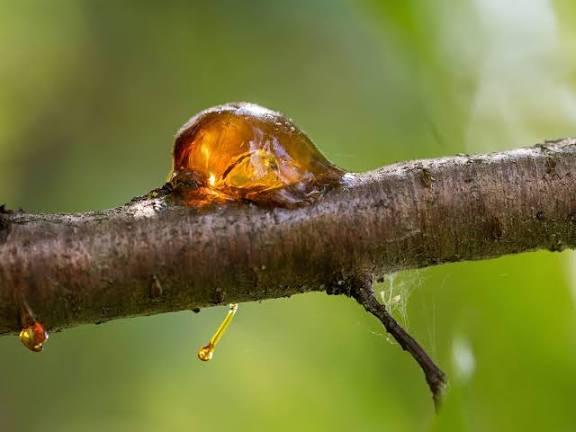
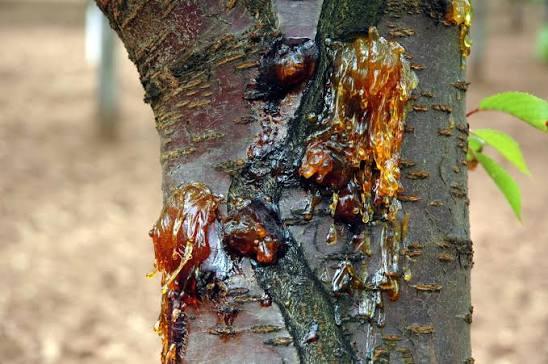
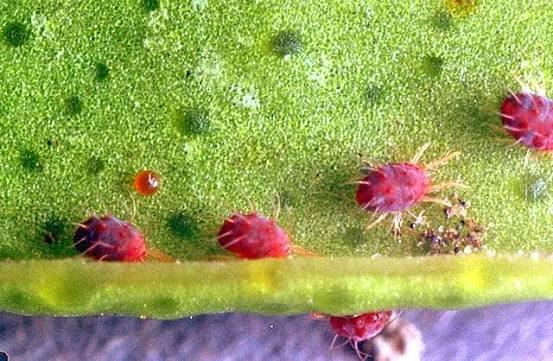
Here's how to identify and fix the most common Peach problems.
Popular Varieties
Explore different Peach varieties and find your perfect match.
Care Tips & Best Practices
Chill Hour Requirements
Choose low-chill varieties (300-600 hours) for indoor growing. Keep trees at 32-45°F for 8-12 weeks in winter.
Heavy Fertilizing During Growth
Apply high-phosphorus liquid fertilizer every 2 weeks April-August. Taper fall; stop winter.
Hand Pollination is Essential
Hand-pollinate daily during bloom using soft paintbrush on flower centers for maximum fruit set.
Fruit Thinning Increases Size
Leave only one fruit every 6-8 inches after pea stage. Aggressive thinning creates larger peaches.
Summer Pruning After Harvest
Prune after fruiting to remove old growth and crossing branches. Open-centered shape improves air flow.
Mulch Annually for Nutrients
Apply 2-3 inches well-rotted manure or compost spring or fall to replenish container soil.
Care Checklist
10 Common Mistakes to Avoid
Choosing standard-sized varieties instead of dwarfs
Why it's bad: Standard trees grow 20-30 feet; dwarfs grow 4-8 feet. Standards are unmanageable.
Do this instead: Select dwarf or semi-dwarf varieties grafted on Lovell or Pixie rootstock
Underestimating light and placing away from windows
Why it's bad: Peaches need 8-12 hours daily sun. Low light eliminates flowering.
Do this instead: Use south or west windows and supplement with grow lights
Overwatering thinking frequent watering equals care
Why it's bad: Waterlogged soil causes root rot, the #1 killer.
Do this instead: Water only when top 1-2 inches dry; ensure excellent drainage
Choosing high-chill varieties (900+ hours) for indoors
Why it's bad: Homes rarely provide 300+ hour sustained chilling. High-chill won't break dormancy.
Do this instead: Select low-chill varieties (300-600 hours) like Reliance or Bonanza
Neglecting hand pollination indoors
Why it's bad: Indoor trees lack bees. Without manual pollination, flowers drop.
Do this instead: Hand-pollinate daily during bloom using soft paintbrush
Failing to thin fruits early and aggressively
Why it's bad: Trees produce more fruit than can ripen. Under-thinned stays small.
Do this instead: Remove 75% of pea-sized fruits, leaving one every 6-8 inches
Planting with graft union buried underground
Why it's bad: Buried grafts cause rot, disease, and tree death.
Do this instead: Position graft union 2 inches above soil during planting
Fertilizing year-round without winter break
Why it's bad: Winter fertilizing stimulates tender growth trees can't support.
Do this instead: Fertilize April-August only; stop entirely December-February
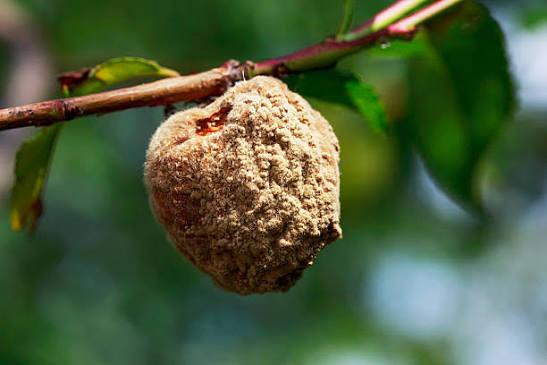
Ignoring fungal diseases like leaf curl and brown rot
Why it's bad: These spread rapidly, defoliating and eliminating fruit.
Do this instead: Spray copper fungicide fall after leaf drop and spring before buds swell
Giving up after first year without fruit
Why it's bad: Trees need 2-3 years. Unrealistic expectations discard healthy trees.
Do this instead: Be patient. Most dwarfs fruit by year 2-3 with proper conditions.
Frequently Asked Questions
How many chill hours do peach trees need indoors?
Most need 300-1000 hours below 45°F. Choose low-chill (300-600) for indoors like Reliance. Keep trees at 32-45°F for 8-12 weeks in winter.
Will my indoor peach tree produce fruit?
Yes, if you provide 8+ hours sun, hand-pollinate, thin fruits, and choose low-chill varieties. Expect 10-20+ peaches annually after year 2-3.
How do I hand-pollinate peach flowers?
Use soft brush. Dab inside each flower center daily during bloom, transferring pollen between flowers. This replaces bees.
Why are my peach leaves curling and red?
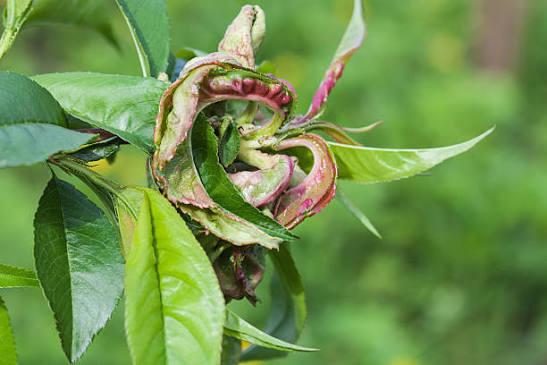
Peach leaf curl fungus causes this. Spray copper fungicide after leaf drop in fall and early spring. Remove affected leaves.
Can I grow peach trees from pits?
Yes, but seeds won't produce fruit identical to parent. Stratify pits in damp peat moss in refrigerator 8-10 weeks.
Are peach trees toxic to pets?
Yes. All parts toxic, especially pits with cyanide. Keep away from dogs, cats, and horses.
How often should I water my container peach tree?
Every 5-7 days spring when dry; daily in hot summer; every 10-14 days winter. Water deeply from drainage holes.
What's the best light for indoor peach trees?
8-12 hours direct sunlight daily. South or west windows work best. Supplement with grow lights in winter.
When do peach trees flower and fruit?
Flowers appear spring (March-April). Fruit develops May-July and ripens July-September depending on variety.
How much fruit do dwarf peach trees produce?
Healthy dwarfs yield 10-20+ lbs annually after fruiting. Production increases yearly. Bonanza varieties reliably produce 20+ lbs.
References & Sources
Information in this guide is based on these trusted sources.