
Peace Lily
Graceful white flowers meet easy care in this tropical beauty. Peace lilies purify your air while thriving in low light, making them perfect for any room.

Video Tutorials
Watch these helpful videos to learn more about Peace Lily care.
About Peace Lily
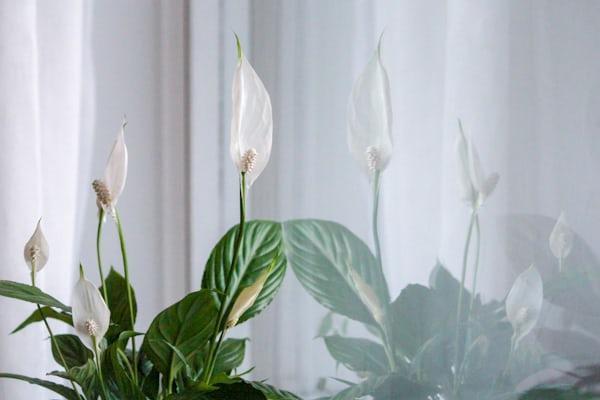
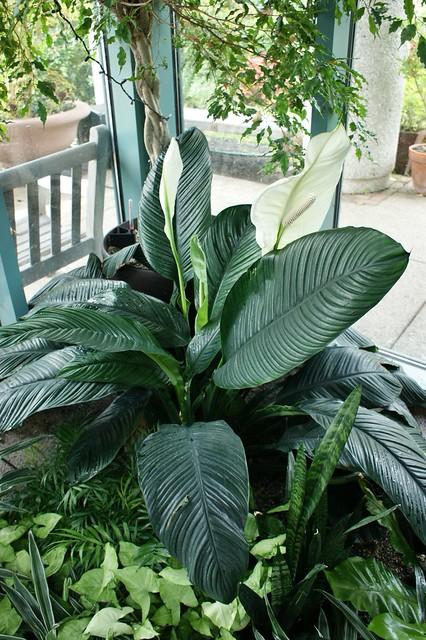
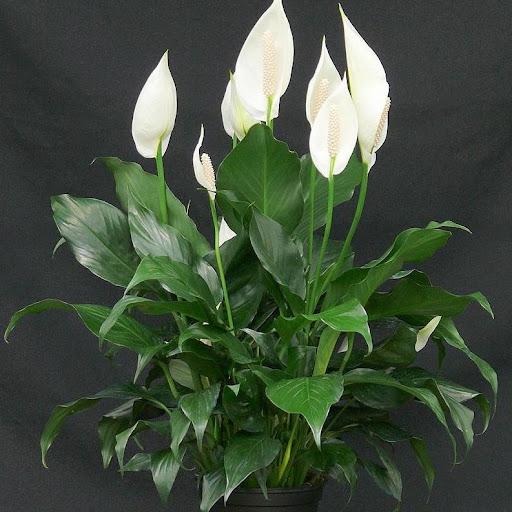
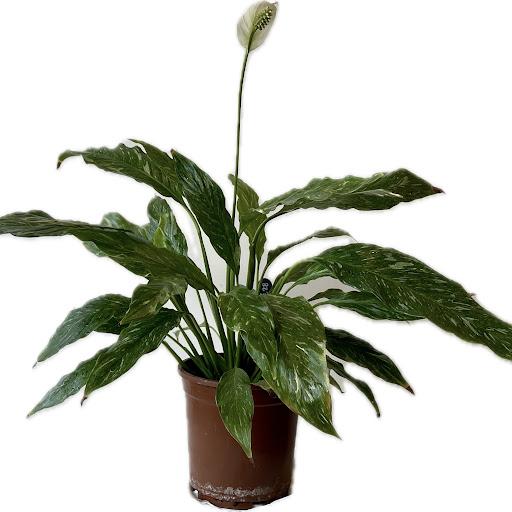
Peace lilies are tropical powerhouses that bring elegance and life to any indoor space. These evergreen plants produce stunning white modified leaves called spathes that emerge from glossy dark foliage, creating a striking flower-like display. One of the most popular houseplants worldwide, peace lilies are beloved by beginners and experienced growers alike because they adapt to various light conditions and actively purify indoor air by removing benzene, formaldehyde, and trichloroethylene.
Native to the tropical rainforests of Colombia and Venezuela, as well as parts of the Philippines and Southeast Asia, peace lilies evolved to thrive on forest floors beneath dense canopy shade. In their natural habitat, they grow in rich, decomposing leaf litter with high humidity and warm temperatures that rarely fluctuate. These understory plants developed their broad, glossy leaves to maximize light capture in low-light conditions, and their preference for consistent moisture reflects their growth near streams and wetlands.
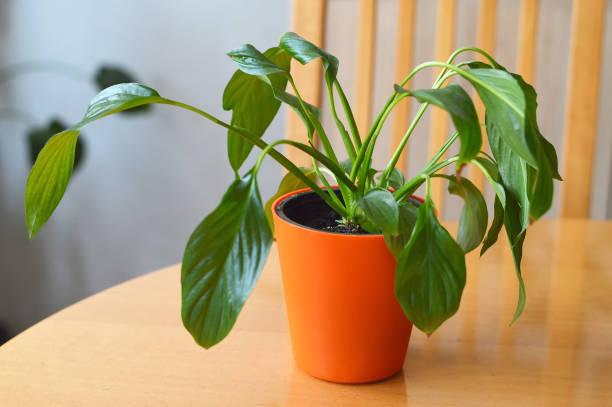
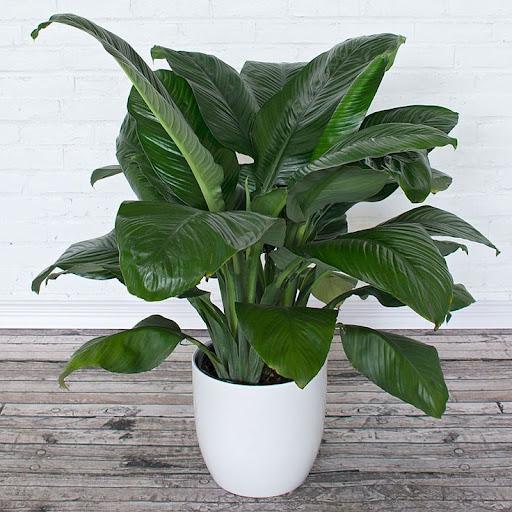
As a houseplant, peace lilies have proven remarkably adaptable, making them ideal for living rooms, bedrooms, offices, and bathrooms. They typically grow 1 to 3 feet tall indoors, though larger cultivars like Sensation can reach up to 5 feet. With proper care and stable conditions, peace lilies live for many years, producing white spathes during their spring and summer growing seasons. They're forgiving plants that communicate their needs clearly, wilting when thirsty and recovering quickly after watering.
Watering Schedule
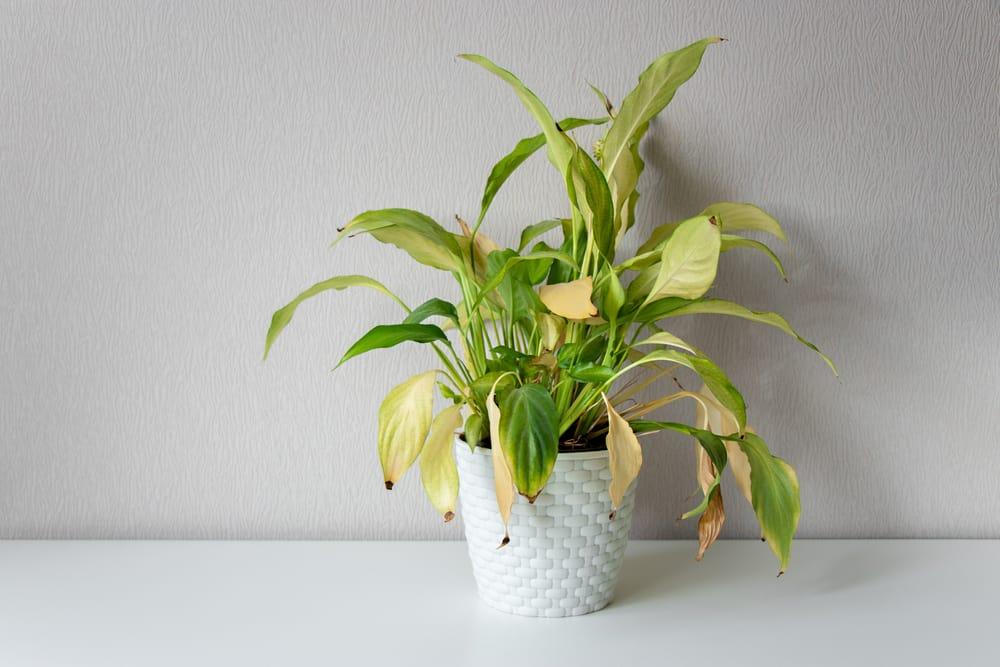
Peace lilies thrive with consistent moisture but hate waterlogged soil. The key is keeping the top inch of soil moist without letting the plant sit in standing water, which causes root rot.
Common Problems & Solutions
Here's how to identify and fix the most common Peace Lily problems.
Popular Varieties
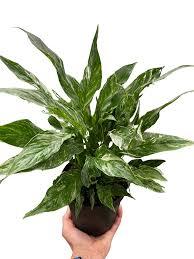
Explore different Peace Lily varieties and find your perfect match.
Care Tips & Best Practices
Humidity
Peace lilies adore humidity; they evolved in tropical rainforests where moisture levels exceeded 70%. Mist leaves every few days with distilled water, set pots on gravel-filled trays with water below the pot, or run a humidifier nearby. Grouping multiple plants together creates a microclimate that naturally boosts humidity.
Feeding
Fertilize every 4-6 weeks during spring and summer with a diluted liquid houseplant fertilizer at half strength. Over-fertilizing damages roots and causes brown leaves, so less is more. Skip feeding completely in fall and winter when growth naturally slows.
Leaf Cleaning
Dust leaves monthly with a soft, damp cloth to remove dust buildup that blocks light absorption and reduces air purification. This also lets you spot pests or early damage early. Avoid commercial leaf shine products; plain water works best.
Support and Pruning
Prune brown or yellowing leaves at the base of the petiole to redirect energy to healthy foliage. Deadhead faded white spathes once they turn green to encourage new blooms. Use sterilized scissors to prevent disease spread.
Rotation
Rotate your peace lily 90 degrees each time you water to ensure even light exposure and prevent lopsided, one-sided growth. This simple habit keeps the plant looking balanced and full.
Temperature Control
Keep peace lilies in steady 65-80°F conditions. They dislike cold drafts from windows or air vents, and temperatures below 55°F slow growth dramatically. Sudden temperature swings stress the plant.
Care Checklist
10 Common Mistakes to Avoid
Watering on a fixed schedule instead of checking soil moisture.
Why it's bad: Homes vary in temperature, humidity, and light, changing how fast soil dries. Fixed schedules cause overwatering.
Do this instead: Stick your finger in soil weekly; water only when the top 1-2 inches feel dry to the touch.
Using tap water instead of distilled or rainwater.
Why it's bad: Fluoride and chlorine accumulate in leaf tips over time, causing persistent brown tips that can't reverse.
Do this instead: Use filtered, distilled, or collected rainwater. If tap water is necessary, let it sit overnight for chlorine to evaporate.
Placing the plant in a pot that's too large.
Why it's bad: Extra soil around roots stays wet too long, and the plant struggles to use available water, leading to root rot.
Do this instead: Choose a pot only 1-2 inches larger than the root ball. The plant can outgrow small pots and be repotted later.
Fertilizing in fall and winter or using full-strength fertilizer.
Why it's bad: The plant doesn't actively grow in cold months; excess nutrients burn roots and cause brown leaf margins.
Do this instead: Fertilize only spring through summer, and always dilute to half the recommended strength.
Expecting blooms if the plant is under 1 year old or light levels are low.
Why it's bad: Immature plants haven't developed flowering capacity. Insufficient light redirects energy from blooms to leaf survival.
Do this instead: Give young plants time to mature. Move established plants to brighter locations to trigger blooming.
Allowing leaves to stay dusty or ignoring pest signs early.
Why it's bad: Dust blocks light absorption and reduces air purification. Early pest populations explode without intervention.
Do this instead: Wipe leaves monthly and inspect undersides weekly. Treat pests immediately with water spray or neem oil.
Letting the plant sit directly in standing water after watering.
Why it's bad: Roots suffocate and rot develops within days to weeks in anaerobic, waterlogged conditions.
Do this instead: Empty saucers after watering completely. Ensure pots have drainage holes and allow excess water to flow freely.
Repotting too frequently or never repotting.
Why it's bad: Over-repotting stresses the plant; under-repotting causes root-bound stress and nutrient depletion.
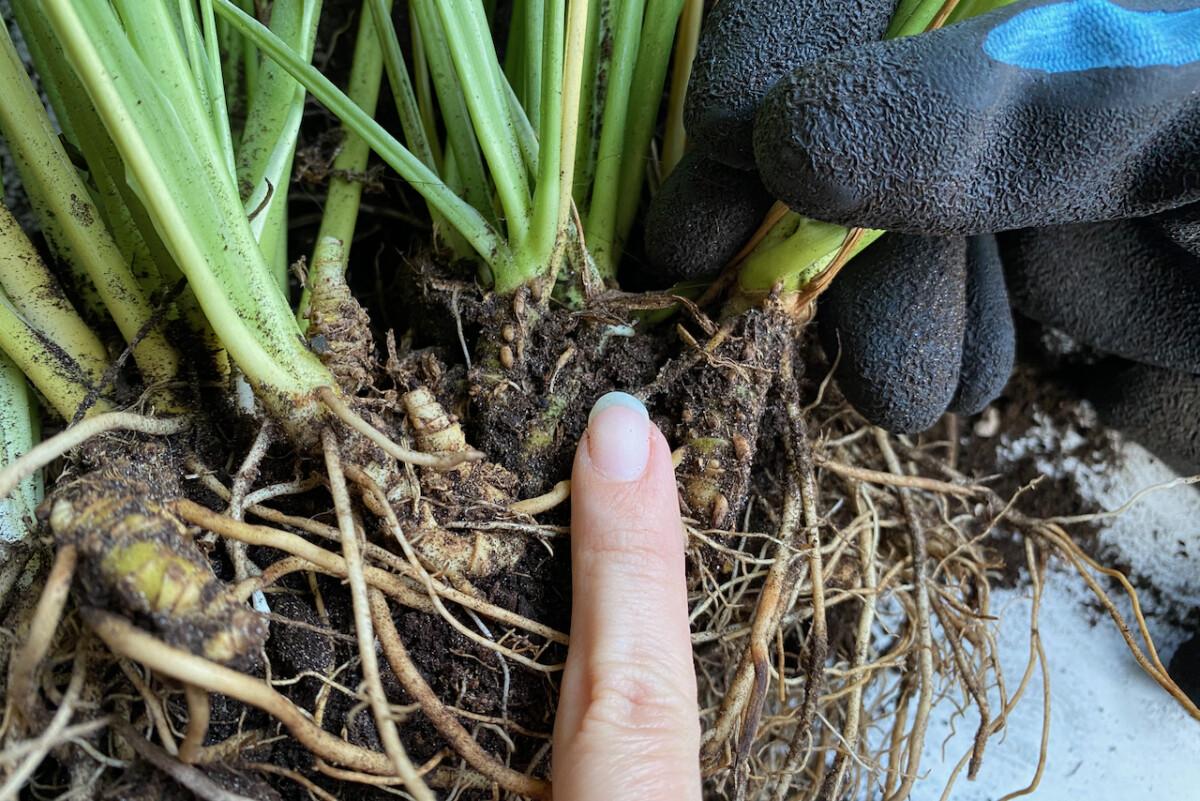
Do this instead: Repot every 1-2 years in spring, or when roots circle the bottom or emerge from drainage holes.
Planting too deep so the crown is buried under soil.
Why it's bad: Buried crowns rot and kill the entire plant. Soil should be at the same level as before repotting.
Do this instead: Keep the soil line at the same height on the plant. The top of the root ball should sit slightly above soil surface.
Ignoring humidity needs and letting the plant get too dry.
Why it's bad: Brown leaf tips, crispy edges, and slow growth all result from air that's too dry.
Do this instead: Mist leaves every 2-3 days, use a humidifier, or set pots on water-filled pebble trays.
Frequently Asked Questions
Why won't my peace lily flower?
Blooming requires mature growth (1-3 years), adequate bright indirect light, and proper feeding. Young plants or those in low light rarely flower. Move it closer to a window and fertilize every 4-6 weeks in spring and summer to encourage blooms.
How often should I water my peace lily?
Water when the top 1-2 inches of soil feel dry, typically every 5-7 days. Avoid watering on a fixed schedule; check soil moisture first since home conditions affect drying rates. Overwatering is the #1 killer.
Is a peace lily toxic to pets and kids?
Yes, peace lilies contain insoluble calcium oxalate crystals that cause oral irritation, excessive drooling, and difficulty swallowing in pets and children. Symptoms subside within 24-48 hours, but seek veterinary care if breathing becomes difficult.
Can I propagate my peace lily from a leaf cutting?
No, leaf cuttings won't root or develop into new plants. Division is the only proven method. Separate the plant during repotting by gently pulling apart clumps, ensuring each section has roots, stems, and leaves.
What do I do if my peace lily droops even though I watered it?
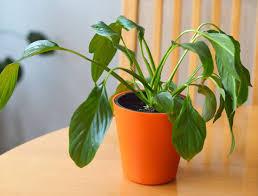
Check if the soil is soggy; if overwatered, stop watering and allow it to dry slightly. If soil is dry, the plant may be in cold conditions, experiencing transplant shock, or have root rot. Ensure temperatures stay 65-80°F and improve drainage if needed.
How do I fix brown leaf tips on my peace lily?
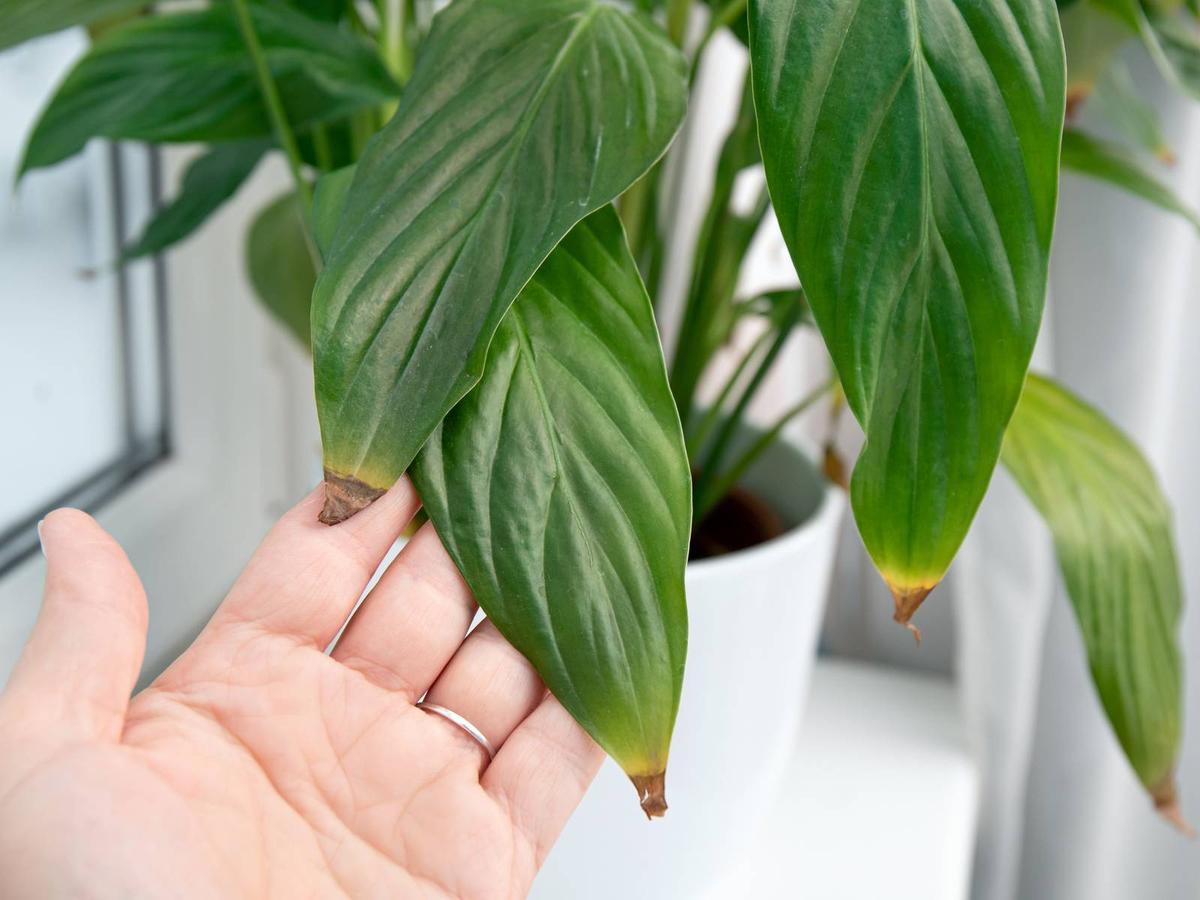
Brown tips are caused by fluoride in tap water, low humidity, or underwatering. Switch to filtered or rainwater, mist leaves every 2-3 days, and maintain consistent soil moisture. Never reverse existing brown tips, but new growth will be healthy.
Can I grow a peace lily in low light like an office with no windows?
Peace lilies survive in low light but won't flower or grow quickly. For offices, use artificial grow lights 8-10 hours daily or place it as close to a window as possible. Low light is survivable, not ideal.
How quickly does a peace lily grow?
Peace lilies grow at a moderate pace. New leaves typically emerge every 1-3 weeks during the growing season. Full-sized plants develop over 2-3 years. Growth slows dramatically in fall and winter.
What pests attack peace lilies and how do I stop them?
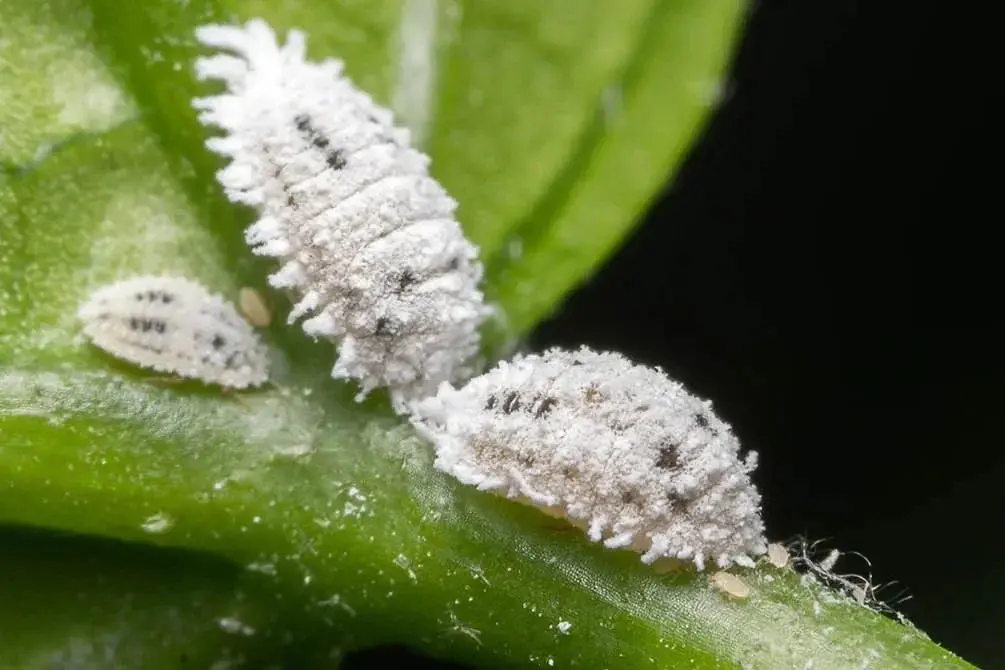
Spider mites, mealybugs, and aphids thrive on stressed plants in dry conditions. Increase humidity to 50%+, isolate the plant, and spray with neem oil or insecticidal soap weekly until pests disappear. Wash the plant with water first to remove visible pests.
Do peace lilies really purify indoor air?
NASA research shows peace lilies remove benzene, formaldehyde, and trichloroethylene from sealed environments. However, real homes need hundreds of plants to significantly impact air quality. Peace lilies still benefit air health and add oxygen while looking beautiful.
References & Sources
Information in this guide is based on these trusted sources.