
Parsley
A vibrant Mediterranean herb that brings fresh, herbaceous flavor to any kitchen. Easy to grow indoors or outdoors year-round.
Video Tutorials
Watch these helpful videos to learn more about Parsley care.
About Parsley
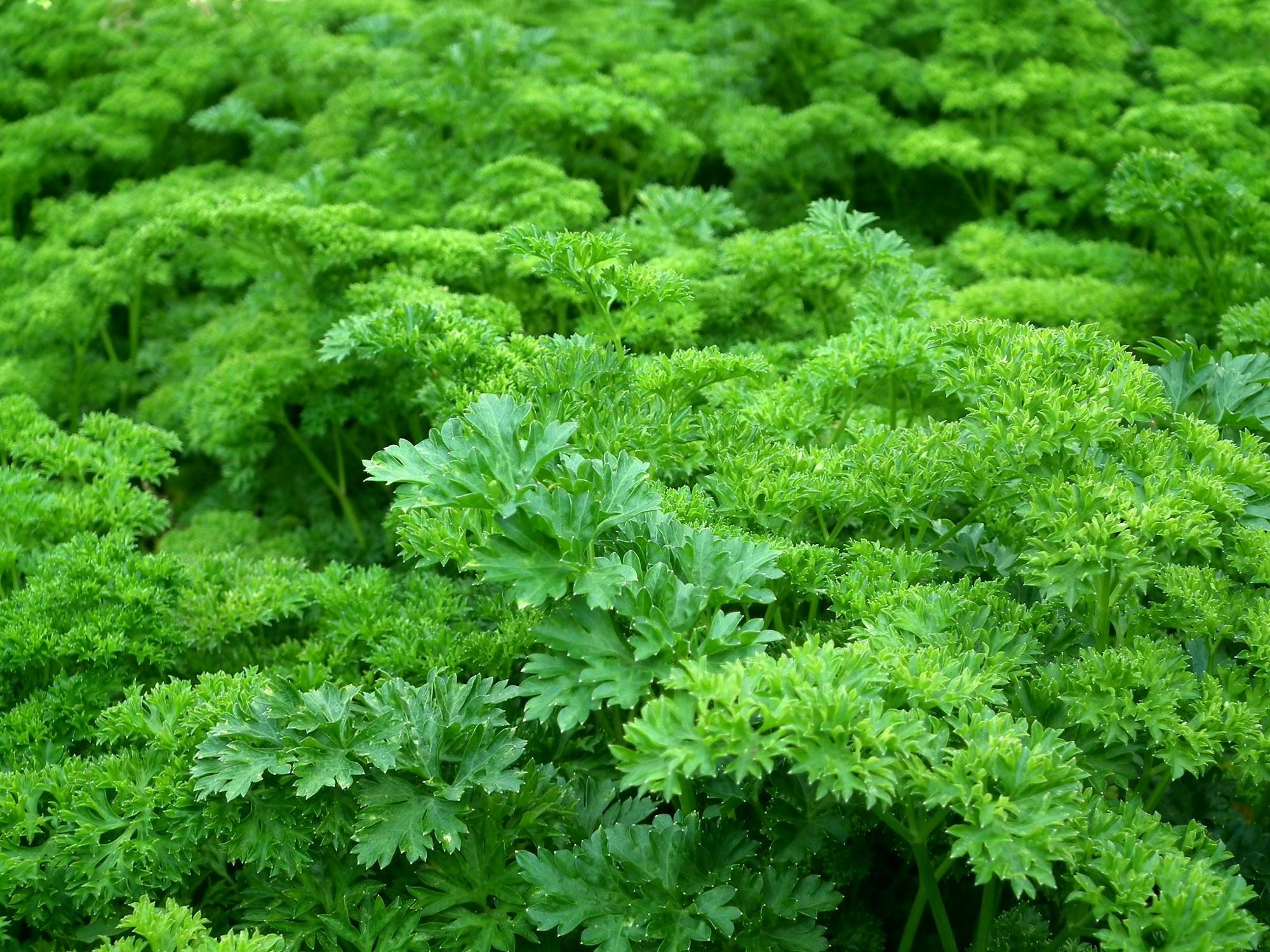
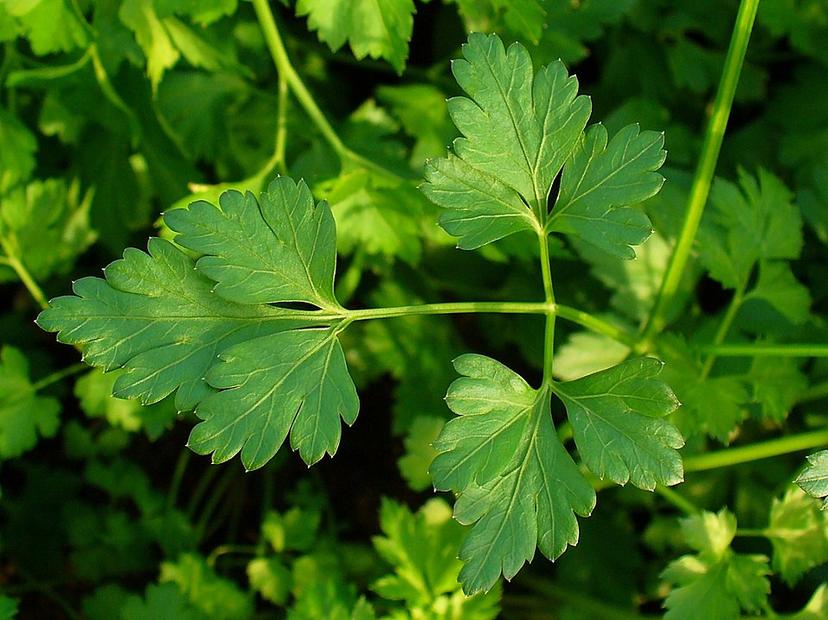
Parsley is a beloved biennial culinary herb native to the Mediterranean that brings fresh, herbaceous flavor to kitchens worldwide. With its lush green foliage and mild to peppery taste depending on variety, parsley is both ornamental and incredibly practical. The plant forms a dense rosette of leaves in its first year before sending up flowering stalks in the second year, making it a favorite for container growing and garden beds alike.
Originating from Southern Europe and the Mediterranean basin, parsley naturally thrives in cool, temperate climates with rich, moist soil. In its native habitat, it grows in well-drained, fertile ground and prefers consistent moisture without waterlogging. This hardy herb has adapted beautifully to cultivation across the globe and remains one of the most reliably productive culinary herbs available.
As a houseplant, parsley excels on bright windowsills and in containers with good drainage. It grows 8-36 inches tall depending on variety and can live for 1-2 years before bolting. With regular harvesting, parsley stays bushy and productive, providing fresh leaves continuously. Indoor cultivation extends the growing season indefinitely, allowing year-round harvests with minimal care and attention.
Watering Schedule
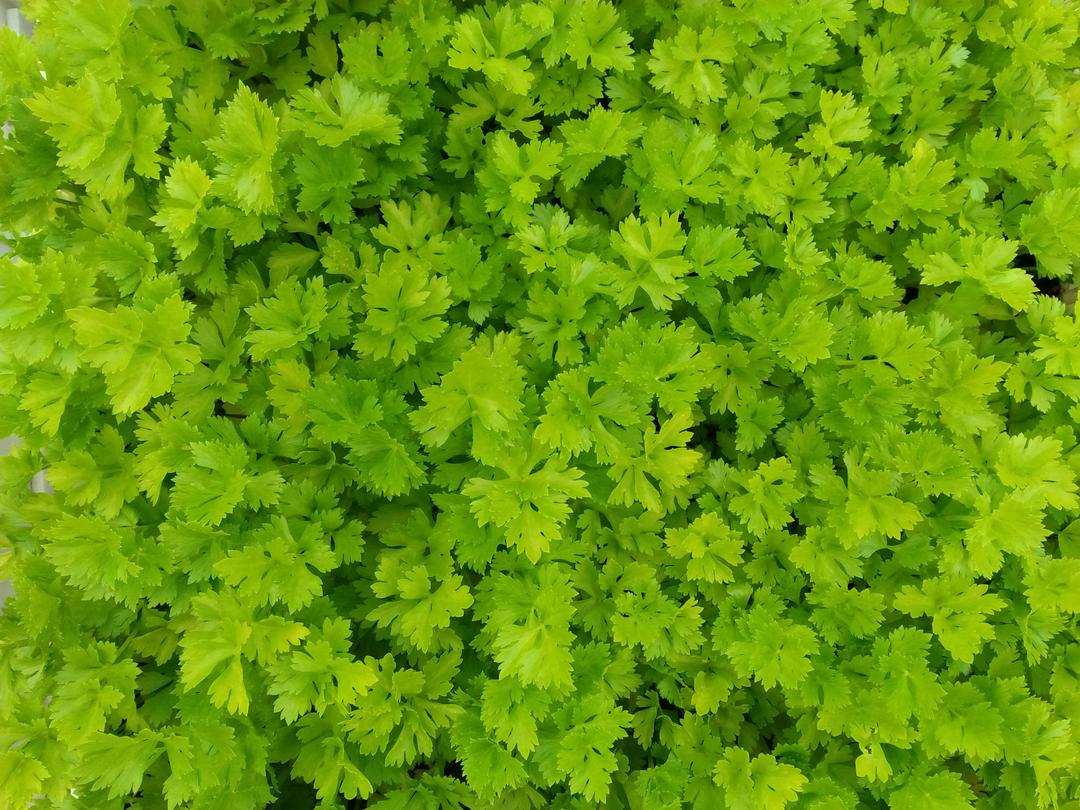
Parsley prefers consistently moist but not waterlogged soil. Water when the top inch of soil feels dry, typically every 4-7 days depending on season and light levels.
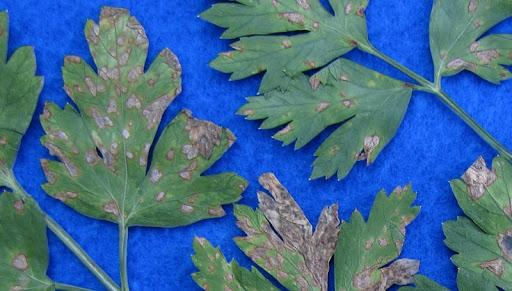
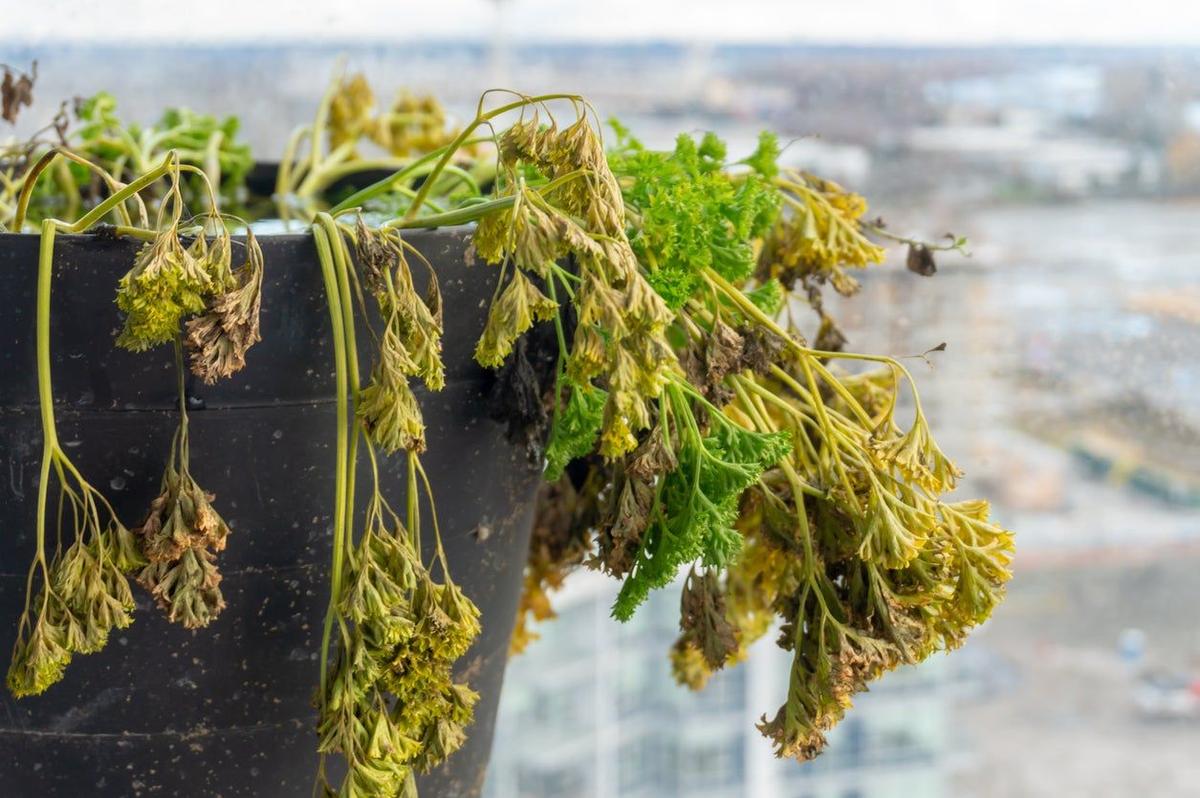
Common Problems & Solutions
Here's how to identify and fix the most common Parsley problems.
Popular Varieties
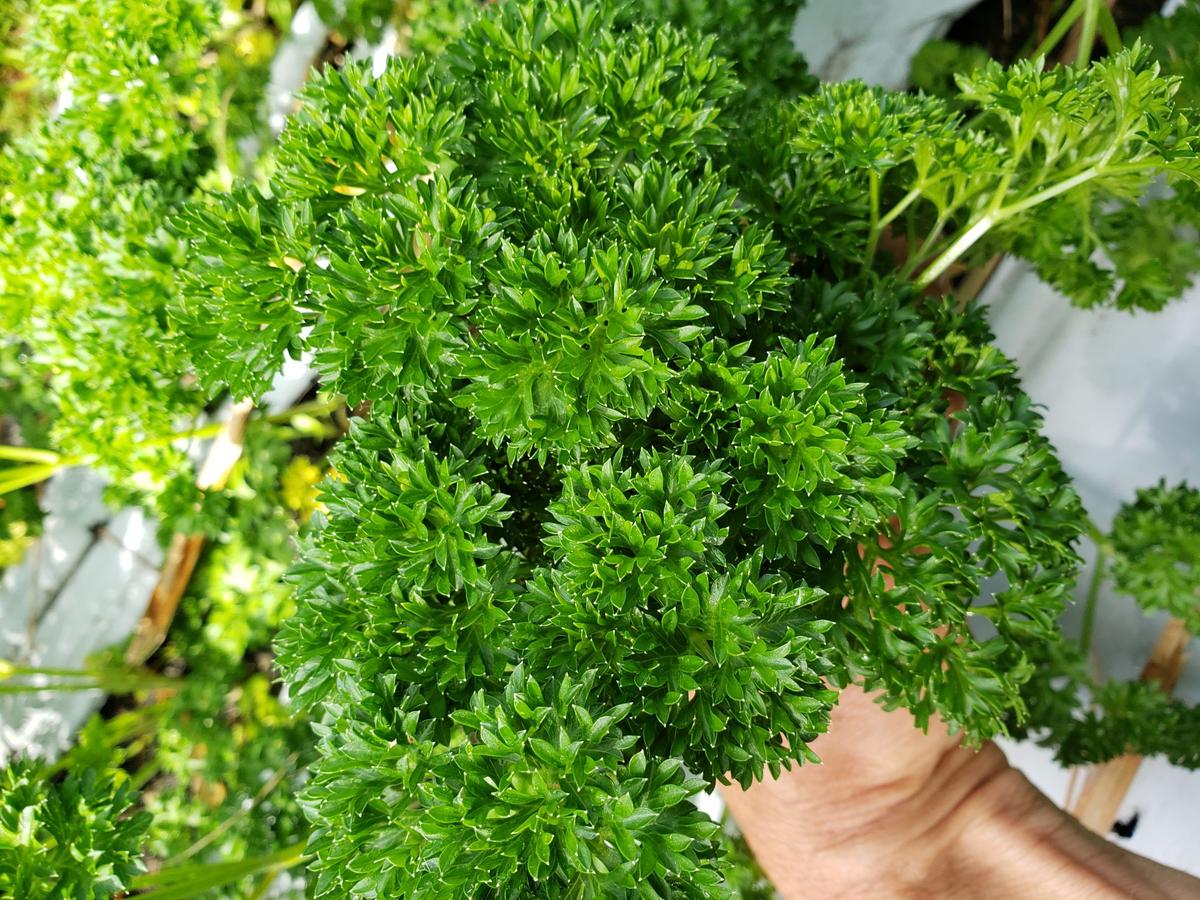
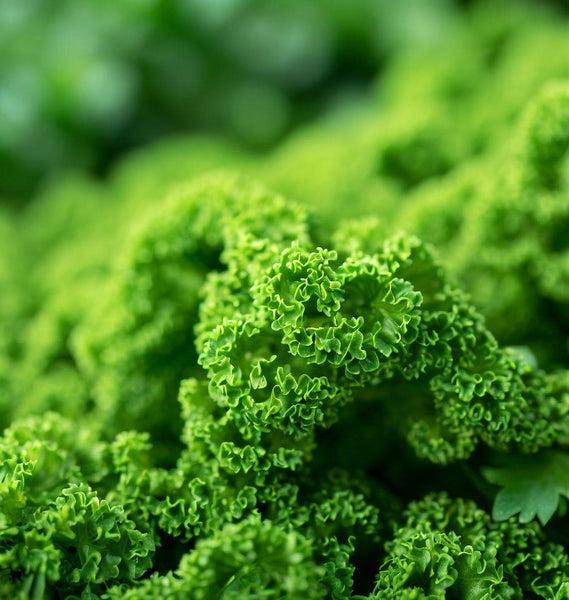
Explore different Parsley varieties and find your perfect match.
Care Tips & Best Practices
Humidity
Maintain 40-60% humidity by misting leaves daily during dry months or grouping pots on pebble trays filled with water. Keep the tray water below pebble level.
Feeding
Apply diluted balanced liquid fertilizer (half-strength) every 3-4 weeks during growing season. In-ground plants rarely need feeding if soil is rich; container plants need regular nutrition.
Cleaning
Gently wipe leaves with a damp cloth monthly to remove dust and improve photosynthesis. Avoid touching leaves roughly to prevent damage.
Support & Pruning
Pinch off flower buds as soon as they appear to keep leaves tender and flavorful. Remove lower yellow leaves to encourage new growth from the base.
Rotation
Rotate container plants 90 degrees every 3-4 days to ensure even light exposure on all sides and prevent leaning toward the window.
Harvesting
Begin harvesting outer stems once the plant has 4-6 leaves on each stem. Regular harvesting encourages bushier growth and prevents bolting.
Care Checklist
10 Common Mistakes to Avoid
Planting in waterlogged soil or overwatering container plants
Why it's bad: Parsley roots rot quickly in soggy conditions, leading to crown and root rot diseases.
Do this instead: Use well-draining potting mix, pots with drainage holes, and water only when top inch of soil is dry.
Planting in deep shade or low-light locations
Why it's bad: Parsley becomes weak, leggy, spindly, and loses flavor without 6-8 hours of direct light daily.
Do this instead: Place on a south-facing windowsill or provide 6-8 hours of grow light daily.
Transplanting seedlings instead of direct sowing seeds
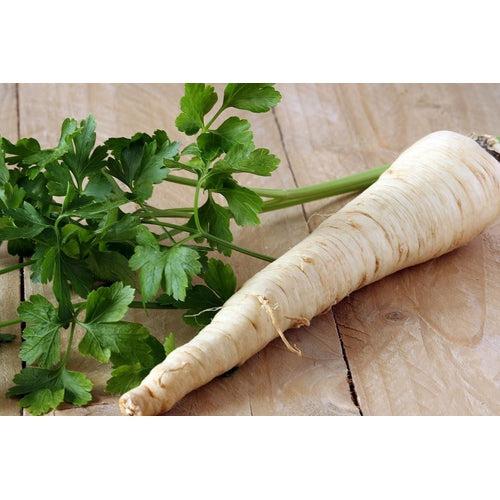
Why it's bad: Parsley has a sensitive long taproot that cannot tolerate transplanting well, causing stress and poor establishment.
Do this instead: Sow seeds directly in the container or garden bed where the plant will grow.
Watering foliage overhead instead of at soil level
Why it's bad: Overhead watering promotes fungal diseases like powdery mildew, leaf spot, and blight on wet leaves.
Do this instead: Water only at the soil level, keeping foliage completely dry.
Ignoring slow seed germination and abandoning plants prematurely
Why it's bad: Parsley seeds can take 2-4 weeks to germinate; many gardeners assume seeds failed and discard them.
Do this instead: Keep soil consistently moist for 4-5 weeks before concluding seeds failed.
Allowing plants to flower before harvesting all leaves
Why it's bad: Once bolting begins, leaves become bitter, coarse, and inedible. Energy shifts entirely to seed production.
Do this instead: Pinch off flower buds as soon as they appear and harvest stems regularly to prevent flowering.
Using garden soil instead of quality potting mix for container growing
Why it's bad: Garden soil compacts in pots, restricts drainage, and leads to waterlogging and disease.
Do this instead: Use peat-free potting soil amended with perlite for excellent aeration and drainage.
Ignoring nutrient depletion in container plants
Why it's bad: Potting soil nutrients leach away with each watering; containers need regular fertilizing.
Do this instead: Apply diluted balanced fertilizer every 3-4 weeks during growing season.
Harvesting too aggressively from young, newly established plants
Why it's bad: Over-harvesting before plants have 4-6 stems exhausts reserves and stunts growth.
Do this instead: Begin light harvesting after 8-10 weeks when plants have multiple mature stems.
Growing Italian parsley around pet dogs without knowing it's toxic
Why it's bad: Italian parsley contains furanocoumarins which cause dermatitis and vision problems in dogs.
Do this instead: Grow only curly parsley if dogs have access to plants, and limit to occasional small amounts.
Frequently Asked Questions
How long does it take parsley to grow from seed to harvest?
Expect 8-12 weeks from sowing to first harvest. Germination takes 2-4 weeks, seedlings need 4-6 weeks to establish, then another 2-4 weeks before they're large enough to harvest.
Can you grow parsley indoors year-round?
Yes, parsley grows well indoors on a bright south-facing windowsill or under grow lights. Provide 6-8 hours of light daily, maintain 40-60% humidity, and reduce watering in winter.
Why won't my parsley seeds germinate?
Parsley seeds germinate slowly (2-4 weeks) and need consistent moisture. Soak seeds 12-24 hours before planting. Keep soil moist, not soggy. Maintain 65-70°F temperature for best results.
Is parsley safe for pets?
Curly parsley is safe for dogs in small amounts and offers vitamins A and K. Italian and flat-leaf parsley contain furanocoumarins and are toxic to dogs. All parsley varieties are safe for cats.
How often should I harvest parsley?
Begin harvesting outer stems once the plant has 4-6 leaves per stem. Harvest every 7-10 days by cutting stems at the base. Regular harvesting encourages bushier growth and prevents bolting.
Why is my parsley turning yellow?
Yellow leaves indicate magnesium or nitrogen deficiency, overly acidic soil, or nutrient depletion. Apply balanced liquid fertilizer at half-strength every 3-4 weeks, or add lime to acidic soil.
What's the difference between curly and flat-leaf parsley?
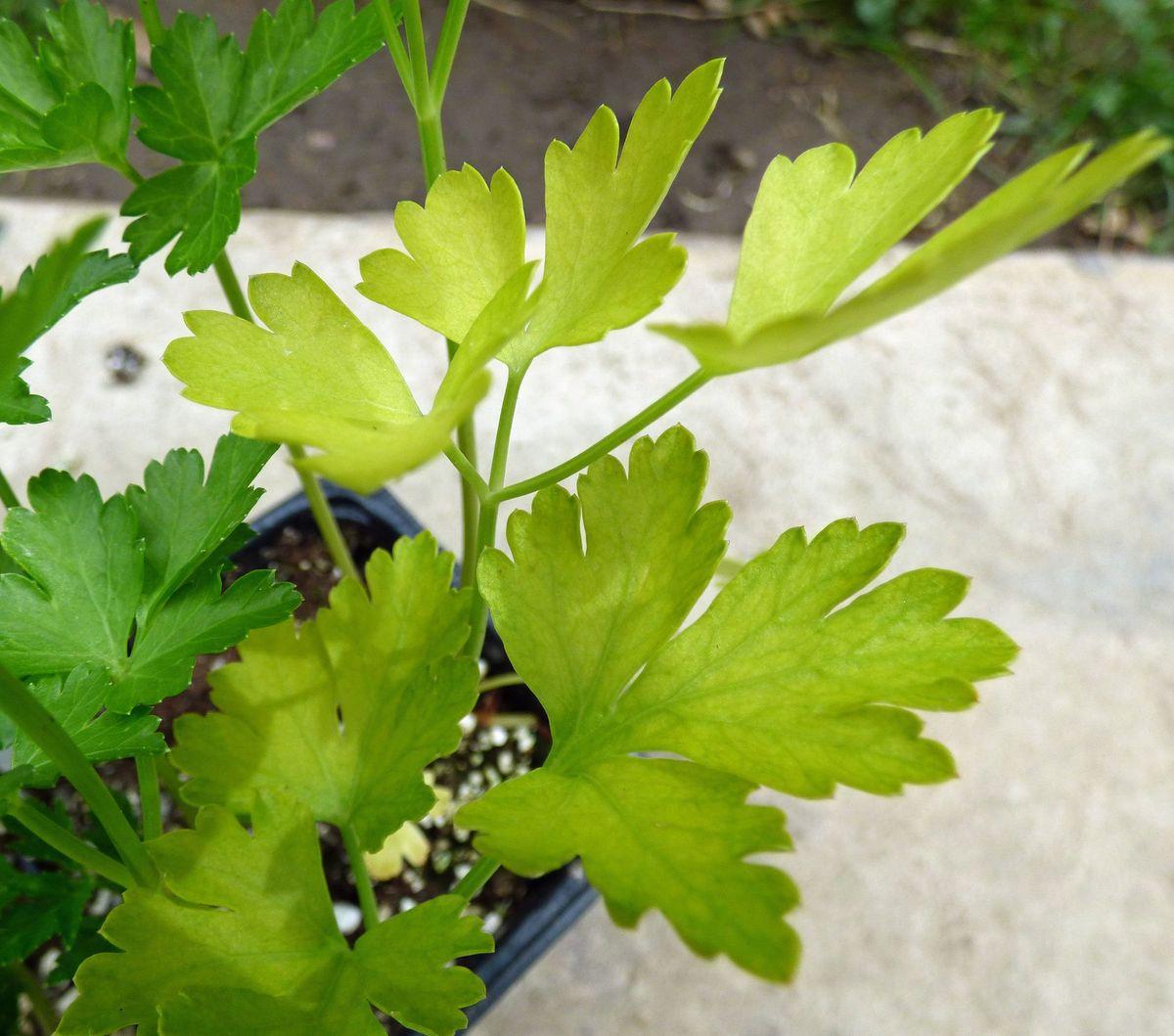
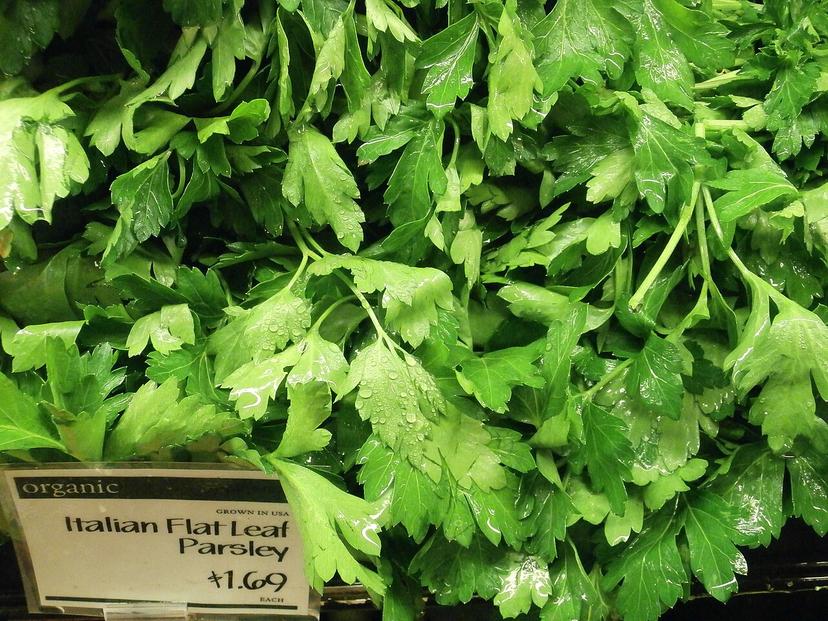
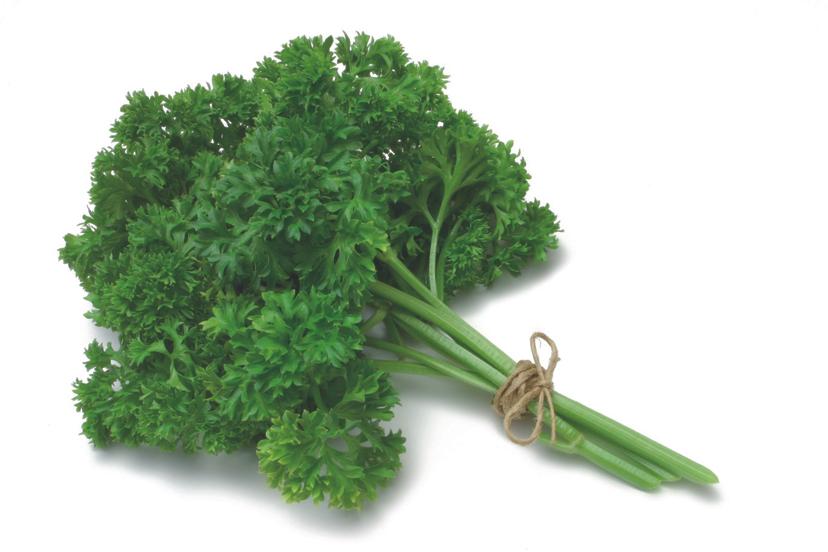
Curly parsley has ruffled leaves and mild flavor; it's more ornamental. Flat-leaf (Italian) has smooth leaves and stronger peppery flavor; chefs prefer it for cooking. Flat-leaf matures faster.
Can you propagate parsley from cuttings?
Yes, but with low success rates (20-30%). Take 3-4 inch cuttings, place in water, change daily, and transplant roots into soil after 2-3 weeks. Growing from seed is much more reliable.
Why does parsley get leggy and thin indoors?
Insufficient light causes weak, spindly growth. Ensure 6-8 hours of direct sunlight or use grow lights positioned 6 inches above foliage. Rotate pots every 3-4 days for even growth.
How do you prevent parsley from bolting?
Pinch off flower buds as soon as they appear. Harvest outer stems regularly to encourage leaf production. Bolting is triggered by heat, long days, and plant maturity.
References & Sources
Information in this guide is based on these trusted sources.