
parlor palm
An elegant, low-maintenance palm with delicate fronds that thrives in low light and cleans indoor air.
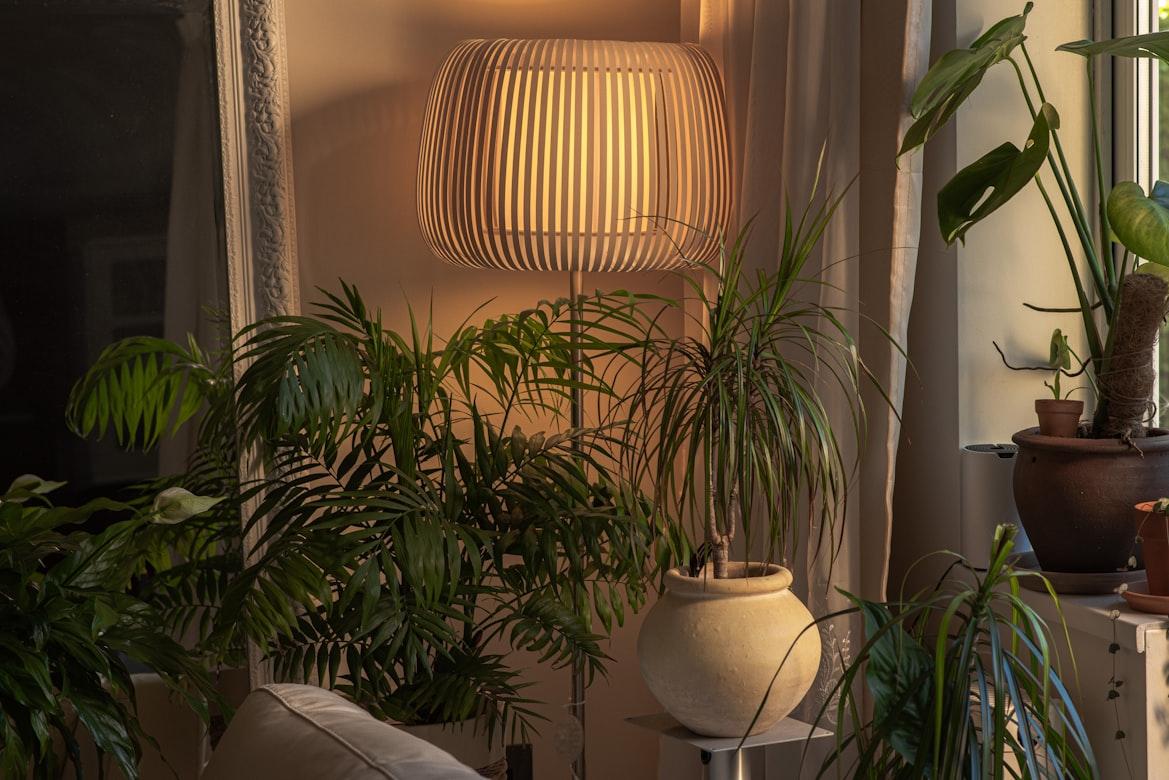
Video Tutorials
Watch these helpful videos to learn more about parlor palm care.
About parlor palm
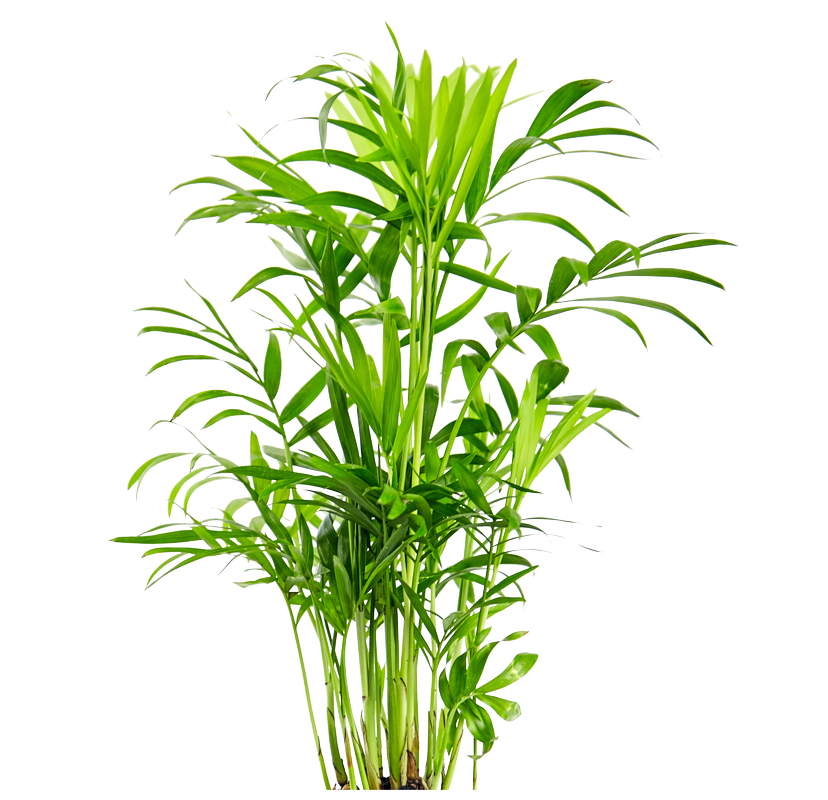
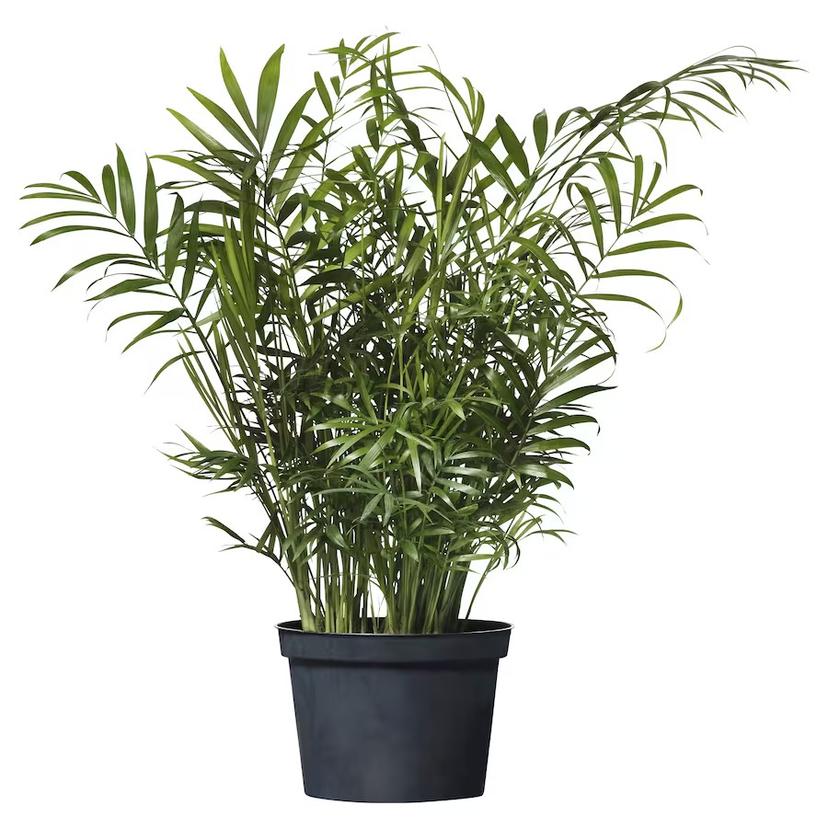
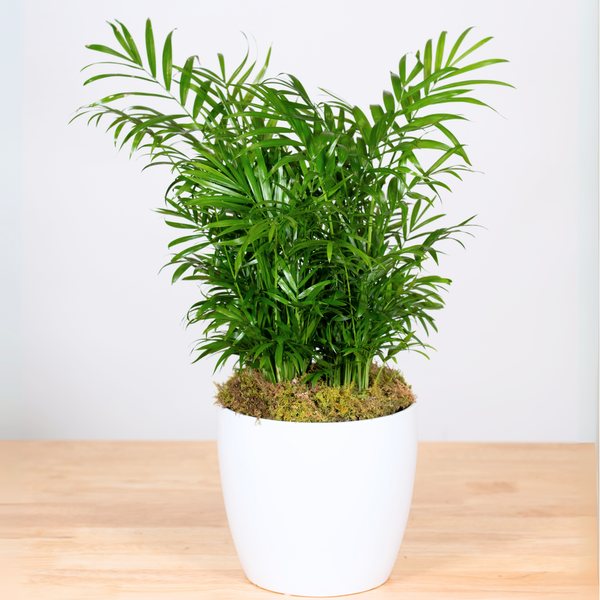
The parlor palm, also called Neanthe Bella or bamboo palm, is the world's most popular indoor palm. NASA's Clean Air Study ranked it among the top air-purifying plants, removing formaldehyde, xylene, and toluene from indoor air. This gentle giant has been a beloved houseplant since the Victorian era, prized for its ability to thrive in low-light conditions.
Native to the humid rainforests of Southern Mexico and Guatemala, this palm grows in the understory beneath taller forest canopies where filtered light and high moisture are abundant. In its natural habitat, it reaches heights up to 10 feet among dense vegetation and near cool, misty stream areas.
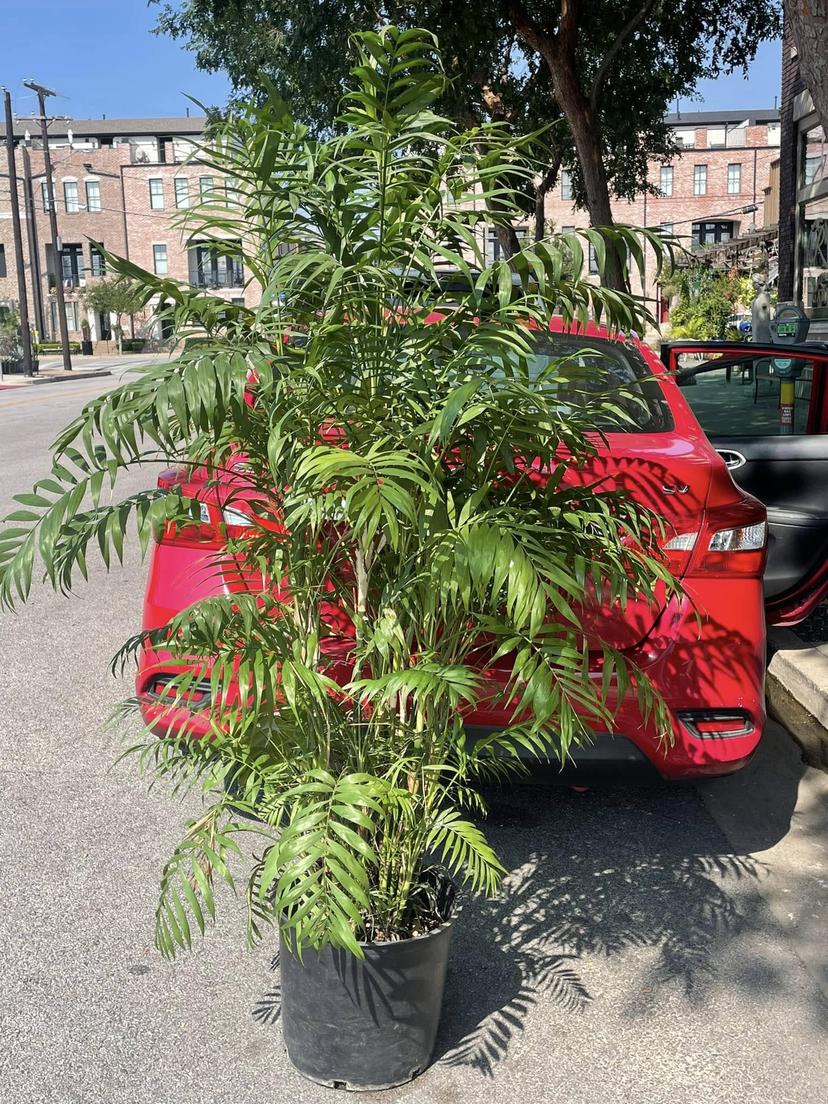
Indoors, parlor palms reach 3-6 feet tall and grow slowly compared to other houseplants. Their feathery, gracefully arching fronds create instant tropical ambiance. With moderate watering, average humidity, and low-light tolerance, these forgiving palms are perfect for beginners and experienced plant lovers alike.
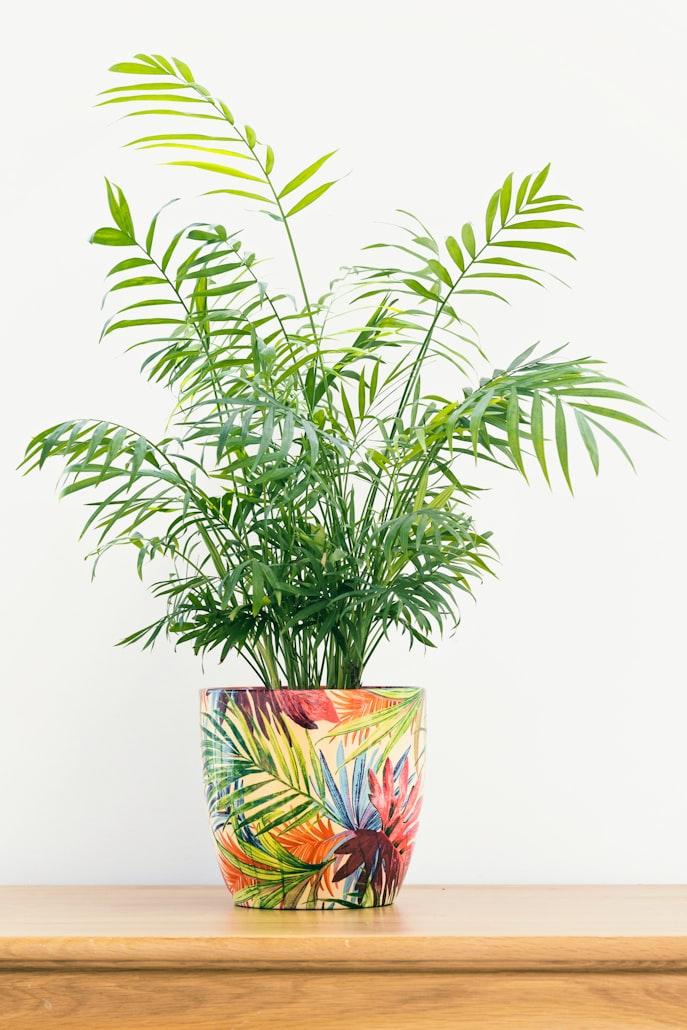
Watering Schedule
Parlor palms prefer consistently moist but not waterlogged soil. Water when the top 1-2 inches of soil feel dry, typically every 7-10 days. Reduce watering in winter when growth slows.
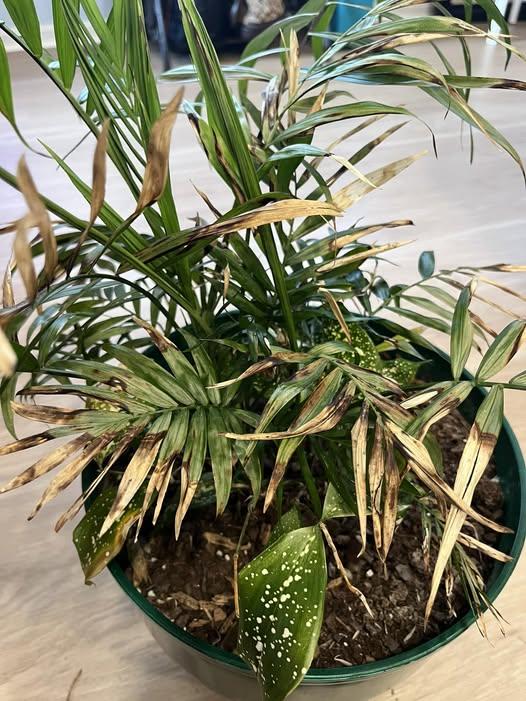
Common Problems & Solutions
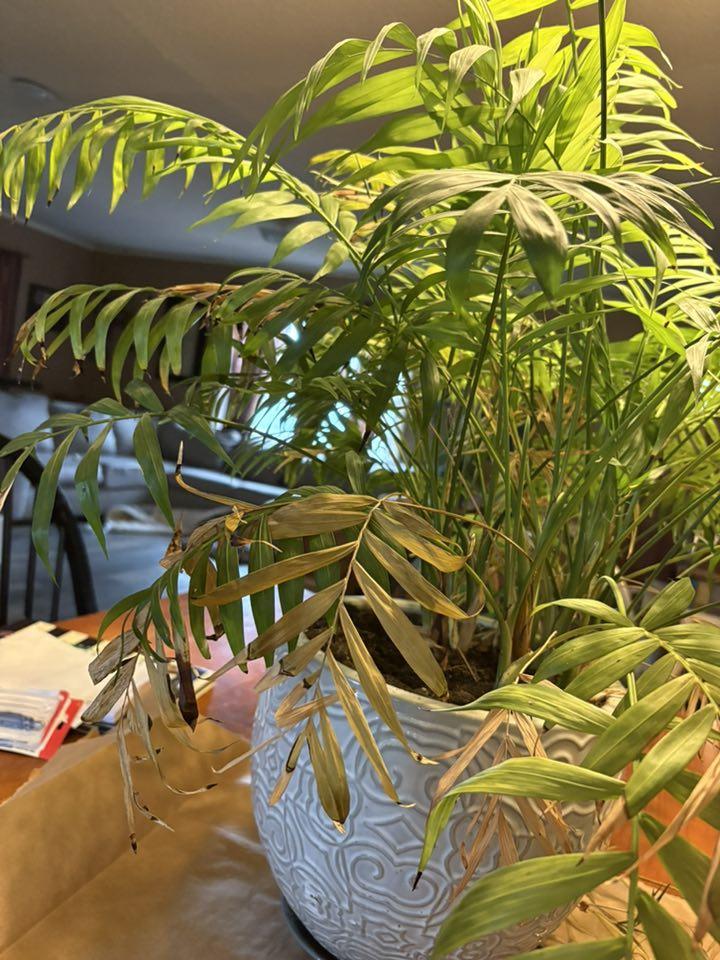
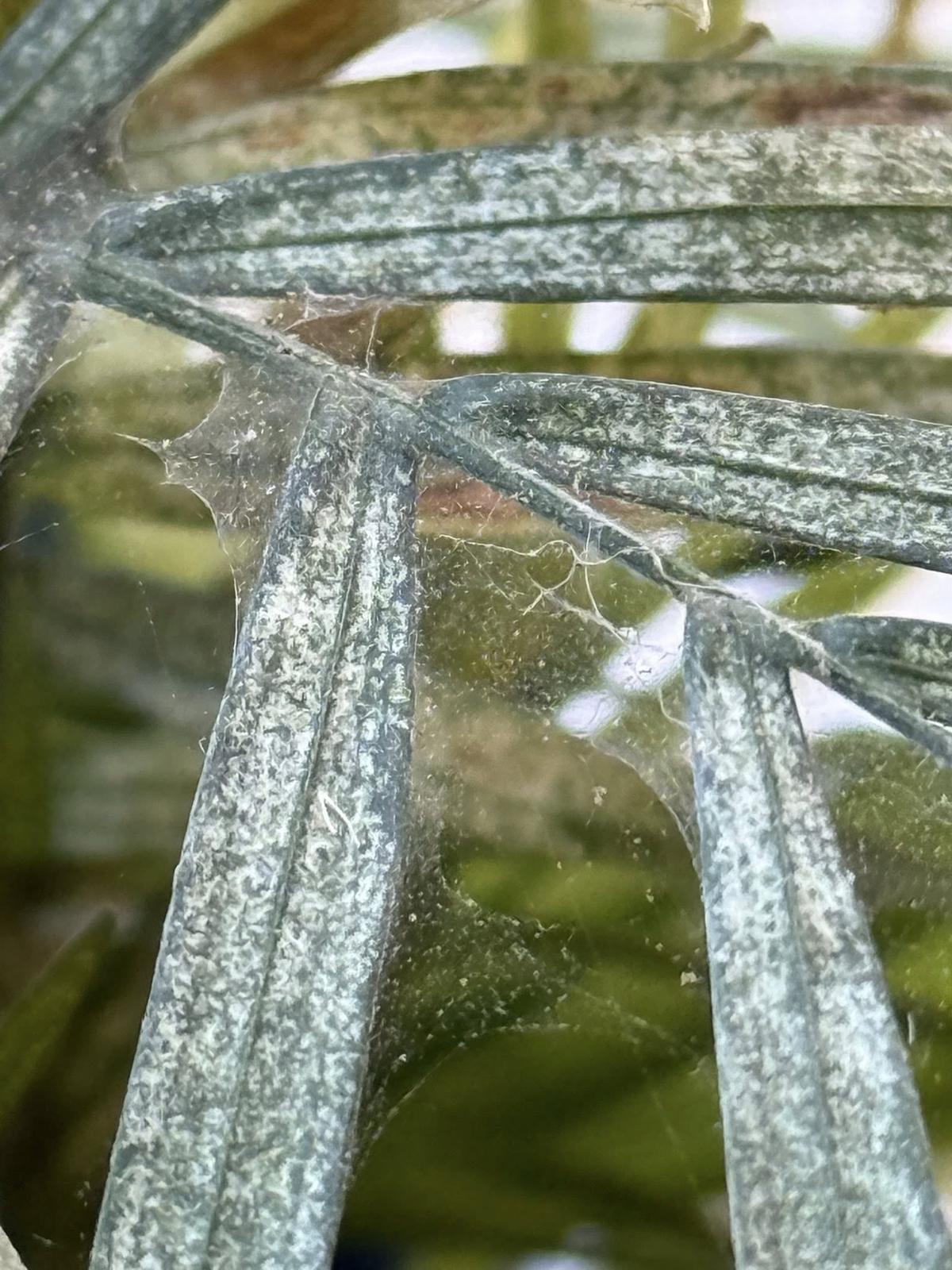
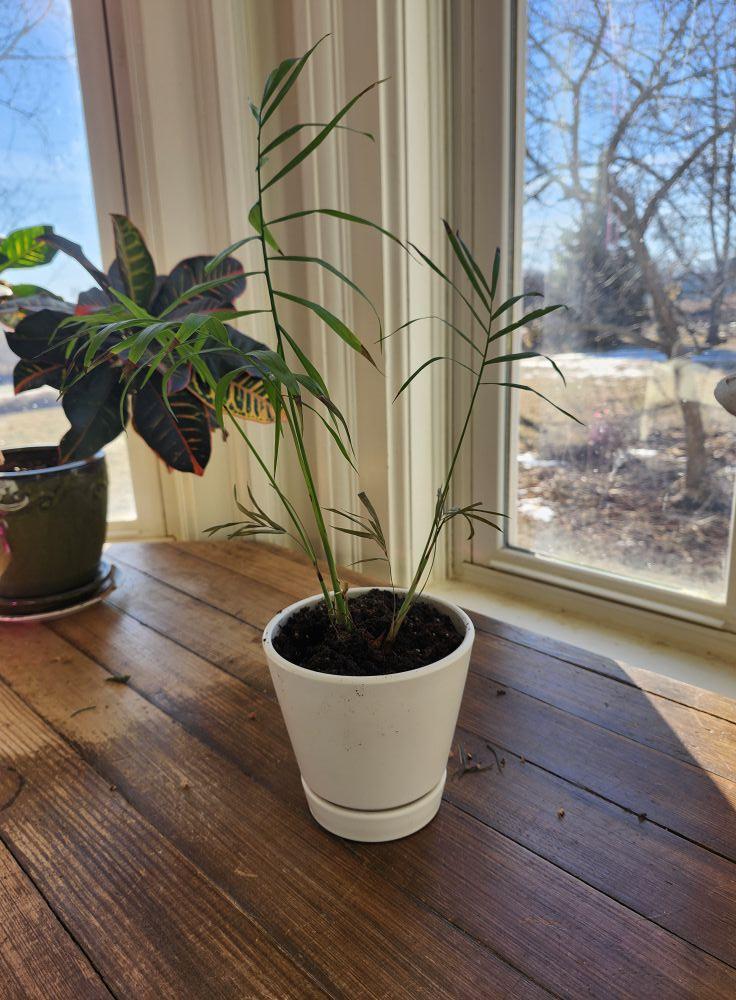
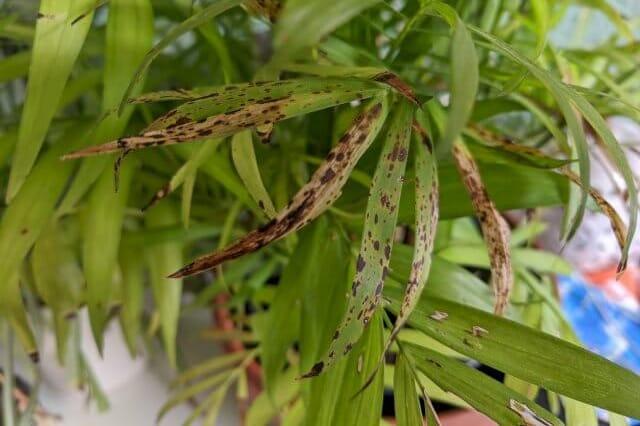
Here's how to identify and fix the most common parlor palm problems.
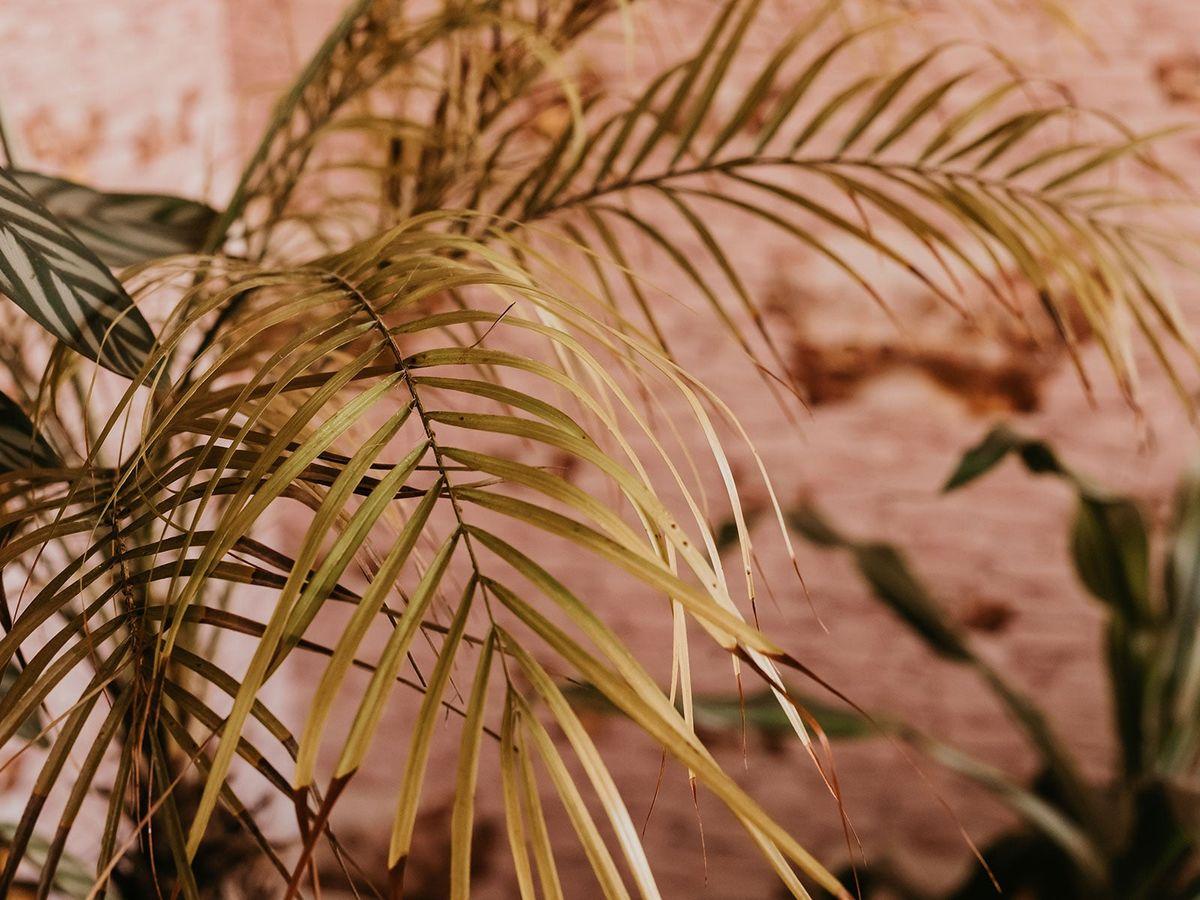
Popular Varieties
Explore different parlor palm varieties and find your perfect match.

Care Tips & Best Practices
Humidity
Mist every 2-3 days to maintain 50%+ humidity. Use a humidifier or pebble tray to prevent brown tips and spider mites.
Feeding
Fertilize every 2-4 weeks from March through September with diluted all-purpose fertilizer at half strength.
Cleaning
Wipe fronds monthly with a soft, damp cloth to remove dust and improve air purification ability.
Support
Provide a moss pole or gentle stake once the palm reaches 2 feet tall to support heavy fronds.
Pruning
Remove only completely brown or dead fronds at the base. Cutting partial fronds damages the entire leaf.
Rotation
Rotate 90 degrees every 1-2 weeks so all sides receive equal light and prevent uneven, leggy growth.
Care Checklist
10 Common Mistakes to Avoid
Watering on a fixed schedule instead of checking soil.
Why it's bad: Every home has different humidity and light; rigid schedules cause root rot.
Do this instead: Check soil moisture with your finger before watering; water only when dry.
Using tap water with fluoride and chlorine.
Why it's bad: Parlor palms are sensitive; these chemicals cause brown tips and leaf damage.
Do this instead: Use distilled water or let tap water sit 24 hours before using.
Placing the palm in complete darkness or dim corners.
Why it's bad: No light causes extreme legginess, yellowing, and eventual plant decline.
Do this instead: Prioritize bright indirect light; even offices get adequate light.
Neglecting to mist or maintain humidity levels.
Why it's bad: Low humidity under 50% causes brown tips and attracts spider mites.
Do this instead: Mist every 2-3 days or use a humidifier to maintain 50%+ humidity.
Cutting partial fronds with brown tips.
Why it's bad: Cutting only the tip kills the entire frond, wasting the plant's energy.
Do this instead: Remove only completely brown or dead fronds at the base.
Using pots without adequate drainage holes.
Why it's bad: Water pools at the bottom, drowning roots and causing rot.
Do this instead: Always use pots with multiple drainage holes and empty saucers.
Repotting too frequently or into oversized pots.
Why it's bad: Excess soil holds excess moisture longer than roots need.
Do this instead: Repot only every 3-5 years in pots just 1-2 inches larger.
Overfertilizing or using full-strength fertilizer.
Why it's bad: Salt buildup burns roots and causes brown tips and yellowing.
Do this instead: Fertilize only every 2-4 weeks at half strength during growing season.
Exposing the palm to cold temperatures below 60°F.
Why it's bad: Cold stress causes dark leaf spots and root damage irreversibly.
Do this instead: Keep temperatures between 65-75°F; avoid cold windows and drafts.
Moving the plant frequently or not rotating at all.
Why it's bad: Frequent moves stress the plant; non-rotation creates uneven leggy growth.
Do this instead: Choose one location carefully, then rotate 90 degrees every 1-2 weeks.
Frequently Asked Questions
How often should I water my parlor palm?
Water when the top 1-2 inches of soil feel dry, typically every 7-10 days. Water more frequently in summer and bright light, less in winter or low light. Always check soil before watering rather than following a rigid schedule.
Why are my parlor palm leaves turning brown at the tips?
Brown tips usually indicate low humidity, fluoride in tap water, overfertilizing, or sudden cold drafts. Use filtered water, increase humidity by misting daily, reduce fertilizer to once monthly, and avoid placing near cold windows.
Can parlor palms live in low light?
Yes, parlor palms are one of the few indoor palms tolerating low light well. They grow slowly in low light but remain healthy. They prefer medium light but can survive in offices with only fluorescent lighting if supplemented by some natural light.
Is the parlor palm safe for pets and children?
Yes, parlor palms are completely non-toxic to cats, dogs, and humans. The ASPCA lists them as non-toxic. However, discourage pets from nibbling as eating large quantities may cause mild stomach upset.
How fast do parlor palms grow indoors?
Parlor palms grow slowly compared to most houseplants, adding 6-12 inches per year under optimal conditions. They take several years to reach 4-6 feet tall indoors, making them ideal for patient plant lovers.
What humidity level do parlor palms prefer?
Parlor palms prefer 50%+ humidity and love higher humidity levels. Mist every 2-3 days or use a humidifier. Bathrooms are ideal due to natural shower steam. Average household humidity is acceptable but may cause occasional brown tips.
How do I treat spider mites on my parlor palm?
Isolate the plant immediately. Increase humidity with misting or a humidifier. Spray with neem oil or insecticidal soap weekly until the infestation is gone. Repeat weekly for 3-4 weeks to eliminate all life stages.
How do I propagate parlor palm plants?
Parlor palms propagate only from seed, not cuttings or division. Soak fresh seeds 24 hours, plant 1 inch deep in warm soil at 80-85°F, and keep consistently moist. Seeds germinate in 1-3 months with proper conditions.
Why is my parlor palm growing slowly or not at all?
Slow growth indicates insufficient light, cold temperatures below 65°F, poor drainage, or nutrient deficiency. Move to brighter light, maintain 65-75°F, ensure well-draining soil, and fertilize every 2-4 weeks during spring and summer.
How often should I repot my parlor palm?
Repot every 3-5 years only when roots circle the pot or growth stalls. Small plants need repotting more frequently than large specimens. Parlor palms prefer being slightly rootbound, so avoid oversizing pots.
References & Sources
Information in this guide is based on these trusted sources.