
oregano
A robust Mediterranean culinary herb with peppery leaves that thrives indoors with bright light and minimal water requirements.
Video Tutorials
Watch these helpful videos to learn more about oregano care.
About oregano
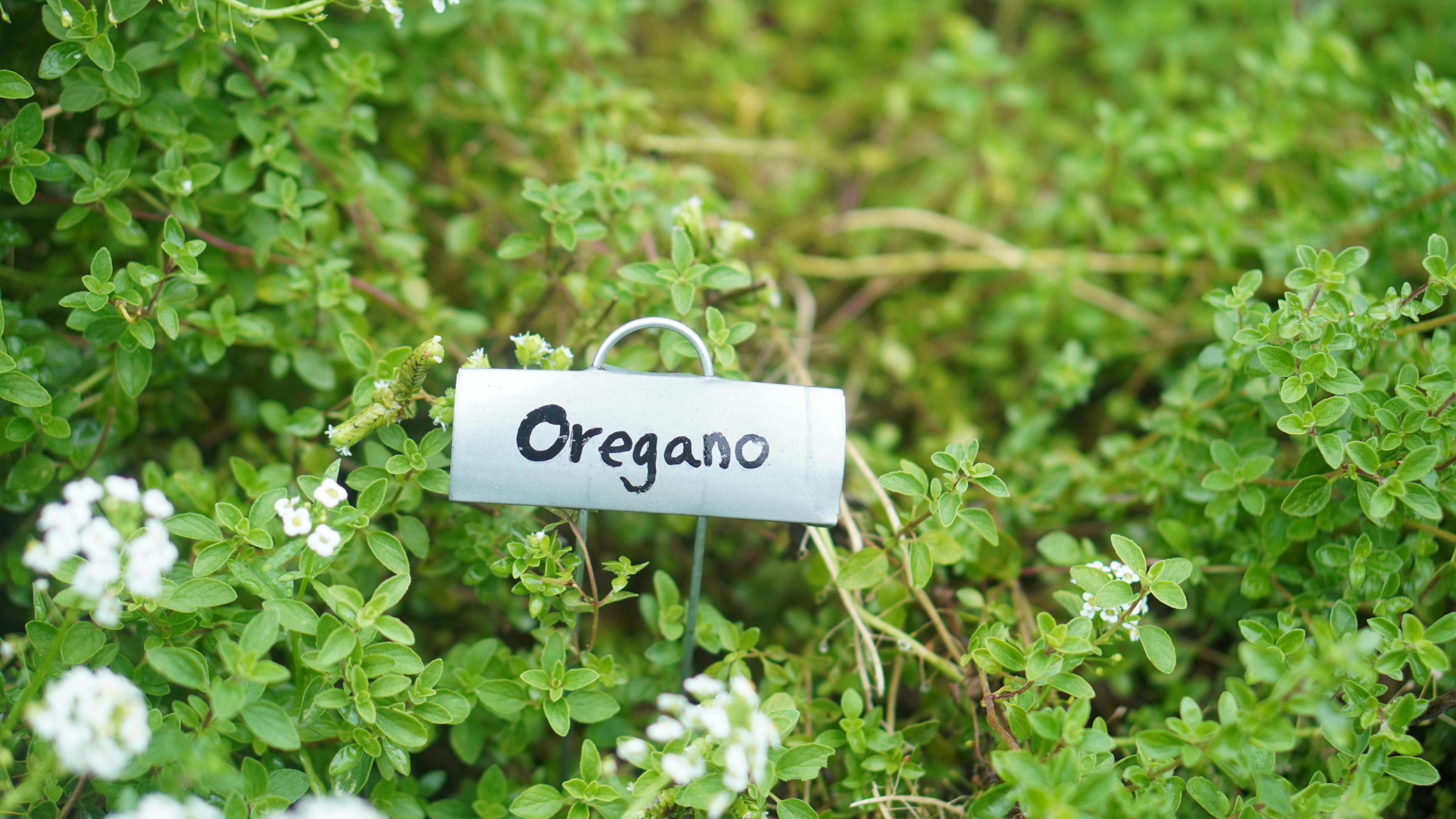
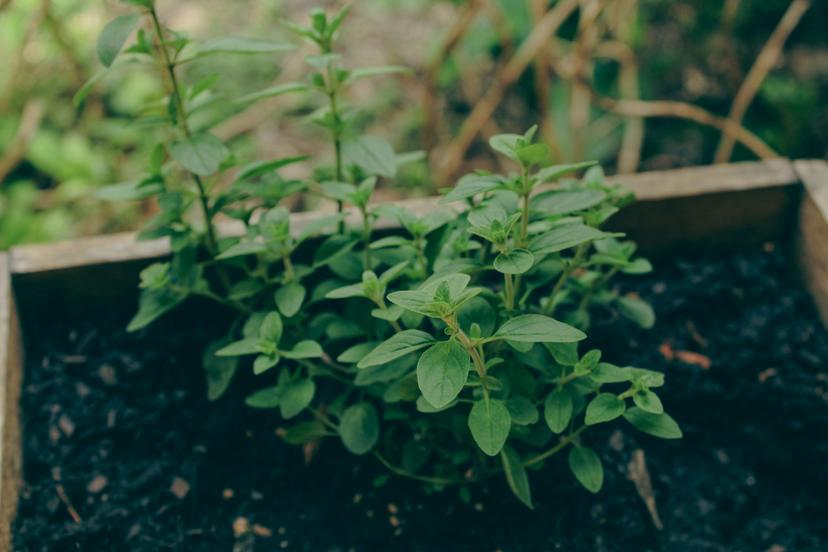
Oregano is a beloved Mediterranean culinary herb with fragrant, soft leaves and delicate flowers that bloom in pink, purple, or white. This perennial powerhouse has been used in Mediterranean cooking for thousands of years and remains essential in Italian, Greek, and Spanish cuisines. With dozens of varieties offering different flavor profiles, oregano is one of the most versatile herbs for home cooks.
Native to Mediterranean hillsides, coastal regions, and dry rocky terrain, oregano evolved in harsh climates with poor, sandy soils and intense sunshine. The plant thrives in well-drained conditions and actually prefers poor soil to rich compost, making it perfectly adapted to neglect. This native habitat explains oregano's drought tolerance and aversion to overwatering.
As an indoor houseplant, oregano is remarkably easy to care for and rewards you with year-round harvests. Indoor oregano grows at a moderate pace and fills its container within 1-2 years. With proper care, a single potted oregano plant can live 5-10+ years, providing continuous fresh herb supplies for cooking, drying, and tea-making.
Watering Schedule
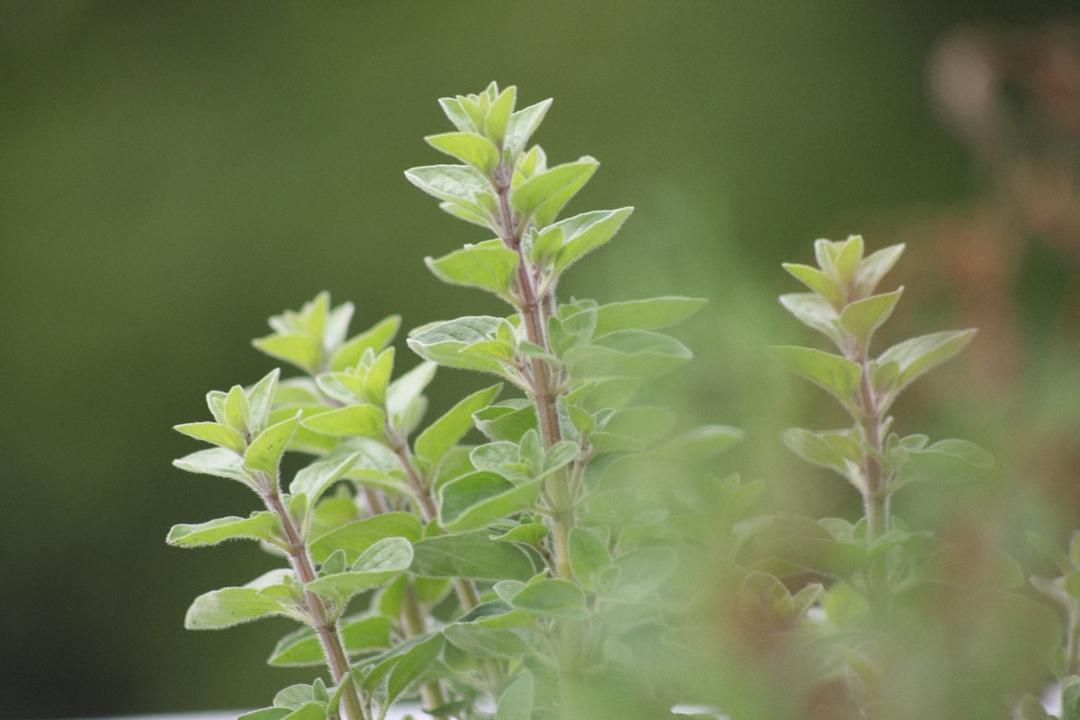
Oregano prefers drier soil and tolerates drought once established. Water when the top inch of soil feels dry, typically every 10-14 days, and reduce frequency in winter.
Common Problems & Solutions
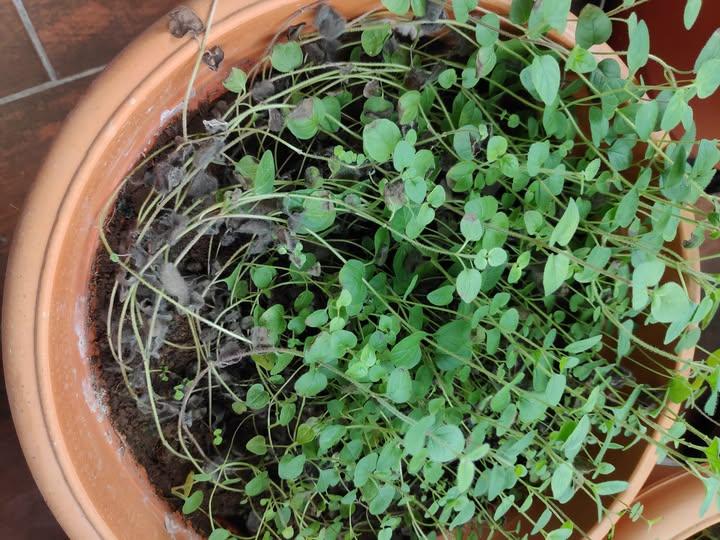
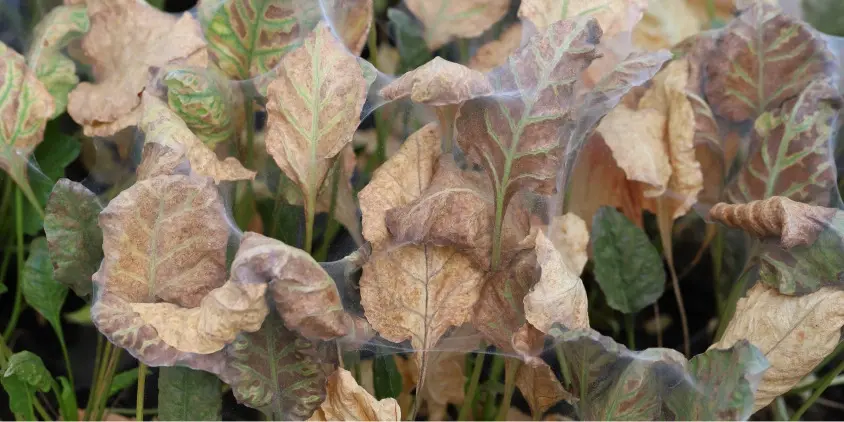
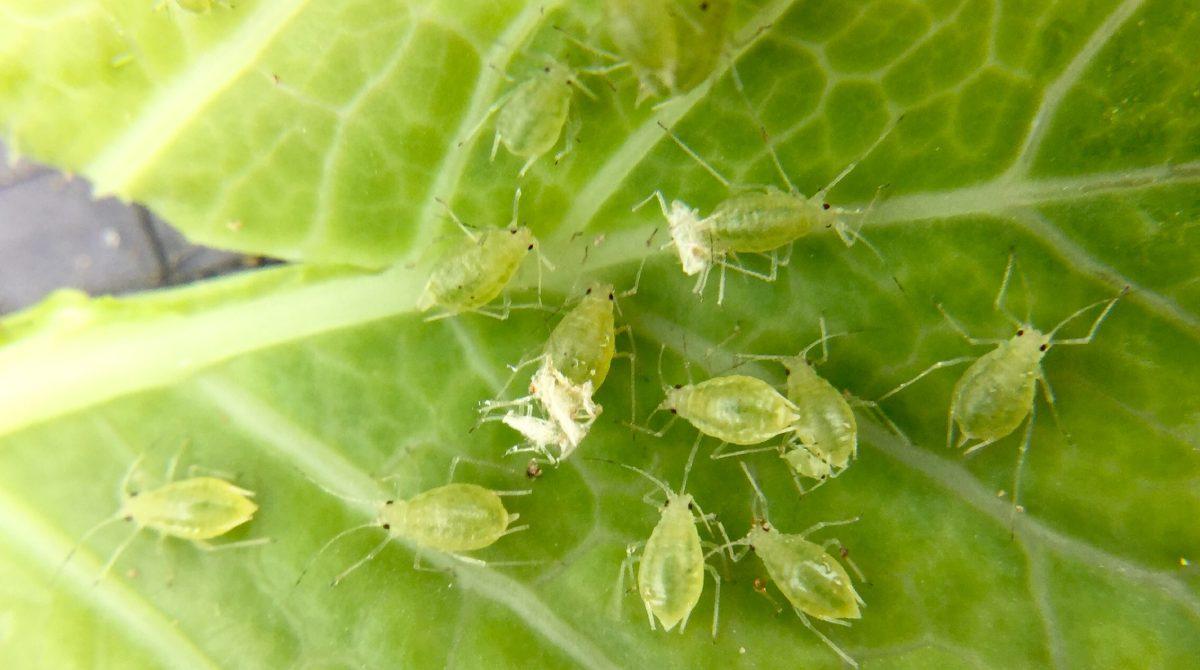
Here's how to identify and fix the most common oregano problems.
Popular Varieties
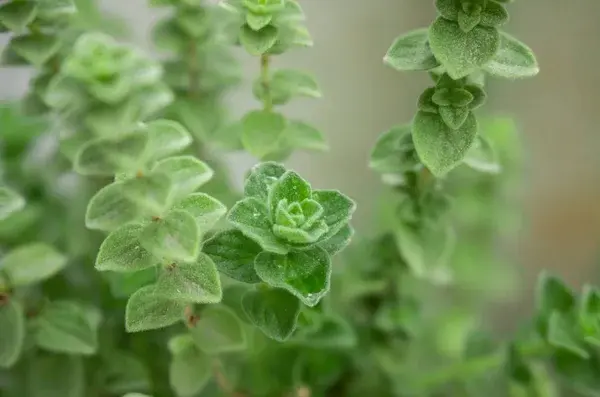
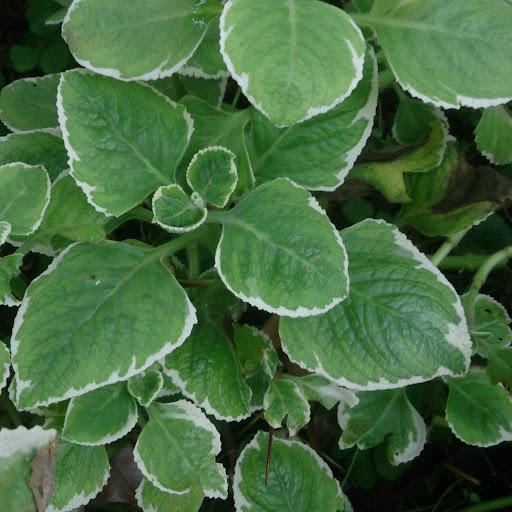
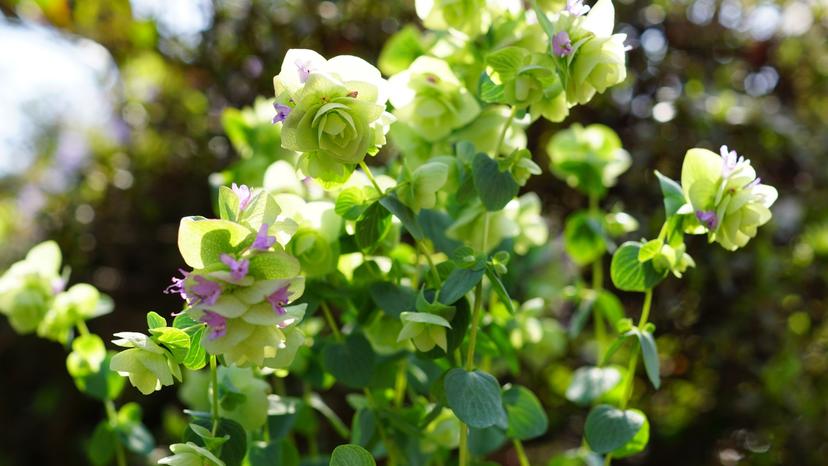
Explore different oregano varieties and find your perfect match.
Care Tips & Best Practices
Humidity Control
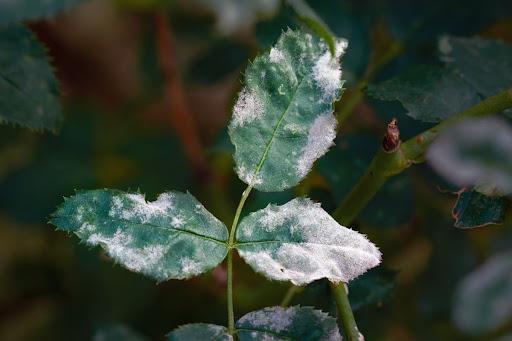
Keep indoor humidity below 50% to prevent powdery mildew. Run small fan 2-3 hours daily for air movement.
Light Feeding
Oregano needs minimal fertilizer. Apply diluted fish emulsion every 4-6 weeks spring-summer only; skip fall-winter.
Leaf Cleaning
Dust leaves gently monthly with a soft brush; remove dust that clogs pores and reduces essential oil production.
Pruning Strategy
Pinch back 0.25-0.5 inches from stem tips every 4-6 weeks to encourage bushiness and prevent woody growth.
Air Circulation
Run small oscillating fan on low for 2-3 hours daily to prevent fungal diseases and strengthen stems.
Root Checks
Inspect roots every 6 months by gently sliding plant from pot. Healthy roots are white or light tan.
Care Checklist
10 Common Mistakes to Avoid
Watering on fixed schedule instead of checking soil dryness first.
Why it's bad: Oregano roots rot instantly in wet soil; fixed schedules cause overwatering.
Do this instead: Insert finger 1 inch into soil before every watering; water only if completely dry.
Using rich potting soil without sand, perlite, or drainage amendments.
Why it's bad: Standard potting soil retains too much moisture for this Mediterranean herb.
Do this instead: Mix equal parts potting soil, coarse sand, and perlite for fast drainage.
Placing oregano in low-light or north-facing windows.
Why it's bad: Oregano needs 6-8 hours direct sun; weak light causes sparse, weak growth.
Do this instead: Position in bright south or west-facing window, or supplement with grow lights.
Growing in humid bathrooms or kitchens with steam.
Why it's bad: Oregano evolved in dry Mediterranean climates; high humidity triggers powdery mildew.
Do this instead: Keep humidity below 50%; avoid steamy kitchens; run a fan for air circulation.
Fertilizing with nitrogen-heavy fertilizers or over-fertilizing.
Why it's bad: Oregano prefers poor soil; excess nitrogen creates weak growth and flavor loss.
Do this instead: Fertilize lightly every 4-6 weeks spring-summer only with diluted fish emulsion.
Never pruning; allowing plant to become tall and leggy with bare base.
Why it's bad: Unpruned oregano grows thin with woody base and sparse foliage over time.
Do this instead: Pinch back 0.25-0.5 inches monthly to trigger branching and maintain compact shape.
Using plastic pots instead of terracotta for container growing.
Why it's bad: Plastic retains too much moisture; oregano needs breathable containers.
Do this instead: Choose terracotta or clay pots; terracotta's porous nature matches oregano's needs.
Repotting into containers much larger than the root ball.
Why it's bad: Too-large pots hold excess soil moisture that doesn't dry between waterings.
Do this instead: Repot into containers just 1-2 inches larger than current pot; size up gradually.
Ignoring air circulation and running no fans.
Why it's bad: Still air promotes powdery mildew and weakens overall plant health.
Do this instead: Run small oscillating fan 2-3 hours daily for air movement.
Moving the plant frequently between locations.
Why it's bad: Oregano dislikes environmental stress; frequent moves trigger leaf drop.
Do this instead: Find one permanent bright spot; rotate pot only 180 degrees weekly.
Frequently Asked Questions
Why is my oregano turning yellow?
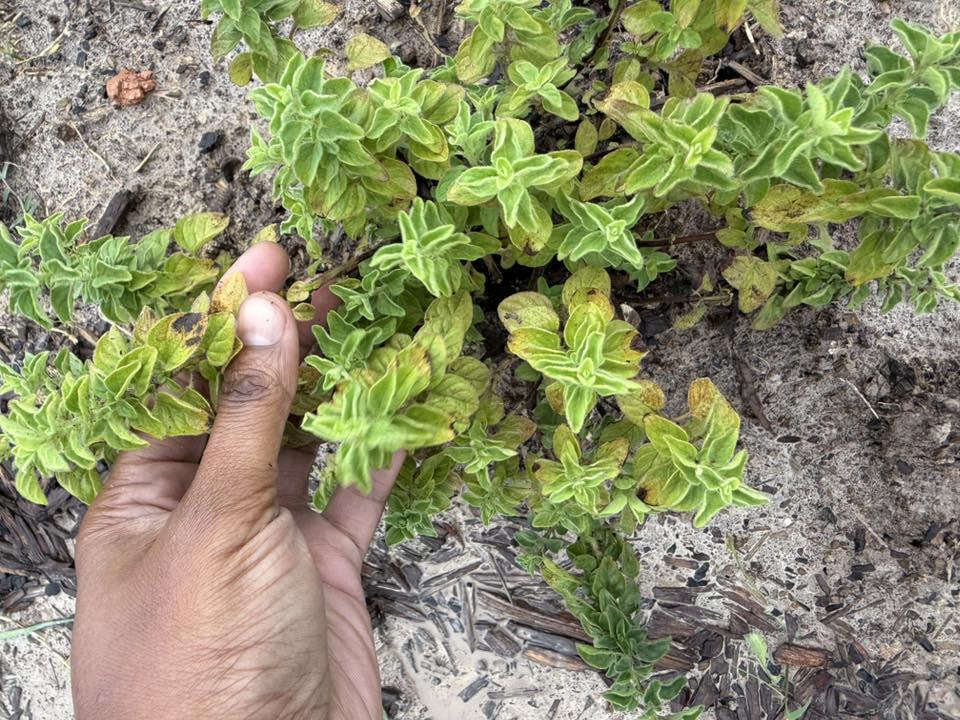
Root rot from overwatering is the primary cause. Allow soil to dry completely between waterings. Check for mushy, dark roots and repot in fresh, well-draining soil immediately. Nitrogen deficiency also yellows leaves; apply diluted fish emulsion.
How often should I water oregano indoors?
Water every 10-14 days when the top inch of soil feels completely dry. In summer heat, you may water every 7-10 days; in winter, stretch it to 3-4 weeks. Oregano forgives underwatering but not overwatering.
Can I grow oregano in low light?
No. Oregano requires 6-8 hours of direct sunlight daily to thrive and develop flavor. In low light, it becomes sparse and weak. Supplement with a 6500K grow light 6-12 inches above the plant for 10-12 hours daily if needed.
Is oregano safe for cats and dogs?
No. The ASPCA lists oregano as toxic to dogs, cats, and horses. It causes gastrointestinal irritation leading to vomiting and diarrhea. Keep oregano plants completely away from pets, especially in concentrated forms like oregano oil.
How do I prevent powdery mildew on oregano?
Keep humidity below 50%, run a small fan 2-3 hours daily for air circulation, and avoid overhead watering. If mildew appears, prune infected leaves and spray weekly with copper fungicide until resolved.
Why is my oregano becoming woody and sparse?
Lack of pruning causes oregano to grow tall and leggy with bare lower stems. Pinch back 0.25-0.5 inches from stem tips every 4-6 weeks to trigger branching and maintain compact, bushy shape.
Can I propagate oregano from cuttings?
Yes, easily. Cut 3-5 inch stems from healthy growth, remove lower leaves, and place in water or moist soil. Roots develop in 2-3 weeks. Division of established plants also works and has even higher success rates.
How do I harvest oregano without killing the plant?
Pinch or cut stems from the top third of the plant only. Never remove more than one-third at once. Regular light harvesting every 2-4 weeks actually stimulates bushier growth instead of weakening the plant.
What temperature does oregano prefer indoors?
Oregano loves 65-75°F during the day and tolerates 55-65°F at night. Keep away from radiators, heating vents, and AC units that create temperature swings. Winter dormancy at cooler temps is healthy.
Do I need to fertilize oregano indoors?
Lightly yes. Apply diluted fish emulsion every 4-6 weeks during spring and summer only. Do not fertilize in fall or winter. Oregano thrives in poor soil; over-fertilizing reduces flavor and creates weak growth.
References & Sources
Information in this guide is based on these trusted sources.