
Orchid
Grow stunning moth orchids indoors with ease. These long-blooming beauties thrive in normal home conditions and reward you with exotic flowers year after year.
Video Tutorials
Watch these helpful videos to learn more about Orchid care.
About Orchid
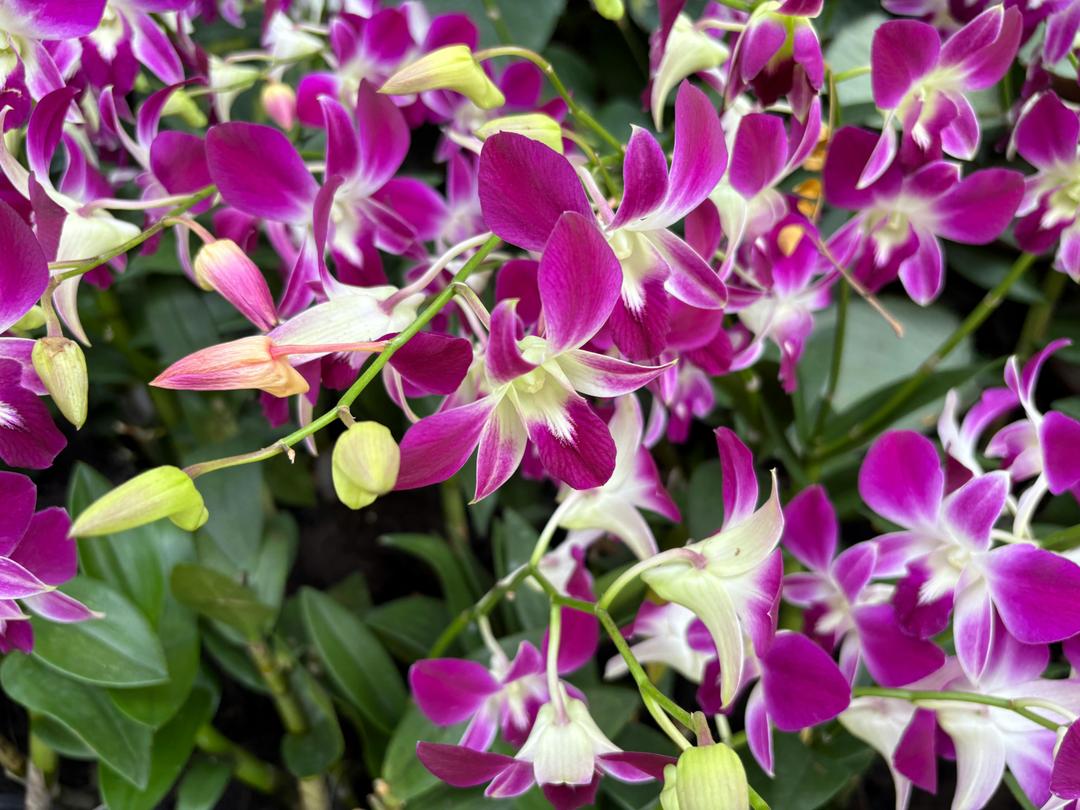
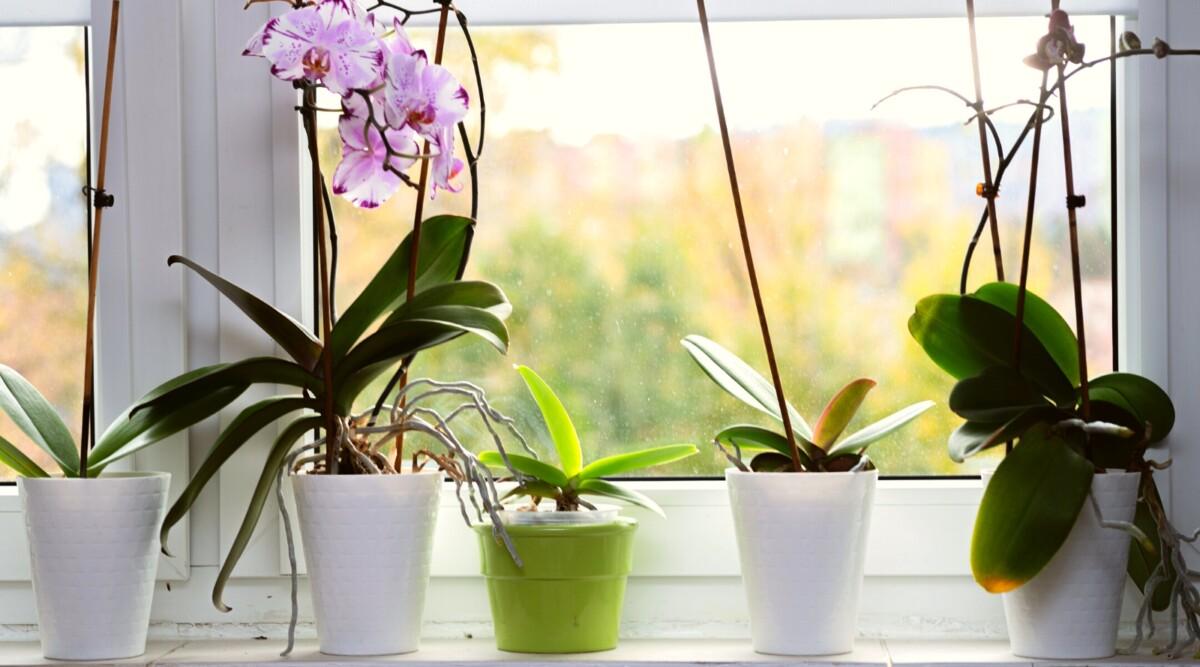
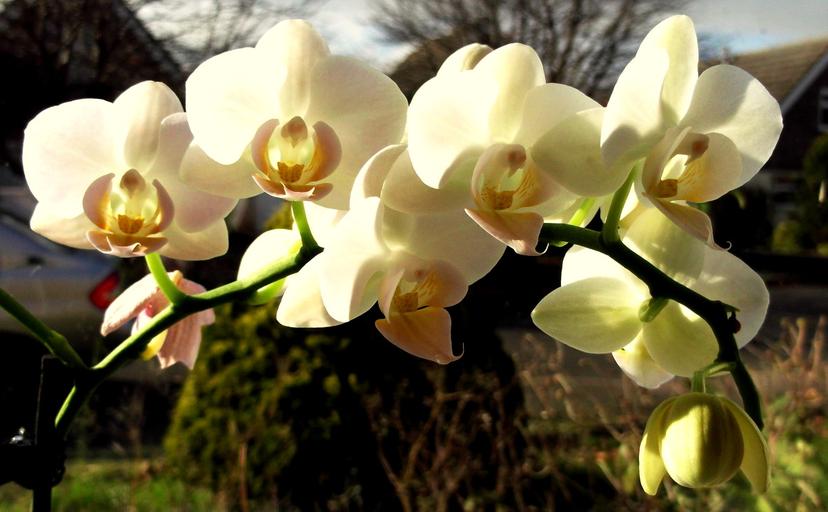
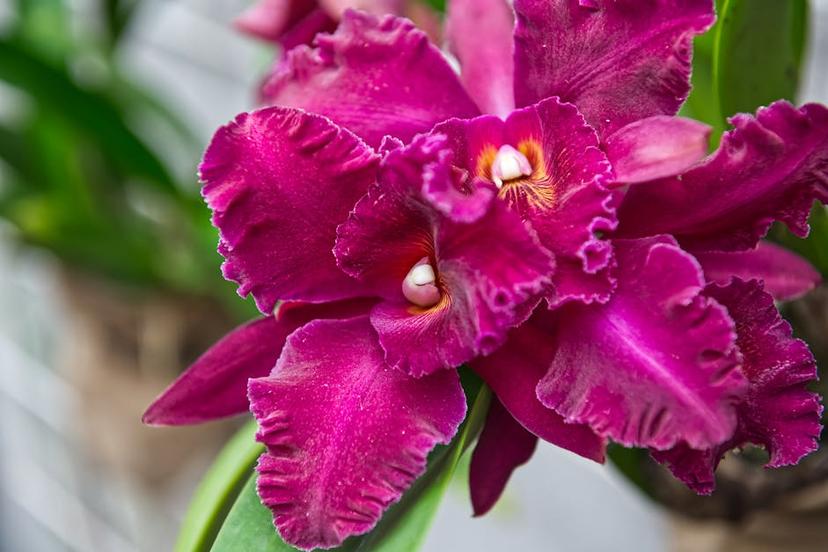
Moth orchids top the charts as the go-to houseplant for exotic flair. Shoppers grab them everywhere from supermarkets to garden centers, loving the massive, long-lasting blooms in pink, white, and purple.
Native to tropical Asia's steamy forests, they cling to tree branches as epiphytes, soaking up humidity and dappled light through the canopy.
Indoors, they shine for years with simple care: right light, steady watering, and fresh bark every two years keeps roots happy and flowers coming.
Watering Schedule
Water orchids once a week with room-temp rainwater or tap left out overnight. Let bark dry between drinks to dodge root rot.
Common Problems & Solutions
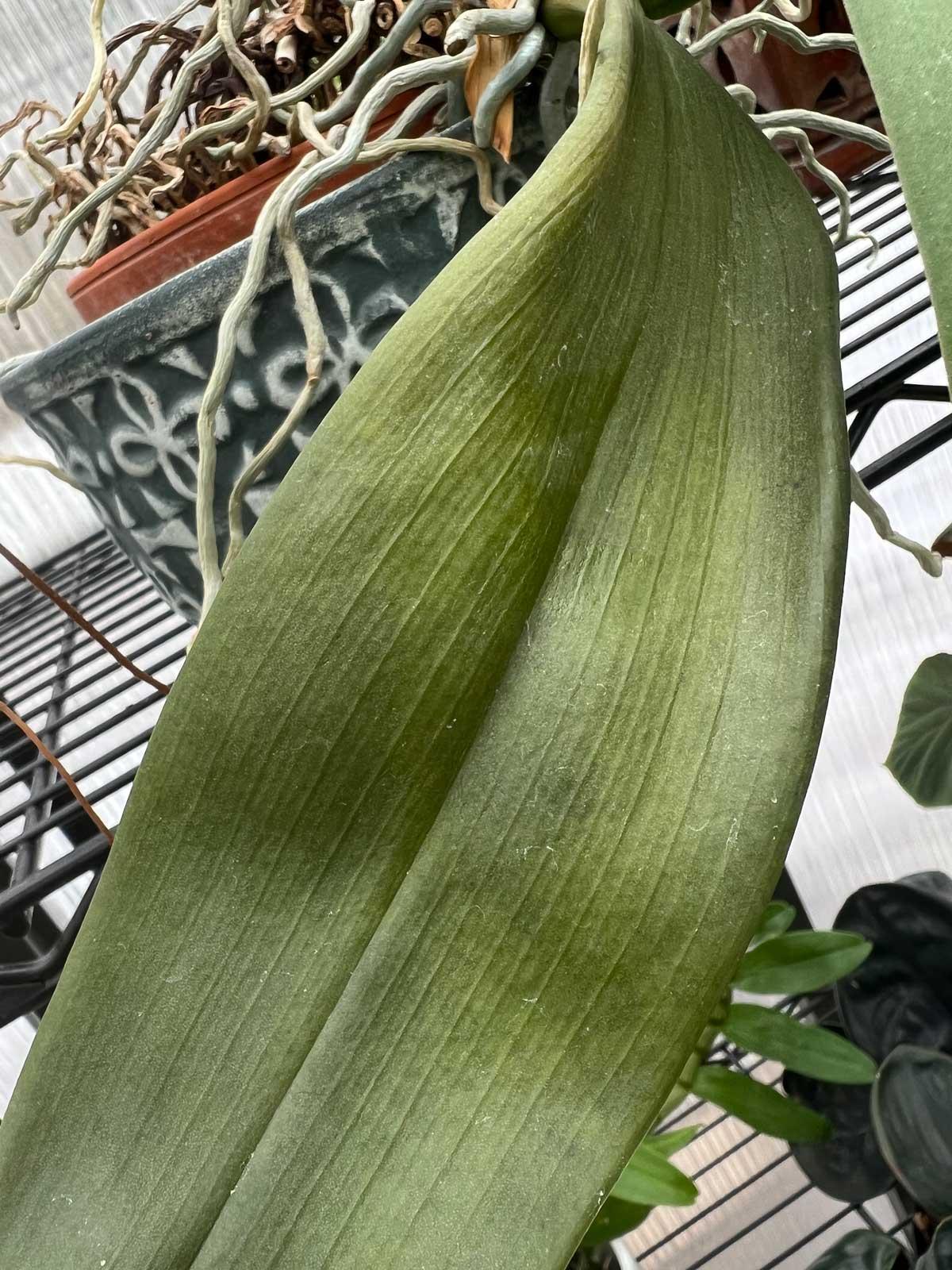
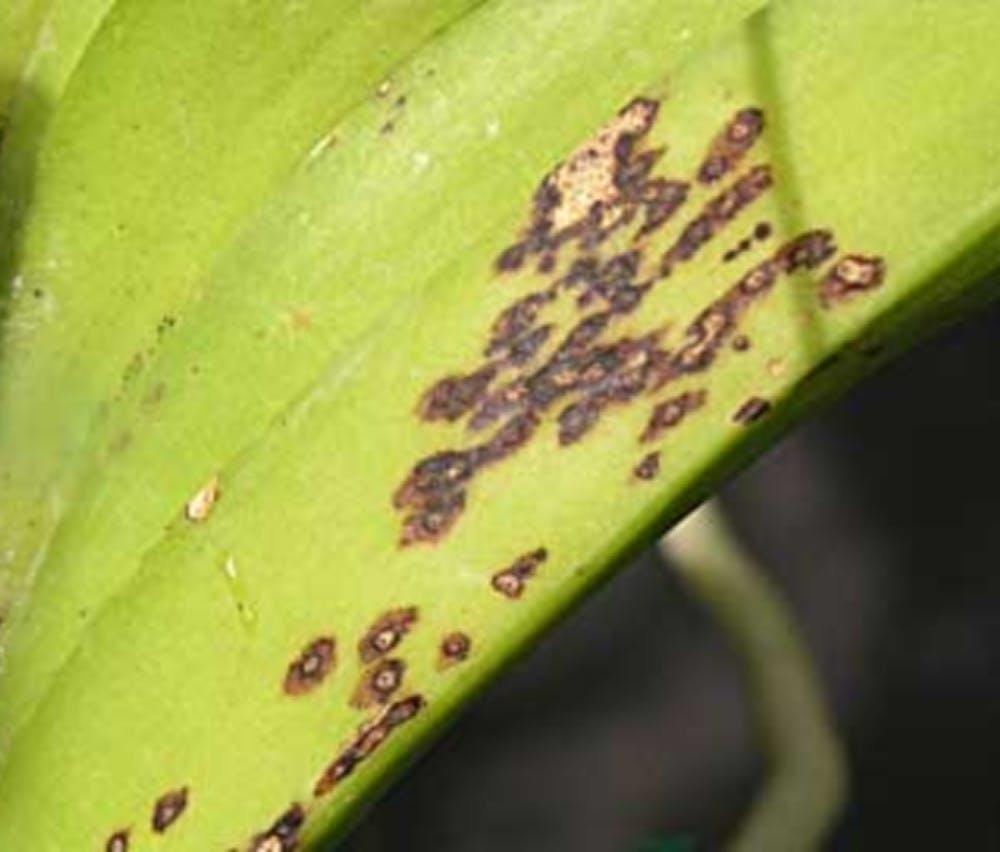
Here's how to identify and fix the most common Orchid problems.
Popular Varieties
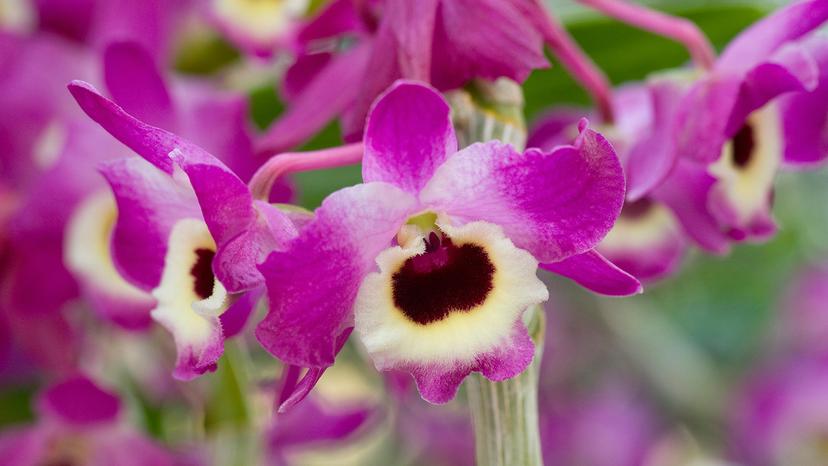
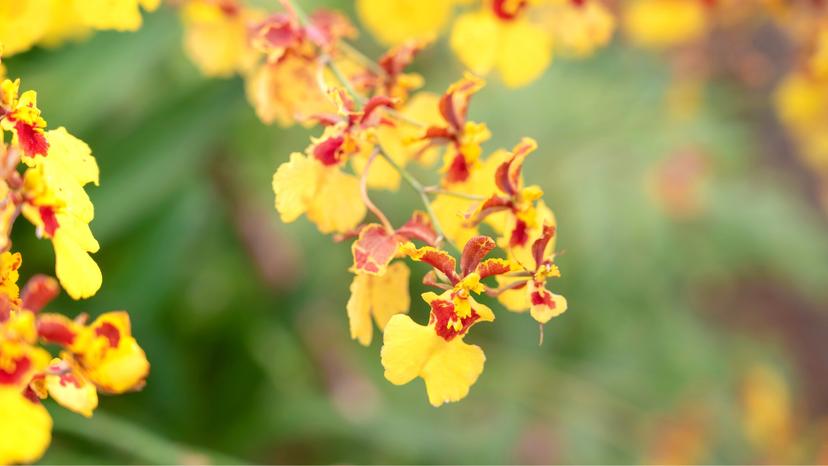
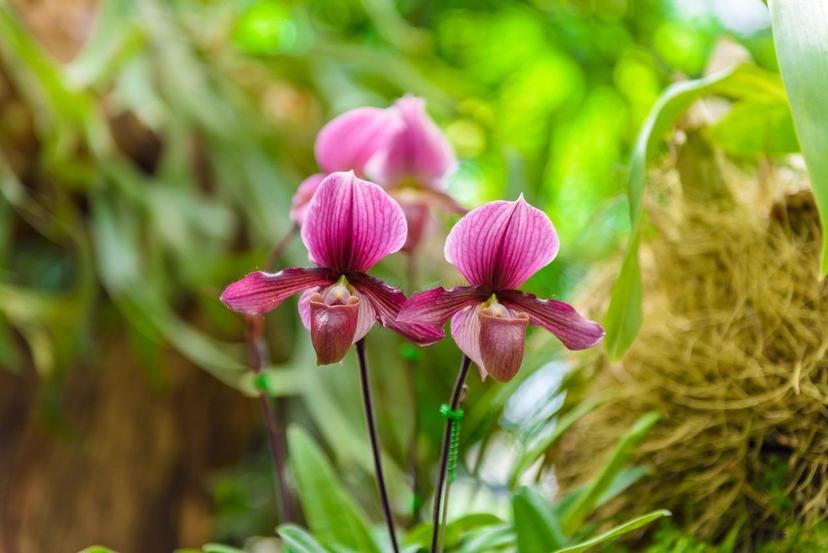
Explore different Orchid varieties and find your perfect match.
Care Tips & Best Practices
Humidity
Set on pebble tray with water below pot. Mist leaves mornings only.
Feeding
Dilute orchid fert 1/4 strength every other watering spring-fall.
Cleaning
Wipe dusty leaves monthly with damp cloth for max light grab.
Support
Stake spikes loosely with clips as buds swell to prevent flop.
Pruning
Cut spent spike above second node for rebloom chance.
Rotation
Turn pot 1/4 weekly so all sides get even light and growth.
Care Checklist
10 Common Mistakes to Avoid
Overwatering daily
Why it's bad: Rots roots black.
Do this instead: Wait for silver roots.
Direct sun bath
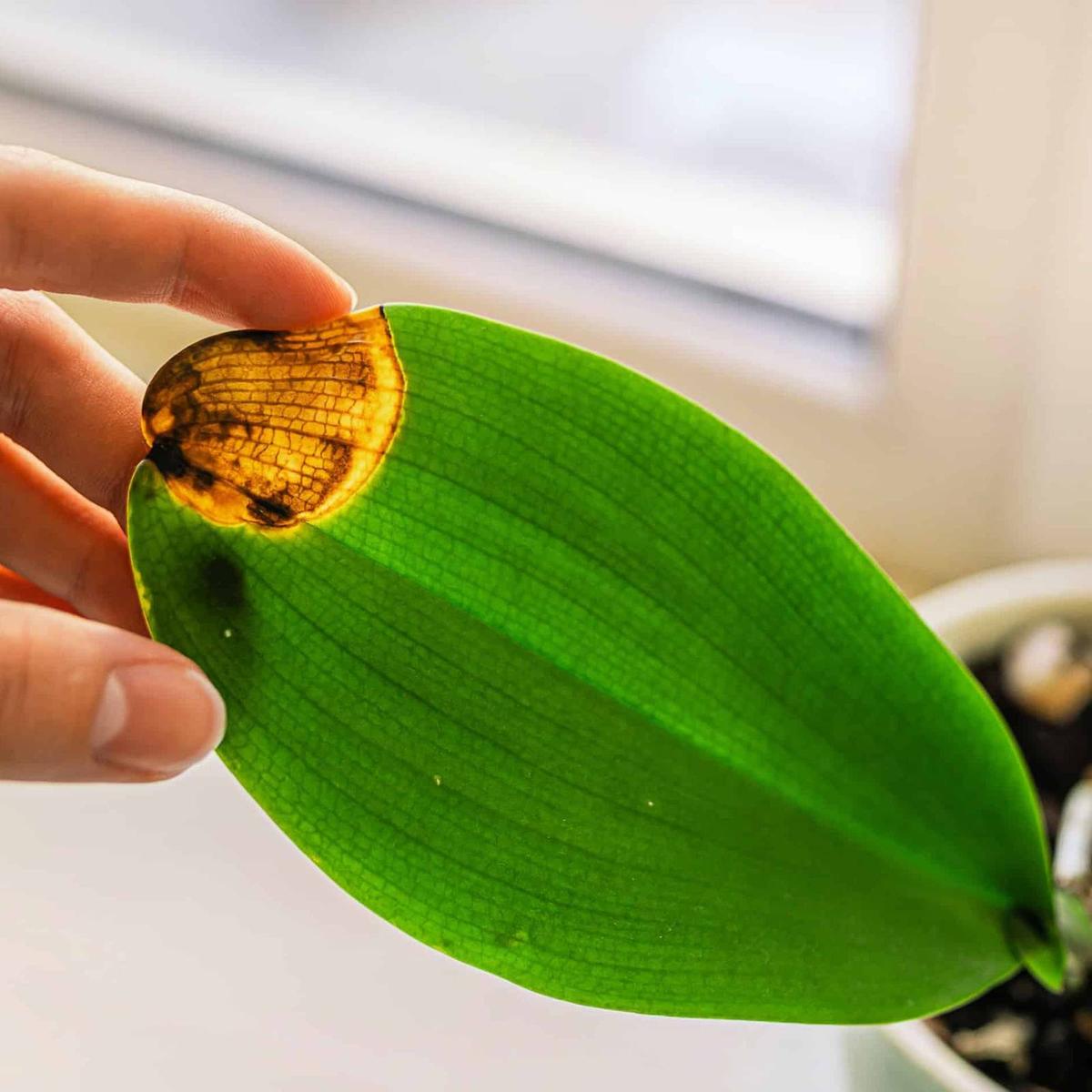
Why it's bad: Burns leaves crispy.
Do this instead: Sheer curtain filter.
Wrong soil use
Why it's bad: Suffocates epiphyte roots.
Do this instead: Bark mix only.
No repotting
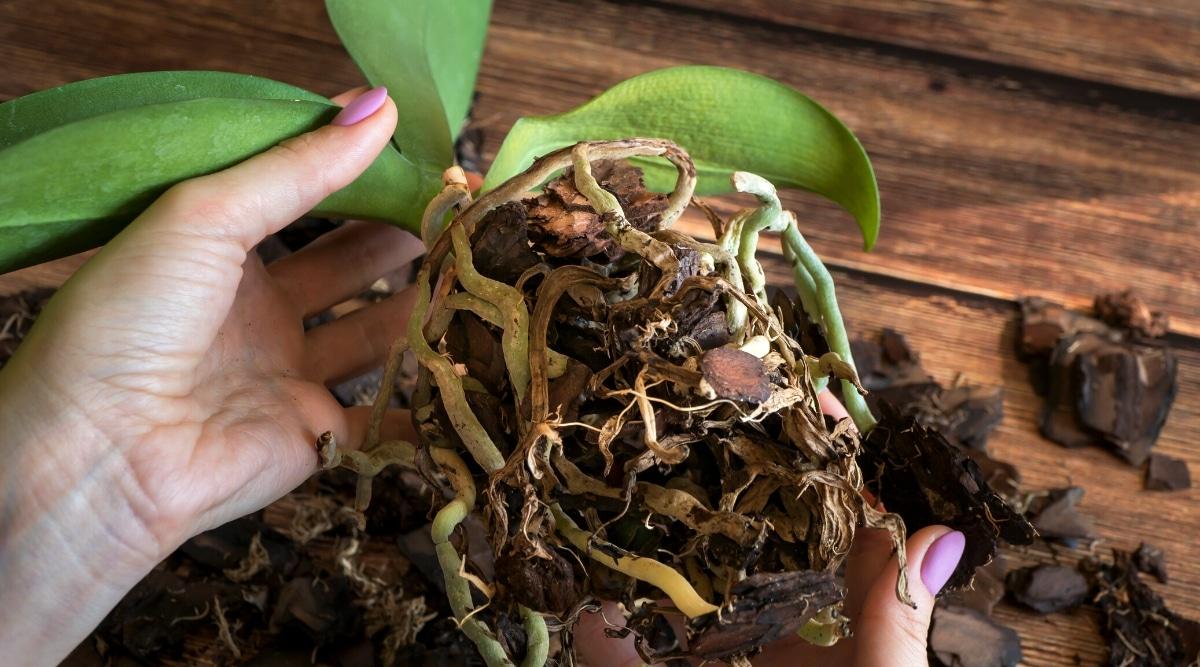
Why it's bad: Dead bark drowns roots.
Do this instead: Every 2 years fresh.
Chop spike base
Why it's bad: Kills rebloom chance.
Do this instead: Cut above node 2.
Ice cube watering
Why it's bad: Shocks and under-wets.
Do this instead: Room-temp drench.
Zero humidity
Why it's bad: Dries tips brown.
Do this instead: Pebble tray daily.
Full strength fert
Why it's bad: Burns root tips.
Do this instead: 1/4 dilute.
Dark room hideout
Why it's bad: No blooms ever.
Do this instead: 1000fc bright spot.
Bury aerial roots
Why it's bad: Rot guaranteed.
Do this instead: Let 'em breathe free.
Frequently Asked Questions
How often water my orchid?
Once weekly when roots turn silver. Drench and drain fully each time.
Why no flowers this year?
Boost light or drop nights to 55°F for 4 weeks. Prune spike right.
Dead roots - what now?
Trim brown mush, repot fresh bark. Water sparingly first week.
Safe for cats around orchids?
Mildly toxic; keep high if pets chew leaves.
Bloom again from old spike?
Cut above second node post-bloom. New shoot often pops.
Yellow leaves dropping?
Over sun or water. Shade up, dry out bark fully.
Best fertilizer orchid?
Balanced 20-20-20 dilute 1/4 every other water spring-fall.
Repot when exactly?
Post-bloom or new roots peek. Every 1-2 years max.
Humidity too low indoors?
Pebble tray water level below pot. Mist mornings.
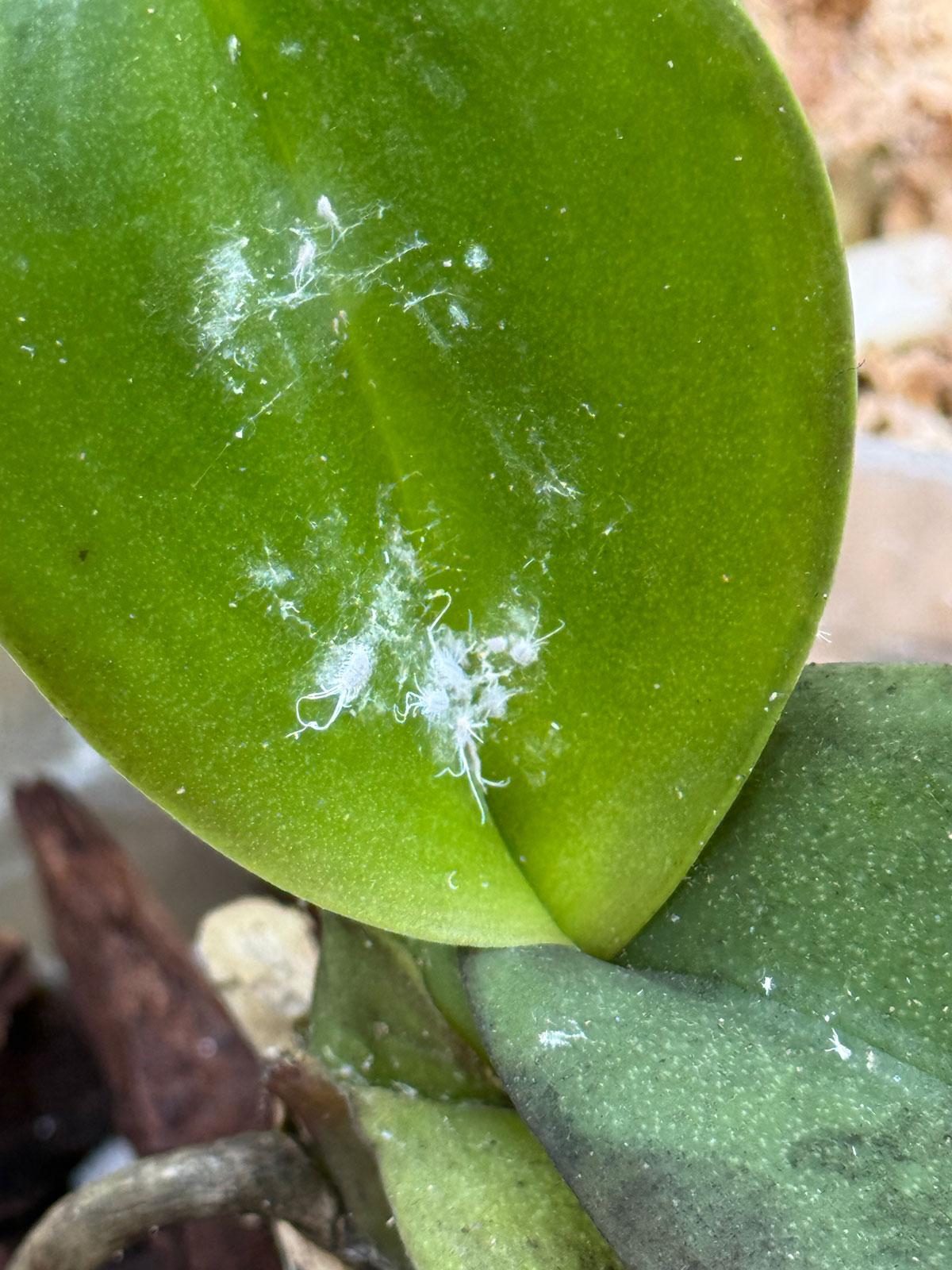
Pests on my orchid?
Mealybugs alcohol wipe; isolate fast.
References & Sources
Information in this guide is based on these trusted sources.