
Orange
Grow fragrant white blossoms and sweet juicy oranges year-round on this compact, rewarding citrus tree.
Video Tutorials
Watch these helpful videos to learn more about Orange care.
About Orange
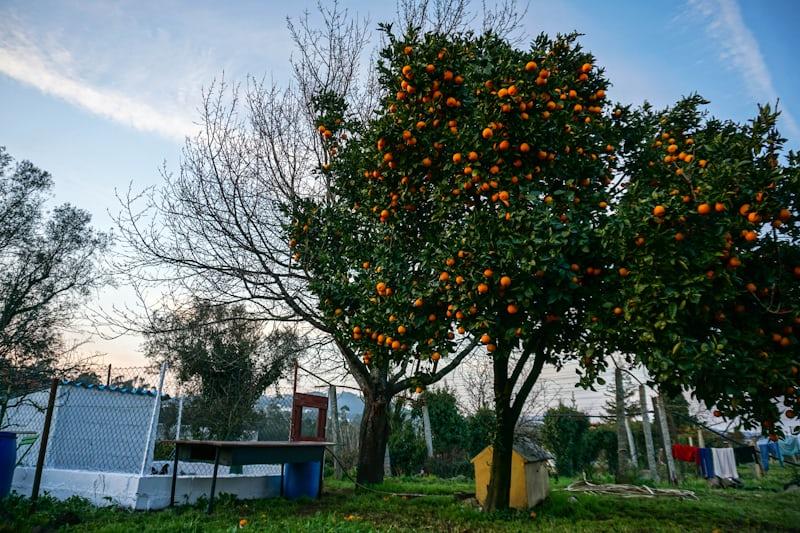
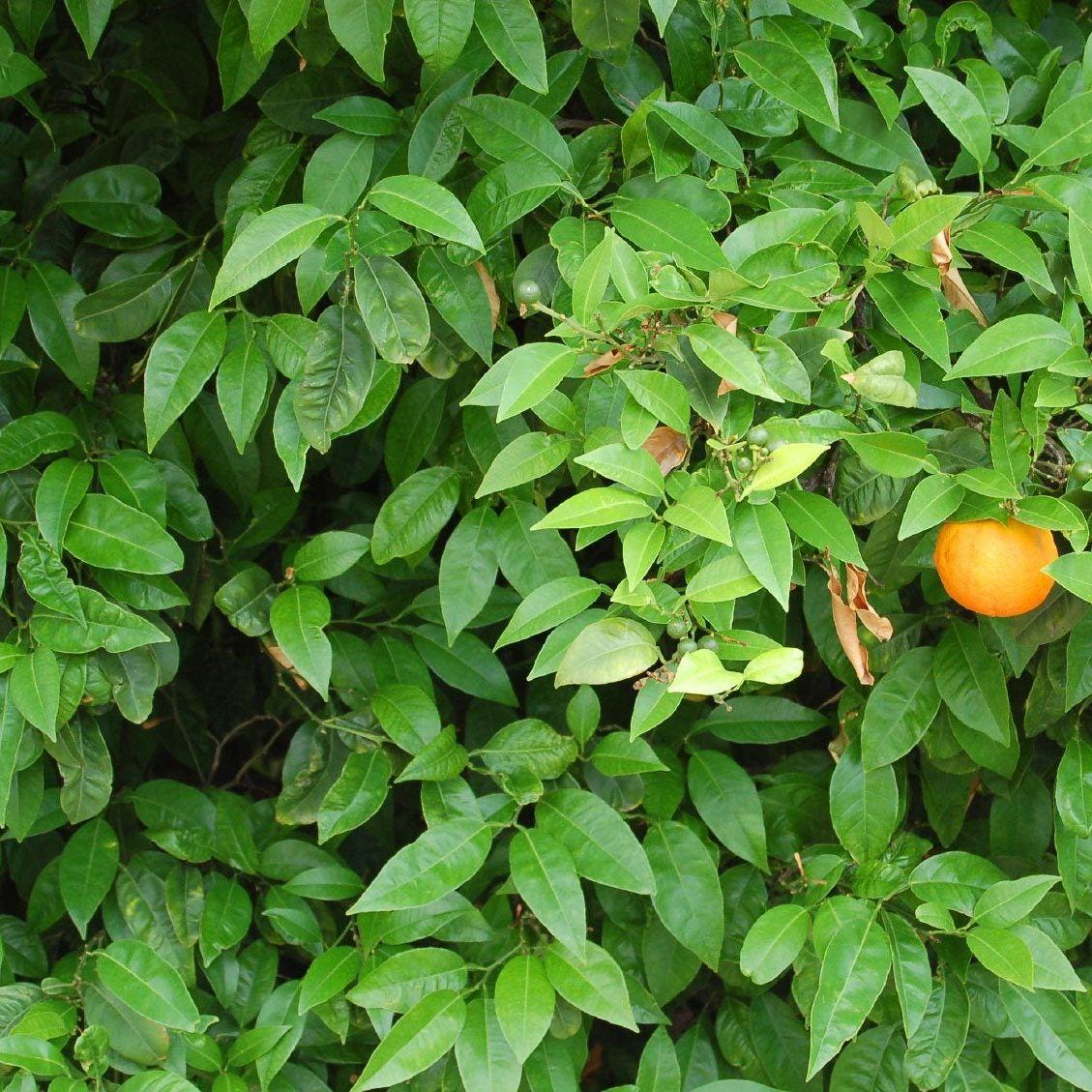
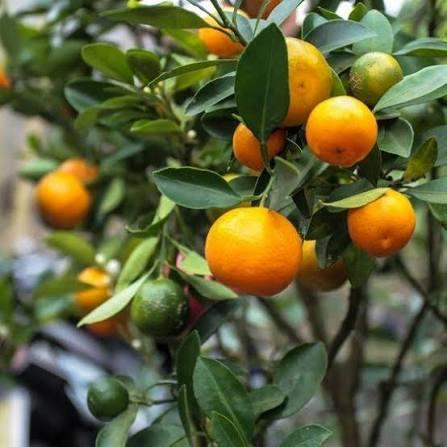
Orange trees bring sunshine indoors with fragrant white blossoms and nutrient-rich fruit. These evergreen citrus beauties reward dedicated plant parents with glossy foliage and the satisfaction of growing your own oranges. Their popularity continues to grow because they're functional and beautiful - producing full-size fruit in containers.
Native to Southeast Asia and now cultivated worldwide, orange trees thrive in warm Mediterranean climates with plenty of sunshine and well-draining soil. They love consistent moisture during growing season but prefer a cooler, slightly drier rest period in winter.
As houseplants, orange trees demand attention to light, water balance, and feeding, but they're worth the effort. Dwarf varieties stay manageable at 6-8 feet tall and can produce fruit within 1-3 years on grafted plants. With proper care, your tree will bloom in spring, develop fruit through summer, and ripen oranges by winter.
Watering Schedule
Orange trees like consistently moist soil during growing season but hate sitting in water. The balance is tricky but learnable. Watering needs shift dramatically between seasons.
Common Problems & Solutions
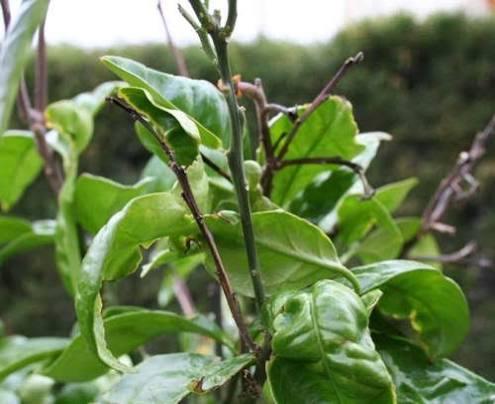
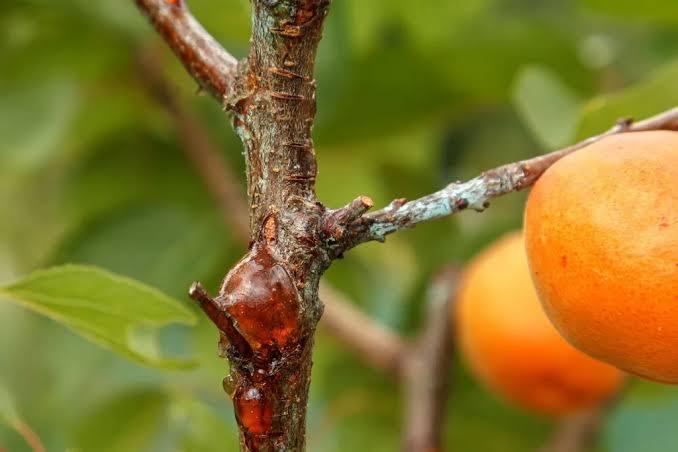
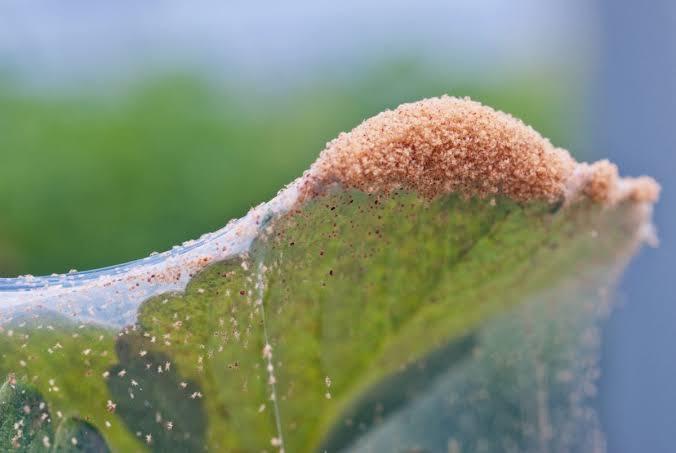
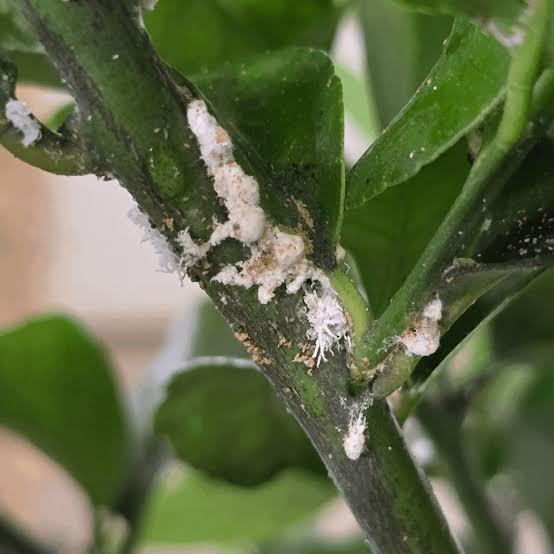
Here's how to identify and fix the most common Orange problems.
Popular Varieties
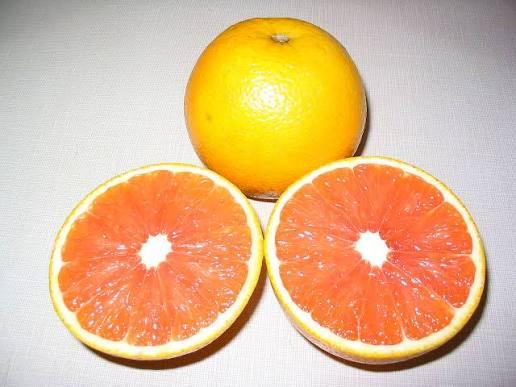
Explore different Orange varieties and find your perfect match.

Care Tips & Best Practices
Humidity Management
Orange trees demand 50-60% humidity. Place pot on pebble tray filled with water and pebbles - keep water level just below gravel surface. Mist leaves early morning with clean water, never in evening. Group plants together to create microclimate. Bathrooms and kitchens naturally provide humidity.
Feeding Schedule
From March-September, apply high-nitrogen citrus fertilizer monthly. October-February, switch to balanced fertilizer to prevent excessive soft growth during rest. Over-feeding in fall causes delayed flowering. Always dilute to half-strength for containers and apply to moist soil only.
Cleaning Leaves
Dust accumulates on glossy leaves, blocking light and hiding pests. Wipe gently with soft, damp cloth every 2-3 weeks - this doubles as pest inspection. Never use commercial leaf shine as it clogs pores. Lukewarm water shower works well in early morning.
Support and Training
Most dwarf varieties grow naturally compact. Gently tie or stake stems to encourage balanced framework. Pinch off growing tips when young trees reach desired height to force bushier branching. Avoid heavy pruning on fruiting trees as it removes flower-bearing branches.
Pruning Techniques
Prune in late winter or early spring before new growth. Remove dead, diseased, or crossing branches first. Thin overcrowded interior branches to improve air circulation. Cut back long shoots by one-third to stimulate bushier branching. Never remove more than 25% of foliage in one year.
Hand Pollination
Indoor trees need help with pollination. Using small paintbrush or cotton swab, gently brush pollen from one flower onto others on the tree. Do this on warm, sunny mornings when flowers first open. Increasing humidity also helps pollen viability.
Care Checklist
10 Common Mistakes to Avoid
Watering on a fixed daily schedule instead of checking soil
Why it's bad: Indoor humidity, temperature, and light all affect how fast soil dries. Fixed schedules cause overwatering in winter or underwatering in summer. Overwatering is the number one killer.
Do this instead: Check soil every time before watering by inserting finger 1 inch deep. Water only when dry at that depth.
Placing tree in beautiful spot without checking light levels
Why it's bad: Attractive locations with only morning light or north-facing exposure won't produce flowers or fruit. Tree slowly weakens and declines.
Do this instead: Place where it receives 6-8+ hours direct, unobstructed sunlight daily. Add supplemental grow lights if natural light is limited.
Using regular houseplant fertilizer instead of citrus formula
Why it's bad: Standard fertilizers lack the right nutrient balance for citrus, leading to yellow leaves, weak growth, and flowering failure.
Do this instead: Use citrus-specific fertilizer. March-September use high-nitrogen (13-7-8), October-February use balanced (10-10-10).
Moving tree abruptly between indoors and outdoors
Why it's bad: Indoor trees used to consistent temperature and lower light suddenly exposed to intense sun and temperature swings causes leaf scorch and massive leaf drop.
Do this instead: Gradually acclimate over 2-3 weeks, moving from shade to dappled shade to partial sun to full sun.
Repotting into a pot way too large
Why it's bad: Extra soil stays wet longer, creating waterlogged conditions that promote root rot.
Do this instead: Move up one pot size at a time - if in 6-inch pot, move to 8-inch pot, not 12-inch.
Ignoring humidity and only misting occasionally
Why it's bad: Dry indoor air stresses orange trees, leading to spider mites, leaf curling, flower drop, and poor growth.
Do this instead: Place pot on pebble tray, mist leaves daily early morning, group plants together, or use humidifier.
Expecting fruit immediately on young trees
Why it's bad: Grafted trees need 1-3 years before flowering. Seed-grown trees take 7-10 years. Young trees need energy for root and foliage development first.
Do this instead: Expect first flowers year 2-3 and small fruit year 3-4. Focus on building strong foliage structure in year 1.
Never feeding or feeding heavily year-round
Why it's bad: Heavy winter feeding encourages soft growth when tree should rest, delaying flowering. Never feeding causes nutrient deficiency and yellow leaves.
Do this instead: Feed monthly March-September with high-nitrogen formula. Reduce to balanced formula October-February.
Ignoring pests until they're everywhere
Why it's bad: Spider mites and scale insects go unnoticed on leaf undersides until heavily colonized. Early detection means quick, easy control.
Do this instead: Inspect leaf undersides weekly. Treat immediately at first sign of pests with neem oil before populations explode.
Pruning heavily expecting bushier, more productive growth
Why it's bad: Orange trees flower on branch tips, so heavy pruning removes next season's flowers and wastes years of growth.
Do this instead: Prune gently to shape and improve air circulation. Remove only dead, diseased, or crossing branches. Never remove more than 25% foliage yearly.
Frequently Asked Questions
How long does it take for an orange tree to produce fruit?
Grafted dwarf trees typically flower within 1-3 years and produce fruit by year 3-4. Established grafted trees often produce first harvests in 1-2 years. Seed-grown trees take 7-10 years, which is why buying grafted trees is essential.
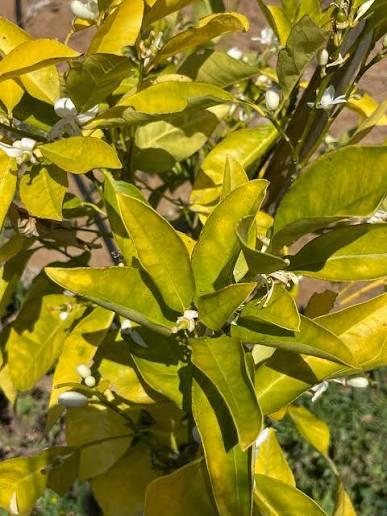
Why are leaves on my orange tree turning yellow?
Check soil moisture first - if soggy, you're overwatering and stressing roots. If soil is fine, usually nutrient deficiency (especially nitrogen), spider mites (stippled yellowing), or environmental stress (cold, drafts, low light). Identify the pattern to address the specific cause.
Can I grow an orange tree in low light with just grow lights?
Yes, but it requires commitment. Orange trees can survive under grow lights alone but won't flower or fruit reliably without excellent light. Use high-quality full-spectrum LEDs positioned 15-30 cm above canopy, running 8-10 hours daily. Even with lights, some natural light is ideal.
How often should I water my indoor orange tree?
In summer, check soil daily and water when top inch feels dry - possibly every 2-3 days. In winter, water much less frequently, allowing soil to partially dry between waterings - perhaps every 5-10 days. Always water thoroughly and empty drainage saucer immediately.
Is my orange tree toxic to my dog or cat?
Yes, orange trees are toxic to dogs and cats. The plant contains essential oils that can cause vomiting, diarrhea, depression, and potential skin irritation. Keep the plant completely away from pets. Contact your veterinarian if your pet ingests significant amounts.
What is the best temperature for orange trees?
Orange trees prefer 65-75°F during the day and 50-60°F at night. They tolerate a wider range but don't like extremes or sudden swings. Avoid placing near heating vents, air conditioning, cold windows, or anywhere with temperature fluctuations.
How do I increase humidity without a humidifier?
Place pot on pebble tray with water below gravel surface. Mist leaves daily early morning. Group multiple plants together. These methods combined can raise humidity significantly without electricity.
Can I propagate my orange tree from cuttings?
Yes, semi-ripe cuttings work reasonably well. But air layering is faster and more reliable, producing fruit-bearing trees in 2-3 years. Growing from seed is not recommended - takes 7-10 years and fruit won't match the parent.
Why does my orange tree have flower buds that are dropping off?
Flower drop results from stress caused by underwatering, irregular watering, temperature fluctuations, low humidity, or sudden environmental changes. Prevention is the only solution - maintain consistent conditions.
How do I know when oranges are ripe and ready to harvest?
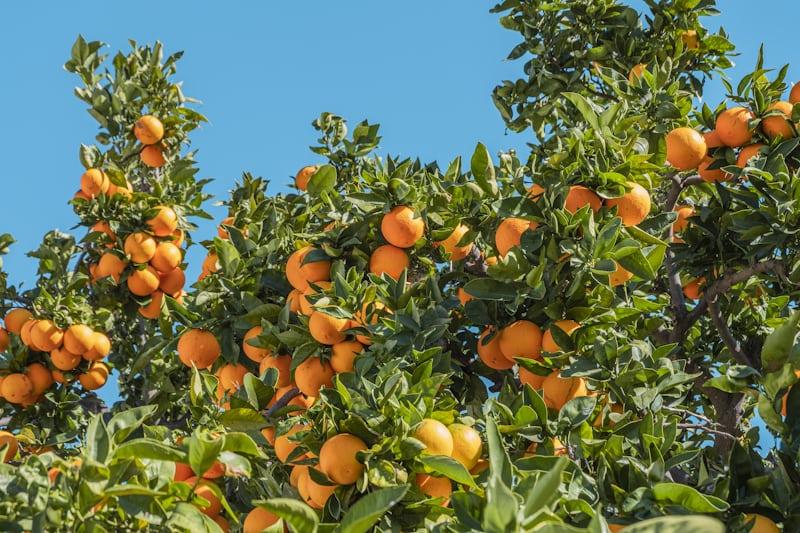
Ripe oranges develop deep orange color, feel slightly soft when gently squeezed, and release sweet citrusy aroma. Most oranges take 9-12 months from flower to ripeness. Don't pick while greenish-yellow as they won't ripen further off the tree.
References & Sources
Information in this guide is based on these trusted sources.