
Onion
An easy-to-grow vegetable that thrives in full sun and delivers bold flavor from bulbs you harvest in summer or fall.
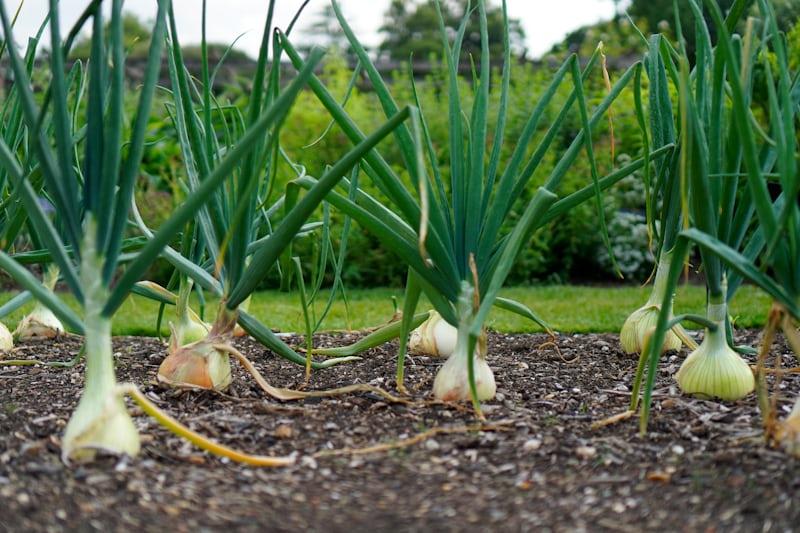
Video Tutorials
Watch these helpful videos to learn more about Onion care.
About Onion
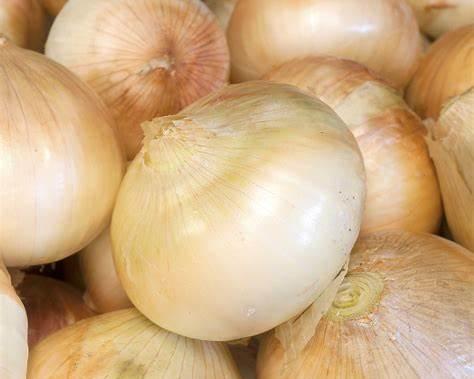
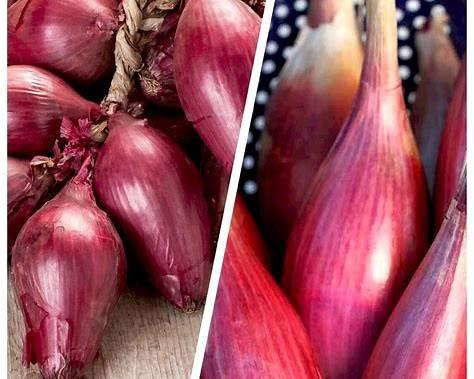
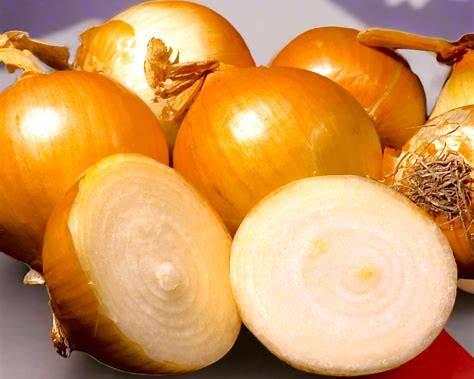
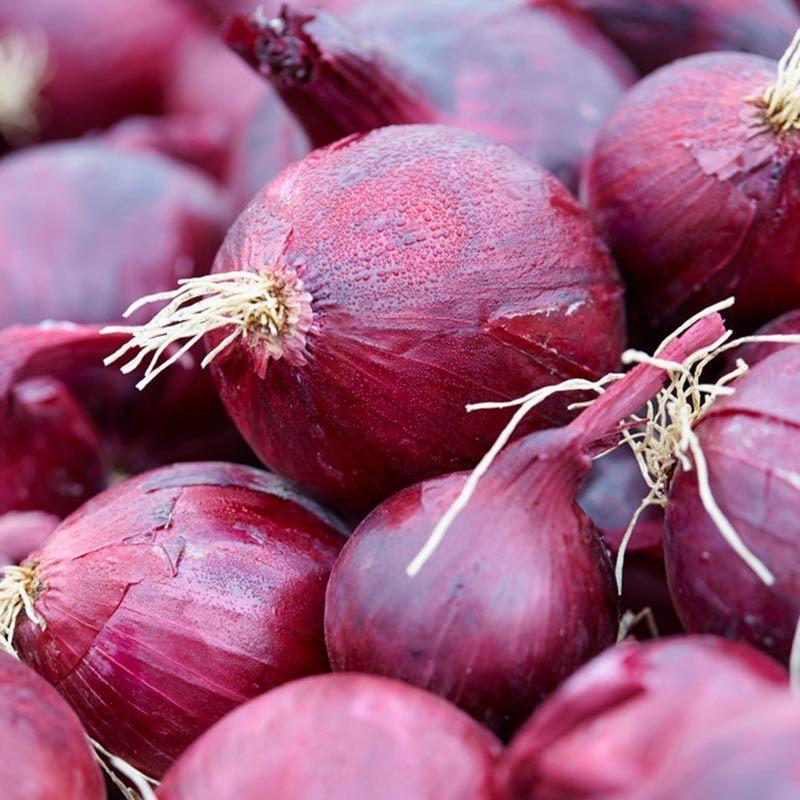
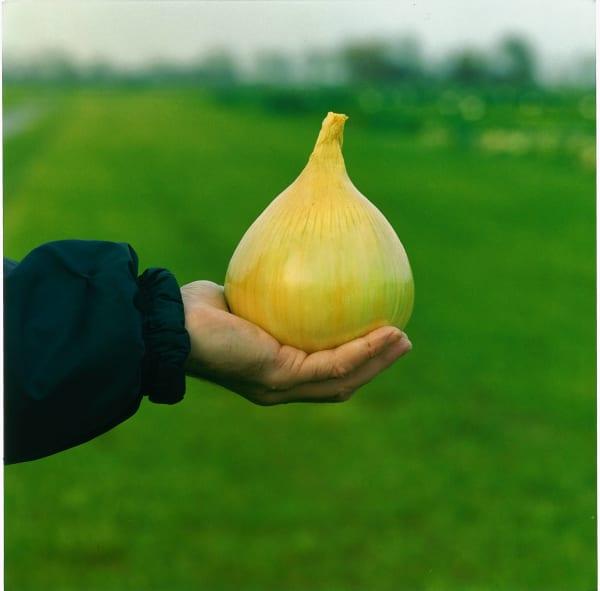
Onions (Allium cepa) are the most widely cultivated Allium, grown for over 5,000 years. These versatile bulbs rank among the easiest vegetables to grow, producing large, flavorful bulbs with minimal fuss. Choose sweet yellow onions for caramelizing, peppery red varieties for salads, or crisp white onions for cooking.
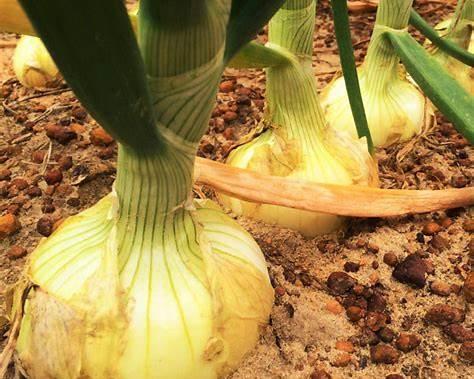
Native to Central Asia, onions thrive in cool climates with well-drained soil. They develop shallow root systems and produce hollow, bluish-green leaves. The bulb forms at the base when triggered by day length, concentrating sugars and flavors as it matures. This hardy nature makes them forgiving for beginner gardeners.
Onions grow as biennial plants typically harvested in their first year. From planting to harvest takes 90-110 days depending on variety. With proper spacing, consistent watering, and full sun, you'll grow bulbs that store for months in cool, dark conditions with minimal maintenance.
Watering Schedule
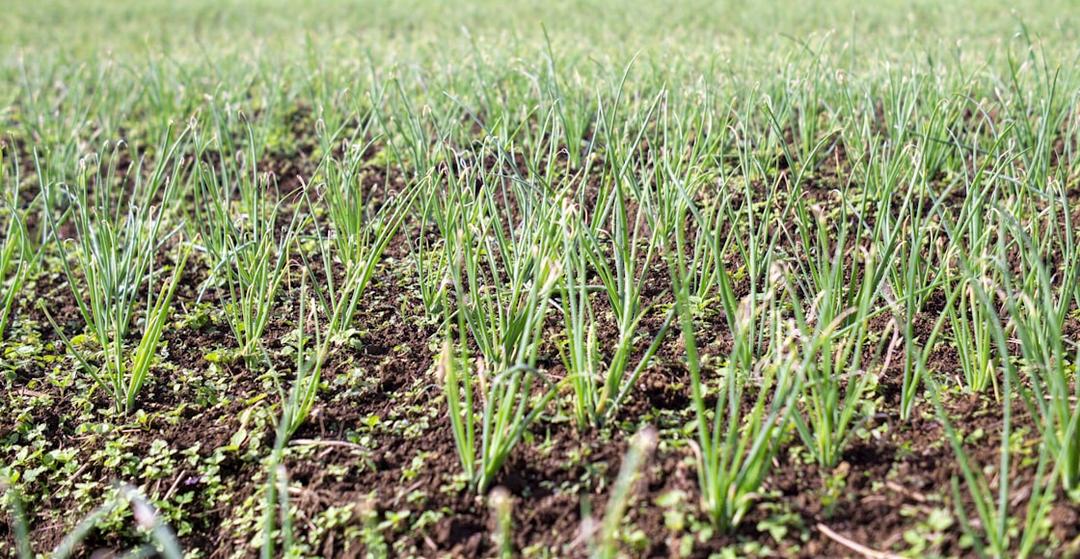
Onions have shallow root systems requiring consistent moisture. They prefer steady watering rather than feast-or-famine cycles.
Common Problems & Solutions
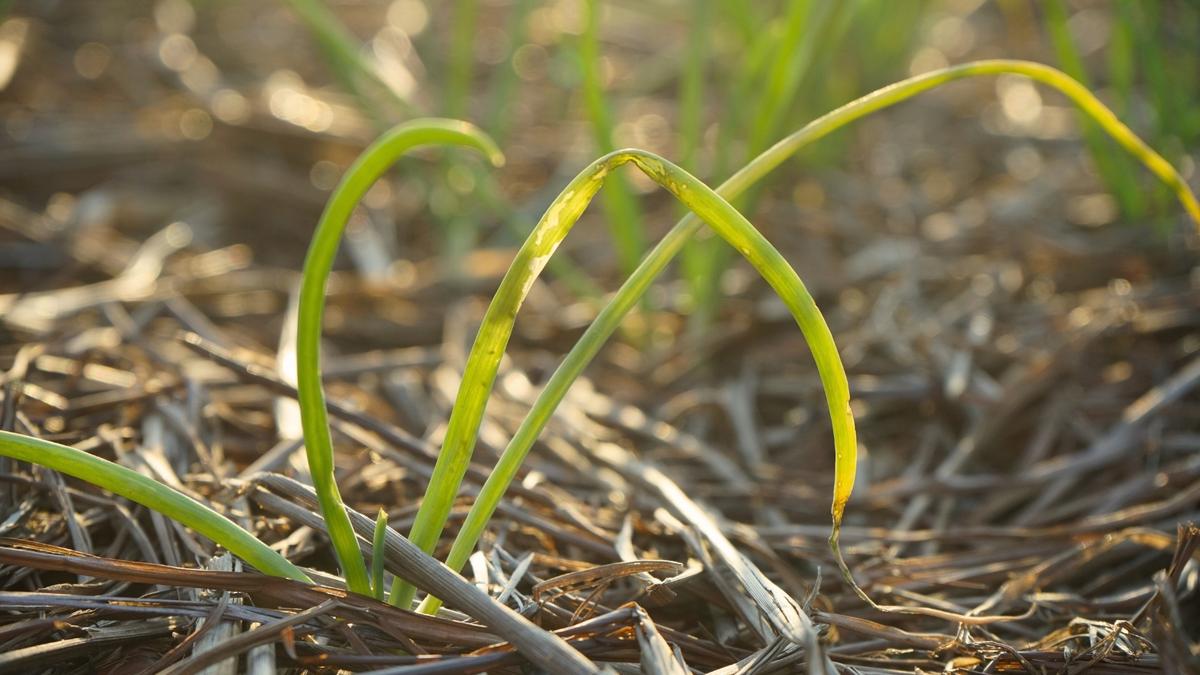
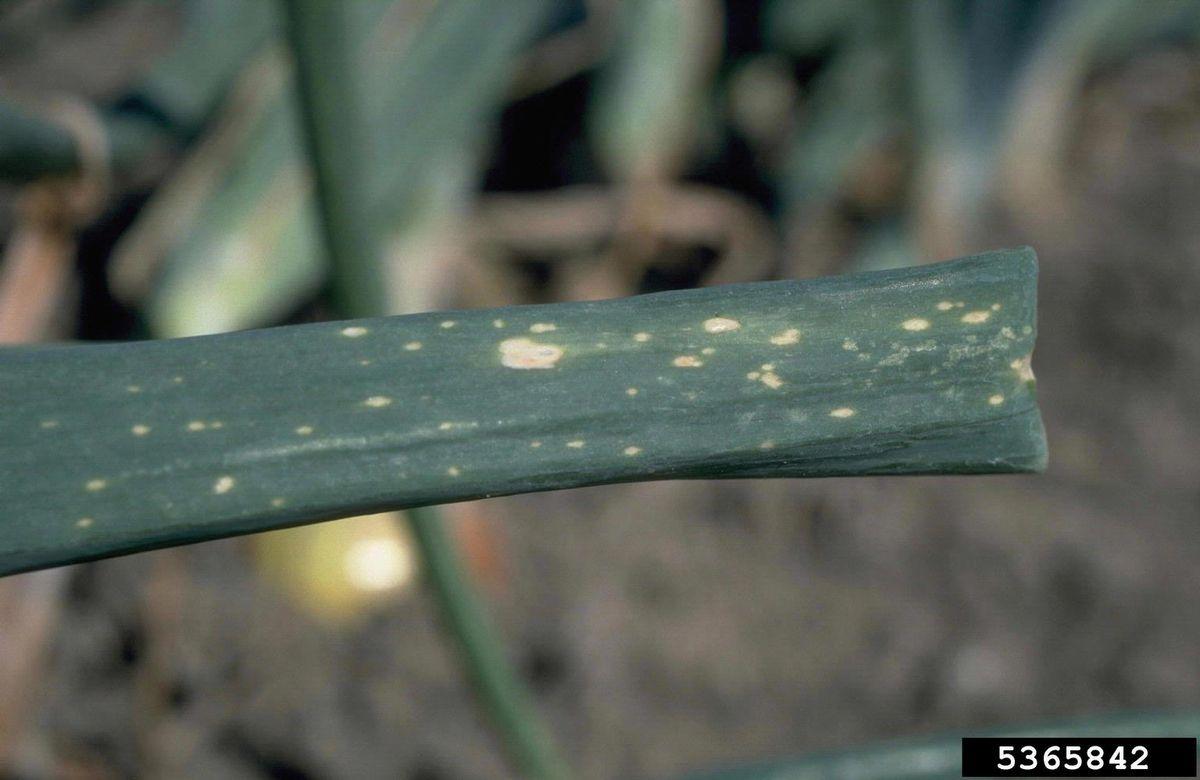
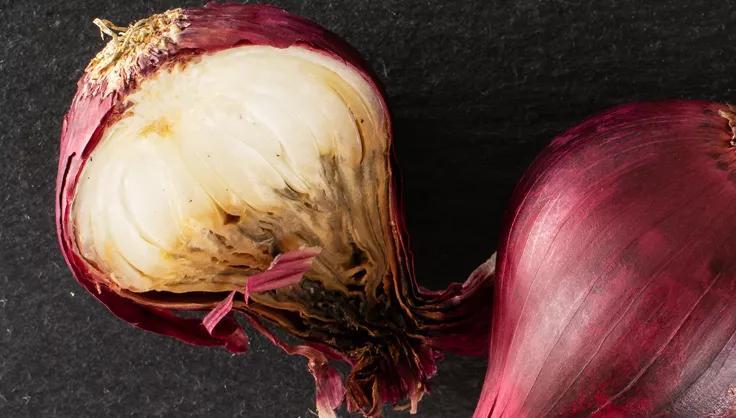
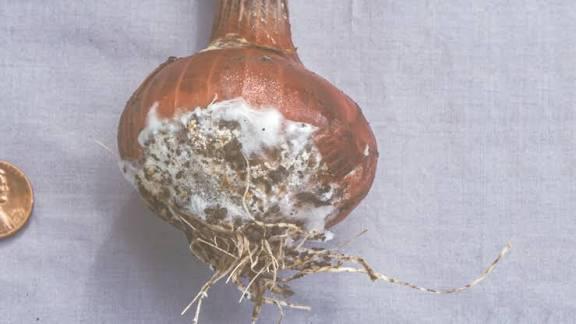
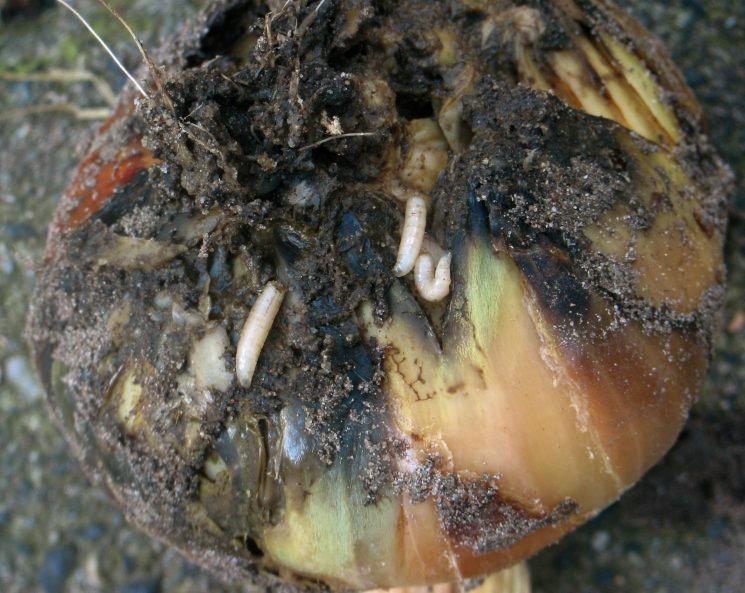
Here's how to identify and fix the most common Onion problems.
Popular Varieties
Explore different Onion varieties and find your perfect match.
Care Tips & Best Practices
Feeding and Nitrogen Management
Apply balanced fertilizer at planting, then side-dress with nitrogen once or twice during growing season. Stop nitrogen 6-8 weeks before harvest to avoid soft bulbs and poor storage.
Calcium for Bulb Density
Calcium strengthens bulbs and improves disease resistance. High calcium reduces black rot and neck rot. Add crushed eggshells, bone meal, or gypsum at planting.
Mulching and Weed Control
Apply 1-2 inch layer of grass clippings or straw once plants reach 6 inches. Mulch suppresses weeds, regulates soil temperature, and reduces disease splash.
Humidity and Air Circulation
Space plants 4-6 inches apart and avoid overcrowding. Water early in the day so foliage dries quickly in morning sun.
Harvest Timing and Curing
Harvest when two-thirds of foliage has dried and yellowed. Cure in warm (65-75°F), dry, well-ventilated area for 2-3 weeks with tops intact.
Crop Rotation
Rotate onions to different locations every 3-4 years to break disease cycles.
Care Checklist
10 Common Mistakes to Avoid
Planting sets too deep
Why it's bad: Sets buried deeper than 1 inch produce misshapen bulbs with thick necks that don't cure or store properly.
Do this instead: Plant sets just 1 inch deep with pointed end up for natural surface emergence.
Overcrowding plants
Why it's bad: Crowded onions compete for sunlight and water. Poor air circulation increases disease. Plants develop smaller bulbs.
Do this instead: Space sets 4-6 inches apart. Wider spacing produces larger bulbs. Thin seedlings gradually.
Growing wrong variety for climate
Why it's bad: Short-day onions in northern climates form tiny bulbs prematurely. Long-day onions in the South never bulb properly.
Do this instead: Choose varieties matched to latitude: short-day below 36°N, intermediate-day 36-42°N, long-day above 42°N.
Allowing foliage to stay wet
Why it's bad: Wet leaves create conditions for fungal diseases like Botrytis, requiring just 20 hours of leaf wetness.
Do this instead: Water early in morning. Space plants for airflow. Use drip irrigation instead of overhead watering.
Harvesting before fully mature
Why it's bad: Immature onions with green necks don't cure properly and won't store. Higher rot risk.
Do this instead: Wait until two-thirds of foliage has dried and yellowed. Necks should crimp easily.
Watering inconsistently
Why it's bad: Shallow roots suffer from inconsistent moisture, stressing plants and triggering bolting.
Do this instead: Provide consistent moisture with 1-1.5 inches weekly. Stop watering only after tops fall naturally.
Not curing before storage
Why it's bad: Freshly harvested onions with green tops rot quickly. Improperly cured onions last days to weeks.
Do this instead: Cure in warm (65-75°F), dry, well-ventilated area for 2-3 weeks with tops and roots intact.
Late nitrogen applications
Why it's bad: Late nitrogen delays maturity and creates soft, thick-necked onions prone to rot.
Do this instead: Apply fertilizer early and at 4-6 weeks. Stop nitrogen 6-8 weeks before harvest.
Planting oversized sets
Why it's bad: Large sets bolt because of cool temperature exposure and produce smaller final bulbs.
Do this instead: Choose pea-sized sets (1/2 inch diameter). Plant pencil-thin transplants.
Failing to rotate crops
Why it's bad: Growing onions in same spot builds soil-borne diseases. White rot survives 20+ years.
Do this instead: Rotate to different locations every 3-4 years. Never plant in white rot soil for 20 years.
Frequently Asked Questions
Why did my onions fail to bulb?
Wrong variety for your climate zone is the main cause. Match your variety to your latitude: short-day below 36°N, intermediate-day 36-42°N, long-day above 42°N. Also ensure plants get full sun (6-8 hours) and aren't overcrowded.
What causes bolting?
Stress from unexpected cold snaps, extreme heat with drought, or excessive late-season nitrogen triggers bolting. Prevent by avoiding early spring planting, watering deeply during heat, and stopping nitrogen in mid-summer.
How much space do onions need?
Space sets 4-6 inches apart for large bulbs. Wider spacing produces bigger final bulbs. Crowded plantings at 2-3 inches produce pencil-thin bulbs. Harvest early thinnings as green onions.
Can I grow onions in containers?
Yes, use containers at least 6-8 inches deep with drainage holes. Space plants 4-6 inches apart. Place in full sun. Monitor moisture closely as containers dry faster than ground beds.
What's the difference between seed, sets, and transplants?
Seeds take 90-110 days but offer unlimited varieties. Sets mature in 60-80 days but offer fewer varieties. Transplants mature in 90-100 days. Sets are easiest for beginners.
When are onions ready to harvest?
Harvest when about two-thirds of foliage has dried and yellowed, the main stem feels weak and papery, and the neck is thin and crimps easily. This typically occurs 90-110 days after planting.
Why do stored onions get soft?
Improper curing causes this. Cure in warm (65-75°F), dry, well-ventilated space for 2-3 weeks with tops intact. Store only dried, firm bulbs at 33-40°F. Check monthly and remove soft bulbs.
Are onions toxic to pets?
Yes, all onions are toxic to dogs, cats, horses, and other pets. Both raw and cooked contain thiosulfates that damage red blood cells. Don't let pets access plants, bulbs, or storage areas.
Can I regrow onions from grocery stores?
You can regrow green onions from bulb bases in water. However, growing full-size bulbs is difficult because they've been treated to prevent sprouting. Purchase untreated sets or seeds from garden suppliers.
How do I extend harvest season?
Plant multiple successions: spring sets for summer harvest and fall sets in October for spring harvest in mild climates. Vary varieties with different maturity dates. Proper curing and cool storage extends use through winter.
References & Sources
Information in this guide is based on these trusted sources.