
Olive
A Mediterranean beauty with silvery-green foliage that produces delicious olives indoors. Elegant and productive houseplant for sunny spaces.
Video Tutorials
Watch these helpful videos to learn more about Olive care.
About Olive
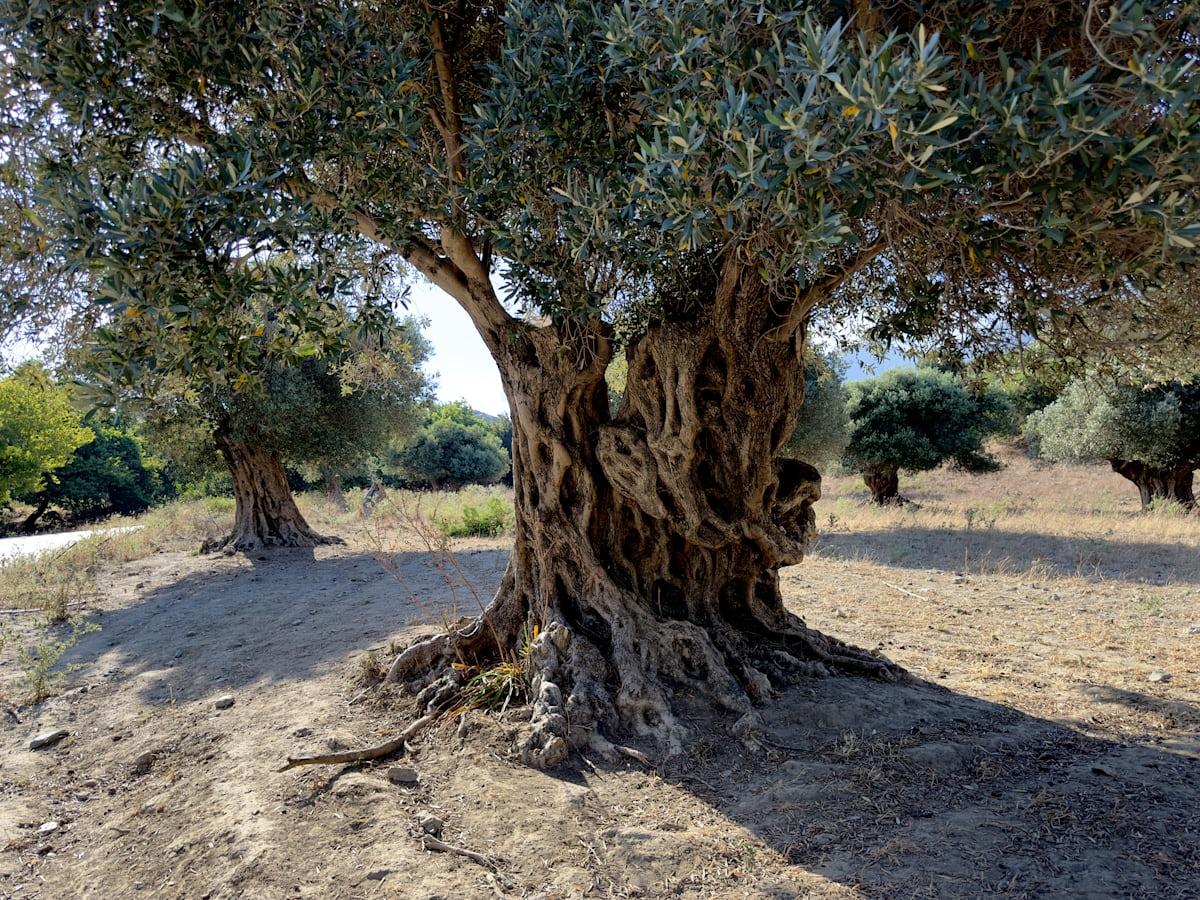
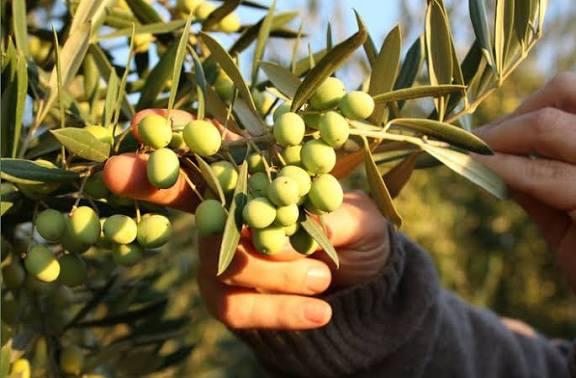
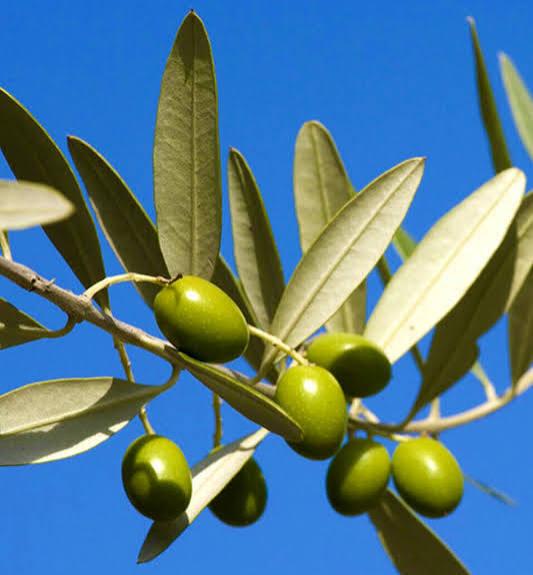
Olive trees have been cultivated for 5,000+ years and symbolize Mediterranean life. Their silvery-green foliage and gnarled trunks add instant elegance indoors. Indoor olive trees produce genuine fruit within a few years, making them both beautiful and productive.
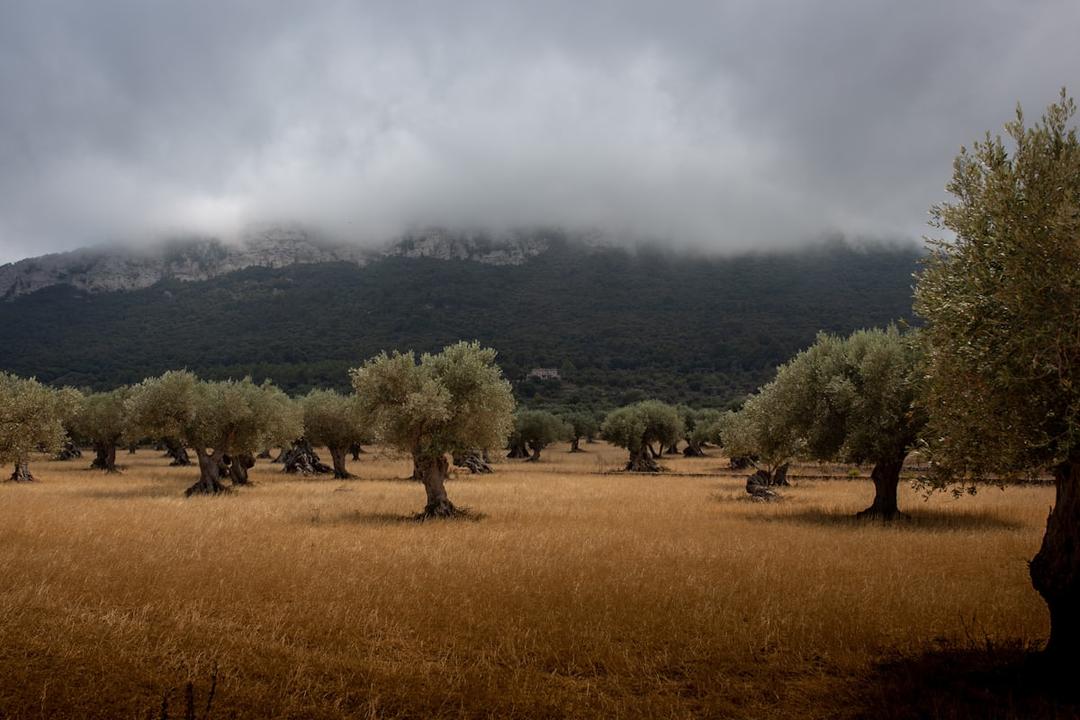
Native to the Mediterranean Basin, olive trees thrive in hot, dry, sunny climates with excellent drainage. This heritage explains their love of bright light, well-drained soil, and tolerance for drier air.
As houseplants, olive trees adapt surprisingly well to containers with proper light and care. They stay semi-evergreen indoors and can live 30+ years, producing sweet, harvestable fruit with a cool winter dormancy period.
Watering Schedule
Olive trees are extremely drought-tolerant and highly sensitive to overwatering. Water only when top 1-2 inches of soil are completely dry.
Common Problems & Solutions
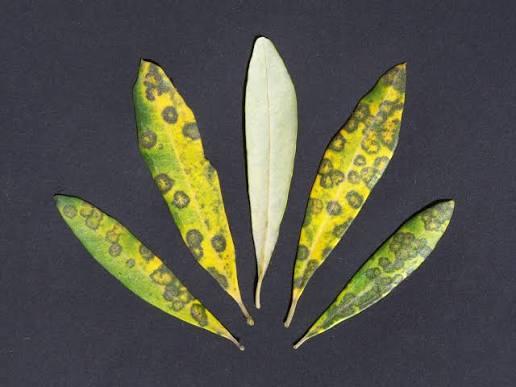
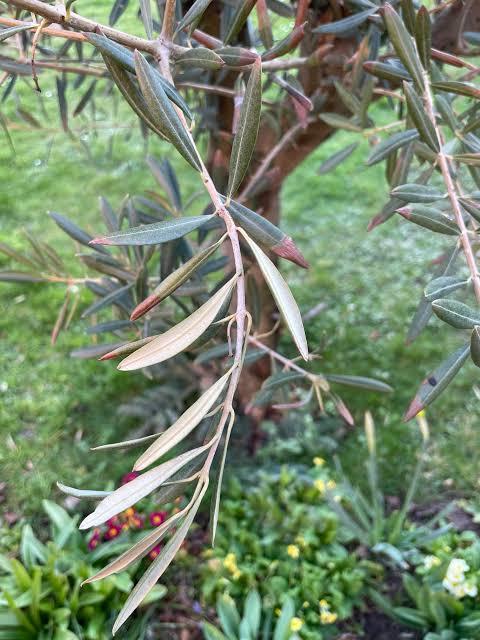
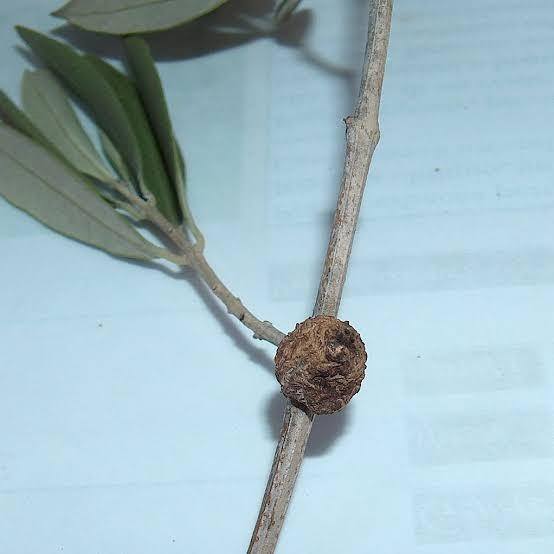
Here's how to identify and fix the most common Olive problems.
Popular Varieties
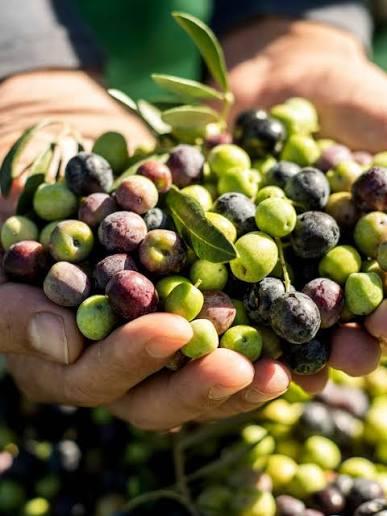
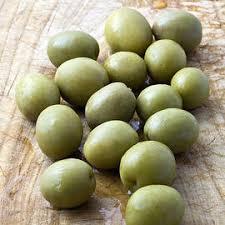
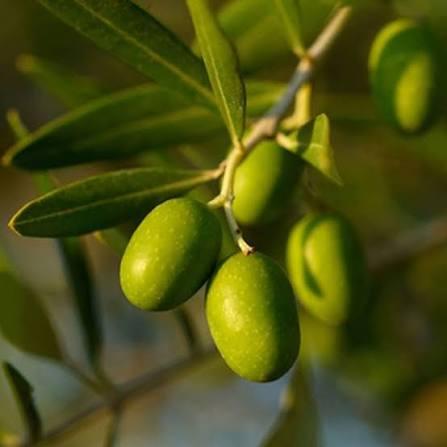
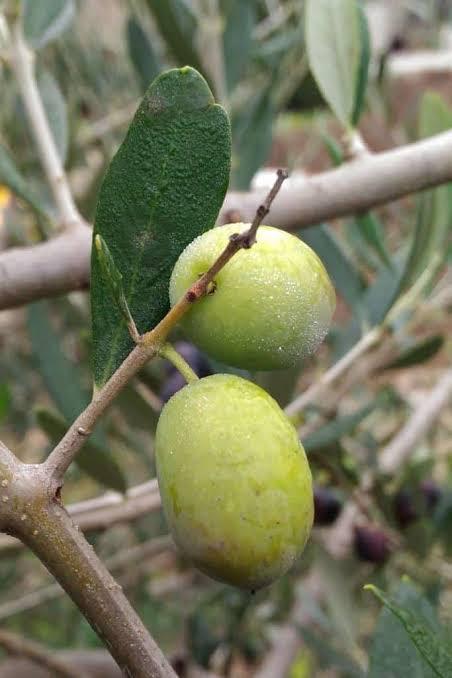
Explore different Olive varieties and find your perfect match.
Care Tips & Best Practices
Humidity & Air Circulation
Olive trees prefer dry Mediterranean air (30-50% humidity). Use fans on low for ventilation.
Feeding & Nutrients
Feed monthly during spring and summer with balanced 10-10-10 fertilizer. Stop in fall.
Leaf Cleaning
Wipe leaves monthly with damp cloth. Improves photosynthesis and reveals pests early.
Support & Staking
Use heavy ceramic pots for stability. Stake tall stems with bamboo poles if needed.
Pruning for Shape & Fruit
Prune after flowering or in late winter. Remove one-third of vigorous growth yearly.
Weekly Rotation
Rotate pot 180 degrees weekly for equal light exposure and even growth.
Care Checklist
10 Common Mistakes to Avoid
Overwatering or watering on fixed schedules
Why it's bad: Olive trees are drought-tolerant; frequent watering causes root rot.
Do this instead: Check soil moisture before every watering; water only when dry.
Insufficient light or no grow lights
Why it's bad: Without 6-8 hours daily, trees won't fruit and drop leaves.
Do this instead: Provide south window or run LED grow lights 14-16 hours daily.
Using heavy moisture-retaining potting soil
Why it's bad: Dense soil drains poorly and stays wet too long.
Do this instead: Mix equal parts potting soil with perlite or cactus mix.
Skipping winter dormancy or keeping too warm
Why it's bad: Trees need 2-3 months at 50-60°F to set flowers and fruit.
Do this instead: Move to cooler location in winter and reduce watering.
Placing tree in low-light areas far from windows
Why it's bad: Low light causes stunted growth, leaf drop, and no fruiting.
Do this instead: Prioritize light first; invest in grow lights if needed.
Moving tree frequently or to different locations
Why it's bad: Light and temperature changes cause leaf drop and stress.
Do this instead: Find permanent spot and keep it there; rotate weekly.
Choosing pots too small or too large
Why it's bad: Small pots restrict roots; large pots cause waterlogging.
Do this instead: Use pot 1-2 inches larger; repot only every 2-3 years.
Placing near heating vents, AC, or cold drafts
Why it's bad: Temperature fluctuations stress tree and cause leaf drop.
Do this instead: Keep in stable location away from vents and drafts.
Adding excessive humidity or misting leaves
Why it's bad: Excess humidity promotes fungal diseases like peacock spot.
Do this instead: Maintain 30-50% humidity; use pebble trays instead.
Neglecting pest inspections and early infestations
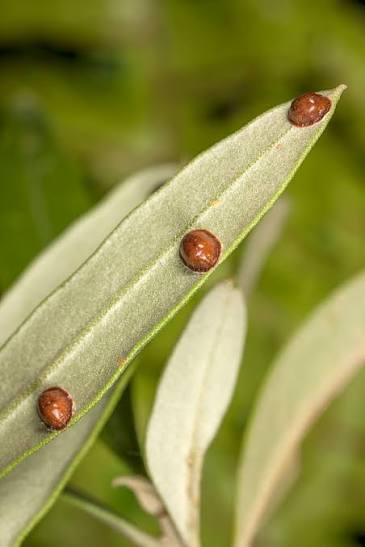
Why it's bad: Scale insects multiply rapidly if caught late.
Do this instead: Inspect leaves weekly; isolate infested trees immediately.
Frequently Asked Questions
How long until my olive tree produces fruit?
Trees typically fruit within 2-4 years. First harvests are small but improve yearly. Proper light, cool dormancy, and self-fertile varieties accelerate fruiting.
Can I grow an olive tree indoors without grow lights?
Only with a bright south-facing window providing 6-8+ hours daily sun. Most homes require supplemental grow lights (14-16 hours) for consistent growth and fruiting.
Why are my olive tree's leaves yellow or dropping?
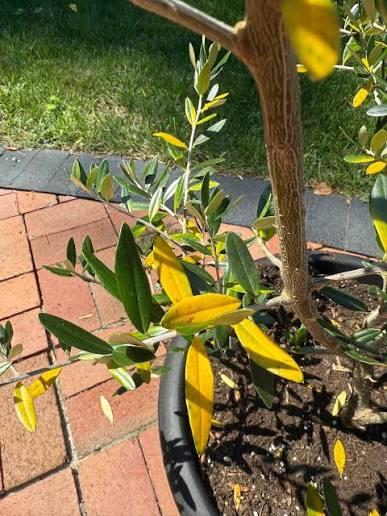
Yellowing indicates overwatering or poor drainage. Repot into fresh, well-draining soil immediately. Reduce watering frequency and avoid temperature changes.
How often should I water my olive tree?
Water when top 1-2 inches soil feels completely dry. This typically means every 7-10 days in summer and 10-14 days in winter. Check soil first.
Are olive trees toxic to cats or dogs?
No. Olive trees are completely safe for cats and dogs per ASPCA data. No toxic compounds exist; no special precautions needed.
What temperature does my olive tree need to fruit?
Trees need cool dormancy (50-60°F) for 2-3 months in winter to trigger flowering and fruiting. This cold period is essential.
Can I grow an olive tree from seed or cuttings?
Cuttings are superior. Semi-hardwood cuttings root in 6-12 weeks and produce fruit faster. Seeds are unreliable and take years.
What soil should I use for my olive tree?
Mix equal parts potting soil with perlite, bark, or cactus mix for fast drainage. Avoid dense, moisture-retaining soils that cause root rot.
How do I prevent scale insects on my olive tree?
Inspect leaves weekly and isolate infested trees immediately. Treat with neem oil every 7 days for 4 weeks. Remove heavily infested branches.
Why isn't my olive tree producing fruit?
Most common reasons: insufficient light, lack of winter dormancy, tree too young, or poor drainage. Address light first, then ensure cool dormancy.
References & Sources
Information in this guide is based on these trusted sources.