
Monstera
A stunning tropical showstopper with iconic split leaves that adds instant jungle vibes. The ultimate statement houseplant for bold plant parents.
Video Tutorials
Watch these helpful videos to learn more about Monstera care.
About Monstera
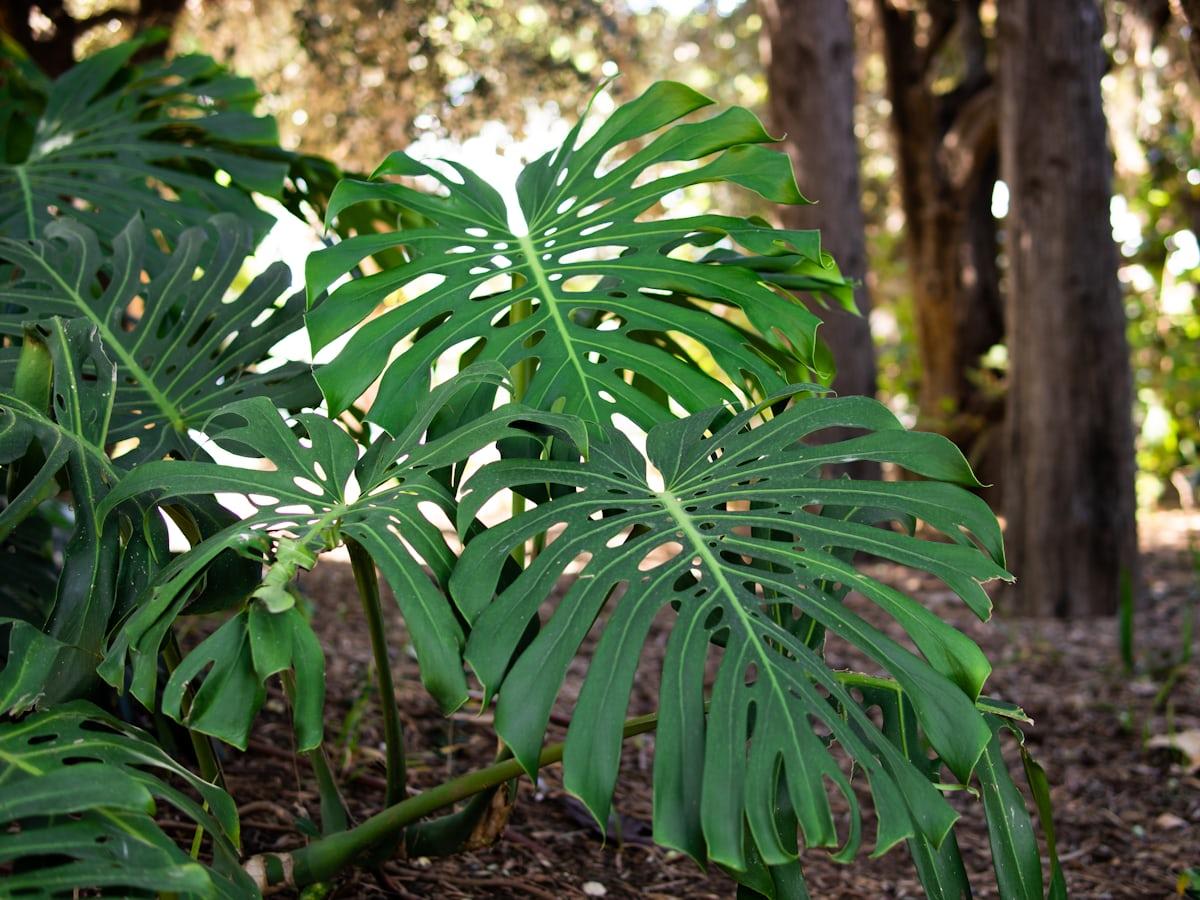
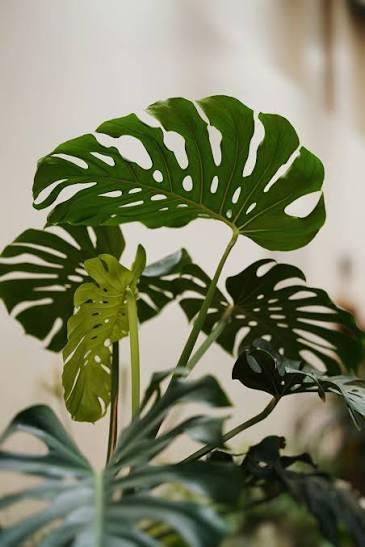
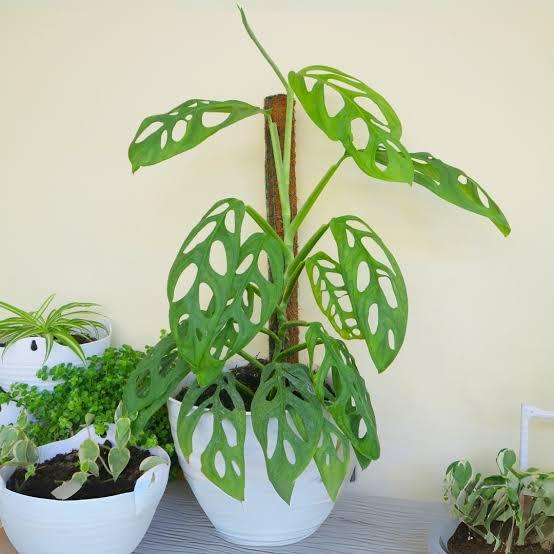
Monstera deliciosa is the Instagram-famous Swiss cheese plant with massive split leaves. Its distinctive fenestrations (natural holes) develop as leaves mature. Fast-growing and dramatic, it reaches 6-8 feet indoors and becomes an instant showstopper.
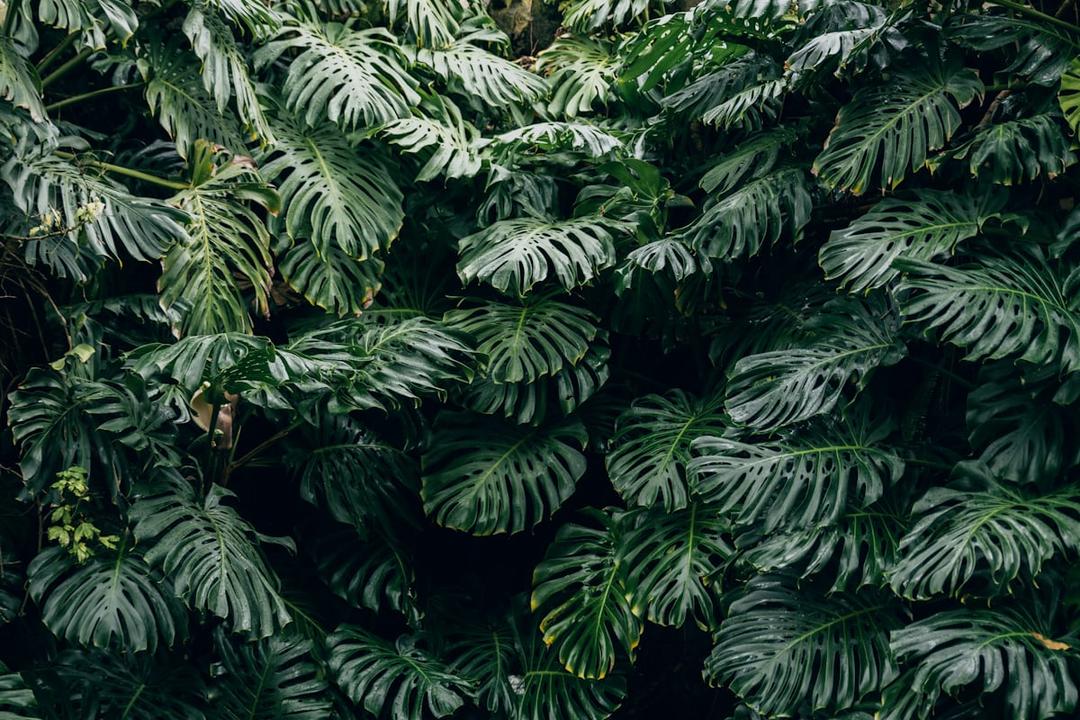
Native to Mexican rainforests, monstera climbs forest trees in warm, humid conditions. Aerial roots develop along stems, allowing it to climb and absorb moisture. This tropical nature explains its preference for humidity and dappled light.
As a houseplant, monstera adapts well to containers but needs space to spread. It climbs moss poles or cascades from heights. With bright indirect light, consistent watering, and 50%+ humidity, monstera thrives for decades.
Watering Schedule
Monstera needs consistent moisture during growing season but dislikes waterlogged soil. Water thoroughly when top 1-2 inches feel dry, then let excess drain.
Common Problems & Solutions
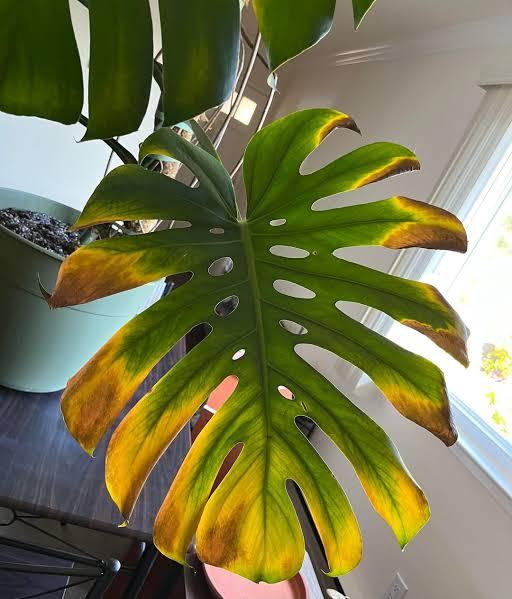
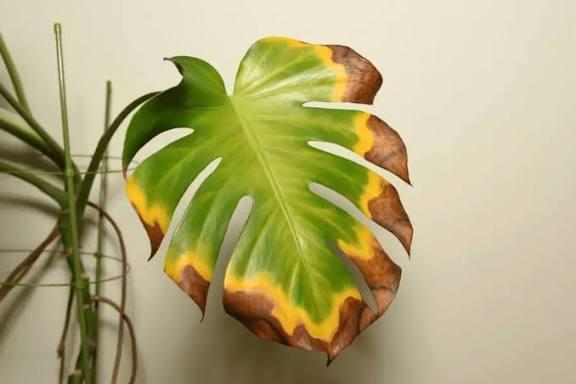
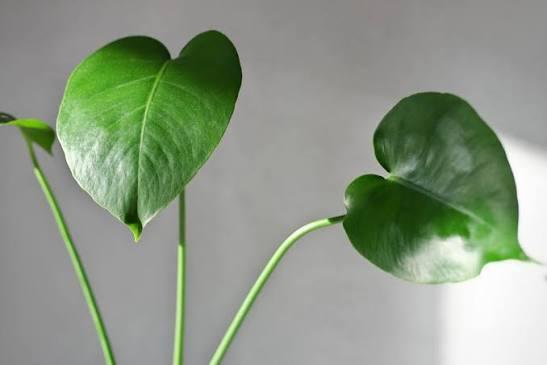
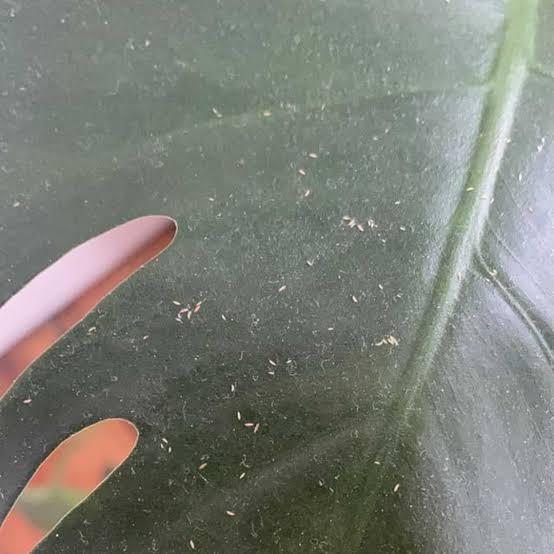
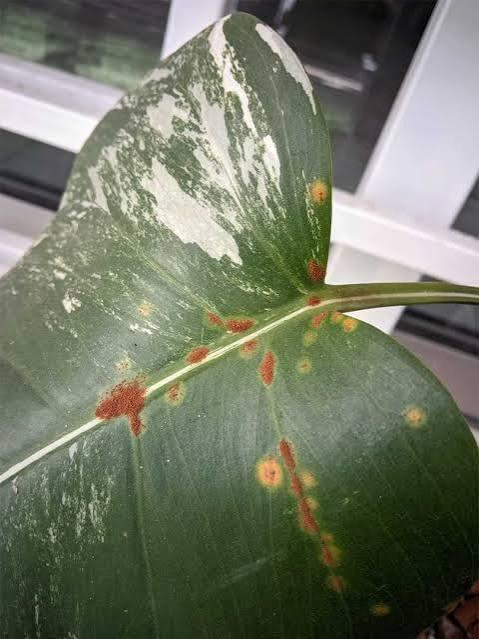
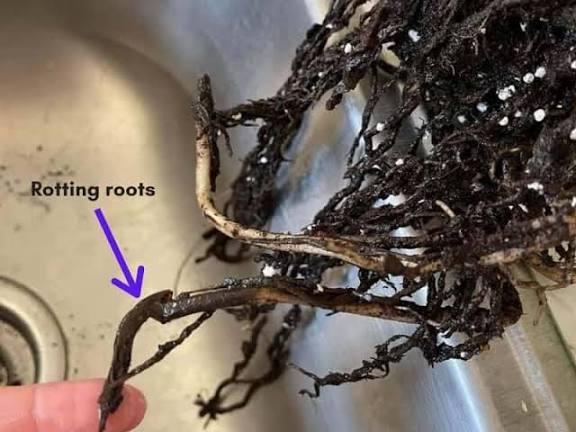
Here's how to identify and fix the most common Monstera problems.
Popular Varieties
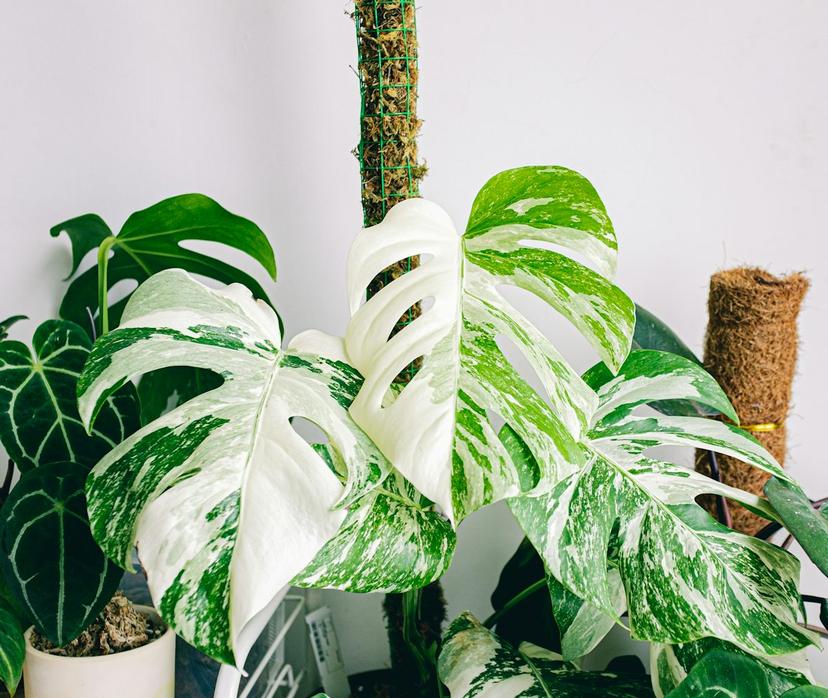
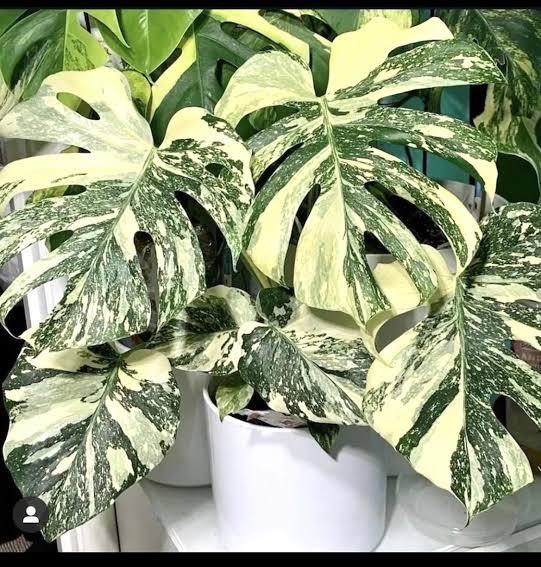
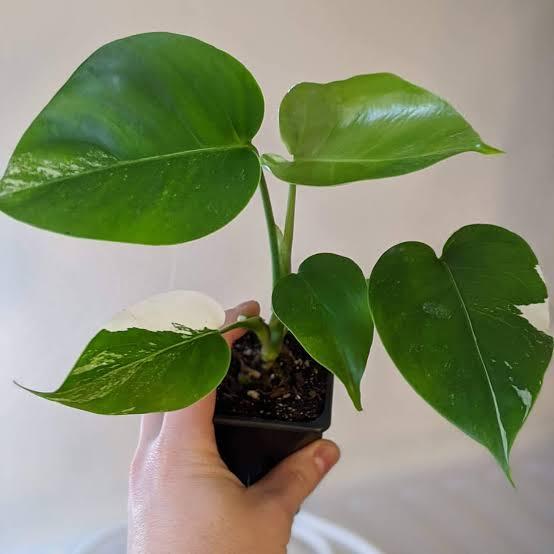
Explore different Monstera varieties and find your perfect match.
Care Tips & Best Practices
Humidity & Air Circulation
Maintain 50-80% humidity. Use humidifier, group plants, or mist weekly. Use fans for air circulation.
Feeding & Nutrients
Feed every 2 weeks during spring and summer with balanced fertilizer. Reduce to monthly in winter.
Leaf Cleaning
Wipe large leaves monthly with damp cloth to remove dust and improve photosynthesis.
Support & Staking
Provide sturdy moss pole or trellis for climbing. Secure stems gently with soft ties.
Pruning & Training
Prune in spring to remove dead leaves, control size, encourage bushier growth.
Weekly Rotation
Rotate pot 180 degrees weekly so all sides receive equal light.
Care Checklist
10 Common Mistakes to Avoid
Overwatering or watering on fixed schedules
Why it's bad: Constant moisture causes root rot, the leading killer.
Do this instead: Check soil first; water only when top 1-2 inches feel dry.
Placing in low-light area far from windows
Why it's bad: Low light prevents fenestrations and stunts growth severely.
Do this instead: Position in bright indirect light; ensure 5-8 hours daily.
Using dense moisture-retaining potting soil
Why it's bad: Compact soil stays wet, promoting root rot.
Do this instead: Mix soil with 25-30% perlite or orchid bark.
Ignoring humidity levels below 40%
Why it's bad: Low humidity causes brown edges and slowed fenestration.
Do this instead: Maintain 50-80% humidity with humidifier or misting.
Skipping support poles as plant grows tall
Why it's bad: Heavy vines without support become unstable.
Do this instead: Provide sturdy moss pole from beginning.
Placing near heating vents or cold drafts
Why it's bad: Temperature fluctuations stress plant and cause yellowing.
Do this instead: Keep in stable 60-85°F location away from vents.
Never rotating plant under uneven light
Why it's bad: One-sided light creates lopsided growth.
Do this instead: Rotate 180 degrees weekly for balanced growth.
Using pots without adequate drainage holes
Why it's bad: Water accumulates causing root rot.
Do this instead: Always use multiple drainage holes.
Fertilizing constantly or during dormancy
Why it's bad: Excess fertilizer burns roots; winter feeding wastes nutrients.
Do this instead: Feed only spring-summer; skip fall and winter.
Exposing to direct afternoon summer sun
Why it's bad: Intense sun burns and bleaches leaves.
Do this instead: Provide bright indirect light; filter direct sun.
Frequently Asked Questions
Why doesn't my monstera develop fenestrations?
Fenestrations only form on mature leaves with sufficient light (5-8 hours daily). Low light or young plants won't have splits. Move closer to bright window or use grow lights.
Is monstera toxic to cats and dogs?
Yes, monstera contains calcium oxalate crystals causing oral irritation, drooling, and vomiting if chewed. Keep away from pets. Rarely fatal but requires veterinary attention if ingested in large amounts.
How often should I water monstera?
Water every 1-2 weeks when top 1-2 inches feel dry. Frequency varies with light and season. Always check soil first rather than following fixed schedules.
Can monstera survive low light?
No. Monstera cannot thrive in low light. It survives temporarily but stops growing and won't develop fenestrations. Move to bright indirect light or add grow lights.
Why are leaf edges turning brown?
Brown, crispy edges indicate low humidity below 50%. Increase humidity with humidifier or misting. Ensure consistent watering since dry soil contributes to browning.
Can I propagate monstera from water cuttings?
Yes, but air layering has higher success rates. Water cuttings root in 2-3 weeks but often rot. Air layering is more reliable with less risk.
What humidity does monstera need?
Monstera thrives in 50-80% humidity. Average home humidity is acceptable but lower causes brown leaves. Use humidifier or mist weekly to boost humidity.
How big does monstera get indoors?
Standard Monstera deliciosa reaches 6-8 feet tall and 3 feet wide. Borsigiana stays smaller at 4-5 feet. Plan space accordingly and provide strong support.
Does monstera need fertilizer?
Yes, feed every 2 weeks during spring and summer with balanced fertilizer. Skip fall and winter when growth slows. Over-fertilizing causes salt buildup harming roots.
How long do monsteras live?
Monstera lives 10-15+ years indoors with proper care. Some thrive for 30+ years in ideal conditions, making them true long-term houseplant investments.
References & Sources
Information in this guide is based on these trusted sources.