
mint
A refreshing, fast-growing culinary herb with dozens of flavored varieties perfect for teas, cocktails, and cooking.
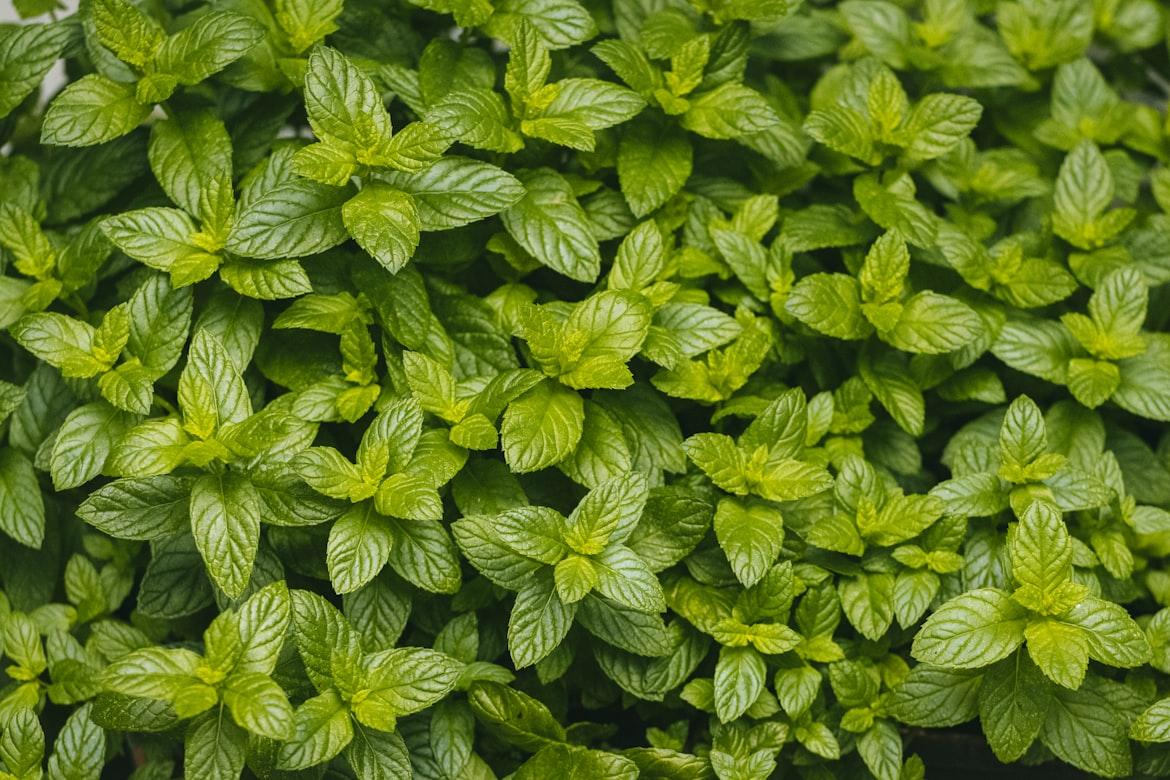
Video Tutorials
Watch these helpful videos to learn more about mint care.
About mint
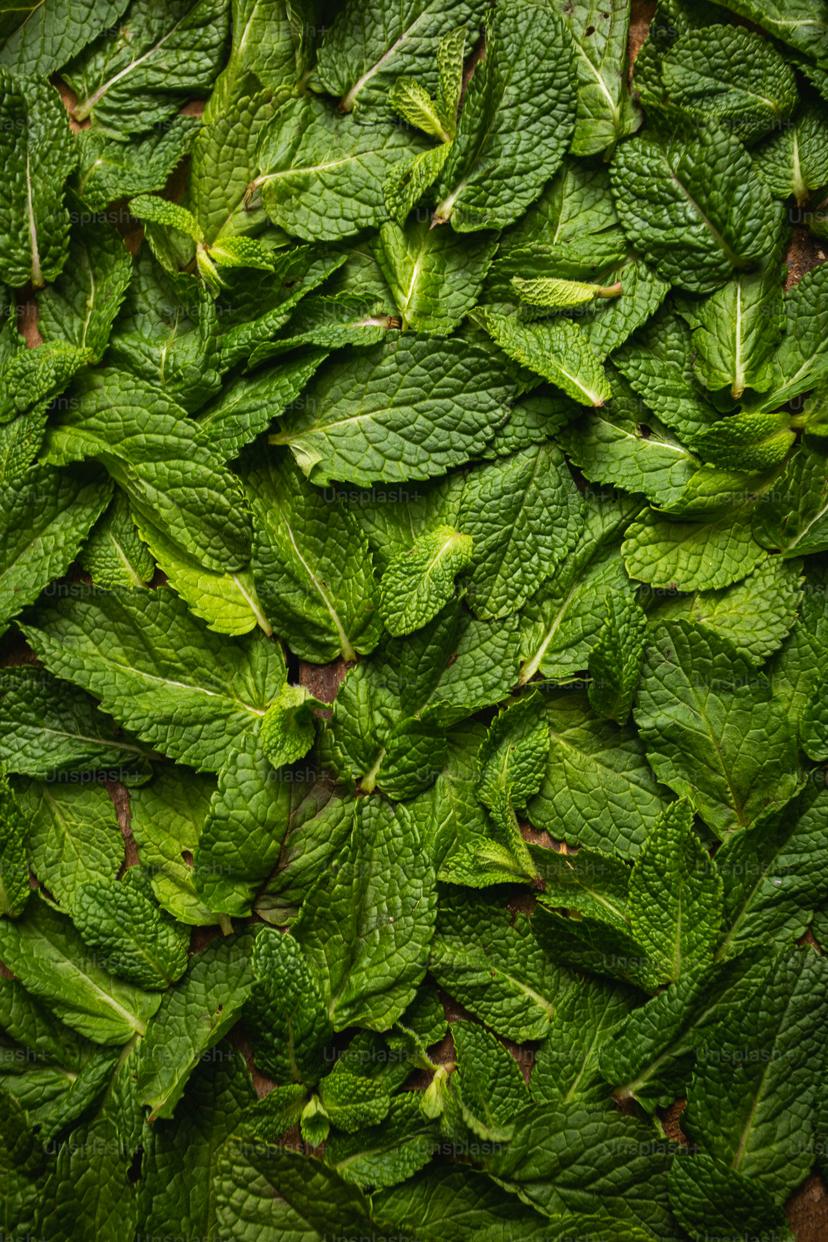
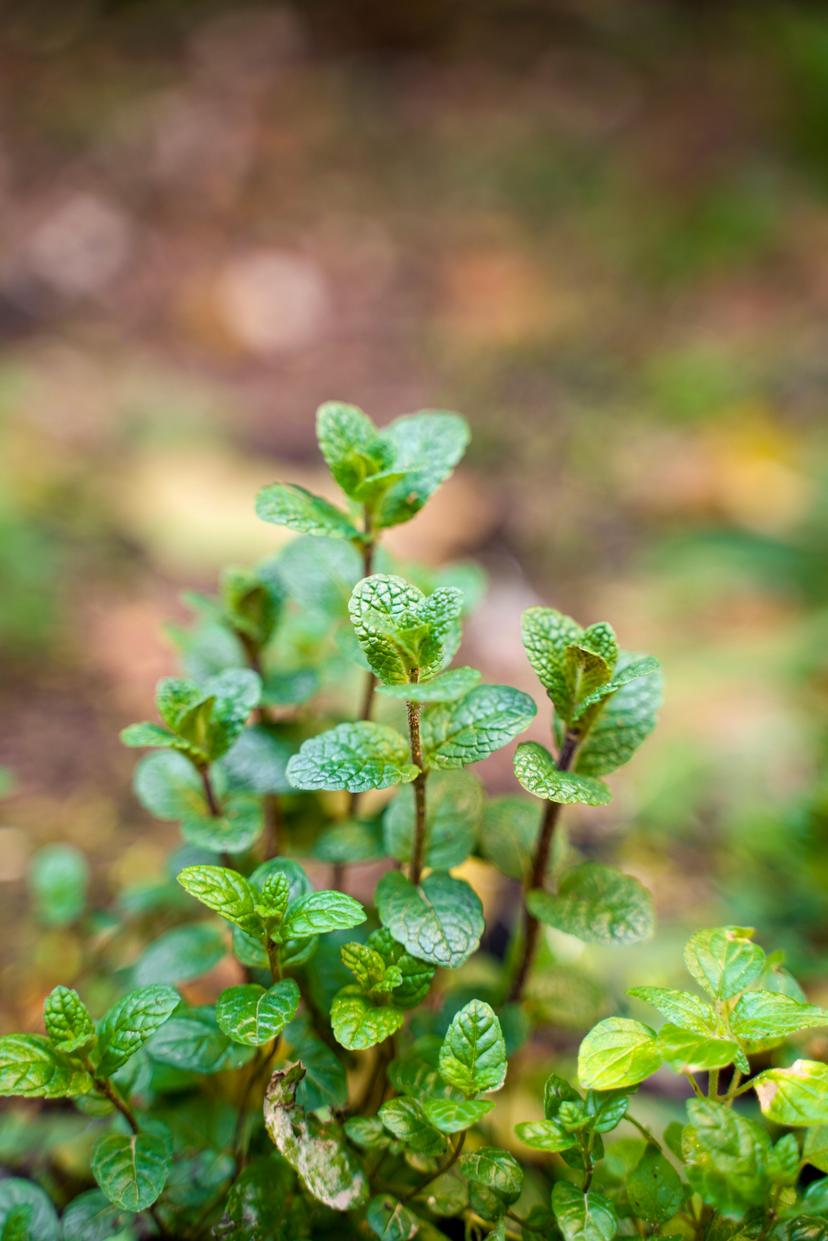
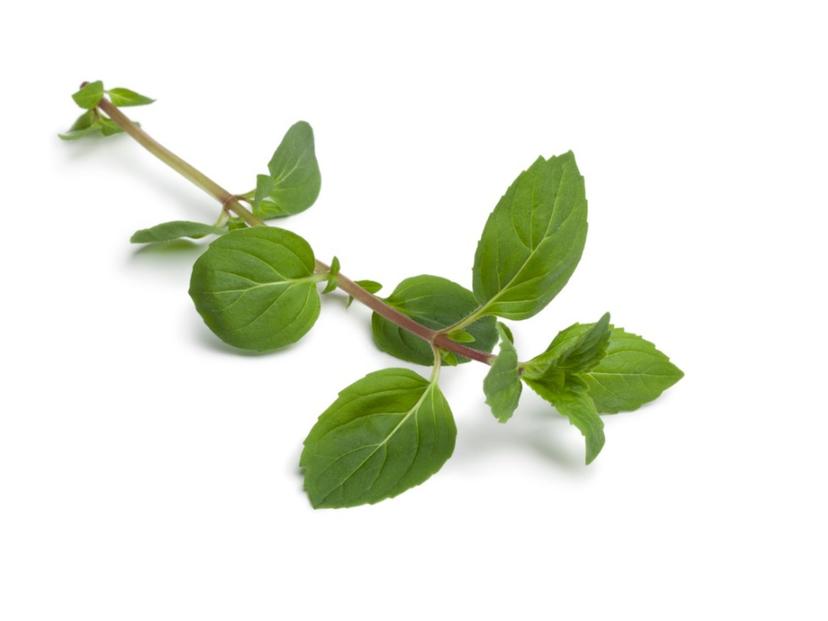
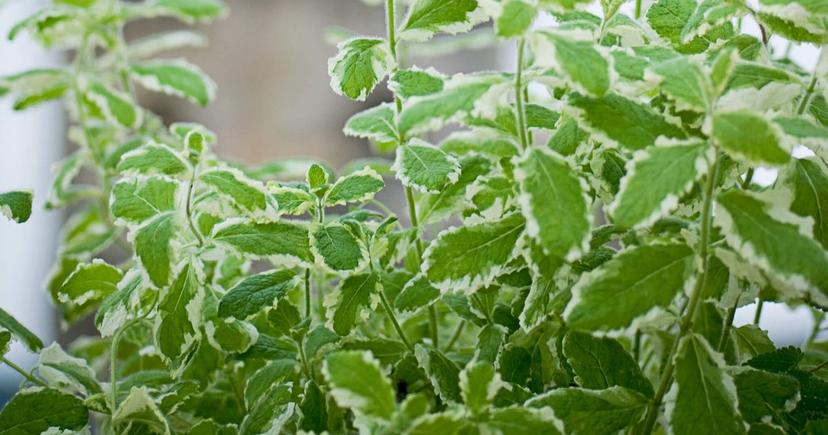
Mint is one of the most beloved culinary herbs worldwide, prized for its refreshing taste and versatility in teas, desserts, cocktails, and savory dishes. The genus Mentha includes 13-24 species and hundreds of cultivars with distinct flavors ranging from peppermint to chocolate to pineapple. Its vigorous growth and easy propagation make it ideal for beginning gardeners and seasoned herb enthusiasts alike.
Mint thrives naturally in wet environments and moist soils across Europe, Asia, Africa, and the Mediterranean region. Most species are perennial with spreading rhizomes that allow them to establish quickly in favorable conditions. This aggressive growth habit explains mint's reputation as both a blessing and an invasive threat - it spreads rapidly and is nearly impossible to kill.
Indoors, mint adapts wonderfully to containers and windowsills, producing fresh leaves year-round with consistent light and moisture. Potted mint plants can thrive for years with regular pruning and occasional repotting. Most varieties are hardy perennials surviving harsh winters, though indoor mint benefits from fall-to-spring harvesting followed by dormancy.
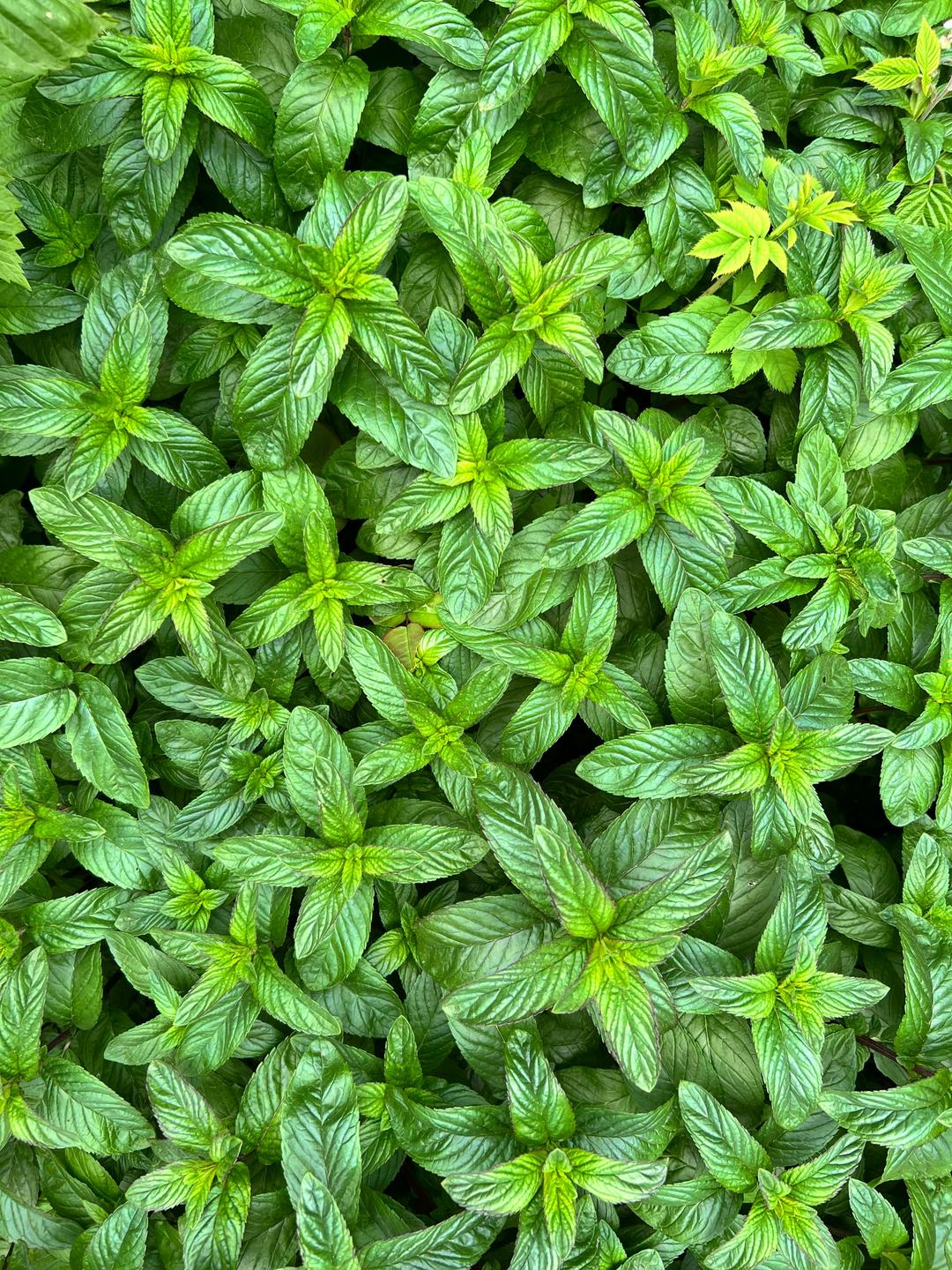
Watering Schedule
Mint loves consistently moist but not waterlogged soil. Check soil daily and water when the top inch feels dry to the touch.
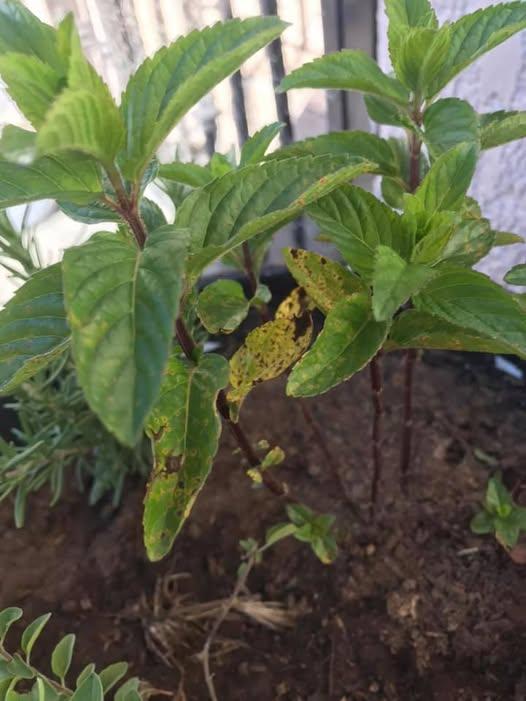
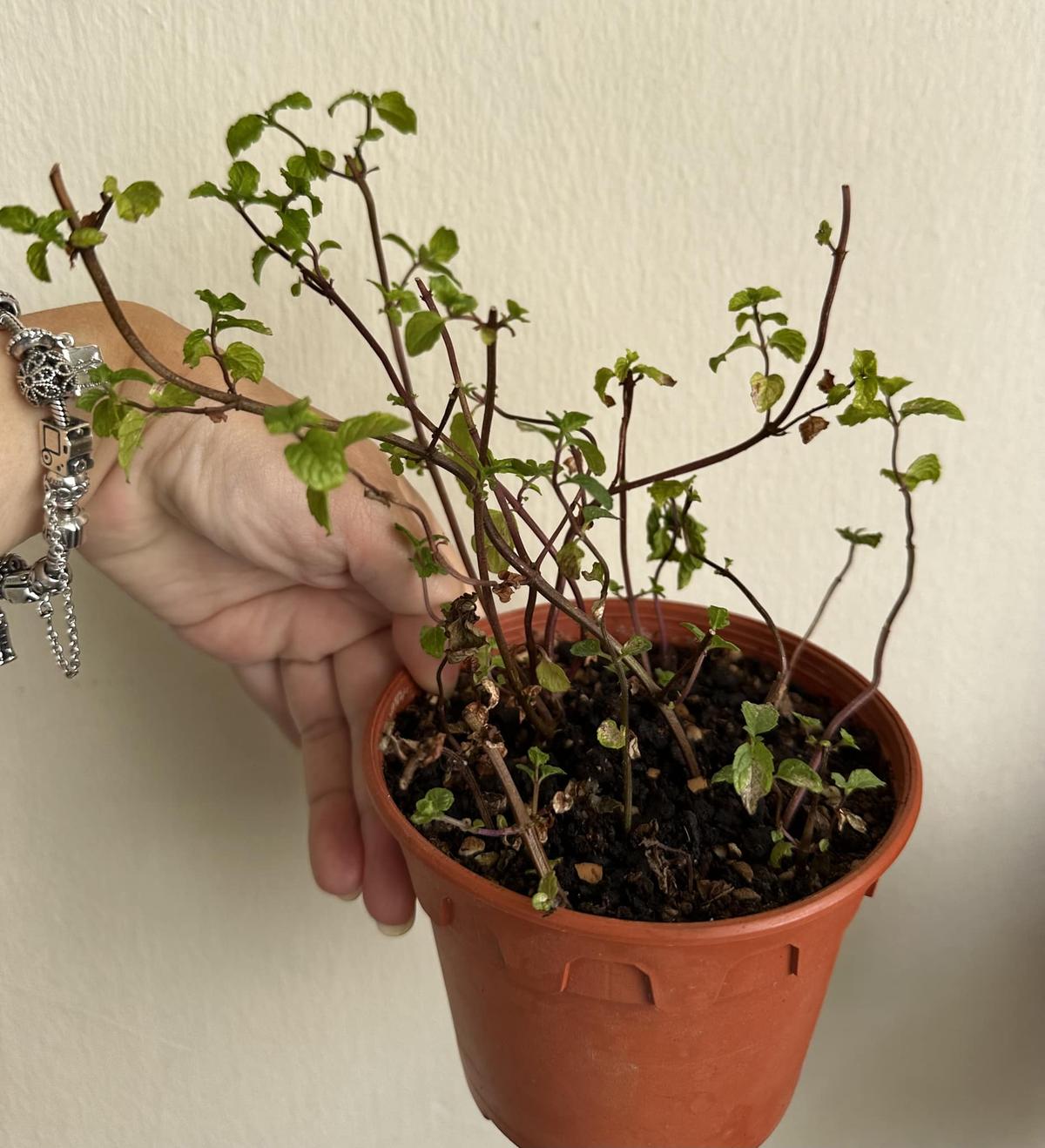
Common Problems & Solutions
Here's how to identify and fix the most common mint problems.
Popular Varieties
Explore different mint varieties and find your perfect match.
Care Tips & Best Practices
Humidity
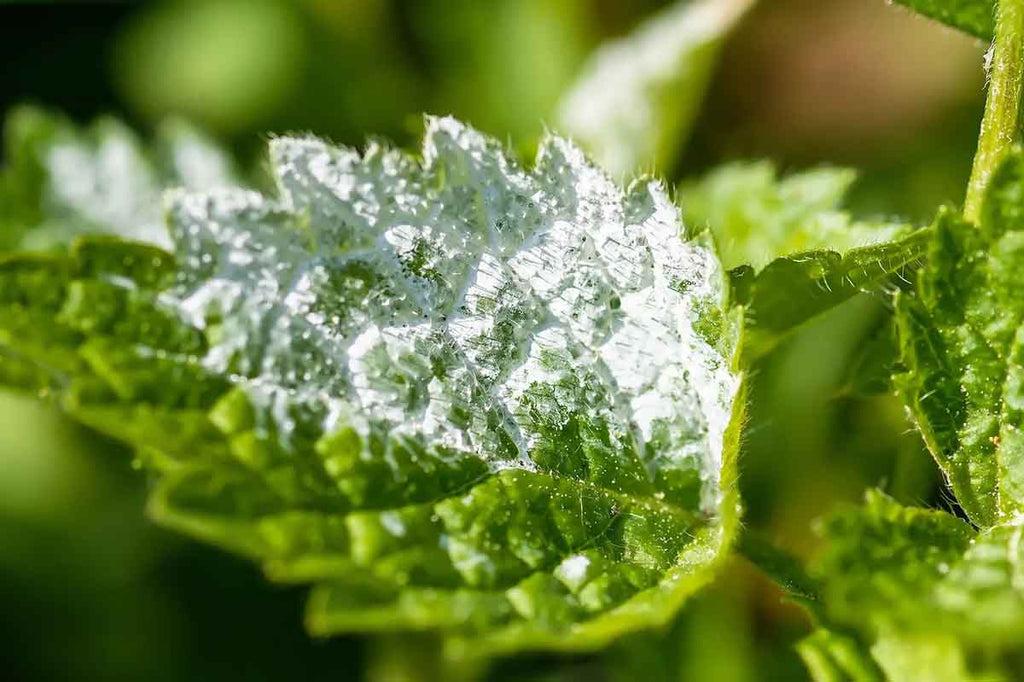
Maintain 40-60% humidity by misting leaves lightly in mornings or placing pots on pebble trays with water. Avoid humidity above 70% - instead use a small fan to improve air circulation and prevent powdery mildew.
Feeding
Fertilize every 2-3 weeks during spring and summer with balanced liquid fertilizer diluted per label instructions. From fall through winter, reduce to once monthly as growth naturally slows. Container mint needs more frequent feeding than garden soil.
Cleaning
Remove yellow or damaged leaves weekly using clean scissors. Wipe dust from foliage monthly with a soft, damp cloth. This improves light absorption and allows early pest detection before infestations spread.
Pruning
Pinch off flower buds and top growing tips when plants reach 6 inches tall. Cut just above leaf nodes to force branching. Regular pruning creates fuller, bushier plants and delays flowering to extend leaf harvest season.
Support
Tall varieties like peppermint may need gentle staking as they mature and develop heavy foliage. Use soft plant ties - never wrap tightly around stems. Most varieties naturally sprawl and rarely need support.
Rotation
Rotate indoor pots 180 degrees weekly to prevent one-sided, lopsided growth. Outdoor mint naturally receives balanced light but benefits from weekly turning if positioned against walls or buildings.
Care Checklist
10 Common Mistakes to Avoid
Watering on a fixed daily schedule instead of checking soil first
Why it's bad: Rigid watering causes root rot and fungal disease faster than any other problem
Do this instead: Check soil daily with your finger - water only when top inch feels dry to touch
Watering overhead onto foliage instead of at soil level
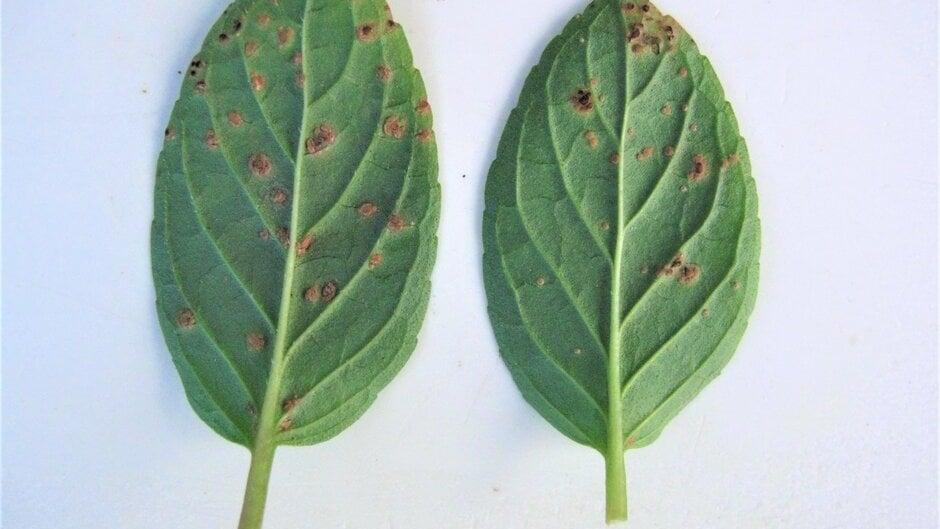
Why it's bad: Wet leaves create fungal infection pathways and trigger rust disease quickly
Do this instead: Always water at soil base using a narrow-spout can. Never spray leaves overhead
Placing mint in low-light windows or dark corners
Why it's bad: Insufficient light causes leggy pale growth with weak stems and reduced flavor
Do this instead: Position in south or west-facing windows for 6+ hours direct sun, or add grow lights
Never pruning flowers or only harvesting individual leaves
Why it's bad: Flower buds signal plant reaching reproductive phase; no pruning means no branching
Do this instead: Pinch off flowers immediately. Cut entire stem tips above leaf nodes weekly
Overcrowding plants without air circulation or spacing
Why it's bad: Packed plants create humid microclimate triggering rust, mildew, and pest outbreaks
Do this instead: Space 18-24 inches apart. Use fan to improve circulation. Don't crowd pots together
Growing mint in clay pots or containers without drainage holes
Why it's bad: Clay dries too fast requiring constant watering. No drainage holes cause root rot
Do this instead: Use ceramic, plastic, or terracotta with drainage holes. Choose 8-12 inch containers minimum
Neglecting to repot mint every 2-3 years
Why it's bad: Depleted soil and crowded roots limit growth, reduce flavor, and shorten plant lifespan
Do this instead: Divide plants annually or repot into fresh soil with larger containers every 2-3 years
Using indoor mint year-round without winter dormancy break
Why it's bad: Continuous forcing weakens perennial plants, exhausting their energy reserves
Do this instead: Let indoor mint rest 4-6 weeks in winter with reduced light, water, and fertilizing
Fertilizing mint heavily with nitrogen-rich formulas
Why it's bad: Excess nitrogen creates soft, watery growth with poor flavor and increased pest susceptibility
Do this instead: Use balanced NPK fertilizer every 2-3 weeks only, or skip feeding entirely in containers with good soil
Ignoring early signs of rust or powdery mildew
Why it's bad: Fungal diseases spread rapidly in humid conditions and quickly kill plants if untreated
Do this instead: Remove infected leaves immediately, improve air circulation, and switch to soil-level watering only
Frequently Asked Questions
Why is my mint plant so leggy and pale?
Insufficient light causes photosynthesis to slow, producing weak stretched growth. Move mint immediately to a bright south-facing window or add full-spectrum grow lights 12-14 hours daily. Pinch back leggy stems to force new bushy growth.
Can I grow mint in water permanently?
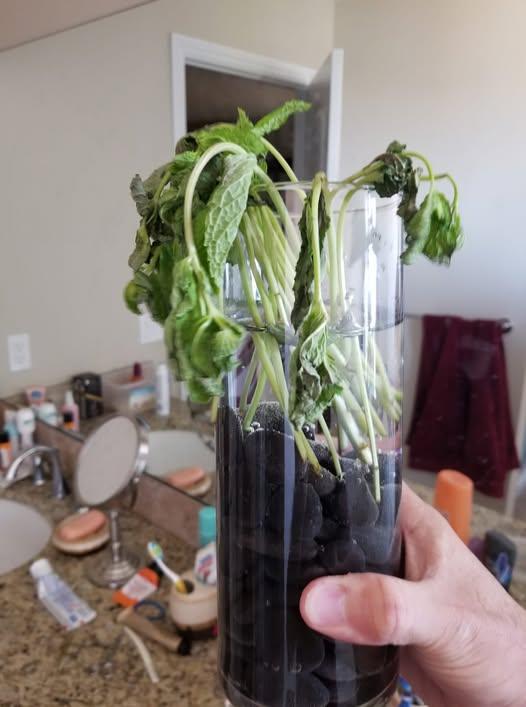
Mint survives in water for 2-3 weeks initially, but eventually yellows and stops growing. For long-term cultivation, transplant rooted cuttings into soil-based containers with proper nutrients and drainage.
How often should I harvest mint?
Harvest every 7-10 days during growing season by cutting 10-15cm of top growth just above leaf nodes. This frequency encourages bushiness and prevents flowering. On established plants, you can harvest up to two-thirds without stressing them.
Is mint safe for cats and dogs?
Yes, spearmint and peppermint are completely safe for pets in moderation. Avoid pennyroyal mint, which is toxic. Pets can have a few leaves daily. Never give mint-flavored products with xylitol or chocolate.
Why does my mint have orange spots under the leaves?
Rust fungal disease (Puccinia menthae) causes orange pustules, especially on spearmint and peppermint. Remove infected leaves immediately. Improve air circulation, water only at soil level, and space plants farther apart.
Can I grow mint outdoors year-round?
Most mint varieties are hardy perennials surviving zone 5-6 winters. Outdoor mint dies back in fall but regrows vigorously each spring. In zones 3-4, mulch heavily or bring pots indoors before frost arrives.
What's the difference between spearmint and peppermint?
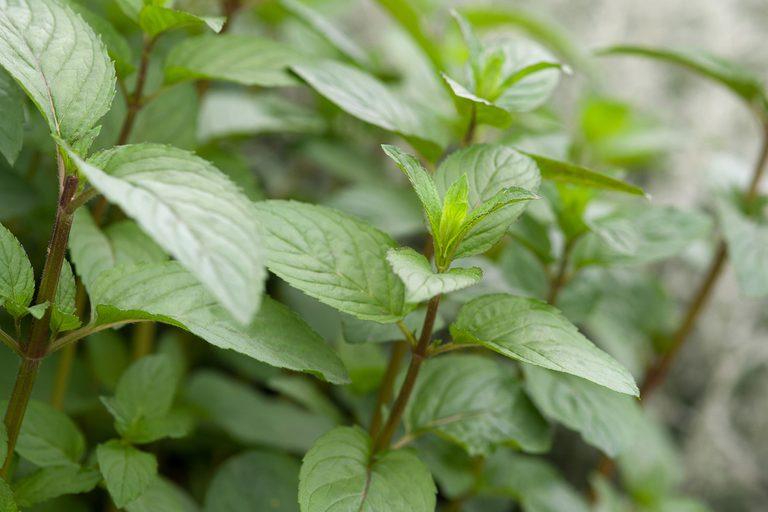
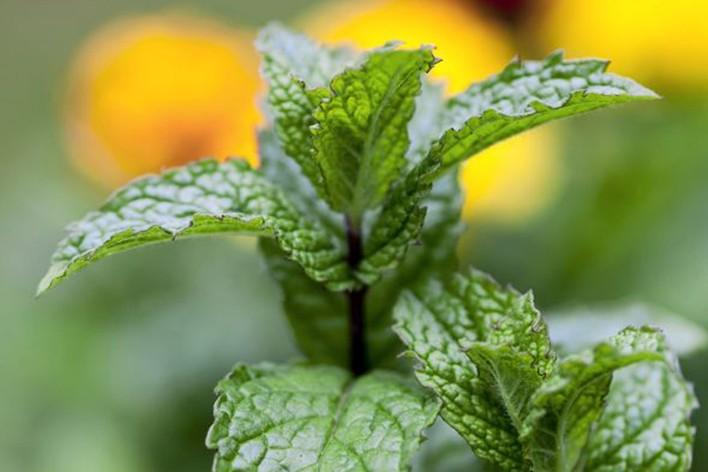
Spearmint has bright green stems, milder sweeter flavor, and 18-24 inch height ideal for cooking. Peppermint has reddish stems, intense menthol cooling sensation, and 24-36 inch height perfect for candies and desserts.
How do I prevent my mint from taking over?
Grow mint in containers only - never plant directly in garden beds. Pinch off flowers before seeds develop. Divide plants every 2-3 years, or pull up unwanted runners. Container growth naturally limits spread.
Do I need to fertilize mint?
Fertilize every 2-3 weeks during spring and summer with balanced liquid fertilizer. Container mint needs more frequent feeding than garden soil. Indoor winter mint benefits from light monthly feeding.
Can I propagate mint from just a leaf?
No - mint requires stem cuttings with nodes where roots develop. Take 4-6 inch cuttings just below leaf nodes. Single leaves won't root. Mint also propagates easily via root division of established plants.
References & Sources
Information in this guide is based on these trusted sources.