
Mango
A tropical fruit tree with fragrant blossoms and sweet mangoes, thriving indoors with warmth, sunlight, and patient care.
Video Tutorials
Watch these helpful videos to learn more about Mango care.
About Mango
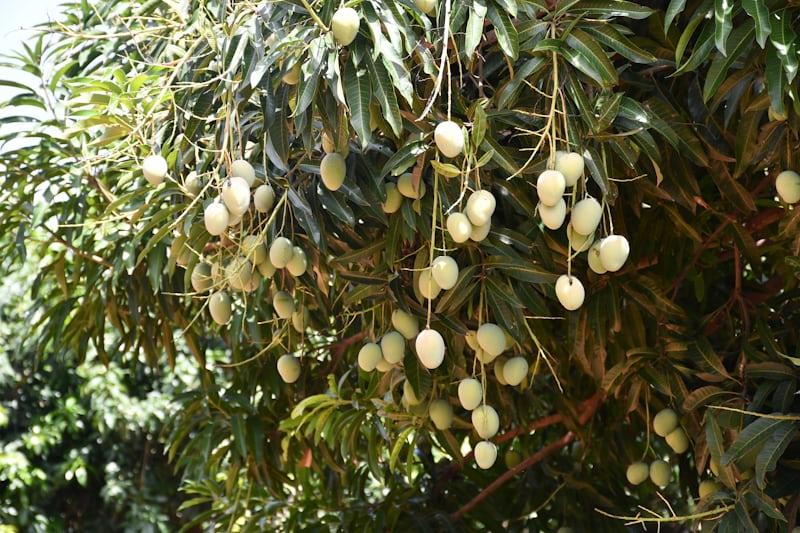
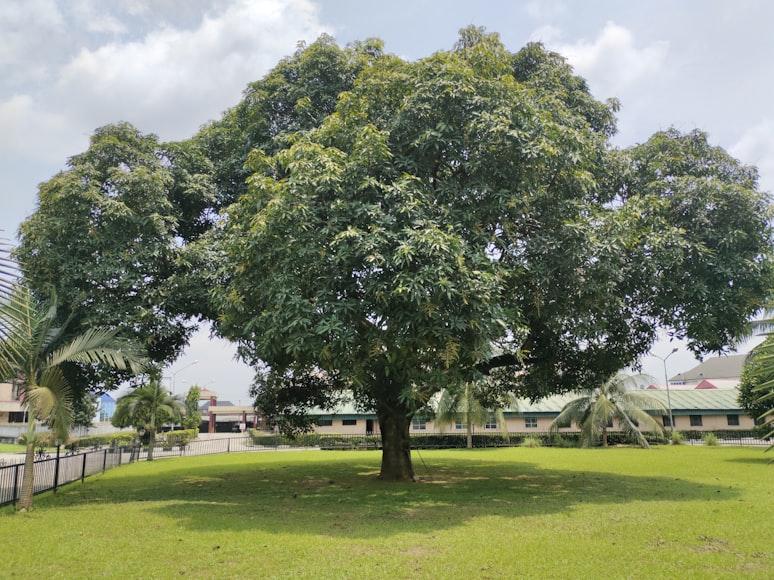
Mango trees are beloved tropical fruit trees worldwide. Dwarf indoor varieties grow 6-10 feet and fruit within 2-4 years.
Native to India and Southeast Asia, mangoes thrive in warm climates with stable temperatures and moderate humidity.
Indoors, dwarf mango trees live 50+ years with proper care. They need 6-8 hours sun, warmth, and well-draining soil.
Watering Schedule
Mango trees prefer deep watering with dry periods between. Container trees need water every 3-5 days spring-summer; reduce to every 2-3 weeks in winter.
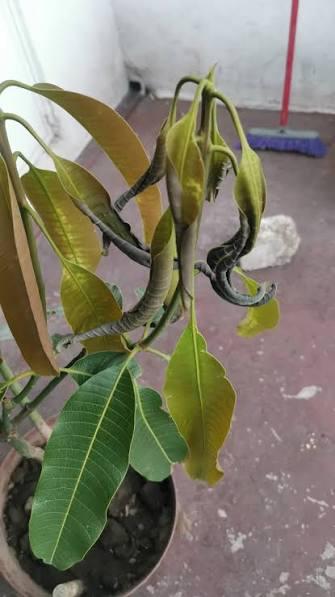
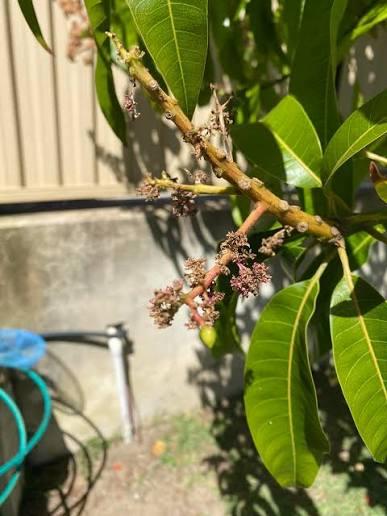
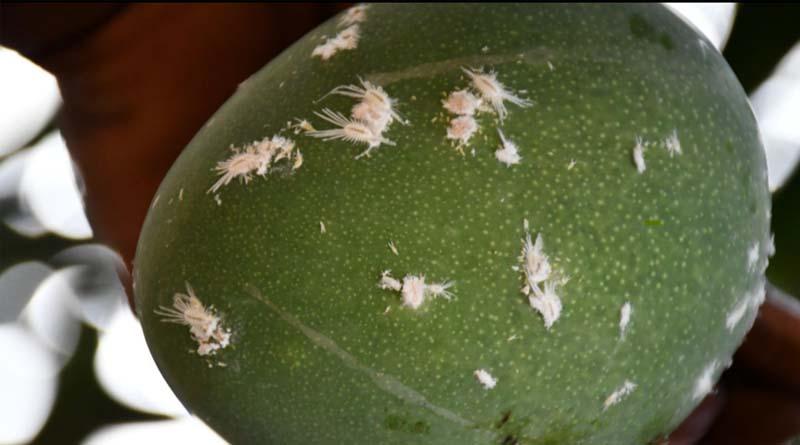
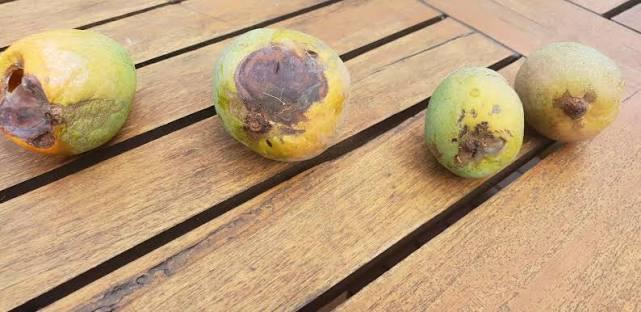
Common Problems & Solutions
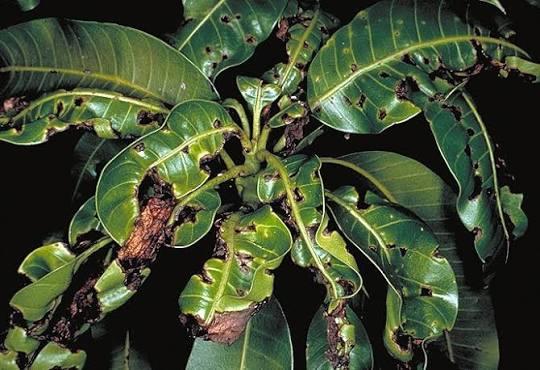
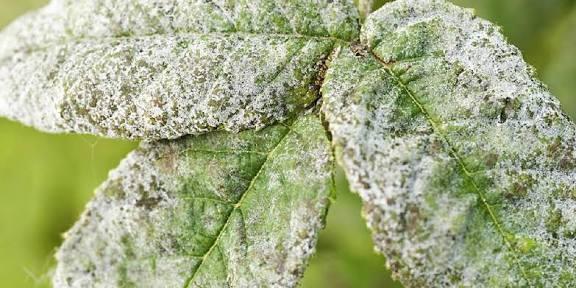
Here's how to identify and fix the most common Mango problems.
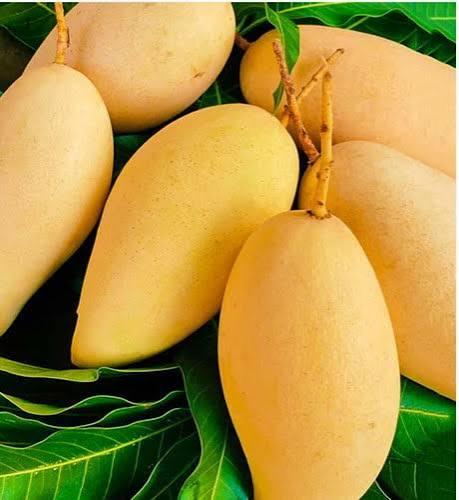
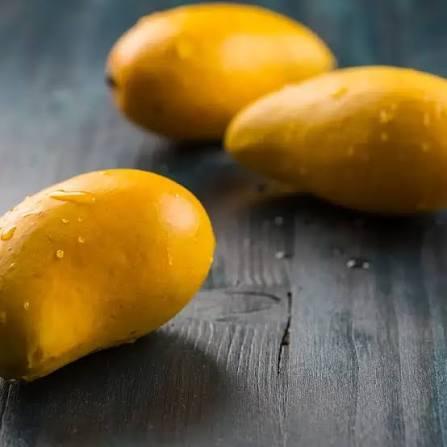
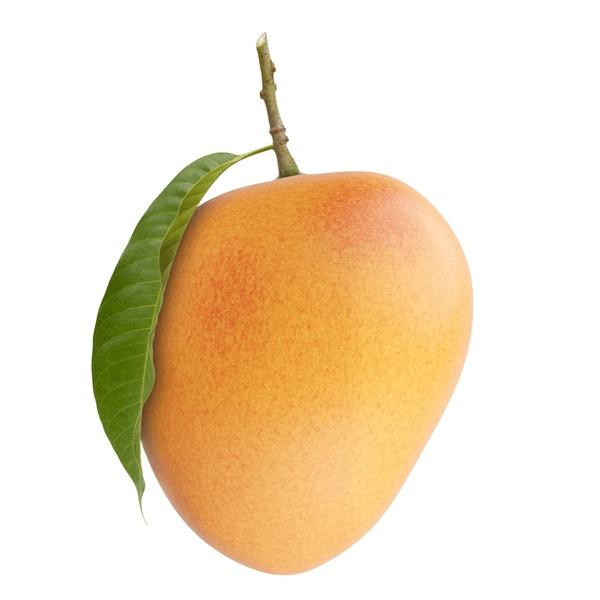
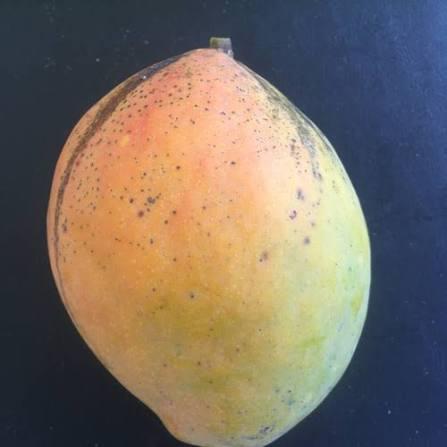
Popular Varieties
Explore different Mango varieties and find your perfect match.
Care Tips & Best Practices
Fertilize Heavy During Growing Season
Apply balanced liquid fertilizer (NPK 10-10-10) every 2-3 weeks April-August. Switch to phosphorus-rich during flowering.
Maintain Humidity Without Soaking Roots
Mist foliage 2-3 times weekly during growth. Group with other plants to create humid microclimate.
Prune to Control Size and Shape
Prune in late winter before new growth. Remove crossing branches, dead wood, and weak stems. Never remove more than 30%.
Thin Flowers and Young Fruit for Larger Mangoes
Remove 50-75% of flowers during bloom. Leave one fruit every 12 inches after marble stage.
Support Heavy Fruit Branches
Use soft ties and wooden stakes to support branches heavy with developing fruit. Mangoes reach 1-2 lbs each.
Hand Pollinate Indoor Trees
Indoor trees lack bees. Use soft paintbrush or cotton swab to dab each flower center daily during bloom.
Care Checklist
10 Common Mistakes to Avoid
Growing from seed, expecting fruit identical to parent tree
Why it's bad: Seeds produce trees different from parent; fruiting takes 5-7 years.
Do this instead: Buy grafted dwarf trees from nursery for true-to-type fruit and faster fruiting
Underestimating light needs and placing tree in indirect light
Why it's bad: Mango trees need 6-8+ hours direct sun. Low light prevents flowering.
Do this instead: Place near south or southwest window; use grow lights for winter light
Overwatering and keeping soil consistently moist
Why it's bad: Waterlogged soil causes root rot, the #1 killer of mango trees.
Do this instead: Water only when top inch soil dries; ensure perfect drainage
Neglecting to thin fruit, leaving dozens developing
Why it's bad: Tree fruits too heavily; mangoes remain small with poor flavor.
Do this instead: Thin aggressively to one fruit per 12 inches for large, quality mangoes
Growing trees in containers too small (less than 15 gallons)
Why it's bad: Mango tap roots need deep soil. Small containers stunt growth.
Do this instead: Use 20+ gallon containers at least 18-20 inches deep
Not hand-pollinating flowers indoors
Why it's bad: Indoor trees lack bees. Unpollinated flowers drop without setting fruit.
Do this instead: Use soft brush to pollinate each flower center daily during bloom
Fertilizing year-round without winter dormancy
Why it's bad: Winter feeding stimulates tender growth trees can't support.
Do this instead: Fertilize April-August only; stop completely December-February
Keeping tree at temperatures below 50°F or above 100°F
Why it's bad: Temperature extremes stress tropical trees; they drop leaves.
Do this instead: Maintain stable 70-80°F indoors; move outside only in summer
Ignoring early signs of anthracnose or powdery mildew
Why it's bad: Fungal diseases spread rapidly, defoliating tree and eliminating fruit.
Do this instead: Spray fungicide immediately at first sign; improve air circulation
Expecting fruit production in year one or two
Why it's bad: Most trees need 2-3 years minimum to establish and flower.
Do this instead: Be patient. Grafted dwarfs typically fruit by year 2-3 with proper care
Frequently Asked Questions
How long does it take for a mango tree to produce fruit?
Grafted dwarf varieties fruit in 2-3 years. Seed-grown trees take 5-7 years. Indoor trees may fruit slightly slower due to light limitations.
Can I grow mango trees indoors in cold climates?
Yes, move trees indoors before frost. Maintain 70-80°F year-round with 6-8 hours light daily. Winter dormancy is normal.
Do mango trees need two trees to produce fruit?
No, most varieties are self-fertile. However, hand pollination indoors is necessary since bees are absent.
What temperature kills mango trees?
Freezing temperatures (below 32°F) damage or kill trees. Minimum survival is 50°F. Ideal range is 70-80°F.
Are mango trees toxic to dogs and cats?
Fruit flesh is safe in moderation. Pits contain cyanide compounds and are toxic; leaves also contain harmful compounds.
How often should I water my container mango tree?
Every 3-5 days spring-summer when soil dries 1 inch deep. Every 2-3 weeks in winter dormancy. Reduce frequency to prevent root rot.
Why is my mango tree dropping all its flowers?
Overwatering, temperature fluctuations, or nutrient deficiency cause flower drop. Stabilize conditions and maintain consistent watering.
Can I propagate mango trees from cuttings?
Yes, softwood cuttings root in 2-3 weeks with rooting hormone, humidity, and warmth. Results less reliable than grafted trees.
What humidity do mango trees need?
50-70% during growth season; lower (40-50%) during flowering to prevent fungal disease. Mist foliage to raise humidity.
How do I prevent anthracnose on my mango tree?
Improve air circulation, avoid overhead watering, reduce humidity during flowering, and spray fungicide preventatively. Remove infected parts immediately.
References & Sources
Information in this guide is based on these trusted sources.