
Lotus
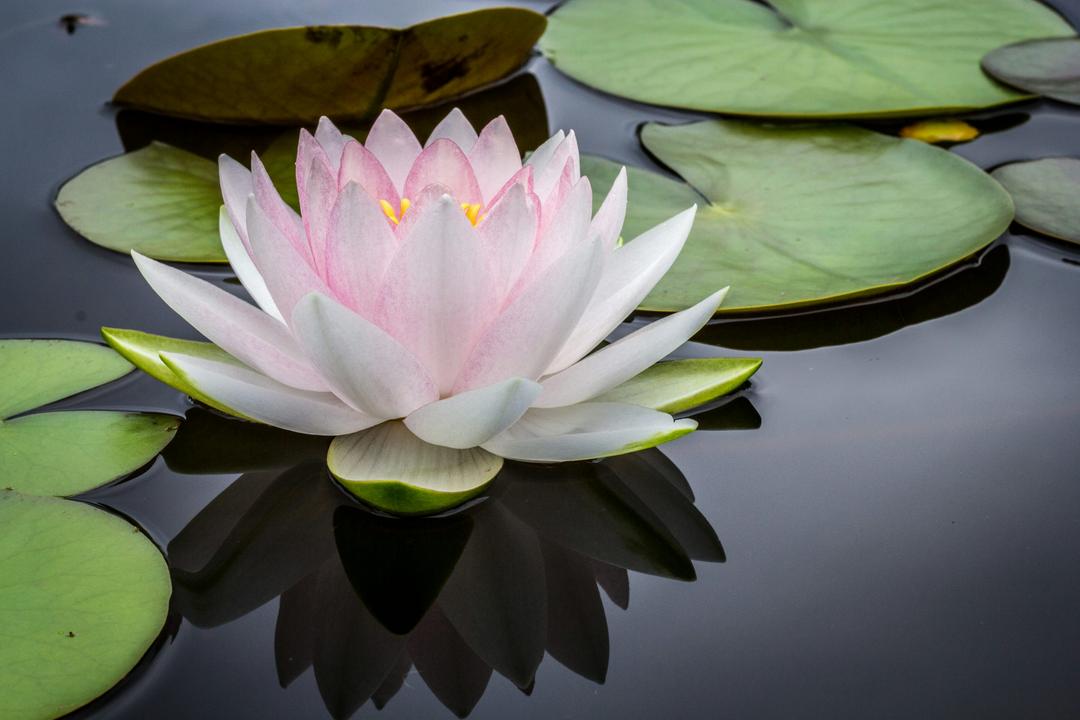
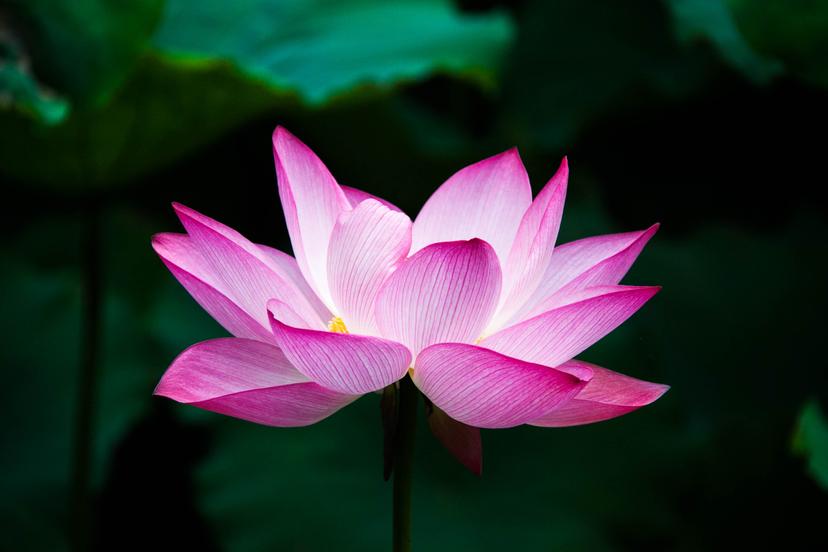
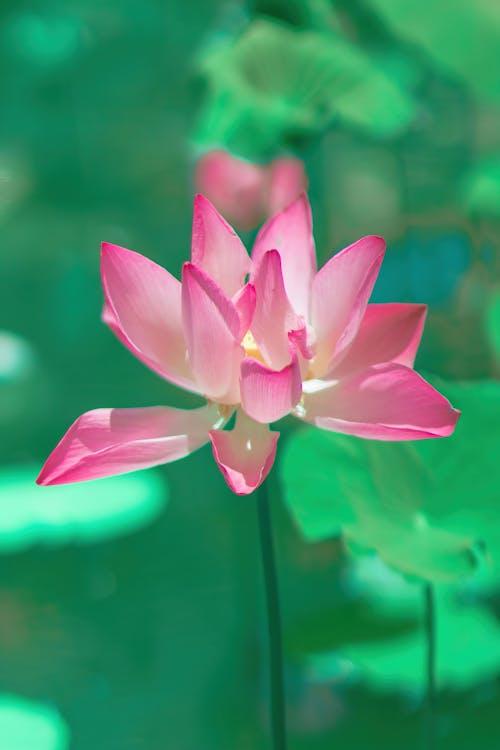
Stunning aquatic beauty that blooms huge pink flowers above water. Perfect for ponds or big indoor water setups.

Video Tutorials
Watch these helpful videos to learn more about Lotus care.
About Lotus
Lotus plants wow with massive fragrant blooms rising high above water. Sacred lotus draws fans for zen vibes and easy pond drama. Dwarf types fit smaller spots.
Native to Asia and Australia, they thrive in warm shallow waters with clay soils. Full sun sparks those epic flowers up to 10in wide.
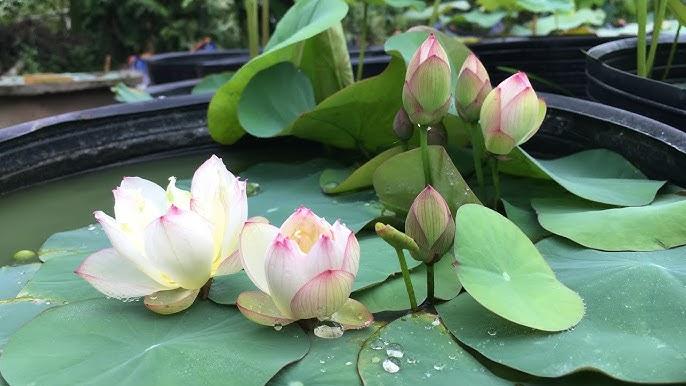
Grow as houseplant in sunny water tubs; lasts years with warmth. Repot every 2-3 years for nonstop growth.
Watering Schedule
Keep soil always under 2-6 inches of still water. Never let it dry out.
Common Problems & Solutions
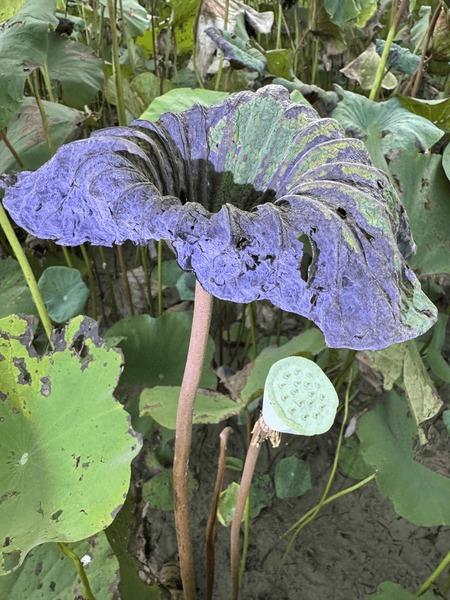
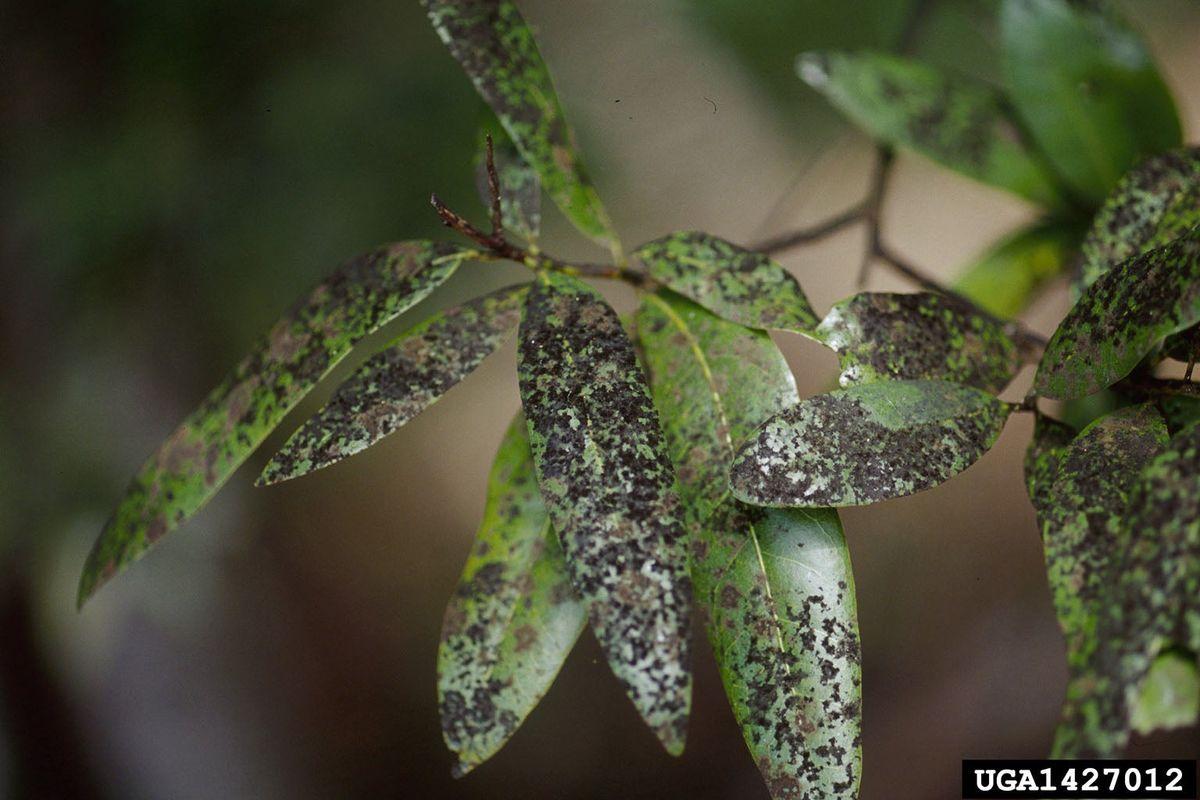
Here's how to identify and fix the most common Lotus problems.
Popular Varieties
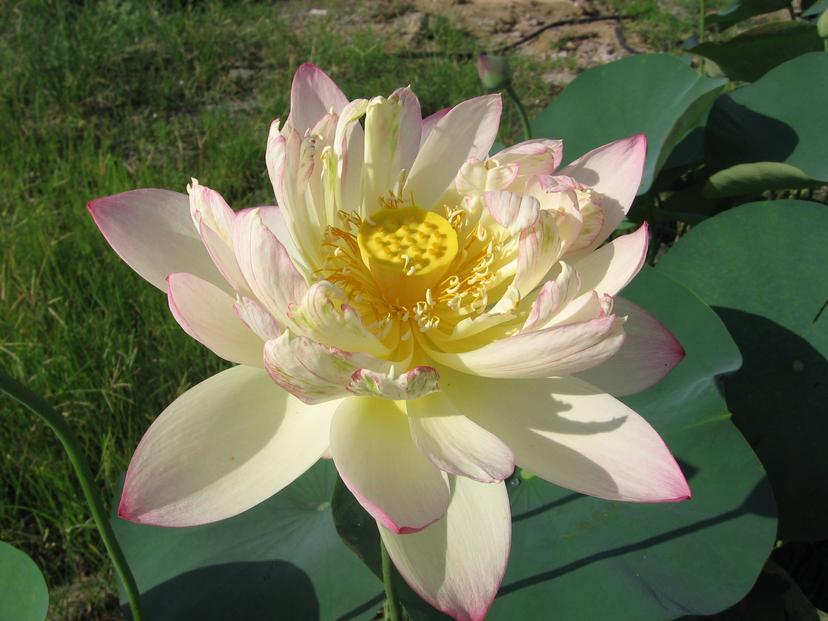
Explore different Lotus varieties and find your perfect match.

Care Tips & Best Practices
Humidity
Mimic pond with 60%+ via water tray or mist daily.
Feeding
Push 2x waterlily tabs per gallon soil every 3 weeks spring-summer.
Cleaning
Rinse dust off leaves weekly with soft spray.
Support
Stake tall stems if windy; let leaves float free.
Pruning
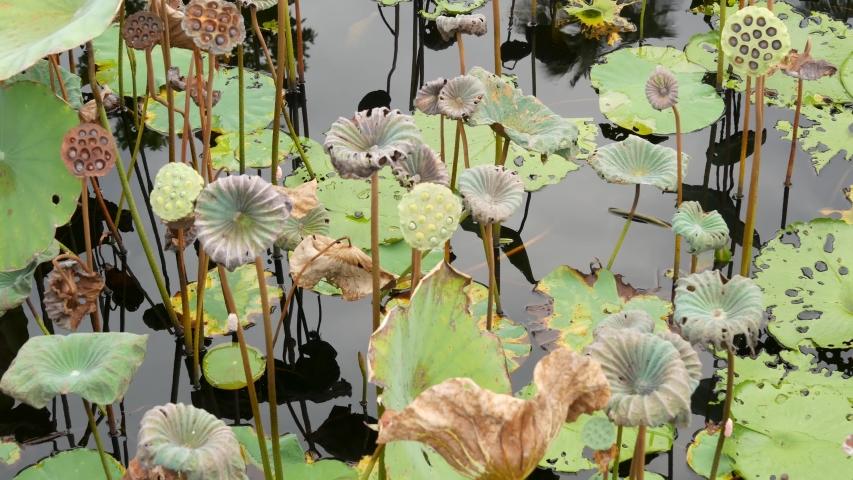
Cut faded leaves above water; never underwater stems.
Rotation
Turn pot monthly for even sun exposure.
Care Checklist
10 Common Mistakes to Avoid
Potting mix use
Why it's bad: Floats away ruining roots.
Do this instead: Clay loam soil only.
Low light spot
Why it's bad: No blooms or growth.
Do this instead: 8hr full sun.
Cold water temps
Why it's bad: Tubers rot slow.
Do this instead: Keep 75°F+.
Early heavy feed
Why it's bad: Burns new sprouts.
Do this instead: Wait for standing leaves.
Drain hole pots
Why it's bad: Roots escape soil loss.
Do this instead: Solid bottom tubs.
Dry soil periods
Why it's bad: Kills aquatic roots fast.
Do this instead: Always submerged.
Deep water start
Why it's bad: Drowns young plants.
Do this instead: 2in cover first.
Winter full water
Why it's bad: Prevents dormancy rot.
Do this instead: Lower moisten only.
Rough tuber handling
Why it's bad: Breaks fragile tips.
Do this instead: Gentle division.
No pest checks
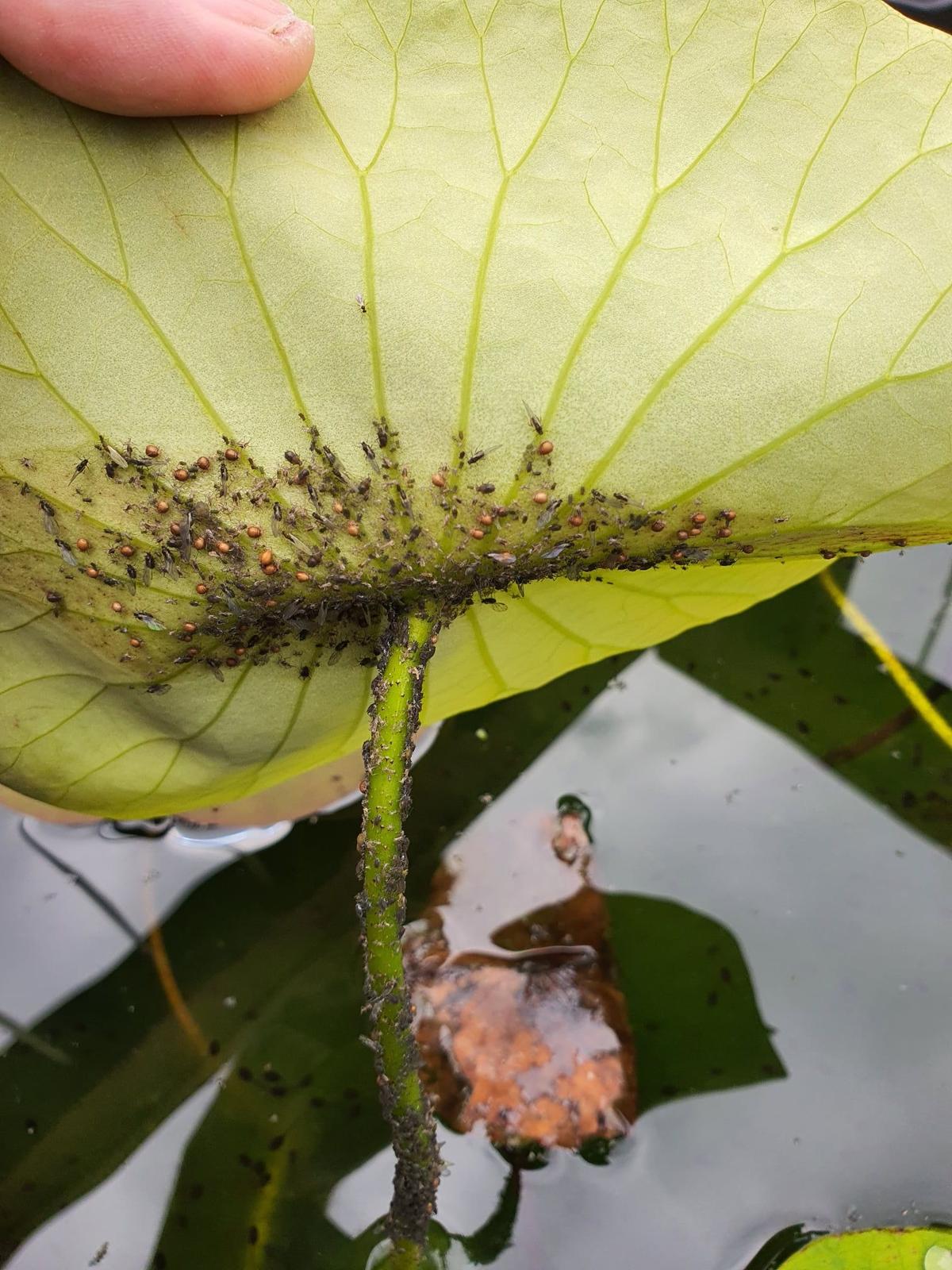
Why it's bad: Aphids spread quick.
Do this instead: Weekly leaf inspect.
Frequently Asked Questions
Can lotus grow indoors?
Yes in sunny spot with water tub over 75°F. Dwarf varieties best for homes.
Why no flowers on lotus?
Needs full sun and fertilizer after leaves stand. Check water warmth too.
Safe for cats and dogs?
Non-toxic per ASPCA. Mild upset possible if munched a lot.
Best pot size for lotus?
24in wide for dwarfs; 36in+ standards. No drain holes.
How to overwinter lotus?
Store tubers cool moist indoors frost-free. Dormant till spring.
Yellow leaves on lotus fix?
Boost sun or warm water. Check for aphids sucking sap.
Fertilize lotus how often?
Every 20 days growing season with aquatic tabs. Double dose.
Grow lotus from seed?
File shell soak warm water. Transplant sprouts to pots.
Lotus pests common?
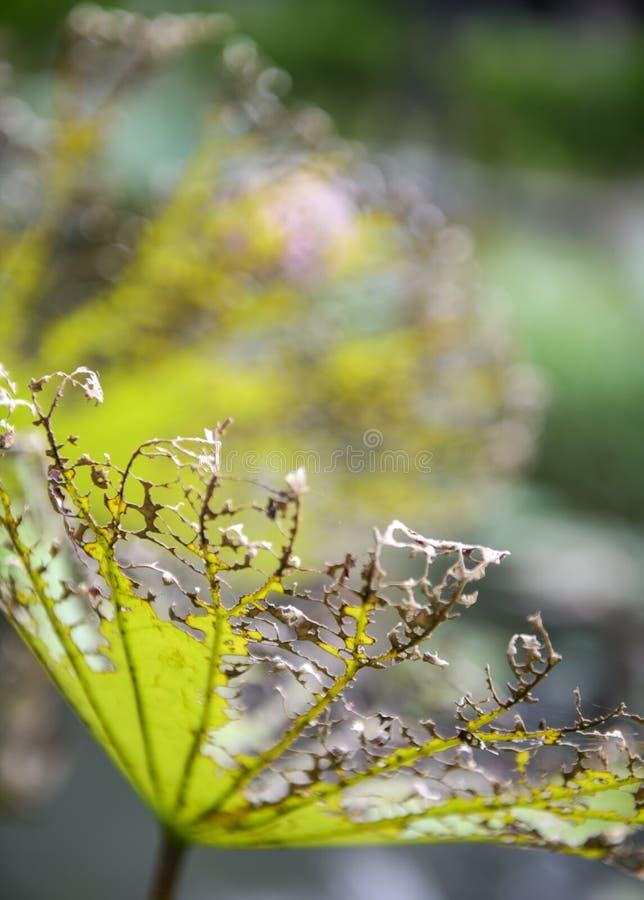
Aphids leaf eaters; soap spray or Bt controls them.
Water depth for lotus?
Start 2in over soil; up to 12in for mature plants.
References & Sources
Information in this guide is based on these trusted sources.