
Lettuce
A crisp leafy green that grows fast in cool weather. Perfect for salads and containers.

Video Tutorials
Watch these helpful videos to learn more about Lettuce care.
About Lettuce
Lettuce is one of the easiest vegetables to grow. This cool-season leafy green produces tender, flavorful leaves when harvested young. Choose loose-leaf, romaine, or butterhead varieties for fast results.
Native to the Mediterranean, lettuce thrives in mild, moist conditions between 55-65°F. It resists bolting when kept cool and is perfect for spring and fall gardening.
From seed to harvest takes just 45-70 days. Most varieties stay under 12 inches tall, making lettuce ideal for apartments, patios, and shallow containers.
Watering Schedule
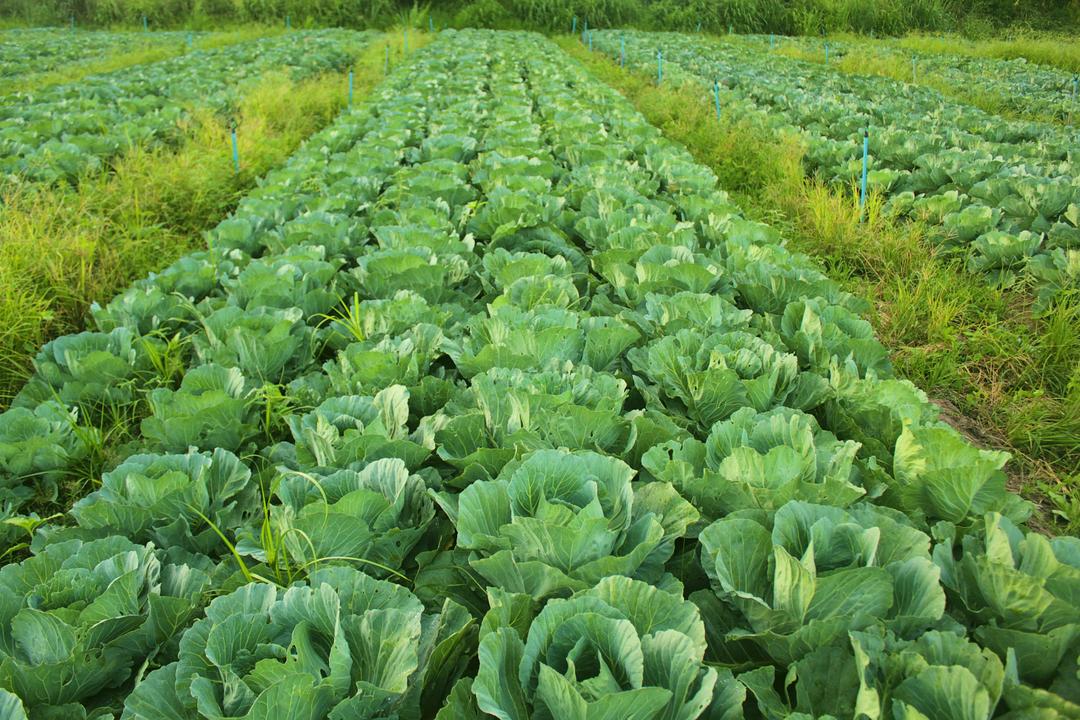
Lettuce needs consistent moisture to produce tender leaves and prevent bolting.
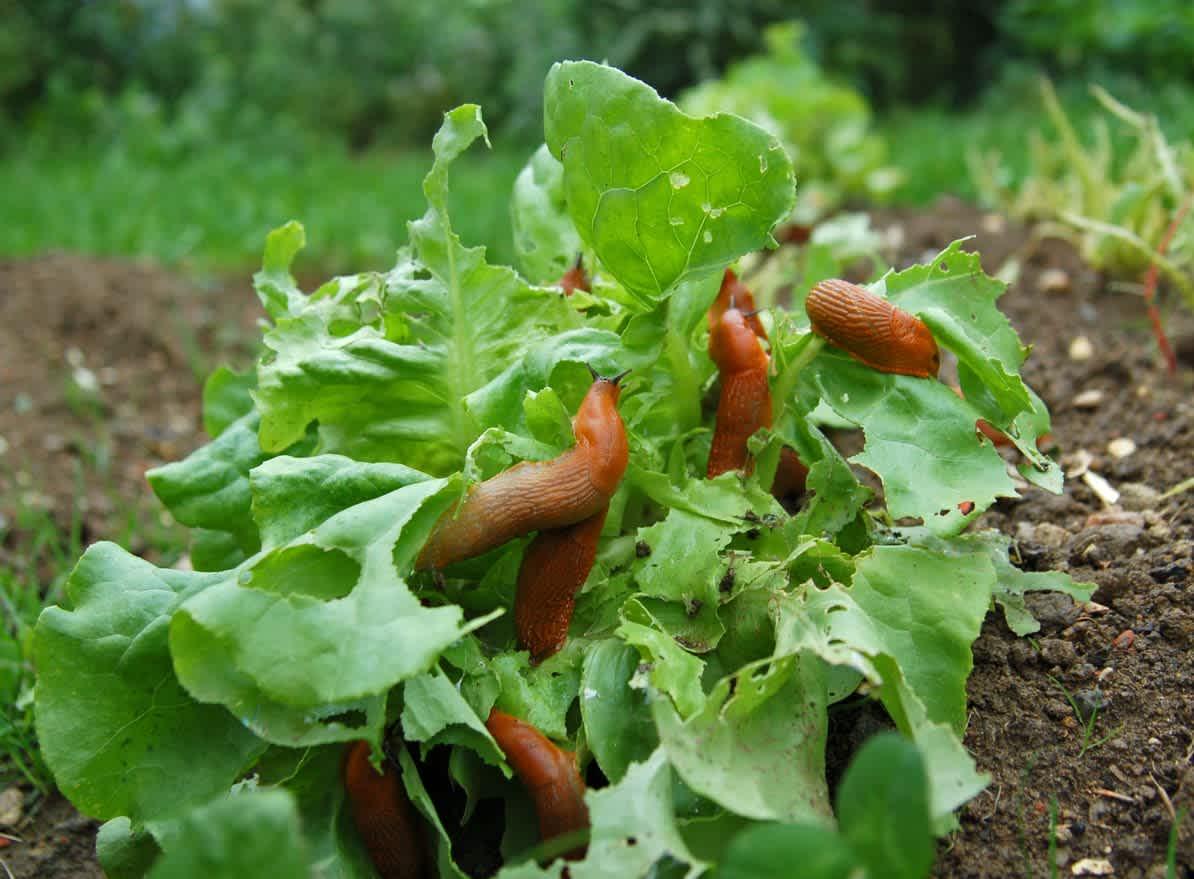
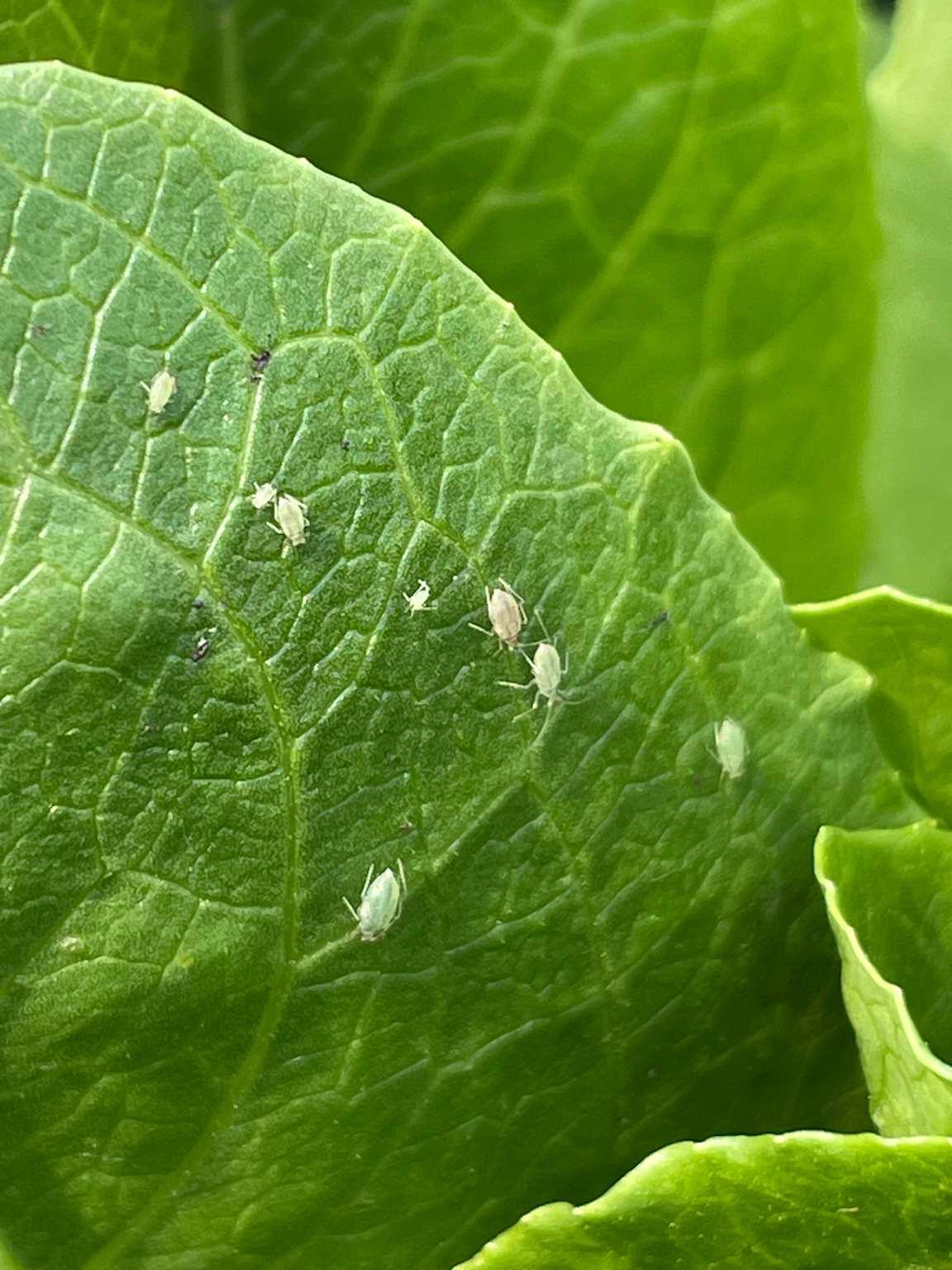
Common Problems & Solutions
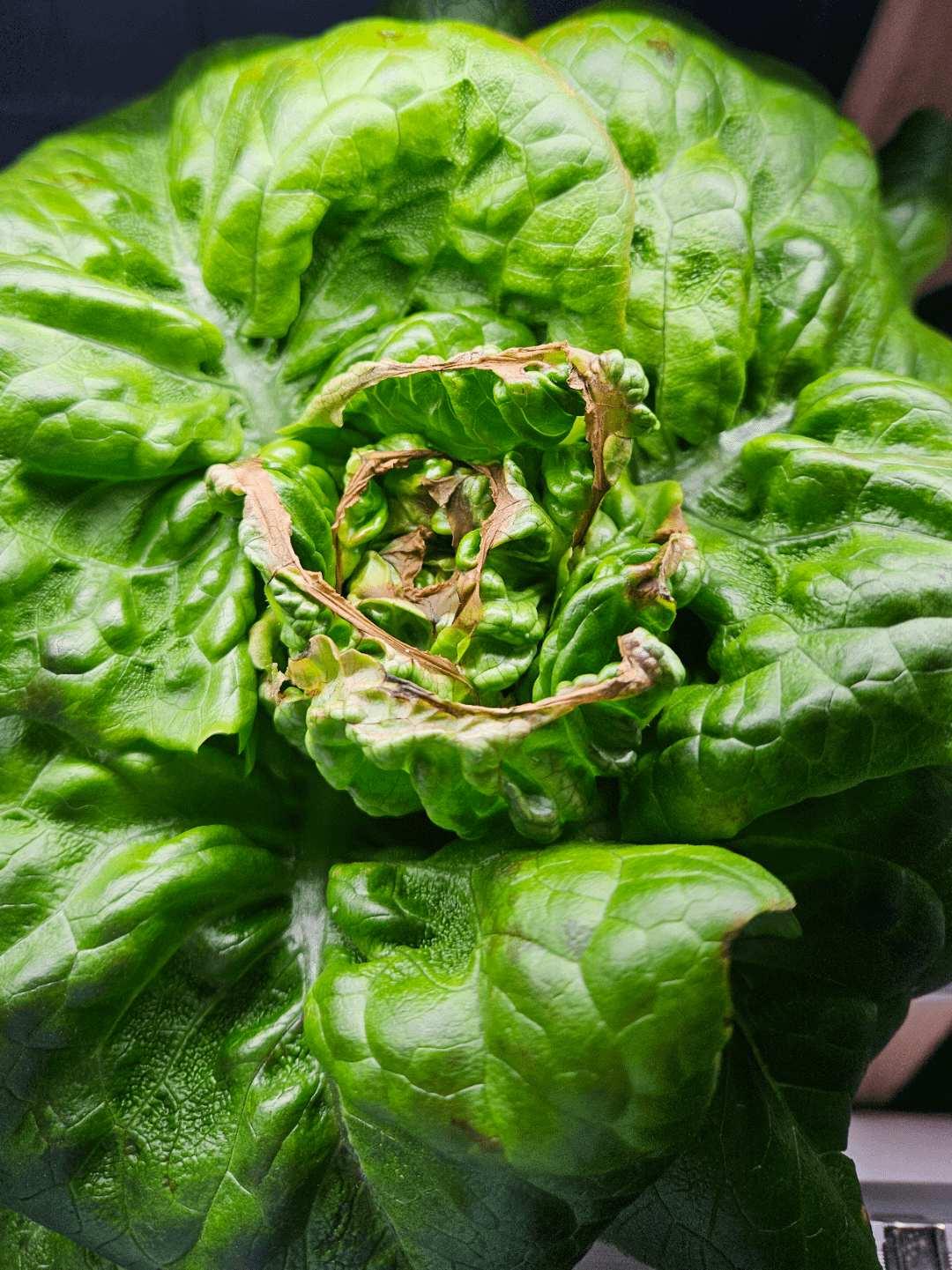
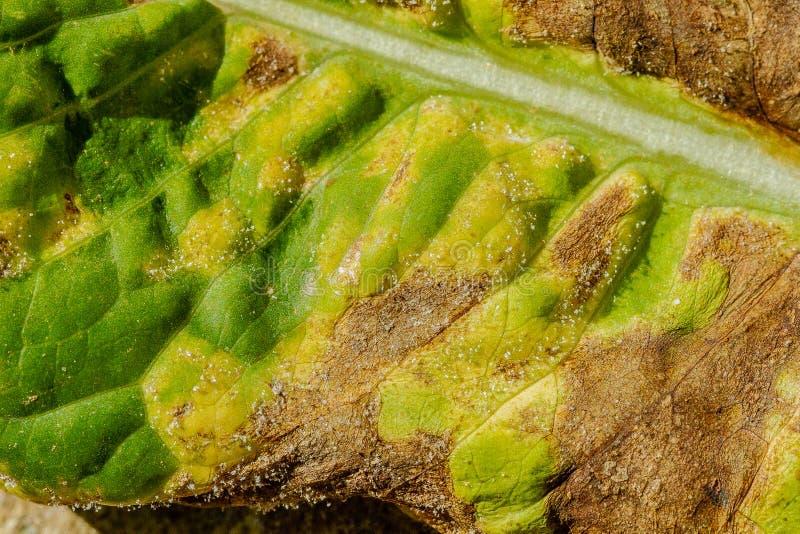
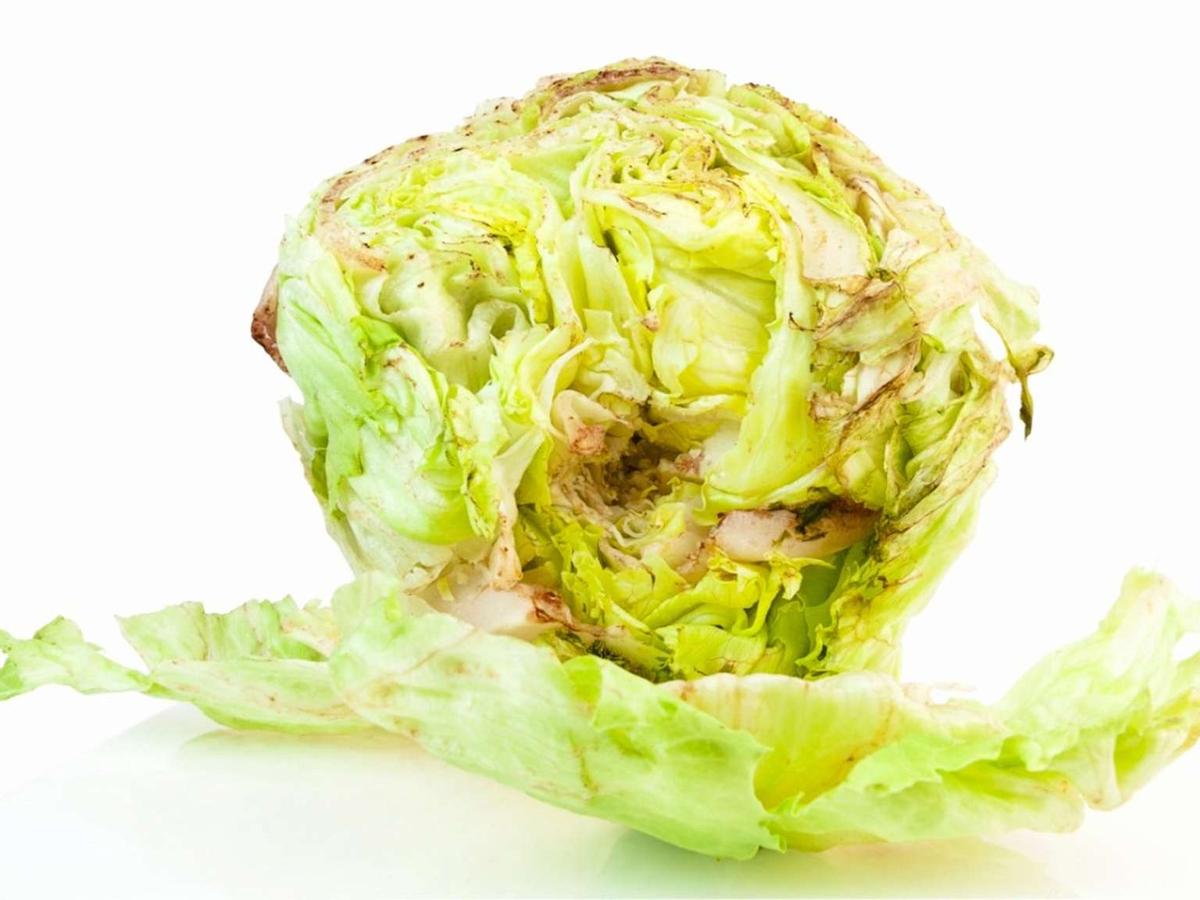
Here's how to identify and fix the most common Lettuce problems.
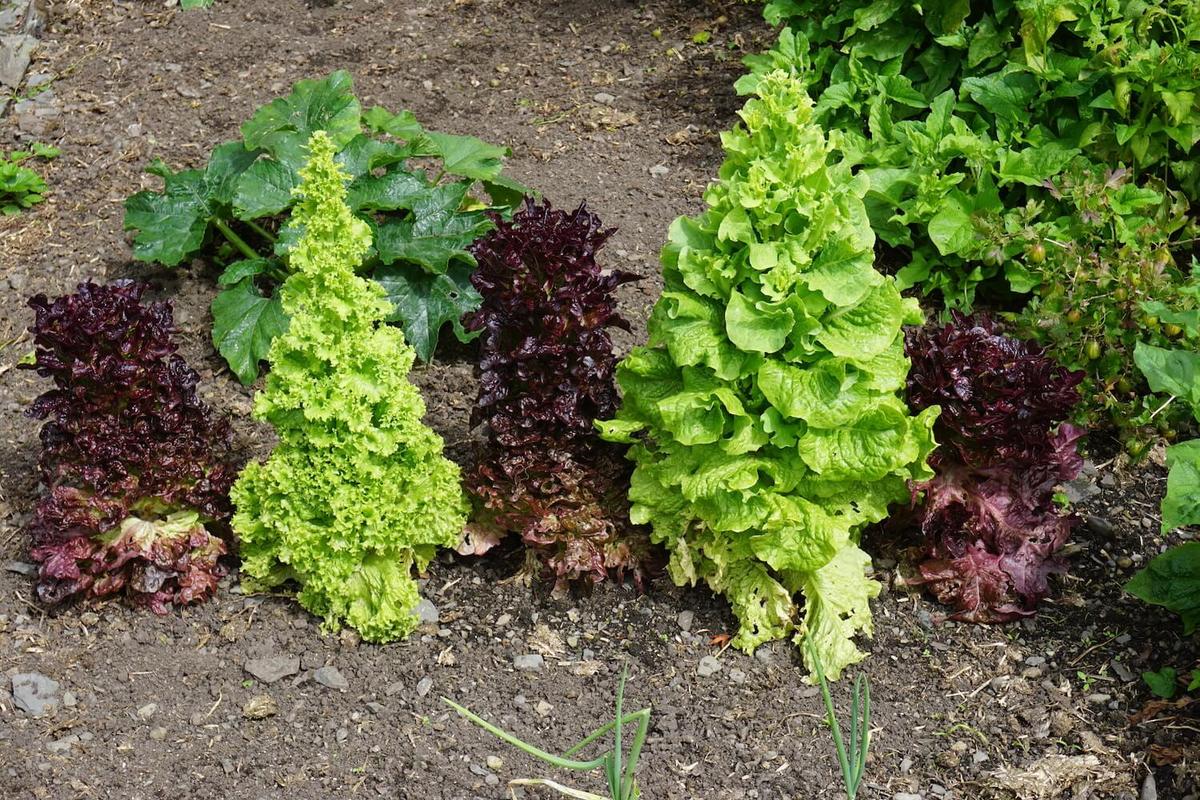
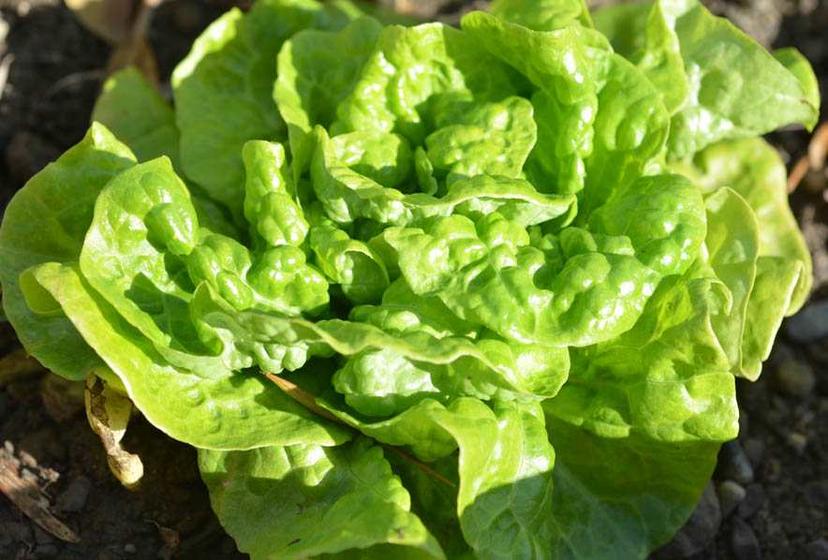
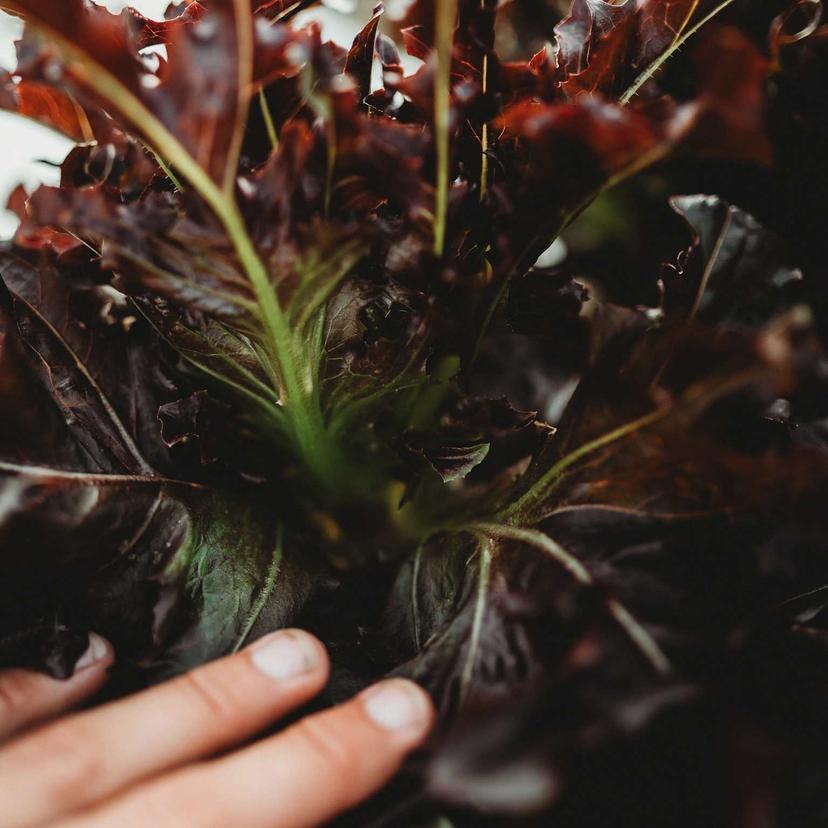
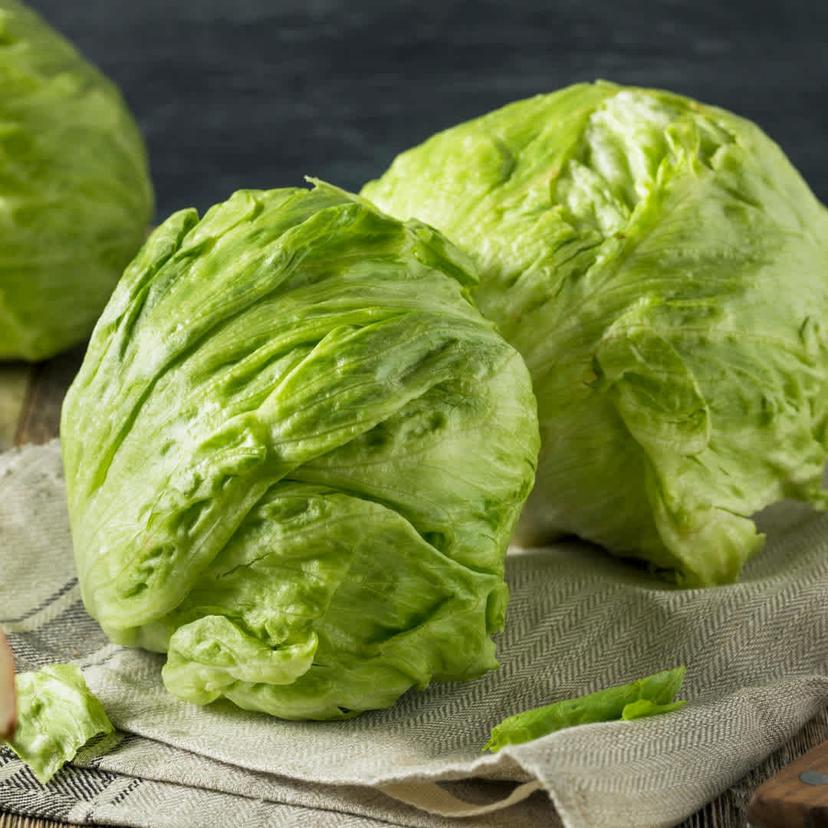
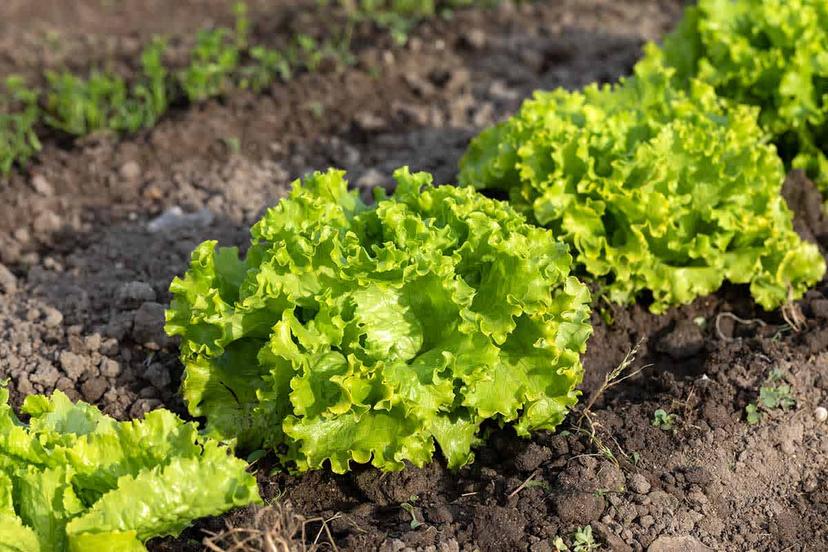
Popular Varieties
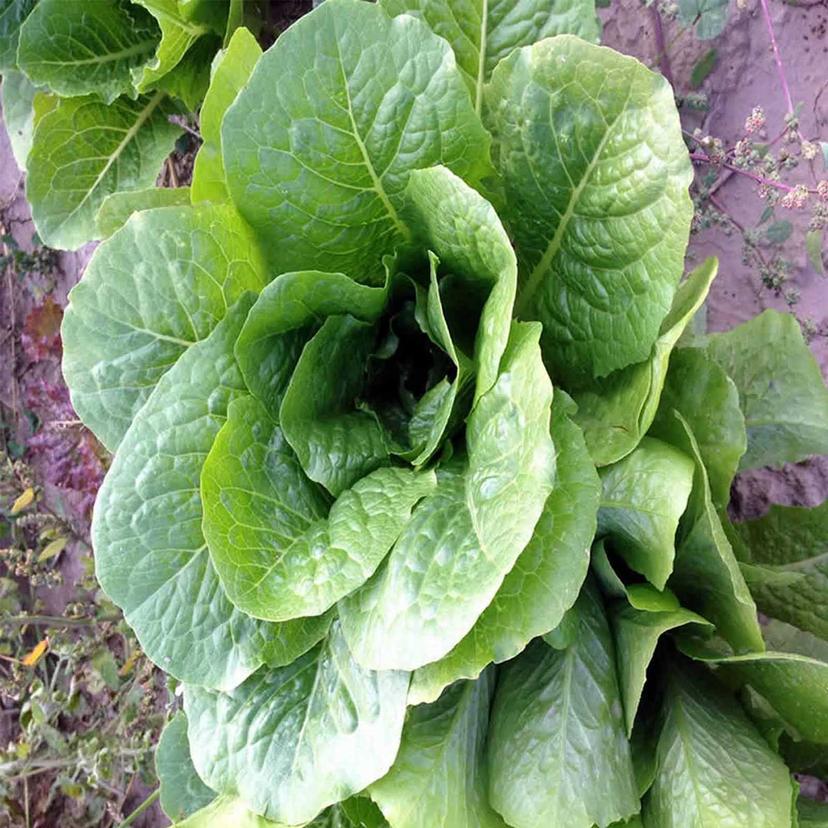
Explore different Lettuce varieties and find your perfect match.
Care Tips & Best Practices
Humidity and Air Circulation
Keep humidity 40-70% with good air flow. Space plants properly and avoid overhead watering.
Feeding and Fertilizing
Feed with balanced fertilizer every 2-3 weeks. Over-fertilizing with nitrogen promotes bolting.
Cleaning and Leaf Removal
Remove damaged leaves regularly. Pinch off flower buds immediately when they appear.
Support and Spacing
Lettuce doesn't need staking but needs proper spacing. Thin overcrowded seedlings early.
Pruning for Continuous Harvest
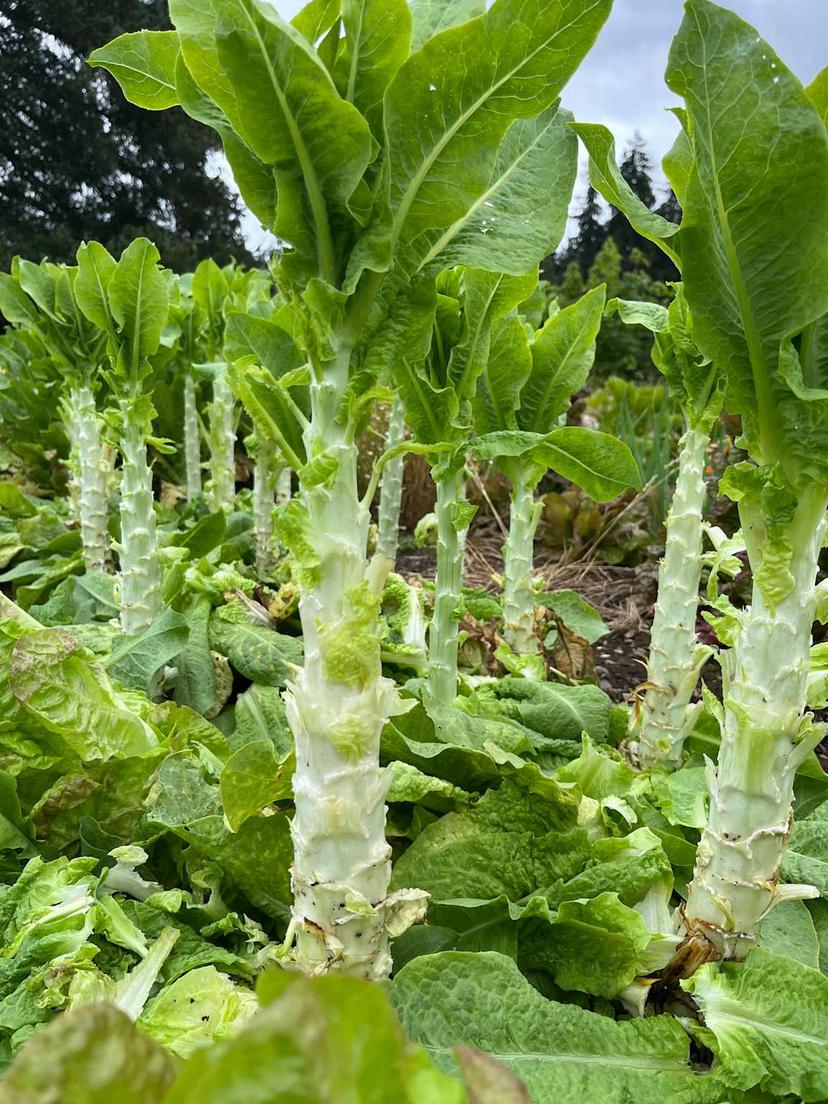
Use cut-and-come-again method. Harvest outer leaves at 3-4 inches, leaving center intact.
Crop Rotation
Don't plant lettuce in same spot two years. Rotate with tomatoes, onions, or radishes.
Care Checklist
10 Common Mistakes to Avoid
Planting too deep
Why it's bad: Seeds won't germinate - lettuce needs light.
Do this instead: Scatter on soil surface and barely press in.
Overcrowding plants
Why it's bad: Blocks air circulation, causes disease, small bitter heads.
Do this instead: Thin early to proper spacing.
Watering overhead
Why it's bad: Wet foliage triggers mildew and fungal disease.
Do this instead: Water only at base using drip irrigation.
Letting soil dry out
Why it's bad: Causes tipburn, bitter leaves, rapid bolting.
Do this instead: Water daily to keep soil evenly moist.
Growing in summer heat
Why it's bad: Temperatures above 75°F cause bolting.
Do this instead: Use shade cloth, plant heat-tolerant varieties, or skip summer.
Over-fertilizing nitrogen
Why it's bad: Triggers bolting and increases pest vulnerability.
Do this instead: Use balanced fertilizer every 2-3 weeks.
Harvesting too late
Why it's bad: Increases bolting risk and reduces flavor.
Do this instead: Harvest outer leaves at 3-4 inches.
Ignoring pest signs
Why it's bad: Pests and disease spread rapidly.
Do this instead: Scout daily, hand-pick pests, remove infected leaves.
Not rotating crops
Why it's bad: Soilborne disease builds up.
Do this instead: Rotate with tomatoes, onions, radishes.
Weak indoor seedlings
Why it's bad: Leggy plants don't transplant well.
Do this instead: Direct sow or provide strong grow lights.
Frequently Asked Questions
How long does lettuce take to grow?
Most varieties mature in 45-70 days. Leaf lettuce is faster at 45-50 days, head varieties take 60-70 days.
Can I grow lettuce indoors?
Yes, with grow lights on 12-16 hours daily at 55-65°F. Position lights 6-8 inches above plants. Hydroponics works great.
How do I harvest lettuce?
Pinch or cut outer leaves at 3-4 inches long, leaving the center intact. This keeps the plant producing for weeks.
Why does my lettuce bolt?
Most lettuce varieties will bolt when day time temperatures are higher than 75°F, long days, mature plants or any kind of stress particularly from lack of water or fertilizer. Apply preventive measures by planting heat-resistant variety using shade cloth in summer and making sure that the soil never dries out to conserve moisture within.
Is lettuce safe for pets?
Lettuce is safe for both dogs and cats. It contains low calories, hydrates the body, and provides energy. Avoid feeding or serving iceberg lettuce to your cat since it may result in diarrhea. Wash the lettuce thoroughly, chop it into small pieces, and serve plain without any dressings.
Can I regrow lettuce from store-bought?
Yes, place the base in shallow water on a sunny sill. New leaves sprout in 1-2 weeks with daily water changes.
What causes brown spots?
Downy mildew causes brown spots with white mold. Remove infected leaves, space plants apart, water at base only.
How do I prevent tipburn?
Water deeply and consistently, mulch soil, ensure air circulation, avoid excess nitrogen fertilizer.
Direct sow or start indoors?
Lettuce prefers being directly sown. It develops a stronger tap root and overall better uniform growth. If started indoors, supply strong grow lights from the first day to avoid leggy seedlings. In most cases, indoor seed starting shall prove that direct sowing is faster and produces better results.
What soil for container lettuce?
40% peat/coco coir, 30% compost, 20% perlite, 10% vermiculite. pH 6.0-6.8 and 4-6 inches deep.
References & Sources
Information in this guide is based on these trusted sources.