
Lemongrass
A vibrant tropical herb with a zesty lemon scent, perfect for Asian cuisine and easy indoor growth. Lemongrass thrives in warm, sunny spots and doubles as a natural mosquito repellent.
Video Tutorials
Watch these helpful videos to learn more about Lemongrass care.
About Lemongrass
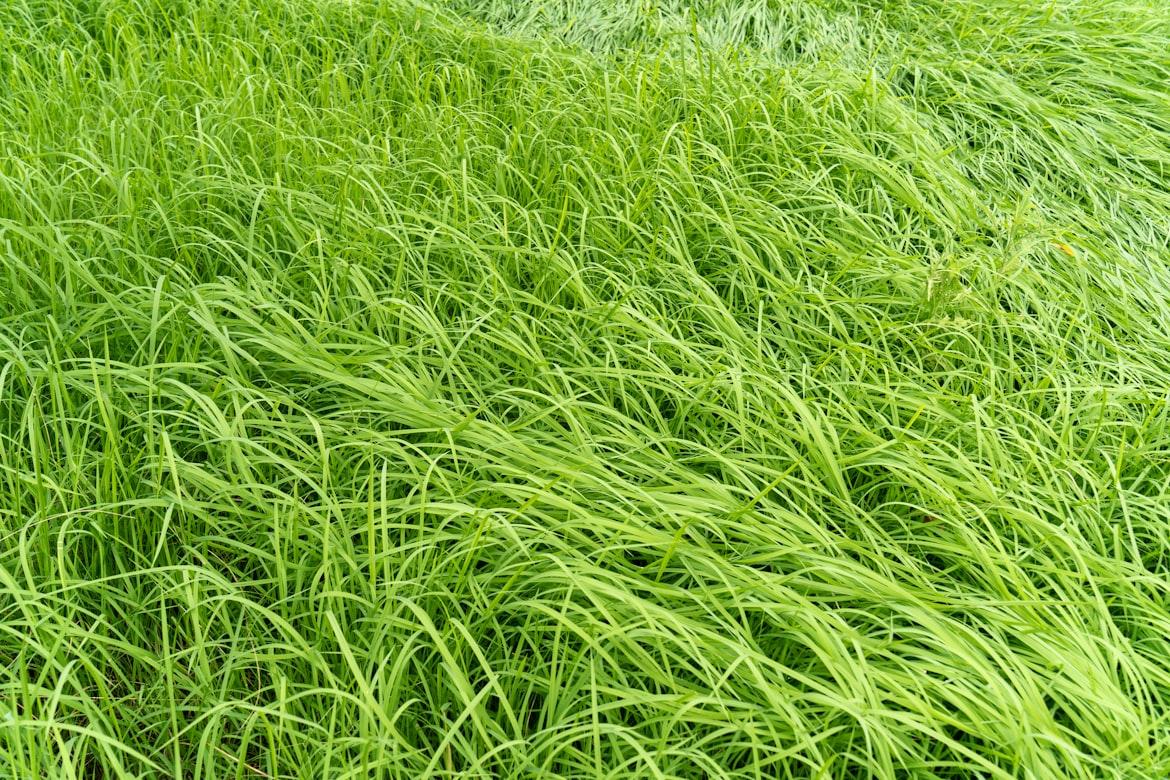
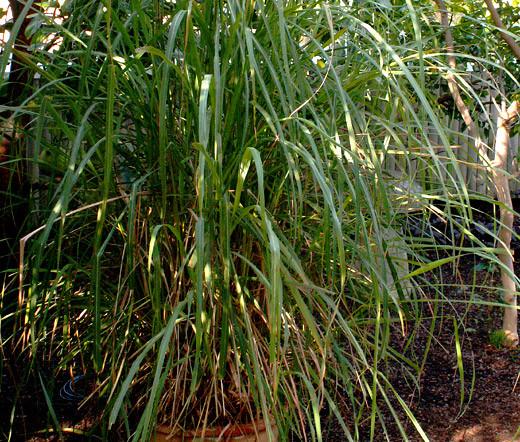
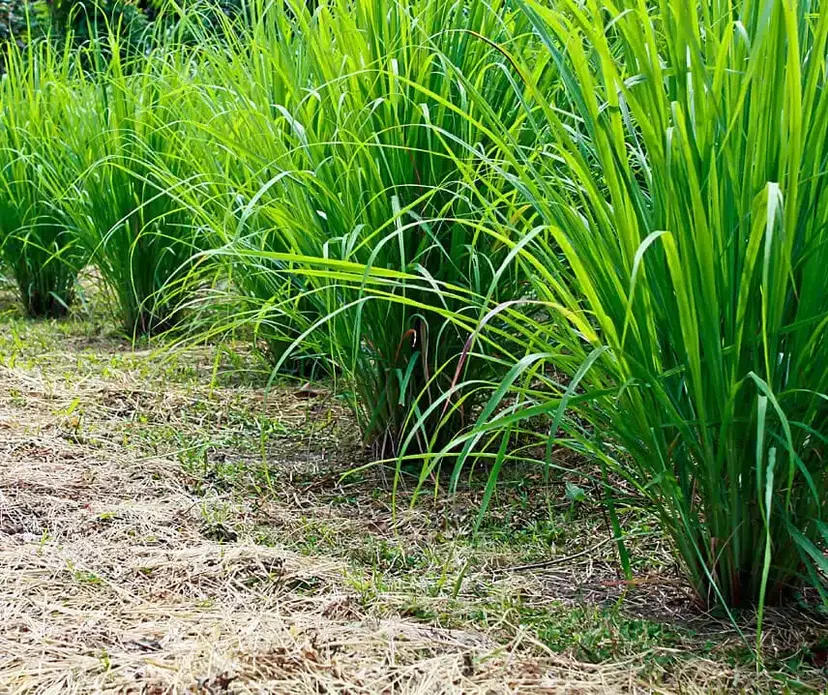
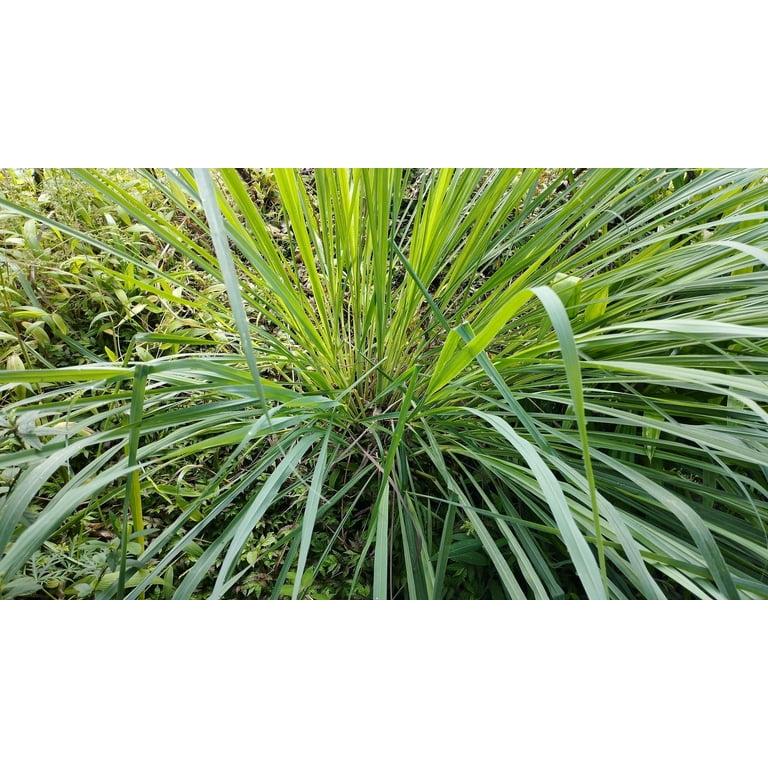
Lemongrass (Cymbopogon citratus) is a tropical perennial grass prized for its intensely fragrant, citrusy leaves. Native to South Asia and Maritime Southeast Asia, it has become a staple ingredient in Thai, Vietnamese, and Indian cuisines. The plant's tender stem bases deliver bold lemon flavor to curries, soups, teas, and stir-fries, while the essential oils are used in aromatherapy and natural skincare. Its popularity stems from both culinary excellence and remarkable ease of cultivation.
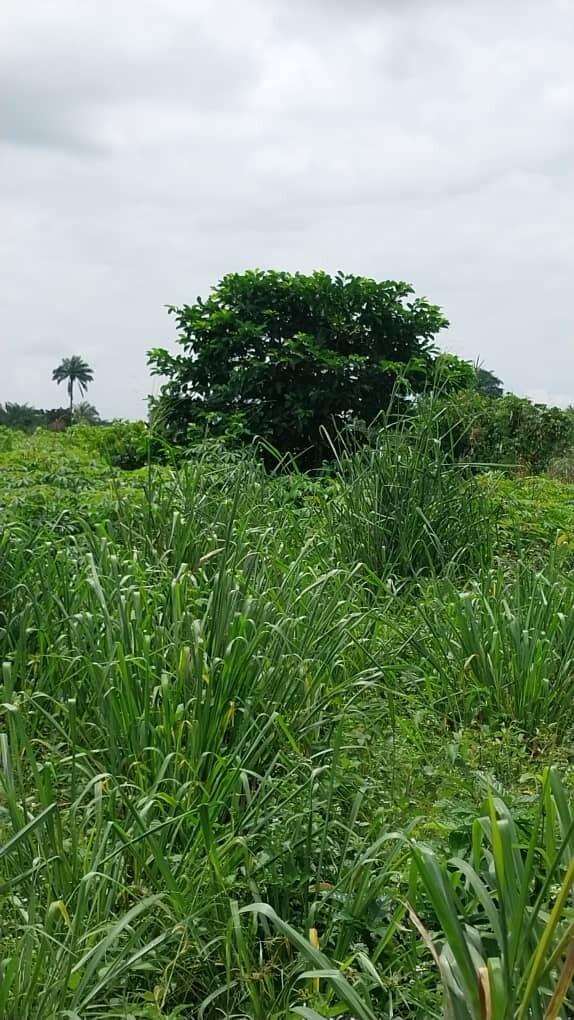
Lemongrass thrives in tropical climates with warm temperatures, high humidity, and regular rainfall. In its native habitat across India and Southeast Asia, it grows in consistently warm, moist conditions with plenty of sunshine. This growth pattern shaped the plant's requirements: it needs warmth year-round, bright light, and steady moisture to develop the aromatic compounds that make it so valuable.
As a houseplant, lemongrass adapts remarkably well to containers and indoor living. With proper light and warmth, it grows vigorously indoors year-round. Container-grown plants reach 2-4 feet tall and produce harvestable stalks within months. In cooler climates, treat it as a seasonal plant or bring it indoors during winter. The learning curve is gentle, making it ideal for beginners and experienced growers alike.
Watering Schedule
Lemongrass loves consistent moisture without waterlogging. Water when the top inch of soil feels dry, typically every 2-3 days in summer and 7-10 days in winter. Container plants need more frequent watering than ground plantings.
Common Problems & Solutions
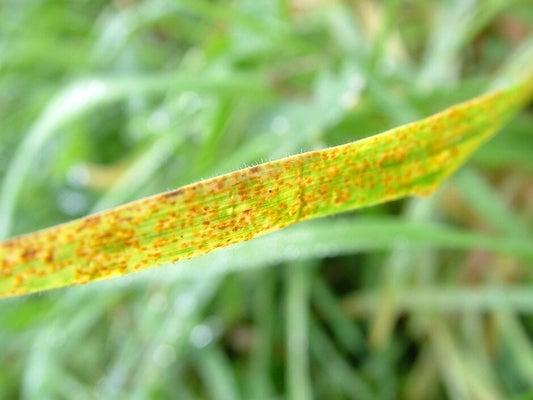
Here's how to identify and fix the most common Lemongrass problems.
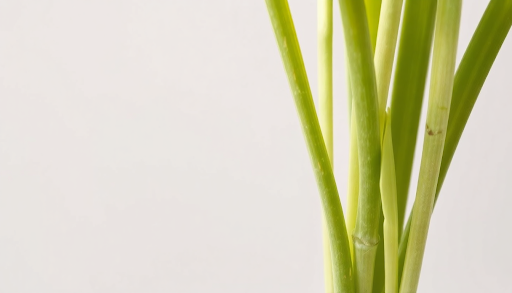
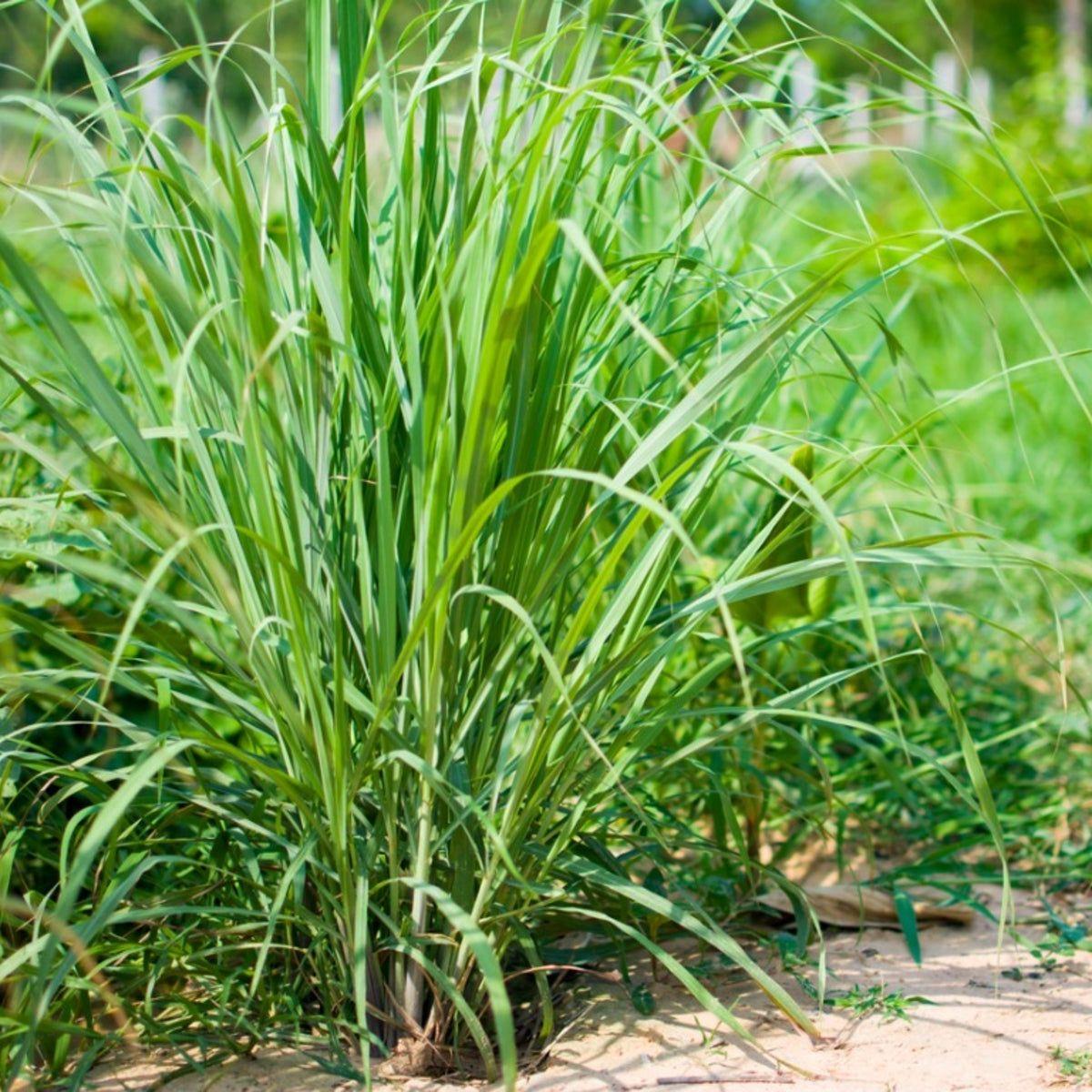
Popular Varieties
Explore different Lemongrass varieties and find your perfect match.
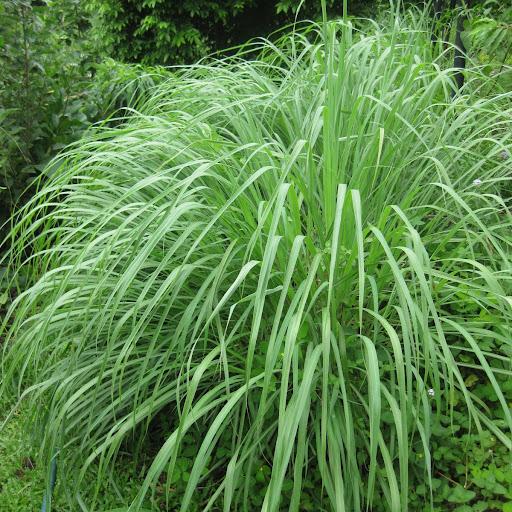
Care Tips & Best Practices
Humidity
Lemongrass loves moisture in the air. Mist leaves every 2-3 days, group plants together, or place on pebble trays filled with water to maintain 50-70% humidity. Indoor heating systems drop humidity to dangerous levels below 30%.
Feeding
Feed with balanced water-soluble fertilizer every 2 weeks from spring through fall. Use nitrogen-rich formula (higher first number) to encourage lush foliage. Reduce feeding in winter when growth slows. Slow-release granules added in spring also work well.
Cleaning
Wipe dust from leaves monthly with soft cloth and lukewarm water to improve light absorption. Remove dead or yellowed leaves as they appear. Prune away lower woody stems annually to maintain attractive shape and improve air circulation.
Support
Tall lemongrass rarely needs staking but benefits from pruning to maintain bushy shape. Cut stems back to 5-6 inches from soil in spring to encourage dense, multi-shoot growth rather than single tall culms.
Pruning
Harvest outer stalks first to promote new growth from center. Trim 2-3 times yearly to manage size and encourage bushier plants. Never cut more than one-third of plant at once. Prune in spring for best results.
Rotation
Rotate container 90 degrees every 3-4 days to ensure even light exposure on all sides. This prevents one-sided leggy growth and maintains balanced, compact shape. Essential for indoor plants near single light source.
Care Checklist
10 Common Mistakes to Avoid
Overwatering and soggy soil
Why it's bad: Roots rot quickly in waterlogged conditions, killing the plant within weeks.
Do this instead: Water only when top inch of soil feels dry; use pot with drainage holes and well-draining soil mix.
Growing in low-light locations
Why it's bad: Insufficient light causes pale, spindly stems and weak lemon flavor in harvested stalks.
Do this instead: Position in brightest south-facing window (6-8 hours direct sun minimum) or add LED grow lights.
Keeping plant indoors year-round in cold climate
Why it's bad: Low winter light levels and cold temperatures below 50°F stop growth and cause decline.
Do this instead: Move outdoors to full sun in summer, then bring inside only for winter protection in temperate zones.
Never repotting or refreshing soil
Why it's bad: Soil depletes of nutrients after 12-18 months, causing stunted growth and pale foliage.
Do this instead: Repot into fresh potting mix with added compost every 12-18 months in spring.
Ignoring humidity needs
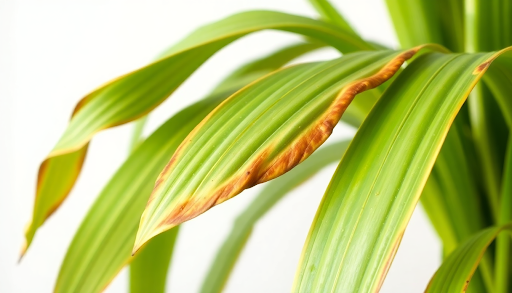
Why it's bad: Dry indoor air causes spider mites, brown leaf tips, and stressed plants.
Do this instead: Mist foliage every 2-3 days, place on pebble trays, or run humidifier to maintain 50-70% humidity.
Harvesting entire plant at once
Why it's bad: Cutting more than one-third severely stresses plant and stops production for months.
Do this instead: Harvest only outer stalks weekly, leaving center shoots to continue growing.
Not fertilizing during growing season
Why it's bad: Lemongrass is heavy feeder; lack of nutrients causes yellowing leaves and weak growth.
Do this instead: Feed every 2 weeks spring through fall with balanced water-soluble fertilizer.
Planting in poor soil without compost
Why it's bad: Lemongrass struggles in compacted or nutrient-poor soil with limited drainage.
Do this instead: Mix in 2-4 inches compost before planting; use rich, well-draining potting soil for containers.
Ignoring early disease symptoms
Why it's bad: Rust and fungal issues spread rapidly in humid conditions, damaging entire plant within weeks.
Do this instead: Inspect leaves weekly; remove spotted leaves immediately and improve air circulation with fan.
Leaving plant outdoors in freezing temperatures
Why it's bad: Lemongrass cannot tolerate frost; temperatures below 45°F cause irreversible damage.
Do this instead: Bring containers indoors before first frost in fall (usually September-October in temperate zones).
Frequently Asked Questions
Can I grow lemongrass from seed?
Yes, but it's slow and rarely done by home gardeners. Seeds take 2-3 weeks to germinate at 68-77°F. Propagating from grocery store stalks or nursery plants is 5x faster. Seeds are viable only in East Indian varieties.
How long until I can harvest lemongrass?
Store-bought stalks rooted in water are harvestable in 8-12 weeks once transplanted. Stalks must be 1/2-inch thick and 12 inches tall minimum. Full-size clumps take 4-6 months from young starter plants.
Why does my lemongrass keep turning yellow?
Yellow leaves signal underwatering, low light, or nitrogen deficiency. Check soil moisture first, move closer to bright window, and feed with fertilizer every 2 weeks. Improvement takes 3-4 weeks.
Is lemongrass toxic to cats and dogs?
Yes, lemongrass is toxic to both cats and dogs. Fresh plant ingestion causes vomiting, diarrhea, and stomach upset. Essential oils are far more dangerous. Keep plants away from pets or use hanging placements.
Can lemongrass survive freezing temperatures?
No. Temperatures below 45°F damage the plant; frost kills it outright. In climates with winter freezes, grow in containers and move indoors before first frost date.
How often should I water lemongrass?
Water when top inch of soil is dry, typically every 2-3 days in summer and 7-10 days in winter. Container plants need more frequent watering than garden soil. Adjust based on humidity and temperature.
What's the difference between West Indian and East Indian lemongrass?
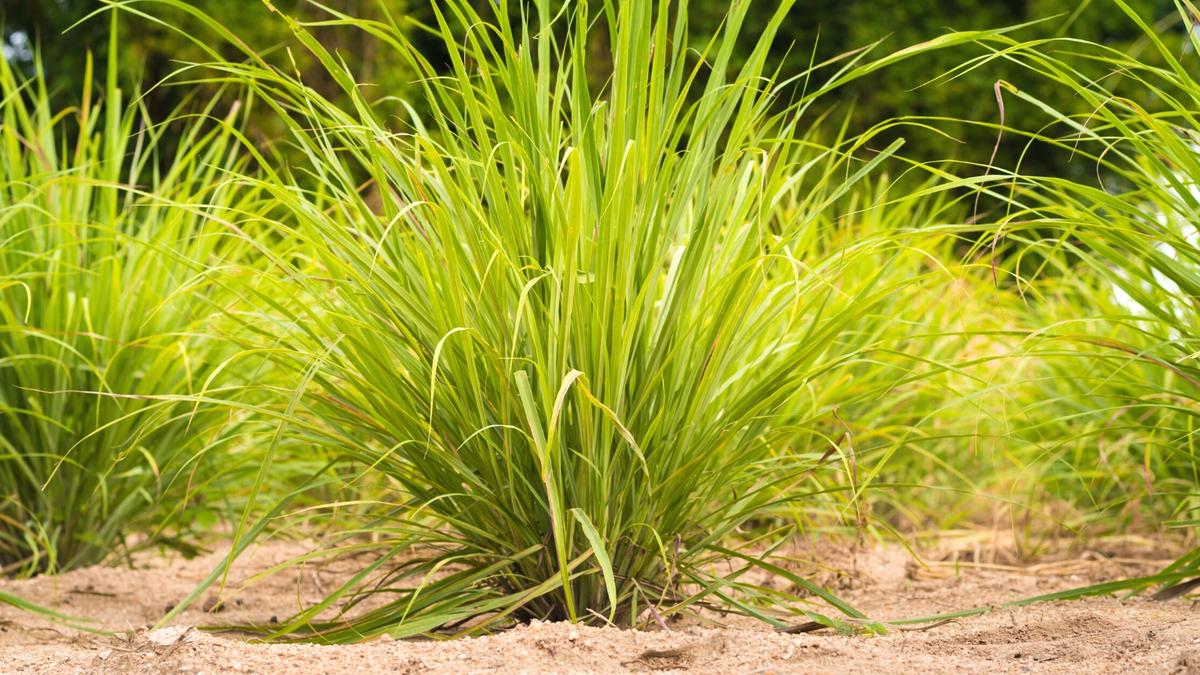
West Indian (Cymbopogon citratus) has thicker pale stems and is most common for cooking. East Indian (Cymbopogon flexuosus) grows taller to 5 feet with purple-tinted stems and stronger raw aroma.
How do I propagate lemongrass from existing plants?
Divide mature clumps by unpotting, rinsing soil, and splitting into sections with 3-4 shoots and attached roots. Replant divisions in moist soil. Alternatively, separate outer stalks with roots intact.
Why is my lemongrass pale and weak?
Insufficient light (less than 6 hours direct sun) or nitrogen deficiency causes pale growth. Move to brightest location and feed weekly with balanced fertilizer until color returns.
Can lemongrass grow indoors year-round?
Yes, but productivity drops significantly in winter due to low light levels. Growth essentially stops below 50°F. Outdoor summer growth followed by winter dormancy indoors works better than permanent indoor cultivation.
References & Sources
Information in this guide is based on these trusted sources.