Plantlyze
HomeHow It WorksIntegrationsPricingContact
Get Started
All Plants
Indoor-Friendly Citrus

Lemon

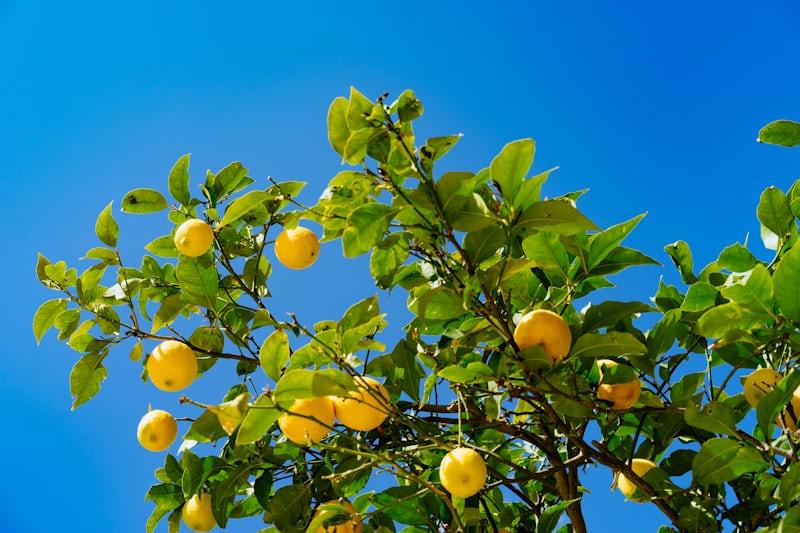
A vibrant citrus that thrives indoors with bright light, rewarding you with fragrant blooms and golden lemons.
5 min read
Lemon - Citrus limon
Light
Full Sun (8-12 hours daily)
Water
Weekly, when top 2 inches of soil dry
Temperature
65-85°F
Humidity
50-60%
Difficulty
Moderate
Pet Safe
Toxic to cats and dogs

Video Tutorials

Watch these helpful videos to learn more about Lemon care.

How to Grow Lemon Trees Inside

7 Lemon Tree Problems and Solutions

About Lemon

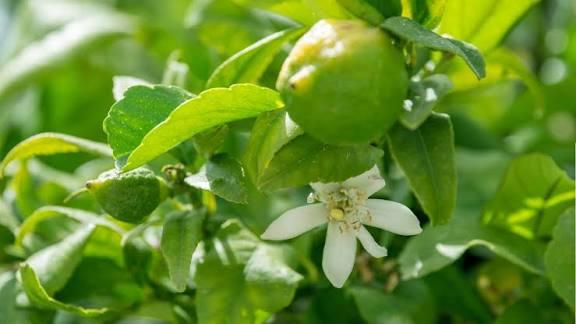
Lemon trees are beloved citrus that deliver fragrant white blossoms and bright yellow fruit indoors. Whether you choose sweet Meyer or tart Eureka, they combine ornamental beauty with kitchen harvests.

Lemon trees originated in Southeast Asia in warm, Mediterranean climates preferring bright sunlight and moderate humidity.

Indoors, lemon trees adapt well with adequate light and warmth. Grafted varieties produce fruit in 1-3 years and live 15-20 years.
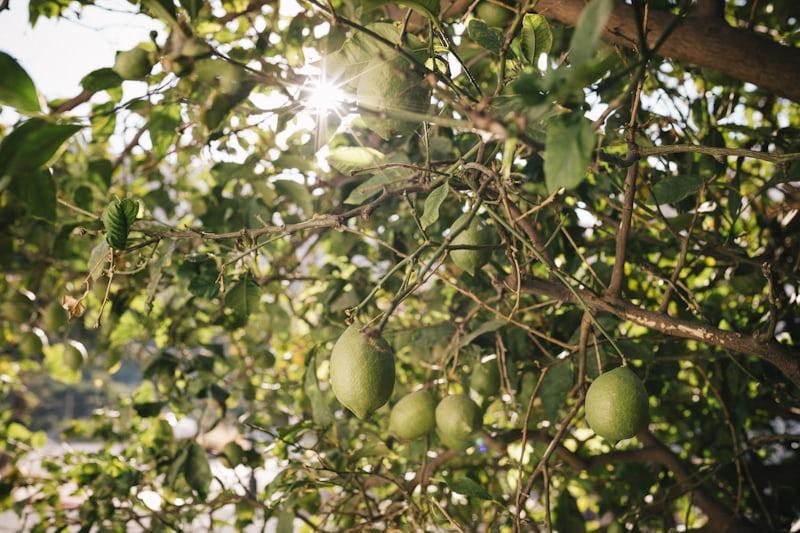
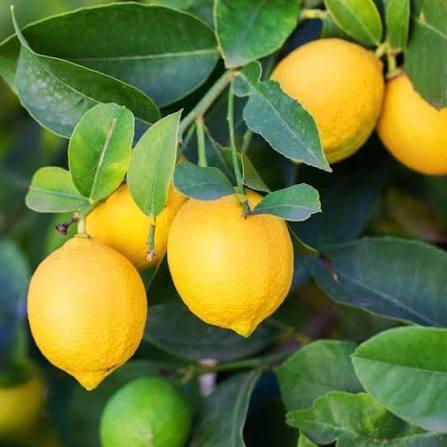
Lemon close-up

Watering Schedule

Water when the top 2 inches of soil feel dry, typically weekly. Adjust frequency by season since overwatering causes root rot.

Check soil 1 inch deep before watering to prevent overwatering
Water until it drains from the bottom, ensuring thorough hydration
Water twice weekly in summer heat; every 10-14 days in winter
Use room-temperature rainwater when possible, avoiding chlorine
Terracotta pots dry faster than plastic, helping prevent rot
Never let soil completely dry out between waterings
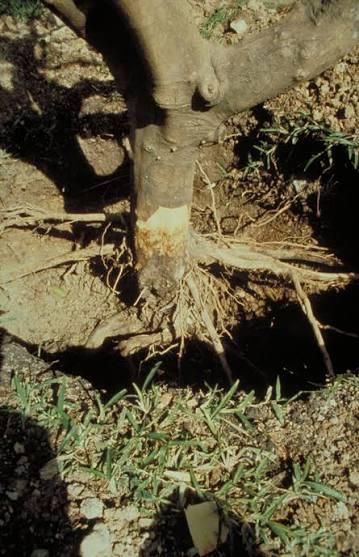
Root Rot from Overwatering
Overwatering is the #1 killer of lemon trees. Waterlogged soil suffocates roots and promotes fungal decay. If you suspect root rot, let soil dry significantly, repot into fresh soil, and trim blackened roots.

Common Problems & Solutions

Here's how to identify and fix the most common Lemon problems.
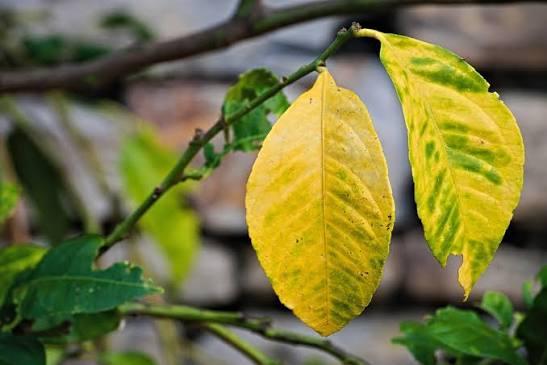
Yellow Leaves

Yellow Leaves

Cause: Overwatering, nutrient deficiency, or inadequate light.

Solution: Check soil moisture. If soggy, reduce watering and repot. Fertilize with balanced citrus formula. Increase light and add iron supplements for chlorosis.

Flower Drop Without Fruit

Flower Drop Without Fruit

Cause: Inconsistent watering, temperature stress, poor pollination, or oversized pots.

Solution: Maintain consistent moisture and cool winter temperatures (55-60°F nights). Hand-pollinate flowers with brush. Use appropriately-sized pots.

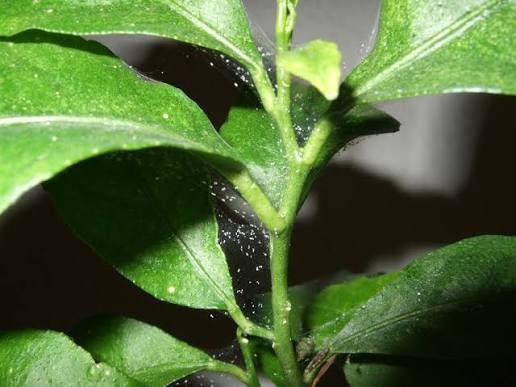
Spider Mites

Spider Mites

Cause: Warm, dry indoor air. Tiny pests create fine webbing and stippled yellowing.

Solution: Increase humidity to 50-60%. Spray with water or horticultural soap every 10-14 days for 4-6 weeks.

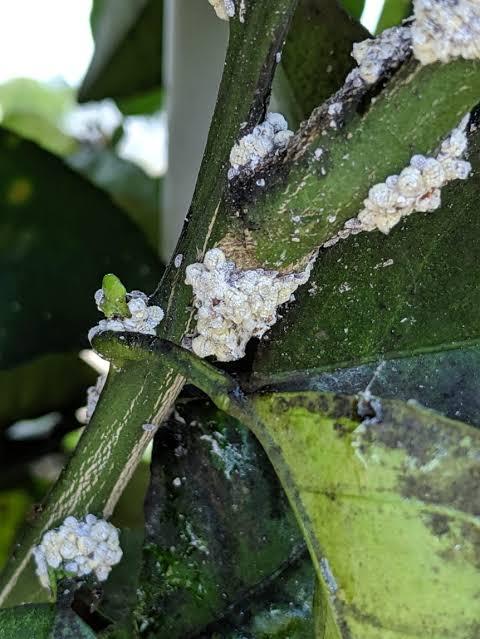
Scale or Mealybugs

Scale or Mealybugs

Cause: Small bumps or white cottony clusters on stems sucking sap.

Solution: Spray with insecticidal soap or neem oil every 7-10 days for 3-4 weeks.

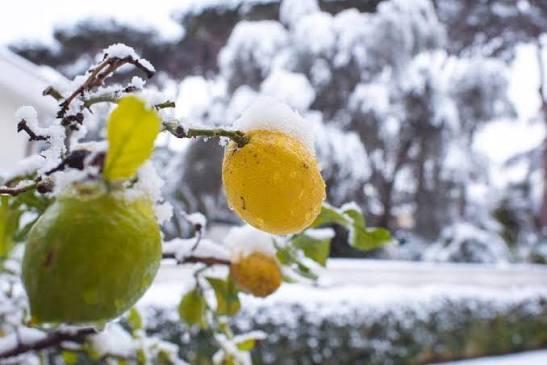
Winter Leaf Drop

Winter Leaf Drop

Cause: Moving from outdoor to indoor conditions causes dramatic light and humidity changes.

Solution: Acclimate gradually by placing in shade 1-2 weeks before moving indoors. Maintain 50-60% humidity and stable temperatures.

Root Rot

Root Rot

Cause: Consistently wet soil, poor drainage, or old compacted potting mix.

Solution: Repot into fresh, well-draining soil and trim blackened roots. Reduce watering significantly.

Popular Varieties

Explore different Lemon varieties and find your perfect match.
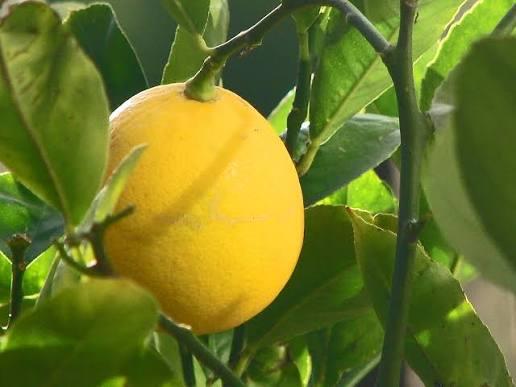
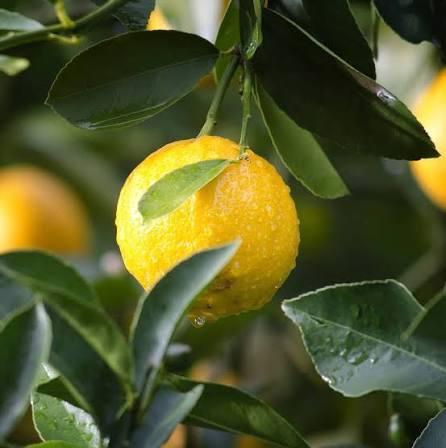
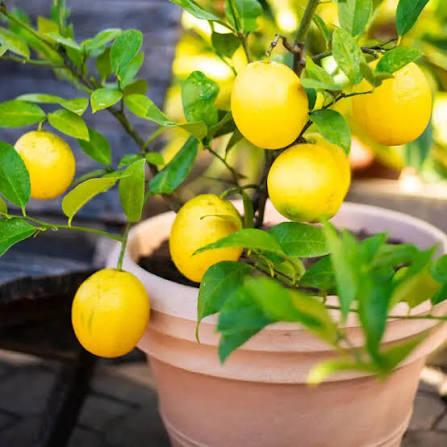
Meyer Lemon
Most cold-tolerant; produces fruit in 1-2 years; compact, ideal for containers

Meyer Lemon

""

Sweet, thin-skinned lemons perfect for cooking. Most popular indoor variety with compact growth.

Difficulty: Price: $69-$230
Eureka Lemon
Larger fruit; year-round bearing; excellent for cooking and juice

Eureka Lemon

""

Classic grocery-store lemon with thick skin and high acidity. Vigorous grower.

Difficulty: Price: $119-$230
Lisbon Lemon
Productive bearing; slightly fewer seeds; excellent for juice

Lisbon Lemon

""

Similar to Eureka with slightly fewer seeds. Vigorous, productive grower.

Difficulty: Price: $119-$230
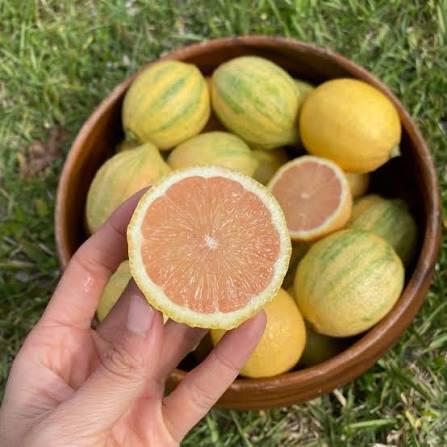
Variegated Pink Lemon
Beautiful variegated leaves; unique pink juice; produces in 1-2 years

Variegated Pink Lemon

""

Stunning variegated foliage with pink-fleshed lemons. Ornamental and functional.

Difficulty: Price: $60-$160
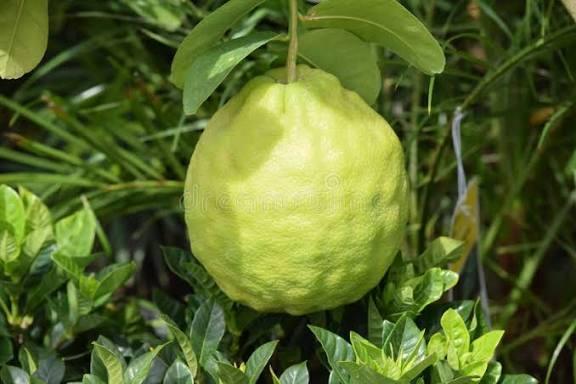
Ponderosa Lemon
Extra-large fruit; year-round flowers; compact on dwarf rootstock

Ponderosa Lemon

""

Novelty variety producing enormous bumpy lemons (6-8 inches). Year-round flowering.

Difficulty: Price: $35-$130
Dwarf Varieties
Smaller size perfect for containers; fruit earlier; root-bound less frequently

Dwarf Varieties

""

Any lemon grafted on dwarf rootstock stays compact (3-5 feet). Produces full-sized fruit.

Difficulty: Price: $50-$120

Care Tips & Best Practices

Humidity Management

Use a room humidifier for 50-60% humidity or create a humidity tray with pebbles and water.

Regular Feeding

Fertilize every 4-6 weeks spring through summer with balanced citrus formula (6-6-6). Stop in winter.

Leaf Cleaning

Wipe leaves monthly with damp cloth to remove dust and boost photosynthesis.

Hand Pollination

Use soft brush to transfer pollen between flowers daily during blooming season.

Pruning for Productivity

Prune lightly in early spring to remove dead branches and open canopy for light.

Seasonal Transitions

Acclimate trees gradually when moving indoors-outdoors over 2-3 weeks to prevent leaf drop.

Care Checklist

0 / 10 completed

Frequently Asked Questions

Why is my lemon tree flowering but not producing fruit?

Lack of hand-pollination indoors, inconsistent watering, overly warm temperatures, or inadequate light (need 8-12 hours direct sun). Hand-pollinate flowers with soft brush daily. Ensure temperatures drop to 55-60°F at night in winter.

How often should I water my indoor lemon tree?

Water when top 2 inches of soil are dry, typically weekly in spring-summer, every 10-14 days in winter. Always check soil moisture before watering.

Can I grow a lemon tree from seed?

Yes, but seeds take 5-10+ years to produce fruit and may not produce true fruit. Buy a grafted tree for fruit in 1-3 years.

What's the difference between Meyer, Eureka, and Lisbon lemons?

Meyer is smaller, sweet, thin-skinned, and best for indoors with cold tolerance. Eureka and Lisbon are similar commercial varieties with thicker skin, higher acidity, and larger fruit. Meyer is ideal for homes.

Do lemon trees need a dormancy period in winter?

Yes. Cool winter conditions (55-65°F) and reduced light trigger flowering. Keeping trees too warm prevents flowering.

Why are my lemon tree leaves turning yellow?

Overwatering (most common), nutrient deficiency, inadequate light, or pest damage. Check soil first. If soggy, reduce watering and repot. Fertilize with balanced citrus formula.

Are lemon trees toxic to pets?

Yes, toxic to cats, dogs, and horses. All parts contain oils causing vomiting and weakness. Keep out of pet reach. Contact veterinarian if pet ingests any part.

How long does it take to grow a lemon from a flower?

After pollination, fruit takes 6-9 months to develop to ripe yellow lemon. Expect flowers in spring, ripe fruit by fall or winter.

What's the best way to increase humidity?

Use a room humidifier for 50-60% humidity. Create humidity tray with pebbles and water. Group plants together. Misting lasts only an hour.

When and how should I prune my lemon tree?

Prune lightly in early spring (January-March) before new growth. Remove dead or diseased branches, thin crossing limbs. Open canopy center for light. Never prune during flowering or fruiting.

References & Sources

Information in this guide is based on these trusted sources.

1
Growing Citrus Indoors
University of Minnesota Extension
2
Indoor Citrus
Wisconsin Horticulture - University of Wisconsin Extension
3
Lemon Growing in the Florida Home Landscape
University of Florida IFAS Extension
4
Citrus as a Houseplant
New York Botanical Garden
5
Meyer Lemon Indoor Growing Guide
Grow Organic

Plant Details

Botanical Name
Citrus limon
Common Names
Lemon, Sour Lemon, Yellow Lemon
Family
Rutaceae (Citrus Family)
Native Region
Southeast Asia; cultivated throughout Mediterranean and subtropical zones
Growth Habit
Evergreen woody shrub with thorny branches and dense foliage
Max Height Indoors
Indoor: 4-10 feet; Outdoor: 15-25 feet
Growth Rate
Moderate - 12-24 inches per year
Toxicity
Toxic to cats, dogs, horses. Contains oils and psoralens causing GI upset.
Ready to Transform Your Plant Care?
Start using Plantlyze today — and let AI help you grow healthier, happier plants.
Get Started
See How It Works
Plantlyze
AI-powered plant care solutions to identify, diagnose, and nurture your plants — all in one place.
© Copyright 2025 Plantlyze. All Rights Reserved.
PLANTLYZE