
Lavender
Aromatic Mediterranean herb treasured for its fragrant purple-blue blooms and calming properties.
Video Tutorials
Watch these helpful videos to learn more about Lavender care.
About Lavender
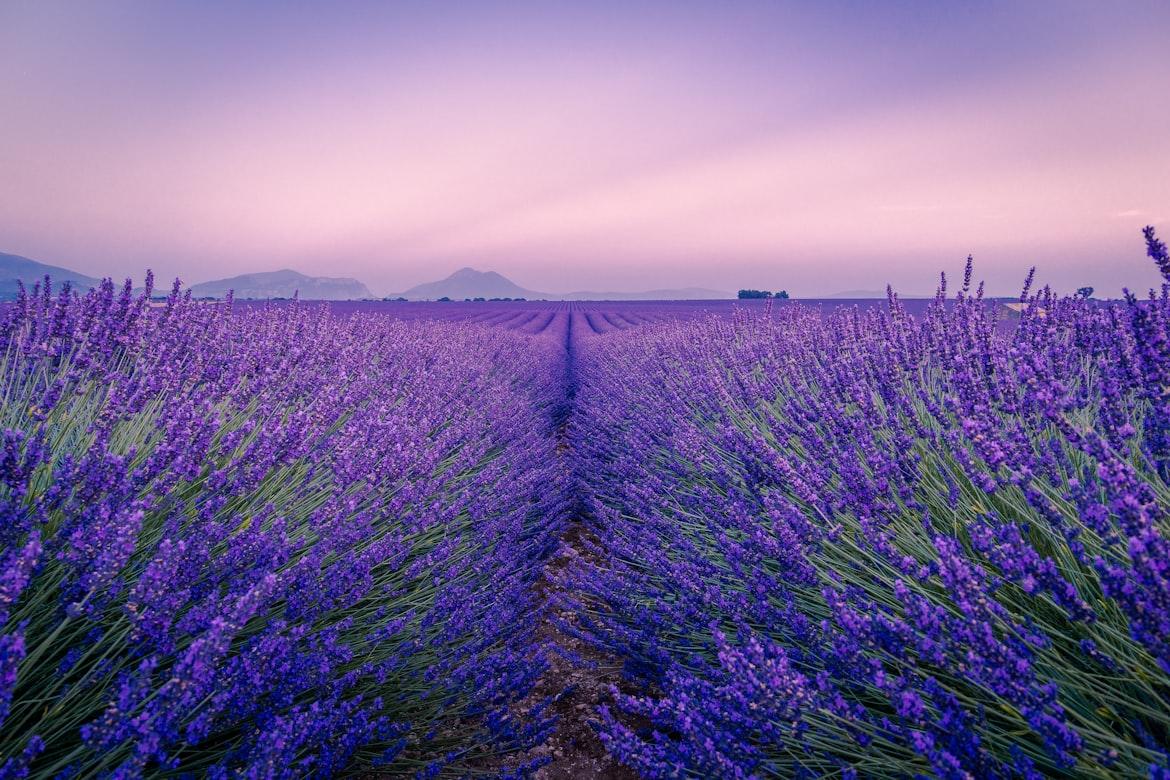
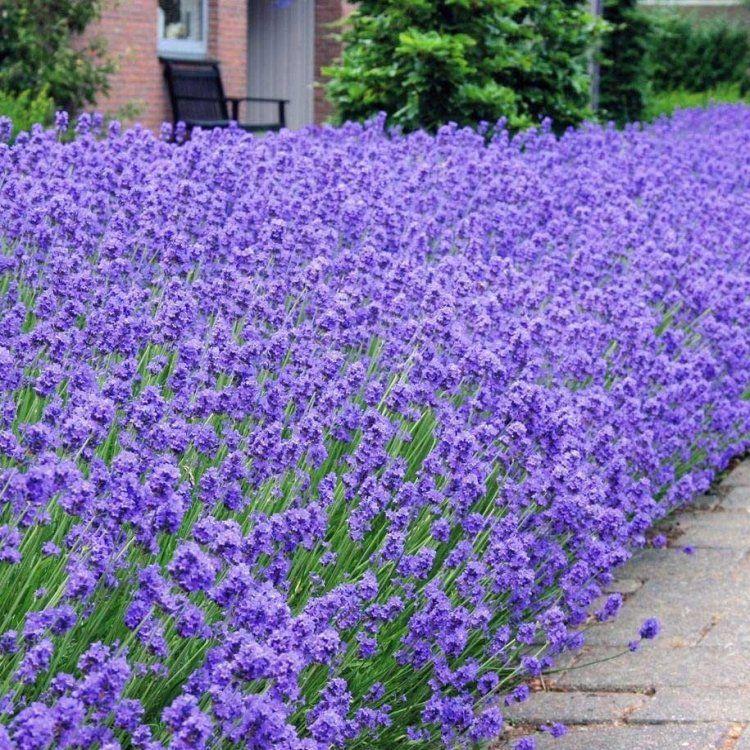
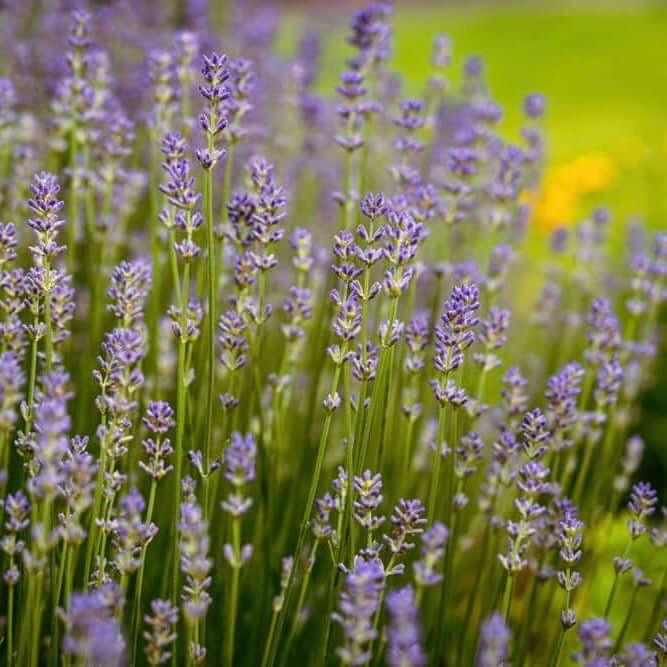
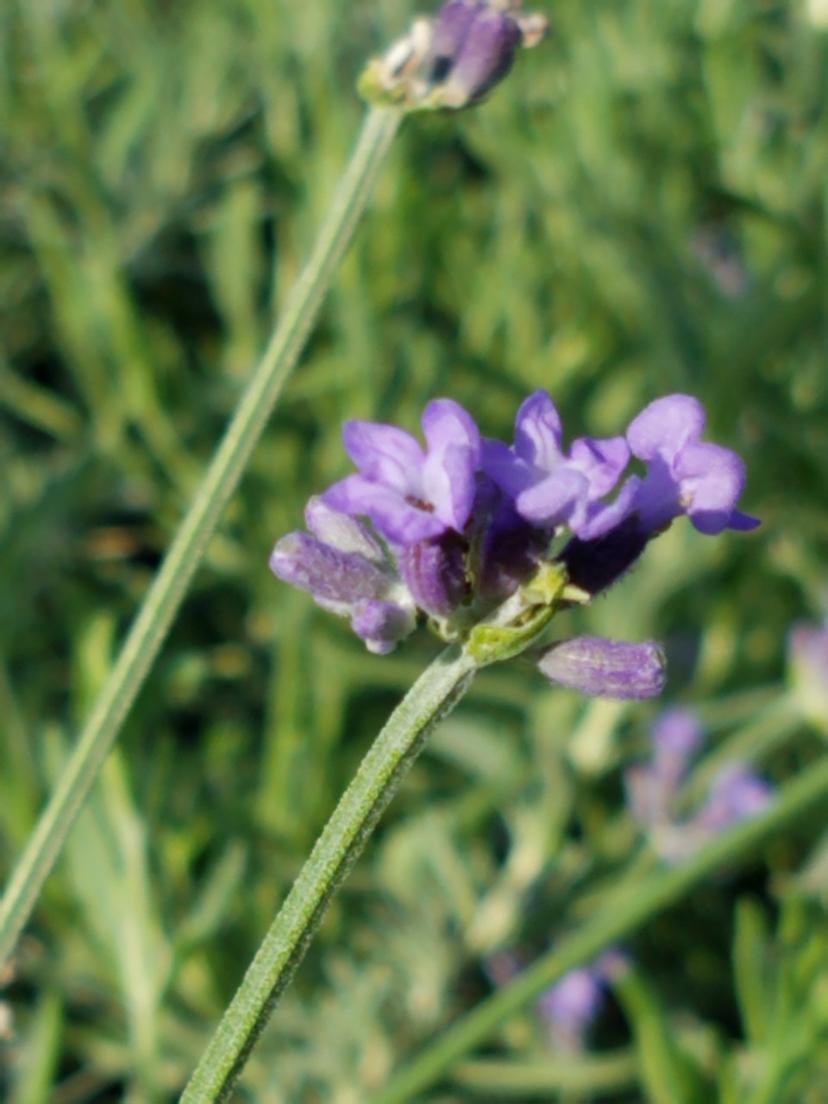
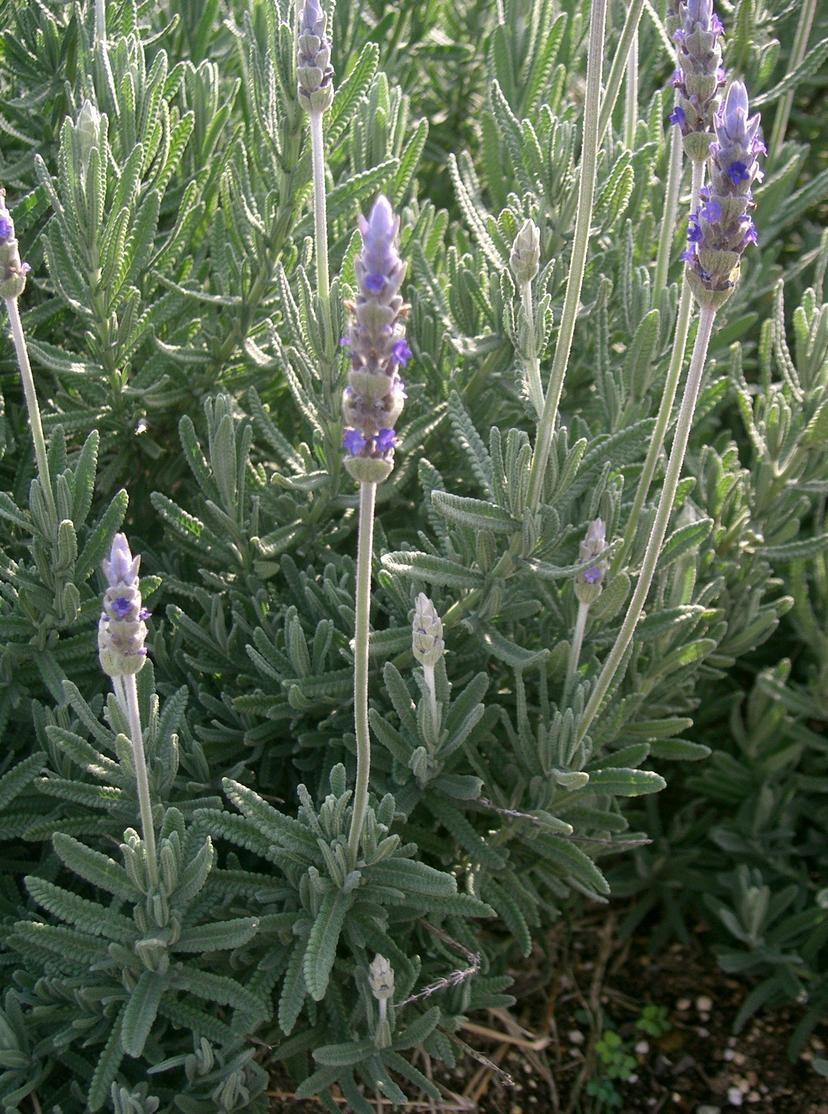
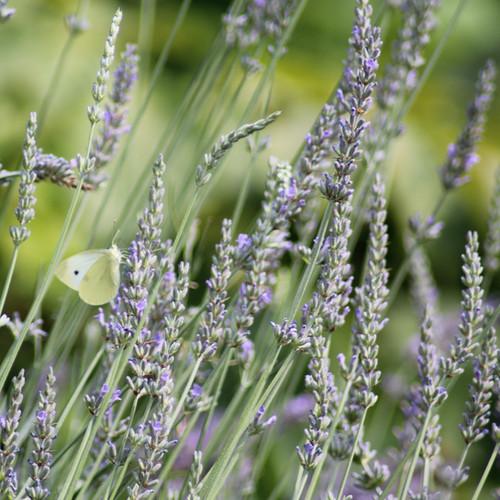
Lavender is a beloved perennial herb belonging to the Lavandula genus, with 47 known species native to the Mediterranean region. These aromatic subshrubs are treasured worldwide for their stunning purple-blue flower spikes, silvery-green foliage, and intensely fragrant blooms that last from late spring through early autumn. Used for centuries in perfumes, culinary dishes, essential oils, and decorative arrangements, lavender remains one of the most popular ornamental and functional plants for gardeners of all skill levels.
Native to the drier, warmer regions of the Mediterranean coastline including Spain, France, Italy, and coastal North Africa, lavender thrives in harsh, rocky soils with minimal moisture and excellent drainage. These hardy plants adapted to survive intense sun exposure, low fertility soil, and drought conditions, making them perfectly suited to dry gardens. The genus name comes from the Latin word 'lavare,' meaning 'to wash,' referencing its historical use in baths and personal grooming.
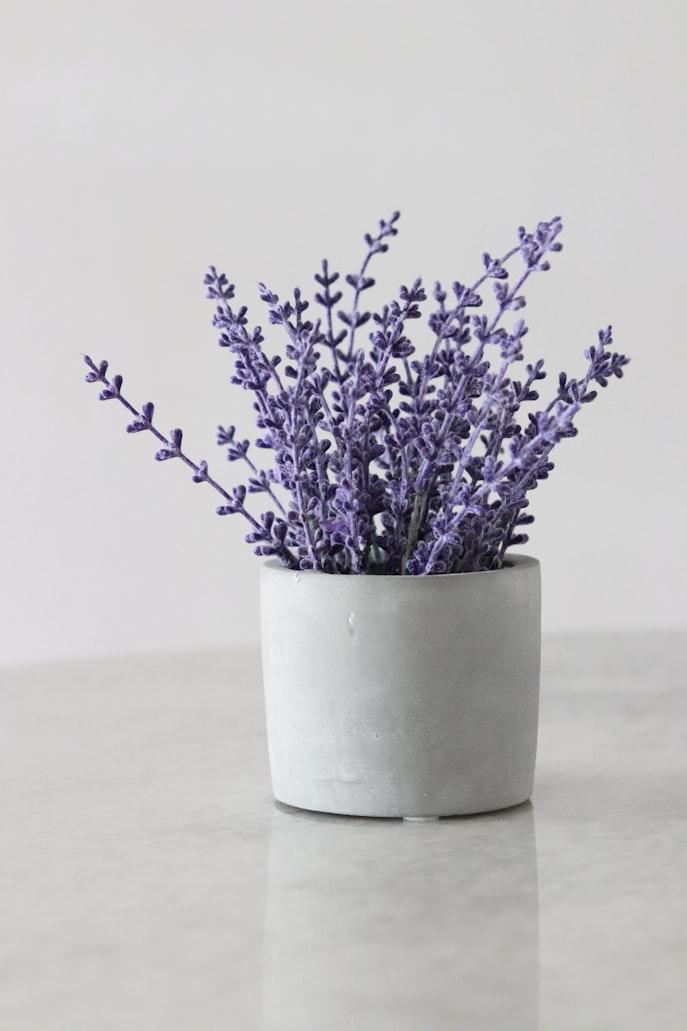
As a houseplant or container specimen, lavender brings Mediterranean charm indoors with minimal fuss. English lavender varieties are most cold-hardy and can live 10-15 years in containers with proper care. These long-lived perennials bloom reliably with 6-8 hours of direct sunlight daily, well-draining soil, and infrequent watering. Indoor lavender adds fragrance, visual interest, and natural pest resistance through its aromatic oils, making it an excellent choice for sunny windowsills and balconies.
Watering Schedule
Lavender is drought-tolerant once established and prefers dry conditions. The biggest mistake is overwatering, which causes root rot and plant death. Water deeply but infrequently, allowing soil to dry completely between waterings.
Common Problems & Solutions
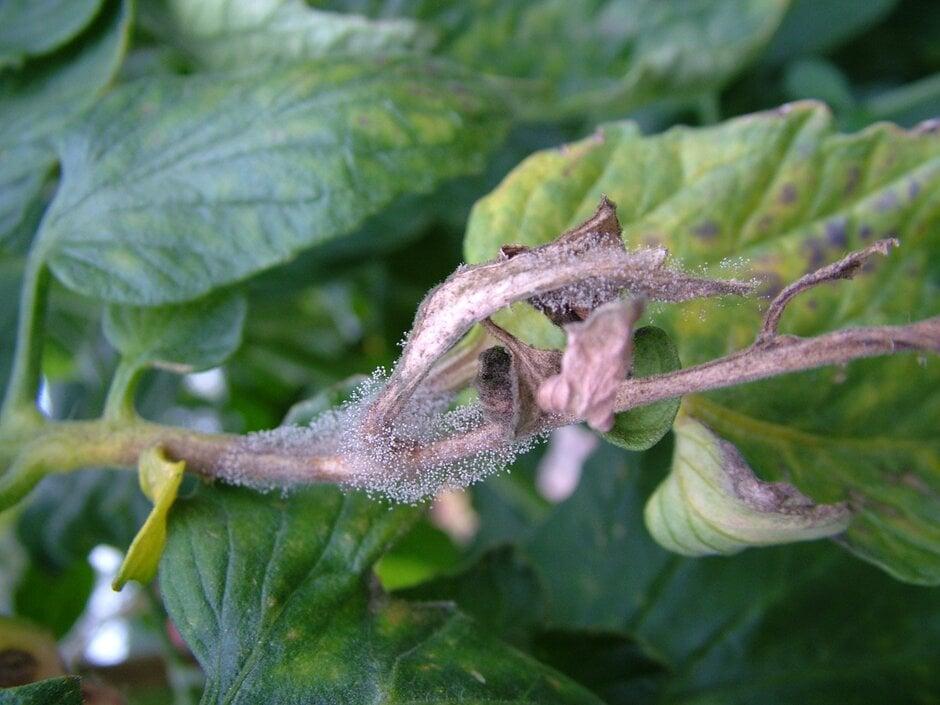
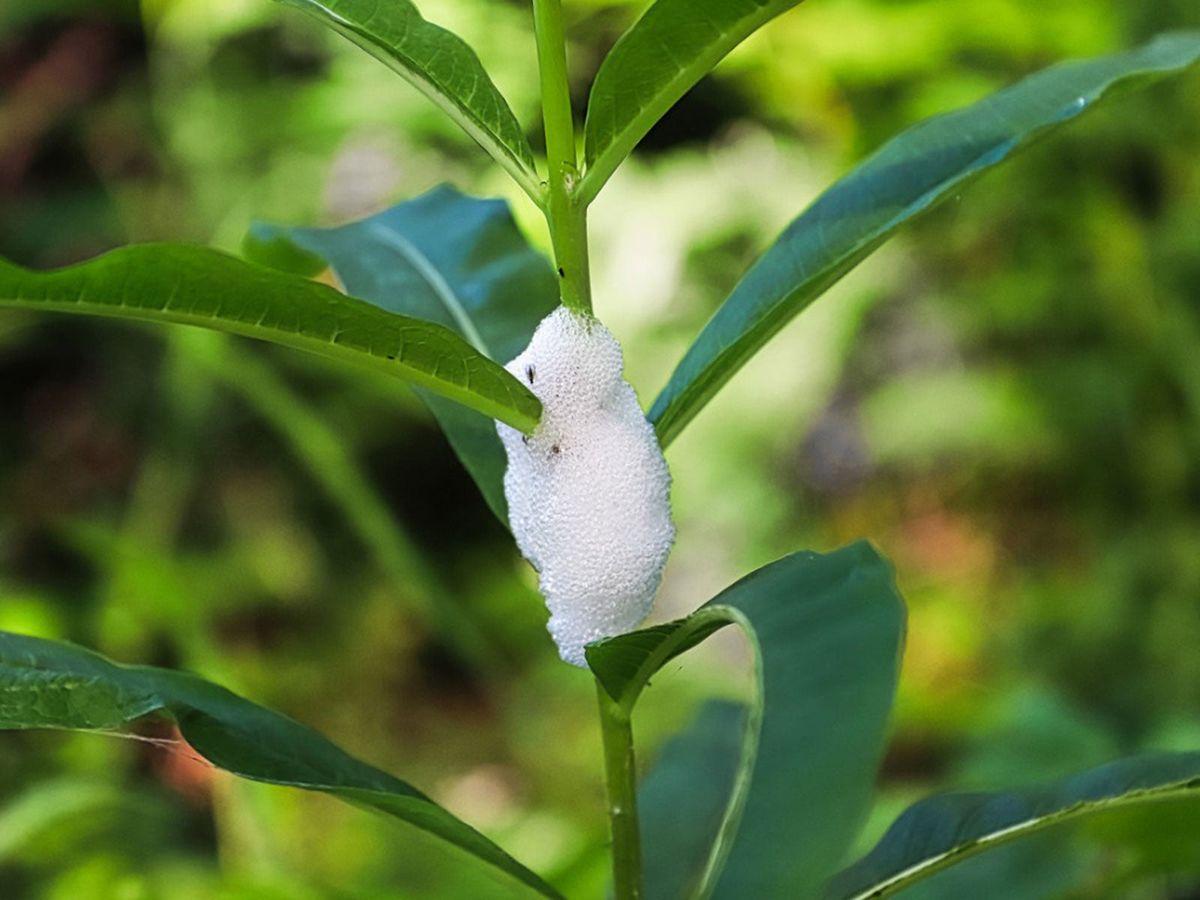
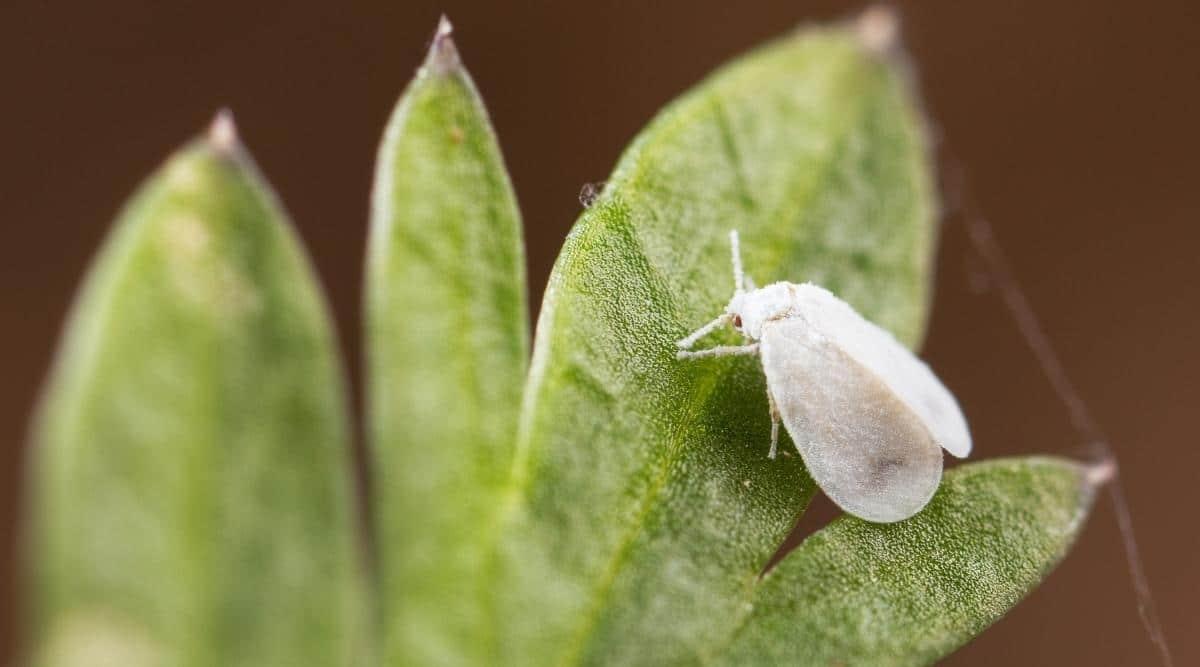
Here's how to identify and fix the most common Lavender problems.
Popular Varieties
Explore different Lavender varieties and find your perfect match.
Care Tips & Best Practices
Humidity
Lavender prefers 40-60% humidity and dislikes high moisture. Avoid misting foliage. In humid climates, use rock mulch instead of organic mulch and ensure excellent air circulation with fans.
Feeding & Fertilizer
Lavender thrives in poor soil and rarely needs fertilizer. Apply light compost side-dressing in spring only. Over-fertilizing causes weak, leggy growth. Skip fertilizer entirely if using quality potting soil.
Cleaning & Deadheading
Remove spent flower spikes by cutting below the faded bloom to promote continued flowering. Pinch off dead foliage to maintain neat appearance and reduce disease risk.
Support & Staking
Tall varieties (30+ inches) may need light staking in windy areas or containers. Use soft ties to support heavy flower stems without crushing them. Proper pruning reduces need for staking.
Pruning Schedule
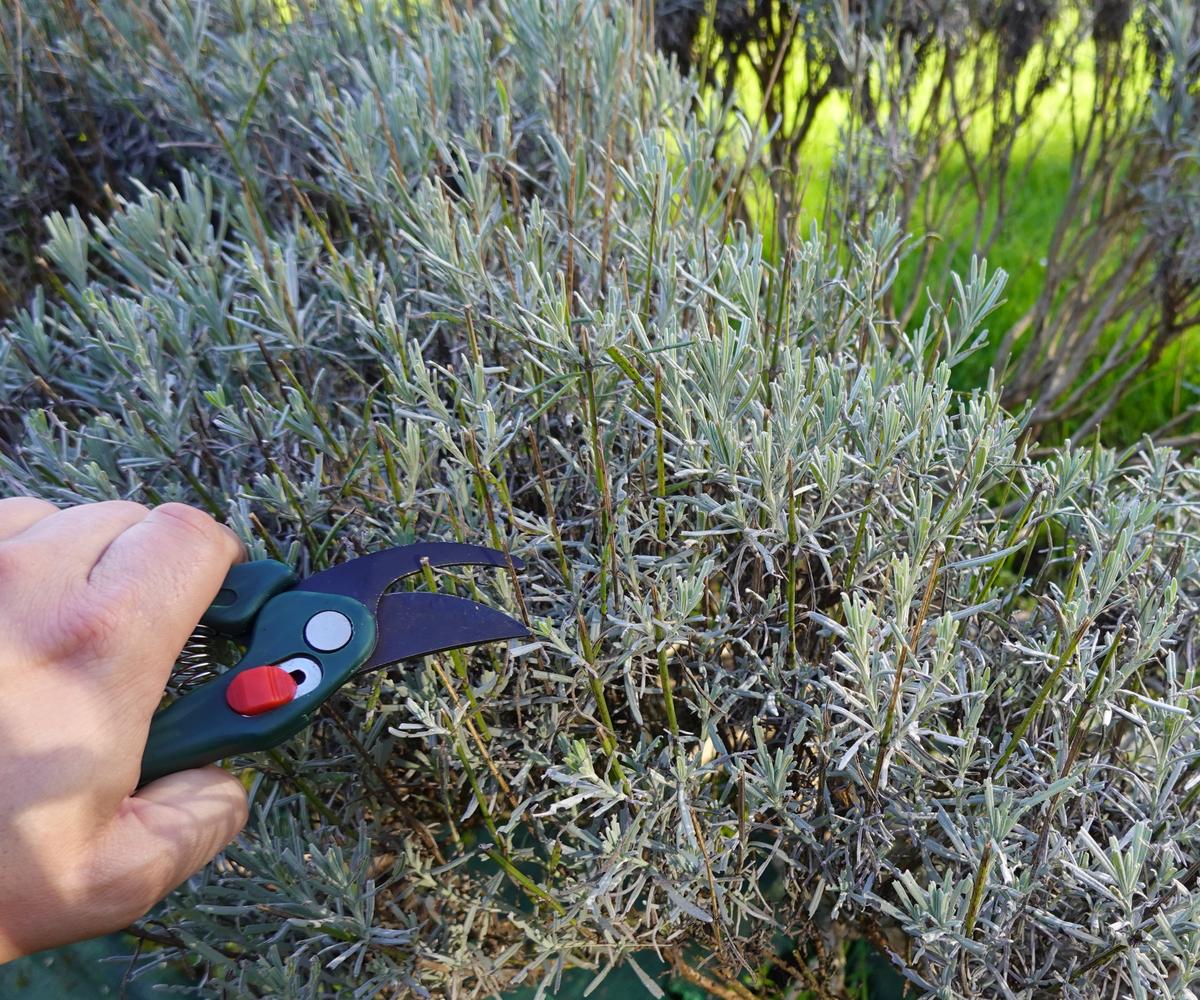
Prune in early spring before new growth (mandatory). After summer flowering, trim lightly to maintain shape. Avoid cutting into brown woody stems. Annual pruning prevents sprawling, dead wood.
Pot Rotation
Rotate container lavender 180 degrees weekly indoors to ensure balanced light exposure and even growth. Outdoor pots benefit from periodic repositioning to maintain symmetrical shape.
Care Checklist
10 Common Mistakes to Avoid
Overwatering on a Schedule
Why it's bad: Lavender is adapted to dry soil; regular watering causes root rot from waterlogged soil and fungal attack.
Do this instead: Water only when soil is completely dry 2 inches deep. Skip watering if recent rain occurred or soil feels moist.
Planting in Heavy Clay or Organic-Rich Soil
Why it's bad: Dense soil holds moisture too long, promoting root rot. Lavender evolved in poor, rocky Mediterranean soil.
Do this instead: Use gritty mix of 50% perlite/sand with 50% potting soil. Add crushed eggshells or lime for alkaline pH.
Placing in Low-Light Locations Indoors
Why it's bad: Lavender needs 6-8 hours direct sun daily; dim indoor light causes leggy stems, weak growth, and no flowers.
Do this instead: Position on south or west-facing windowsill only. Supplement with grow lights if necessary for indoor growing.
Never Pruning or Over-Pruning into Wood
Why it's bad: Unpruned lavender becomes woody and splits; cutting into brown wood kills that branch permanently.
Do this instead: Prune in spring by 1/3 height above emerging buds. After flowering, trim to 2-3 inches above woody stems only.
Growing in Containers Without Drainage
Why it's bad: Water cannot escape, saturating roots and causing immediate root rot even if you water correctly.
Do this instead: Always use pots with large drainage holes. Water pours freely out the bottom; never let pot sit in water.
Repotting into Soil Without Fresh Mix
Why it's bad: Old soil compacts over time, holding moisture. Reusing old soil defeats drainage advantages of repotting.
Do this instead: When repotting, discard old soil entirely and fill with fresh, new gritty potting mix.
Ignoring High Humidity Issues
Why it's bad: Lavender is drought plant; high humidity in bathrooms or tropical climates promotes fungal diseases and rot.
Do this instead: Ensure excellent air circulation with fans. Use rock mulch instead of organic mulch. Avoid misting foliage.
Fertilizing Regularly
Why it's bad: Lavender thrives in poor soil; excess nutrients cause weak, leafy growth and reduced flowering.
Do this instead: Apply only light compost side-dressing in spring. Skip fertilizer entirely if using quality potting soil.
Waiting Too Long Between Repotting
Why it's bad: Rootbound lavender becomes stunted, flowers poorly, and may die from inability to absorb water.
Do this instead: Repot every 2-3 years into a pot 1-2 sizes larger. Signs: water runs straight through pot, plant wilts quickly.
Keeping Lavender in Same Dark Location Year-Round
Why it's bad: Indoor lavender's light needs don't change seasonally; permanent low light causes decline and death.
Do this instead: Maintain 6-8 hours direct sun year-round. Move closer to brightest window in winter; rotate pot weekly.
Frequently Asked Questions
Why is my lavender turning brown and drooping?
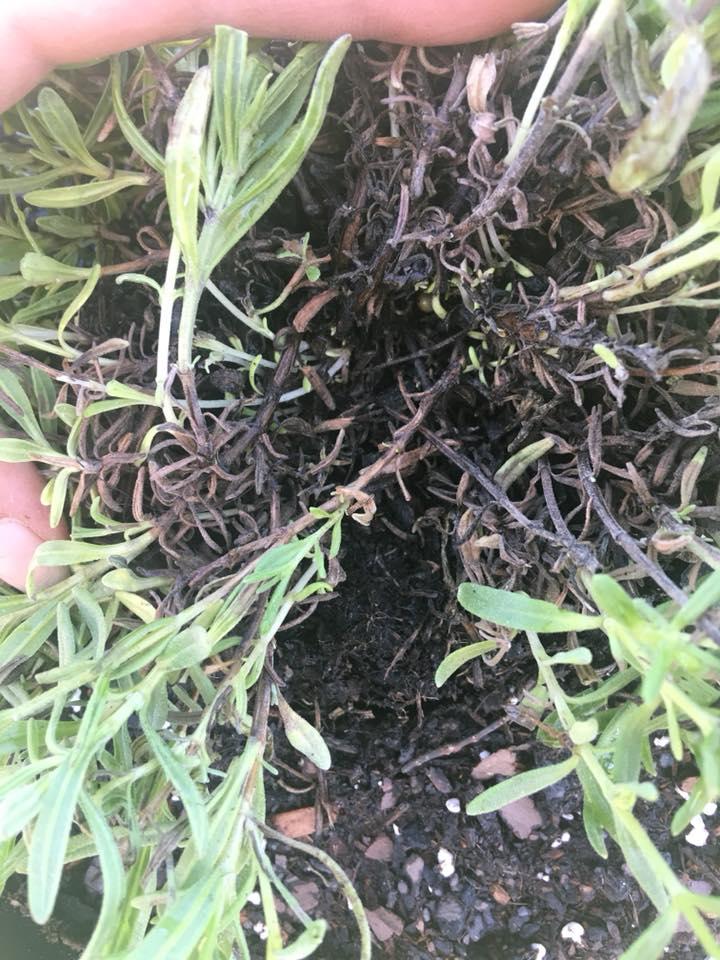
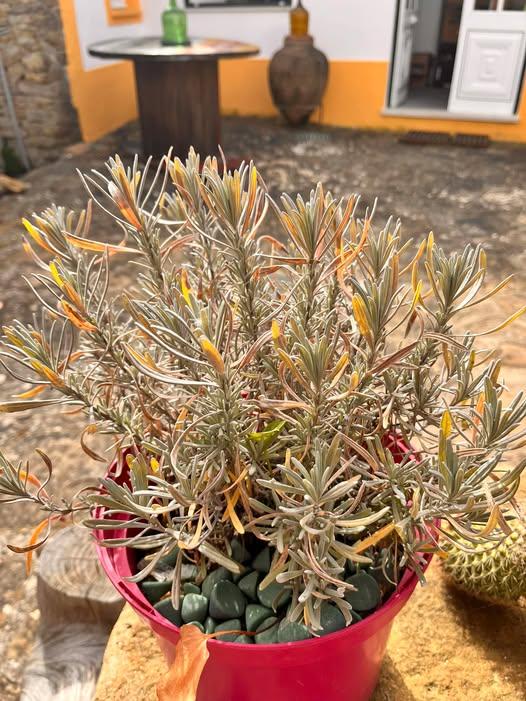
This indicates root rot from overwatering or poor drainage. Check roots for mushy, black texture. If severe, remove plant immediately. Improve drainage aggressively with perlite/sand or discard and start fresh with proper drainage.
How often should I water my lavender?
Only when soil is completely dry 2 inches deep, usually every 10-14 days during growing season. In winter, reduce to once monthly or stop entirely. For new plants, use the 8-8-8 rule: 8 ounces every 8 days for 8 weeks.
Can I grow lavender indoors?
Yes, but only with 6-8 hours daily direct sunlight on a south/west-facing windowsill. Choose dwarf varieties like 'Hidcote' (12-18 inches). Supplement with grow lights if needed. Indoor lavender lives 10-15 years with proper care.
What size pot should I use?
Use 10-16 inch pots for most varieties; dwarf types work in 8-10 inches. Container should be twice the rootball width. Terra cotta allows soil to breathe better than plastic. Always include drainage holes.
How do I propagate lavender?
Take 4-6 inch cuttings from non-flowering stems June-September. Remove bottom leaves, dip in rooting hormone (optional), and plant in well-draining seed mix. Cover with plastic; roots form in 3-4 weeks. Gradually remove cover once rooted.
When should I repot my lavender?
Repot every 2-3 years in spring when new growth appears, not in fall/winter. Choose a pot 1-2 sizes larger than current container. Discard old soil entirely and use fresh gritty mix with excellent drainage.
Is lavender safe for pets?
Lavender is mildly toxic to dogs and cats if ingested in large quantities. Keep plant out of reach. Essential oils are more concentrated and dangerous. Consult vet if pet ingests lavender.
Why doesn't my lavender bloom?
Insufficient light is the main cause. Lavender needs 6-8 hours direct sun daily to flower. Other causes: overwatering, poor drainage, excessive fertilizer, or too-young plants (may not bloom until year 2-3).
How long does lavender live?
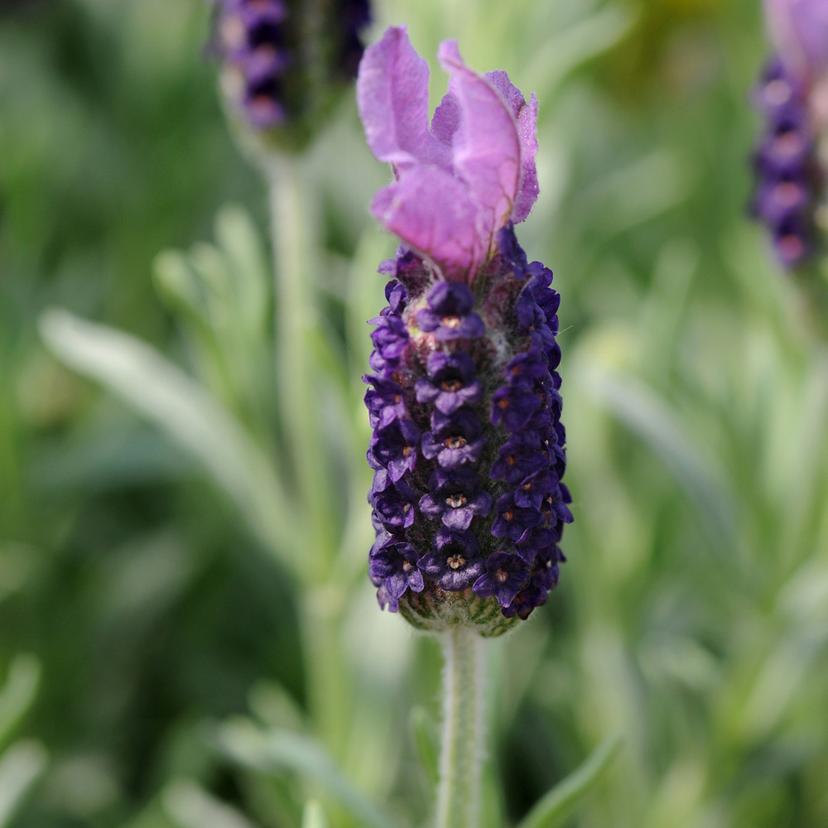
English lavender lives 10-15 years in containers or 20+ years in ground with proper care. Spanish and French varieties last 5-10 years. Annual spring pruning and good drainage extend lifespan significantly.
Can I harvest lavender for drying?
Yes, cut flower spikes when 50% blooms are open, just before peak. Bundle loosely and hang upside-down in cool, dry, dark location for 3-4 weeks. Dried lavender lasts years for arrangements, sachets, and crafts.
References & Sources
Information in this guide is based on these trusted sources.