
kentia palm
A slow-growing tropical palm with elegant arching fronds that thrives in indoor spaces and tolerates low light better than most palms.
Video Tutorials
Watch these helpful videos to learn more about kentia palm care.
About kentia palm
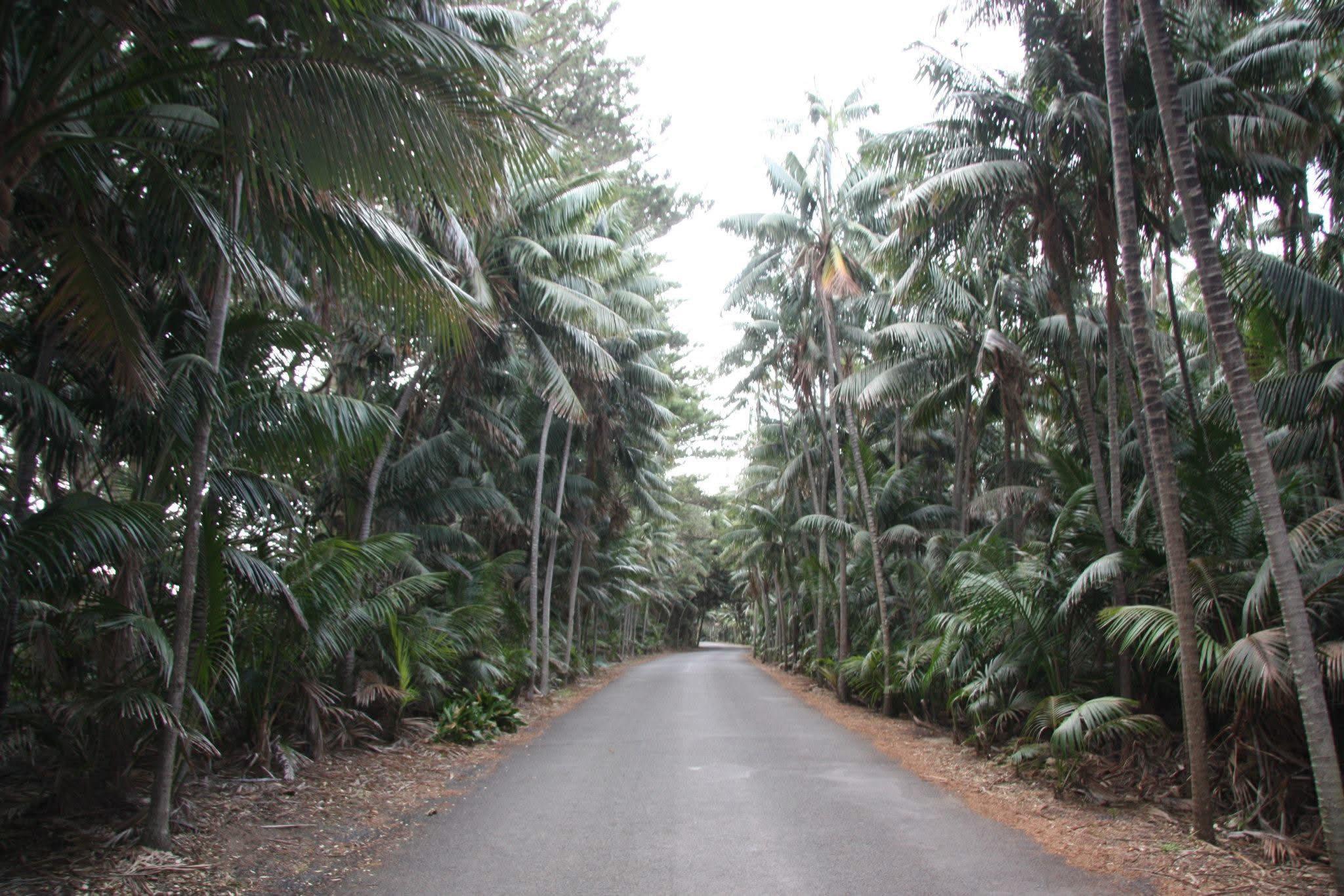
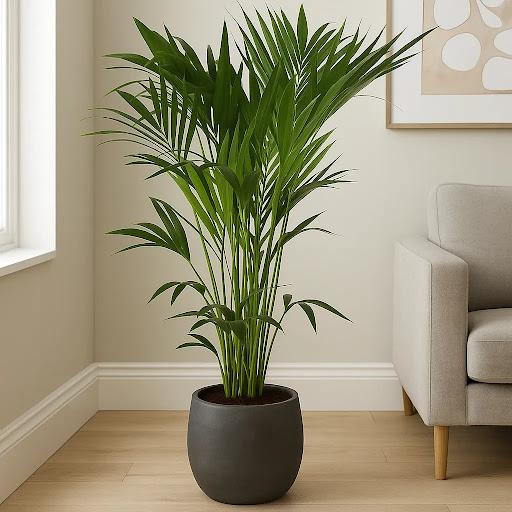
The Kentia Palm is one of the most elegant indoor palms, prized for its graceful arching fronds and tolerance of low-light conditions. Native to Lord Howe Island off Australia, this Victorian-era favorite gained popularity in Europe during the 1870s when it became the quintessential parlor palm. It remains a top choice for homes and offices today.
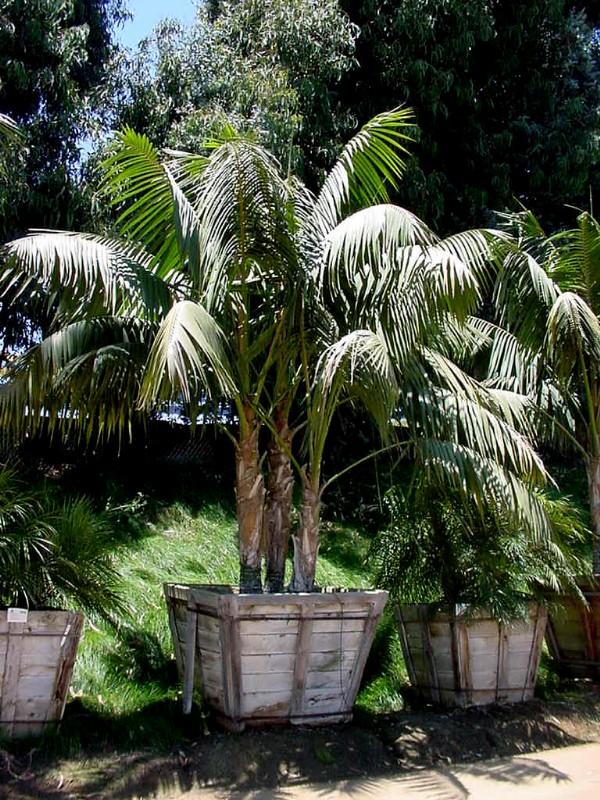
This palm naturally grows in the coastal subtropical climate of Lord Howe Island, where moderate temperatures and high humidity create ideal conditions. In the wild, mature specimens reach 30-40 feet tall and live for 50-100 years. It's the only two species of Howea palm on the island, making it botanically significant and protected by conservation laws.
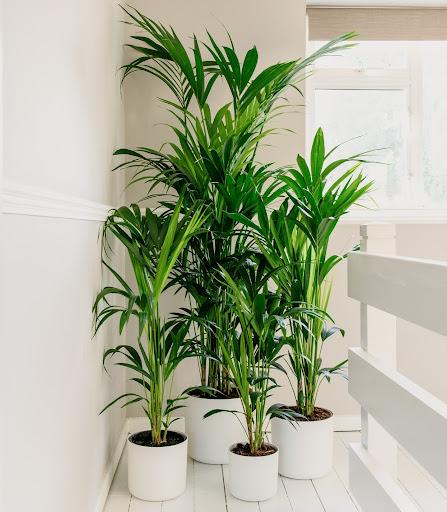
Indoors, Kentia Palms grow much slower, typically reaching 10 feet tall over 5-10 years with proper care. They're ideal for containers because they adapt well to room temperatures, filtered light, and indoor humidity levels. With consistent care including proper watering, adequate humidity, and occasional feeding, your palm will reward you with decades of tropical beauty in your home.
Watering Schedule
Kentia Palms need consistent moisture but hate soggy soil. Water when the top 1-2 inches of soil feel dry, typically every 9-14 days depending on season and pot size.
Common Problems & Solutions
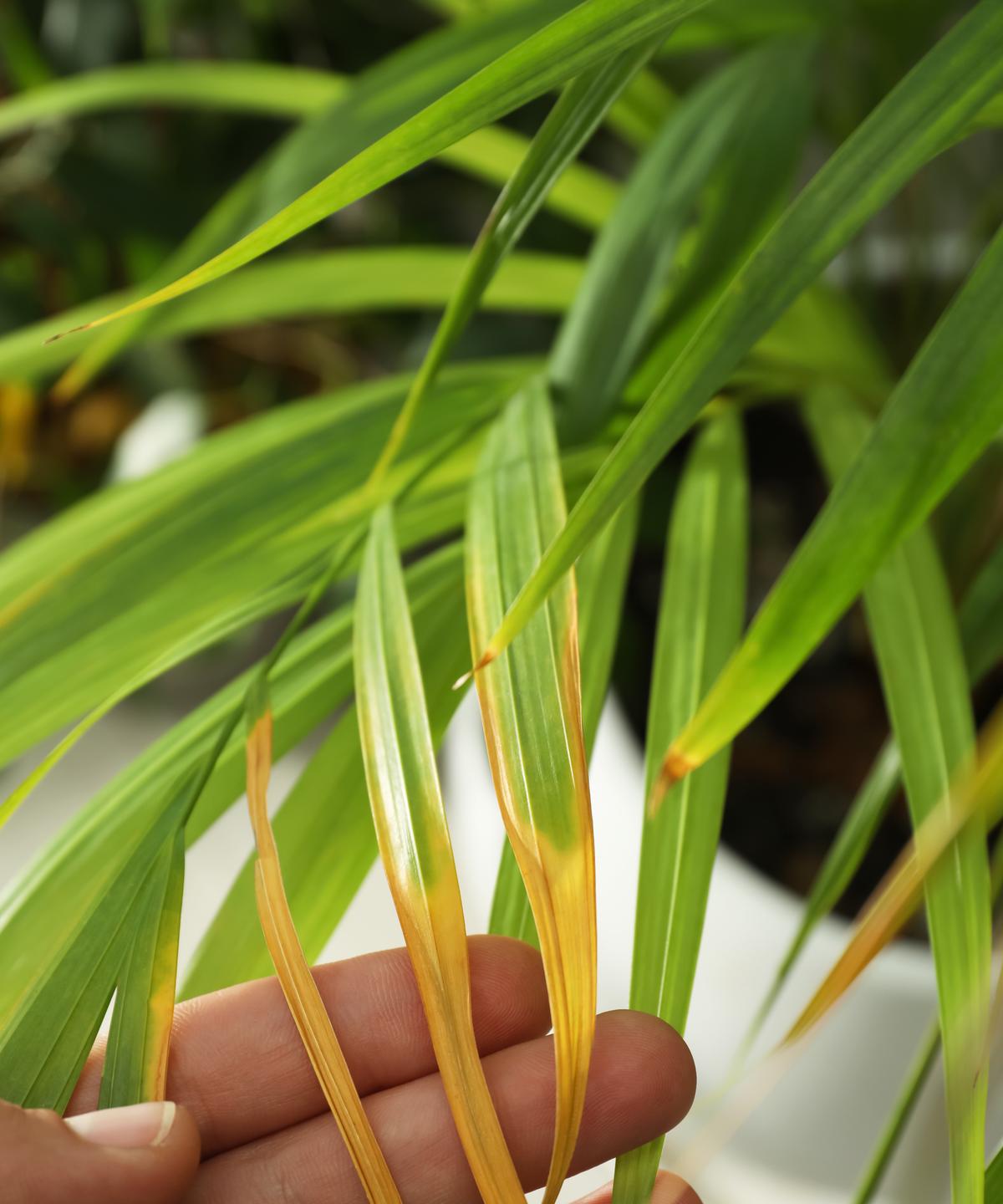
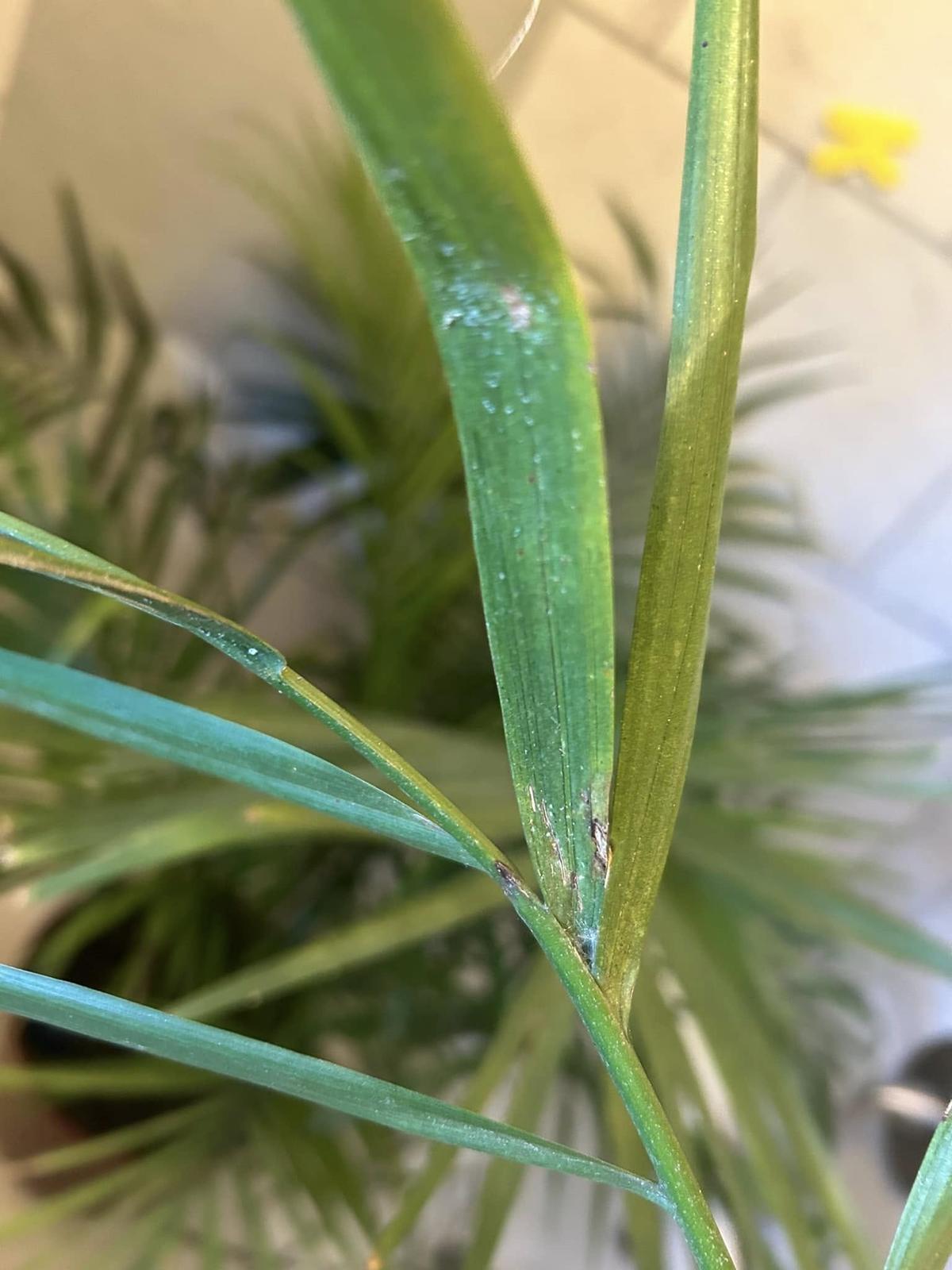
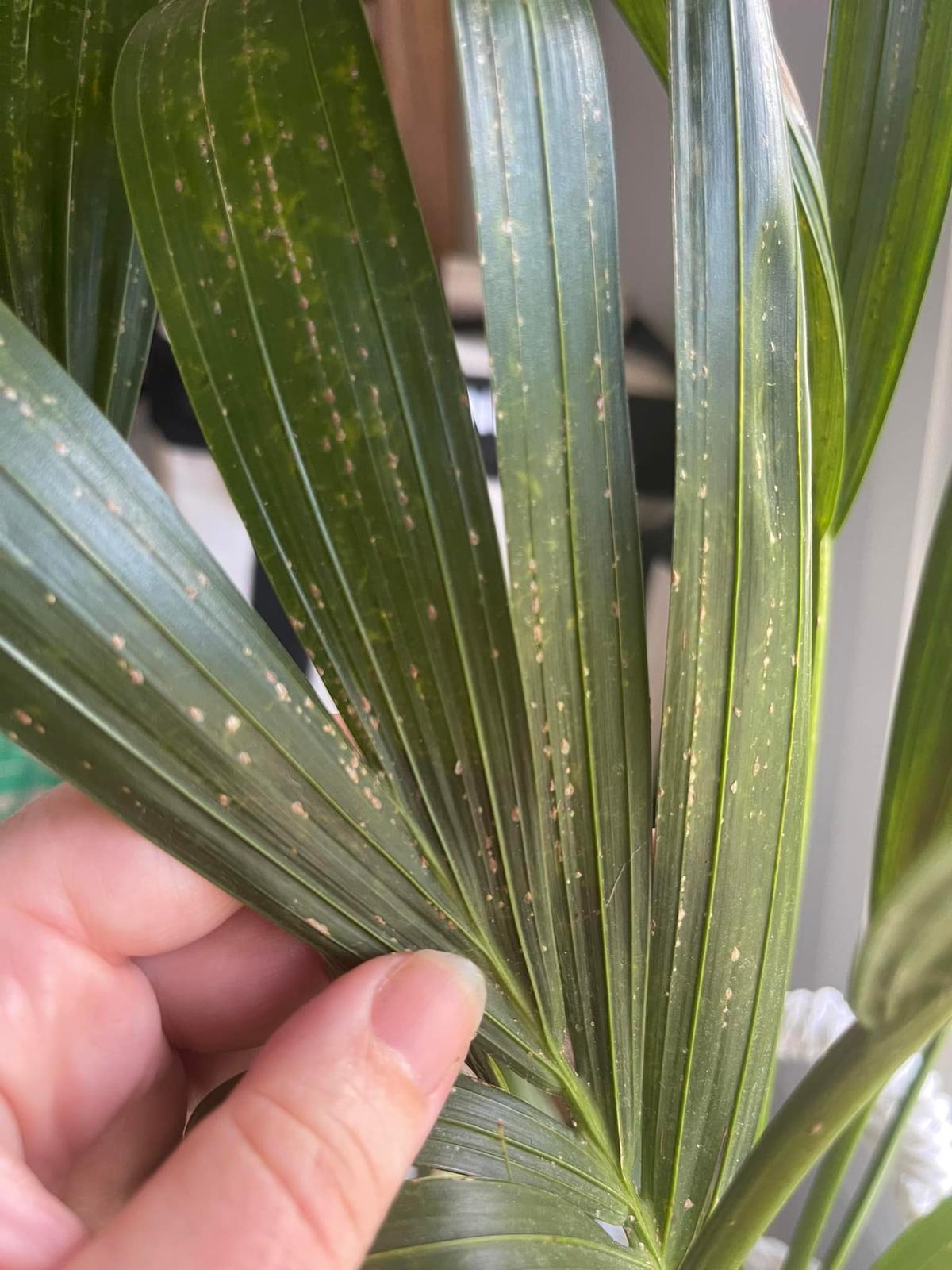
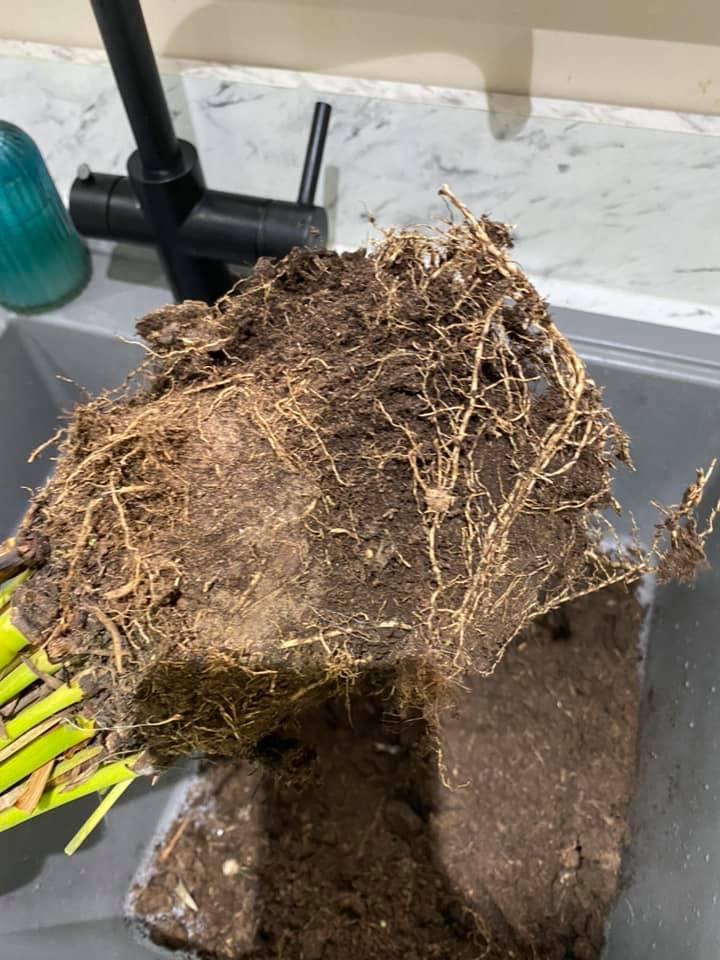
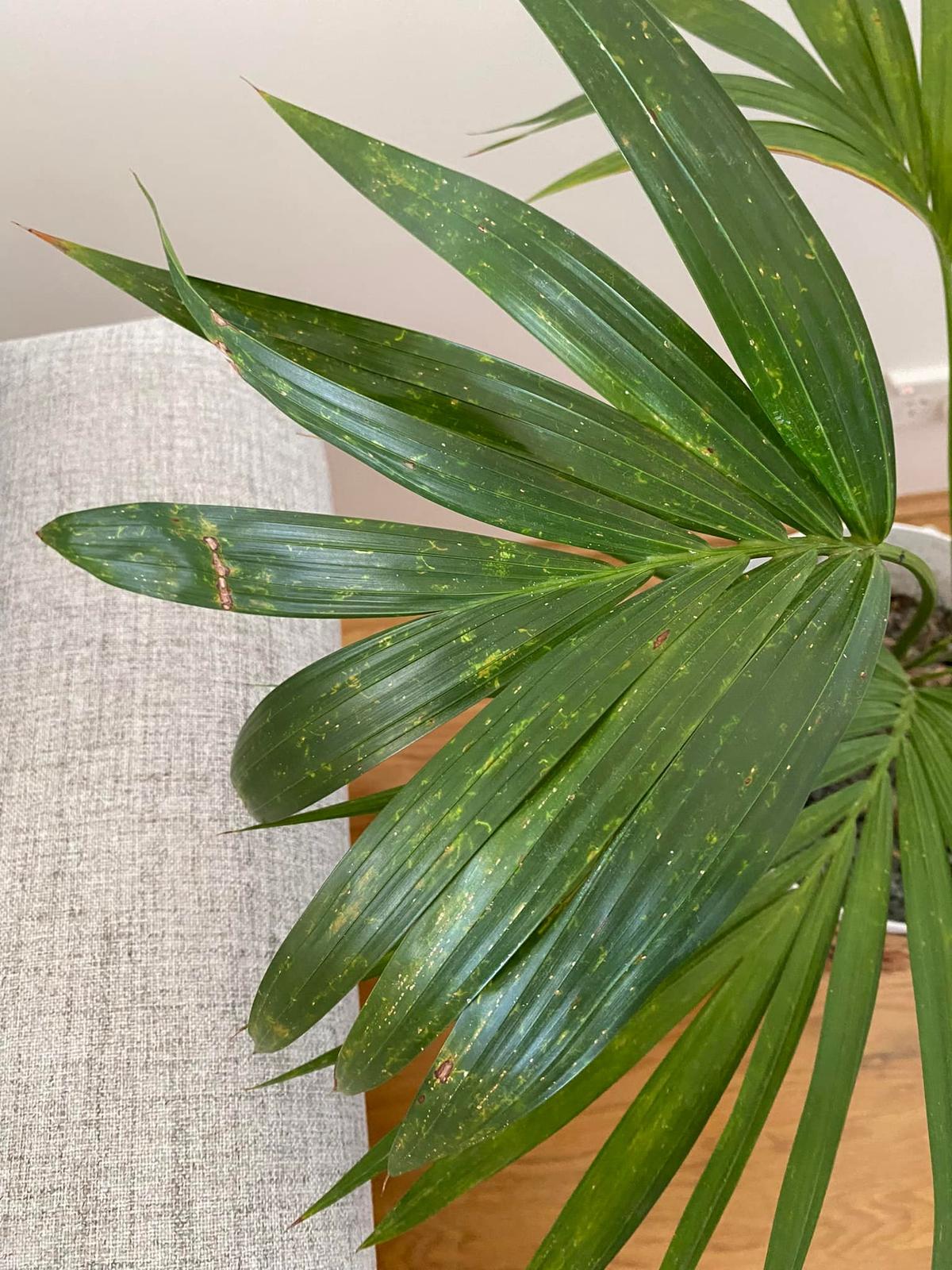
Here's how to identify and fix the most common kentia palm problems.
Popular Varieties
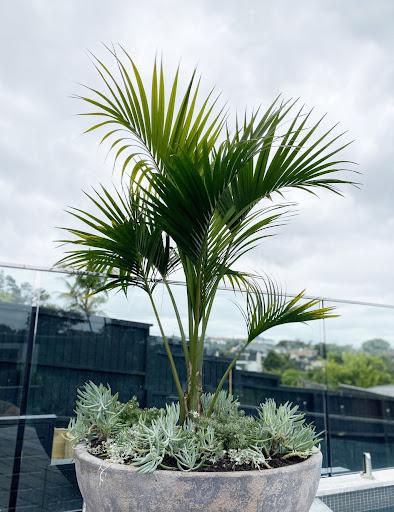
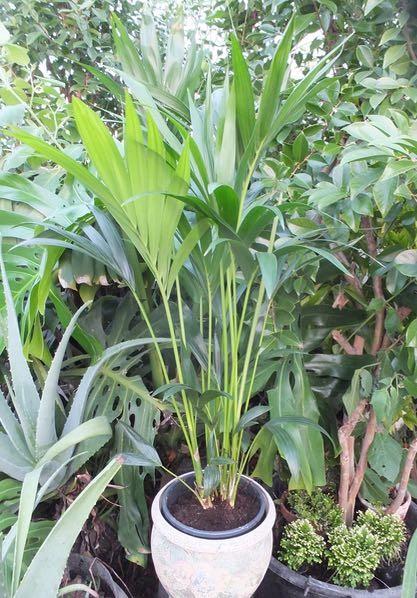
Explore different kentia palm varieties and find your perfect match.
Care Tips & Best Practices
Humidity
Mist fronds 2-3 times weekly or place on a pebble tray filled with water to boost humidity above 50%.
Feeding
Feed every 6-8 weeks during spring and summer with balanced liquid fertilizer diluted to half strength; reduce feeding in fall and winter.
Cleaning
Wipe fronds gently with a soft, damp cloth 1-2 times yearly to remove dust and improve photosynthesis.
Support Structure
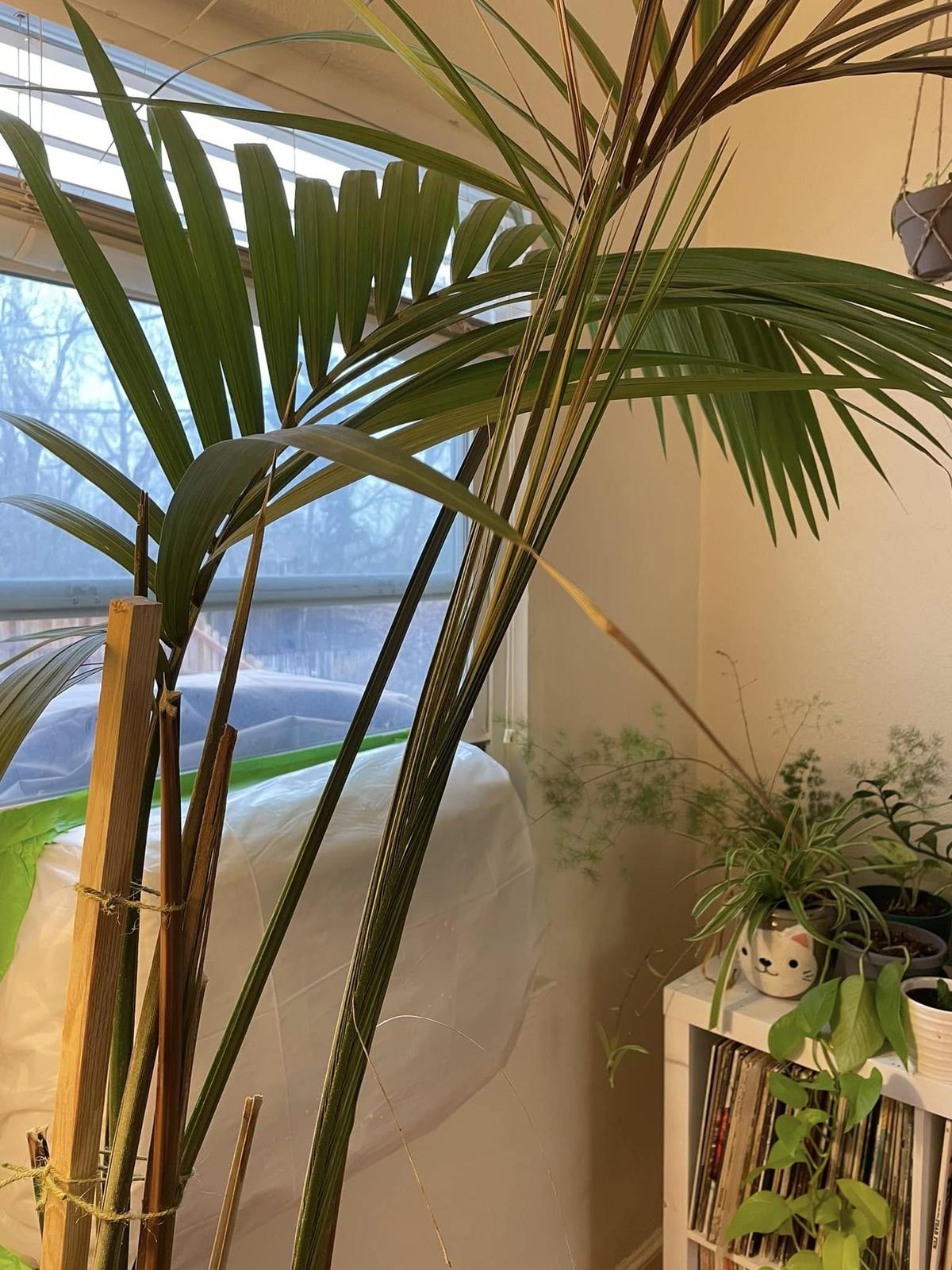
Large mature plants may need staking or a sturdy pot with a wide base to prevent tipping over.
Pruning
Remove only completely brown or dead fronds at the base with clean scissors; never cut green tissue as new browning will develop.
Rotation
Rotate your palm 90 degrees every 3-6 months so all sides receive even light and develop symmetrically.
Care Checklist
10 Common Mistakes to Avoid
Overwatering
Why it's bad: Wet soil stops oxygen reaching roots, causing root rot and eventual plant death.
Do this instead: Water only when top 1-2 inches feel dry; use a moisture meter if unsure.
Using tap water with high chlorine or fluoride
Why it's bad: Mineral buildup causes brown leaf tips and overall stress to the plant.
Do this instead: Use filtered water, distilled water, or let tap water sit 24 hours before using.
Placing in direct sunlight
Why it's bad: Strong direct sun burns and scorches the delicate fronds, causing brown patches.
Do this instead: Position 6-8 feet from window or behind sheer curtain for filtered light.
Repotting too frequently
Why it's bad: Constant repotting shocks roots and disrupts the plant's stability.
Do this instead: Repot only every 2-3 years when the plant is clearly root-bound.
Ignoring low humidity
Why it's bad: Dry air causes brown leaf tips and creates perfect conditions for spider mites.
Do this instead: Mist 2-3 times weekly or use a humidifier to maintain 50-60% humidity.
Over-fertilizing
Why it's bad: Excess nutrients burn roots and cause leaf damage and brown tips.
Do this instead: Feed every 6-8 weeks at half strength during growing season only.
Letting plant sit in water after watering
Why it's bad: Standing water leads to root rot and fungal diseases.
Do this instead: Always empty drainage saucer within 20-30 minutes of watering.
Placing near heating or AC vents
Why it's bad: Temperature fluctuations and dry air stress the plant.
Do this instead: Choose a spot with consistent, moderate temperatures away from vents.
Cutting through green tissue when pruning
Why it's bad: Damaged cut edges allow disease entry and new browning develops.
Do this instead: Remove only completely brown fronds at the base with clean cuts.
Never cleaning the leaves
Why it's bad: Dust buildup blocks pores, reduces photosynthesis, and attracts pests.
Do this instead: Gently wipe leaves monthly with soft damp cloth to restore shine and health.
Frequently Asked Questions
How often should I water my Kentia Palm?
Water when the top 1-2 inches of soil feel dry, typically every 9-14 days. Frequency depends on pot size, soil type, season, and home humidity. In winter, water less frequently.
Can Kentia Palms survive in low light?
Yes, Kentia Palms tolerate low light better than most palms due to their forest-canopy origins. They won't thrive in complete darkness, but they adapt well to medium or bright indirect light.
Why are the leaf tips brown?
Brown tips usually result from low humidity, mineral buildup in water, or underwatering. Increase humidity with misting or a humidifier, use filtered water, and maintain consistent watering.
Is the Kentia Palm toxic to pets?
No, Kentia Palms are completely non-toxic to cats and dogs, making them an excellent choice for pet-friendly homes.
How tall does a Kentia Palm grow indoors?
Indoors, Kentia Palms typically reach 6-10 feet tall over many years. Small plants take 6-8 years to reach ceiling height. Growth depends on light, pot size, and care quality.
How often should I repot my Kentia Palm?
Repot every 2-3 years in spring when the plant becomes root-bound. These palms prefer being slightly crowded, so use a pot only slightly larger than the current one.
What kind of soil do Kentia Palms need?
Use well-draining potting mix with added perlite or pumice (30-40% of total) to prevent waterlogging. A mix of peat moss, pine bark, and perlite works perfectly.
Can I propagate Kentia Palms from cuttings?
No, Kentia Palms can only be propagated from seeds. Cuttings won't root or develop. Seeds germinate slowly over weeks to months in warm, moist conditions.
What humidity level do Kentia Palms need?
Ideal humidity is 50-60%. In dry homes, mist fronds 2-3 times weekly or use a humidifier. Grouping plants or using pebble trays also helps increase humidity.
How do I treat spider mites on my Kentia Palm?
Spray all leaf surfaces (including undersides) with neem oil or insecticidal soap. Increase humidity to 60%+, as spider mites prefer dry air. Repeat treatment in 5 days.
References & Sources
Information in this guide is based on these trusted sources.