
Jasmine
Fragrant climber fills your home with sweet blooms. Thrives indoors with bright light and steady moisture.
Video Tutorials
Watch these helpful videos to learn more about Jasmine care.
About Jasmine
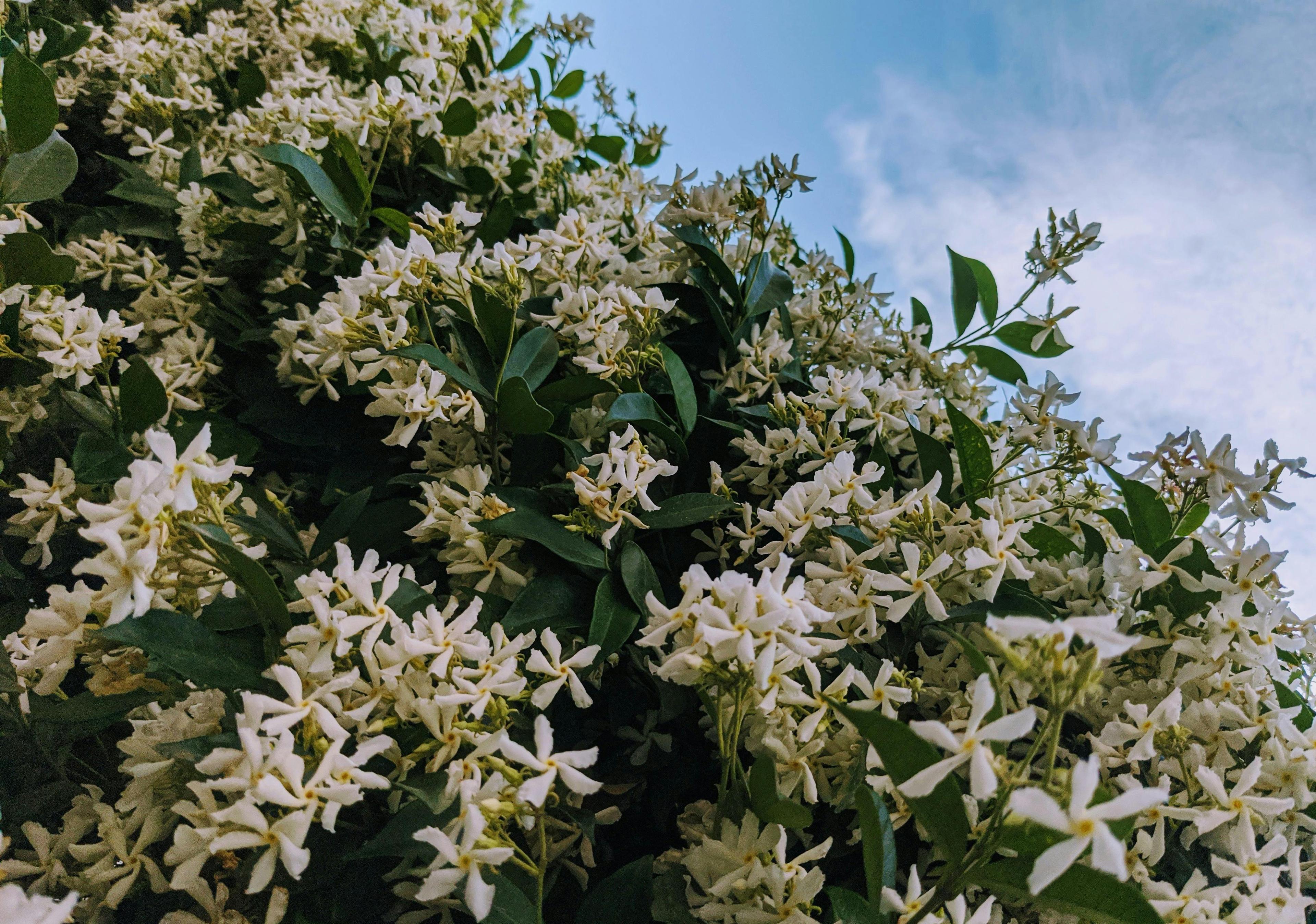
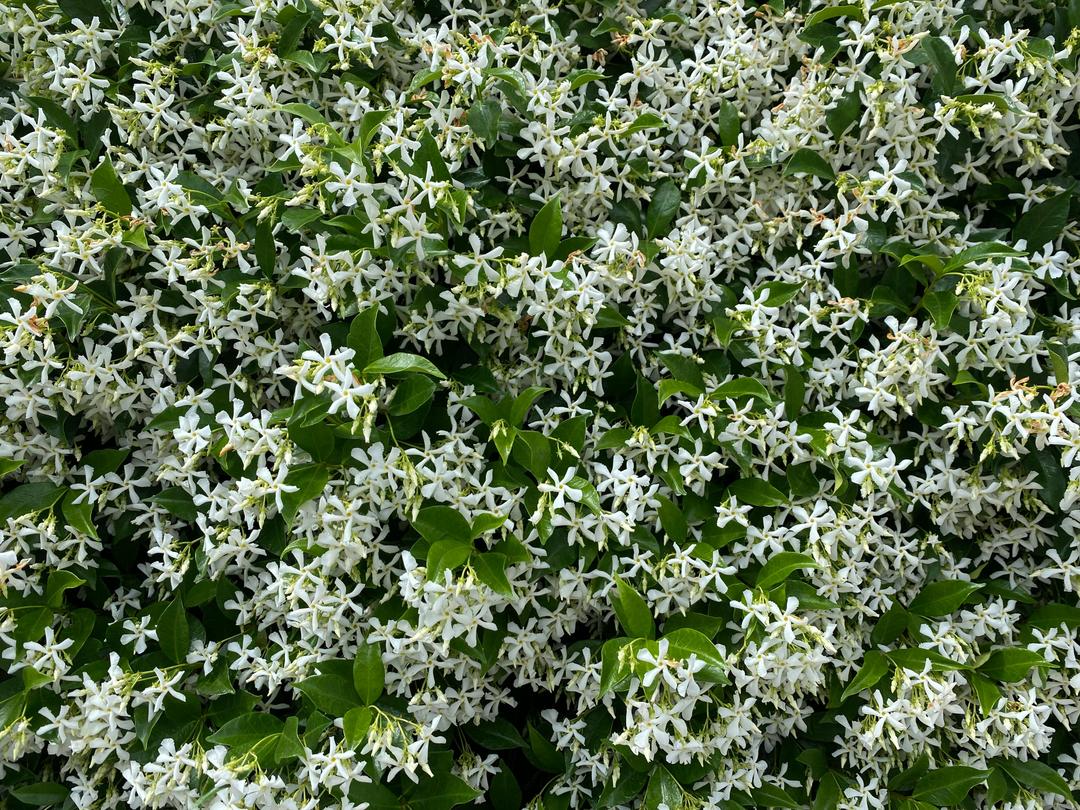
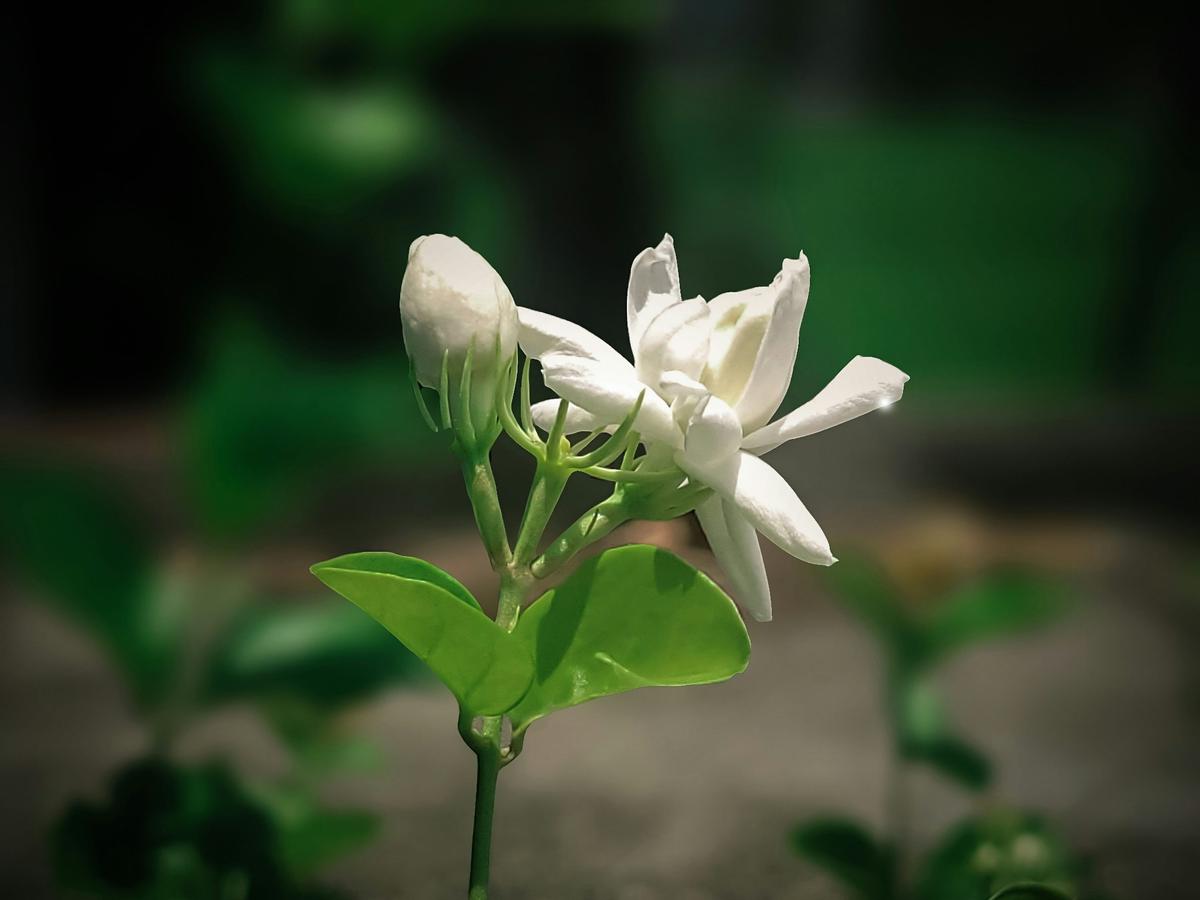
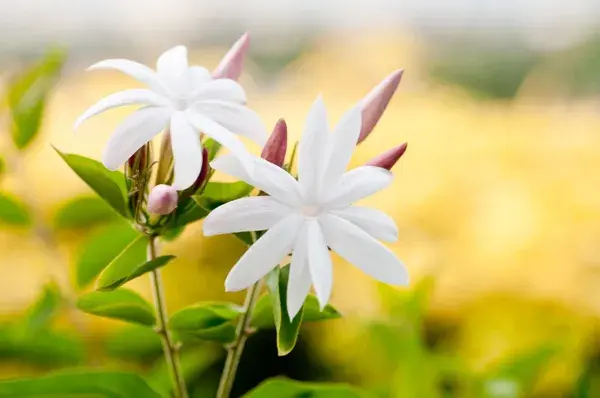
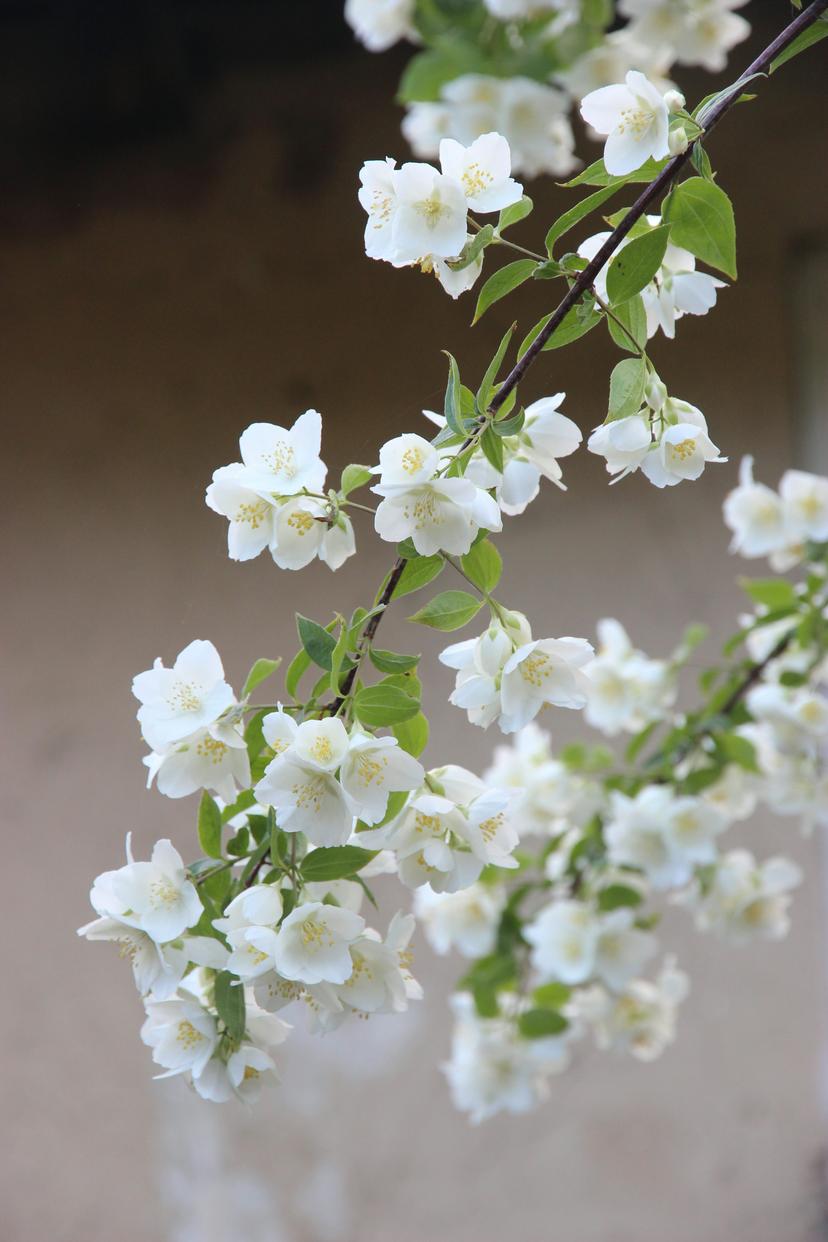
Jasmine captivates with intoxicating fragrance from starry white flowers. Homeowners love it for endless blooms and vining charm on trellises.
Native to tropical Asia and Australia, it grows wild in warm, humid forests with rich, well-drained soil.
Indoors, provide bright light and prune often for bushy growth. Expect 10+ years of flowers with proper jasmine care.
Watering Schedule
Keep soil evenly moist, never soggy. Water when top inch dries out.
Common Problems & Solutions
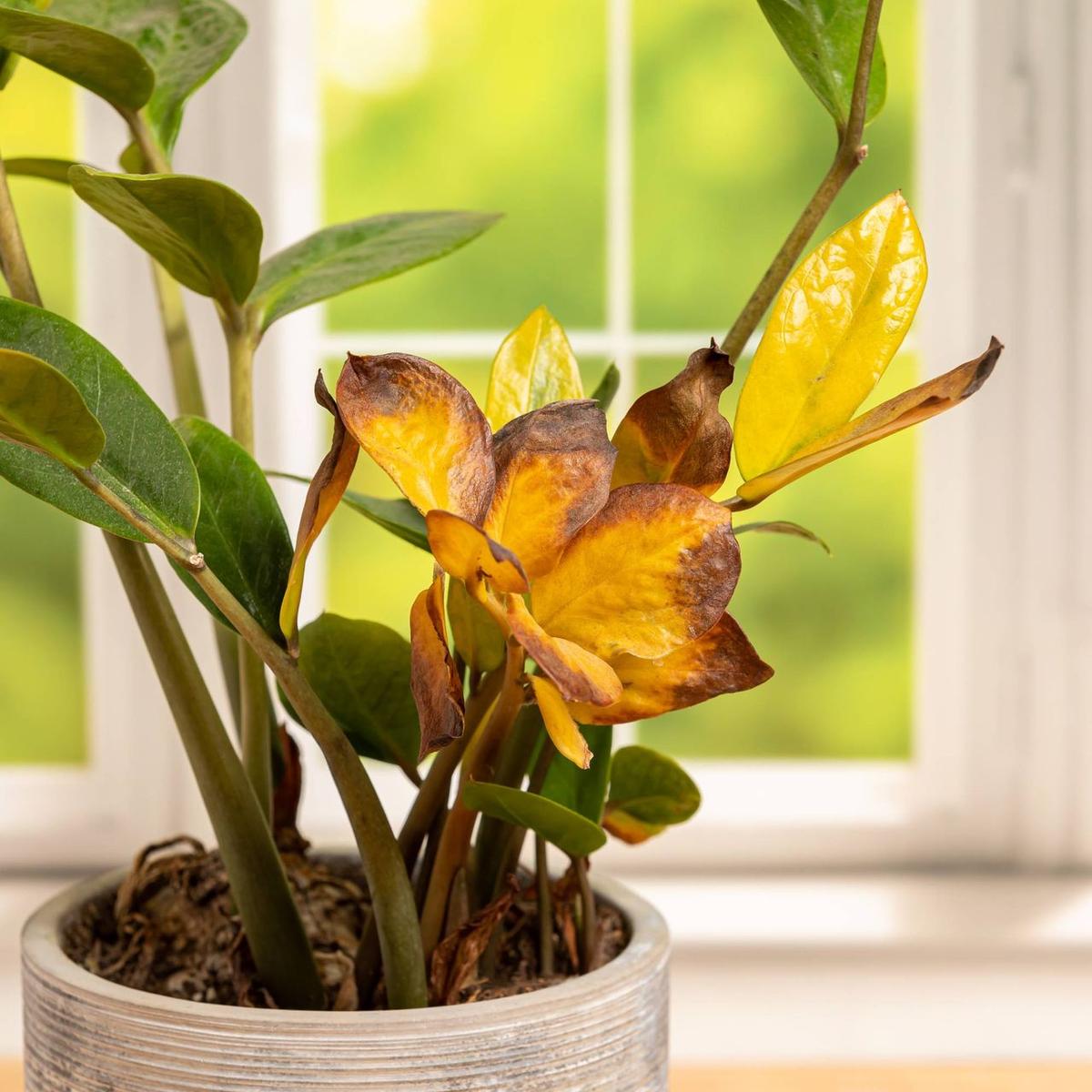
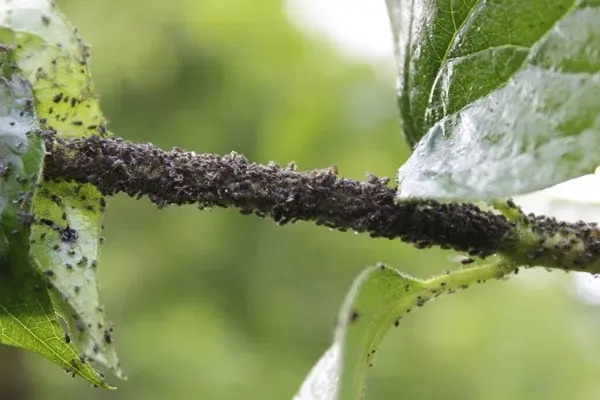
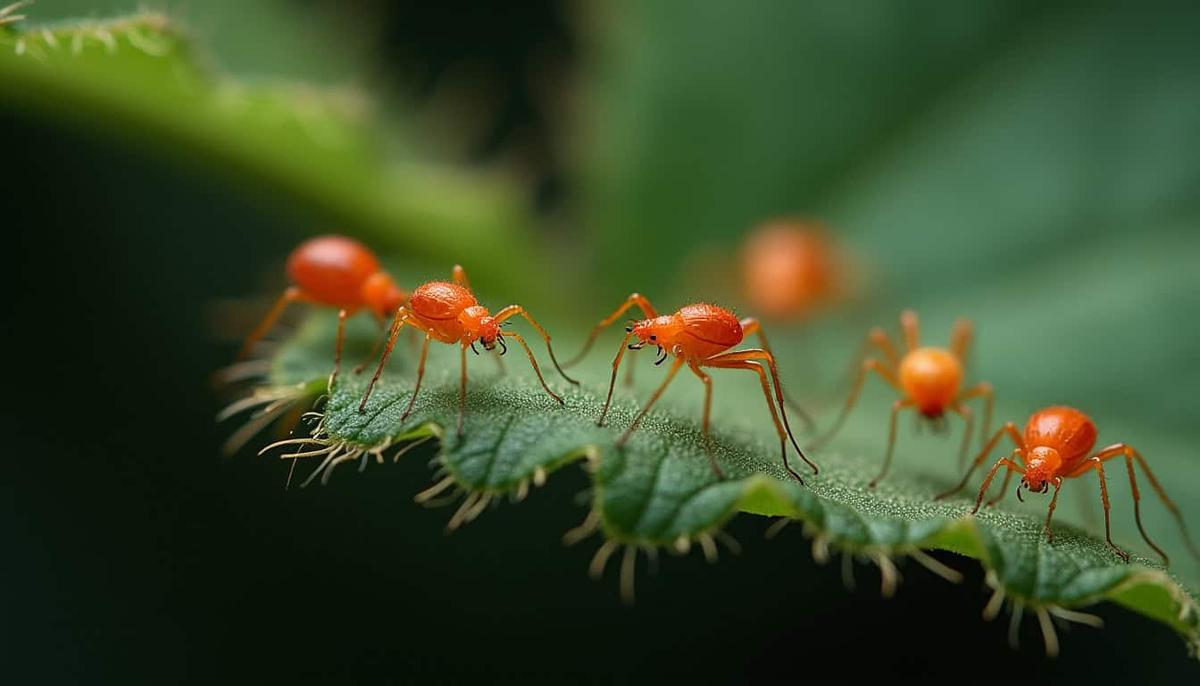
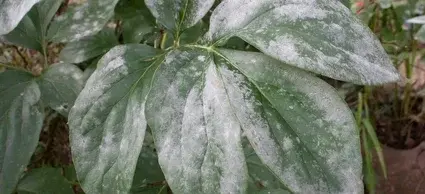
Here's how to identify and fix the most common Jasmine problems.
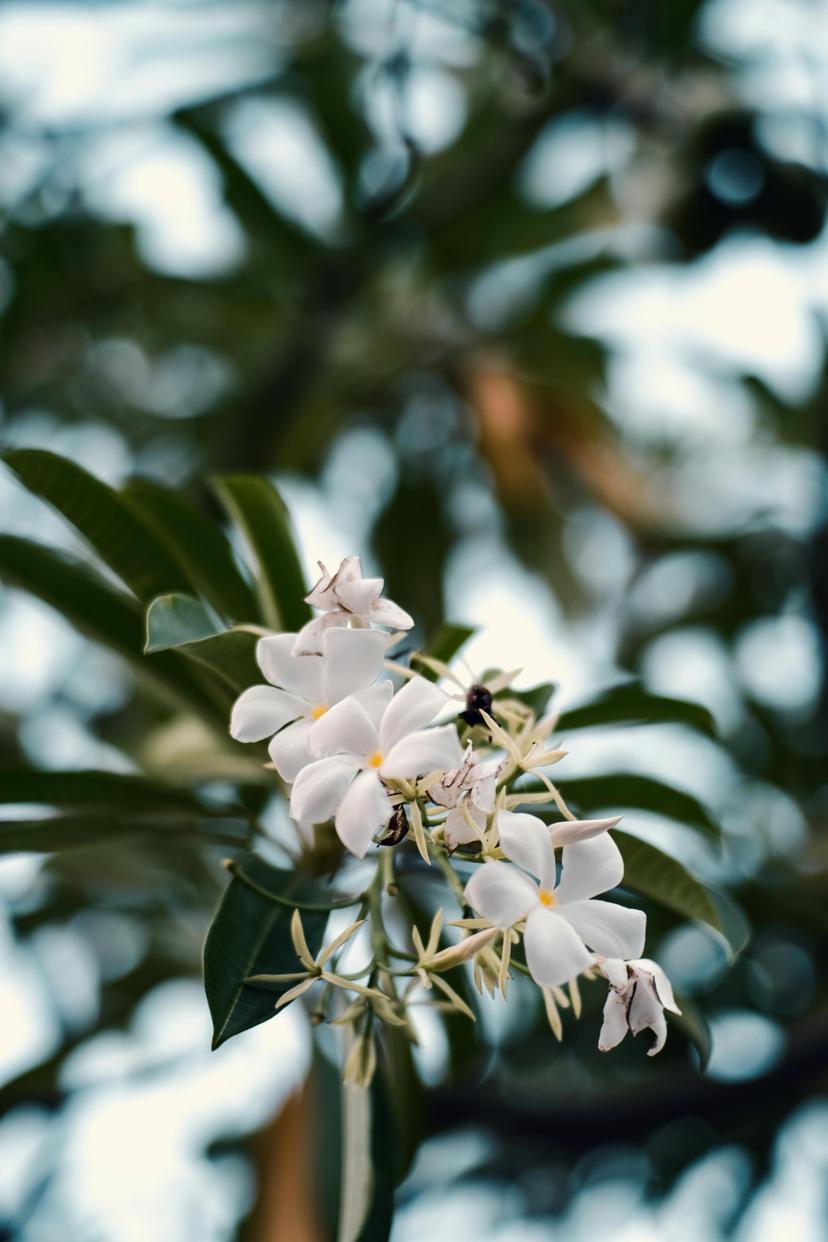
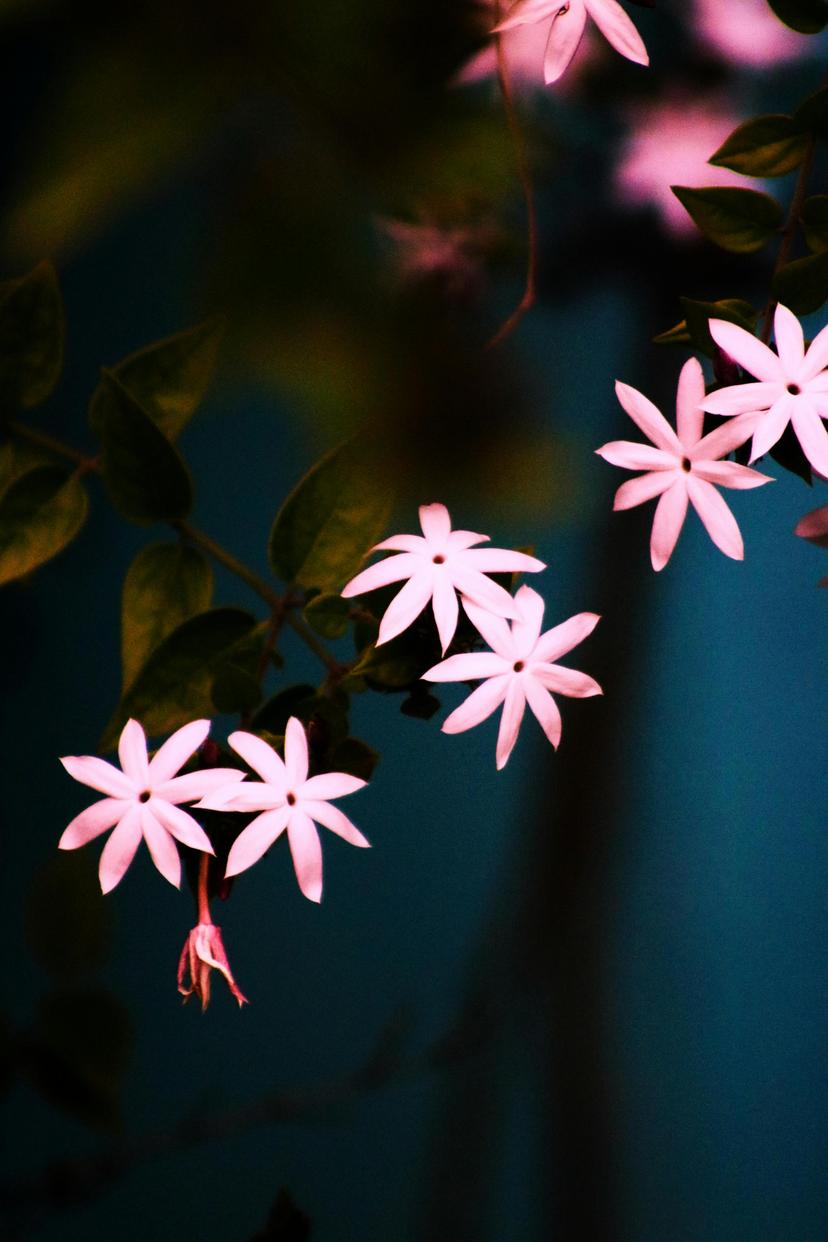
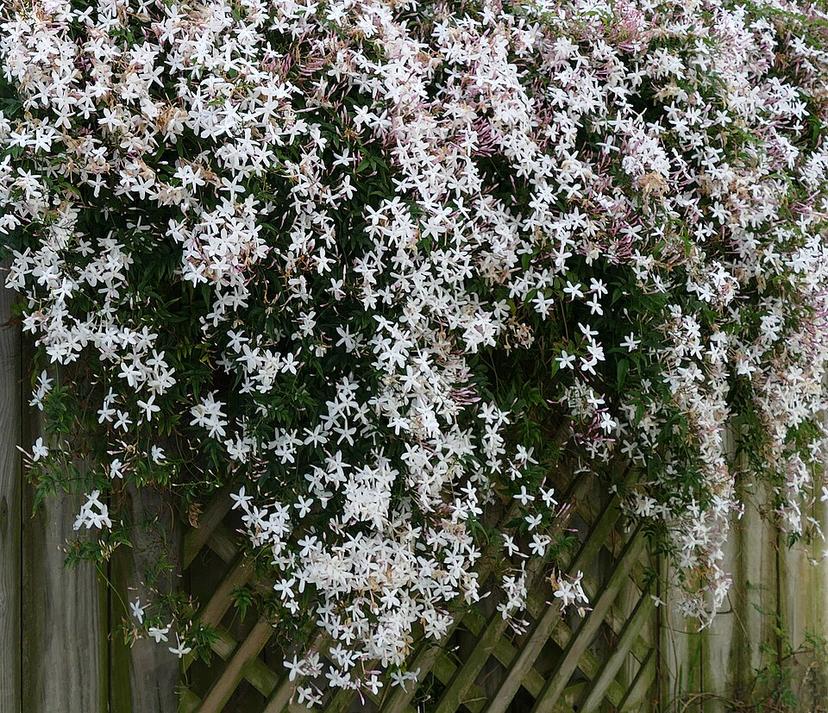
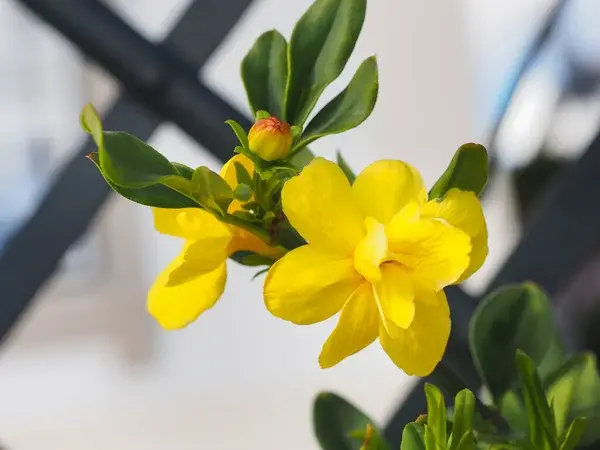
Popular Varieties
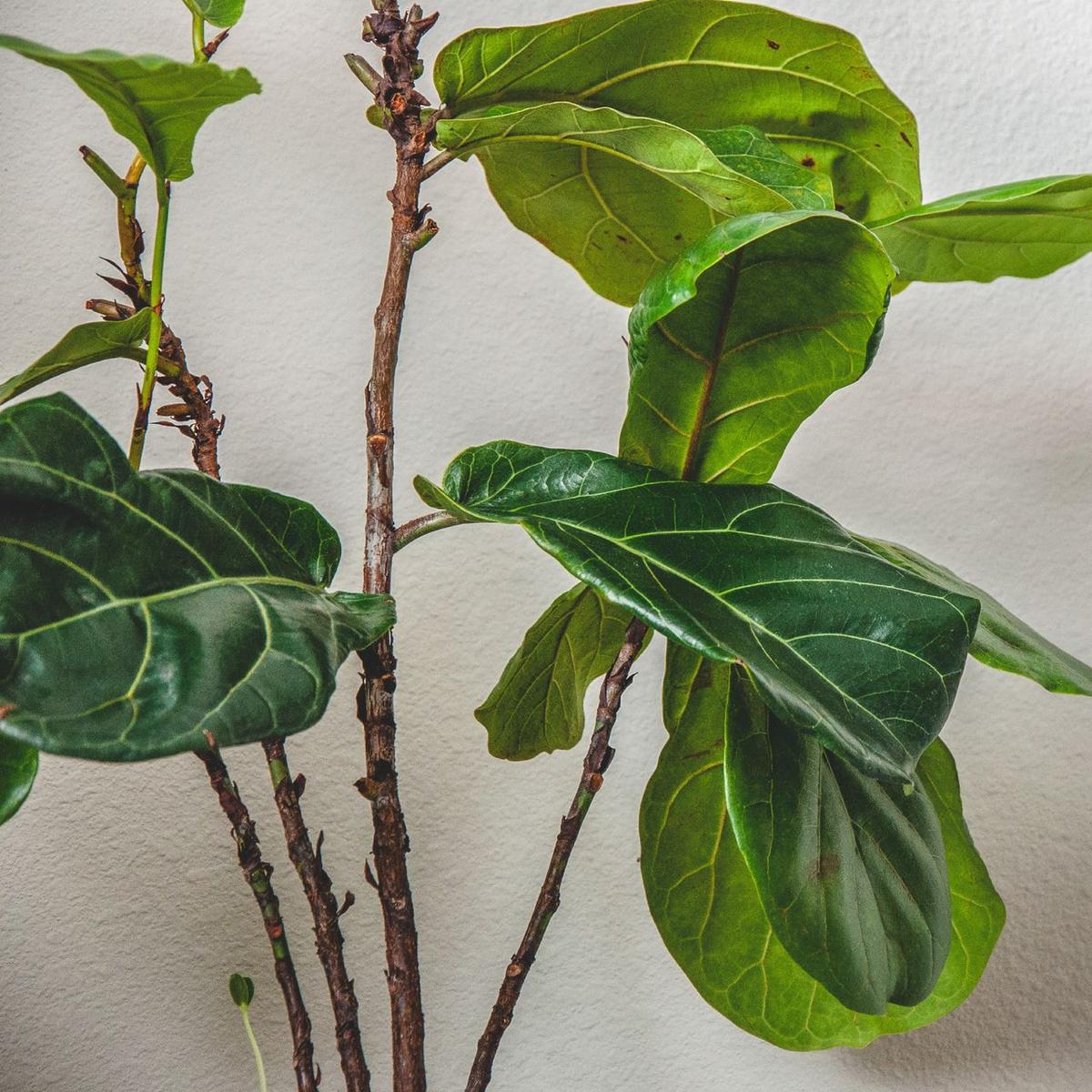
Explore different Jasmine varieties and find your perfect match.
Care Tips & Best Practices
Humidity
Mist leaves daily or use pebble tray for 60% humidity.
Feeding
Apply high-potash fertilizer every 2 weeks in spring-summer.
Cleaning
Wipe leaves monthly with damp cloth to boost light absorption.
Support
Train vines on moss pole or trellis for upright growth.
Pruning
Trim after flowering to shape and encourage new buds.
Rotation
Turn pot weekly for even light exposure and balanced growth.
Care Checklist
10 Common Mistakes to Avoid
Overwatering daily
Why it's bad: Roots drown, turn black and rot.
Do this instead: Wait for top inch to dry.
Dark corner placement
Why it's bad: Leggy growth, zero flowers.
Do this instead: Choose bright windowsill.
Skipping pruning
Why it's bad: Straggly mess, few blooms.
Do this instead: Trim after flowering.
Low humidity ignore
Why it's bad: Leaf edges crisp, mites invade.
Do this instead: Mist or pebble tray daily.
Wrong fertilizer
Why it's bad: Lush leaves, no jasmine flowers.
Do this instead: Use high-potash tomato feed.
Cold draft exposure
Why it's bad: Bud drop and leaf loss.
Do this instead: Keep above 60°F always.
No support given
Why it's bad: Vines sprawl and tangle.
Do this instead: Install trellis early.
Winter heavy feeding
Why it's bad: Weak growth, pest magnet.
Do this instead: Pause until spring.
Pest neglect
Why it's bad: Spreads fast, kills plant.
Do this instead: Inspect weekly, treat early.
Tight pot forever
Why it's bad: Stunted roots, poor health.
Do this instead: Repot every 2 years.
Frequently Asked Questions
Why won't my jasmine bloom?
It craves 6 hours bright light daily. Switch to bloom-booster fertilizer and prune spent stems.
How often to water jasmine?
Once top inch soil dries, about weekly. Overdo it and roots rot fast.
Is jasmine toxic to pets?
True Jasminum species safe for cats and dogs. Keep away from nibblers anyway.
Can jasmine grow in low light?
It survives but stretches leggy with no flowers. Bright indirect sun essential for health.
When to prune jasmine plant?
Right after flowering to shape and spark new growth. Spring for winter types.
Why yellow leaves on jasmine?
Usually overwatering or nutrient lack. Check drainage, feed balanced fertilizer.
Best fertilizer for jasmine?
High-potash like tomato feed every 2 weeks spring through summer. Skip winter.
How to propagate jasmine?
Snip 4-inch stem cuttings, root in water or soil. Roots form in 4 weeks.
Does jasmine need high humidity?
Yes, 50-70% ideal. Mist leaves or group with other plants.
Why dropping buds jasmine?
Sudden temp drops or dry air. Stabilize at 65-75°F, boost humidity.
References & Sources
Information in this guide is based on these trusted sources.