
Jade Plant
A timeless succulent symbol of prosperity and good luck that thrives on minimal care and brings effortless beauty to any space.
Video Tutorials
Watch these helpful videos to learn more about Jade Plant care.
About Jade Plant
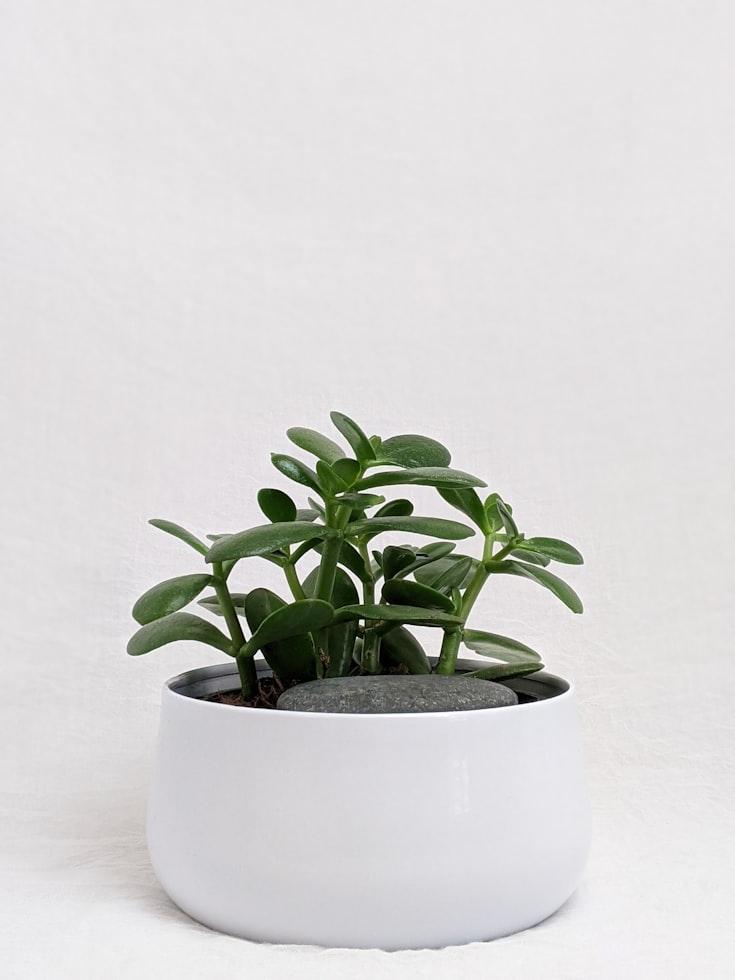
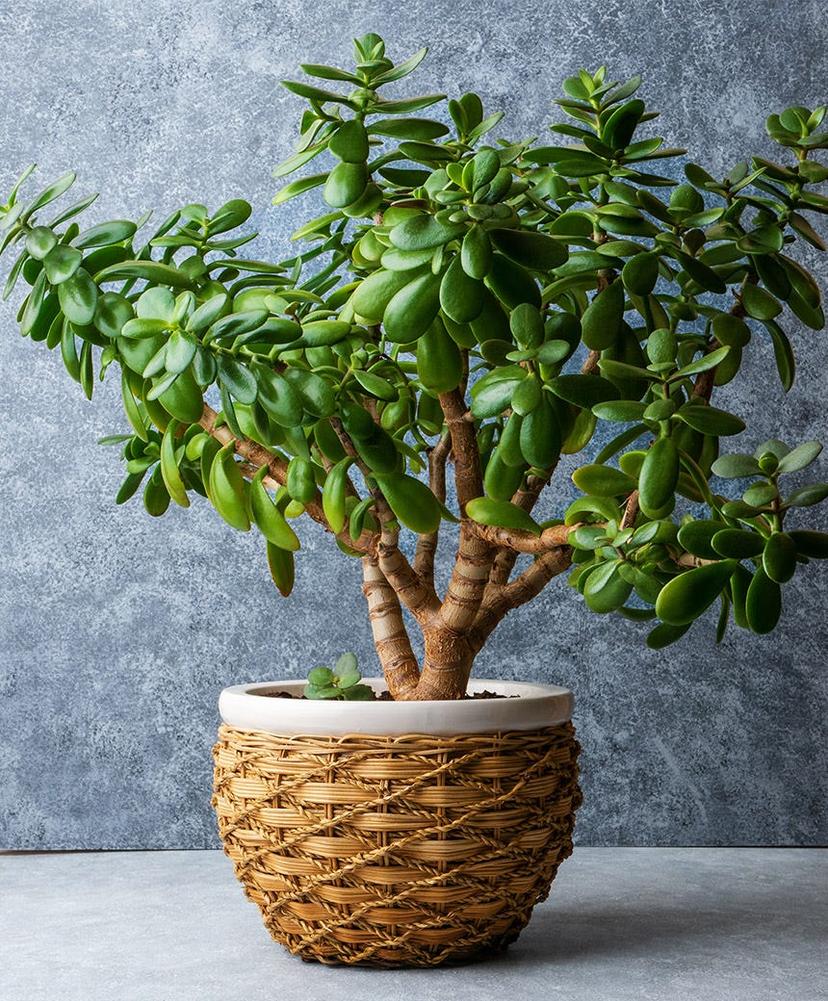
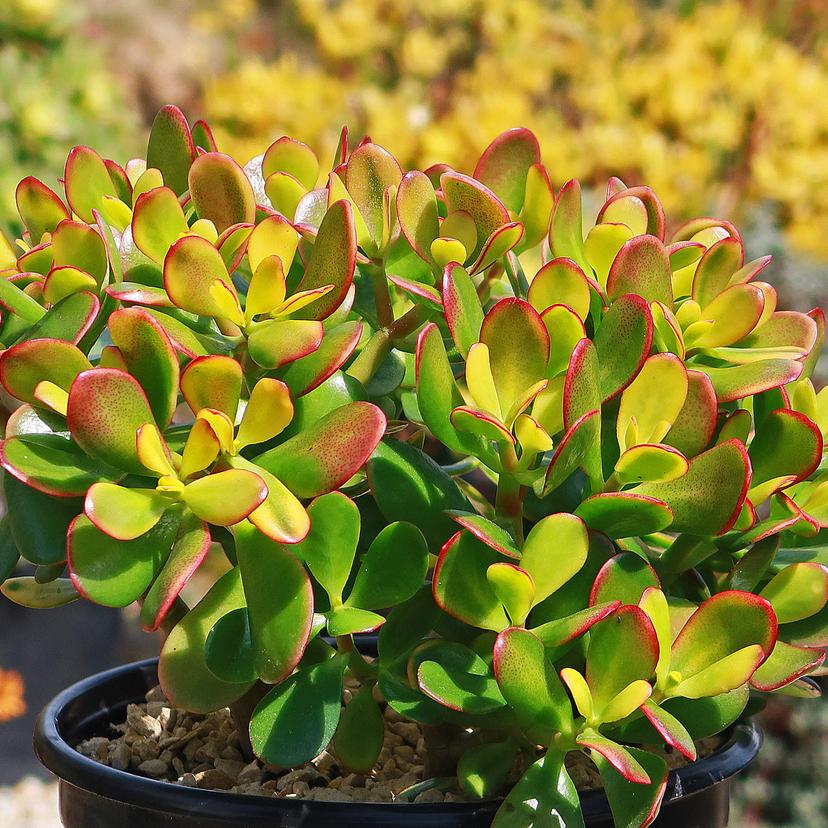
Jade plants are legendary among plant parents for being nearly impossible to kill. These thick-leaved succulents are revered as symbols of prosperity, good luck, and friendship in many Asian cultures. Their fleshy, oval-shaped leaves and sturdy trunks create a sculptural plant that looks like a miniature tree. Known as money plants or money trees, jades reward minimal care with years of reliable growth. Whether you're a forgetful waterer or a busy professional, jade plants thrive on neglect better than most houseplants.
Native to the rocky, arid regions of South Africa, jade plants evolved to survive harsh conditions with minimal water. They developed thick, waxy leaves that store moisture like tiny reservoirs, allowing them to weather long droughts. This adaptation makes them perfect for indoor environments where you might skip a week of watering without consequence. In their native habitat, they grow in well-draining rocky soil under intense, direct sunlight.
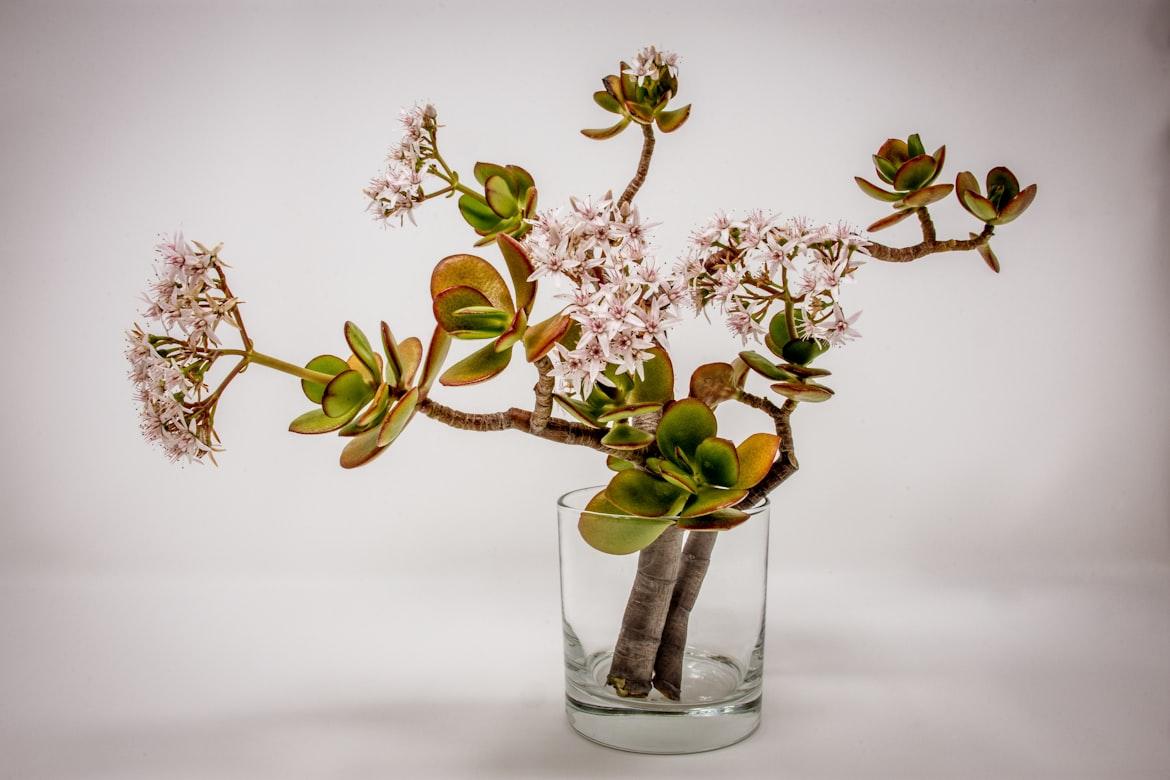
As houseplants, jades deliver dependable performance that makes them ideal for beginners and experienced plant collectors alike. Mature plants can reach 3-6 feet tall indoors, transforming into striking focal points in living rooms or offices. The real prize for dedicated jade guardians is witnessing the plant's rare blooms - delicate white or pink star-shaped flowers that appear on mature plants during winter or spring. With basic care and bright light, jade plants can thrive for decades, becoming living heirlooms passed down through families.
Watering Schedule
Jade plants store water in their fleshy leaves, making them naturally drought-tolerant. The key is watering deeply but allowing soil to dry completely between waterings. Less water is always safer than more with this succulent.
Common Problems & Solutions
Here's how to identify and fix the most common Jade Plant problems.
Popular Varieties
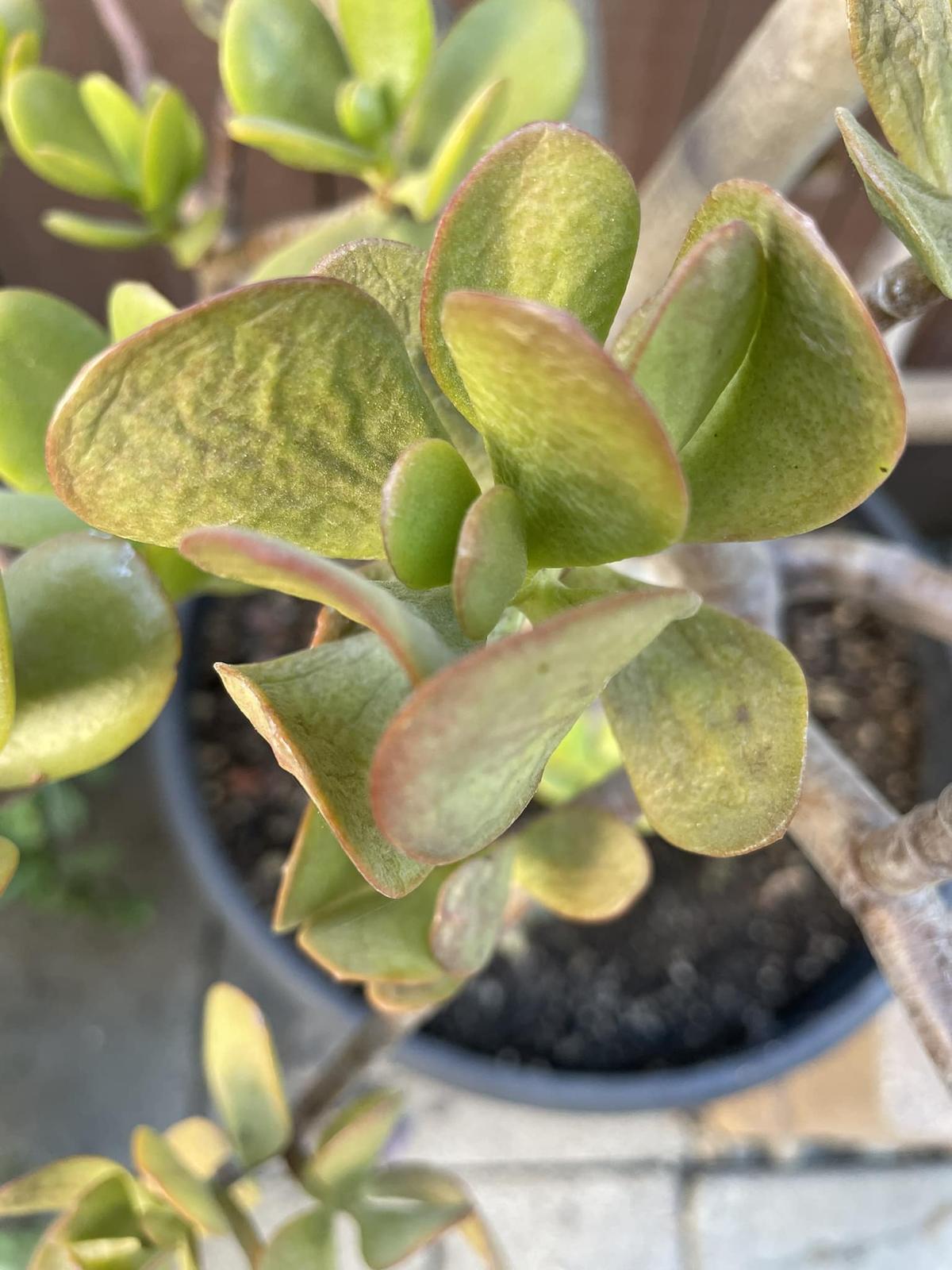
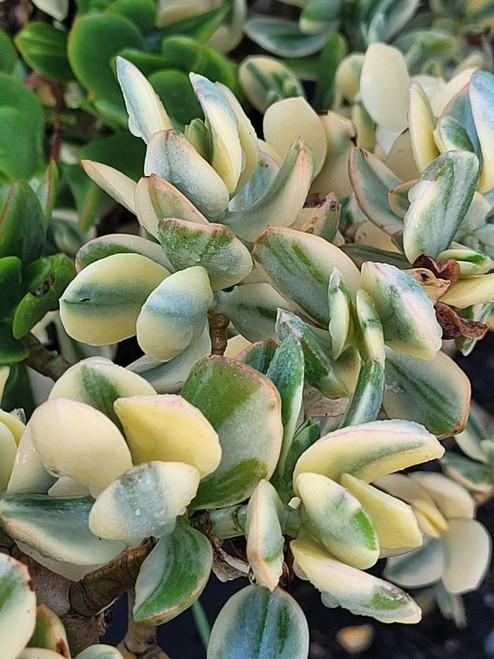
Explore different Jade Plant varieties and find your perfect match.
Care Tips & Best Practices
Humidity
Jade plants prefer low humidity and thrive in average household conditions. Unlike tropical plants, they actually suffer in very humid environments. If your home is dry, regular watering is sufficient; no humidifier needed.
Feeding Schedule
Fertilize monthly during spring and summer with balanced houseplant fertilizer diluted to half strength. Skip fall and winter feeding entirely; the plant enters a rest period and doesn't require nutrients during dormancy.
Cleaning Leaves
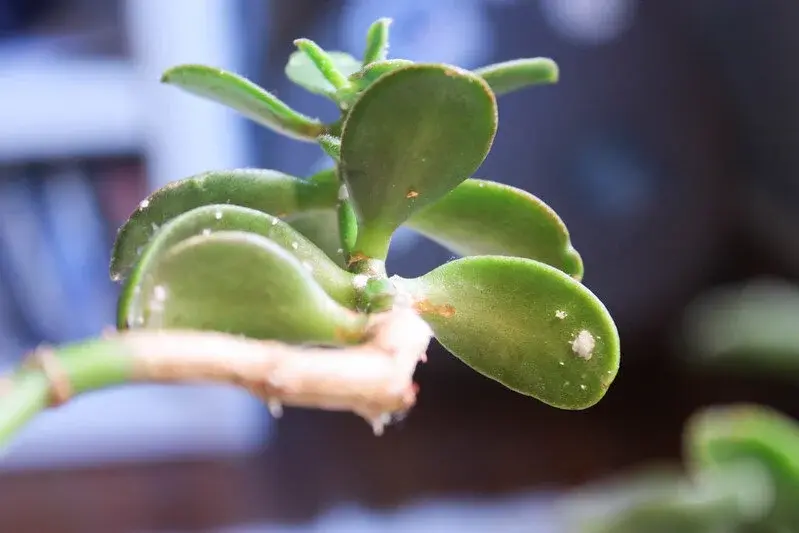
Dust leaves gently with a soft, damp cloth quarterly to remove dust buildup and reveal the plant's natural beauty. Leaf dust blocks sunlight and can hide pest infestations like mealybugs in leaf crevices.
Pruning for Shape
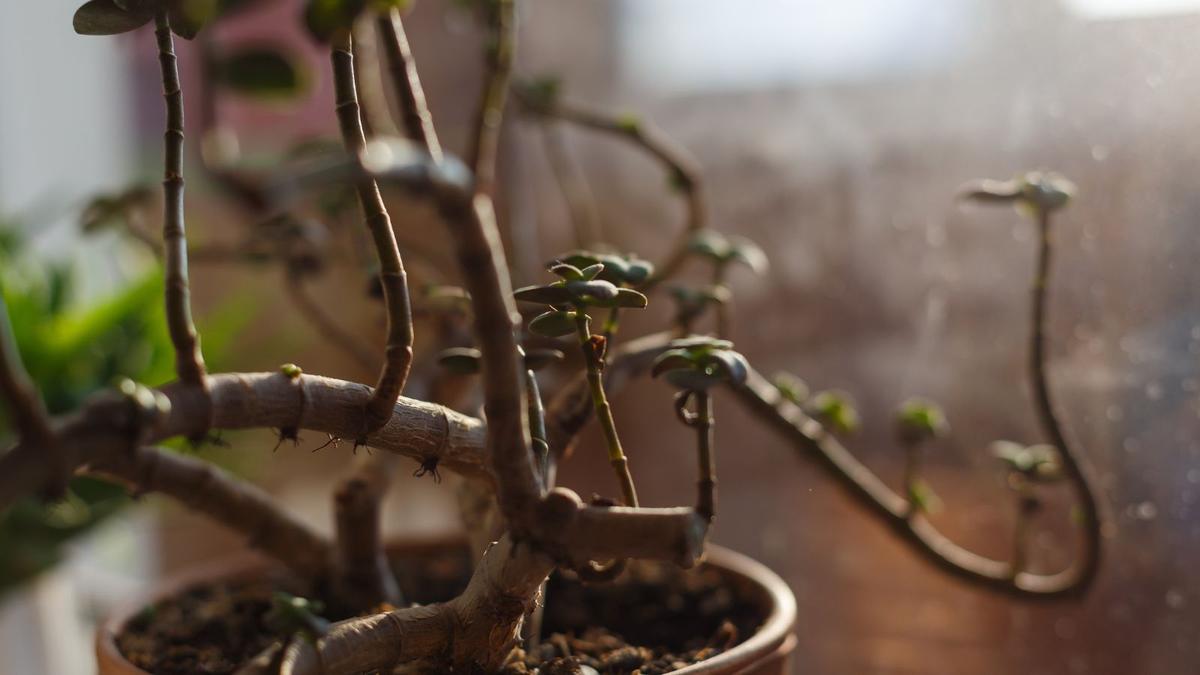
Pinch off new growth tips in spring to encourage branching and compact growth. Remove dead or yellowed leaves anytime. Light pruning won't stress the plant but keeps it full and attractive rather than tall and spindly.
Support and Staking
Mature jade plants develop thick, woody trunks that self-support. Young plants may benefit from a small stake or support stick in early growth, but this is rarely necessary. Let the plant develop its own strong structure.
Rotation for Even Growth
Rotate the plant 90 degrees every 2-3 weeks to ensure light hits all sides evenly. This prevents one-sided growth that makes the plant lean toward the window and become asymmetrical over time.
Care Checklist
10 Common Mistakes to Avoid
Overwatering
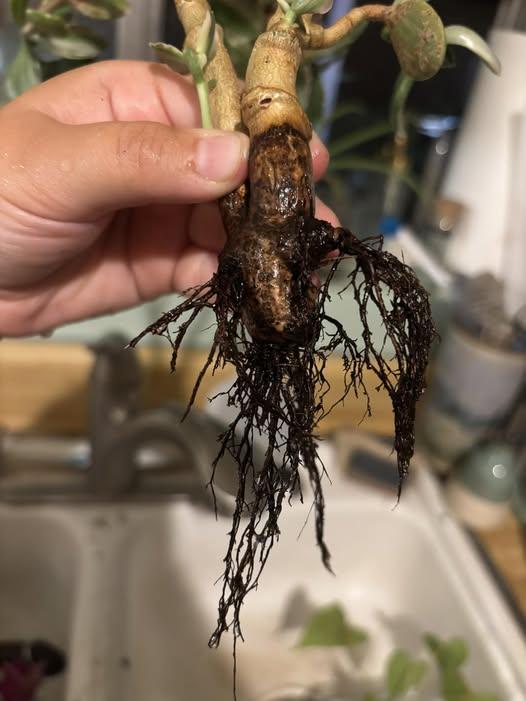
Why it's bad: Waterlogged soil suffocates roots, causing rot, yellowing, and plant death within weeks.
Do this instead: Water only when top 1-2 inches of soil are completely dry. Repot into well-draining soil. Less water is always safer than more.
Using regular potting soil
Why it's bad: Heavy, moisture-retentive soil traps water around roots, leading to rot and fungal issues.
Do this instead: Use only succulent or cactus potting mix. Add perlite or pumice to homemade recipes for superior drainage.
Placing in low-light locations
Why it's bad: Insufficient light causes etiolation where the plant stretches, becomes weak, and loses vigor.
Do this instead: Position in bright, direct sun for 6-12 hours daily. Use grow lights to supplement if windows are unavailable.
Using pots without drainage holes
Why it's bad: Water cannot escape, creating waterlogged conditions that guarantee root rot and plant failure.
Do this instead: Always use pots with drainage holes. Terracotta and ceramic pots are better than plastic for faster drying.
Repotting too frequently
Why it's bad: Unnecessary repotting stresses the plant and can cause root damage and temporary decline.
Do this instead: Repot only every 2-3 years for young plants, 4-5 years for mature specimens, or when clearly root-bound.
Fertilizing in fall and winter
Why it's bad: Winter feeding disrupts the plant's natural rest period and provides unnecessary nutrients during dormancy.
Do this instead: Feed only March through August during the active growing season. Skip fall and winter fertilizer entirely.
Keeping the plant in constant darkness
Why it's bad: Even though jade survives dim light temporarily, it becomes leggy, weak, and loses all natural beauty.
Do this instead: Provide 6-12 hours of bright, direct sunlight daily. This is non-negotiable for healthy, compact jade plants.
Moving the plant constantly
Why it's bad: Frequent relocation stresses the plant and disrupts its adjustment to light, temperature, and humidity.
Do this instead: Choose one bright location and leave the plant there. Rotate 90 degrees weekly for even growth, but don't relocate.
Ignoring pest infestations
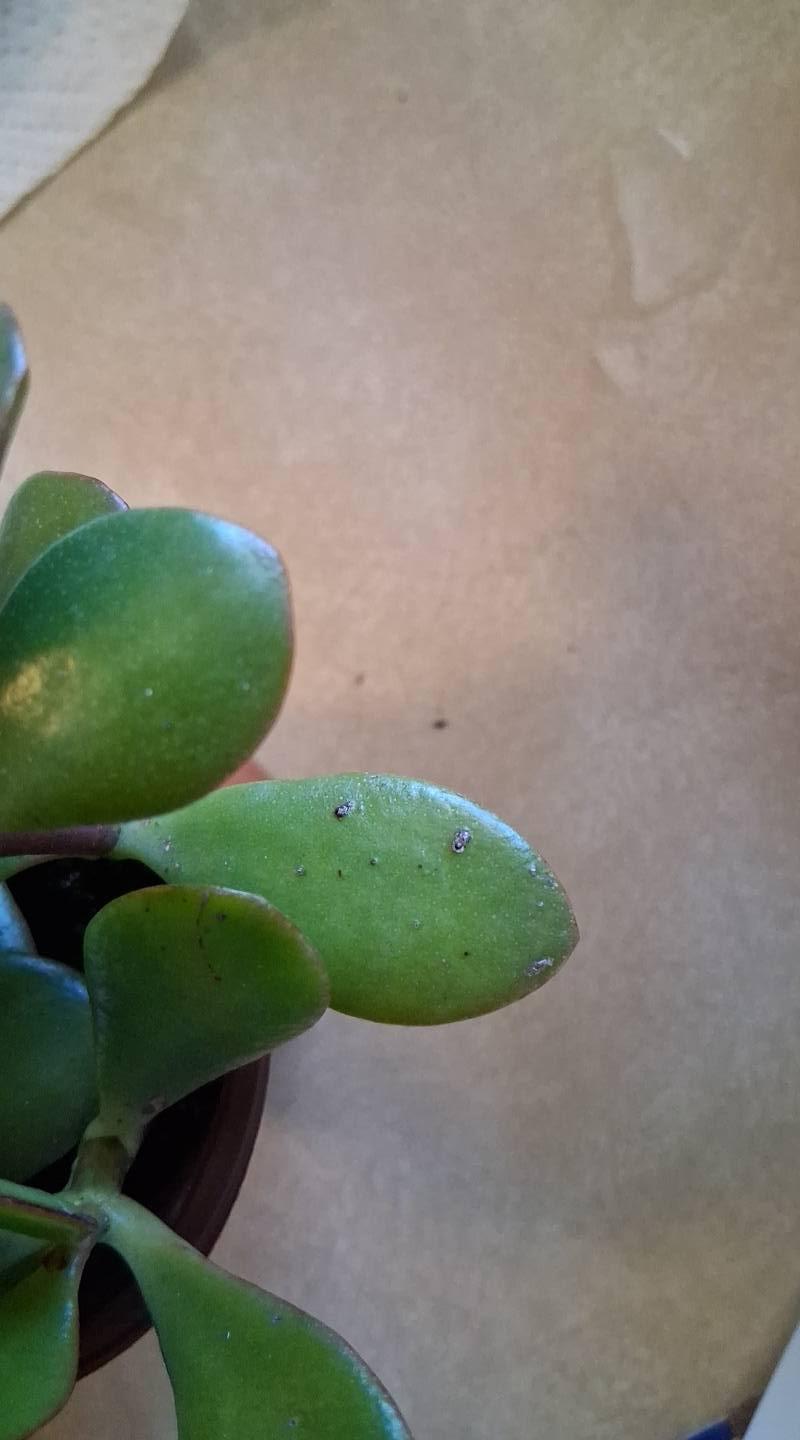
Why it's bad: Mealybugs and scale multiply rapidly if untreated, weakening and potentially killing the plant.
Do this instead: Inspect monthly for white cottony patches or raised bumps. Treat immediately with alcohol swabs when pests appear.
Spraying foliage or misting
Why it's bad: Jade plants don't need humidity; excess moisture on leaves encourages fungal issues and powdery mildew.
Do this instead: Water at soil level only. Never mist jade plant foliage. If humidity is high, provide good air circulation.
Frequently Asked Questions
How often should I water my jade plant?
Water every 2-3 weeks during spring and summer when soil is completely dry. In fall and winter, reduce to monthly or less. Let soil dry out fully between waterings; overwatering kills jade plants faster than underwatering.
Why are my jade plant leaves turning yellow?
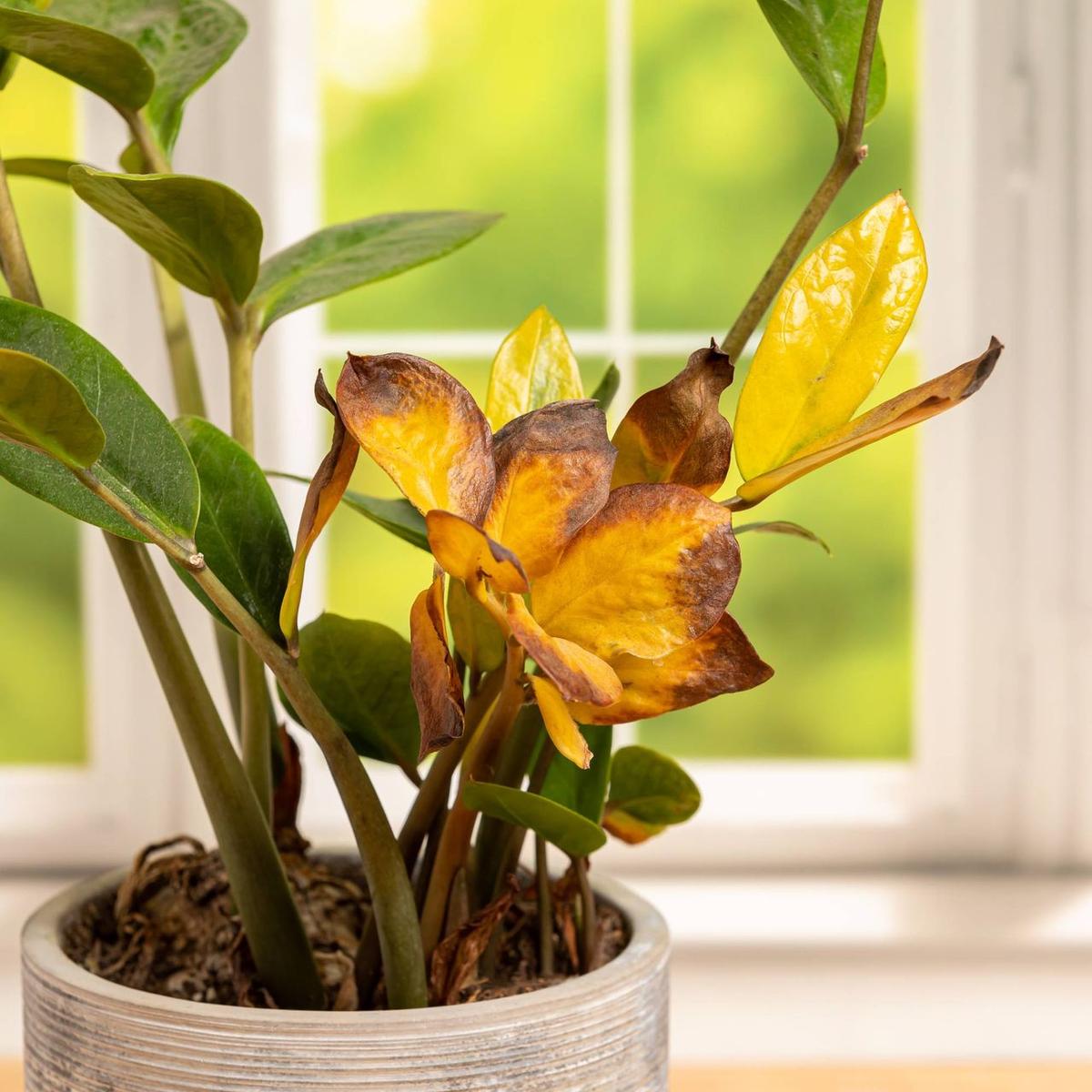
Yellow leaves indicate overwatering or poor drainage. Check if soil stays wet too long. Repot into well-draining succulent soil and reduce watering frequency immediately. Allow soil to dry completely between waterings going forward.
Can jade plants bloom indoors?
Yes, but only on mature plants (5+ years old) with ideal conditions: 8-12 hours direct sun, cool nights (50-60°F), and a dry rest period in fall. White or pink star-shaped flowers appear in winter or spring if all conditions align. Blooming is rare but possible.
Is jade plant toxic to cats and dogs?
Yes, jade plants are mildly toxic to cats, dogs, and horses. Ingestion causes vomiting, lethargy, and loss of appetite. While toxicity is mild and usually self-resolving, keep plants out of reach of curious pets or consider non-toxic alternatives.
How do I propagate jade plants?
Leaf cuttings are easiest: twist healthy leaves off, air dry 3-5 days, and place on cactus soil. Stem cuttings root faster: use 7-10cm shoots, let dry 2-3 days, and plant in soil. Both methods root in 4-6 weeks. Never root jade cuttings in water first.
What light does jade plant need?
Jade plants need 6-12 hours of bright, direct sunlight daily. South or west-facing windows are ideal. Without sufficient light, plants become leggy and weak. Use grow lights to supplement if windows are unavailable.
Why is my jade plant leggy or stretching?
Leggy growth indicates insufficient light. The plant is reaching toward any available light source. Move immediately to a brighter location with 6+ hours of direct sun. Prune stretched stems to encourage compact branching.
How do I treat mealybugs on jade plants?
Dip cotton swabs in isopropyl alcohol and touch each mealybug directly. Repeat every 3 days for 2 weeks. Spray the entire plant, including undersides and crevices, with diluted alcohol. Isolate from other plants to prevent spread.
Can I repot jade plants in any season?
Spring is ideal when new growth emerges. However, jade plants tolerate repotting year-round if soil is completely dry beforehand. Use well-draining succulent soil and a pot only 1-2 inches larger than the root ball.
How large do jade plants grow?
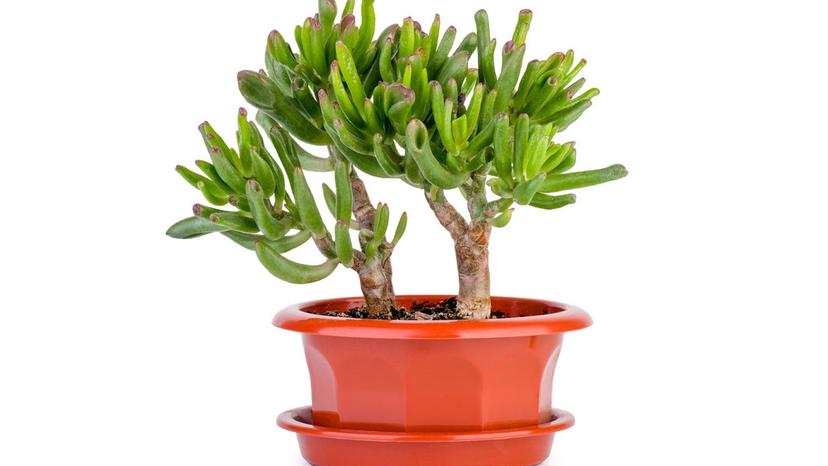
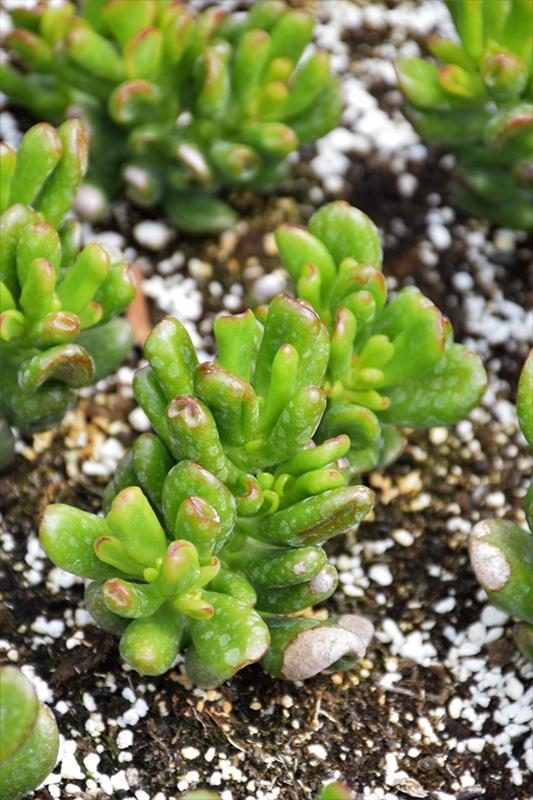
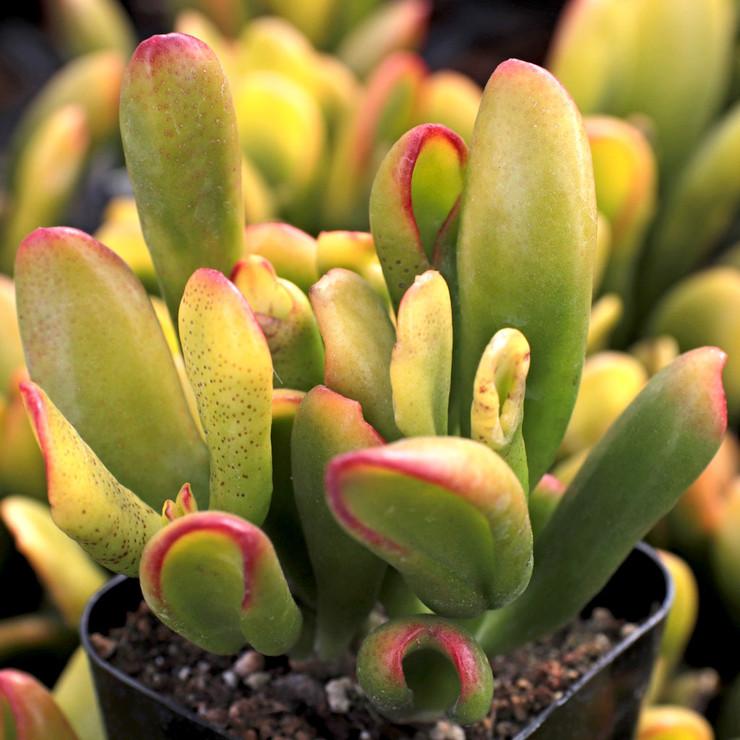
Indoor jade plants typically reach 3-6 feet tall depending on variety and light. Compact varieties like Gollum and Hobbit stay 2-3 feet tall. Growth is slow, taking many years to reach mature height. Outdoor jade plants in warm climates grow larger.
References & Sources
Information in this guide is based on these trusted sources.