
Grape
A stunning vining plant that produces sweet, juicy grapes while adding dramatic greenery to any space.
Video Tutorials
Watch these helpful videos to learn more about Grape care.
About Grape
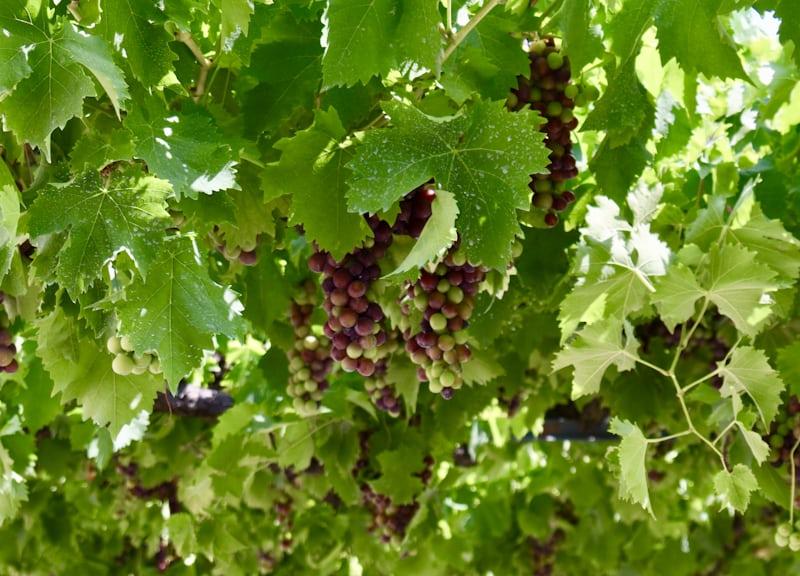
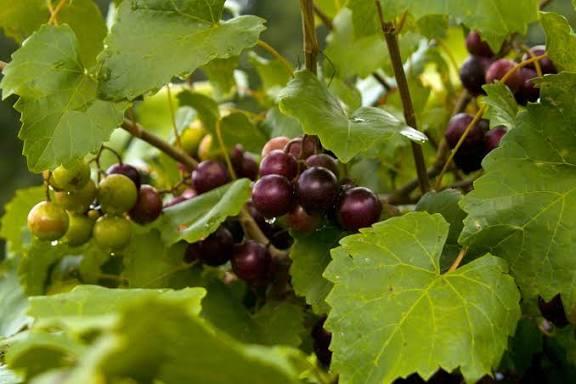
Grapes are among the oldest cultivated plants, prized for their sweet berries and elegant foliage. These vigorous vines reward you with stunning growth and the joy of harvesting your own fruit. With proper training and care, most varieties produce their first harvest within 2-3 years.
Native to the Mediterranean region and southwestern Asia, grapevines thrive in warm, sunny locations with well-draining soil. These lianas climb riverbanks and forest edges using tendrils. This makes them perfect for covering arbors, pergolas, and interior greenhouse structures.
When grown as houseplants or in containers, grapes perform best in bright conditions with permanent support structures. Seedless types like Thompson Seedless and Flame Seedless are easier for beginners. With regular pruning and consistent care, your grape vine will provide both ornamental beauty and delicious fruit for many years.
Watering Schedule
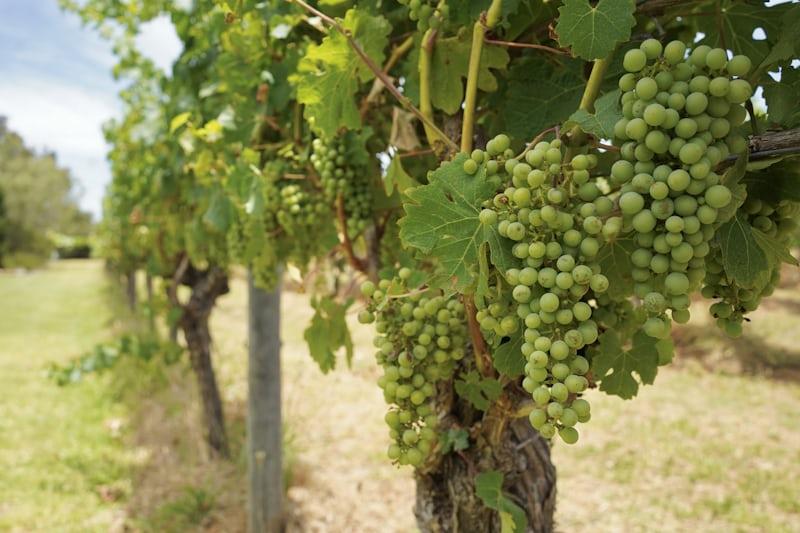
Grapes need consistent moisture during growing season but dislike waterlogged soil. Water deeply every 7-10 days, allowing the top 2-3 inches of soil to dry between waterings.
Common Problems & Solutions
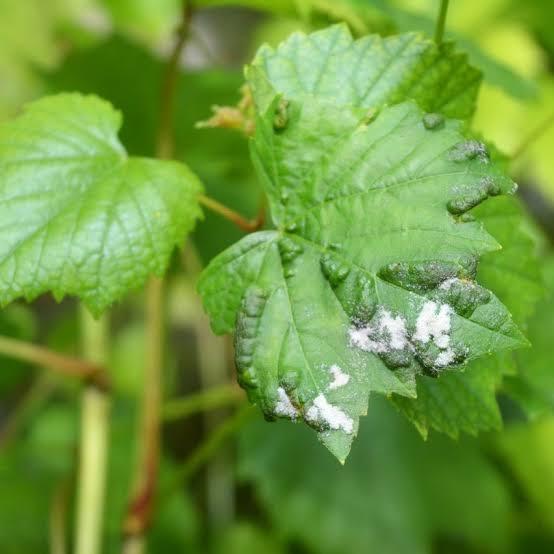
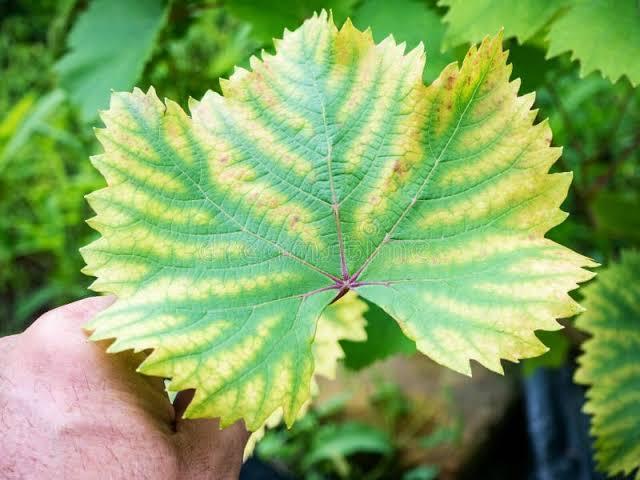
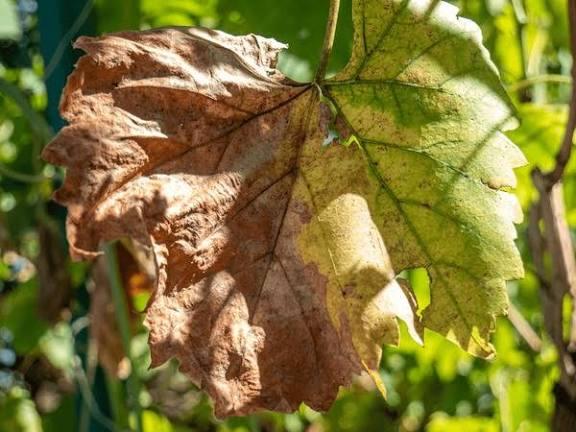
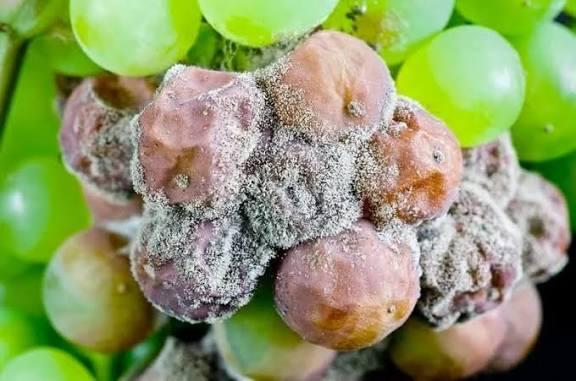
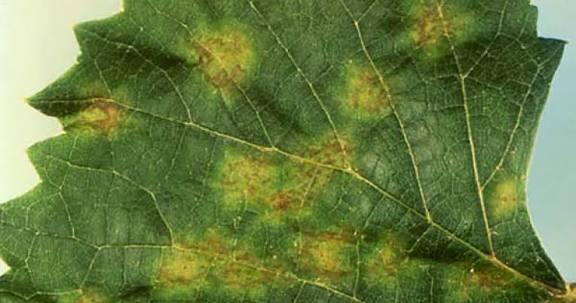
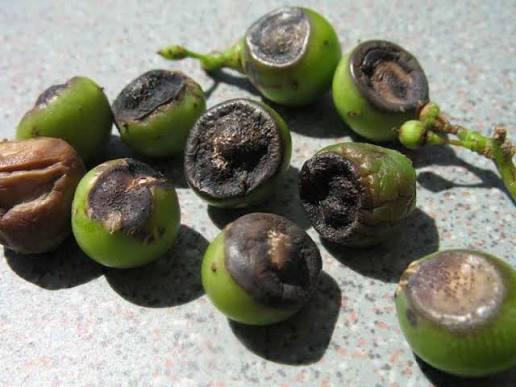
Here's how to identify and fix the most common Grape problems.
Popular Varieties
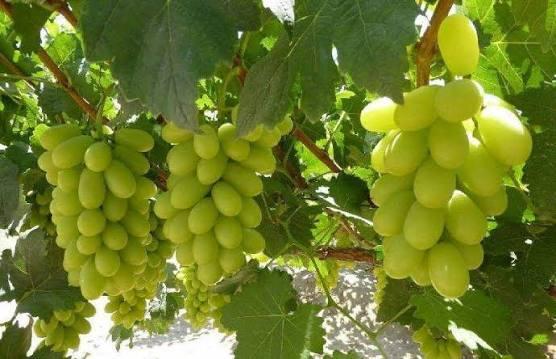
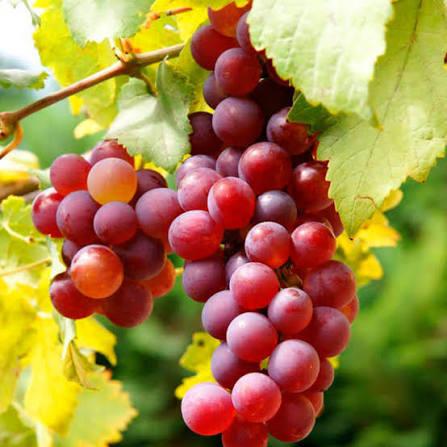
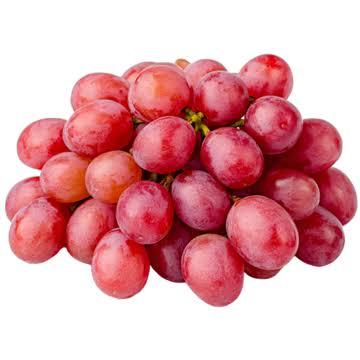
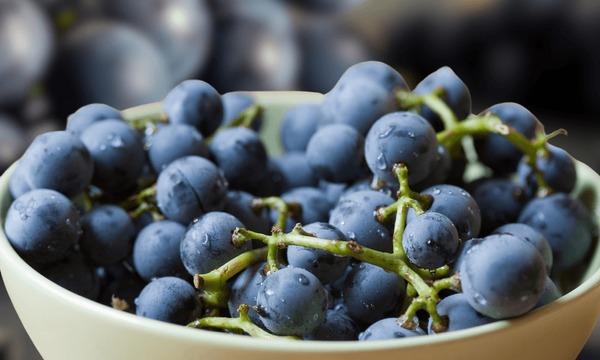
Explore different Grape varieties and find your perfect match.
Care Tips & Best Practices
Humidity and Misting
Grapes prefer 55-65% humidity. In dry environments, mist foliage 2-3 times per week. Place pots on trays of wet pebbles for passive humidity. Never mist during high heat or direct sun.
Feeding and Fertilizing
Apply balanced 10-10-10 in spring when growth starts, then again 4 weeks later. Switch to high-potassium fertilizer (4-18-38) every 3 weeks once leaves fully unfold through mid-summer. Stop feeding by late August. For containers, use half-strength fertilizer every 2-3 weeks.
Cleaning Leaves
Clean leaves every 2-3 weeks using a soft, damp cloth. Support leaves from underneath to avoid damage. For sticky residue, add mild dish soap to warm water. Never use commercial leaf shine.
Support and Training
Grapes require permanent support structures. Install sturdy trellises before planting. The rod and spur method works best indoors - train a horizontal main stem and allow fruiting shoots perpendicular. Use soft ties. Remove tendrils as they form.
Pruning and Cane Selection
Prune hard in early winter (November-December) while dormant, removing 80-90% of previous season's growth. Leave short spurs with 2-3 buds for fruiting. Never prune after mid-January. Light prune in June-July for air circulation.
Rotation and Repositioning
Rotate potted vines every 2 weeks to ensure balanced light. If you notice slower growth on one side, move the pot incrementally toward brighter light. Maintain 6+ hours direct sun.
Care Checklist
10 Common Mistakes to Avoid
Overwatering or watering on rigid daily schedule
Why it's bad: Soggy soil prevents oxygen reaching roots, triggering root rot and fungal diseases.
Do this instead: Always check soil moisture before watering. Water deeply but infrequently. In winter, water only once every 2-3 weeks. Ensure drainage holes.
Failing to prune or pruning too lightly
Why it's bad: Unpruned vines become tangled, disease-prone messes with poor fruit.
Do this instead: Prune hard in early winter (November-December), removing 80-90% of previous season's growth. Leave short spurs with 2-3 buds.
Growing grapes in deep shade or insufficient light
Why it's bad: Grapes need 6-8 hours direct sun daily. In shade, they grow foliage but produce little to no fruit.
Do this instead: Position where they receive minimum 6-8 hours direct sun daily. South or west-facing windows are ideal. Use grow lights if needed.
Allowing fruits to hang too long after ripening
Why it's bad: Ripe berries left on vine attract wasps and become susceptible to splitting and fungal diseases.
Do this instead: Harvest when berries reach full color and taste sweet, usually 2-3 weeks after color change. Remove ripe berries promptly.
Not providing adequate support or tying vines improperly
Why it's bad: Grapes cannot grow without permanent support. Tight ties girdle stems, restricting nutrient flow.
Do this instead: Install sturdy trellises before planting. Use soft ties loose enough to slip a finger under. Remove tendrils as they form.
Ignoring early fungal disease signs
Why it's bad: Powdery mildew, downy mildew, and botrytis spread exponentially.
Do this instead: Inspect vines weekly for white coating, yellow spots, or gray fuzz. Remove affected leaves immediately. Begin preventive sulfur sprays in spring.
Fertilizing with high-nitrogen or too late in season
Why it's bad: High-nitrogen causes excessive leafy growth. Late-season fertilizing triggers tender growth that won't harden off.
Do this instead: Use balanced 10-10-10 in spring, switch to high-potassium (4-18-38) every 3 weeks through mid-summer. Stop by late August.
Repotting too frequently or into overly rich soil
Why it's bad: Frequent repotting stresses vines. Overly rich soil causes excessive foliage and reduced fruiting.
Do this instead: Repot only once every 2-3 years. Use loam-based compost (John Innes No. 3) mixed with 20% sand or perlite.
Expecting fruit from young vines in year one
Why it's bad: Young vines need 2-3 years establishing roots. Forcing early fruiting exhausts the vine permanently.
Do this instead: Year one: pinch off flowers. Year two: allow small test harvest (5-10 berries). Year three onward: expect increasing production.
Growing wrong variety for your climate
Why it's bad: Each variety has unique requirements. Wrong variety results in poor quality or complete failure.
Do this instead: Before purchasing, verify hardiness zone, temperature requirements, sun needs, and pollination requirements.
Frequently Asked Questions
How long before my grape vine produces fruit?
Most varieties take 2-3 years. Year one: focus on roots and framework. Year two: allow small test harvest (5-10 berries). Year three onward: expect consistent, increasing harvests.
Can I grow grapes indoors without a greenhouse?
Yes, but challenging without a bright window offering 6+ hours direct sun daily. Indoor vines work best trained vertically on trellises. Expect slower growth and fewer fruits. Choose Grape Ivy if light is limited.
Do all grape varieties need a pollinator?
No, most table grapes like Thompson Seedless, Flame Seedless, and Concord are self-fertile. Some like Muscadine require a male pollinator nearby. Check your variety's requirements. Indoors, self-fertile varieties benefit from hand-pollination (shaking flowers).
What temperature range do grapes prefer?
Grapes thrive in daytime temperatures of 70-80°F (21-26°C) and nighttime temperatures of 60-65°F (15-18°C). Cooler nights improve fruit quality. Avoid temperatures below 50°F during growing season. Avoid rapid temperature swings.
How often should I fertilize my grape vine?
Spring: apply balanced 10-10-10 when growth starts, then again 4 weeks later. Once leaves fully unfold, switch to high-potassium feed (4-18-38) every 3 weeks through mid-summer. Once fruit ripens, stop feeding. Never fertilize in dormancy.
Why are my grape leaves turning yellow?
If yellowing shows green veins, it's iron deficiency from high soil pH or poor drainage. If entire leaves turn yellow, it's overwatering or nutrient deficiency. Test soil drainage first - soggy soil is most common. Check soil pH (grapes prefer 5.5-7.0).
Can I propagate grapes from cuttings at home?
Absolutely - it's the standard method. In late autumn or winter, collect hardwood cuttings 12-16 inches long. Store bundled in cool, moist conditions. In early spring, plant vertically in moist soil. Keep soil consistently moist - roots develop within 4-6 weeks.
What's the best way to support my grape vine?
Install permanent support structures before planting. The rod and spur training method works best indoors - train a horizontal main stem and allow fruiting shoots perpendicular. Use soft ties. Remove tendrils as they form.
How do I prevent fungal diseases like powdery mildew?
Maintain good air circulation by opening vents and removing crowded growth. Avoid overhead watering - water at the base early morning. Keep humidity between 55-65%. Begin weekly preventive sulfur sprays in spring.
Is it normal for my grape vine to not flower in year one or two?
Yes, completely normal. Young vines typically don't flower until year two or three. Pinch off flowers to encourage root and framework development. Vines need 2-3 years establishing strong foundations. Be patient.
References & Sources
Information in this guide is based on these trusted sources.