
ginger
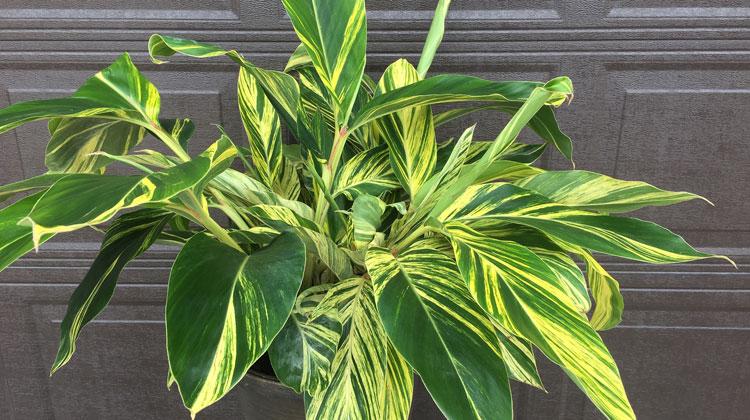
A tropical aromatic plant with beautiful foliage and fragrant flowers. Ginger thrives indoors with warmth, humidity, and indirect light.
Video Tutorials
Watch these helpful videos to learn more about ginger care.
About ginger
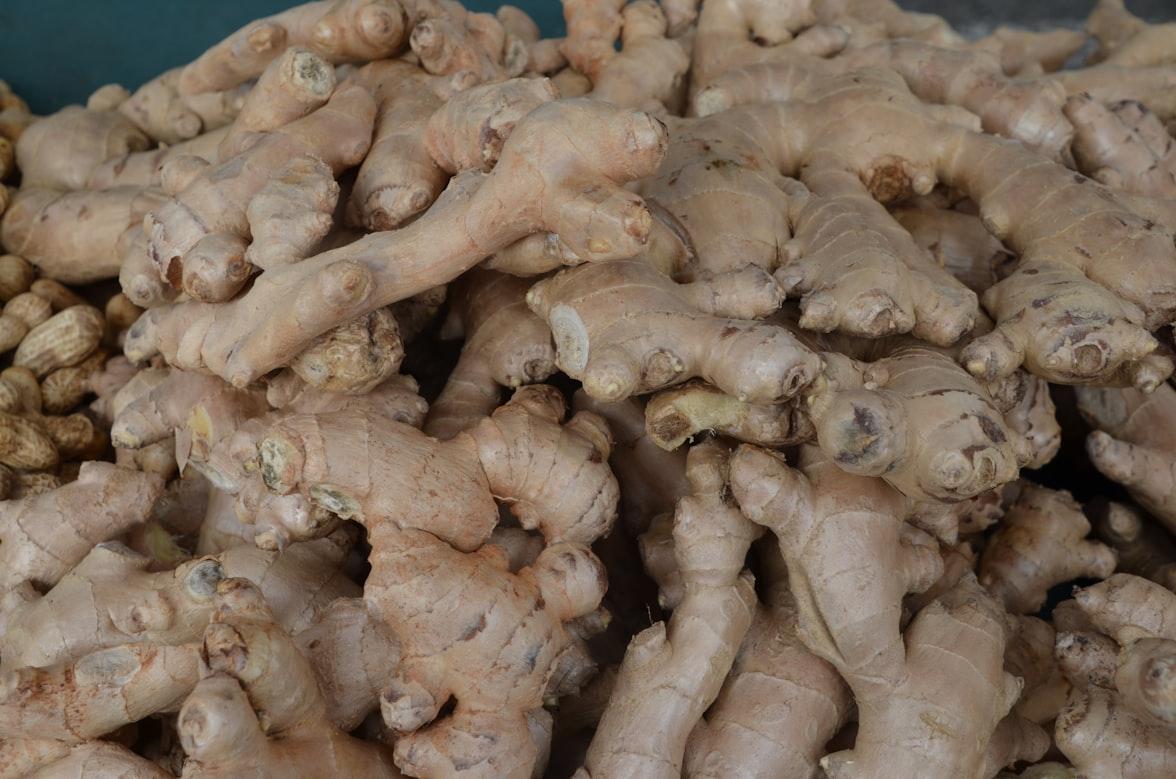
Ginger is a tropical herbaceous perennial prized for both culinary and ornamental varieties. Native to Southeast Asia, this ancient spice has been cultivated for thousands of years and remains one of the most versatile plants in gardening. Whether you choose culinary ginger for harvest or ornamental varieties for stunning flowers, this plant rewards patient growers with lush foliage and unique blooms.
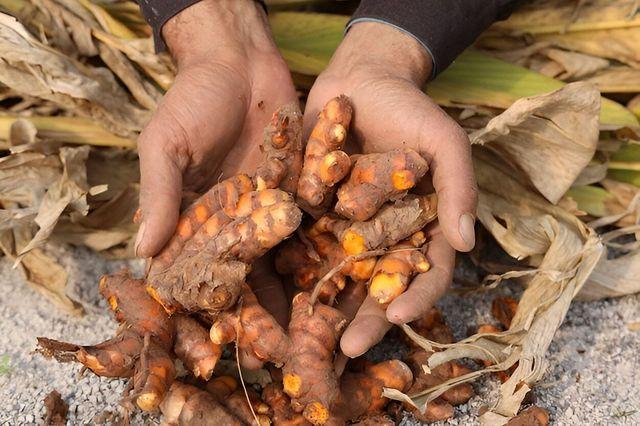
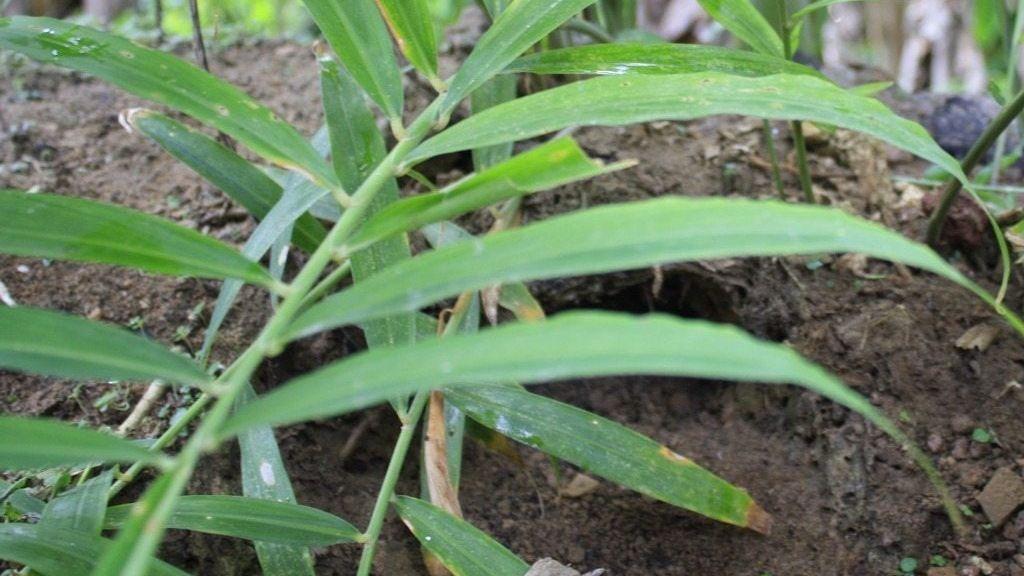
In its natural habitat, ginger thrives in warm, humid tropical forests of Southeast Asia, particularly in regions with consistent rainfall and temperatures between 70-85°F. The plant grows from rhizomes-underground stems that spread horizontally, sending up bamboo-like shoots with narrow, lance-shaped leaves. These conditions create the perfect foundation for understanding how to grow it successfully at home.
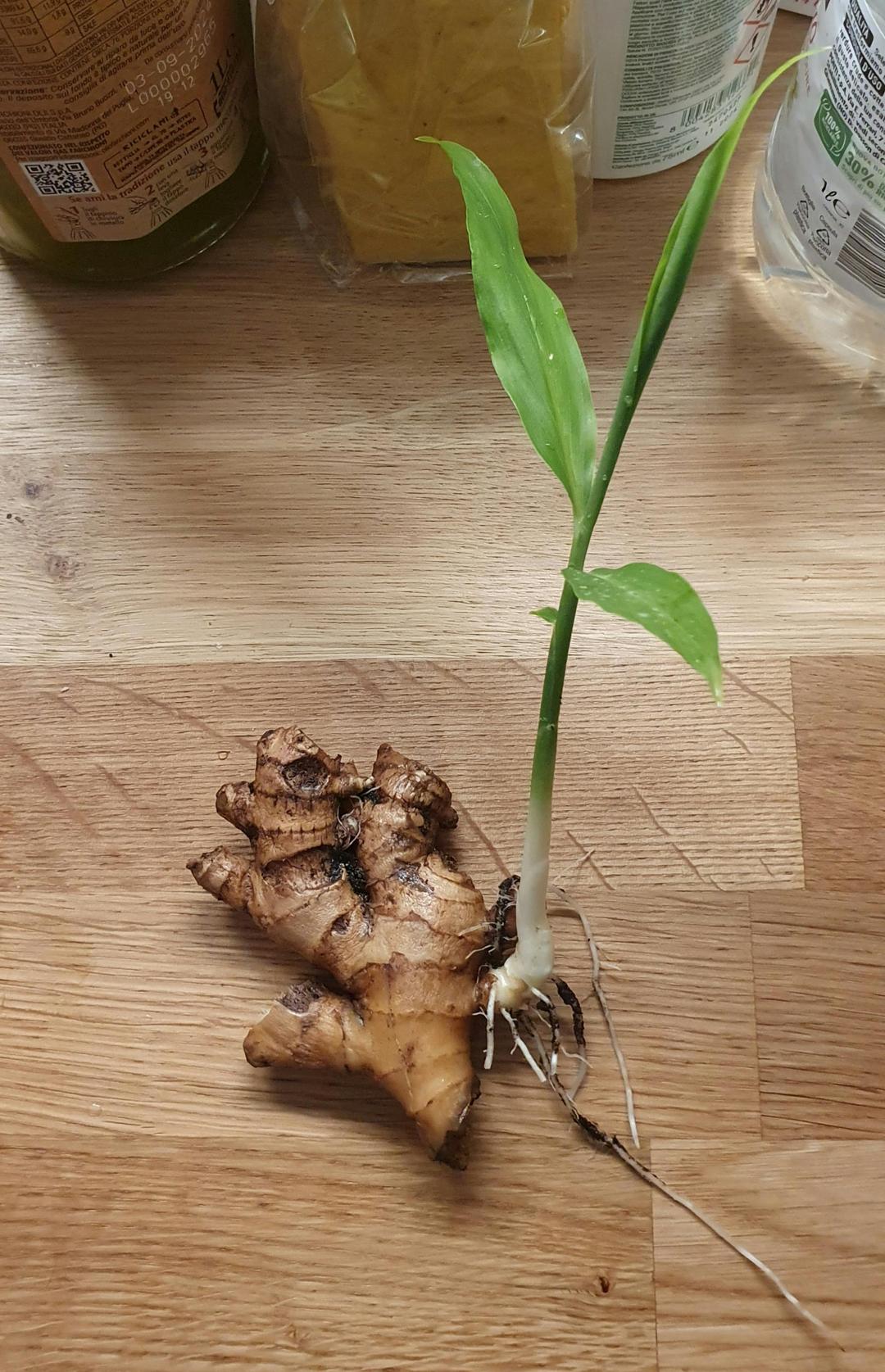
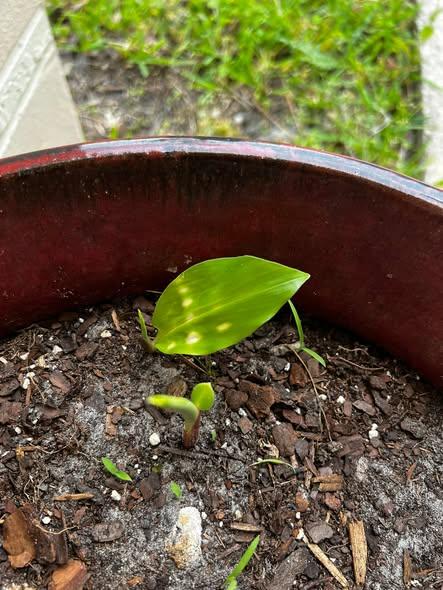
As a houseplant, ginger adapts well to indoor containers when given adequate warmth and humidity. It takes 8-10 months from planting to full maturity, though you'll see leaf growth within 2-4 weeks. Ginger is low-maintenance once established, requiring consistent moisture, warm temperatures, and indirect sunlight. With proper care, your ginger plant can live for years, producing new rhizomes each season.
Watering Schedule
Ginger prefers consistently moist soil but detests sitting in water. The key is finding the sweet spot between hydration and drainage.
Common Problems & Solutions
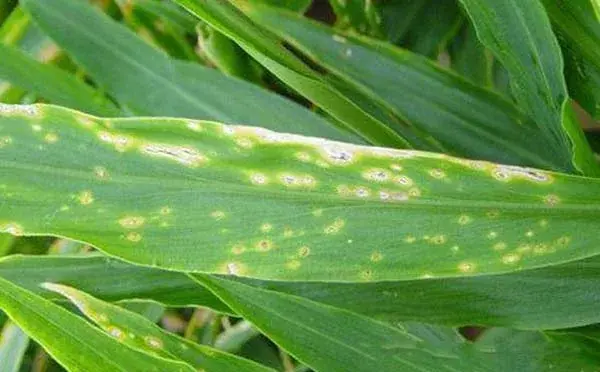
Here's how to identify and fix the most common ginger problems.

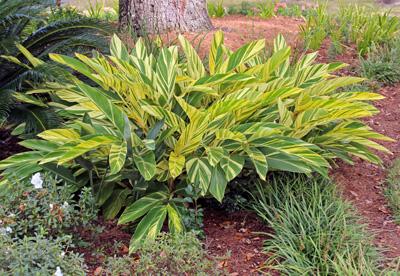
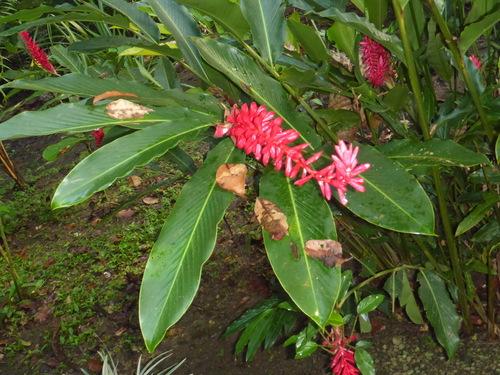
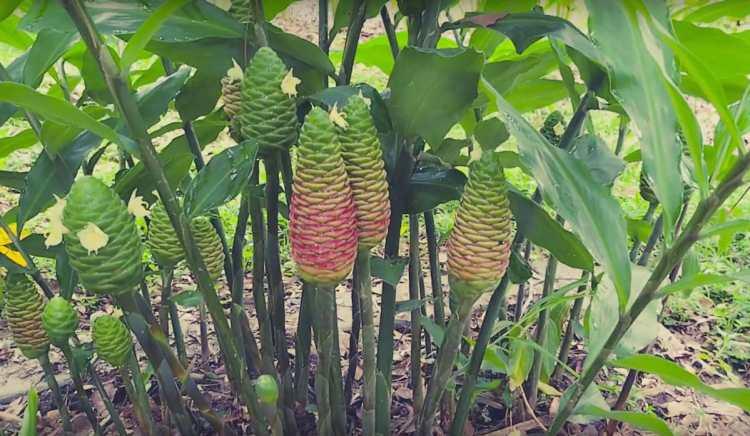
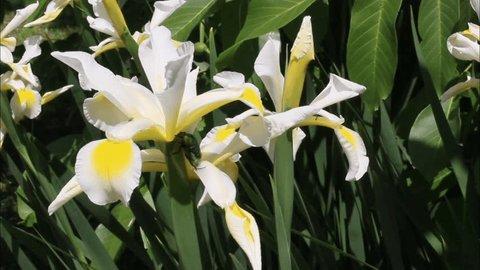
Popular Varieties
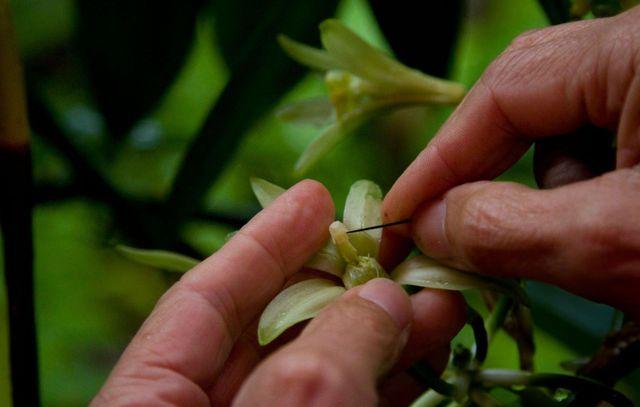
Explore different ginger varieties and find your perfect match.
Care Tips & Best Practices
Humidity
Group ginger with other tropicals to create a humid microclimate. Place pots on pebble trays filled with water for constant moisture without waterlogging.
Feeding
Feed monthly during growing season with balanced 10-10-10 fertilizer. Switch to lower nitrogen in fall to encourage rhizome development rather than leafy growth.
Cleaning
Wipe leaves with a soft damp cloth monthly to remove dust and boost photosynthesis. This also helps spot pest problems early.
Support
Ginger rarely needs staking indoors. As plants reach 2-3 feet, loose ties to a moss pole prevent sprawling in low-light areas.
Pruning
Remove any yellowed or damaged leaves at the base. Pinch back stem tips in spring to encourage bushier, fuller growth.
Rotation
Rotate pots 90 degrees weekly to ensure even light exposure and prevent leaning toward windows.
Care Checklist
10 Common Mistakes to Avoid
Overwatering the rhizome
Why it's bad: Wet soil causes root rot and fungal infections that kill the plant within weeks.
Do this instead: Water when top inch of soil is dry and use pots with drainage holes.
Placing in low light or dark corners
Why it's bad: Ginger needs 5+ hours of bright indirect light daily to photosynthesize and grow.
Do this instead: Position near windows with sheer curtains or use grow lights for 8-10 hours daily.
Exposing to temperatures below 60°F
Why it's bad: Cold shocks the plant, halts all growth, and can kill tender rhizomes.
Do this instead: Keep room temperature between 70-85°F and protect from drafts and windows in winter.
Ignoring humidity needs
Why it's bad: Ginger is tropical and needs 50%+ humidity; dry air causes leaf browning and pest stress.
Do this instead: Mist foliage 2-3 times weekly or place pots on pebble trays filled with water.
Using regular garden soil instead of potting mix
Why it's bad: Garden soil compacts in pots, blocks drainage, and causes waterlogging.
Do this instead: Use a mixture of potting soil, compost, and perlite for optimal drainage.
Planting rhizomes too deep or upside down
Why it's bad: Buds need near-surface positioning to sprout; inverted rhizomes rot underground.
Do this instead: Plant 1-2 inches deep with growth buds pointing upward.
Expecting blooms on culinary ginger indoors
Why it's bad: Culinary ginger rarely flowers indoors due to light and temperature requirements.
Do this instead: Choose ornamental varieties like shell ginger or red ginger for guaranteed blooms.
Moving the plant frequently between locations
Why it's bad: Constant moves stress the plant and slow growth while it readjusts.
Do this instead: Choose one bright, warm location and leave the plant there during growing season.
Forgetting to repot annually
Why it's bad: Ginger outgrows pots quickly; cramped roots limit growth and nutrient absorption.
Do this instead: Repot to a larger container each spring with fresh, nutrient-rich soil.
Harvesting rhizomes too early
Why it's bad: Immature rhizomes lack flavor, starch, and size; plants decline from early harvest.
Do this instead: Wait 8-10 months for full maturity before harvesting any rhizomes.
Frequently Asked Questions
How long does ginger take to grow from planting to harvest?
Ginger takes 8-10 months to reach full maturity from rhizome planting. Culinary varieties take longest for maximum rhizome development and flavor compounds. You'll see leaf growth within 2-4 weeks.
Can I grow ginger from grocery store ginger root?
Yes, but success varies. Grocery ginger is often treated with growth inhibitors or fungicides. Organic, untreated rhizomes from nurseries or health food stores sprout faster and more reliably.
What's the difference between culinary and ornamental ginger?
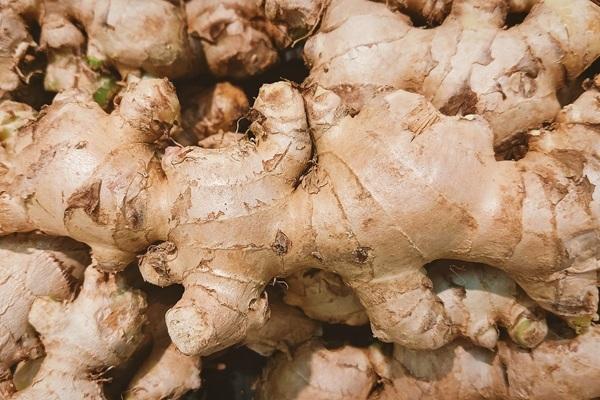
Culinary ginger (Zingiber officinale) grows for flavorful rhizomes and rarely flowers indoors. Ornamental varieties (Alpinia, Hedychium) produce stunning flowers, unusual foliage, and thinner, less palatable rhizomes.
Does ginger need special fertilizer?
Balanced 10-10-10 fertilizer works well monthly during growing season. In fall, switch to lower-nitrogen formulas (like 5-10-10) to redirect energy underground for rhizome development instead of leaf growth.
Why are my ginger leaves turning yellow?
Yellow leaves typically signal low humidity, cold drafts below 60°F, overwatering, or natural leaf aging. Check humidity (aim for 60%+), water only when soil surface is dry, and keep plants away from cold windows.
Can I grow ginger in a small apartment with limited space?
Yes, choose compact varieties like Variegated Dwarf Shell Ginger which grows only 1 foot tall. Use a 12-inch wide shallow pot and grow lights if your apartment lacks bright windows.
Is ginger safe for cats and dogs?
Yes, ginger plants are completely safe for pets. Cats and dogs can nibble foliage without toxicity risk, though they may experience minor digestive upset if they eat large amounts.
How often should I repot my ginger plant?
Repot annually each spring before new growth peaks. Ginger roots spread horizontally and need increasing space. Move to a container 2-4 inches larger in diameter with fresh soil.
What's the best soil mix for growing ginger?
Mix 50% potting soil, 30% compost, and 20% perlite or coarse sand. This combination retains moisture while providing excellent drainage to prevent root rot.
Can I harvest ginger before 8-10 months?
Yes, baby ginger harvests are possible after 4-6 months for tender, mild rhizomes. However, waiting the full 8-10 months yields larger, more flavorful rhizomes with better starch development.
References & Sources
Information in this guide is based on these trusted sources.