
Garlic
A pungent kitchen staple that transforms dishes. Plant cloves in fall, harvest fragrant bulbs next summer.
Video Tutorials
Watch these helpful videos to learn more about Garlic care.
About Garlic
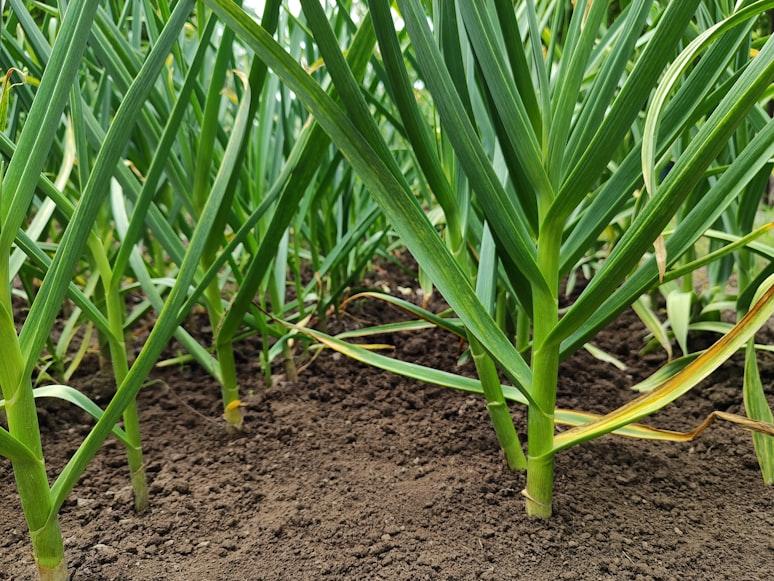
Garlic is a hardy bulb crop valued worldwide for its bold flavor and long storage life. This pungent staple belongs to the Allium family and works in dishes from Mediterranean pasta to Asian stir-fries. Home growers love it because one clove planted in fall delivers a full harvest nine months later with minimal fuss.
Native to Central Asia, garlic thrives where it develops deep roots over winter. The plant requires 30-50 degree cold to trigger bulb formation, making fall planting essential. Hardneck varieties produce edible scapes, while softneck types store longer and suit milder climates.
Garlic is remarkably low-maintenance. Plant cloves in autumn, mulch for winter, and allow nature to work. Come late June, dig large fragrant bulbs ready for curing and storage. Garlic stores 6-12 months, making it practical for year-round use.
Watering Schedule
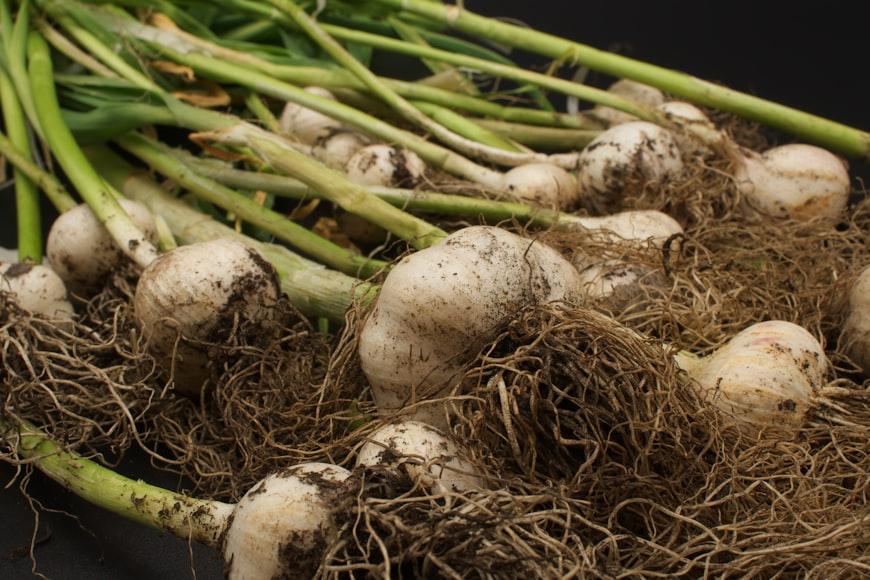
Garlic needs consistent moisture during spring and early summer when bulbs are forming. Keep soil moist but never waterlogged, as standing water invites fungal diseases.
Common Problems & Solutions
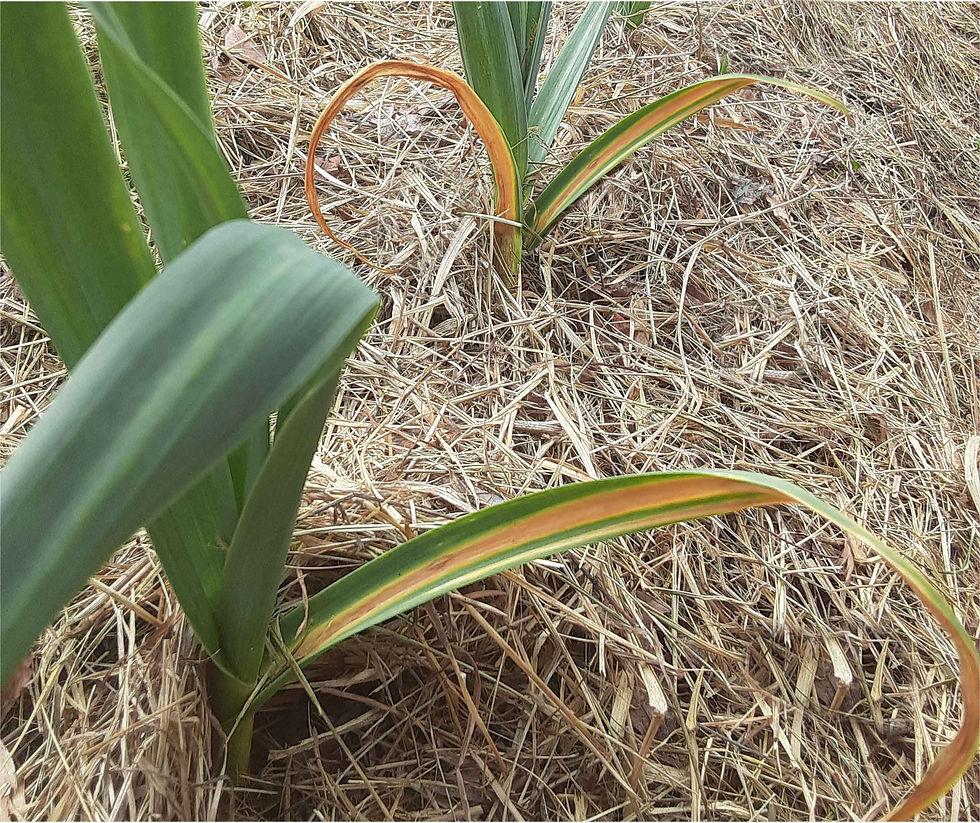
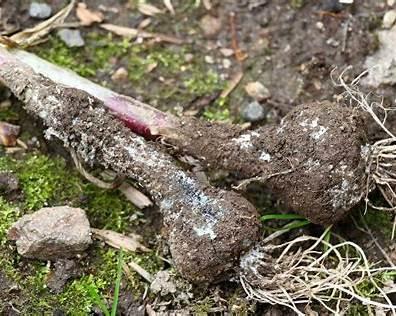
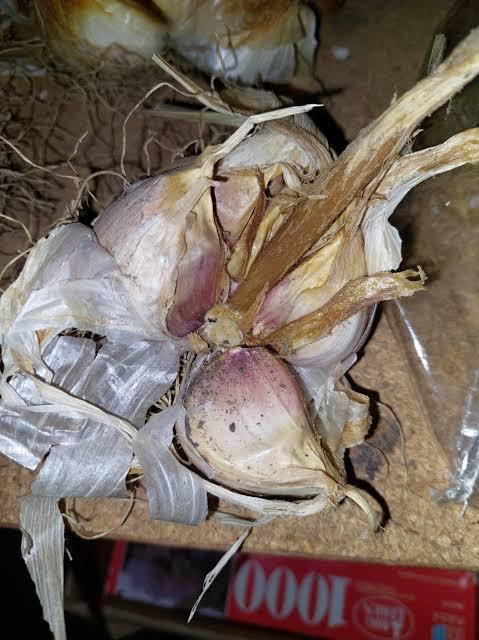
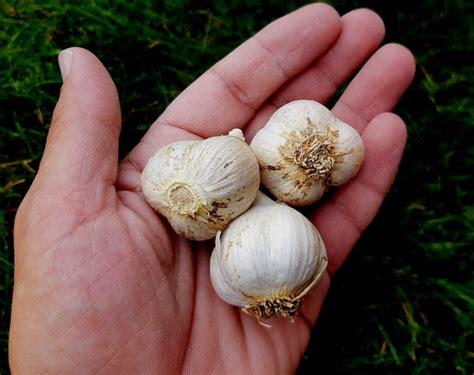
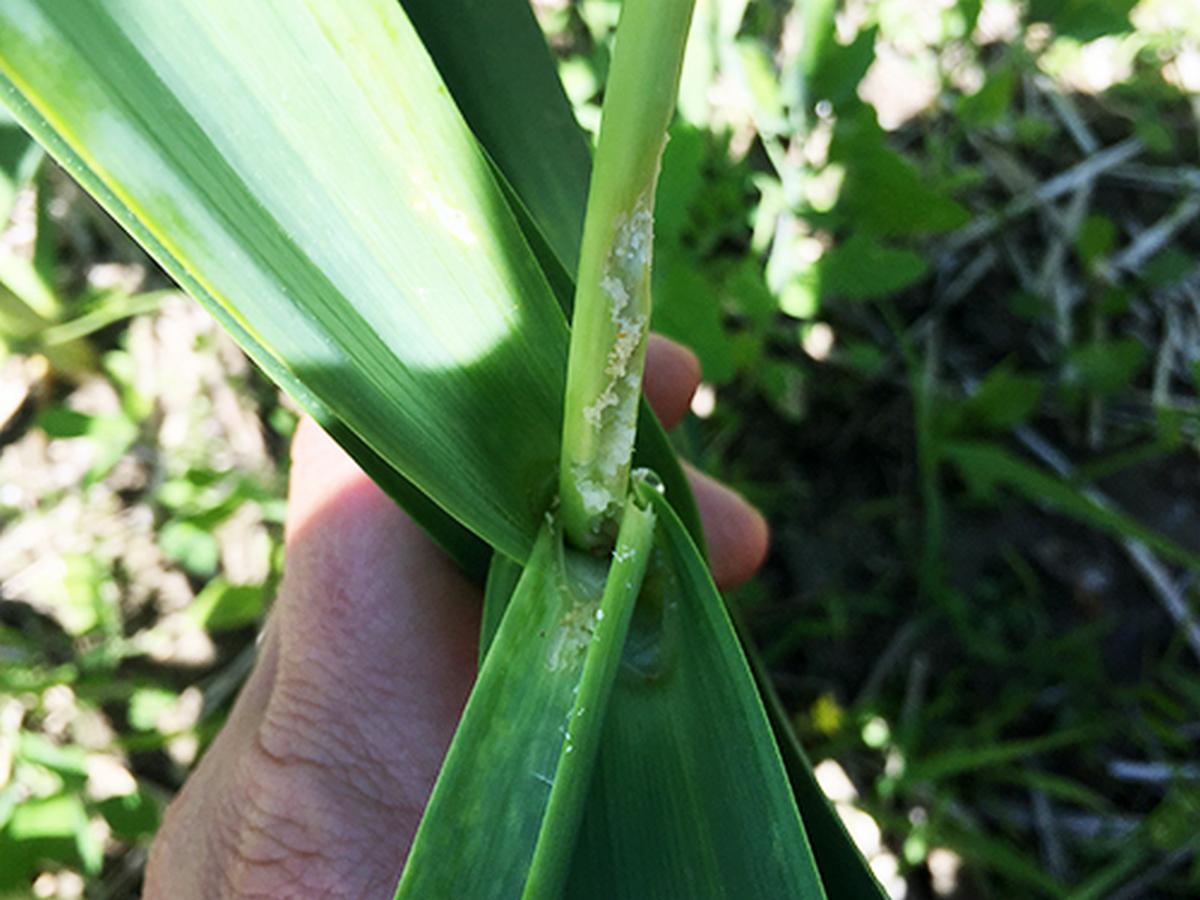
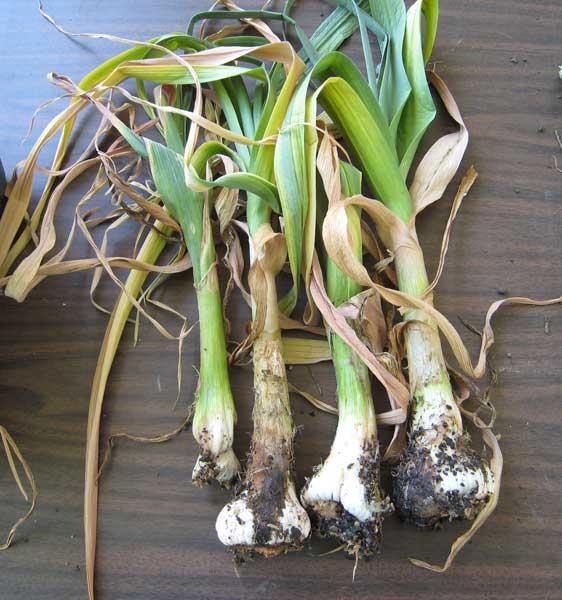
Here's how to identify and fix the most common Garlic problems.
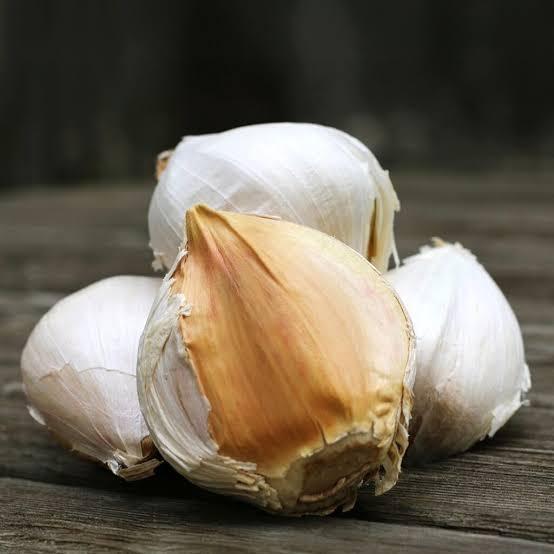
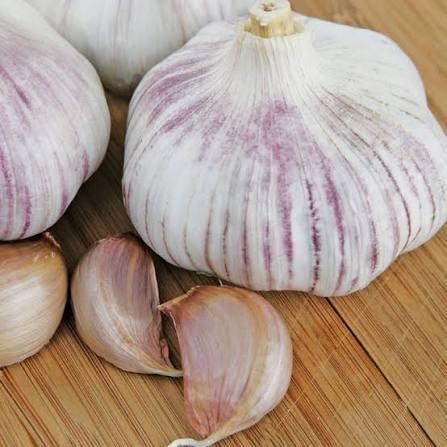
Popular Varieties
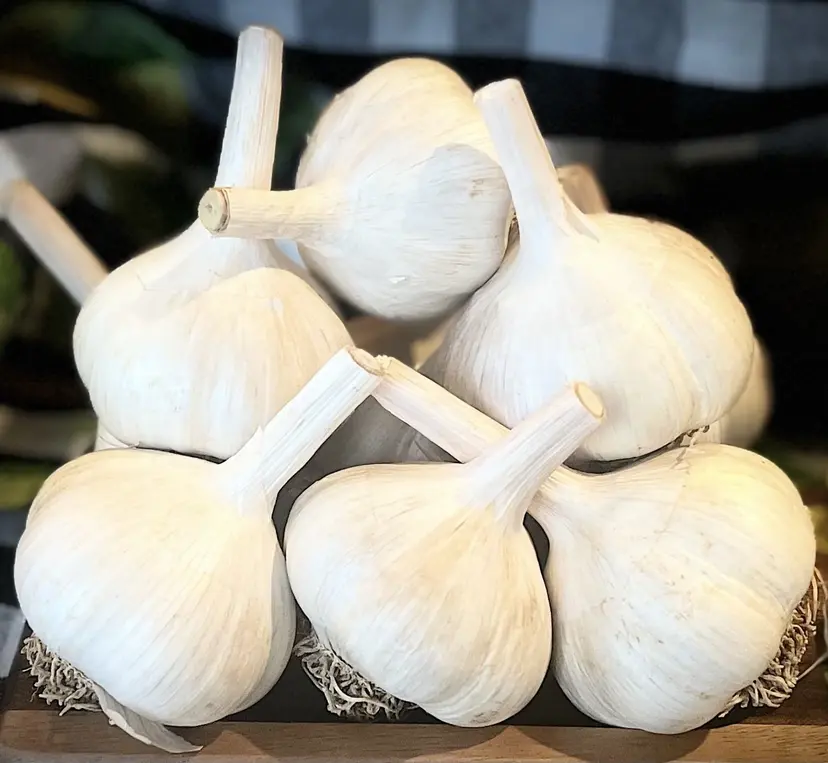
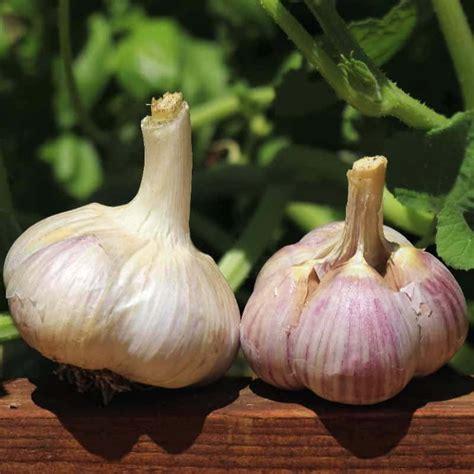
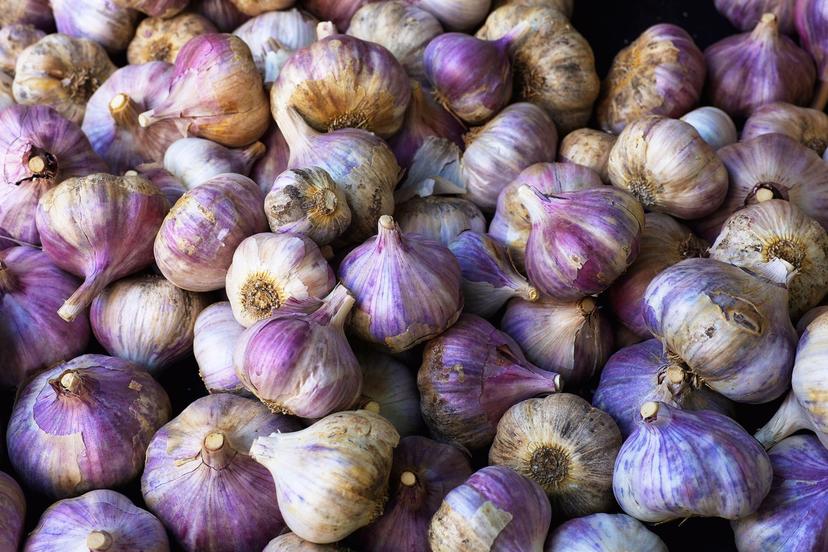
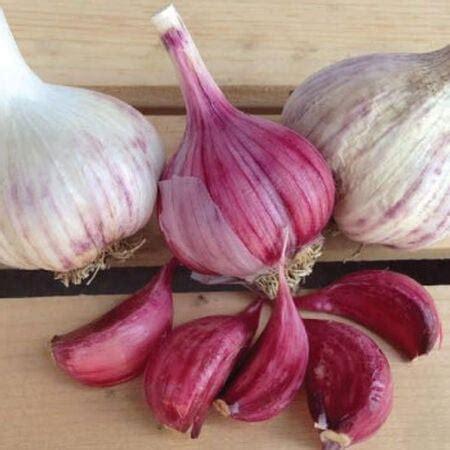
Explore different Garlic varieties and find your perfect match.
Care Tips & Best Practices
Mulching for Winter Protection
Apply 4-6 inches of straw mulch after planting to insulate cloves, regulate temperature, and suppress weeds.
Spring Nitrogen Feeding
When shoots emerge, top-dress with blood meal or fish meal every 2-3 weeks until mid-May.
Harvesting Scapes for Bulb Size
Cut hardneck garlic scapes when they curl into spirals (usually June). Harvest redirects energy to bulbs, increasing yield 25 percent.
Weed Control Early
Hand-weed or hoe gently in spring to avoid damaging young bulbs. Mulch helps suppress weeds.
Crop Rotation
Do not plant garlic in the same bed for 2-3 years. Rotate with lettuce, beets, chard, or strawberries.
Curing for Storage
Hang bulbs with stems attached in warm (70-80°F), dry, ventilated space for 3-4 weeks until wrappers are papery.
Care Checklist
10 Common Mistakes to Avoid
Planting store-bought grocery garlic
Why it's bad: Treated with sprouting inhibitor; may carry diseases or lack vigor.
Do this instead: Buy certified seed garlic from reputable growers.
Planting too deep or too shallow
Why it's bad: Too shallow: cloves surface or freeze. Too deep: slow emergence, weak plants.
Do this instead: Plant pointed end up, base 2-4 inches below soil surface.
Spacing cloves too close
Why it's bad: Competition stunts bulbs; 3-inch spacing yields tiny bulbs.
Do this instead: Space cloves 4-6 inches apart minimum.
Skipping fall planting for hardneck
Why it's bad: Spring-planted hardneck lacks vernalization; bulbs fail to separate.
Do this instead: Plant all hardneck in fall; spring-plant only softneck.
Over-fertilizing or fertilizing too late
Why it's bad: Excess nitrogen delays bulbing; late nitrogen prevents bulb development.
Do this instead: Fertilize in early spring; switch to phosphorus by late April.
Leaving scapes on hardneck plants
Why it's bad: Energy diverts to flowers; reduces bulb size 20-25 percent.
Do this instead: Harvest scapes when they spiral; replant a few for bulbils.
Watering heavily in late season
Why it's bad: Excess moisture promotes rot and stains bulb wrappers.
Do this instead: Stop watering 2 weeks before harvest.
Harvesting immature bulbs
Why it's bad: Immature bulbs don't store; cloves dry out or mold quickly.
Do this instead: Wait until 50 percent of leaves turn brown.
Curing bulbs in damp, cool conditions
Why it's bad: Slow drying invites mold and rot; poor storage life.
Do this instead: Cure in 70-80°F environment with airflow for 3-4 weeks.
Replanting garlic in same bed yearly
Why it's bad: Soil-borne diseases accumulate and destroy future crops.
Do this instead: Rotate beds every 3-4 years with other crops.
Frequently Asked Questions
Can I grow garlic indoors in pots?
Yes, use 12-inch pots in south-facing windows with 6-8 hours of direct sun or grow lights. Plant 4-6 cloves in quality potting mix. Expect smaller bulbs than outdoor-grown garlic due to light constraints.
How long does garlic take to grow?
Standard garlic takes 8-9 months from fall planting to summer harvest. Roots establish over winter, shoots emerge in spring, scapes form in late May, and bulbs enlarge through June.
Can I plant garlic in spring?
Spring planting only works for softneck varieties and yields smaller bulbs. Hardneck requires 6-8 weeks of cold below 45°F for bulb formation; spring planting skips vernalization.
Why are my garlic leaves yellowing?
Yellow leaves indicate white rot, basal rot, or nematode damage. Check for wilting and soft bulbs at the base. Remove affected plants and don't replant alliums there for 3-4 years.
Is garlic toxic to pets?
Yes, garlic is toxic to cats and dogs. Less than 1 clove can poison a cat. Garlic is 5 times more toxic than onions. Seek emergency vet care if your pet eats garlic.
What's the difference between hardneck and softneck?
Hardneck produces a scape, has fewer larger cloves, stores 6-8 months, and needs cold climates. Softneck has no scape, more small cloves, stores 12+ months, and suits mild climates.
When do I harvest garlic?
Harvest when 50 percent of leaves turn brown (late June-July). Cure at 70-80°F for 3-4 weeks, then store at 32-35°F with 65-70 percent humidity. Store 6-12 months.
When do I harvest garlic scapes?
Cut scapes when they form tight spirals (usually June). If they straighten, they're past prime and tougher. Harvest at the base and use fresh in pesto or stir-fries.
Can I reuse the same soil?
No. Rotate to a different bed for 3-4 years. Soil-borne pathogens like white rot persist for years. Plant where you grew lettuce, beets, chard, or strawberries.
What causes small or misshapen bulbs?
Inadequate sunlight (less than 6 hours), poor drainage, insufficient nitrogen, compacted soil, or drought stress. Use larger cloves, amend soil, and ensure consistent moisture March through May.
References & Sources
Information in this guide is based on these trusted sources.