
Fig
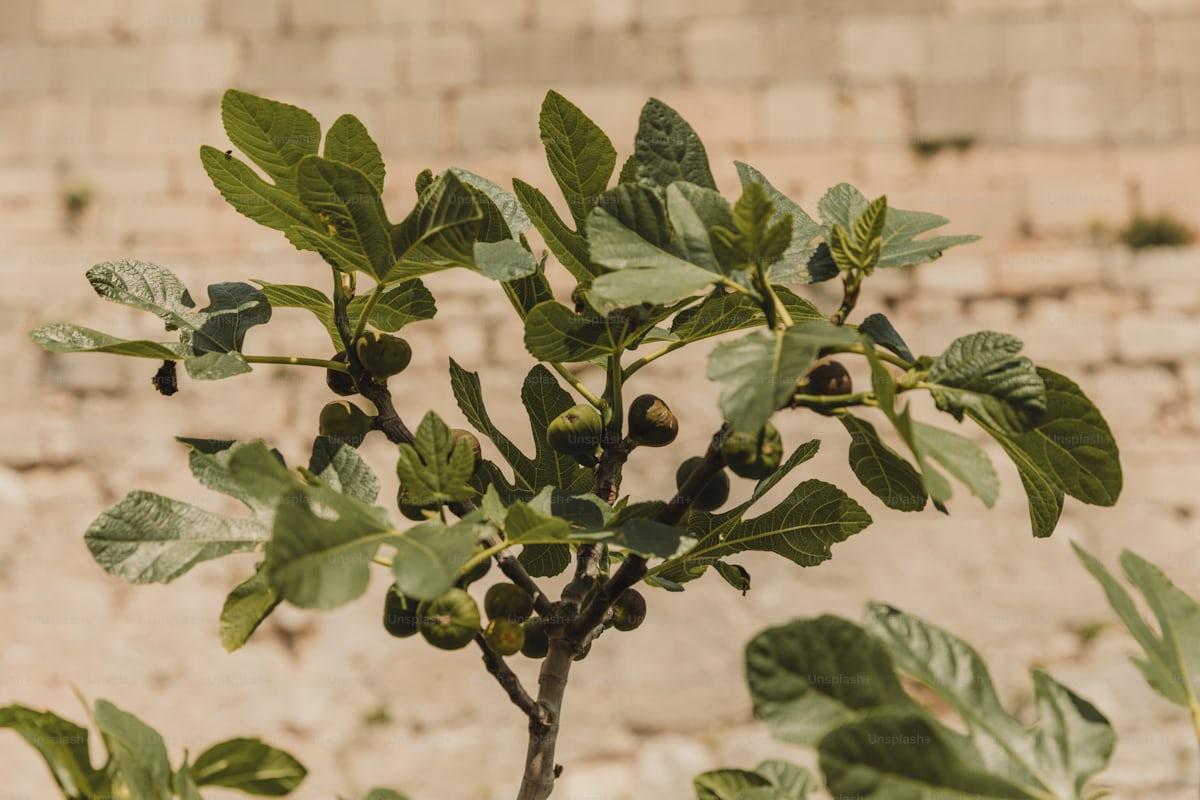
A Mediterranean treasure that produces sweet, juicy fruits with minimal fuss. Fig trees fruit in just 6-8 months from cuttings, making them the fastest-producing houseplant.
Video Tutorials
Watch these helpful videos to learn more about Fig care.
About Fig
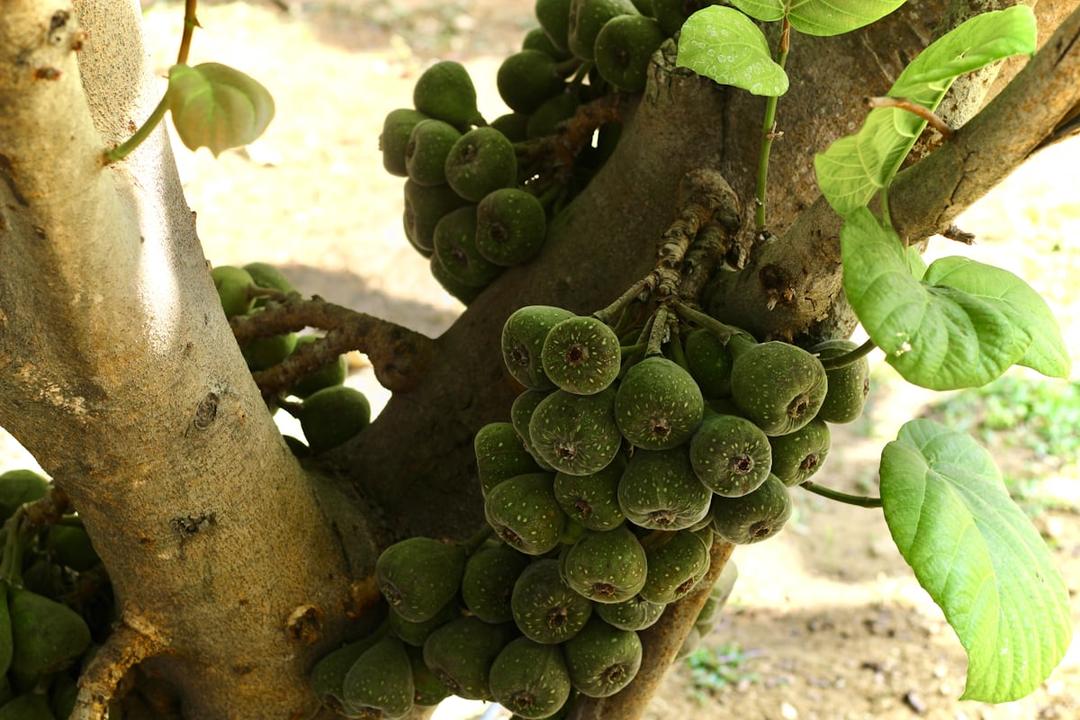
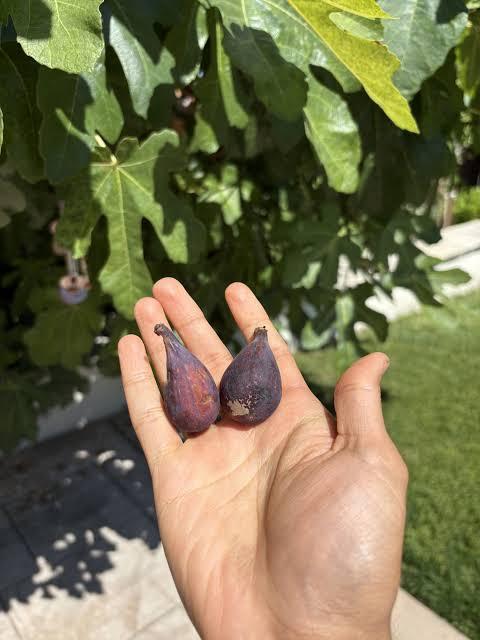
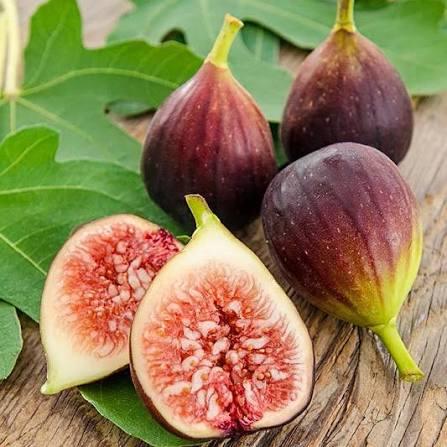
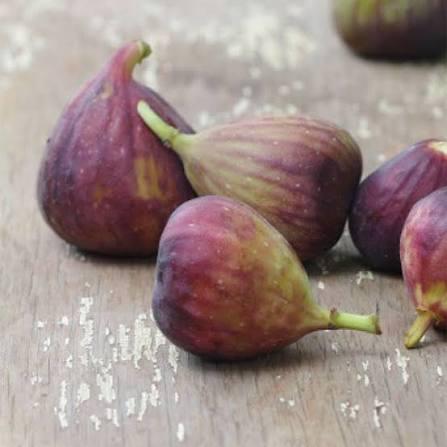
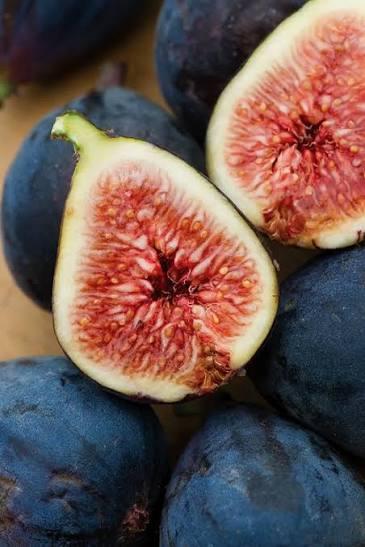
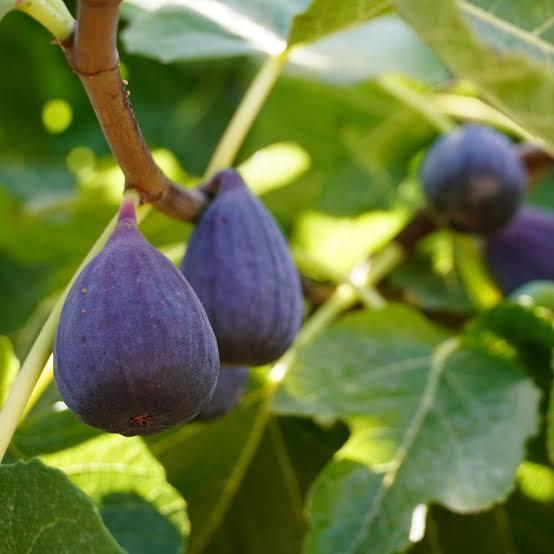
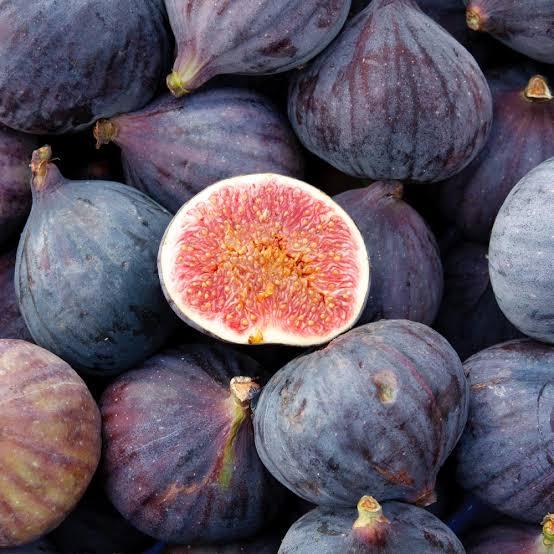
Fig trees have been cultivated for thousands of years, making them one of the first domesticated plants. These woody shrubs produce sweet, pear-shaped fruits that ripen to deep purple or brown. What sets figs apart is their rapid fruiting—trees often produce their first harvest within 6-8 months from a cutting, making them far faster than most fruit-bearing houseplants.
Ficus carica originates from the Mediterranean Basin and parts of Western Asia. In their native habitat, figs thrive in hot, dry summers and mild winters with periodic rainfall, growing in rocky hillsides and well-drained soils. This heritage explains their love of direct sunlight, excellent drainage, and ability to tolerate dry periods between waterings.
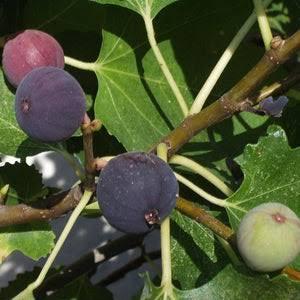
As a houseplant, fig trees adapt well to containers when given adequate light and proper care. They develop large, hand-shaped leaves that are highly ornamental. Well-maintained container figs live 30+ years, rewarding you with delicious fruit year after year.
Watering Schedule
Fig trees are prone to root rot due to their thin, fibrous roots. Water only when the top 1-2 inches of soil feel dry, then water thoroughly until it drains from the bottom.
Common Problems & Solutions
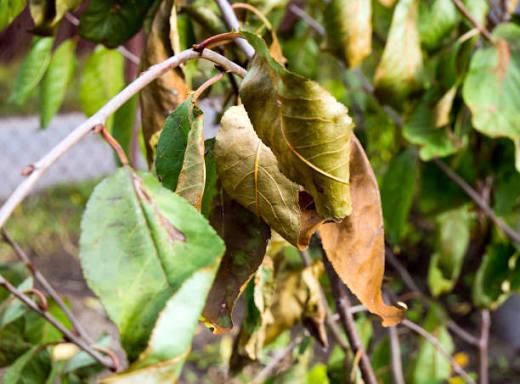
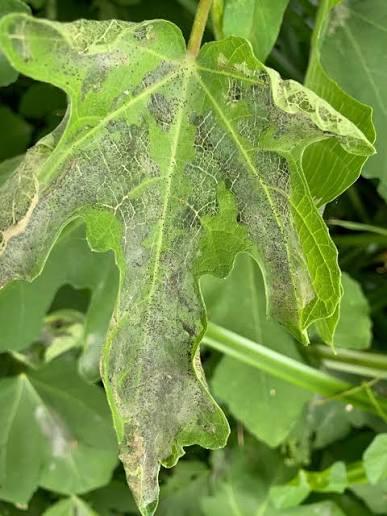
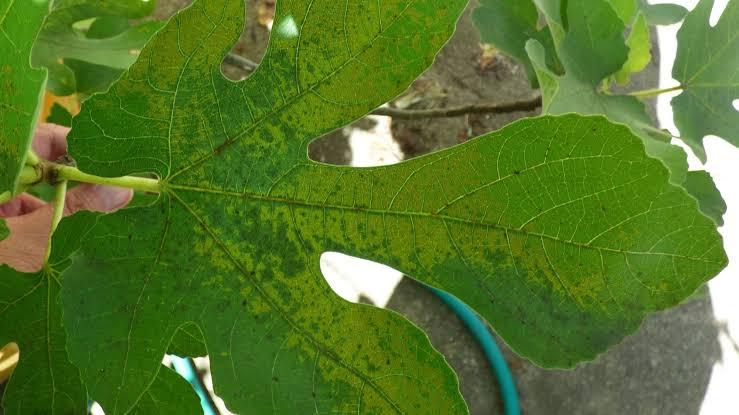
Here's how to identify and fix the most common Fig problems.
Popular Varieties
Explore different Fig varieties and find your perfect match.
Care Tips & Best Practices
Humidity & Air Circulation
Maintain 40-60% humidity without over-misting. Use a humidifier, group plants together, or use pebble trays with water and fans on low.
Feeding & Nutrients
Feed every 4-6 weeks during spring and summer with balanced 10-10-10 fertilizer. Stop entirely in winter dormancy to prevent salt stress.
Leaf Cleaning
Wipe leaves monthly with a damp cloth to remove dust, improve photosynthesis, and check for pests early. Avoid commercial leaf shine.
Support & Staking
Use heavy ceramic pots to prevent tip-over. Stake tall stems with bamboo poles and soft ties; thin crossing branches for open shape.
Pruning for Shape & Fruit
Prune in late winter by removing dead or weak branches first, then cut back vigorous growth by one-third for bushier growth.
Weekly Rotation
Rotate your fig tree 180 degrees each week so all sides receive equal light and even fruit production.
Care Checklist
10 Common Mistakes to Avoid
Insufficient light or no grow lights
Why it's bad: Without 6-8 hours daily, trees grow slowly, fail to fruit, and drop leaves eventually.
Do this instead: Position in south-facing window or use LED grow lights 14-16 hours daily.
Overwatering constantly
Why it's bad: Thin, fibrous fig roots rot in waterlogged soil, causing yellowing and stunted growth.
Do this instead: Water only when top 1-2 inches feel dry; use a moisture meter.
Using heavy, clay-based potting soil
Why it's bad: Dense soil drains poorly, stays wet too long, and promotes root rot.
Do this instead: Mix 50% organic material with 50% perlite or bark chips.
Skipping dormancy by growing indoors year-round
Why it's bad: Dormancy resets the tree for fruiting; skipping causes pests, root rot, and poor growth.
Do this instead: Allow trees to rest at 40-60°F for 2-3 months in winter.
Moving the tree frequently to different locations
Why it's bad: Sudden environmental changes cause leaf drop and fruit abort.
Do this instead: Keep the tree stable and rotate it weekly in place.
Misting leaves excessively to raise humidity
Why it's bad: Wet leaves promote fungal disease and interfere with photosynthesis.
Do this instead: Use a humidifier 5 feet away or place on a pebble tray.
Putting the tree in a pot that's too small
Why it's bad: Confined roots dry out faster and limits growth and fruit.
Do this instead: Use a pot 1-2 inches larger than root ball; repot every 2-3 years.
Watering on a fixed schedule rather than checking soil
Why it's bad: Fixed schedules ignore seasonal changes and temperature swings.
Do this instead: Check soil with finger or meter before every watering.
Ignoring pest infestations or fungal spots
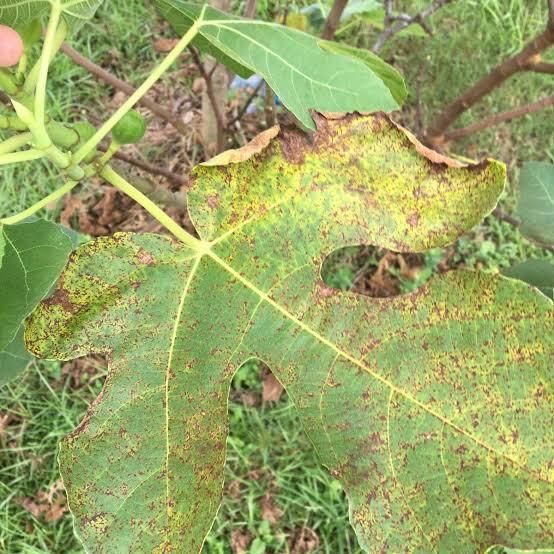
Why it's bad: Scale, spider mites, and rust spread quickly if not caught early.
Do this instead: Inspect leaves weekly and treat immediately with neem oil.
Fertilizing heavily during dormancy or cold months
Why it's bad: Cold trees can't process nutrients; excess causes salt buildup.
Do this instead: Feed only during spring and summer growth season.
Frequently Asked Questions
How long until a fig tree produces fruit?
Fig trees fruit remarkably fast. Cuttings produce their first harvest in 6-8 months, while small nursery trees often fruit within the first growing season. Quality improves dramatically in year two.
Why are my fig tree's leaves turning yellow?
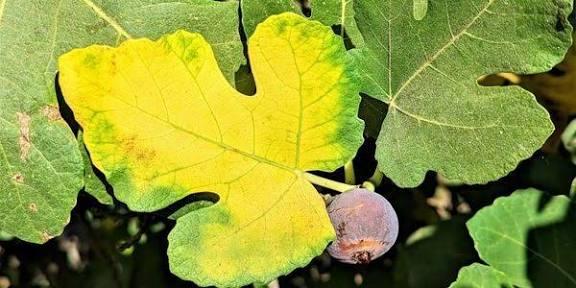
Yellow leaves almost always indicate overwatering or poor drainage. Check soil with a meter and allow the top 1-2 inches to dry completely. Repot into fresh, well-draining soil if the problem persists.
Can I grow a fig tree indoors without grow lights?
Most indoor spaces lack sufficient light. If you have a bright south-facing window with 6-8 hours of direct sun, you might succeed. Grow lights are highly recommended for consistent fruiting.
What do I do with my fig tree in winter?
Allow dormancy during November-February. Move to a cooler location (40-60°F), reduce watering significantly, and cut back on light. This rest period is essential for spring growth and fruiting.
Are fig trees toxic to pets?
Yes, fig trees are toxic to cats and dogs. The sap contains calcium oxalate crystals that irritate mouths, throats, and digestive systems. Keep trees out of reach and wear gloves when pruning.
How often should I water my fig tree?
Water every 7-10 days during growing season when top 1-2 inches feel dry. In peak summer heat, container figs may need daily watering. During winter dormancy, water only when soil is quite dry.
What's the best soil mix for fig trees?
Mix 50% organic material (compost, peat moss, coco coir) with 50% drainage material (perlite, bark). Target pH 6.0-6.5. Add perlite on the surface to prevent fungus gnats.
Why is my fig tree dropping fruit before it ripens?
Fruit drop happens with inconsistent watering, insufficient light (less than 6-8 hours daily), low temperatures, or temperature fluctuations. Establish stable watering and proper lighting to prevent dropping.
Do fig trees need high humidity?
Fig trees thrive in 40-60% humidity but don't need constant misting, which promotes fungal disease. Use a humidifier 5 feet away, group plants, or create pebble trays with water.
Can I propagate my fig tree at home?
Yes, figs propagate easily from semi-hardwood cuttings (4-6 inches) or air layering. Cuttings root in 4-8 weeks, while air layering takes 6-8 weeks but has nearly 100% success. Both produce fruit-bearing plants quickly.
References & Sources
Information in this guide is based on these trusted sources.