
Fiddle Leaf Fig
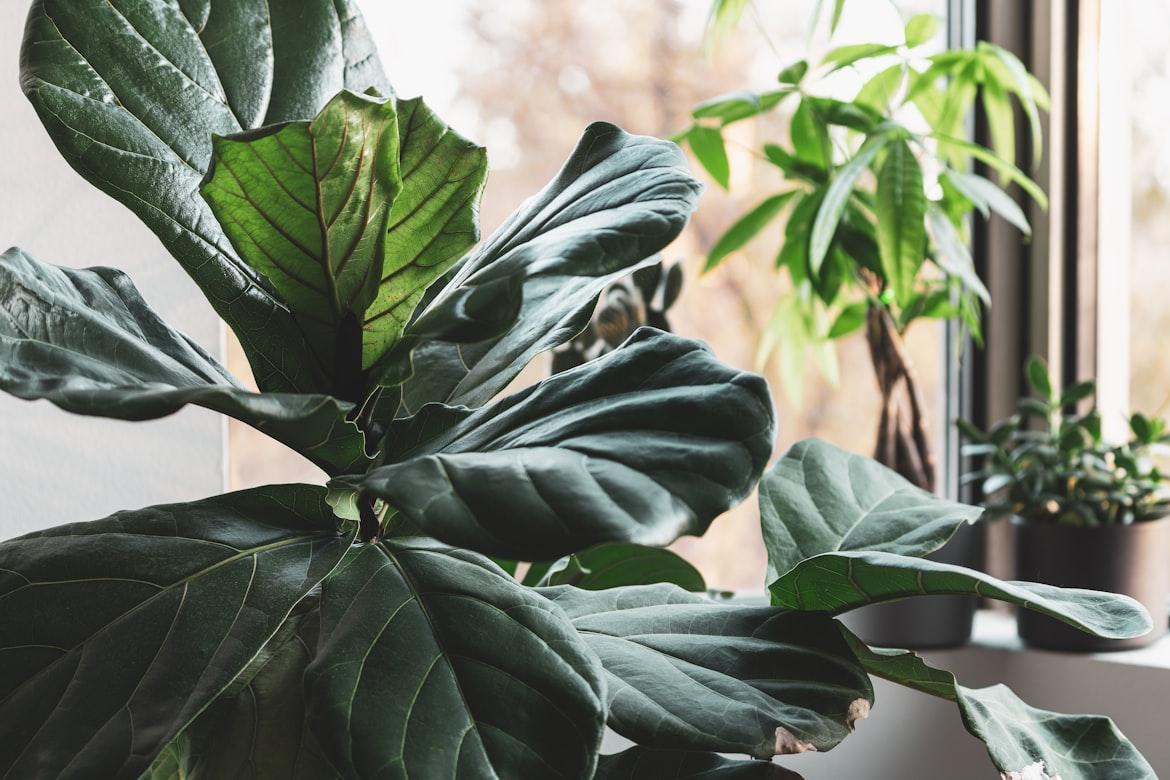
Make a bold statement with this striking tropical giant. Fiddle Leaf Figs showcase dramatic violin-shaped leaves that elevate any space instantly.
Video Tutorials
Watch these helpful videos to learn more about Fiddle Leaf Fig care.
About Fiddle Leaf Fig
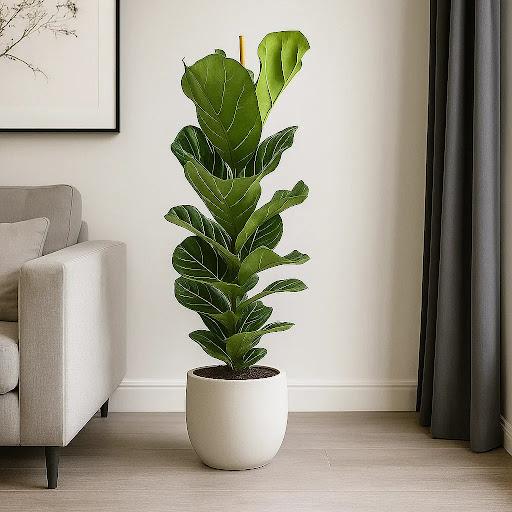
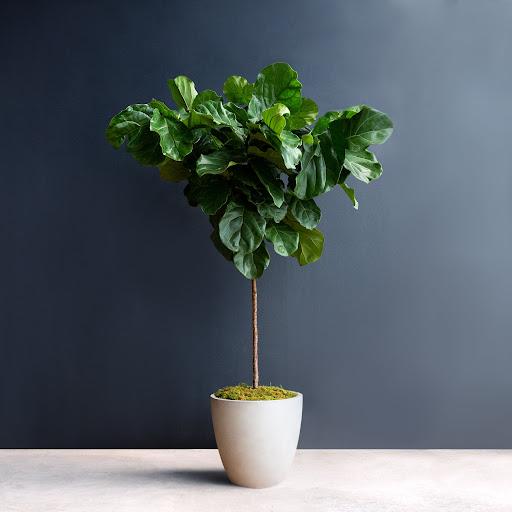
Fiddle Leaf Figs are the ultimate statement plants, commanding attention with massive, fiddle-shaped leaves and sculptural silhouettes. These evergreen trees are among the most popular houseplants globally, prized by interior designers for architectural beauty and air-purifying abilities.
Native to tropical rainforests of West and Central Africa, Fiddle Leaf Figs thrive in warm, humid understory environments beneath dense forest canopies. In their native habitat, these trees grow 30-50 feet tall with deeply rooted systems adapted to moist, well-draining forest soils.
Indoors, Fiddle Leaf Figs reach 6-10 feet tall, making them excellent floor plants for living rooms. These long-lived plants last 10+ years with consistent care, rewarding patient owners with steady growth and healthy foliage. They're sensitive to overwatering and environmental changes, so mastering care is essential.
Watering Schedule
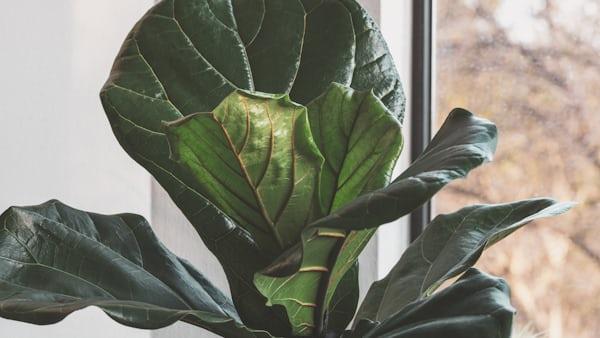
Fiddle Leaf Figs need consistent moisture but dislike waterlogged soil. Water deeply then allow the soil to dry between waterings, preventing root rot while maintaining hydration.
Common Problems & Solutions
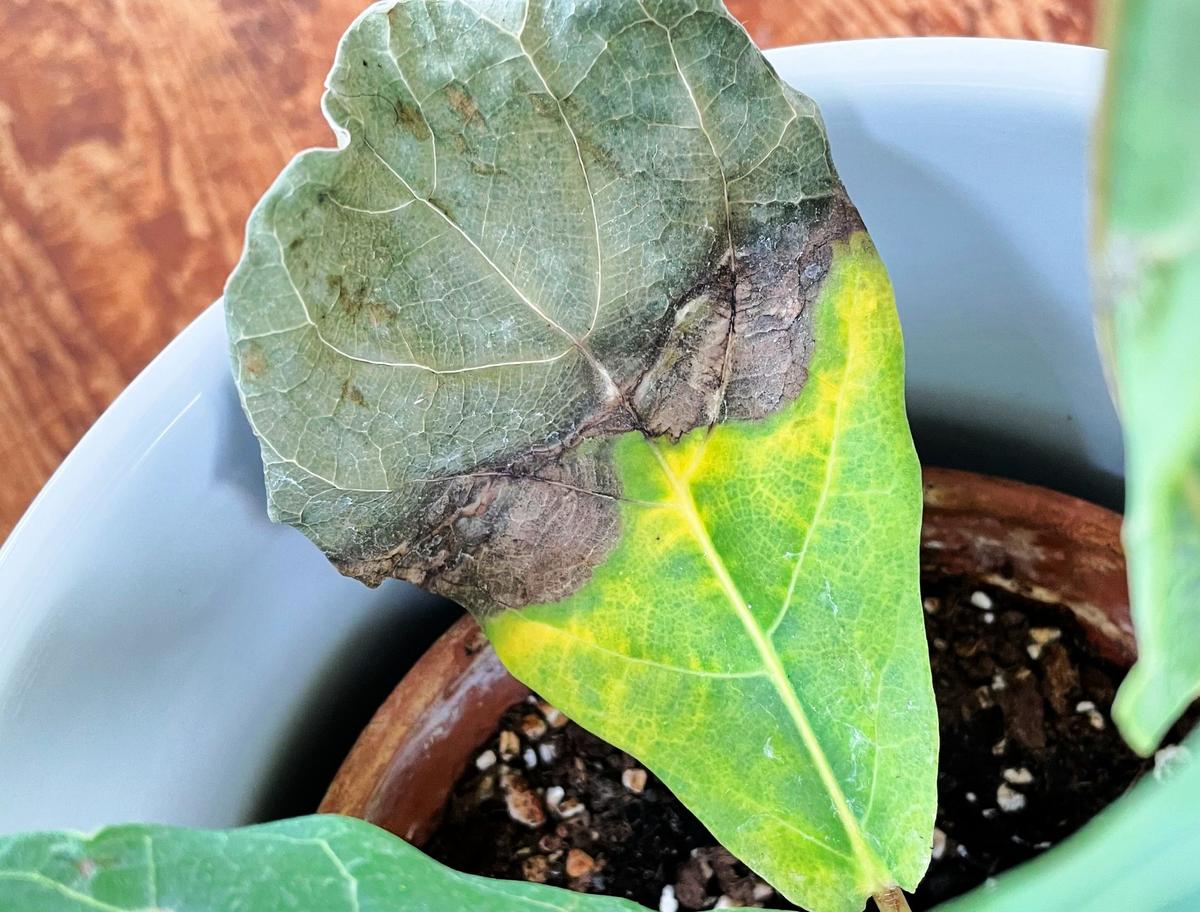
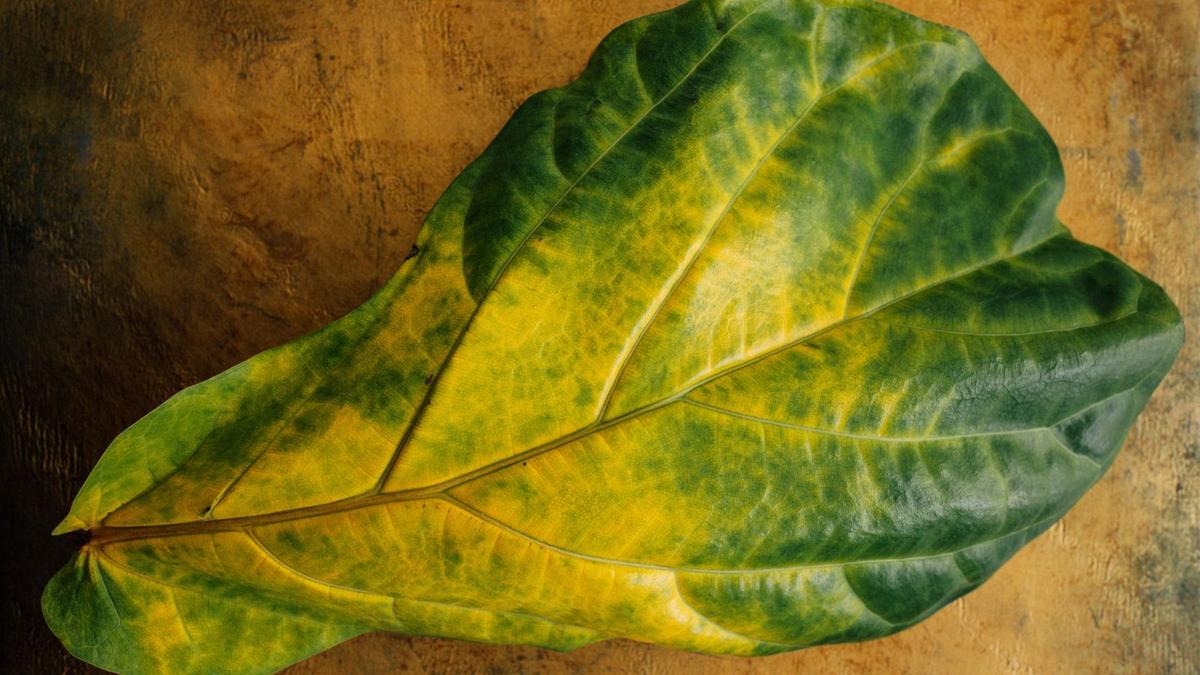
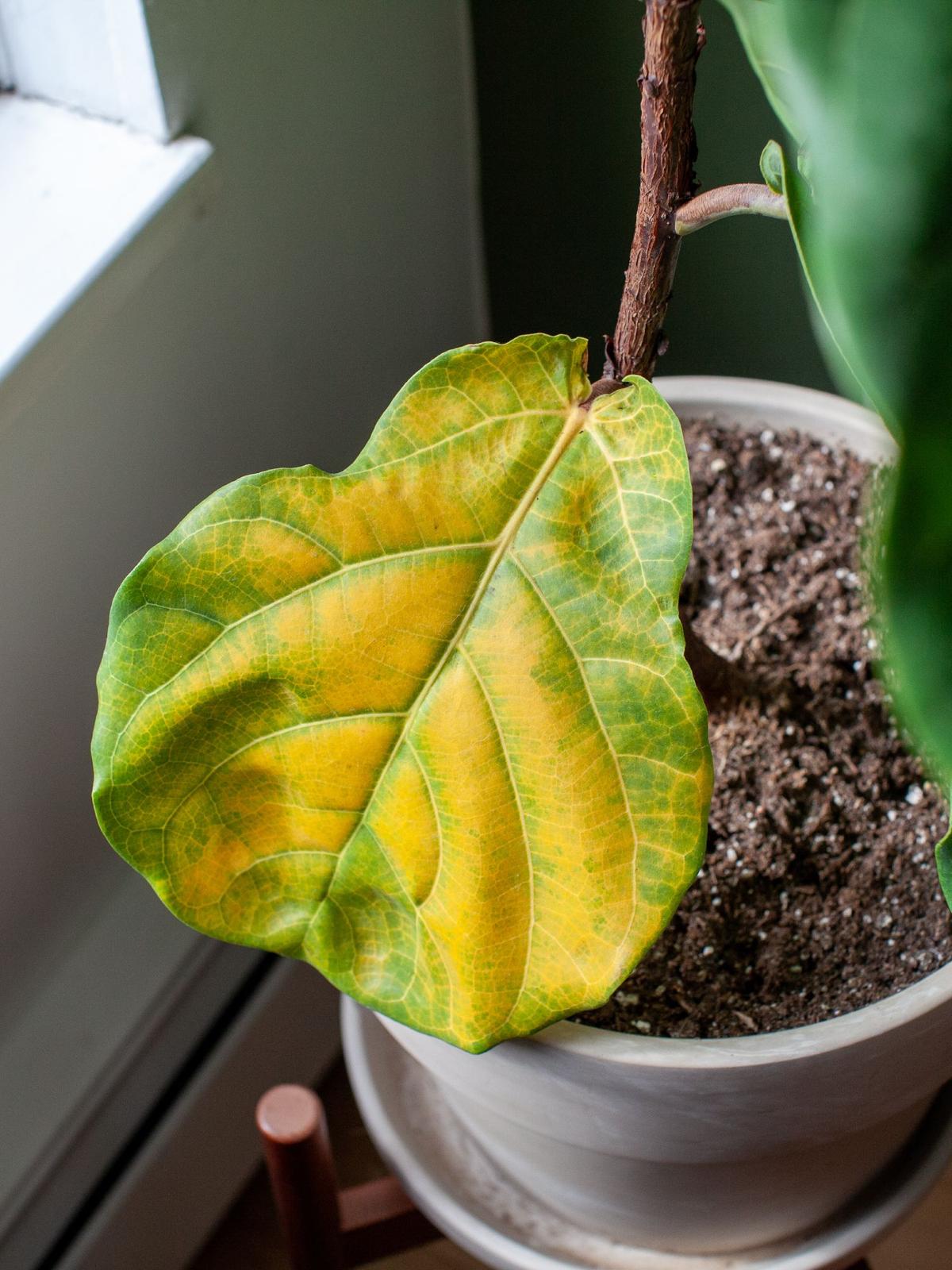
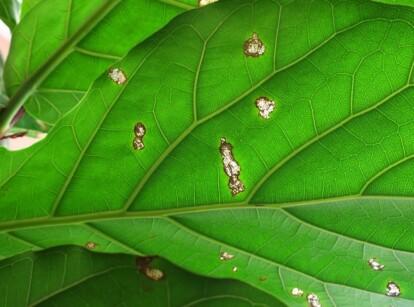
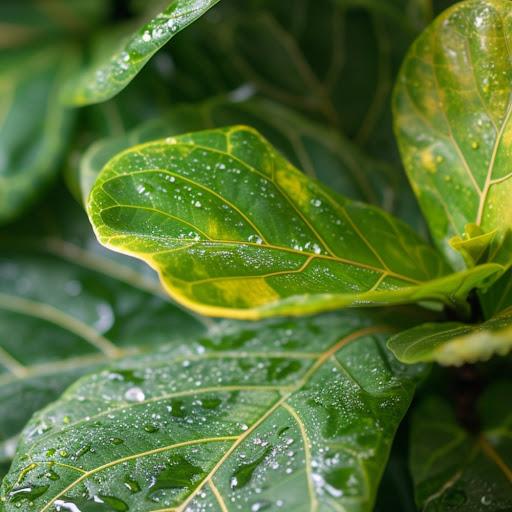
Here's how to identify and fix the most common Fiddle Leaf Fig problems.
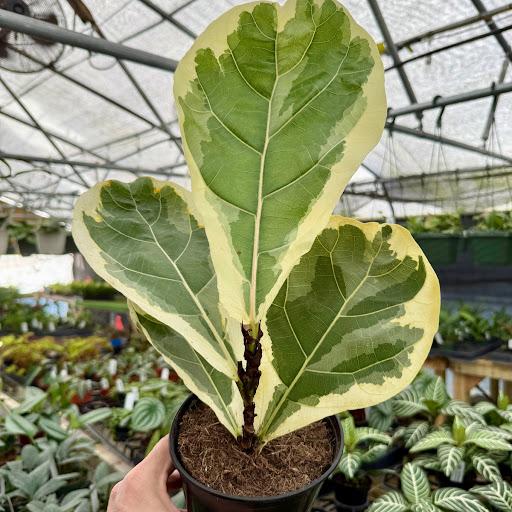
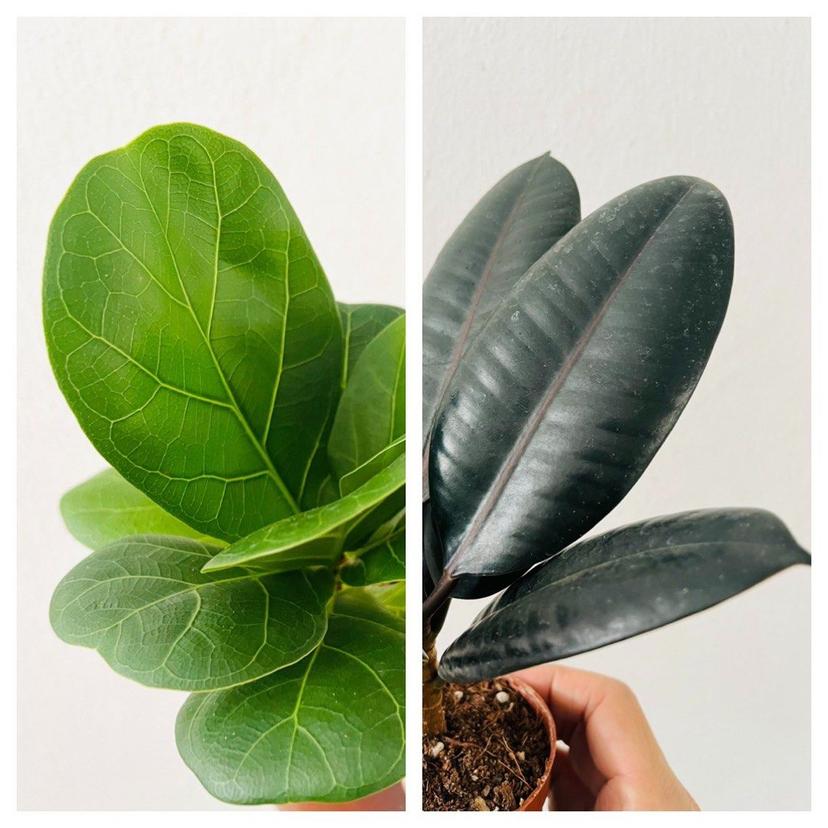
Popular Varieties
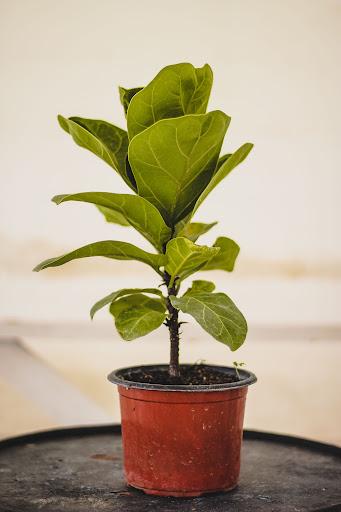
Explore different Fiddle Leaf Fig varieties and find your perfect match.
Care Tips & Best Practices
Humidity
Fiddle Leaf Figs prefer 40-60% humidity and develop brown leaf edges in dry air. Mist weekly with distilled water or run a humidifier nearby. Increase humidity during winter heating season.
Feeding
Fertilize monthly during spring and summer with balanced liquid fertilizer at half strength. Never fertilize in fall or winter. Wait 4-6 weeks after repotting before resuming fertilizer.
Leaf Cleaning
Wipe leaves monthly with a soft damp cloth to remove dust that blocks light. Avoid commercial leaf shine; plain distilled water works best. This reveals early pest problems.
Pruning and Support
Prune in spring to encourage branching beneath cuts. Remove yellow or damaged leaves at the petiole base using sterilized scissors. Tall plants may need staking to support heavy foliage.
Rotation
Rotate 90 degrees every time you water for even light exposure on all sides. This prevents lopsided growth and keeps plants full and symmetrical.
Temperature Control
Maintain steady 60-75°F daytime temperatures with nighttime lows around 55°F. Avoid sudden swings and keep away from heating vents, AC units, and cold windows.
Care Checklist
10 Common Mistakes to Avoid
Watering on a schedule instead of checking soil.
Why it's bad: Fixed schedules cause dangerous overwatering as homes vary in conditions.
Do this instead: Check soil weekly; water only when top 2 inches feel dry to touch.
Using tap water with fluoride or chlorine.
Why it's bad: Fluoride accumulates in leaf tips over months, causing permanent brown tips.
Do this instead: Use filtered, distilled, or rainwater. Let tap water sit overnight for chlorine to evaporate.
Choosing pots much larger than root ball.
Why it's bad: Extra soil holds excess moisture roots can't absorb, causing root rot.
Do this instead: Go up only 1-2 inches in pot size. Upgrade later; oversized pots are deadly.
Fertilizing full-strength or fertilizing in winter.
Why it's bad: Excess nutrients burn roots and damage foliage in dormant season.
Do this instead: Use half-strength fertilizer monthly only during spring and summer.
Repotting outside spring or repotting frequently.
Why it's bad: Disturbing roots stresses plants and causes leaf drop and shock.
Do this instead: Repot only in spring when roots circle the bottom or emerge from drainage.
Placing in low light expecting thriving growth.
Why it's bad: Insufficient light causes weak growth, pest susceptibility, and poor health.
Do this instead: Place within 3 feet of bright window or use grow lights for 6+ hours daily.
Positioning near heating vents, AC, or drafty windows.
Why it's bad: Temperature swings and dry air stress plants, causing sudden leaf drop.
Do this instead: Choose stable locations away from vents, drafts, and temperature fluctuations.
Never rotating plant or ignoring uneven growth.
Why it's bad: One-sided light causes lopsided, unbalanced growth and weak stems.
Do this instead: Rotate 90 degrees every watering for even light on all sides.
Ignoring early pest or disease signs.
Why it's bad: Spider mites and scale spread rapidly on stressed plants causing severe damage.
Do this instead: Inspect leaf undersides weekly and treat infestations immediately with water spray.
Moving plant frequently between locations.
Why it's bad: Environmental changes stress plants causing transplant shock and leaf drop.
Do this instead: Choose ideal location and keep plant there long-term. Minimize unnecessary moves.
Frequently Asked Questions
Why is my Fiddle Leaf Fig drooping after repotting?
Transplant shock is normal and temporary. Roots are disturbed and soil changes. Maintain consistent care without fertilizing for 4-6 weeks. The plant recovers within 2-3 weeks.
How often should I water my Fiddle Leaf Fig?
Water when top 2 inches of soil feel dry, typically every 7-10 days. Don't follow fixed schedules. Overwatering is more dangerous than underwatering. Water less frequently in winter.
Is Fiddle Leaf Fig toxic to pets?
Yes, toxic if ingested. Leaves and sap contain calcium oxalates causing oral irritation and difficulty swallowing. Symptoms subside within 24-48 hours but seek medical advice if breathing becomes difficult.
Can I propagate from a single leaf?
No, single leaves won't root. Take 4-6 inch stem cuttings with 2-3 leaves. Use air layering for larger branches. Stem cuttings root in water in 3-4 weeks.
What causes brown spots on leaves?
Center spots indicate overwatering and root rot. Edge spots indicate underwatering or low humidity. Check root color and soil moisture, then adjust watering or repot if needed.
How much humidity does it need?
Prefers 40-60% humidity but tolerates 30-35% surprisingly well. Mist weekly and use humidifiers during dry winters for best results. Brown edges appear below 40%.
Can I grow in low light?
Survives but won't thrive. Growth slows dramatically, leaves weaken, and pests increase. Needs 6+ hours bright indirect light daily. Use grow lights if windows unavailable.
Why are leaves suddenly falling off?
Sudden drop results from overwatering, cold drafts, temperature changes, or low light. Check soil first; if soggy, stop watering immediately. Keep temperatures 60-75°F.
How often should I fertilize?
Monthly during spring and summer only using half-strength balanced fertilizer. Never fertilize in fall and winter. Wait 4-6 weeks after repotting before fertilizing.
What's the ideal temperature?
Ideal is 60-75°F daytime with nighttime lows around 55°F. Avoid sudden swings. Below 55°F causes shock and leaf drop. Keep away from vents and cold windows.
References & Sources
Information in this guide is based on these trusted sources.