
Ficus
Stunning tropical fig trees with dramatic leaves. Easy to moderate care with fast growth and stunning visual impact.

Video Tutorials
Watch these helpful videos to learn more about Ficus care.
About Ficus
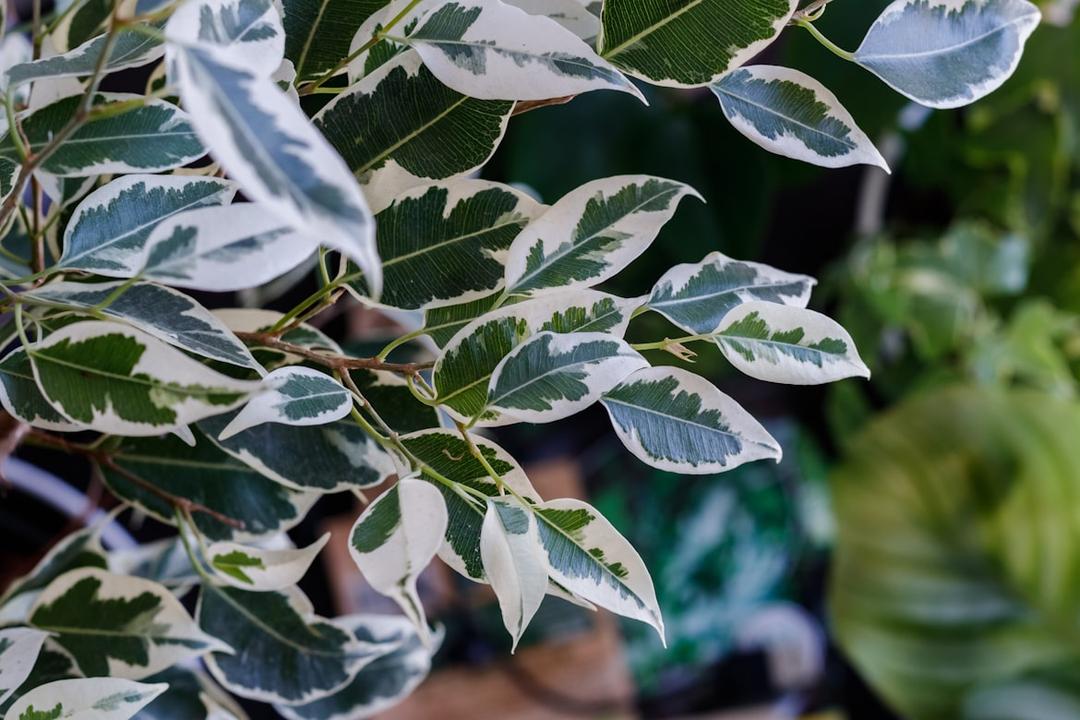
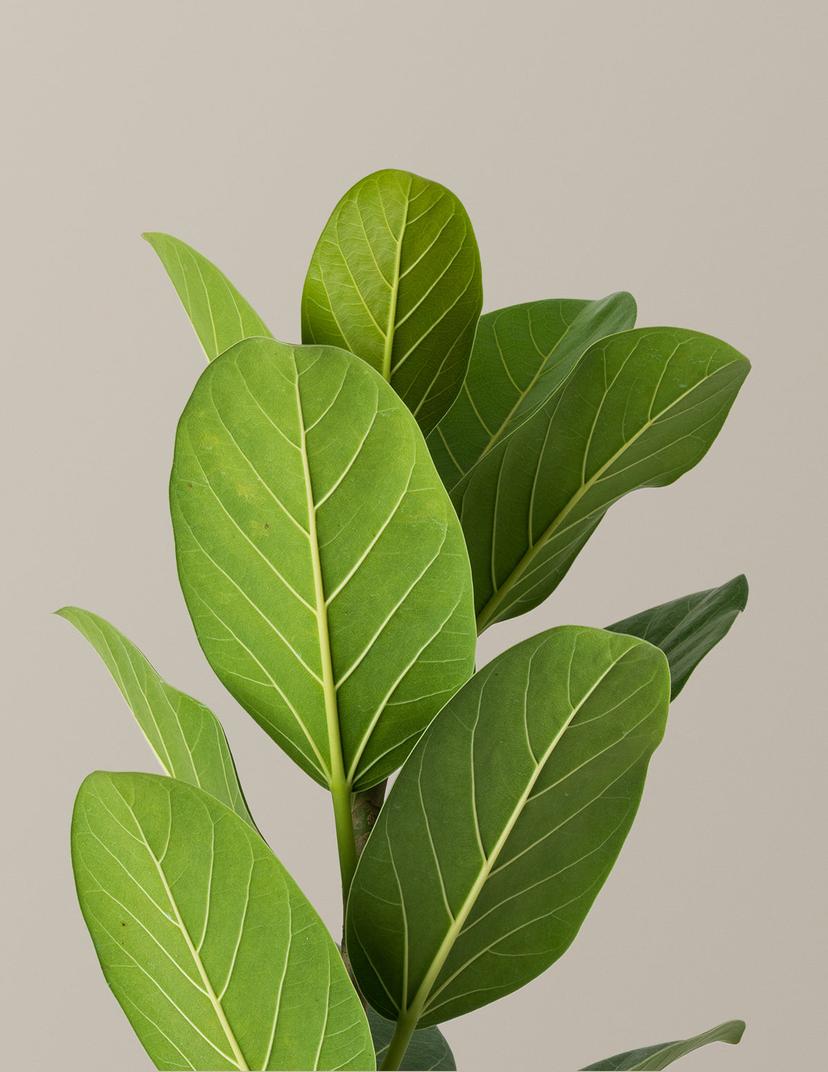
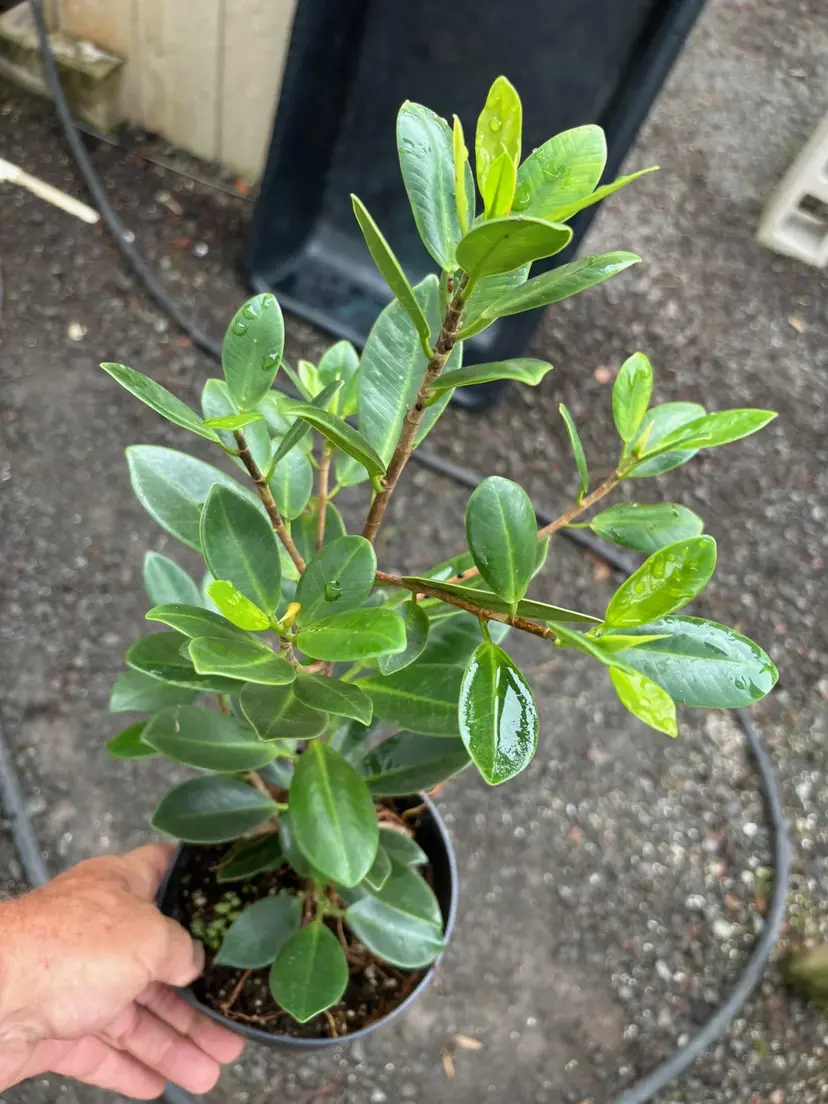
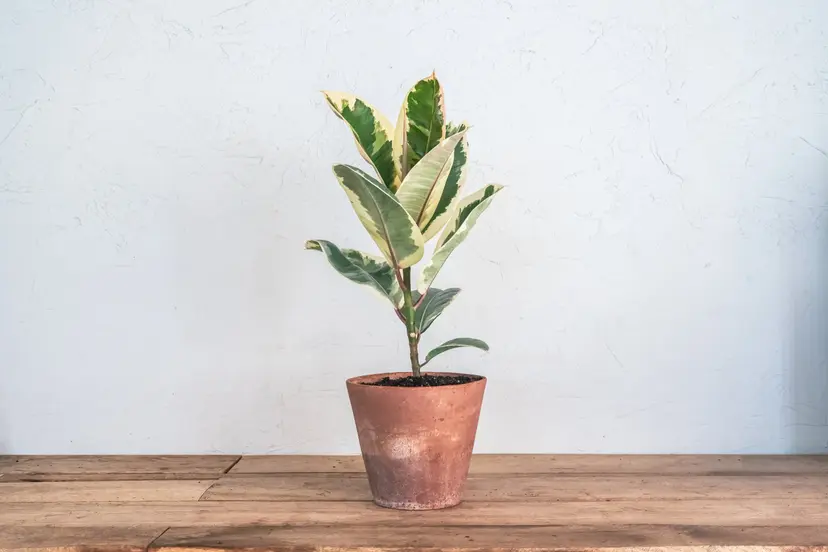
Ficus plants have become houseplant superstars with their large, sculptural leaves and tropical appeal. The genus includes over 800 species, with fiddle leaf figs and rubber plants leading indoor collections worldwide. These statement plants transform spaces instantly. Known for fast growth when happy, ficus varieties range from compact 2-foot trees to dramatic 8+ foot specimens that command any room.
Native to tropical rainforests of Africa, Asia, and the Pacific Islands, ficus thrives in warm, humid environments with bright, filtered sunlight. These plants evolved near forest canopies where they receive bright, indirect light and consistent moisture. Their natural habitat explains their preference for stable conditions and sensitivity to sudden changes.
Indoors, ficus adapts well to average homes when given bright indirect light and consistent watering. Most varieties reach full maturity in 10-15 years but become attractive statement plants within 3-4 years. They reward attentive care with lush foliage and steady growth, making them ideal for plant enthusiasts seeking dramatic impact.
Watering Schedule
Let the top 1-2 inches of soil dry between waterings. Ficus prefers evenly moist soil but hates sitting in water. Water thoroughly when soil feels dry, allowing excess to drain completely. Reduce watering in winter when growth slows.
Common Problems & Solutions
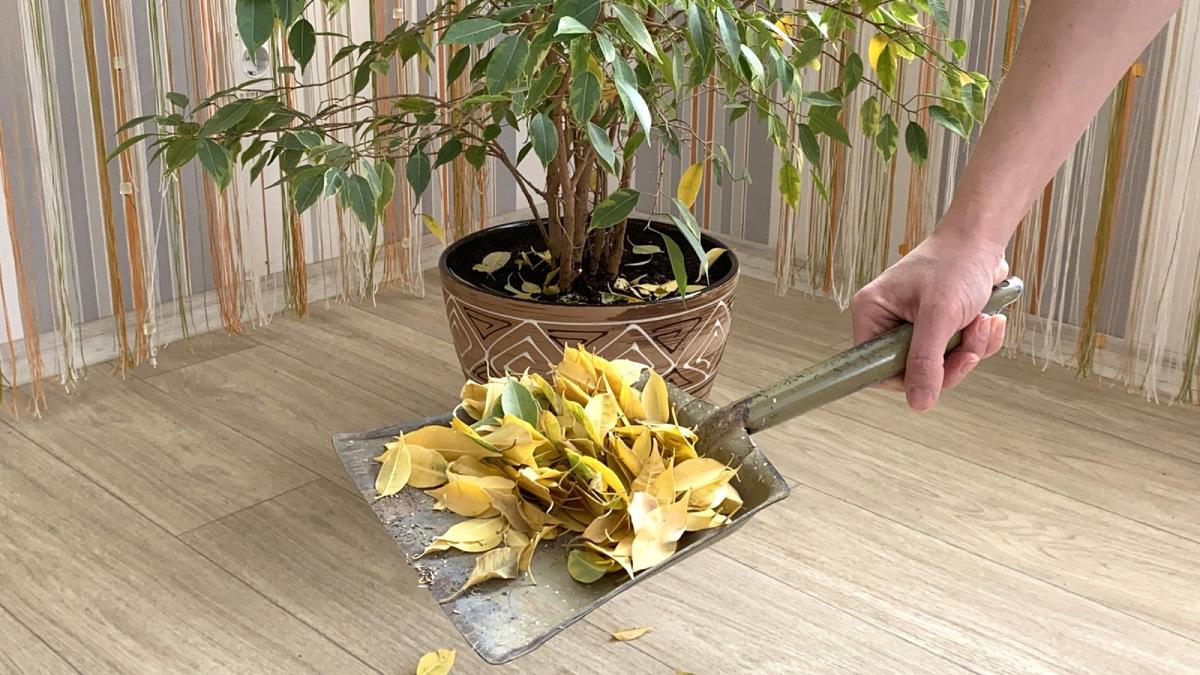
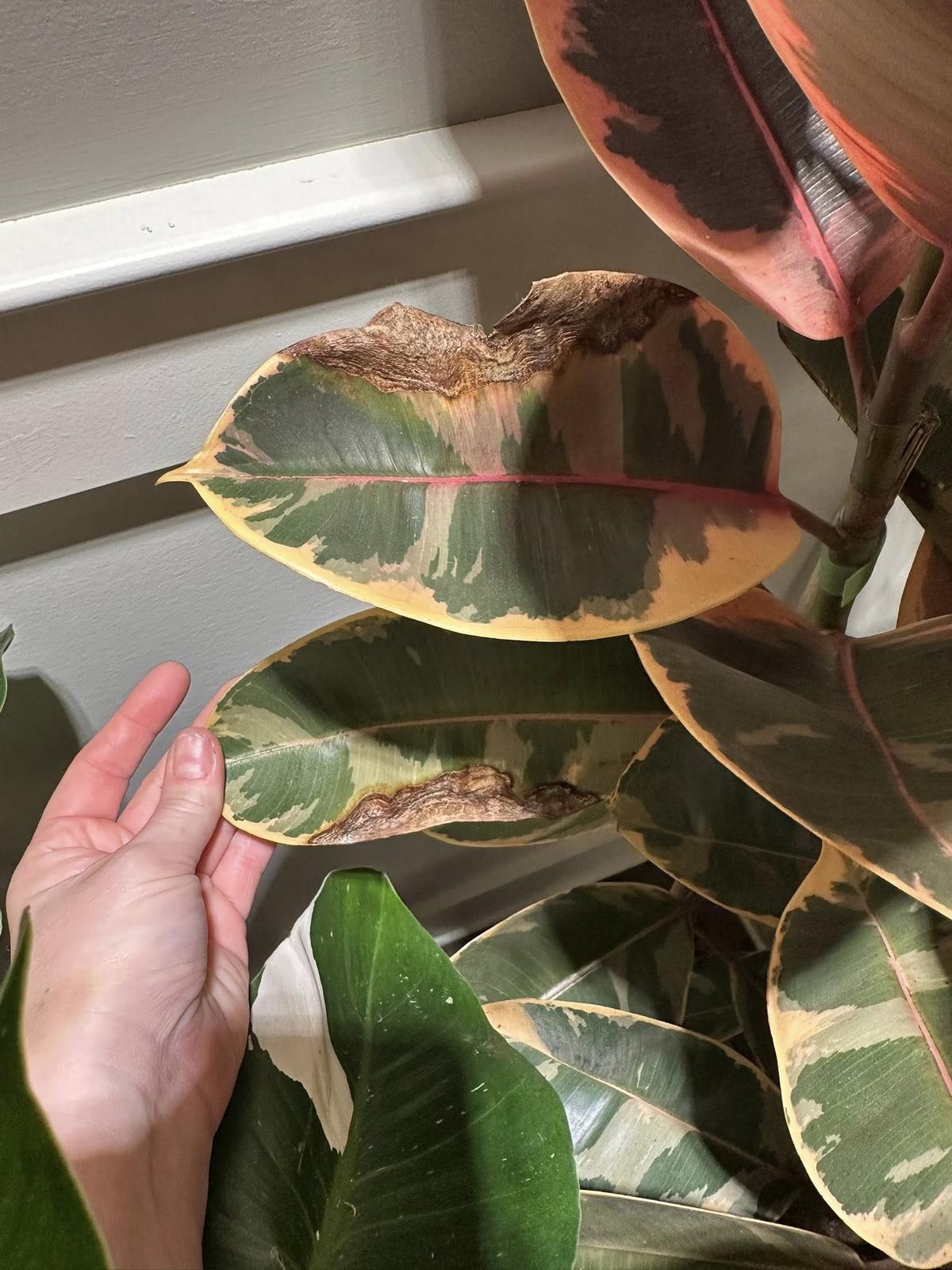
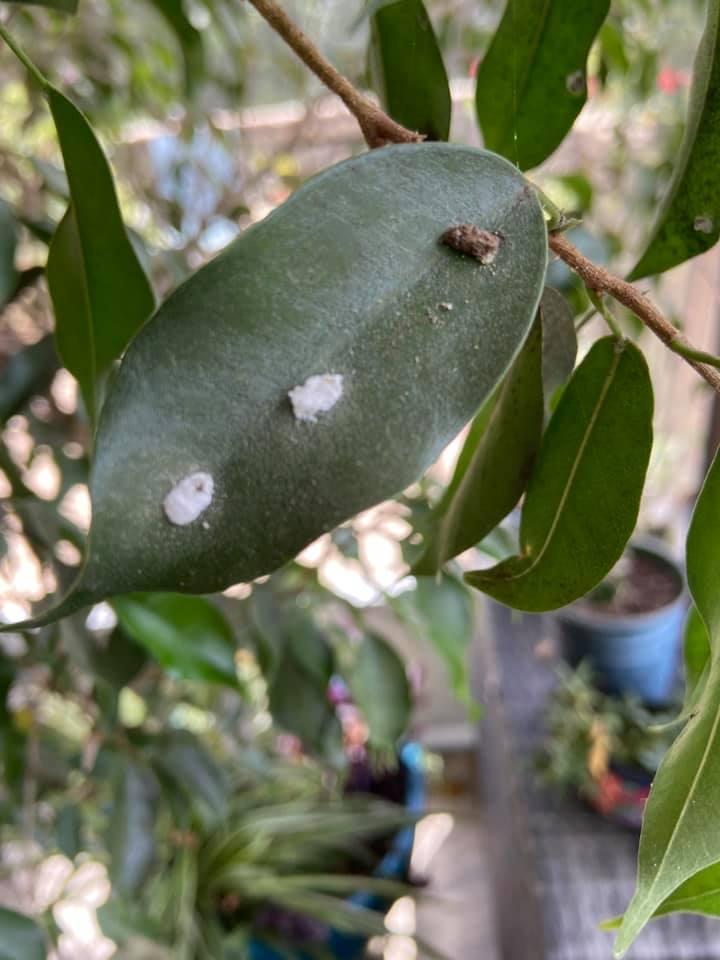
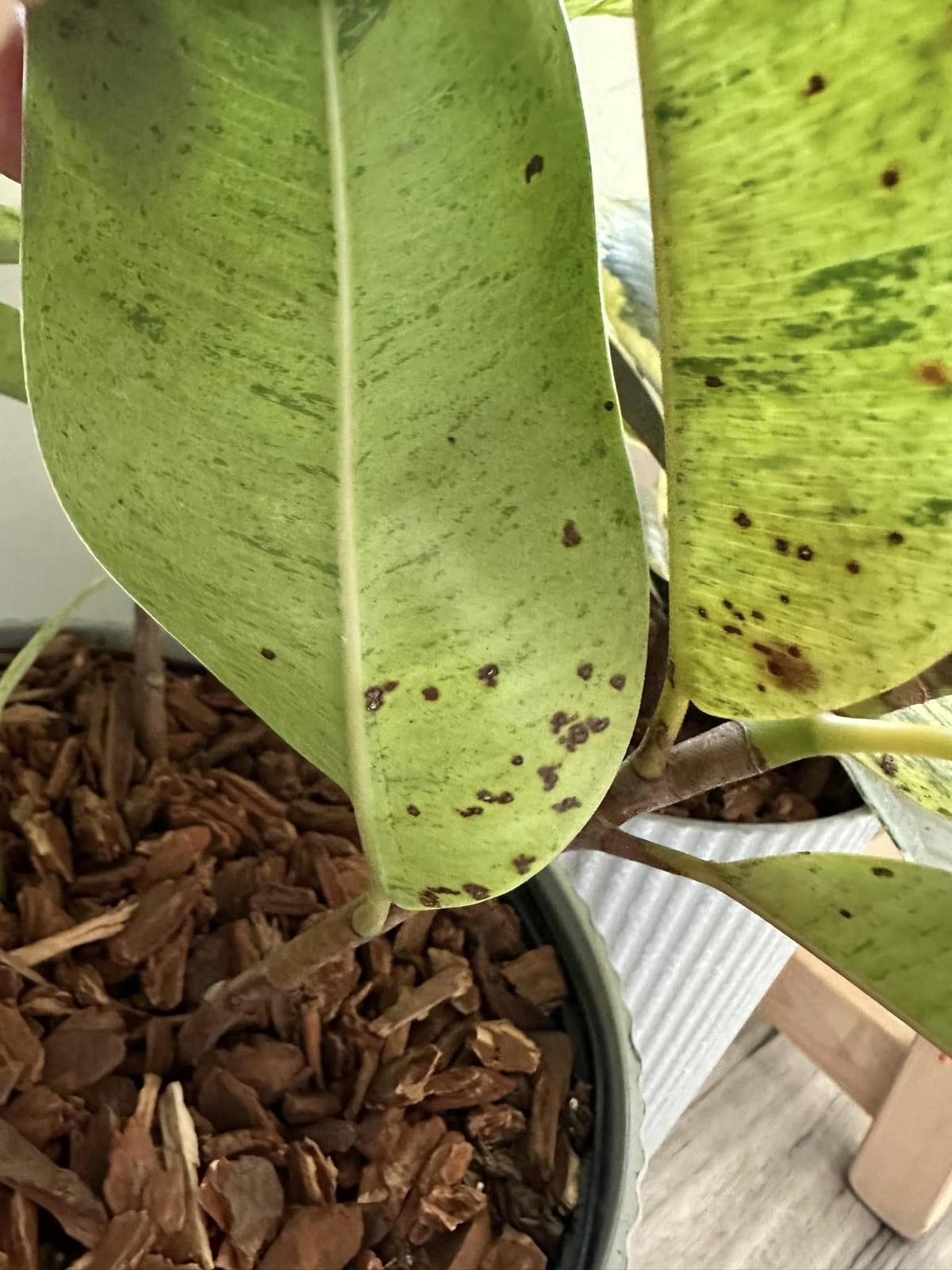
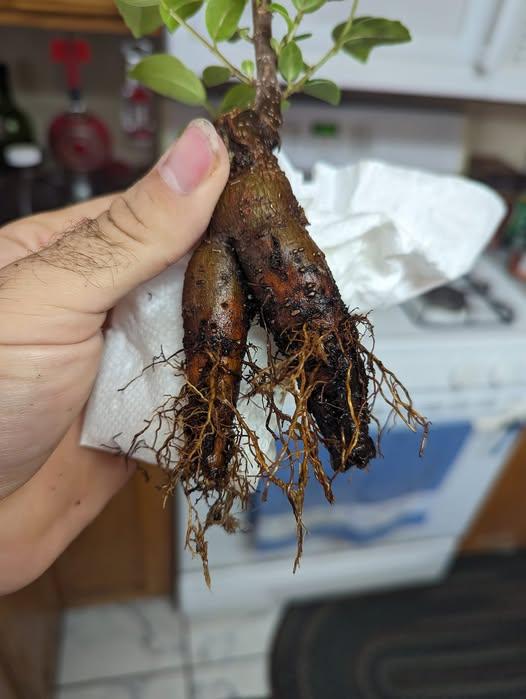
Here's how to identify and fix the most common Ficus problems.

Popular Varieties
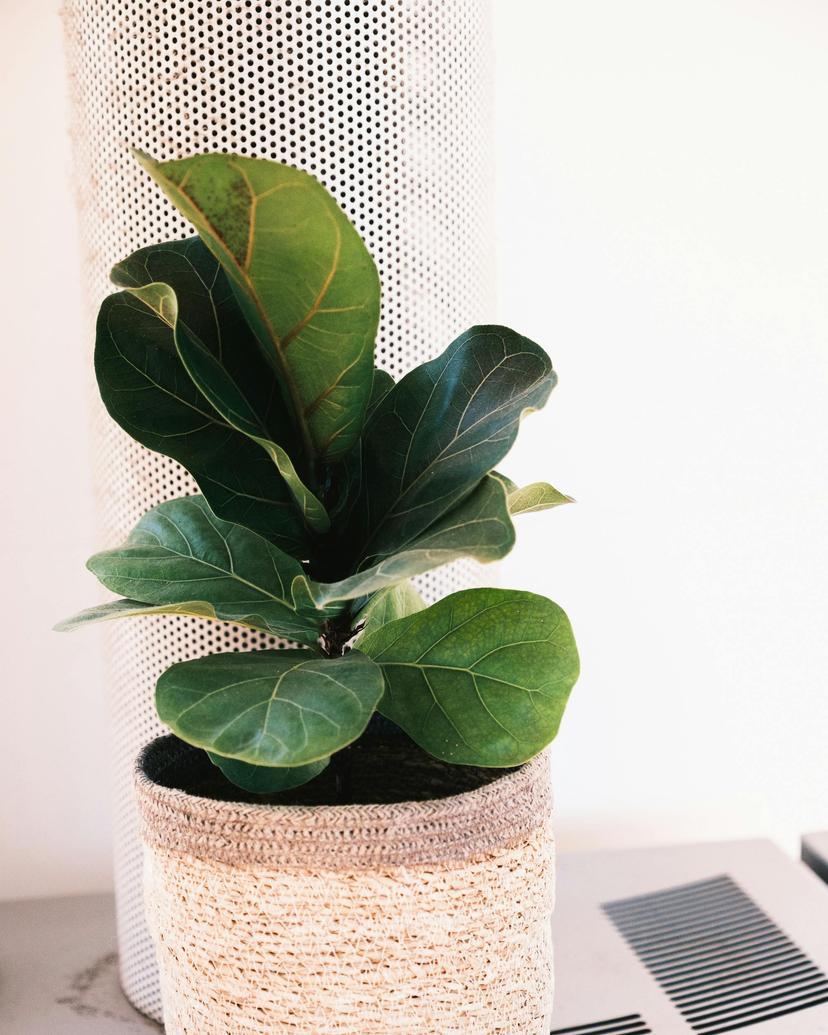
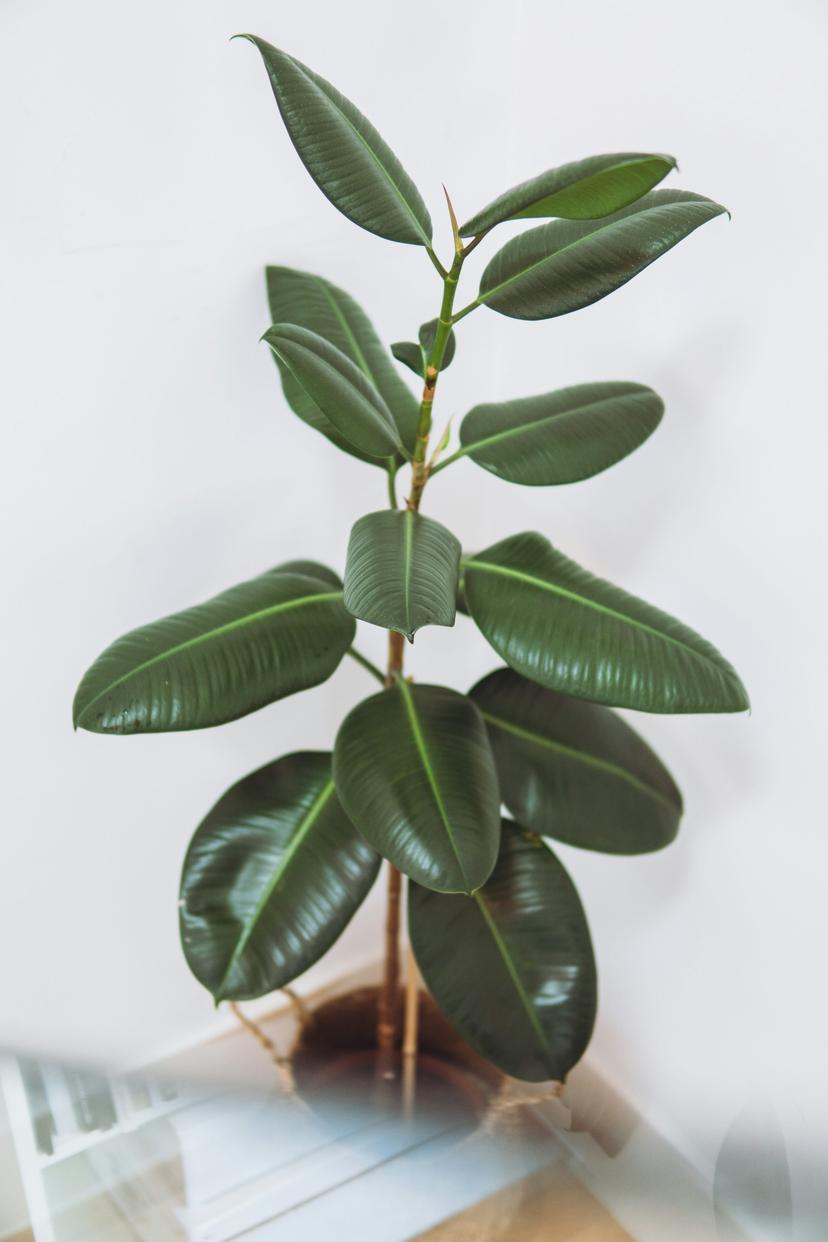
Explore different Ficus varieties and find your perfect match.

Care Tips & Best Practices
Humidity
Mist leaves 2-3 times weekly or place on pebble trays with water. Ficus loves humidity above 40%. Bathrooms and kitchens provide natural humidity.
Feeding
Use balanced 10-10-10 liquid fertilizer monthly March-September at half strength. Stop completely October-February during dormancy. Never overfertilize.
Cleaning
Dust leaves monthly with damp cloth to maximize light absorption and spot pests early. Never use leaf shine products that clog pores.
Rotation
Rotate 90 degrees every 7-10 days for even growth. Prevents one-sided leaning and ensures all sides receive light equally.
Pruning
Prune in late spring when growth peaks. Cut just above nodes to trigger branching. Remove dead leaves and leggy growth anytime.
Consistency
Ficus thrives on routine. Maintain consistent temperature (60-85°F), stable watering schedule, and regular light exposure for best results.
Care Checklist
10 Common Mistakes to Avoid
Moving plant frequently for decoration
Why it's bad: Ficus is extremely sensitive to location changes and drops leaves dramatically.
Do this instead: Choose one stable, well-lit location and leave plant there permanently.
Overwatering without checking soil moisture
Why it's bad: Wet soil causes root rot and fungal disease within days.
Do this instead: Always check top 1-2 inches of soil; water only when truly dry.
Using dense soil without drainage amendments
Why it's bad: Compacted soil waterlogged and kills roots by preventing oxygen.
Do this instead: Mix potting soil with 30-40% perlite for adequate drainage.
Placing in dark corner to fill space
Why it's bad: Low light triggers leaf drop and stunted growth despite proper care.
Do this instead: Position near bright window or install a grow light immediately.
Never rotating the plant
Why it's bad: One-sided growth becomes leggy, leaning, and unbalanced.
Do this instead: Rotate 90 degrees weekly for even, full growth from all sides.
Touching leaf every day or moving constantly
Why it's bad: Frequent handling and disruption stress plant, triggering leaf drop.
Do this instead: Handle minimally and keep in consistent location with routine.
Never pruning, letting growth become wild
Why it's bad: Unpruned ficus becomes leggy, sparse, and unattractive.
Do this instead: Prune in late spring, cutting above nodes to trigger branching.
Watering on fixed schedule regardless of soil
Why it's bad: Fixed watering ignores seasonal changes and soil conditions.
Do this instead: Check soil before every watering; adjust schedule by season.
Fertilizing year-round without stopping
Why it's bad: Winter fertilizing stresses dormant plants and burns roots.
Do this instead: Fertilize only March-September; stop completely October-February.
Ignoring pest infestations until widespread
Why it's bad: Pests spread rapidly on ficus, causing severe leaf damage.
Do this instead: Inspect weekly for early signs and treat immediately with neem oil.
Frequently Asked Questions
Why does my ficus keep dropping leaves?
Ficus drops leaves from inconsistent watering, temperature changes, being moved, or low light. Sudden changes trigger immediate defoliation. Stabilize conditions and it recovers within 2-3 months with patience.
How often should I water my ficus?
Water when top 1-2 inches of soil are dry, typically weekly in spring-summer and every 10-14 days in fall-winter. Always check soil first rather than following a fixed schedule.
Can ficus tolerate low light?
No, ficus needs bright indirect light 6+ hours daily. In low light, it becomes leggy and sheds leaves. Add a grow light if natural light is insufficient.
Is ficus toxic to cats and dogs?
Yes, ficus contains compounds causing mild toxicity including mouth irritation, vomiting, and diarrhea if ingested. Keep away from pets that chew plants and contact vet if ingestion occurs.
How do I propagate a ficus?
Cut 3-inch stem sections with 2-3 leaves, remove lower leaves, place in water, and change water weekly. Roots appear in 4-8 weeks; pot when 1-2 inches long in moist soil.
What's the best soil mix for ficus?
Mix 3 parts potting soil with 1 part perlite or pumice. Add activated charcoal for drainage. This prevents waterlogging while retaining light moisture for roots.
How often should I fertilize?
Use balanced 10-10-10 liquid fertilizer monthly March-September at half strength. Stop completely October-February during dormancy. Never overfertilize or burn roots.
When should I repot my ficus?
Repot every 18-24 months in spring when roots circle the pot or growth slows. Increase pot size by just 1-2 inches to avoid excess moisture-holding soil.
How big does ficus grow indoors?
Fiddle leaf figs reach 6+ feet, rubber trees reach 6-8 feet, and weeping figs reach 7-10 feet. Ginseng ficus stays compact at 2-3 feet. Growth depends on variety and light.
Can I grow ficus from cuttings?
Yes, ficus propagates very easily from stem cuttings in water or soil. Water propagation is faster and easier for beginners, taking 4-8 weeks to root.
References & Sources
Information in this guide is based on these trusted sources.