
Fern
Delicate, feathery foliage that thrives in humidity and shade. Perfect for bathrooms and shaded corners.
Video Tutorials
Watch these helpful videos to learn more about Fern care.
About Fern
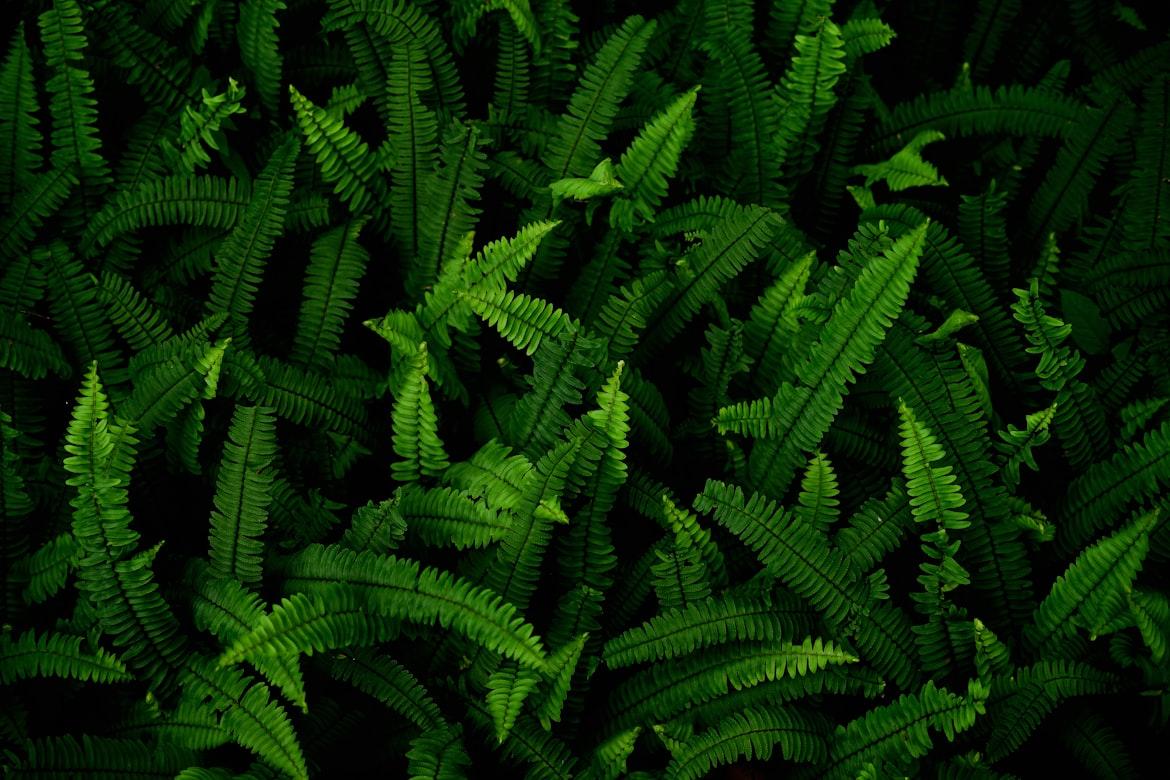
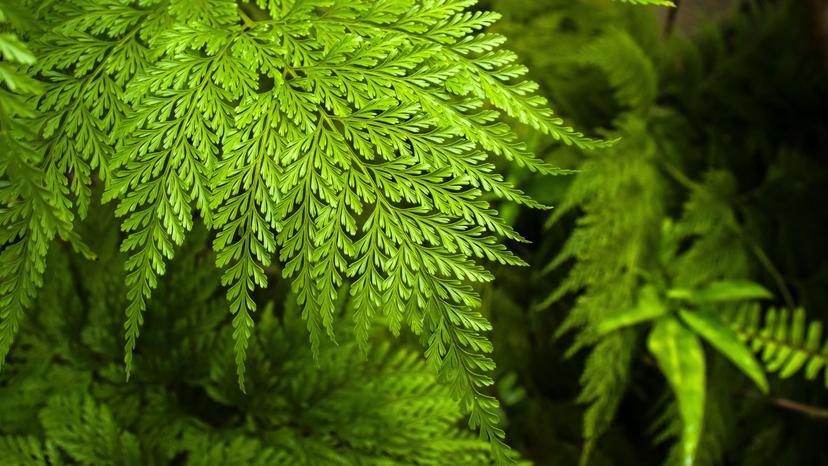
Ferns are ancient plants that have thrived for over 350 million years, predating dinosaurs. These shade-loving beauties feature delicate, feathery fronds in countless varieties. Ferns transform spaces into lush, tropical havens with their soft, elegant foliage. Popular varieties like Boston fern and maidenhair fern remain houseplant favorites despite their reputation for being finicky.
Native to tropical rainforests worldwide, ferns evolved on dark forest floors beneath towering trees. They thrive in shaded, humid environments with consistent moisture. Most ferns prefer temperatures between 65-75°F and humidity levels above 50%. Their natural habitat explains their need for indirect light and their sensitivity to dry air.
Indoors, ferns reward patient plant parents with lush growth in humid bathrooms and kitchens. Most varieties take 3-5 years to reach full maturity but fill spaces with verdant beauty within months. True ferns are non-toxic to pets, making them safe choices for homes with curious cats and dogs. Regular misting and consistent moisture keep them thriving.
Watering Schedule
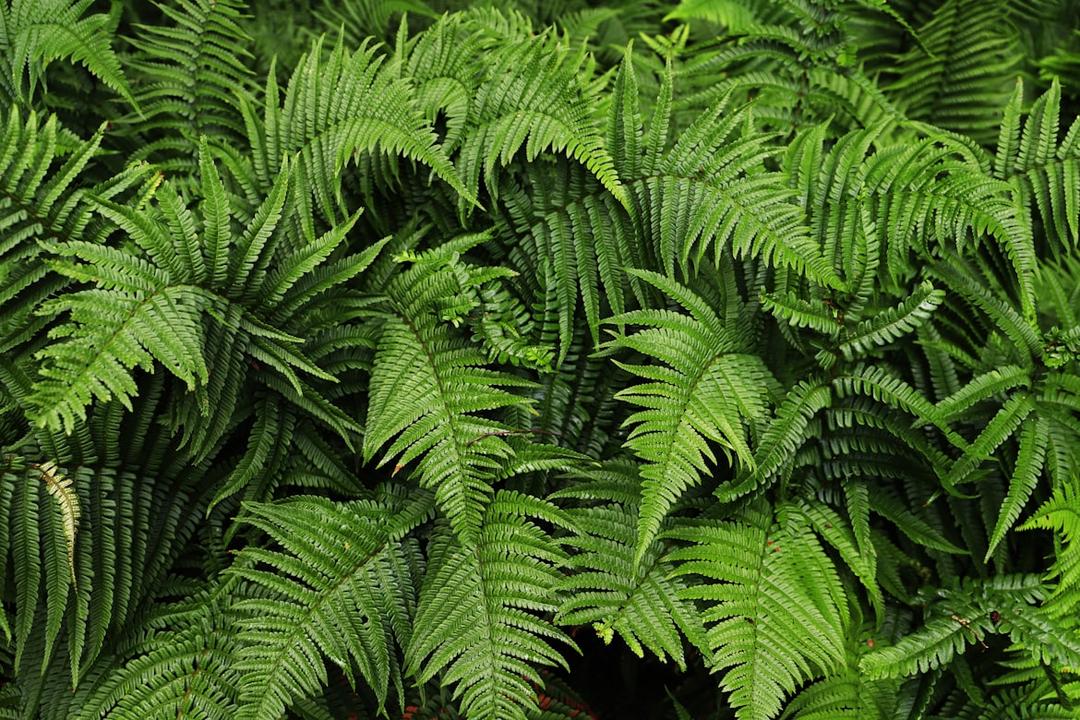
Ferns hate dry soil and love consistent moisture. Keep soil evenly moist but never waterlogged. Water when the top 25-50% of soil feels dry, typically every 3-7 days depending on season. Always use room temperature, preferably distilled water.
Common Problems & Solutions
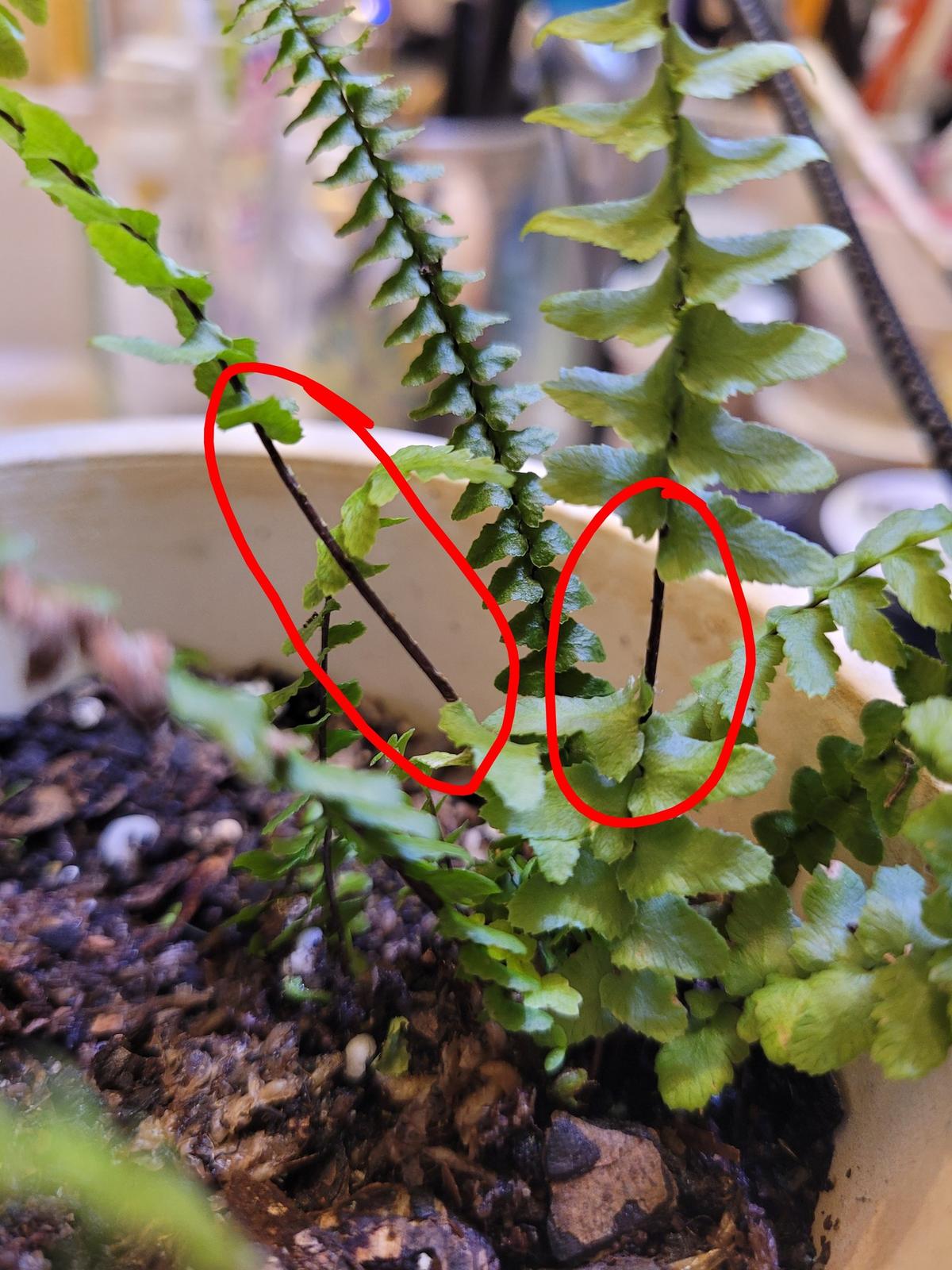
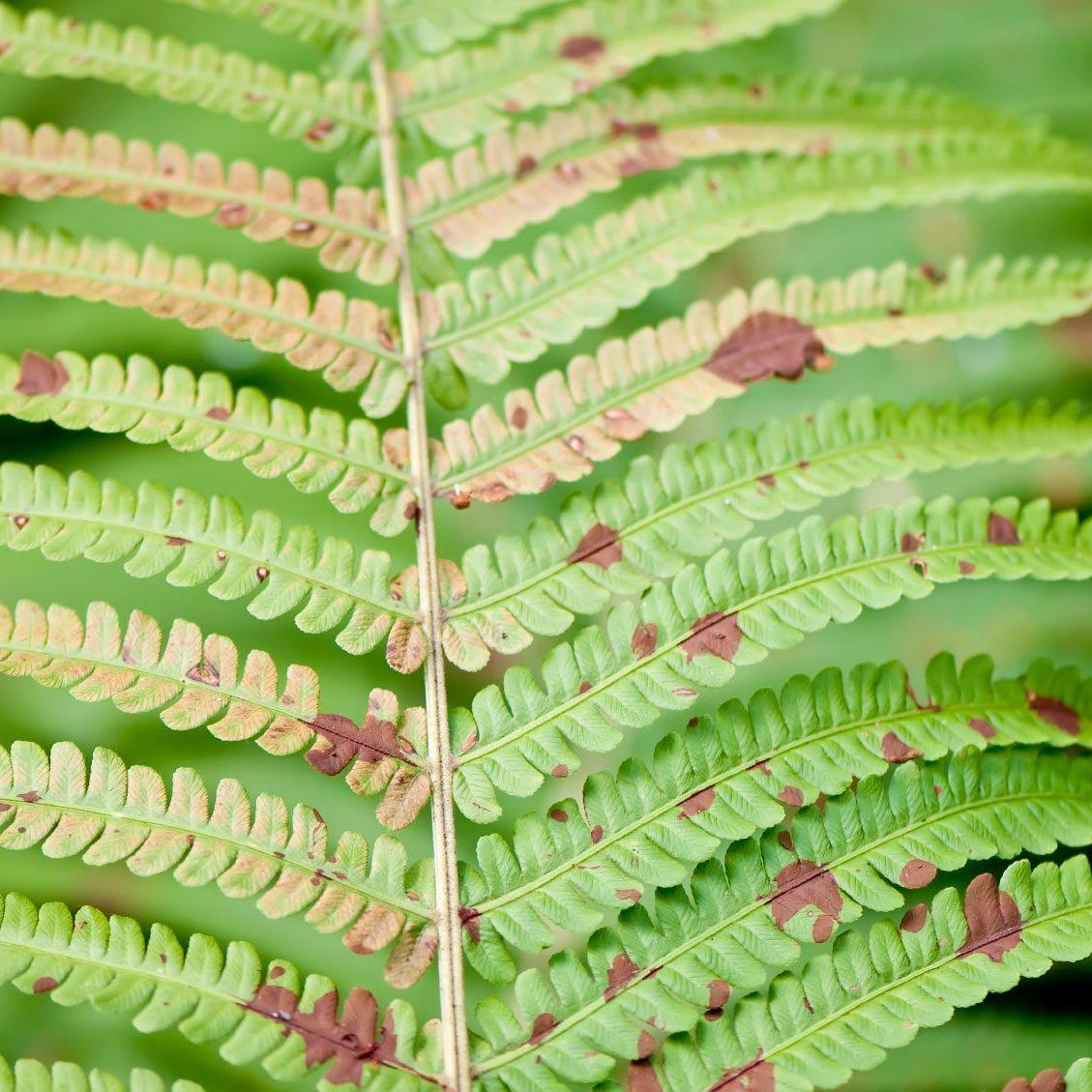
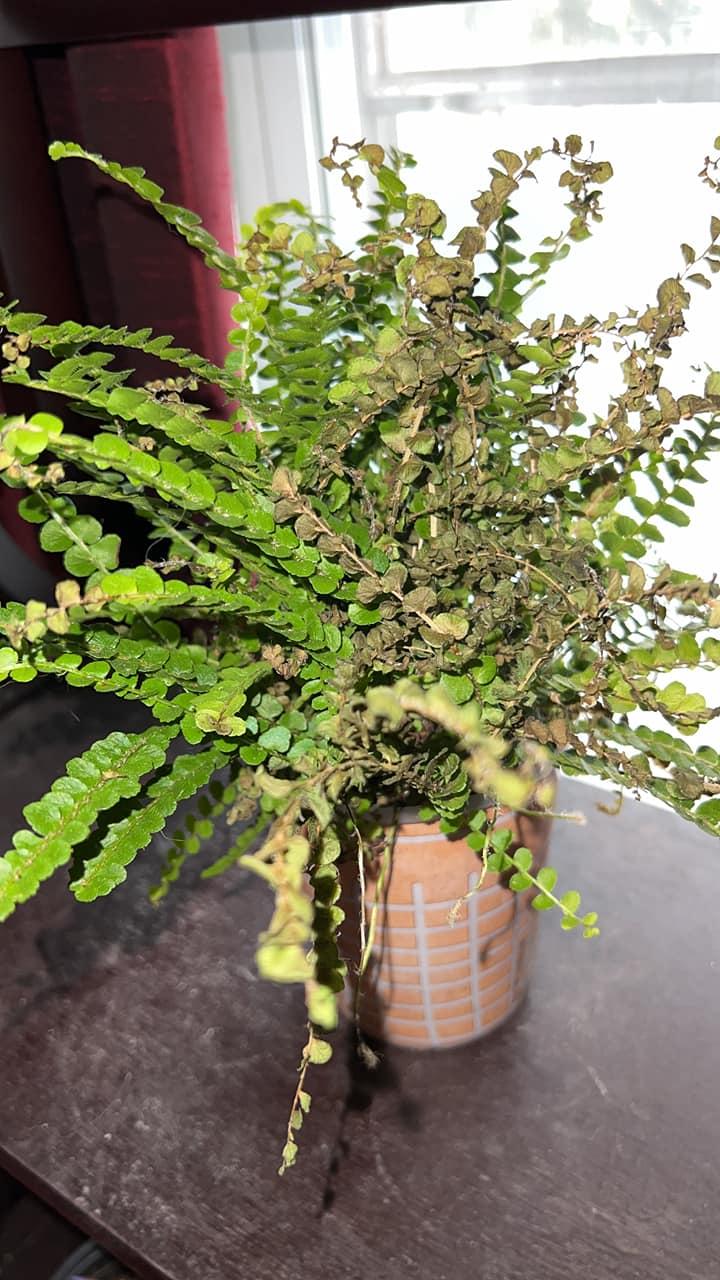
Here's how to identify and fix the most common Fern problems.
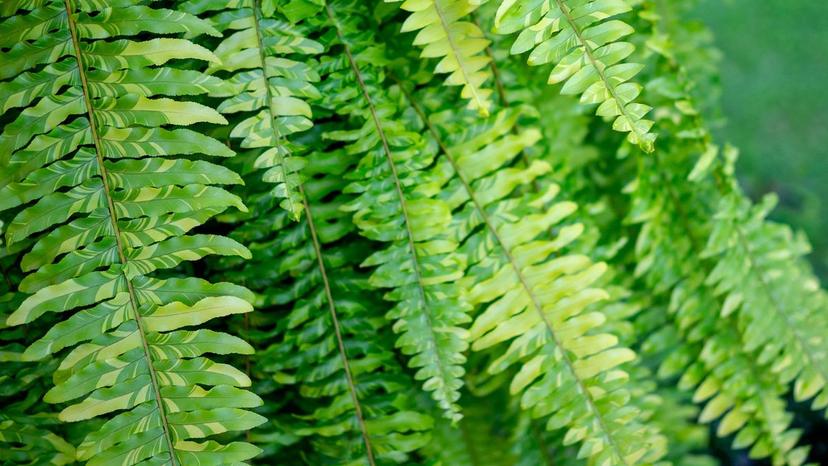
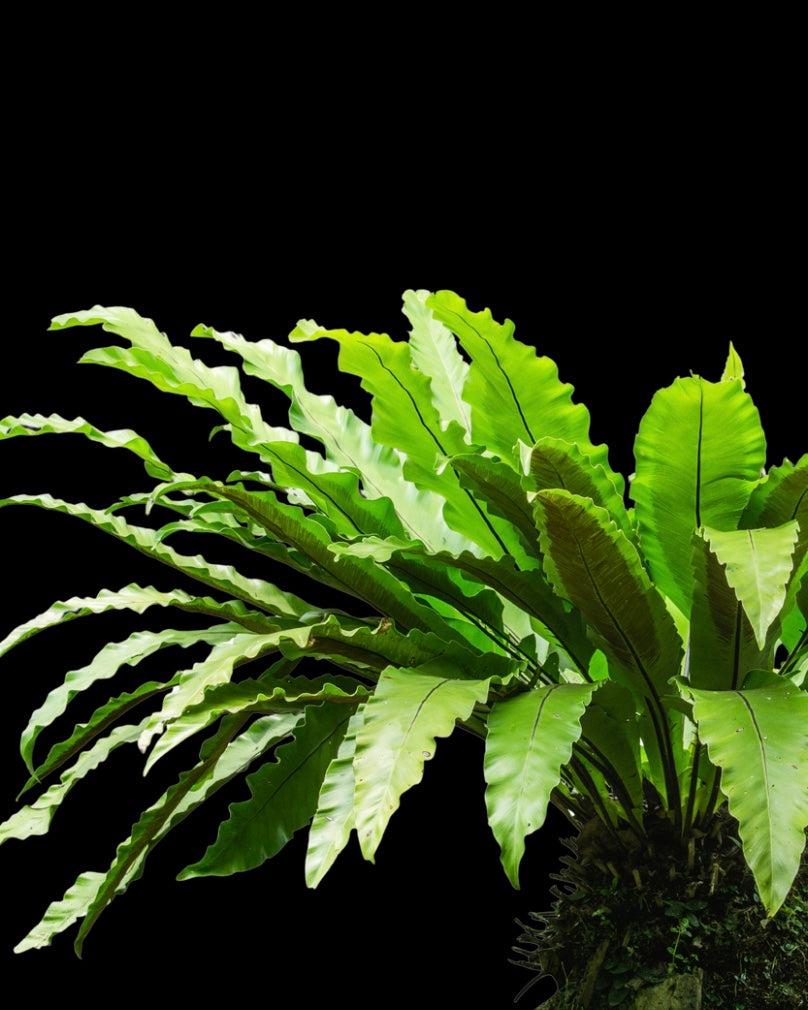
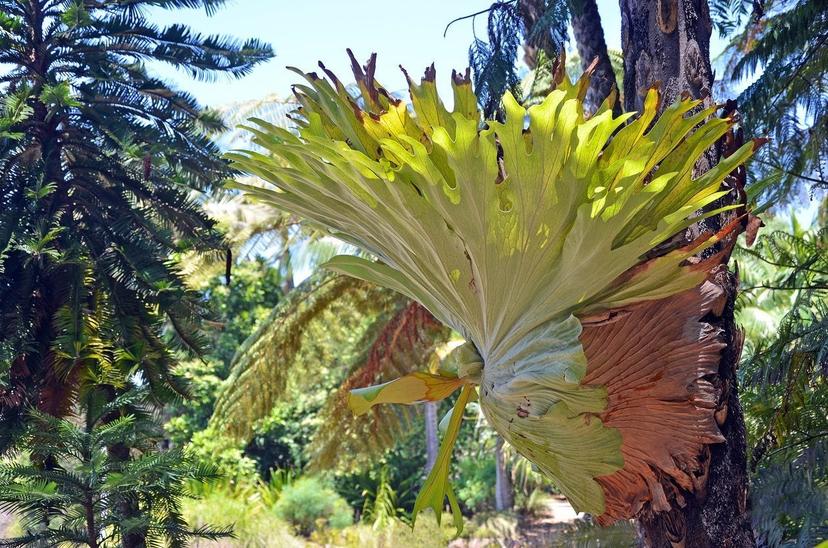
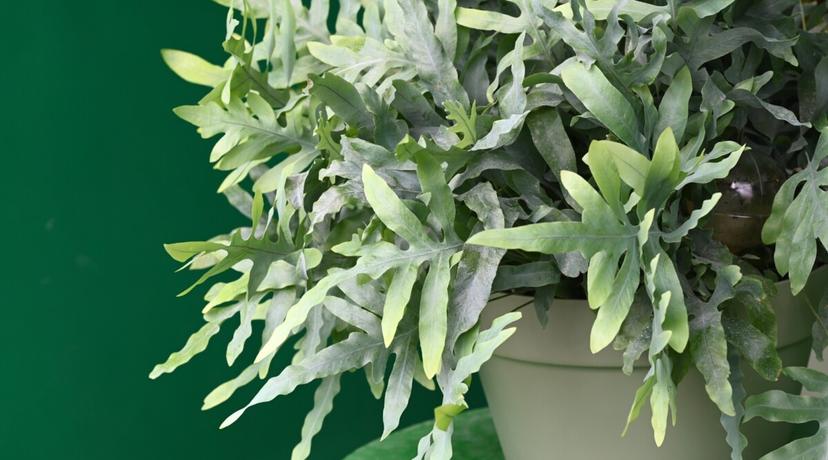
Popular Varieties
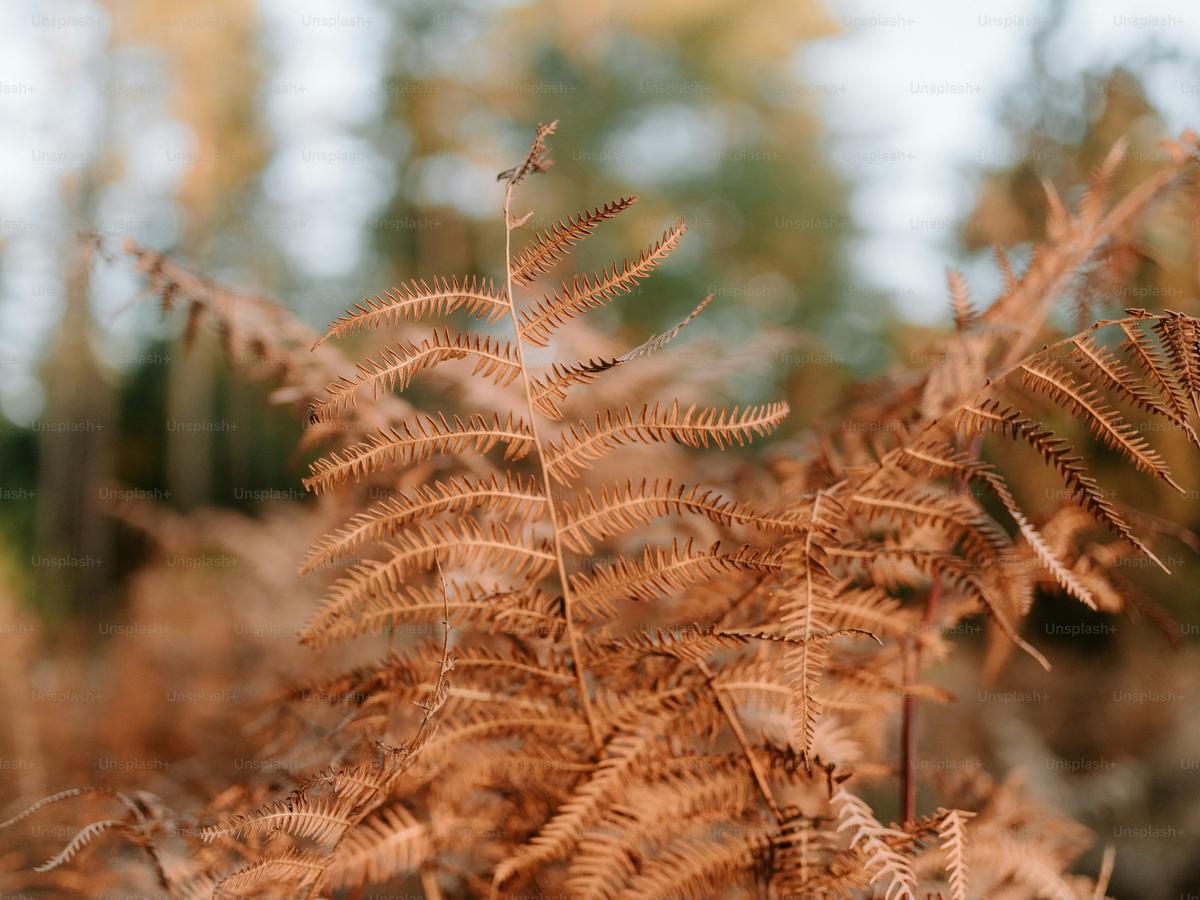
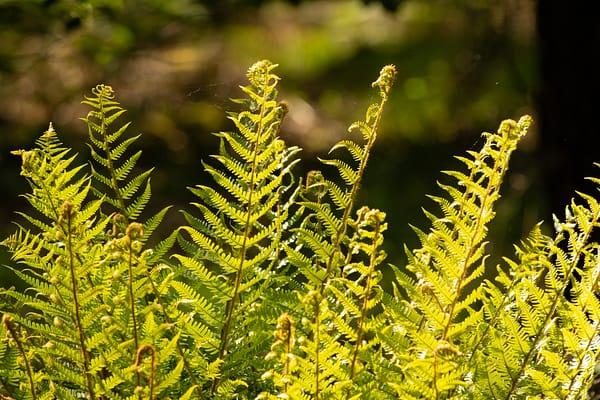
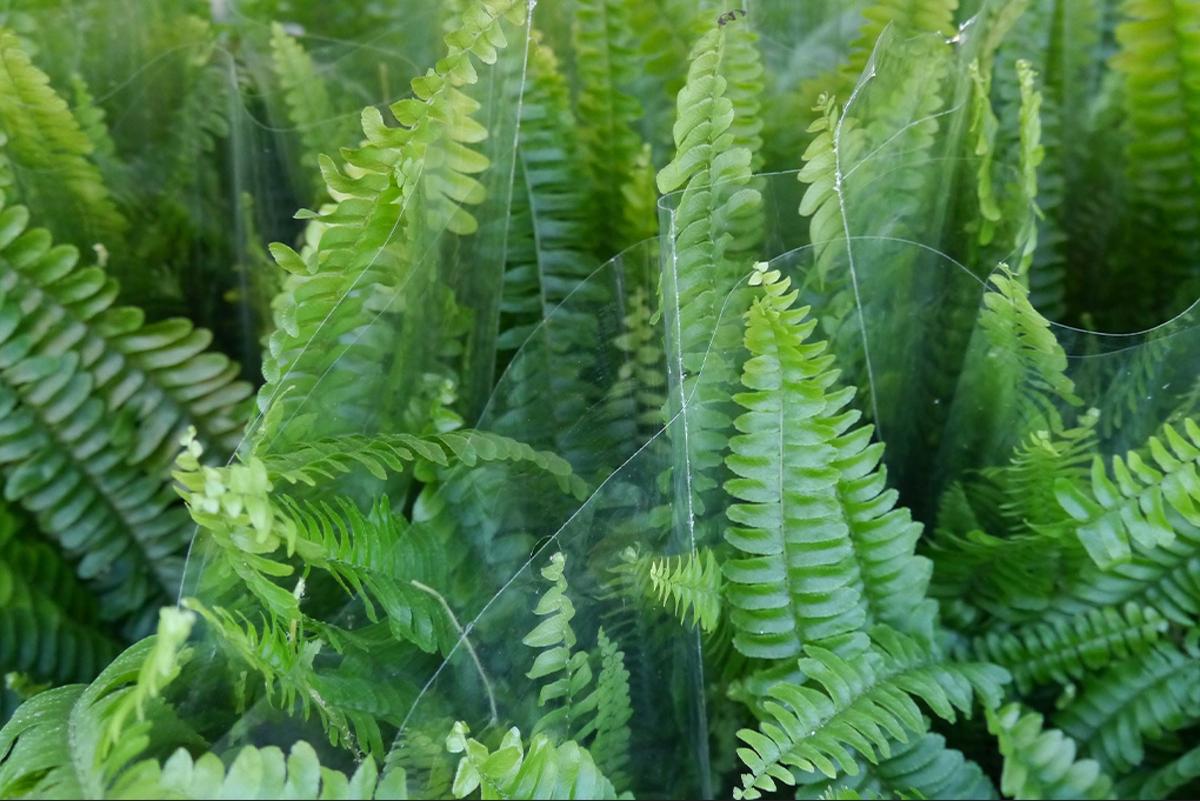
Explore different Fern varieties and find your perfect match.

Care Tips & Best Practices
Humidity
Mist fronds 2-3 times daily or use a humidifier to maintain 50-70% humidity. Pebble trays and grouping plants together also boost humidity naturally.
Feeding
Use diluted balanced fertilizer (1-1-1 or 2-1-1 NPK ratio) monthly March-August. Never overfertilize as ferns are light feeders. Stop completely in winter dormancy.
Cleaning
Dust fronds monthly with soft cloth to improve light absorption and spot pests early. Never use commercial leaf shine products that clog pores.
Pruning
Remove dead or yellowed fronds at soil line with clean scissors. Prune regularly to encourage bushier growth and remove diseased tissue immediately.
Rotation
Rotate 90 degrees weekly for balanced, even growth. Prevents one-sided development and ensures all fronds receive equal light exposure.
Consistency
Ferns thrive on routine. Maintain stable temperature 65-75°F, consistent soil moisture, stable humidity above 50%, and avoid moving plant frequently.
Care Checklist
10 Common Mistakes to Avoid
Letting soil dry out between waterings
Why it's bad: Ferns hate dry soil; fronds brown and crisp instantly from dehydration.
Do this instead: Keep soil consistently moist but not waterlogged; check daily.
Overwatering without drainage holes
Why it's bad: Waterlogged soil suffocates roots, causing rot faster than dry soil kills fronds.
Do this instead: Always use pots with drainage holes; soil should be moist, not soggy.
Placing in direct sunlight
Why it's bad: Direct sun scorches delicate fronds, turning them papery and bleached.
Do this instead: Keep in low to bright indirect light; north or east windows are ideal.
Ignoring humidity needs completely
Why it's bad: Dry air causes vaporous pressure deficit; fronds brown and curl despite watering.
Do this instead: Maintain 50-70% humidity with humidifier, misting, or pebble trays.
Using hard tap water containing salts
Why it's bad: Mineral salt buildup causes brown tip burn and toxicity over time.
Do this instead: Use distilled or filtered water; collect rainwater if possible.
Moving plant frequently for decoration
Why it's bad: Environmental changes trigger immediate frond drop and stress.
Do this instead: Choose location carefully and leave plant there permanently.
Never cleaning fronds of dust
Why it's bad: Dust blocks pores and reduces light absorption significantly.
Do this instead: Wipe fronds monthly with soft damp cloth gently.
Fertilizing with strong doses
Why it's bad: Ferns are light feeders; overfertilizing burns roots and causes tip burn.
Do this instead: Use half-strength diluted fertilizer monthly during growing season only.
Watering overhead with cold tap water
Why it's bad: Overhead watering spreads fungal diseases; cold water shocks roots.
Do this instead: Water at soil level with room temperature distilled water only.
Repotting in dense garden soil
Why it's bad: Heavy soil compacts and waterloggs, causing root rot quickly.
Do this instead: Use airy mix of peat, perlite, potting soil in 1-1-1 ratio.
Frequently Asked Questions
Why are my fern fronds turning brown?
Brown crispy fronds usually indicate low humidity and dry air causing vapor pressure deficit. Increase humidity with humidifier or misting 2-3 times daily. Mineral salt from tap water also causes browning; switch to distilled water.
Can ferns tolerate low light?
Yes, ferns prefer low to bright indirect light. They evolved on dark forest floors. However, very low light slows growth. Avoid areas with less than 2 hours natural light or add a grow light.
How often should I water my fern?
Water when top 25-50% of soil feels dry, typically every 3-7 days. Keep soil consistently moist but not waterlogged. Check moisture 2-3 times weekly; ferns dry out quickly in heated homes.
Is fern toxic to cats and dogs?
True ferns like Boston fern are non-toxic to cats and dogs per ASPCA. However, asparagus ferns are toxic. Ingesting large amounts of any plant may cause mild stomach upset. Keep out of reach of pets that chew plants.
What humidity level do ferns need?
Most ferns prefer 50-70% humidity to thrive. Use humidifier, misting 2-3 times daily, pebble trays, or grouping plants. Bathrooms and kitchens naturally provide ideal humidity from moisture.
How do I propagate a fern?
Division is easiest: separate mature ferns into 3-4 inch sections with roots in spring. Spore propagation is slower: collect mature spores, scatter on moist peat mix, keep humid for 6-12 months.
What's the best soil mix for ferns?
Mix 1 part peat moss, 1 part potting soil, 1 part perlite. Add activated charcoal for drainage. Avoid heavy garden soil which compacts and waterloggs causing root rot.
When should I repot my fern?
Repot every 2-3 years in spring when new fronds emerge or roots circle the pot. Increase pot size by only 1-2 inches. Use fresh soil to refresh nutrients.
How fast do ferns grow?
Growth varies by species: some grow 6-12 inches yearly while others grow slowly. Boston ferns grow moderate speed. Proper humidity, light, and moisture accelerate growth. Expect 1-3 years for young plants to mature.
Why do ferns drop leaves when moved?
Ferns are sensitive to environmental changes. Moving triggers immediate stress and leaf drop. Choose location carefully and leave plant there permanently to avoid this shock response.
References & Sources
Information in this guide is based on these trusted sources.