
Eggplant
A heat-loving tropical vegetable with glossy fruits that thrive in warm gardens and containers.
Video Tutorials
Watch these helpful videos to learn more about Eggplant care.
About Eggplant
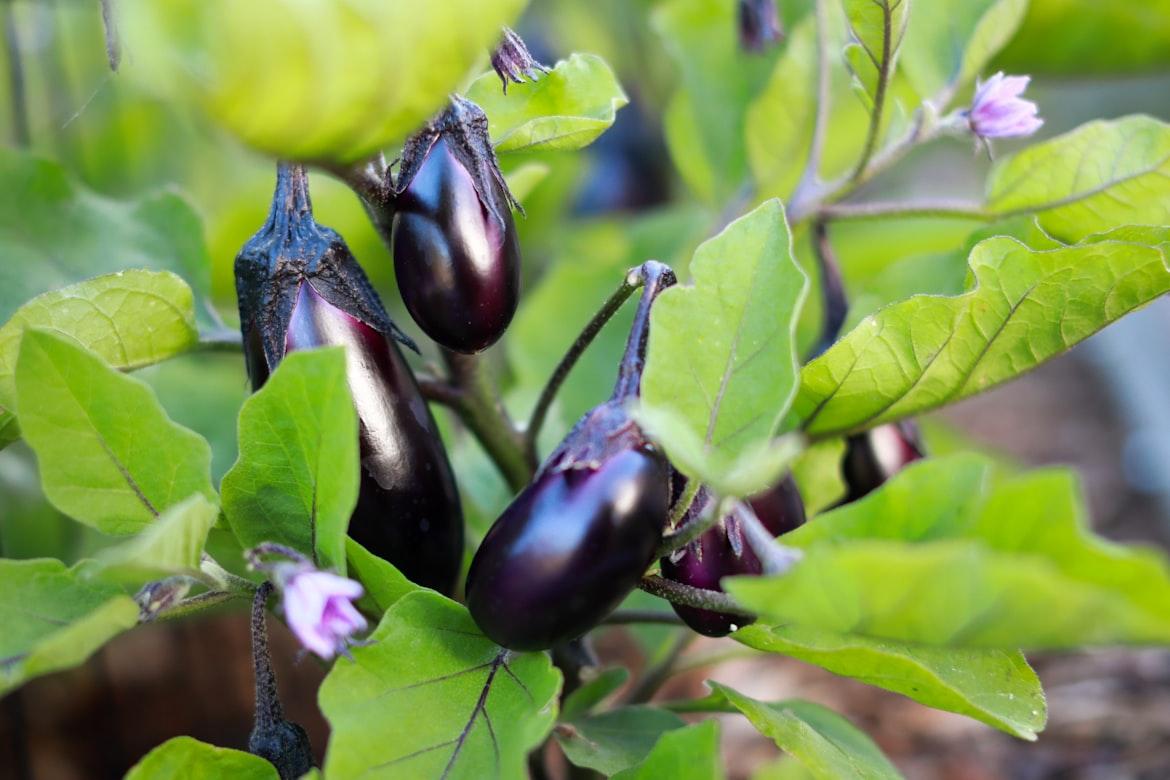
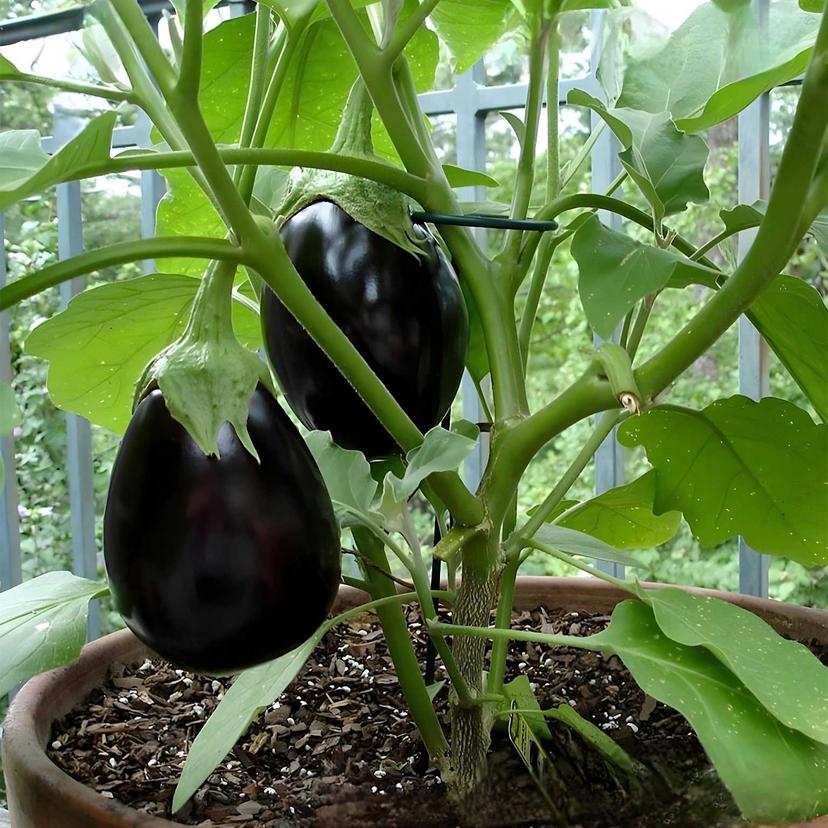
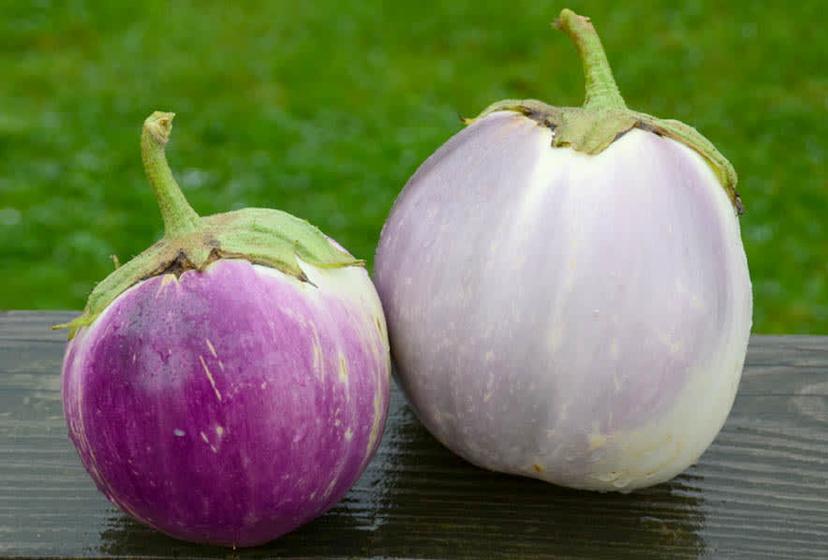
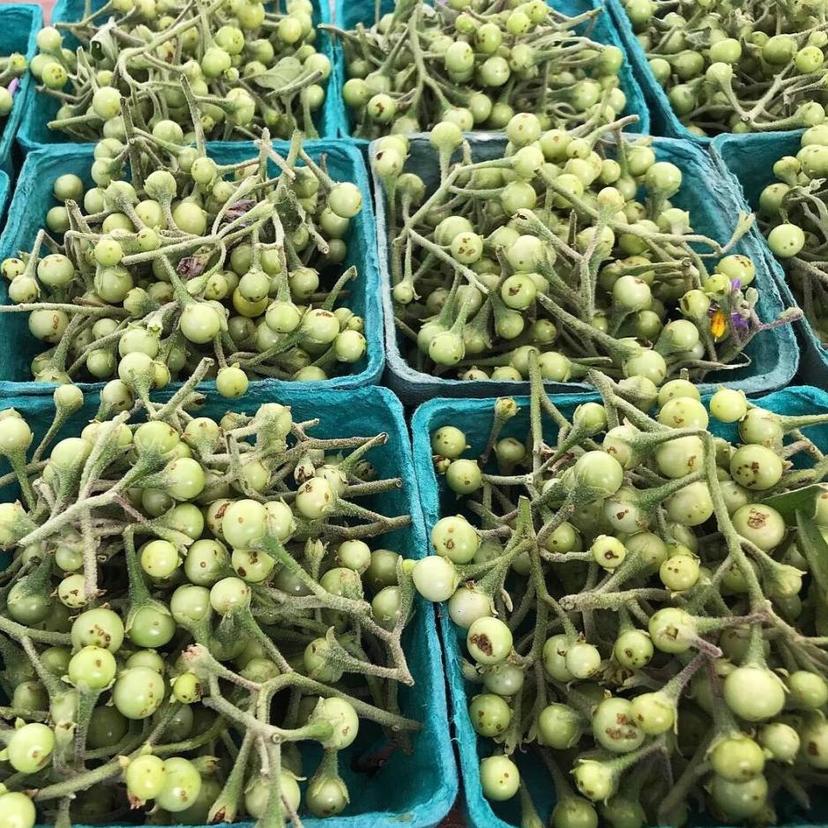
Overview Eggplants are heat-loving members of the nightshade family that bear beautiful, glossy purple, white, and bicolored fruits. Originating in tropical Southeast Asia, eggplant is now enjoyed as a common ingredient through the Mediterranean, Middle East, Indian and Asian cuisines.
Eggplants naturally grow in warm, humid climates of China, Thailand, and Vietnam, where they thrive in consistently warm temperatures and rich, well-drained soil. They require 70-85°F to flourish and struggle in cool weather.
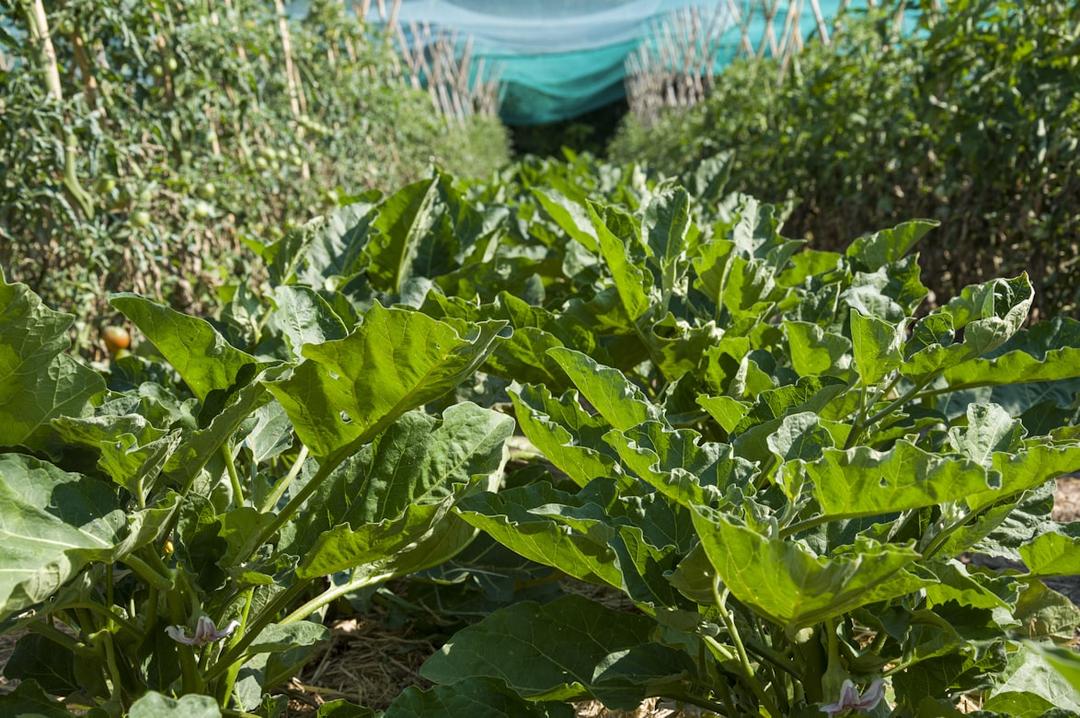
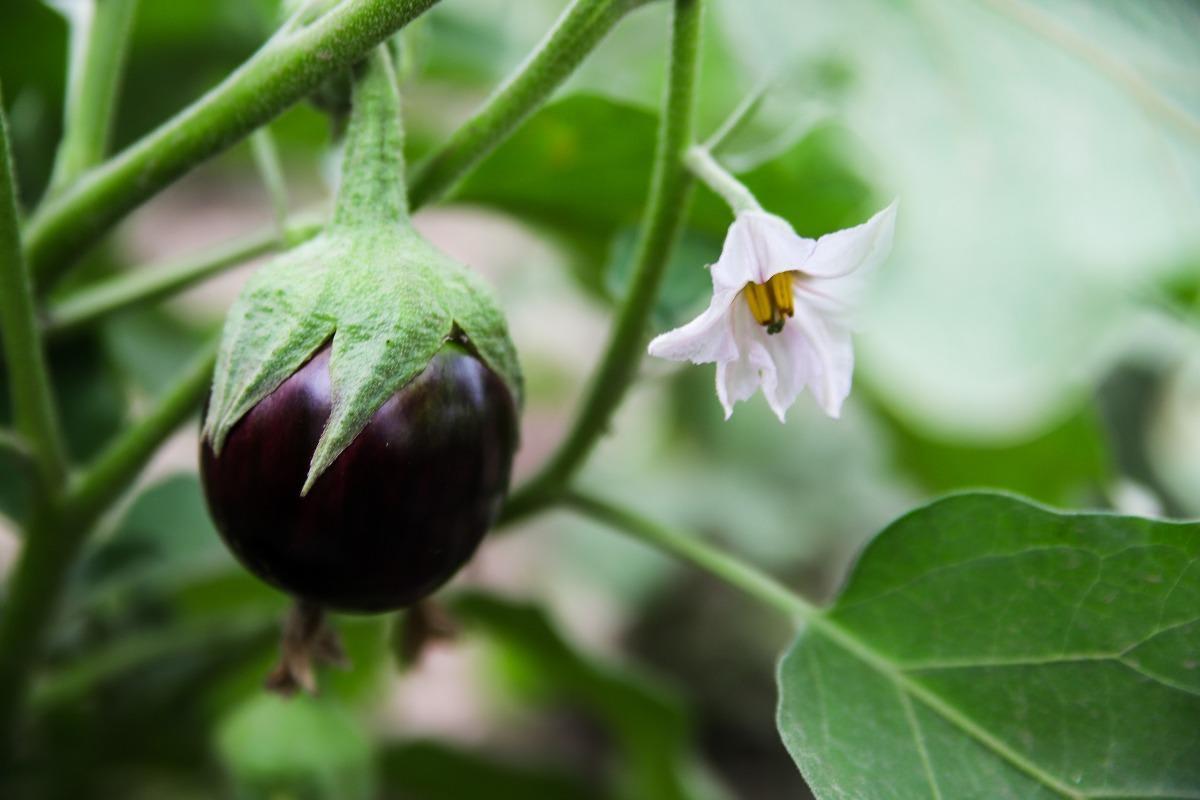
As a garden specimen, eggplants reward consistent care with abundant harvests lasting 60-90+ days. They grow into bushy plants reaching 2-4 feet tall, producing distinctive star-shaped purple flowers followed by fleshy berry fruits.
Watering Schedule
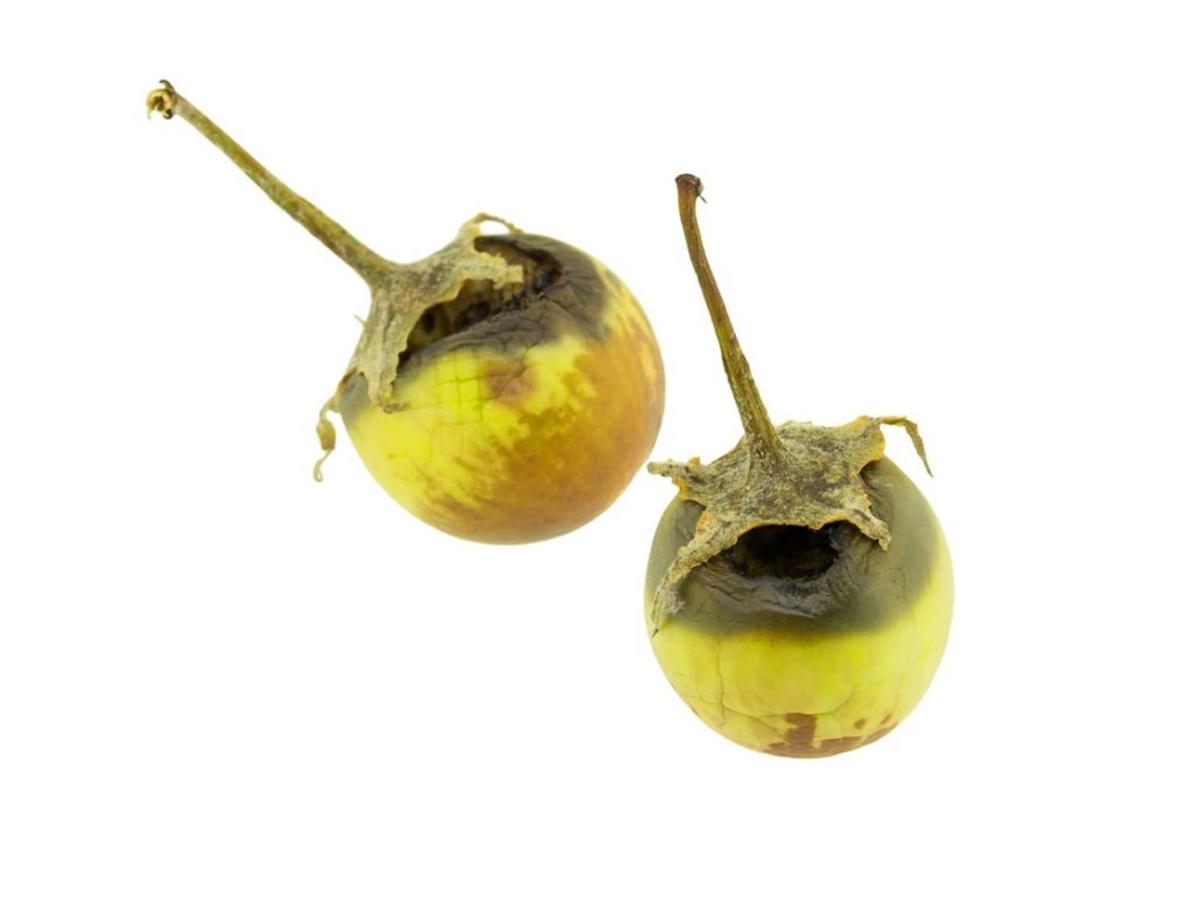
Eggplants need steady, consistent moisture to grow vigorously and produce sweet, tender fruits. Inconsistent watering causes bitter fruit and blossom end rot.
Common Problems & Solutions
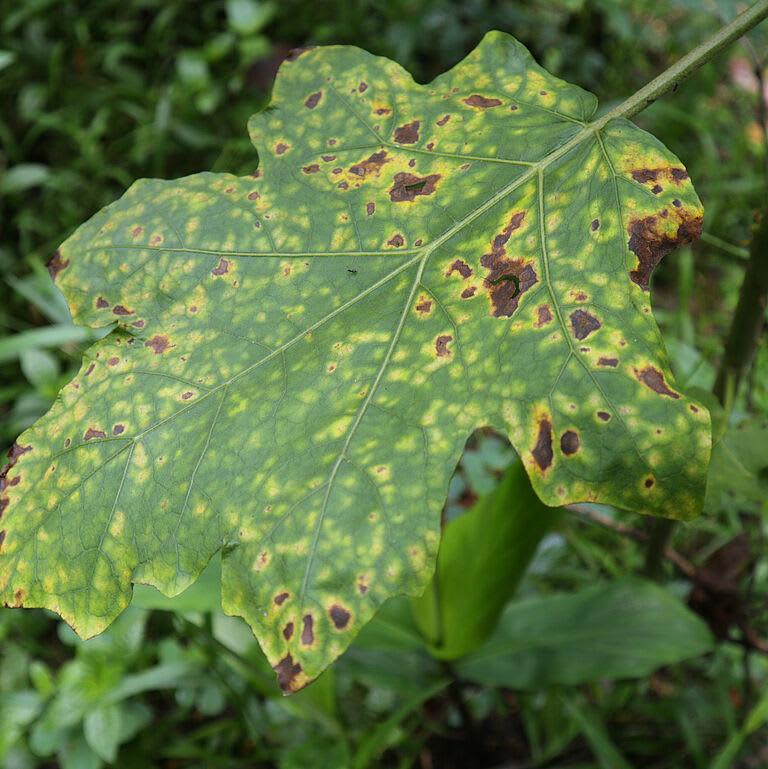
Here's how to identify and fix the most common Eggplant problems.
Popular Varieties
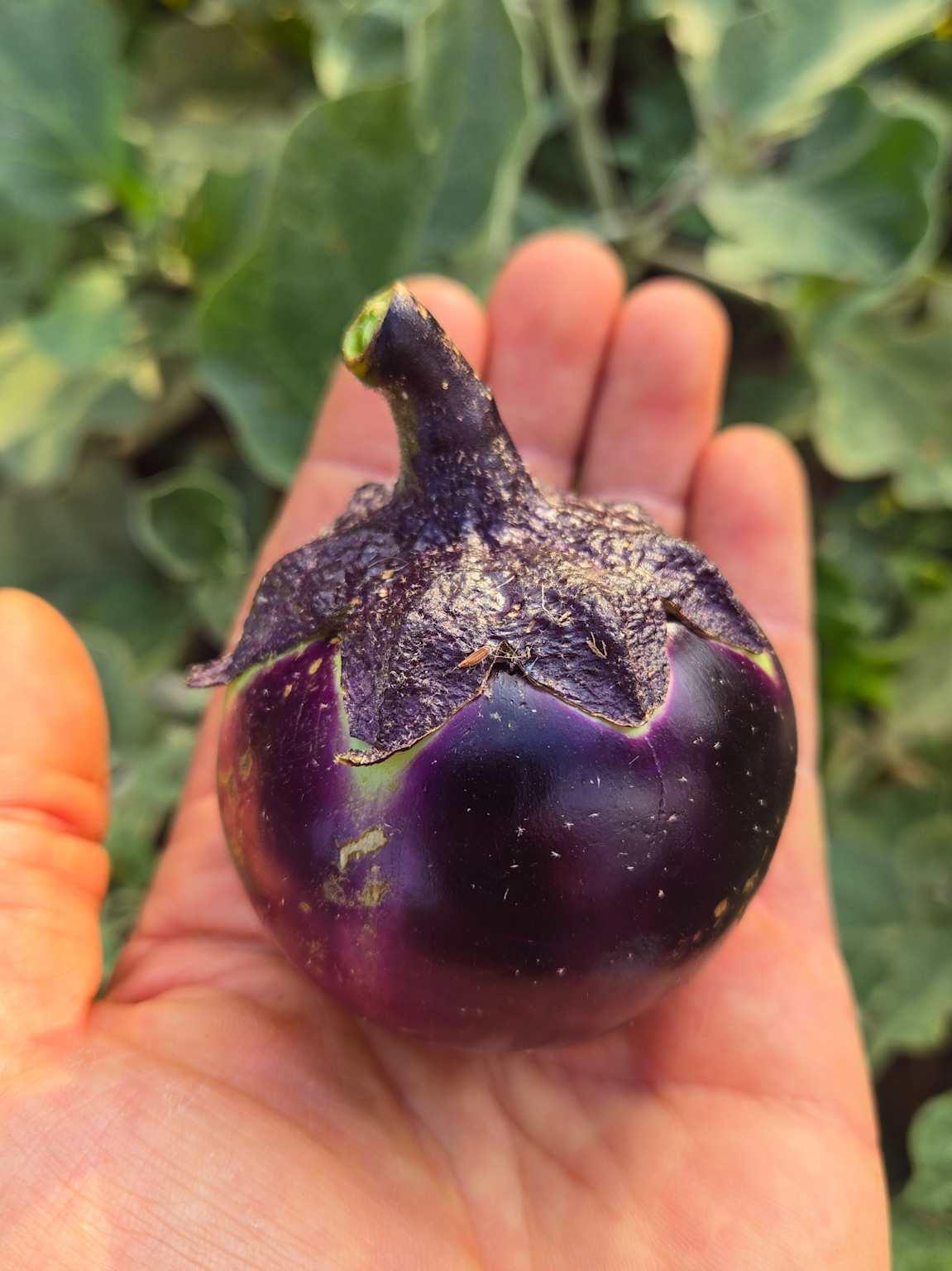
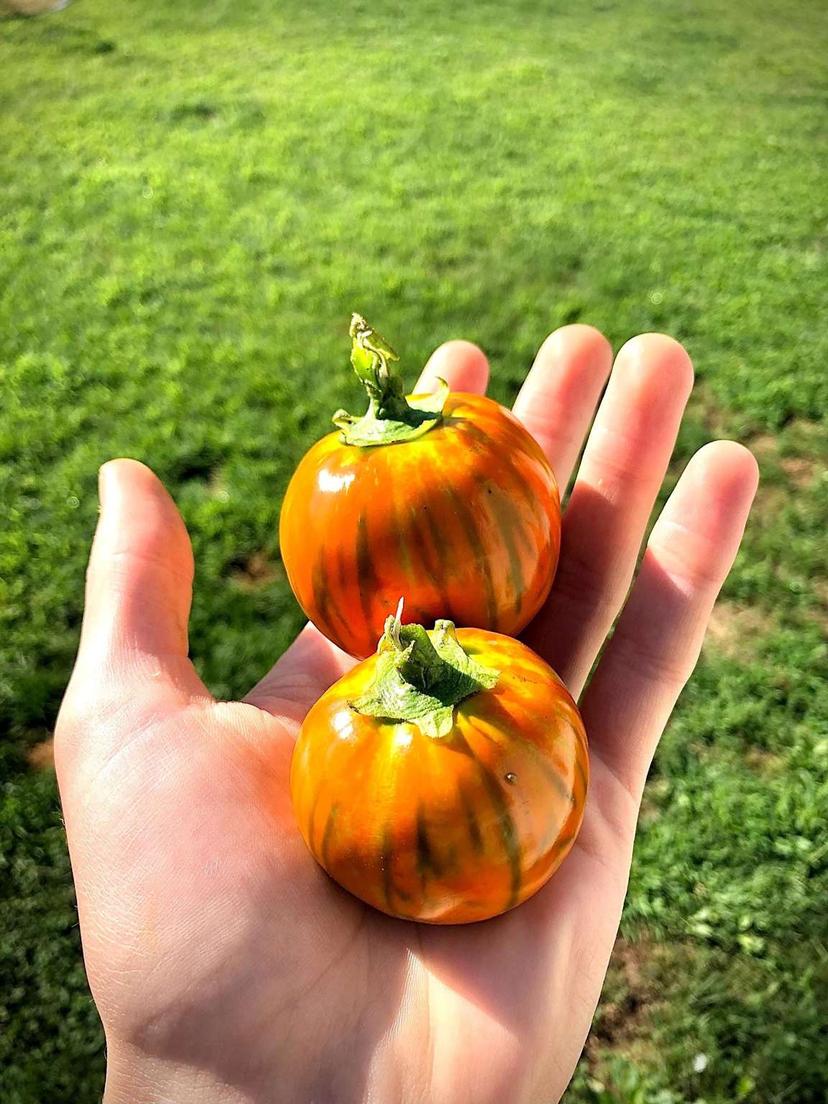
Explore different Eggplant varieties and find your perfect match.

Care Tips & Best Practices
Humidity
Mist foliage twice daily to encourage pollination and deter spider mites. Morning misting allows leaves to dry by midday, preventing fungal disease.
Feeding
Apply 10-10-10 fertilizer every 2 weeks until flowering, then switch to high-potassium 10-10-20 formula. Add Epsom salt biweekly for fruit quality.
Cleaning
Remove lower leaves once flowering begins to prevent soil-borne disease and improve air circulation. Clear fallen leaves and debris regularly.
Support
Install stakes at planting time to prevent root damage. Tie stems loosely with twine, adding ties as fruit grows. Heavy varieties need multiple supports.
Pruning
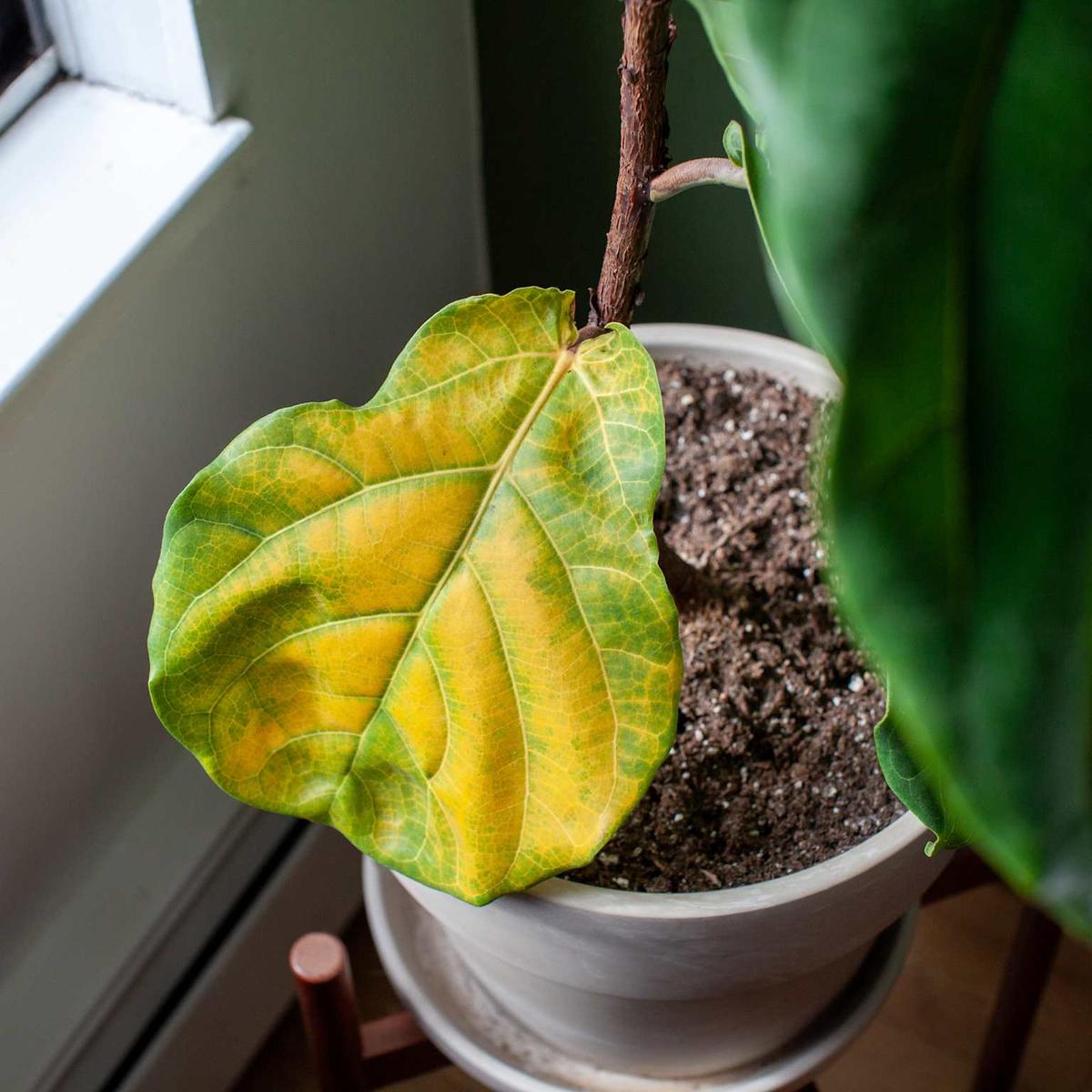
Pinch off first flower buds to encourage strong roots. Keep 2-3 main fruiting branches. Remove yellowing or diseased leaves immediately.
Rotation
Rotate with non-solanaceous crops like broccoli, corn, or beans for at least 2 years to reduce soil-borne disease pressure.
Care Checklist
10 Common Mistakes to Avoid
Planting too early in cold soil
Why it's bad: Soil below 60°F stuns growth and delays fruiting by weeks.
Do this instead: Wait until soil reaches 60-65°F and nighttime lows stay above 50-55°F.
Overwatering consistently
Why it's bad: Waterlogged soil causes root rot, fungal disease, and flower drop.
Do this instead: Water only when top 2-3 inches of soil feel dry to touch.
Underwatering during fruit development
Why it's bad: Inconsistent moisture causes bitter fruits, blossom end rot, and fruit drop.
Do this instead: Increase watering significantly once flowering starts; aim for 1+ inch per week.
Planting without support structures
Why it's bad: Heavy fruit-laden branches break or damage roots when supports added later.
Do this instead: Insert sturdy stakes or cages at planting time; tie plants as they grow.
Skipping pruning entirely
Why it's bad: Unpruned plants become bushy with fewer flowers and reduced fruit production.
Do this instead: Pinch off first flowers and keep 2-3 main fruiting branches for optimal harvest.
Feeding excessive nitrogen
Why it's bad: Excess nitrogen produces leafy plants with few flowers and delayed fruiting.
Do this instead: Use 10-10-10 early, switch to 10-10-20 once flowering starts.
Ignoring pests until severe
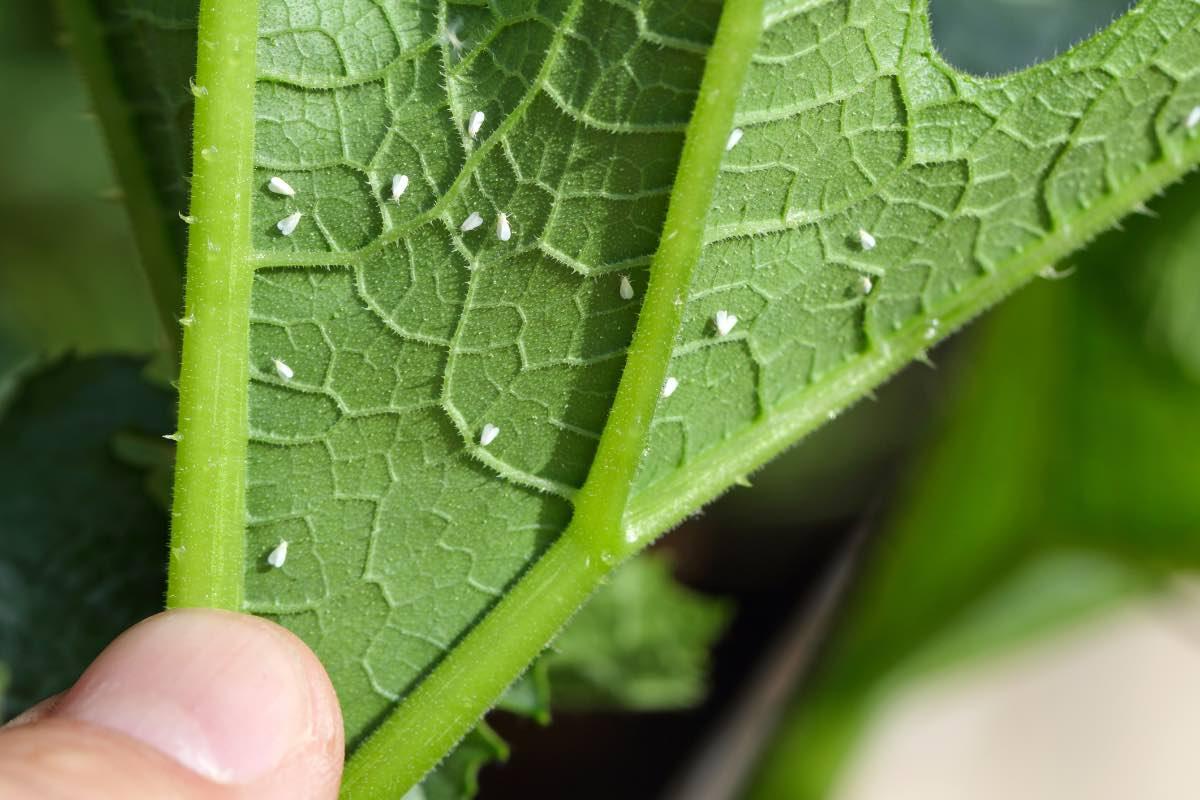
Why it's bad: Unchecked spider mites and whiteflies reduce harvest by 50-75%.
Do this instead: Scout weekly and spray with neem oil at first sign of pests.
Harvesting overmature fruits
Why it's bad: Large, dull-skinned eggplants are seedy, stringy, and bitter.
Do this instead: Harvest when glossy, firm but slightly soft, typically 4-8 inches long.
Poor garden location selection
Why it's bad: Shaded, wet locations severely limit growth and fruit production.
Do this instead: Choose warmest, sunniest spot with excellent drainage and air circulation.
Not rotating crops
Why it's bad: Repeated planting allows Verticillium wilt and root-knot nematodes to build up.
Do this instead: Rotate with non-solanaceous crops like broccoli or beans for 2+ years.
Frequently Asked Questions
How long does it take for eggplant to produce fruit?
From seed to first harvest takes 65-110 days depending on variety. Transplanting 8-week-old seedlings instead of direct seeding accelerates harvests significantly.
Why is my eggplant flowering but not producing fruit?
Poor pollination, temperatures below 60°F at night, or inconsistent watering prevent fruit set. Hand-pollinate daily with paintbrush and increase watering to 1+ inch per week.
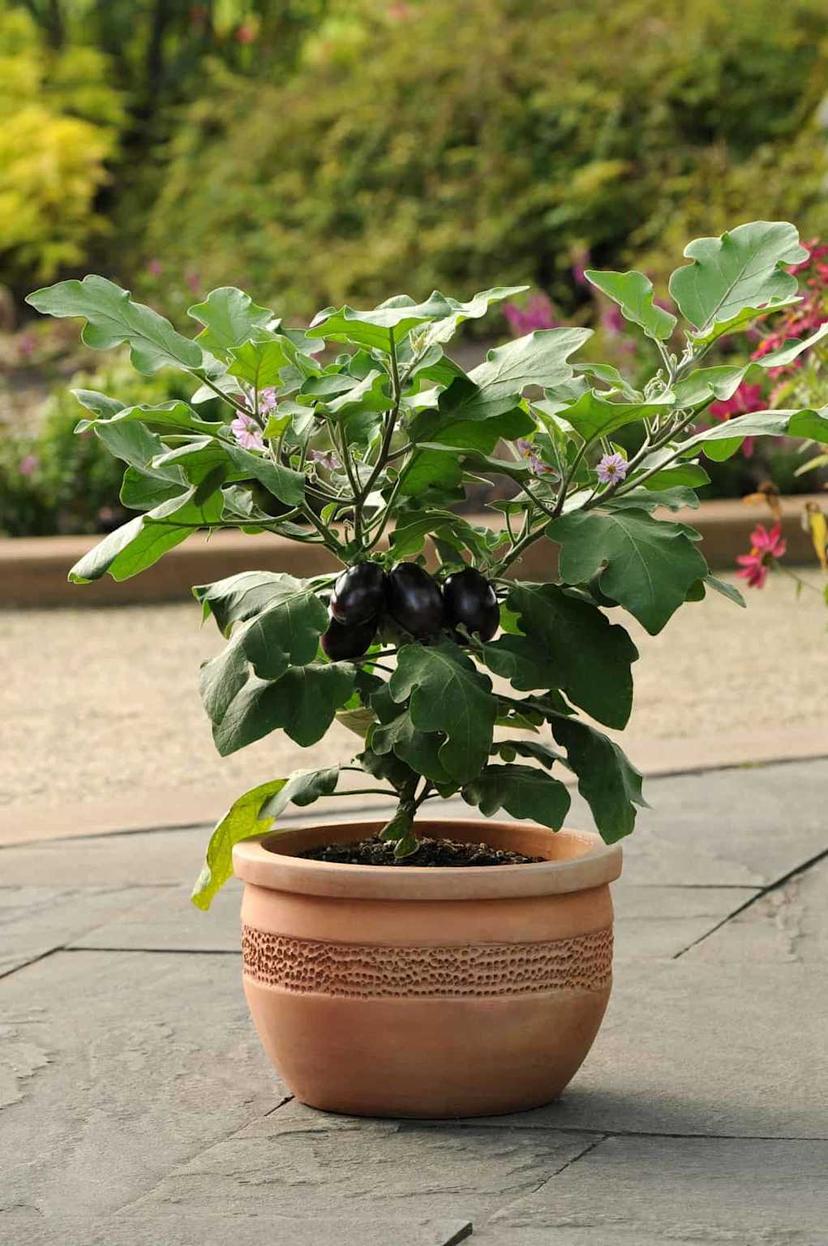
Can eggplants grow in containers?
Yes, use 5-gallon minimum pots with peat-free potting mix enriched with compost. Place in warmest, sunniest location and water daily in hot weather.
What temperature does eggplant need to thrive?
Ideal temperature is 70-85°F. Eggplants won't grow below 60-65°F at night. Transplant after all frost danger passes.
How do I prevent spider mites and whiteflies?
Maintain high humidity by misting twice daily. At first sign of pests, spray with neem oil (2 tablespoons per liter) every 2-3 days.
Should I prune my eggplant plant?
Yes, pruning boosts production significantly. Pinch off first flowers and keep 2-3 main fruiting branches by removing suckers.
Why is my eggplant bitter and seedy?
Bitter fruit results from inconsistent watering, heat stress, or harvesting overmature fruit. Pick when glossy and firm, 4-6 inches long.
Can dogs and cats eat eggplant?
Small amounts of cooked eggplant are safe for healthy pets. Avoid for animals with kidney issues. Always remove toxic leaves before preparation.
How often should I fertilize eggplant?
Apply 10-10-10 fertilizer every 2 weeks until flowering. Switch to 10-10-20 once flowers appear. Too much nitrogen reduces fruiting.
Can I save eggplant seeds for next year?
Yes, seeds remain viable for 4 years when stored in cool, dry conditions. Allow fruit to fully ripen on plant, extract and dry seeds completely.
References & Sources
Information in this guide is based on these trusted sources.