
dracaena
A striking, low-maintenance houseplant with sculptural leaves that adapts to any room. Perfect for beginners and busy plant parents.

Video Tutorials
Watch these helpful videos to learn more about dracaena care.
About dracaena
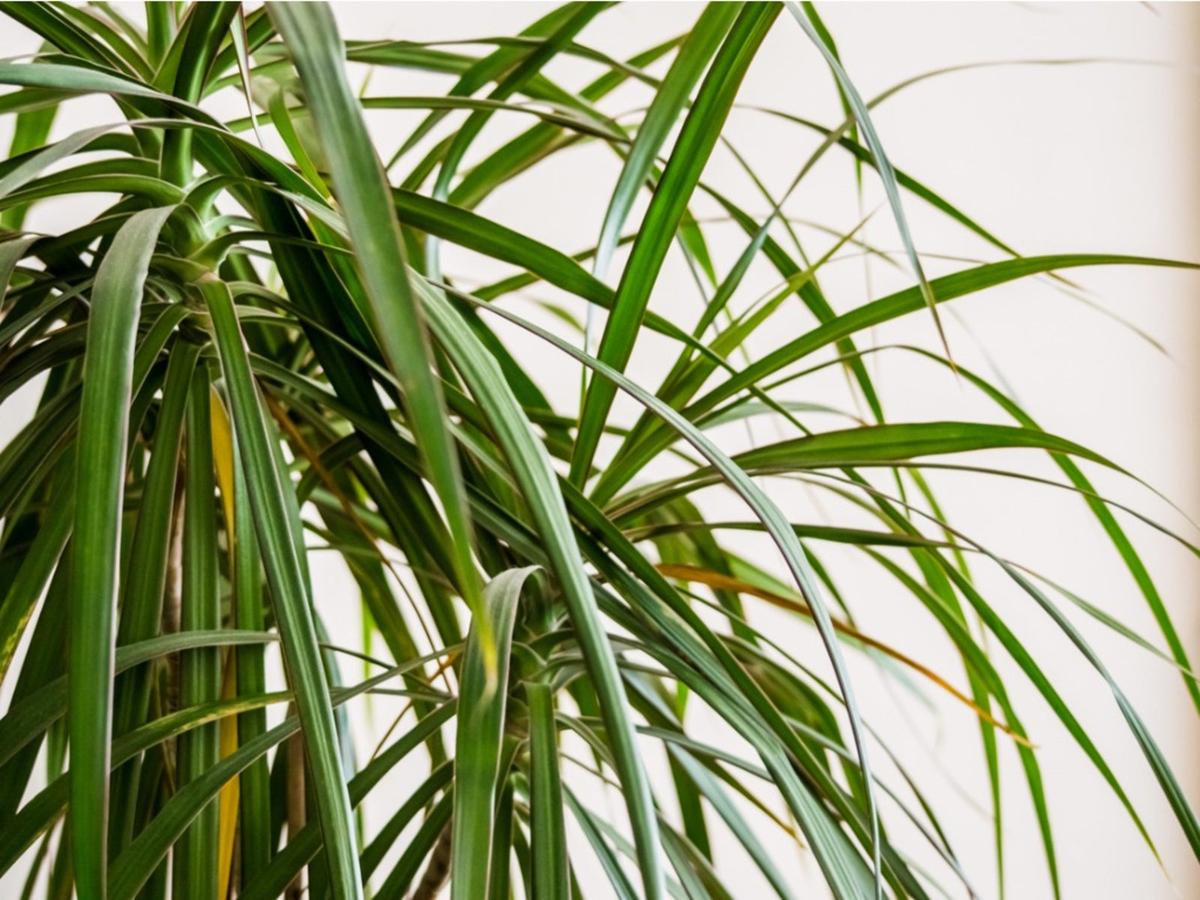
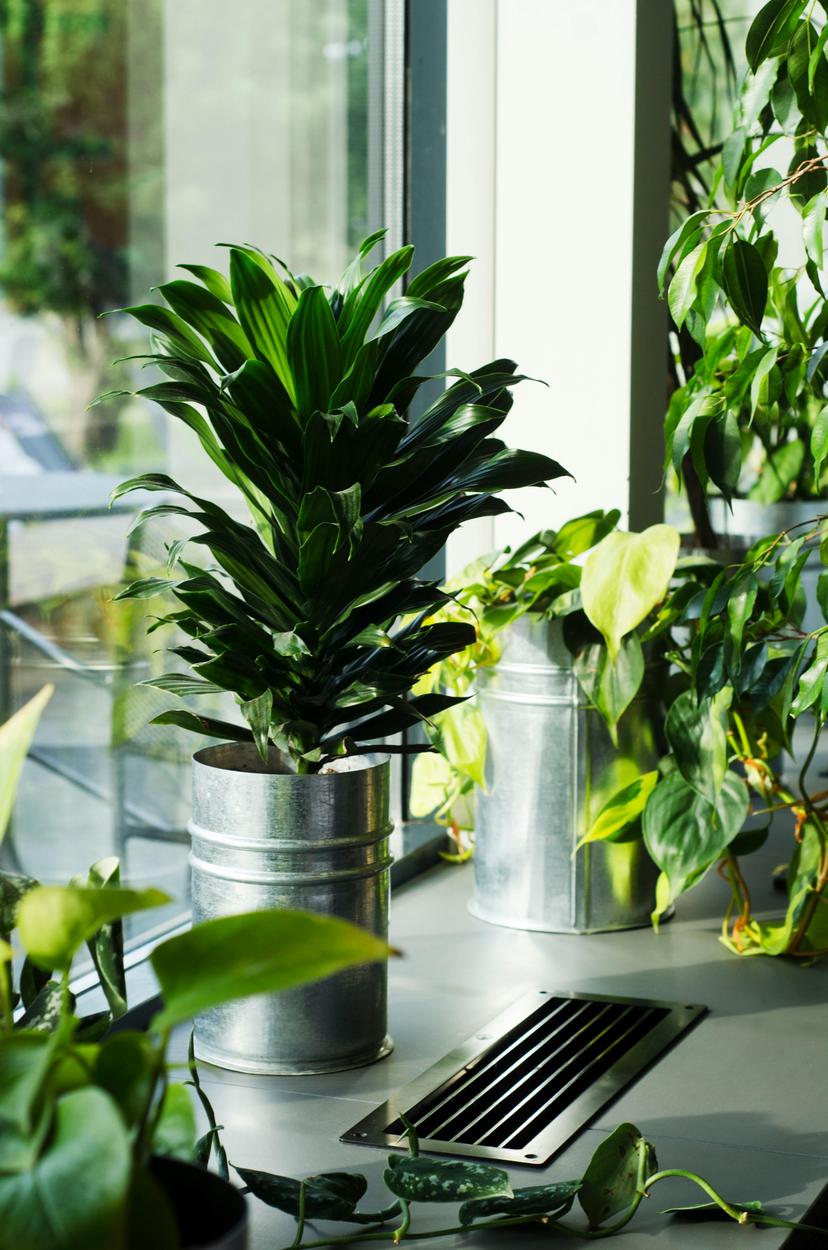
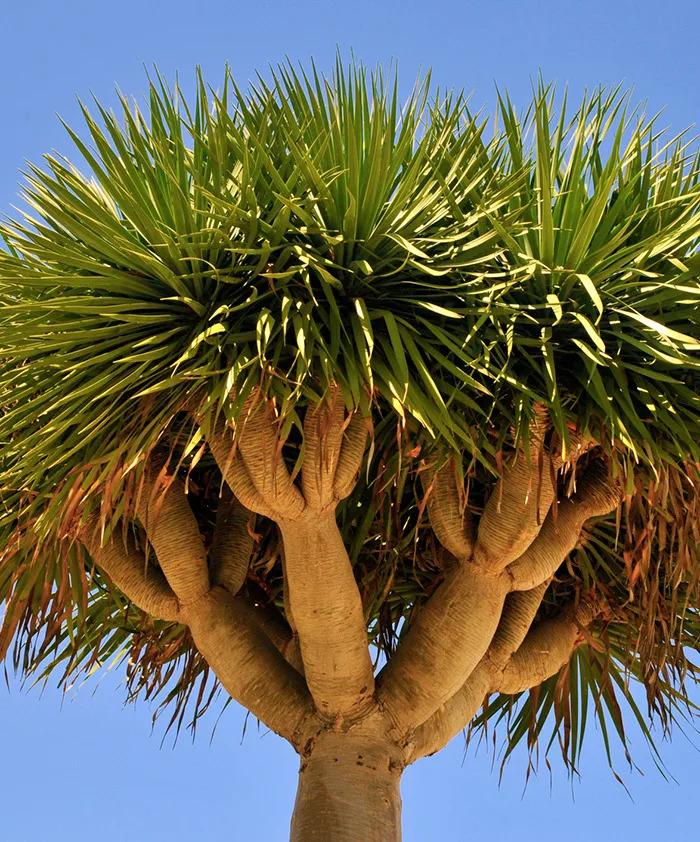
Dracaena plants are beloved for their elegant, sword-shaped leaves and striking architectural silhouette. With over 50 species available, they're one of the most popular houseplants worldwide, gracing homes and offices from small apartments to corporate headquarters. Their dramatic form makes them instant conversation starters, while their toughness makes them perfect for anyone new to plant care.
Native to tropical regions across Africa, Madagascar, and southern Asia, dracaenas thrive in warm, humid rainforest understories where they grow beneath tree canopies. They're adapted to receive dappled light and consistent moisture, though they can survive surprisingly dry periods thanks to water stored in their woody stems. This tropical heritage explains why they love warmth and humidity but can tolerate indoor conditions most people find comfortable.
As houseplants, dracaenas are remarkably forgiving. They tolerate low light better than most plants, bounce back from neglect, and grow slowly enough that you won't need to repot constantly. With minimal care, a healthy dracaena can live for decades indoors, growing steadily into a statement piece that fills corners and creates lush living spaces. NASA research shows certain varieties help filter indoor air pollutants, adding another layer of benefit to these already impressive plants.
Watering Schedule
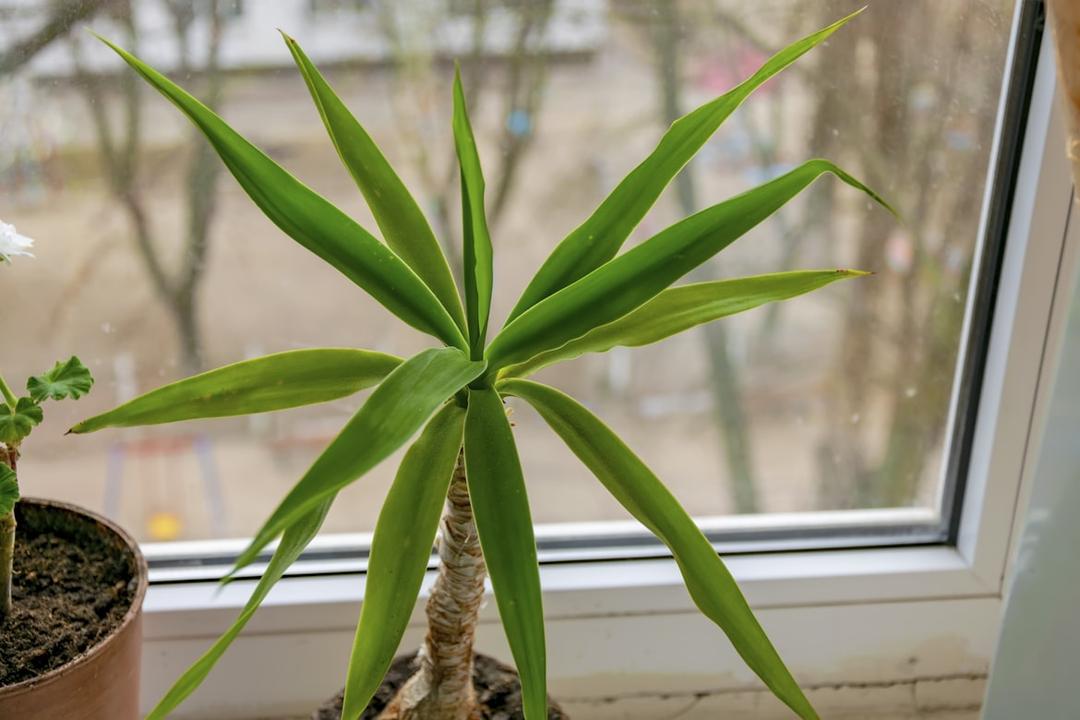
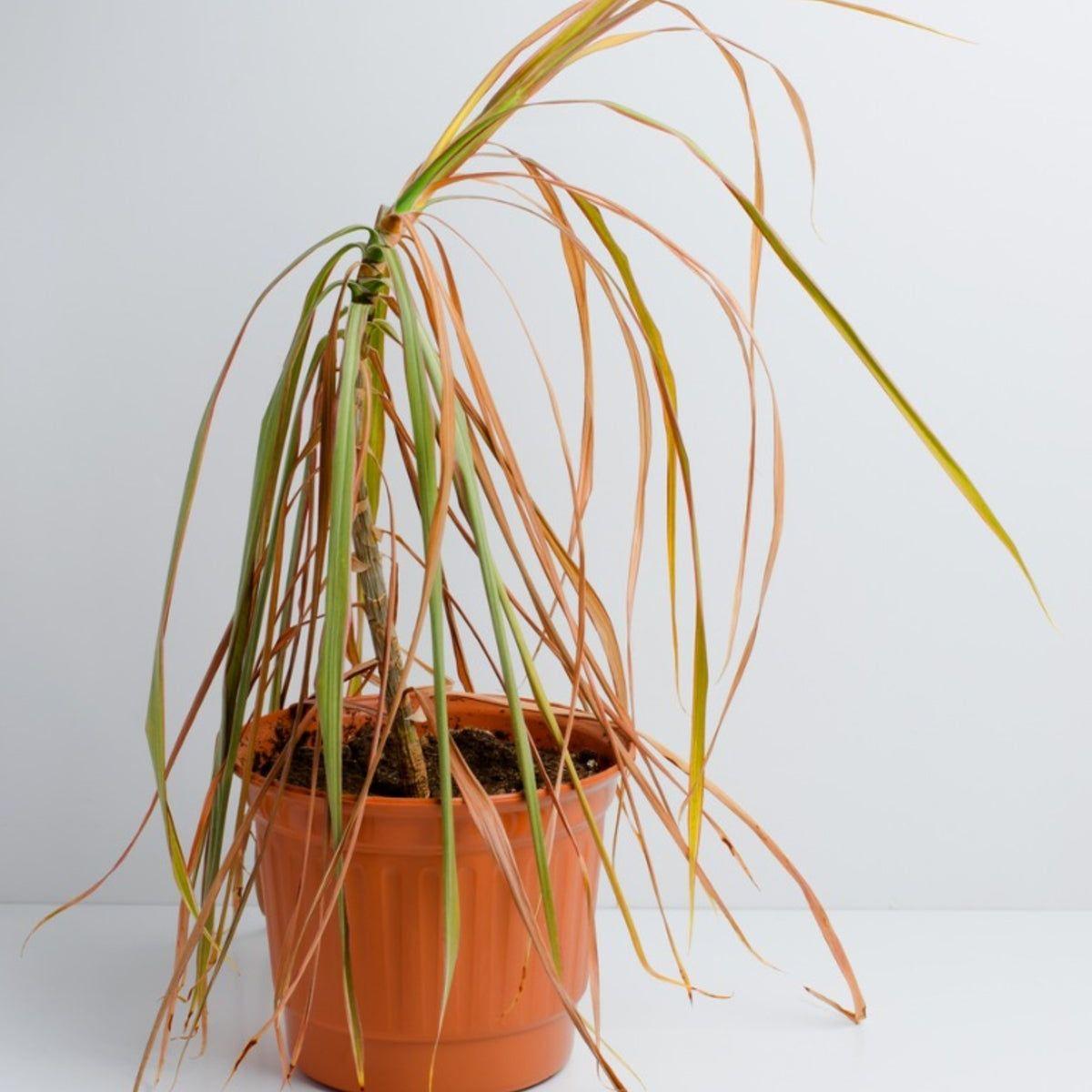
Dracaenas prefer to dry out slightly between waterings. Overwatering is the top killer of these plants, causing root rot that's hard to reverse. Water deeply but infrequently to keep your plant thriving.
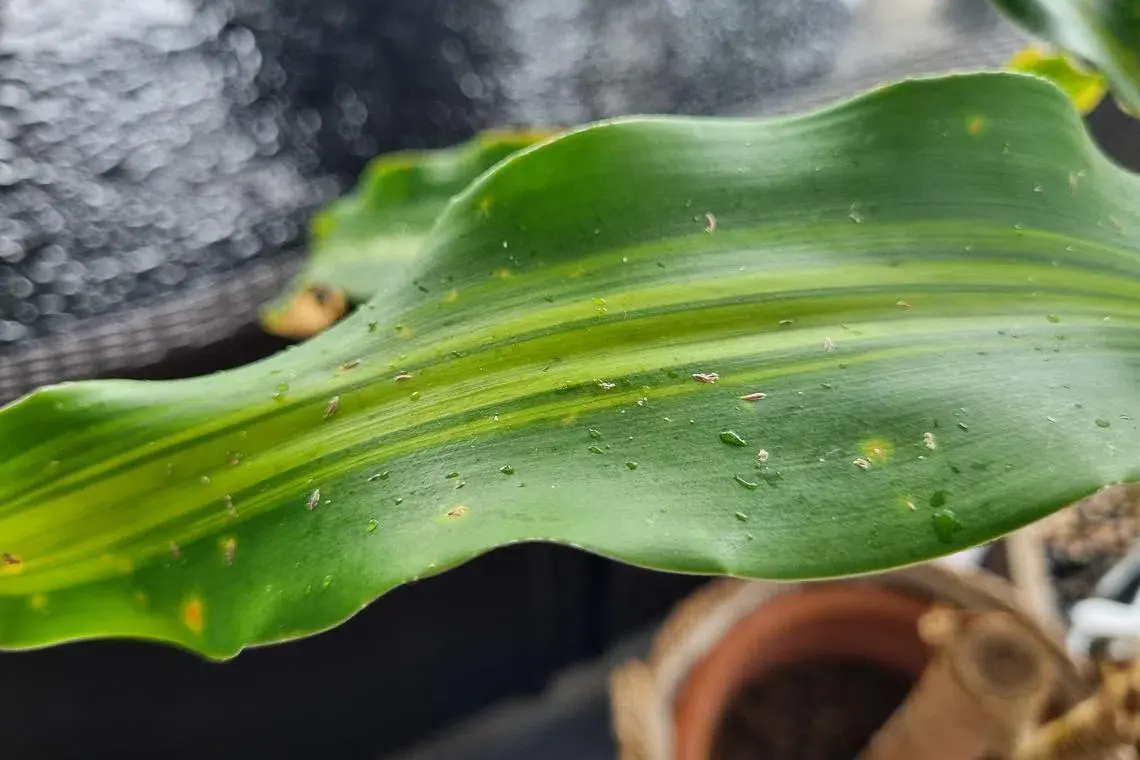
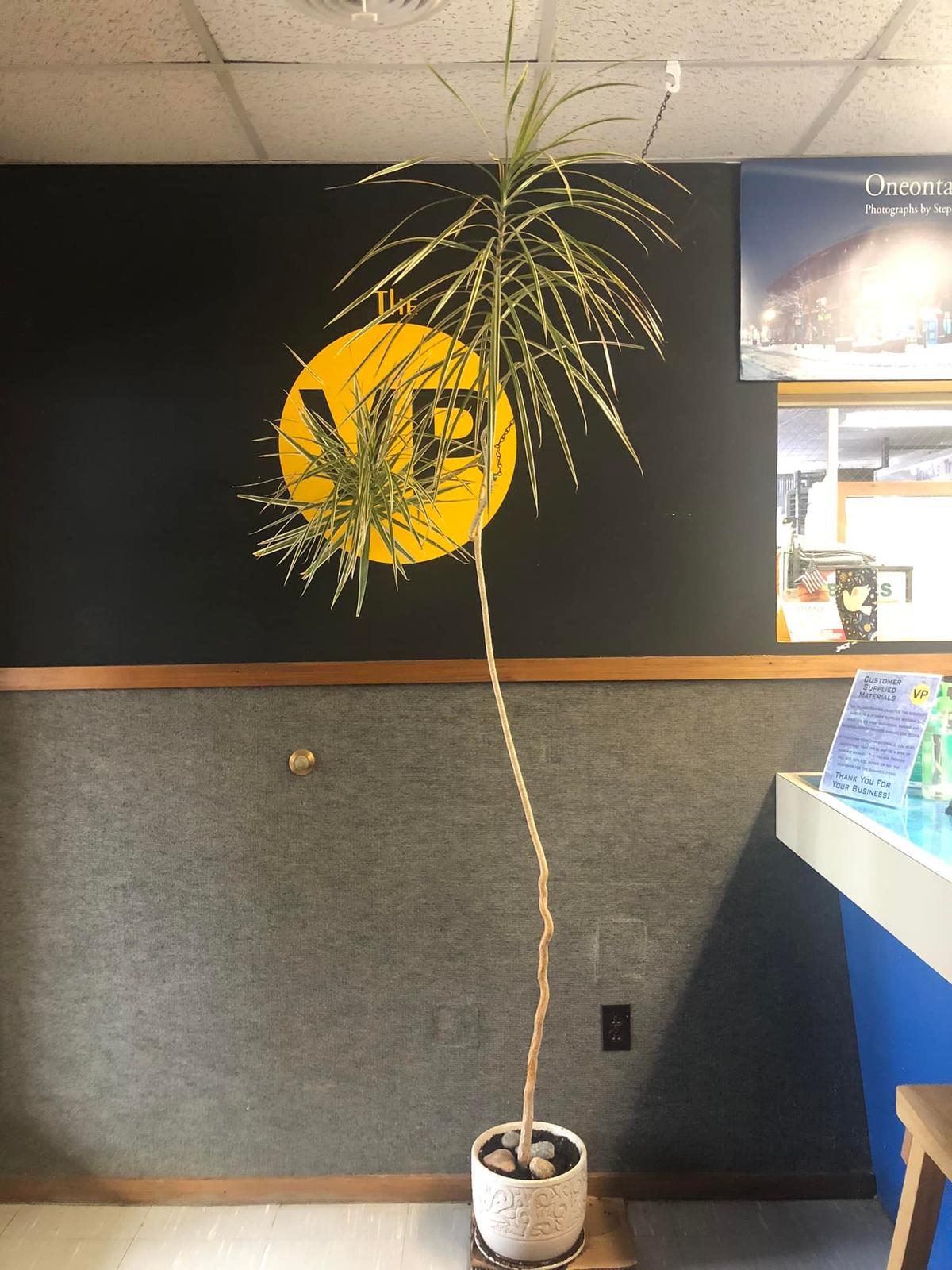
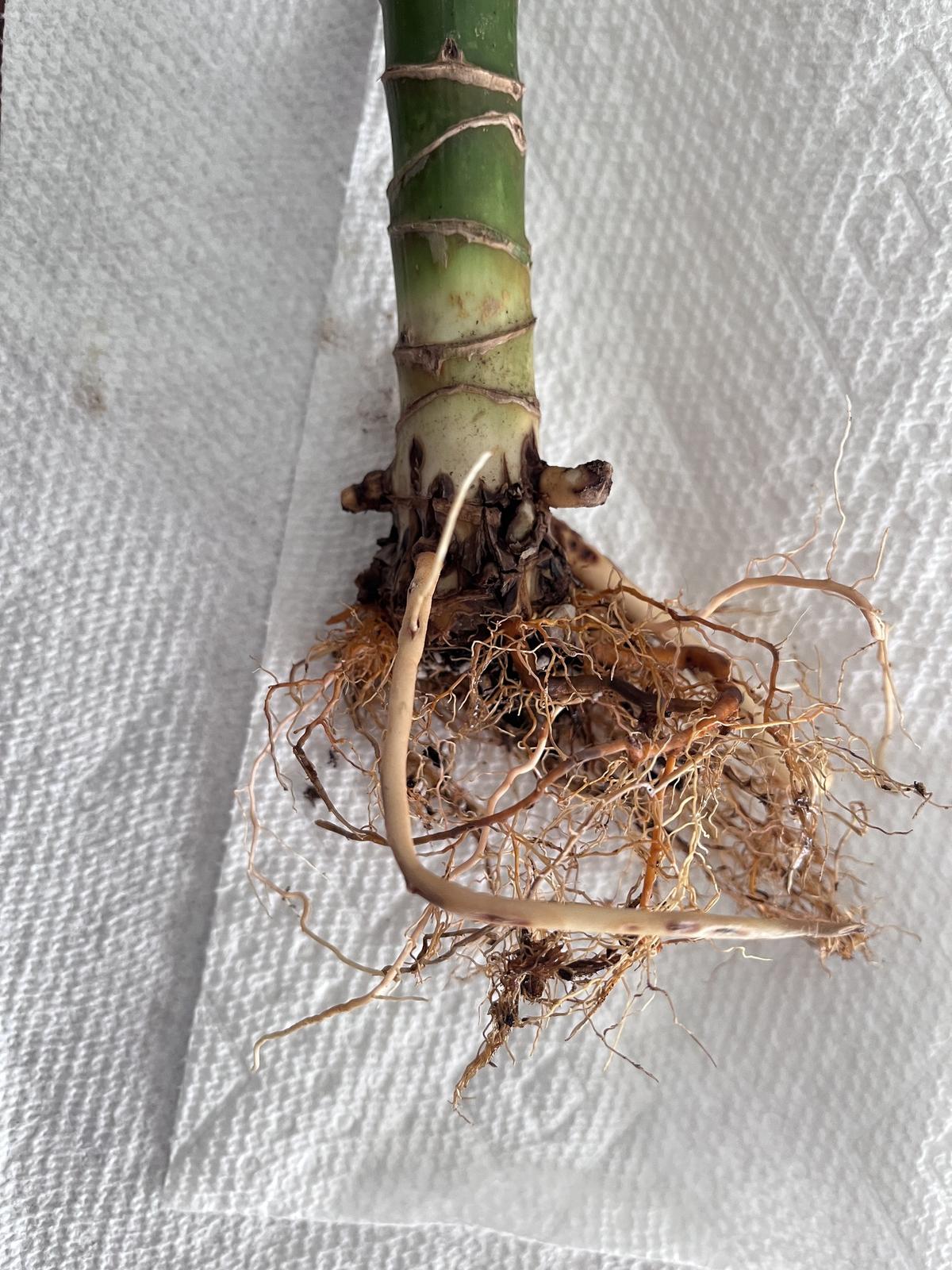
Common Problems & Solutions
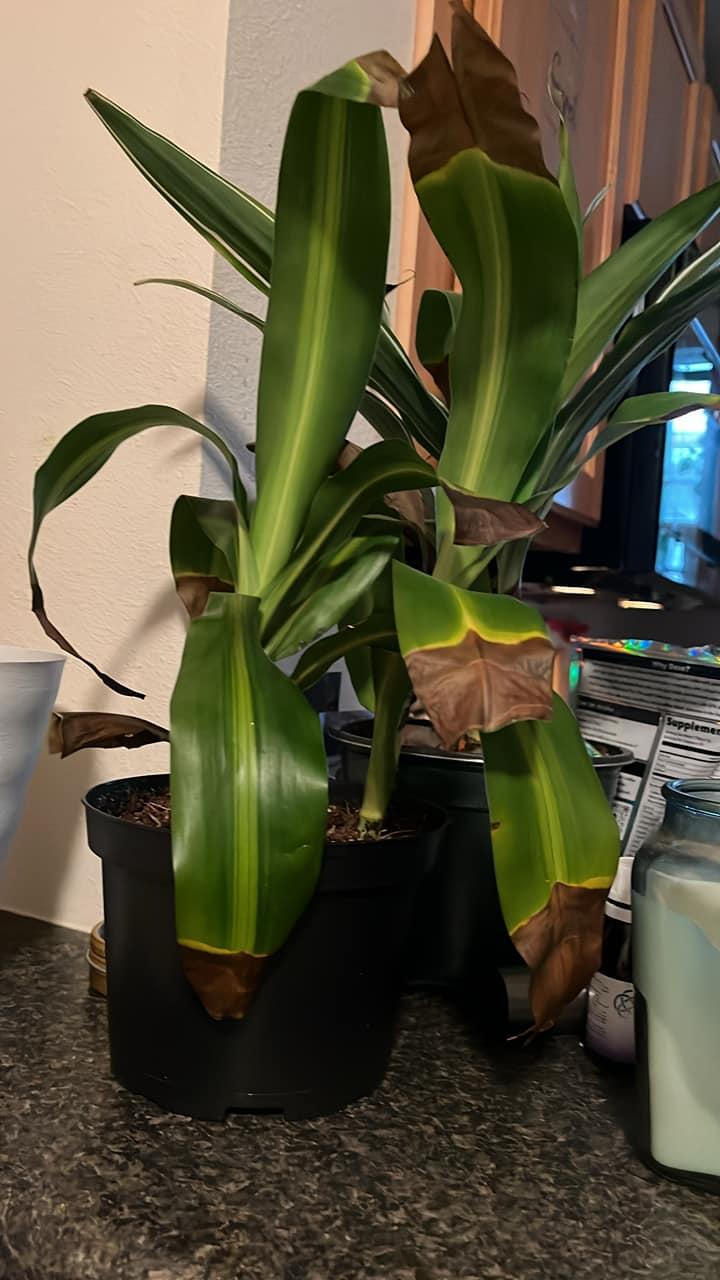
Here's how to identify and fix the most common dracaena problems.
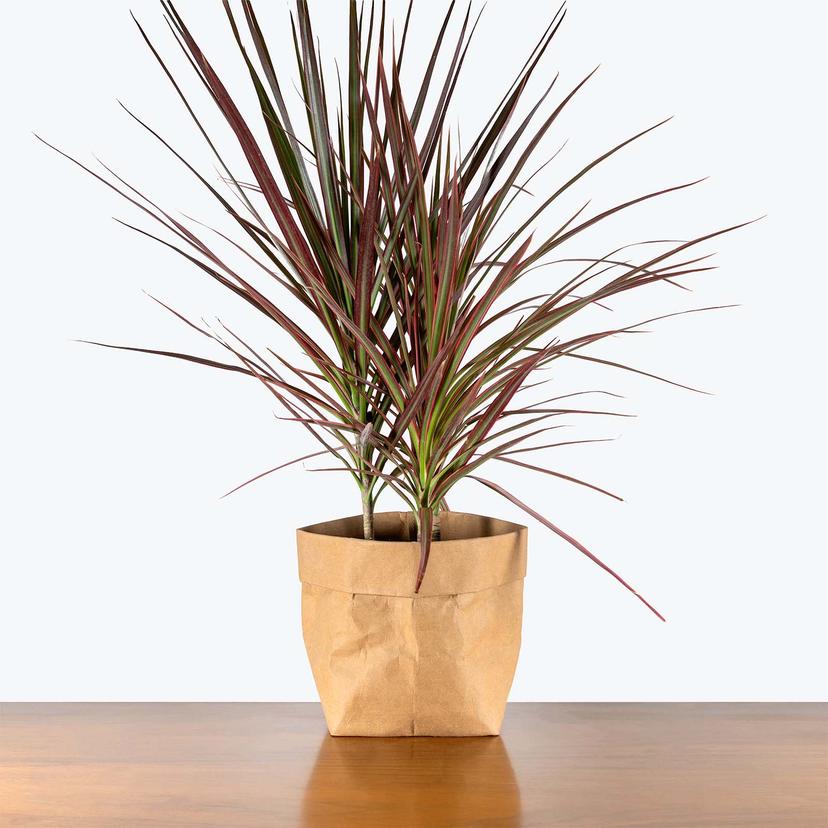
Popular Varieties
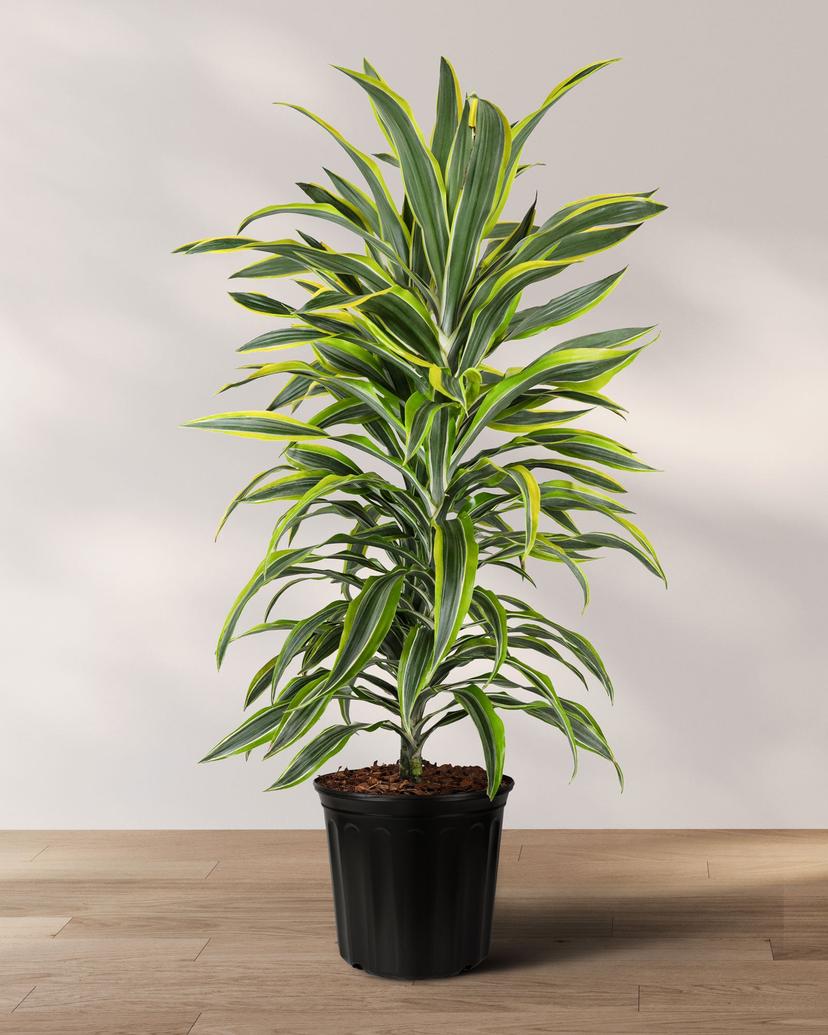
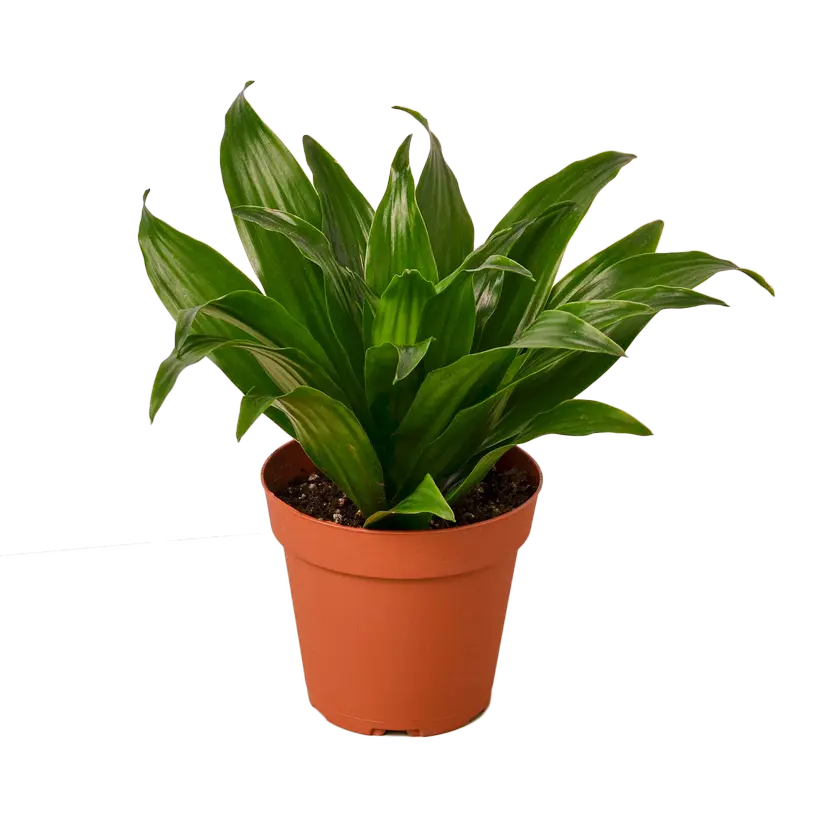
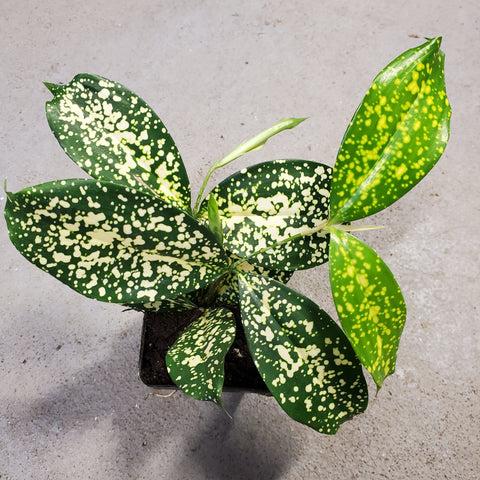
Explore different dracaena varieties and find your perfect match.
Care Tips & Best Practices
Humidity Boost
Place the pot on a pebble-filled saucer with water underneath to create humidity as water evaporates.
Monthly Feeding
Fertilize once monthly during spring and summer with balanced liquid fertilizer diluted to half strength.
Leaf Cleaning
Wipe leaves monthly with a damp cloth to remove dust and maximize photosynthesis and air purification.
Support Stakes
Tall varieties benefit from stakes to keep stems upright and prevent leaning or breaking under their own weight.
Strategic Pruning
Cut off the top to encourage branching, or remove dead leaves regularly to redirect energy to healthy growth.
Seasonal Rotation
Rotate your dracaena quarterly so all sides receive equal light and the plant grows evenly without leaning.
Care Checklist
10 Common Mistakes to Avoid
Overwatering the plant
Why it's bad: Soggy soil causes root rot, the most common reason dracaenas die indoors.
Do this instead: Water only when the top 1-2 inches of soil are dry to the touch.
Using tap water with chlorine and fluoride
Why it's bad: These chemicals accumulate in the plant and cause brown leaf tips over time.
Do this instead: Use filtered, distilled, or rainwater. Or let tap water sit 24 hours before using.
Repotting into a pot that's too large
Why it's bad: Excess soil holds too much moisture around the roots, leading to rot.
Do this instead: Go up only 1-2 pot sizes, using a pot just slightly larger than the current one.
Planting in heavy potting soil without drainage amendment
Why it's bad: Dense soil doesn't drain well enough, creating waterlogged conditions.
Do this instead: Mix potting soil with 25-50% perlite, pumice, or clay pebbles for drainage.
Placing in direct afternoon sunlight
Why it's bad: Direct sun scorches leaves brown and fades foliage color.
Do this instead: Use bright, indirect light or filter direct sun with sheer curtains.
Watering with cold water straight from the tap
Why it's bad: Cold water shocks the roots and slows growth.
Do this instead: Use room temperature water that has sat out for 24 hours.
Never fertilizing the plant
Why it's bad: Potting soil depletes of nutrients, stunting growth and causing leaf yellowing.
Do this instead: Fertilize monthly during spring and summer with diluted liquid houseplant food.
Ignoring low humidity, especially in winter
Why it's bad: Dry indoor air causes brown, crispy leaf tips and edges.
Do this instead: Use a pebble tray, humidifier, or mist leaves to maintain 40-60% humidity.
Not cleaning leaves regularly
Why it's bad: Dust blocks light and reduces the plant's air-purifying ability.
Do this instead: Wipe leaves gently with a damp cloth monthly to keep them dust-free.
Keeping the plant too close to heating vents and AC units
Why it's bad: Temperature fluctuations and cold drafts cause leaf drop and stunted growth.
Do this instead: Position the plant away from vents, maintaining stable temperatures between 65-80°F.
Frequently Asked Questions
How often should I water my dracaena?
Water every 10-14 days when the top 1-2 inches of soil feel dry. In winter, water every 2-3 weeks. Always check soil moisture first.
Can dracaena survive in low light?
Yes, dracaenas tolerate low light better than most houseplants, even surviving under fluorescent office lighting. Growth slows but the plant survives.
Why are the leaf tips brown?
Brown tips indicate low humidity, fluoride in tap water, or underwatering. Increase humidity, switch to filtered water, and check soil moisture.
Is dracaena toxic to pets?
Yes, dracaena is toxic to cats and dogs. Contains saponins that cause vomiting, diarrhea, and weakness if ingested. Keep away from curious pets.
How do I propagate a dracaena cutting?
Cut a 6-8 inch stem with 2-3 leaf nodes. Place in water or moist soil mix. Roots develop in 2-8 weeks. Use rooting hormone to speed results.
What's the best soil for dracaena?
Use well-draining potting soil mixed with 25-50% perlite, pumice, or clay pebbles. The plant prefers slightly acidic soil with pH 6.0-6.5.
How often do I fertilize dracaena?
Fertilize monthly from spring through early fall with diluted liquid houseplant fertilizer. Stop fertilizing in winter when growth slows.
Can dracaena handle cold temperatures?
No. Temperatures below 55°F damage the plant. Keep dracaena in rooms between 65-80°F and away from cold drafts.
How do I treat spider mites on dracaena?
Spray the entire plant with neem oil weekly for 3 weeks, or wipe leaves with isopropyl alcohol. Always spray the undersides of leaves.
Why is my dracaena growing so slowly?
Slow growth indicates low light, cold temperatures, or nutrient deficiency. Increase light exposure, check the thermometer, and fertilize monthly.
References & Sources
Information in this guide is based on these trusted sources.