
Cucumber
Crisp, refreshing cucumbers thrive indoors with bright light and consistent moisture - harvest fresh fruit in 50-70 days.
Video Tutorials
Watch these helpful videos to learn more about Cucumber care.
About Cucumber
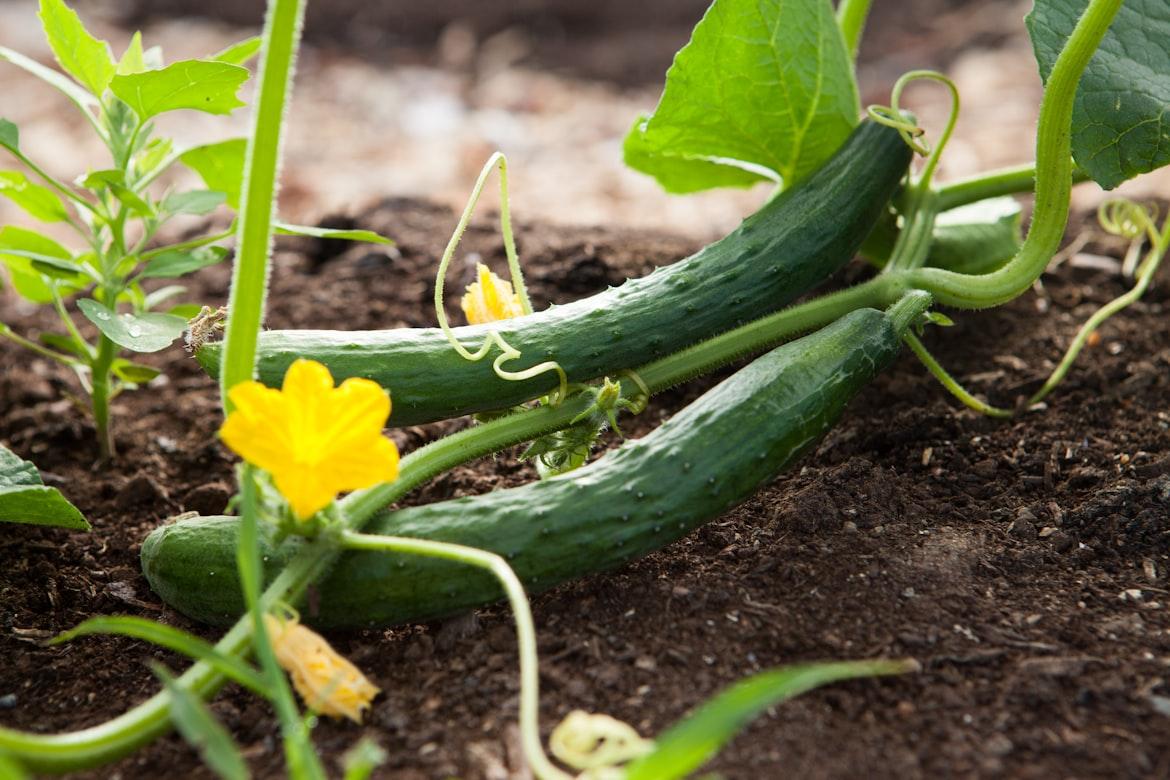
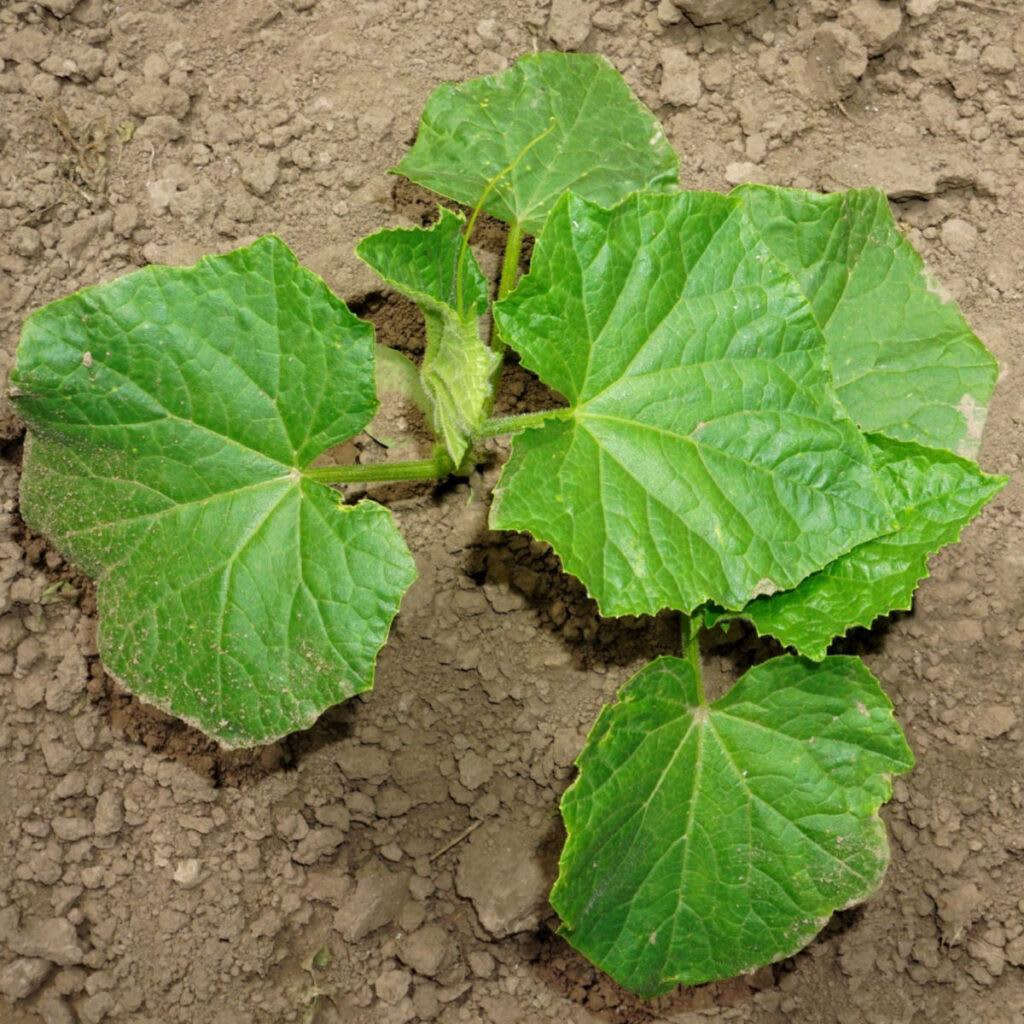
Cucumbers are popular warm season vegetables with crisp fruit ready 50 to 70 days after planting. Dwarf types, such as Spacemaster do well in pots also so it is indeed an indoor garden plant. These plants leap to life and produce plenty when you treat them right.
Native to South Asia, cucumbers evolved in warm tropical climates with abundant sunlight and moisture. They flourish in humid conditions and well-draining soil, characteristics easily replicated indoors with proper planning.
Cucumbers make good houseplants and can be grown in hot/storage containers with 12-14 hours of grow light, watering and warm temperatures. They are mostly annual plants, a few species are biennial, and some (often the woody plants) are perennial.
Watering Schedule
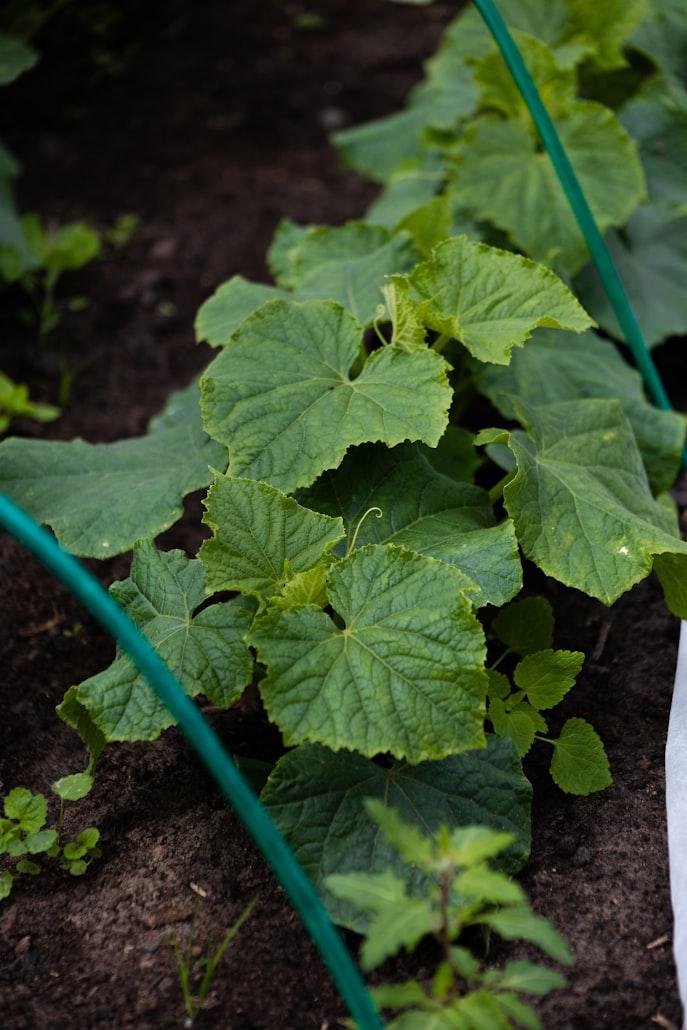
Cucumbers are 95% water and demand consistent moisture for growth and fruiting. Inconsistent watering causes bitterness, poor fruit set, and stunted growth.
Common Problems & Solutions
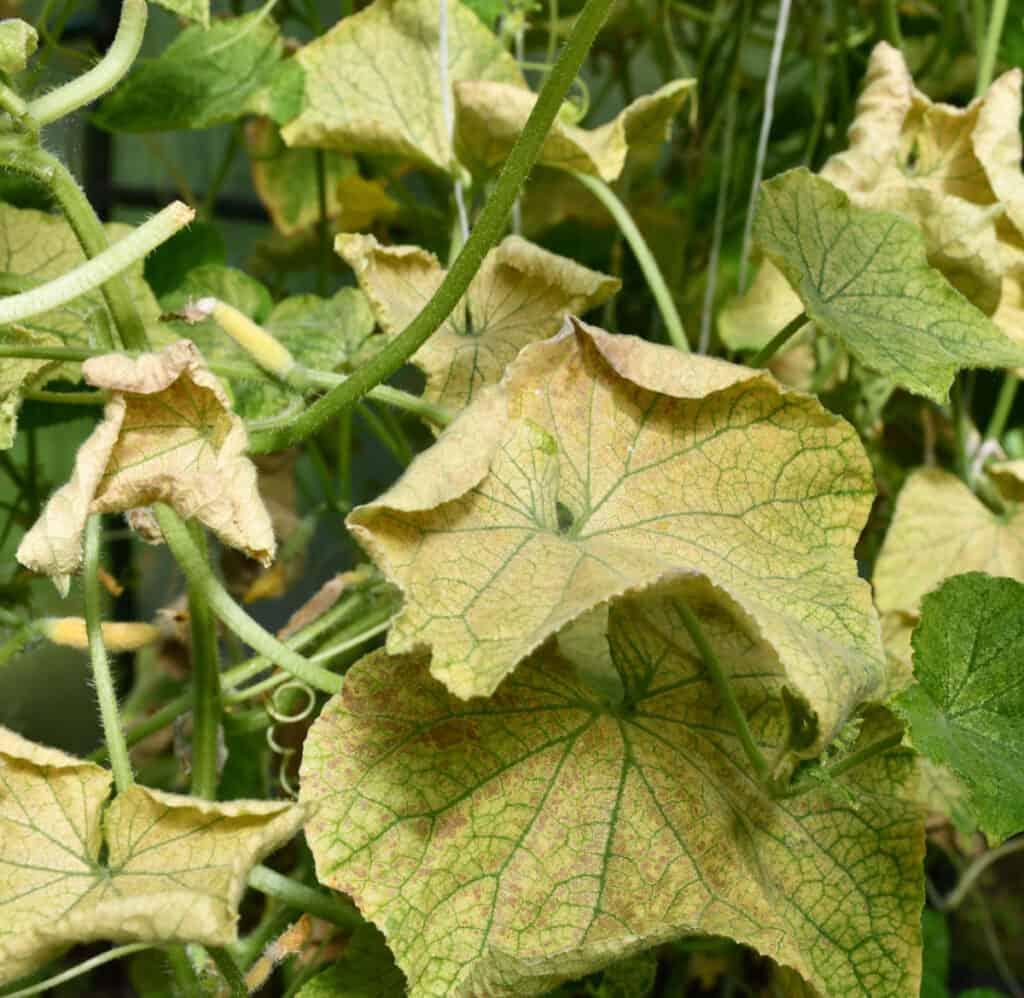
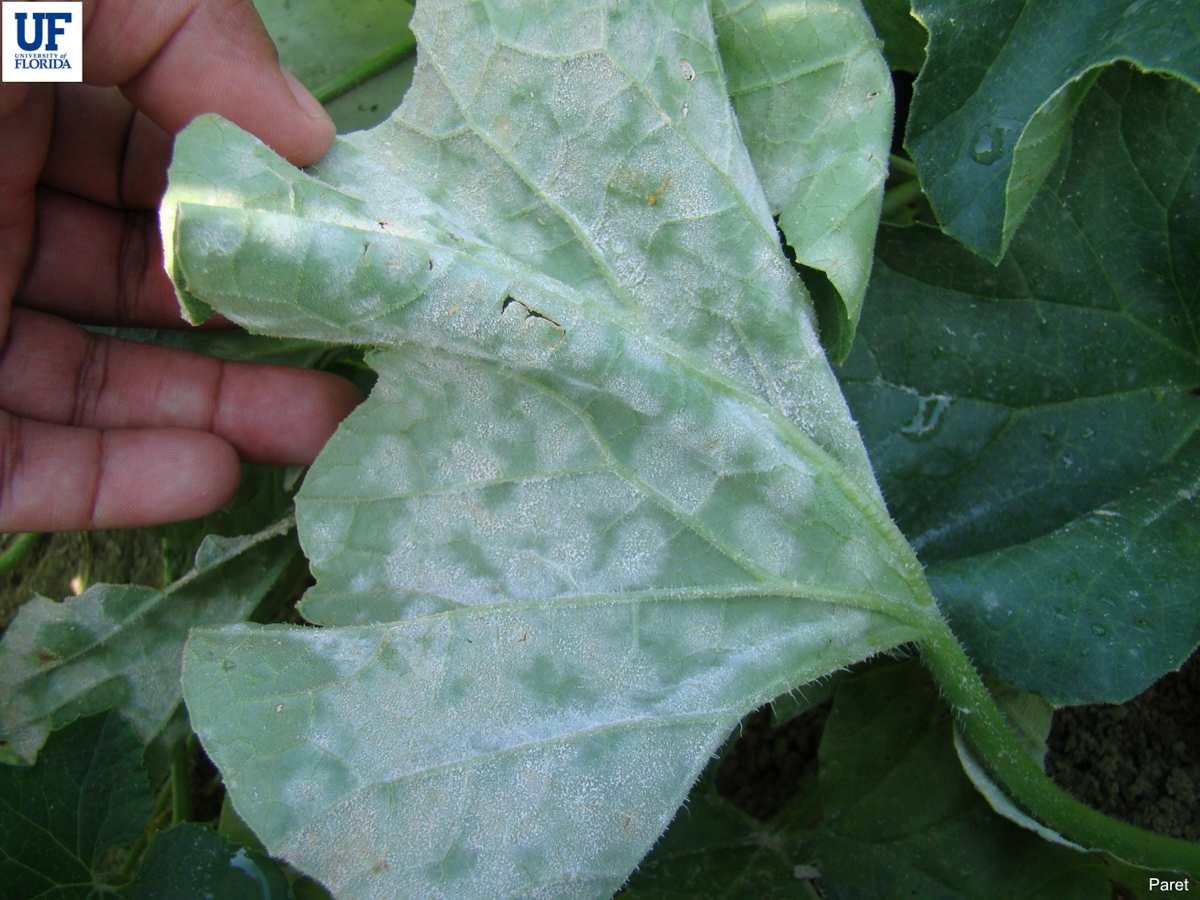
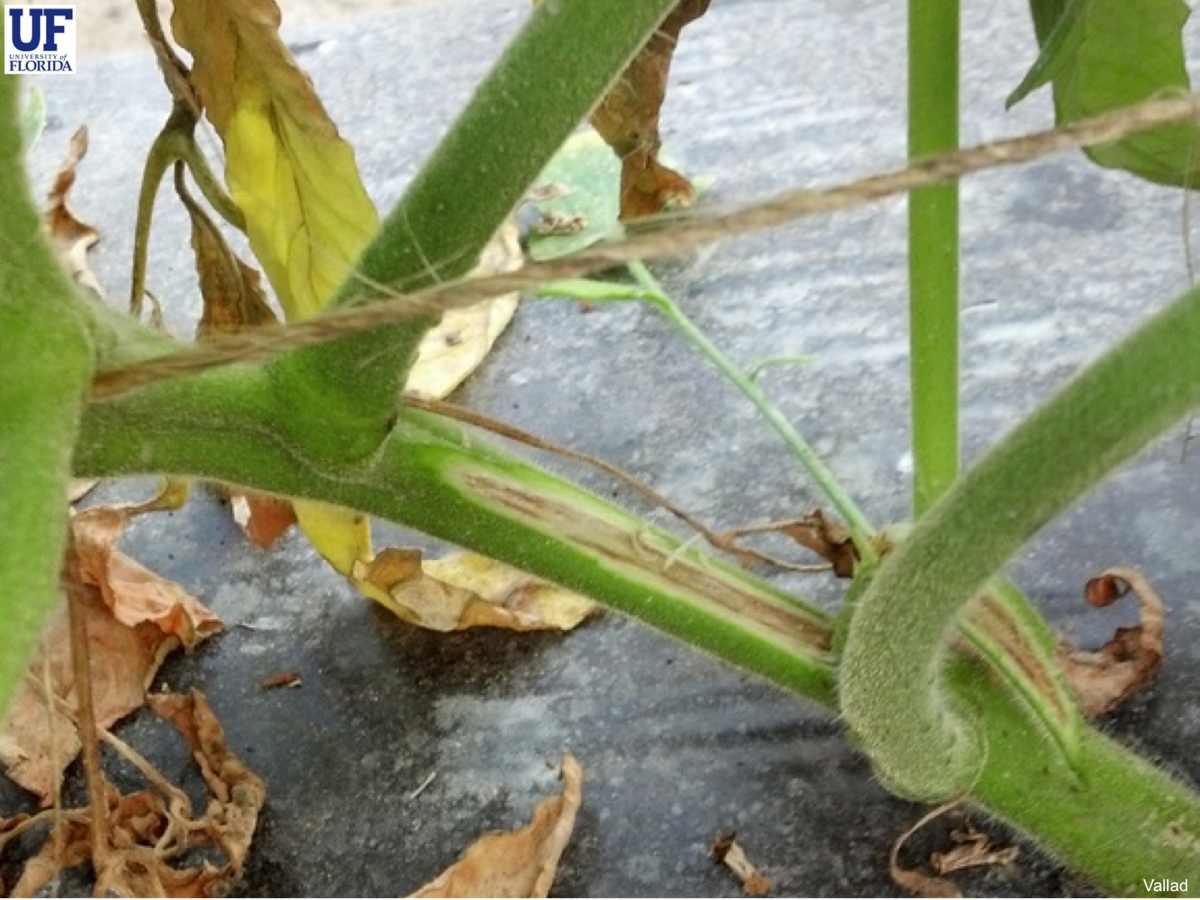
Here's how to identify and fix the most common Cucumber problems.
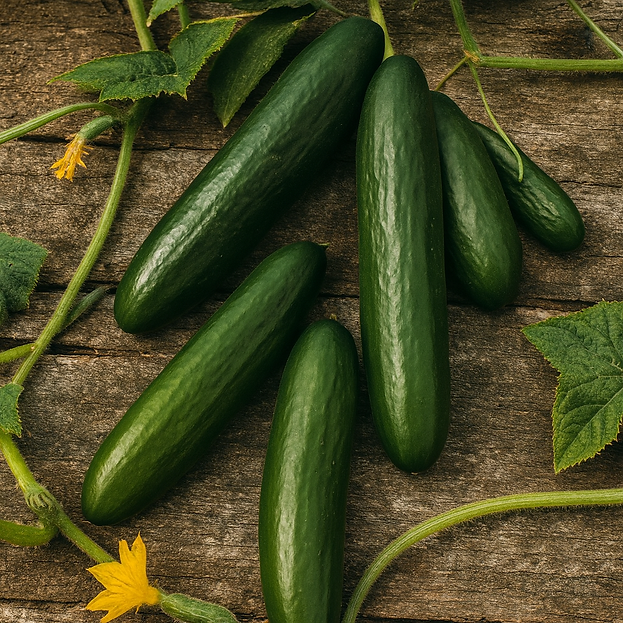
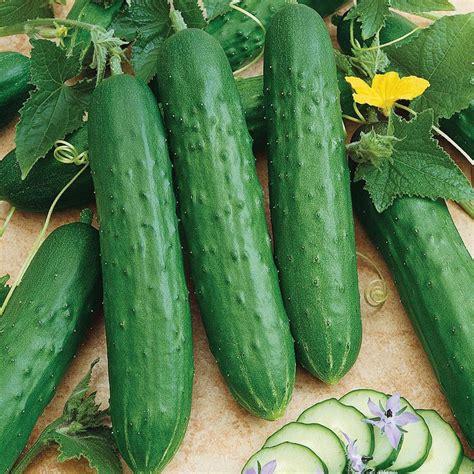
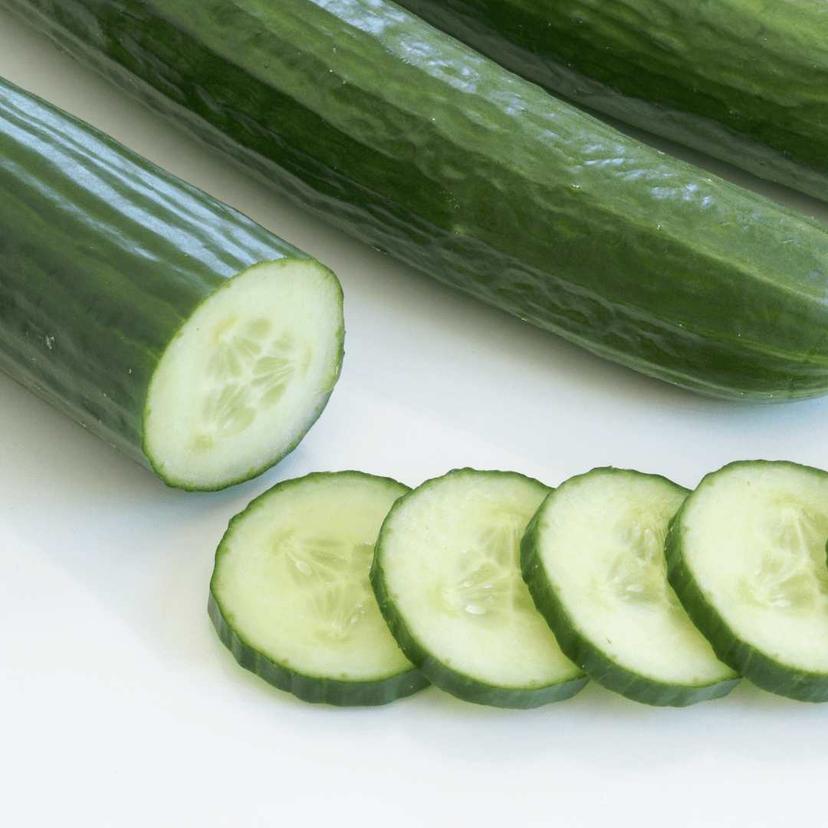
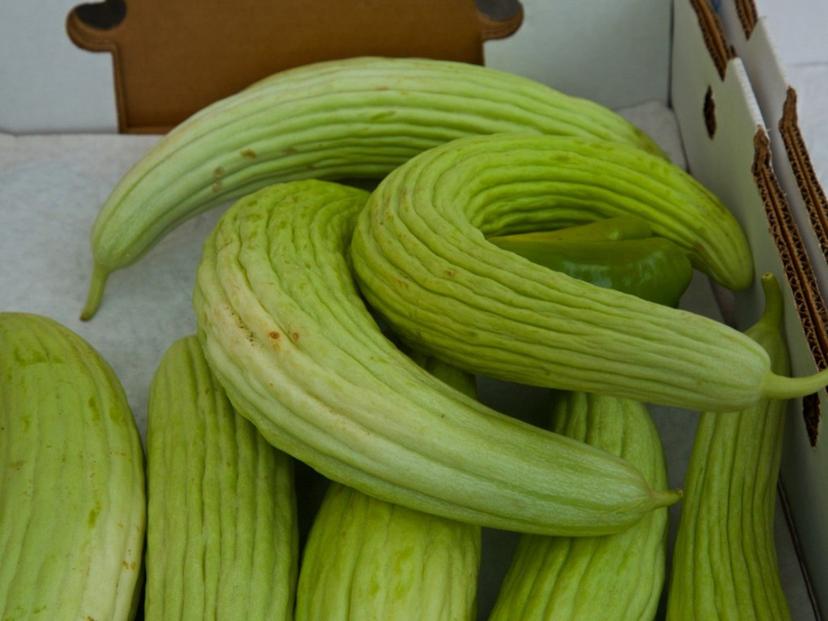
Popular Varieties
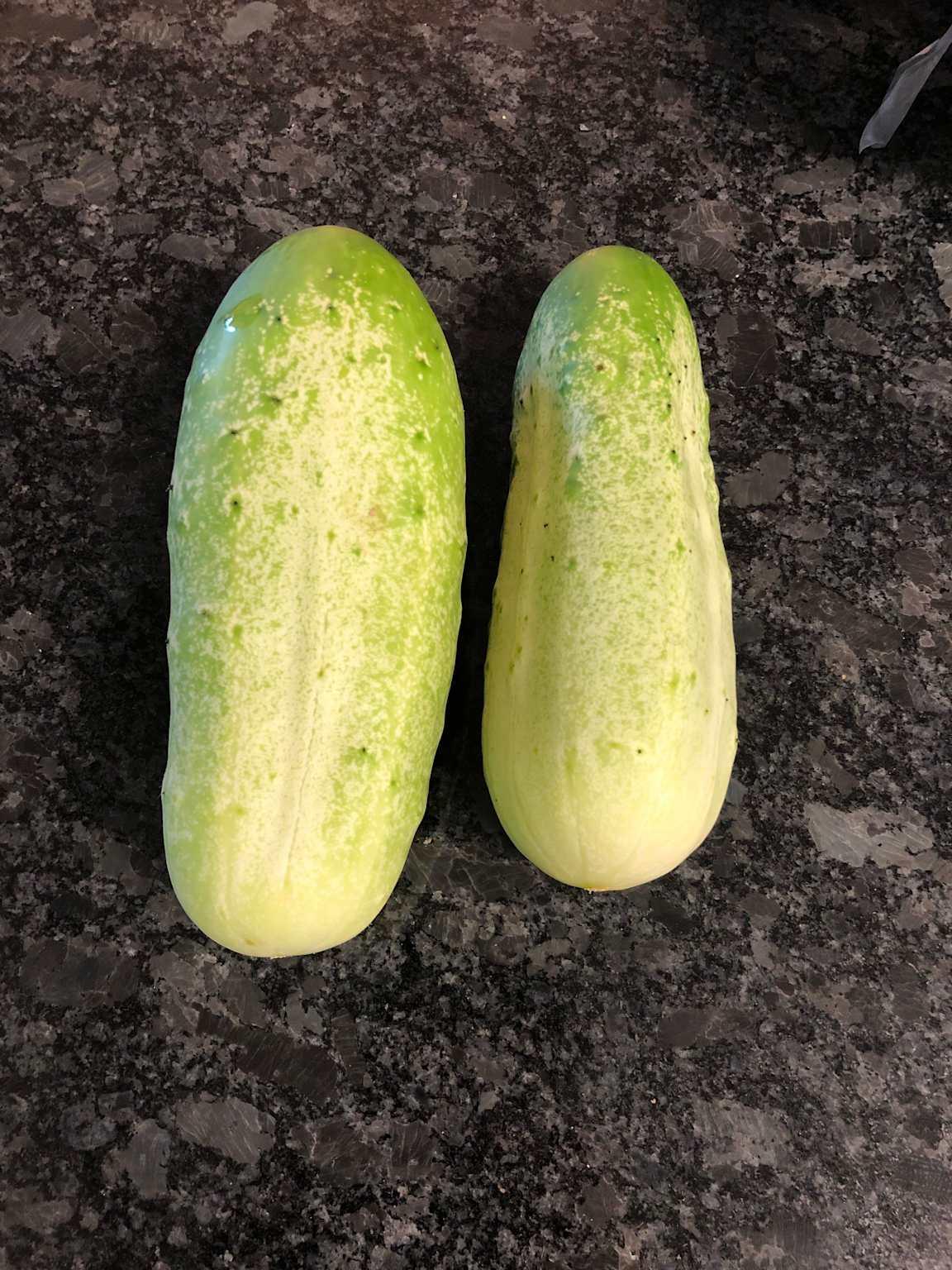
Explore different Cucumber varieties and find your perfect match.
Care Tips & Best Practices
Humidity Management
To provide 50-70% humidity mist your plant’s foliage in the early morning, stand it in a group or use joined pebble trays that have water sitting below the pot. Do not mist in the evening as it promotes fungus diseases. During dry winter months and in all others, use humidifiers.
Fertilizer Feeding Schedule
SEEDLINGS – Begin with a 20-20-20 balanced fertilizer every 7-10 days. Switch to a high-potassium formula (5-5-5 or tomato fertilizer) when flowers appear, to encourage good fruiting.
Leaf Cleaning
Wipe dust from leaves monthly using soft damp cloth to improve light absorption and reduce pest hiding spots. Never use leaf shine products which clog pores.
Support Structure Essentials
So put up your strong vertical trellis, stakes or cages as soon as the vines begin to climb. Upward growth allows for good air movement, is less prone to disease and is easier to harvest.
Pruning for Productivity
Remove bottom leaves and non-fruiting stems weekly to improve air circulation. Never remove more than one-third of foliage weekly. Keep upper leaves for shade over developing fruit.
Plant Rotation
Sow new cucumber seeds every 6 weeks to ensure a consistent harvest as older plants fade. Succession planting guarantees that strong producers replace exhausted ones.
Care Checklist
10 Common Mistakes to Avoid
Overwatering with overhead sprinklers
Why it's bad: Wet foliage causes powdery mildew and fungal diseases; waterlogged soil causes root rot
Do this instead: Water at plant base using drip irrigation; direct water solely to soil
Growing in insufficient light (less than 4-6 hours)
Why it's bad: Plants become spindly, fail to flower, and produce zero fruit despite healthy foliage
Do this instead: Provide 6-8+ hours direct sunlight or LED grow lights 12-14 hours daily
Using containers smaller than 5 gallons
Why it's bad: Small containers restrict roots, deplete nutrients rapidly, and reduce yields
Do this instead: Use containers minimum 12 inches deep; 5-gallon pots for single plants
Never feeding plants or using only nitrogen
Why it's bad: Heavy feeders exhaust soil; excess nitrogen causes leaves, no flowers or fruit
Do this instead: Feed every 10-14 days; switch to high-potassium (3-4-6) when flowers appear
Transplanting seedlings to larger pots
Why it's bad: Shallow roots suffer transplant shock; injury causes rot and disease
Do this instead: Start seeds directly in final containers; thin to strongest seedling only
Harvesting only when large or yellow
Why it's bad: Mature fruit triggers seed production, stopping new flower development
Do this instead: Harvest every 2-3 days when 6-8 inches long to maintain flowering
Planting without support structures
Why it's bad: Sprawling vines create dense mats that encourage disease and difficult harvesting
Do this instead: Install sturdy trellises or stakes immediately; tie vines up as they grow
Ignoring hand-pollination indoors
Why it's bad: Without pollination, female flowers abort; zero fruit production despite flowers
Do this instead: Hand-pollinate daily using paintbrush to transfer pollen from male to female
Allowing temperature below 60°F or above 85°F
Why it's bad: Cold causes chilling injury and poor flowering; heat causes bitterness
Do this instead: Maintain steady 70-75°F; provide afternoon shade in extreme heat
Neglecting pest monitoring
Why it's bad: Spider mites and powdery mildew spread rapidly in warm humid indoors
Do this instead: Inspect leaves weekly, maintain air circulation, avoid wetting foliage
Frequently Asked Questions
Why won't my cucumber plants produce flowers?
Cucumbers seed 40-55 days after planted. If necessary, give 6-8+ hours of strong light and continue at 70-75°F with balanced nutrients. If the flowers are falling, cut nitrogen and pay attention to phosphor-potasium.
Why do I get yellow flowers but no cucumbers?
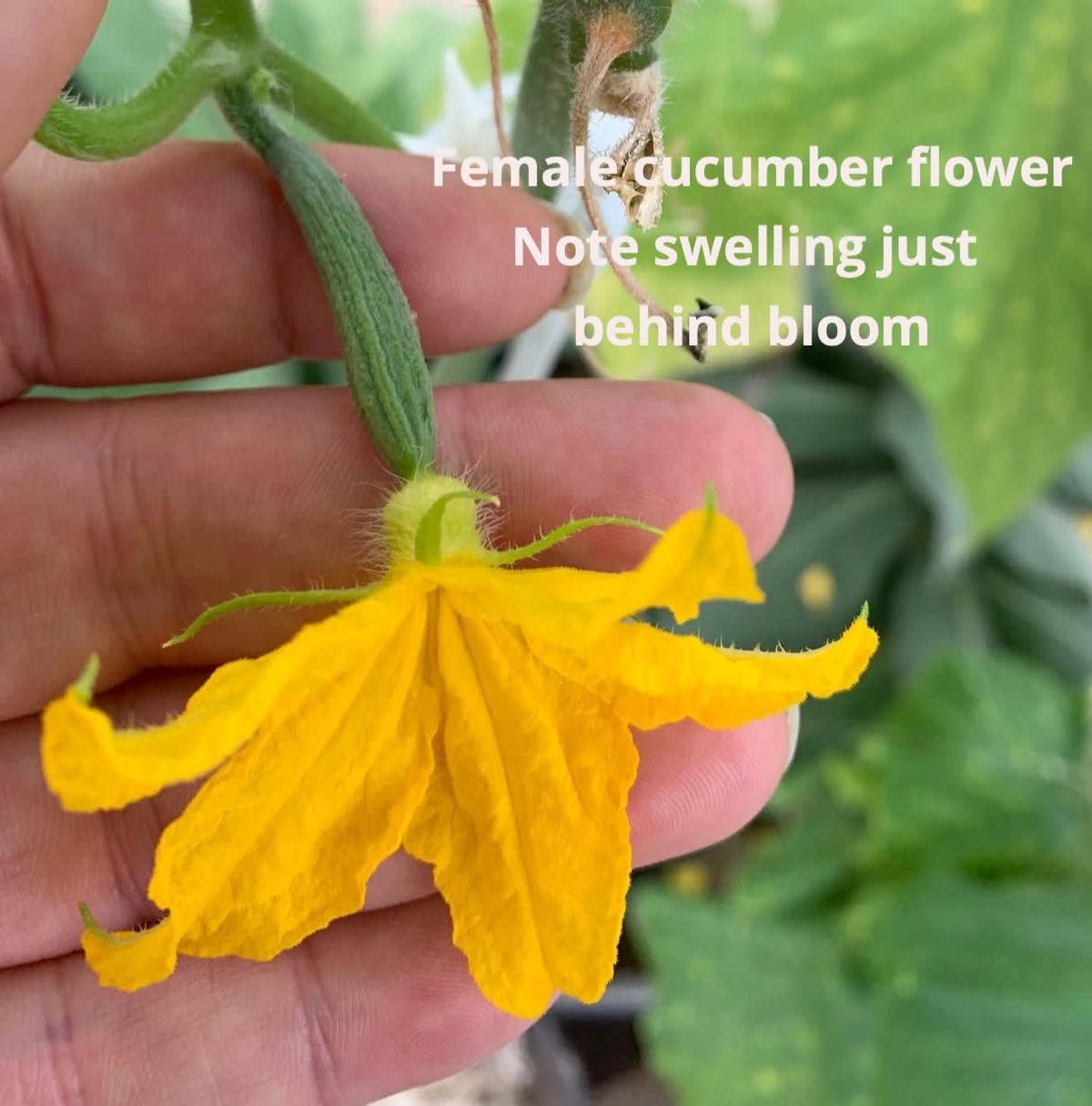
Male flowers bloomed first (no fruit); female with tiny cucumbers. Without pollination, the females abort and fall. Hand-pollinate daily with paintbrush. Bees cannot reach; therefore most of the green house cucumbers need hand pollination.
How often should I water cucumber plants?
Check soil daily and water when top inch feels dry. During active growth, water every 2-3 days providing 1-2 inches weekly. Always water at base using drip irrigation - never overhead.
Can I grow cucumbers indoors under grow lights only?
Yes, LED grow lights positioned 12-18 inches above plants running 12-14 hours daily work perfectly. Choose full-spectrum LEDs rated 30-40 watts per square foot for year-round growing.
What causes bitter cucumbers?
Bitterness comes from stress: temperature extremes (above 85°F or below 60°F), drought, inconsistent watering, or nutrient deficiency. Prevent by maintaining steady 70-75°F, watering consistently, and choosing burpless varieties.
Should I fertilize cucumber seedlings immediately?
No, wait until first true leaves appear and plant shows active growth. Start weak-strength balanced fertilizer every 10 days. Excess fertilizer burns tender seedling roots.
When are cucumbers ready to harvest?
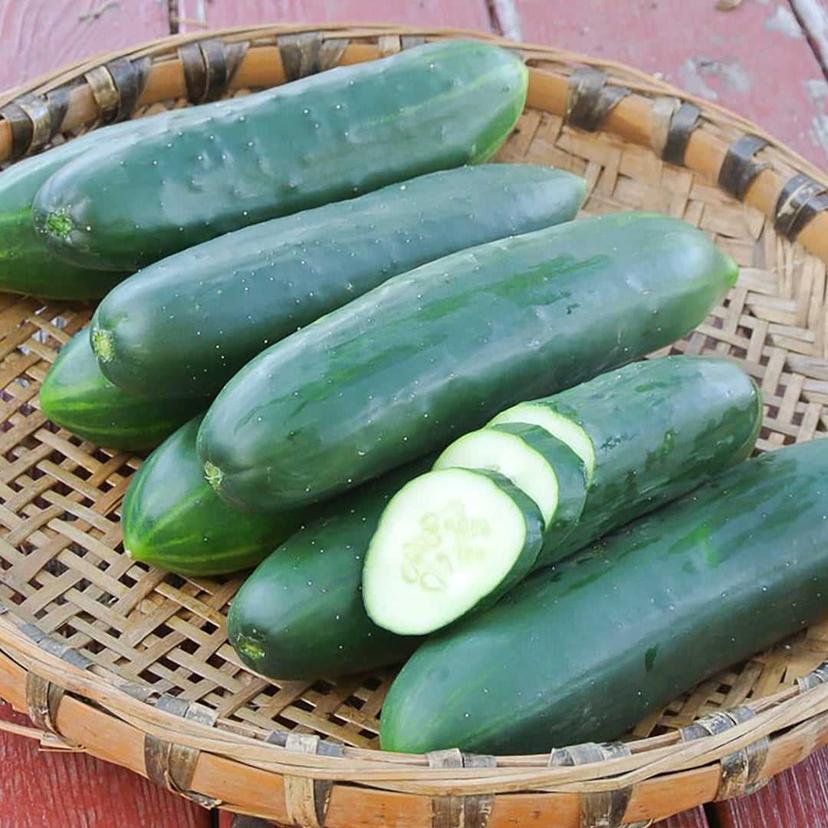
Harvest at 6-8 inches long and dark green for peak quality. Check every 2-3 days. Don't wait for larger size or yellowing - leaving mature fruit stops new flower production and harvests end.
Can I grow cucumbers year-round indoors?
Yes, with 12-14 hours grow light, 70-75°F temperature, and proper care. Start new plants every 6 weeks as mature plants peak 8-12 weeks then decline. Succession planting ensures continuous supply.
Are cucumbers safe for pets?
Yes, completely non-toxic to dogs and cats. Fruit is safe to eat. Keep stems and leaves out of reach as large pieces could pose choking risk if ingested.
What's the difference between male and female flowers?
Males grow directly from stems with no fruit behind; they produce pollen and die. Females have tiny immature cucumber at flower base. After pollination, fruit grows into harvestable cucumber. Males always bloom first.
References & Sources
Information in this guide is based on these trusted sources.