
Corn Plant
A tropical beauty with striped leaves that thrives in low light. Perfect for beginners seeking low-maintenance, air-purifying greenery.
Video Tutorials
Watch these helpful videos to learn more about Corn Plant care.
About Corn Plant
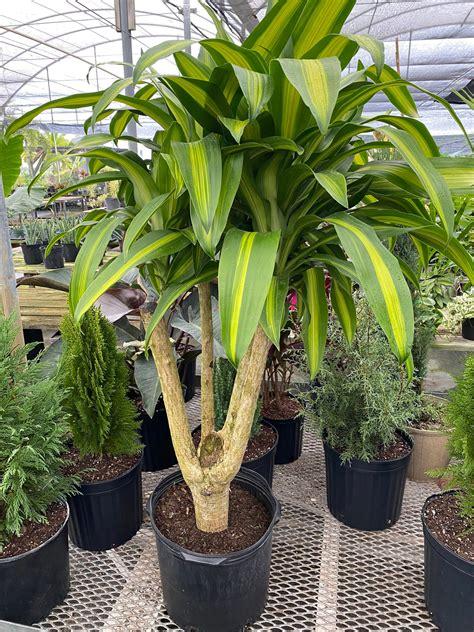
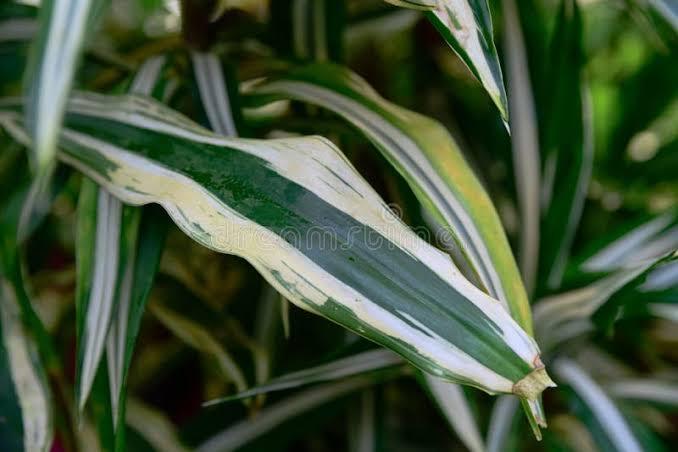
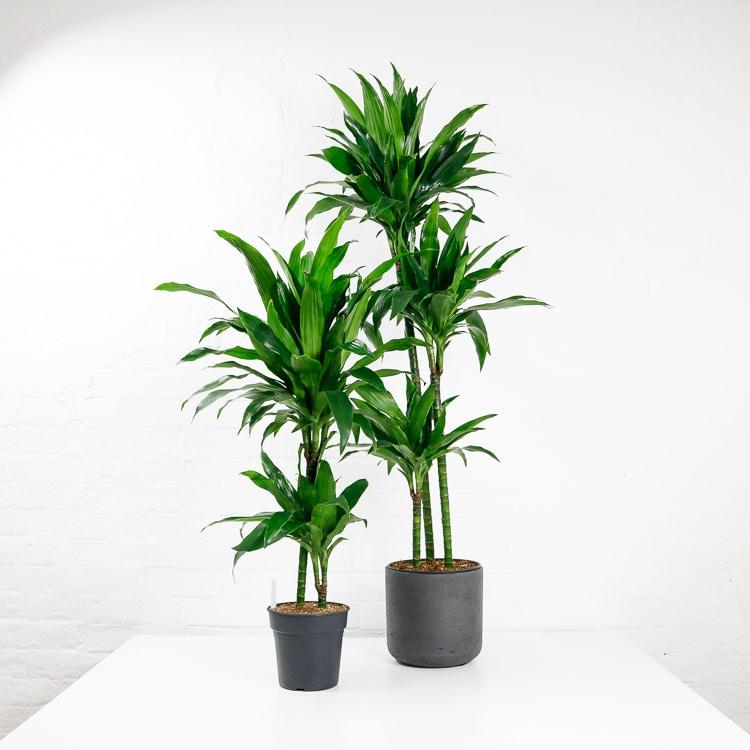
The corn plant is one of the most forgiving houseplants available. Its distinctive lance-shaped leaves with golden-yellow stripes resemble corn stalks, making it instantly recognizable. This tropical African native has become a worldwide favorite for its stunning appearance, air-purifying abilities, and remarkable tolerance for varied indoor conditions.
In its native West African habitat, the corn plant grows in warm, humid forests beneath tree canopies. It thrives in filtered sunlight and moderate moisture, making it perfectly adapted to the fluctuating light and humidity levels in modern homes, from bright windowsills to dimly lit hallways.
Indoors, corn plants grow slowly and steadily, reaching 4-6 feet tall over many years. With basic watering and monthly feeding during growing season, your plant thrives for decades. Many gardeners report plants lasting 20-40 years, occasionally flowering with intensely fragrant white blooms.
Watering Schedule
Water when the top inch of soil feels dry. During spring and summer, this typically means every 7-10 days. Reduce frequency in fall and winter as growth slows.
Common Problems & Solutions
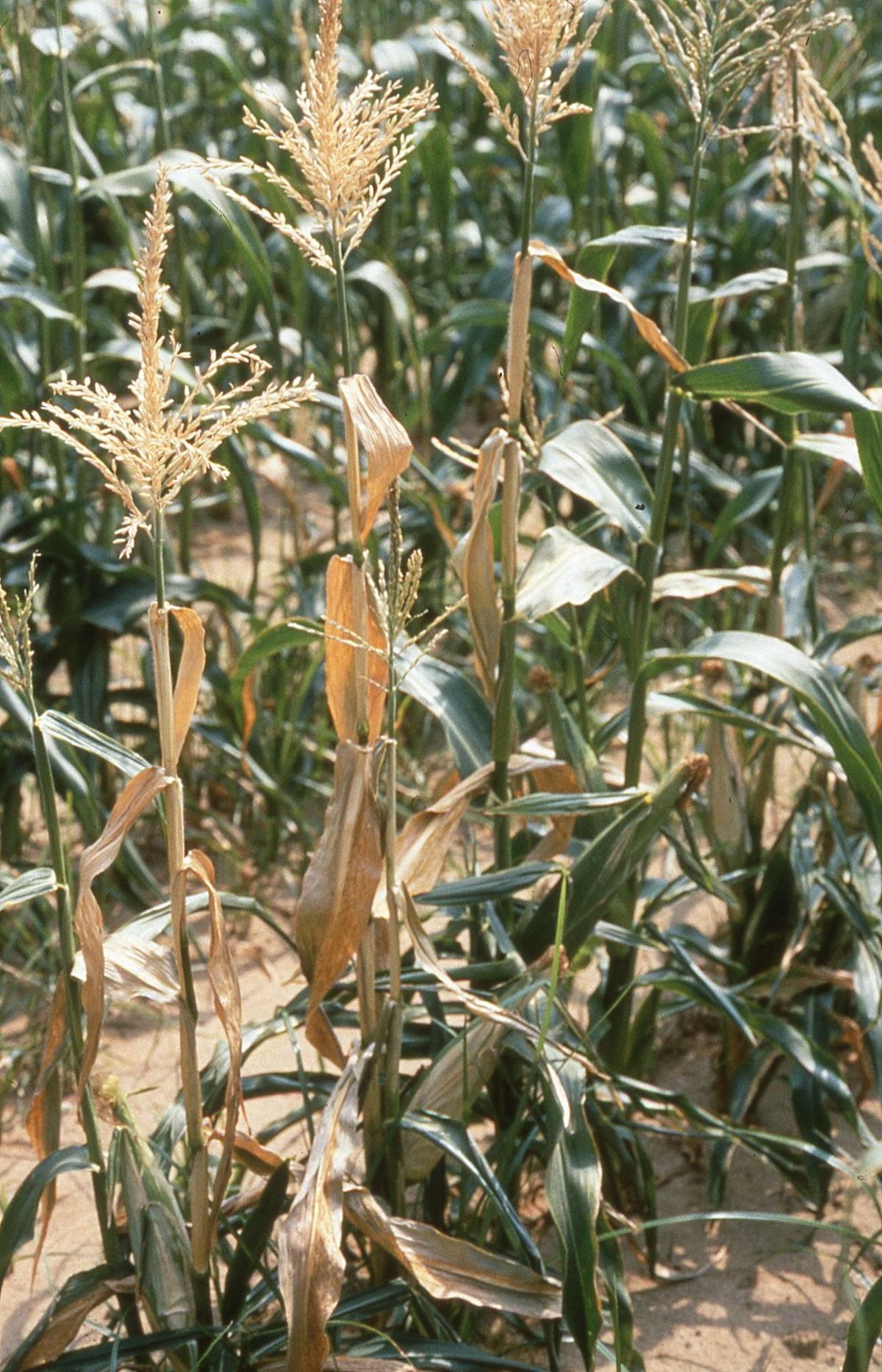
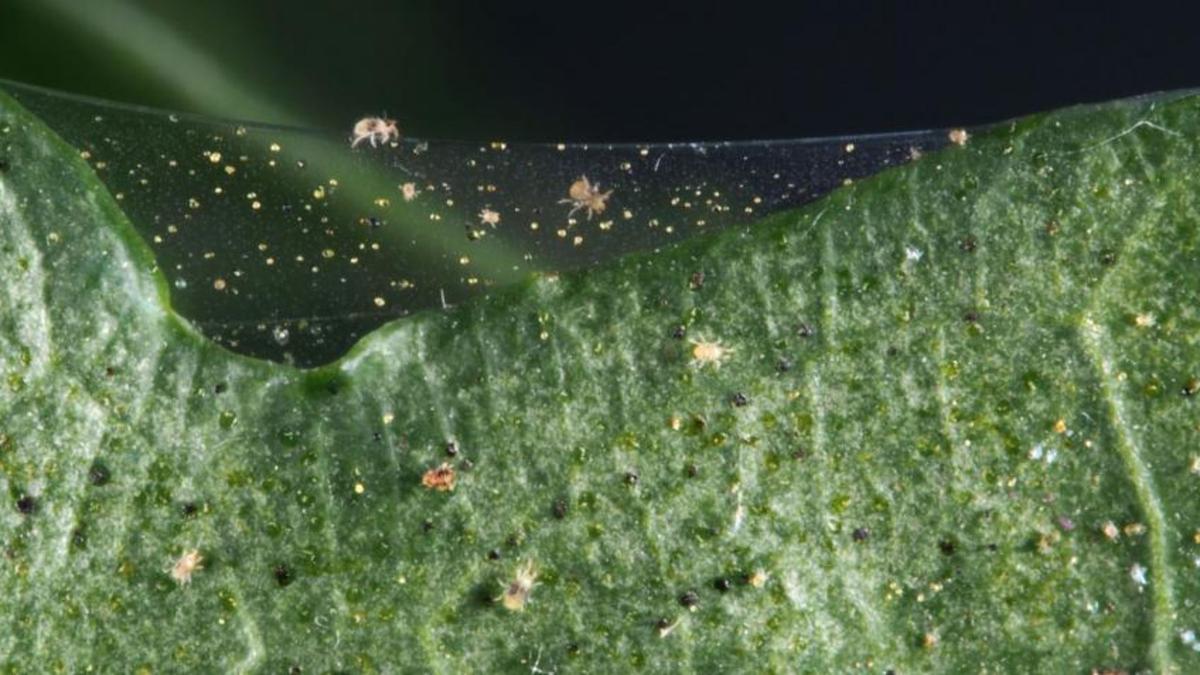
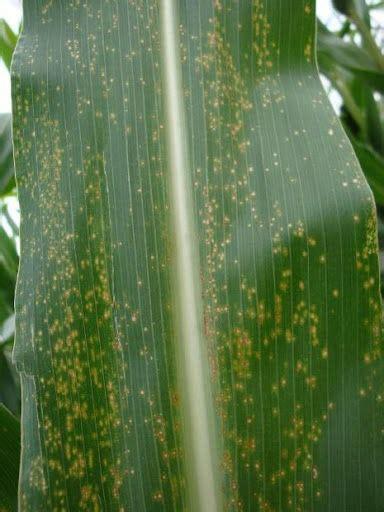
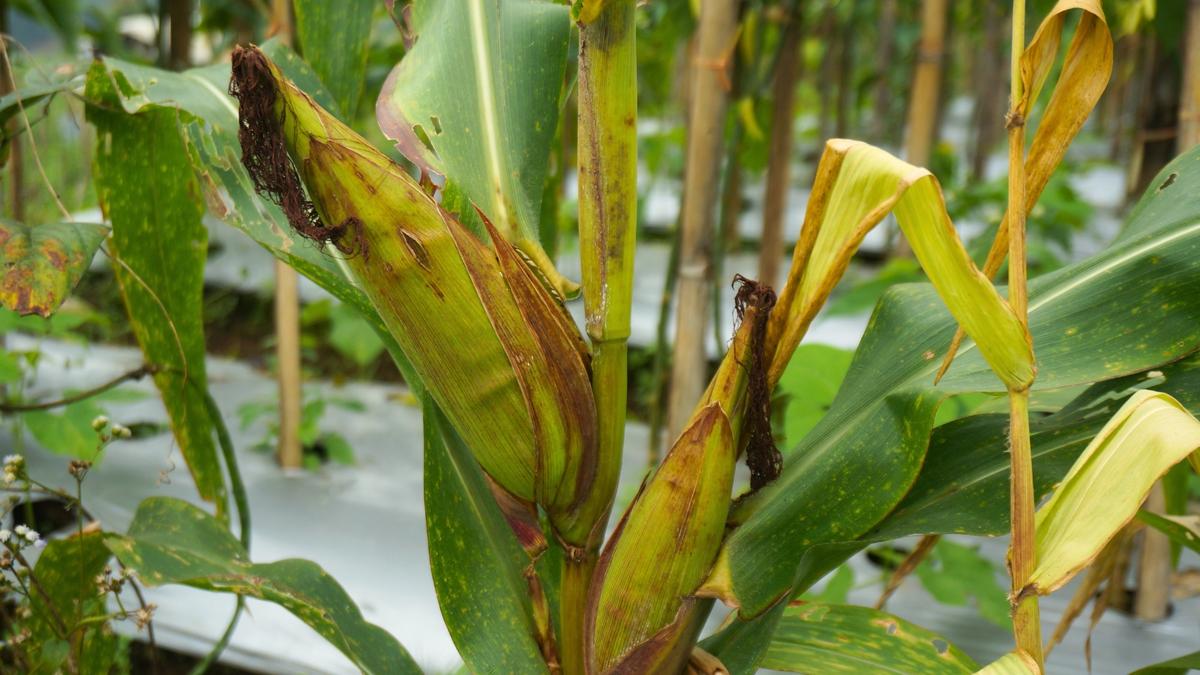
Here's how to identify and fix the most common Corn Plant problems.
Popular Varieties
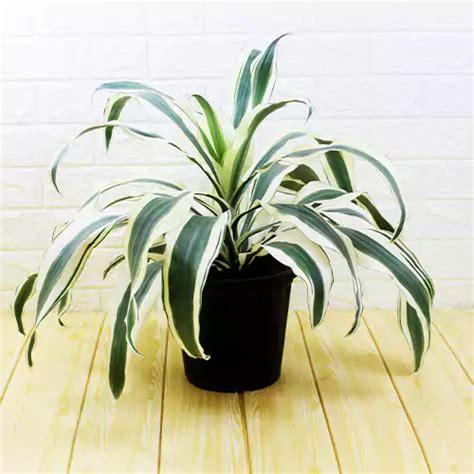
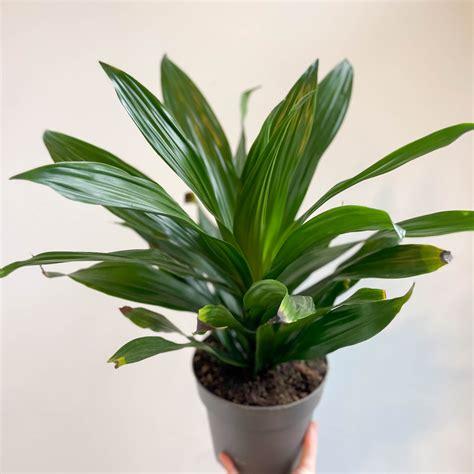
Explore different Corn Plant varieties and find your perfect match.
Care Tips & Best Practices
Humidity
Mist leaves every 2-3 days with filtered water. Place pots on pebble trays filled with water (pot sits on pebbles, not in water) or use humidifiers. Winter heating demands extra humidity. Grouping plants increases humidity as they transpire.
Feeding
Feed monthly March-August with diluted 20-20-20 balanced fertilizer. Dilute to half-strength to prevent salt buildup. Stop feeding in fall-winter during dormancy. Corn plants are light feeders requiring minimal fertilizer.
Cleaning
Dust blocks sunlight and reduces vigor. Wipe leaves gently with damp cloths every 2-3 weeks. Rinse in lukewarm shower water. Avoid commercial leaf shine products that clog pores.
Support and Staking
As plants grow tall, insert moss poles or bamboo stakes into soil. Loosely tie stems with soft ties. Moss poles mimic natural growth habits and encourage aerial rootlets.
Pruning
Prune in spring to control size and encourage bushiness. Cut stems 45 degrees above nodes at desired height. Plant branches below cut within weeks. Vary cutting heights for natural shape. Root pruned sections.
Rotation
Rotate plants weekly a quarter turn for even light exposure. Prevents one-sided growth and improves air circulation, reducing pest and disease issues.
Care Checklist
10 Common Mistakes to Avoid
Watering on fixed schedules instead of checking soil
Why it's bad: Set schedules like 'every Monday' cause root rot. Overwatered roots can't absorb oxygen, rotting and preventing nutrient uptake.
Do this instead: Always check top inch of soil first. Water thoroughly only if dry. Wait 3-5 days and recheck if still moist. This prevents 90% of corn plant problems.
Using pots without drainage or letting water collect in cache pots
Why it's bad: Without drainage, water accumulates and roots sit in stagnant water indefinitely, causing root rot and fungal infections.
Do this instead: Use pots with multiple drainage holes. Create double-pot systems with decorative cache pots. Empty cache pots 10 minutes after watering.
Placing in direct, intense sunlight
Why it's bad: Corn plants evolved under forest canopy shade. Direct sun scorches leaves causing brown patches and bleached spots.
Do this instead: Place in bright indirect light near windows. East or west-facing windows with sheer curtains work perfectly.
Misting with chlorinated tap water
Why it's bad: Chlorine and fluoride accumulate in leaf tips, causing brown crispy tips after months of use.
Do this instead: Use filtered water or let water sit overnight (removes chlorine only, not fluoride). Collect rainwater for best results.
Repotting too frequently or into much larger pots
Why it's bad: Excess soil stays wet too long, causing root rot. Frequent repotting stresses plants. Corn plants grow better root-bound.
Do this instead: Repot every 2-3 years only 1-2 inches larger. Let plants fill current pots before upsizing.
Fertilizing too much or year-round
Why it's bad: Excess salts burn roots causing yellowing, browning, stunted growth. Winter fertilizing wastes product and causes imbalances.
Do this instead: Feed only March-August, monthly with diluted 20-20-20. Stop completely fall-winter. Overfeeding is more common than underfeeding.
Ignoring pests until severe infestation
Why it's bad: Spider mites, mealybugs, scale insects reproduce quickly. Visible symptoms indicate weeks of infestation.
Do this instead: Inspect leaves weekly checking undersides and stems. Treat early with insecticidal soap or neem oil, repeating every 7-10 days.
Moving plants constantly or making drastic changes
Why it's bad: Corn plants dislike sudden light, temperature, or location changes, causing stress, leaf drop, stunted growth.
Do this instead: Choose good spots and leave plants for at least a month. Move slowly over days when necessary.
Using leaf shine or commercial polishes
Why it's bad: Products clog leaf pores preventing gas exchange and photosynthesis, damaging health over time.
Do this instead: Simply wipe leaves with soft damp cloths every 2-3 weeks. Use soft brushes for stubborn dust. Natural appearance is most beautiful.
Expecting survival in completely dark corners
Why it's bad: While tolerating low light, corn plants absolutely need some light long-term. Complete darkness causes plant decline.
Do this instead: Provide indirect natural light from windows or grow lights. Even hallway ambient light works better than darkness.
Frequently Asked Questions
How often should I water?
Water when top 1 inch feels dry. Spring-summer: every 7-10 days. Fall-winter: every 2-3 weeks. Always check soil first. Overwatering kills more corn plants than underwatering.
Why are leaf tips brown?
Chlorine or fluoride in water, low humidity, or inconsistent watering. Use filtered water, mist regularly, and maintain even moisture. Brown tips won't reverse but new growth emerges healthy.
Can corn plants survive low light?
Yes. They're exceptional low-light tolerators, surviving in hallways and offices. Growth slows and leaves darken, but plants remain healthy. Avoid complete darkness.
Is corn plant toxic to pets?
Yes, toxic to cats and dogs. Contains saponins causing vomiting, diarrhea, weakness, appetite loss, and drooling. Keep on high shelves. Contact vets immediately if ingested.
How do I propagate?
Cut healthy stems with 2-3 nodes at 45-degree angles. Place in filtered water with nodes submerged, leaves above. Change water every 3-5 days. Roots develop in 4-8 weeks. Pot into soil once roots reach 1-2 inches.
When should I repot?
Every 2-3 years or when roots exit drainage holes. Use pots only 1-2 inches larger. Repot spring-summer during active growth. Use well-draining soil with perlite or pumice.
Why is my plant dropping leaves?
Temperature stress (below 55°F), cold drafts, or inconsistent watering. Keep stable locations, 65-75°F, consistent water. Avoid vents and cold windows. Leaves regrow within weeks.
Do corn plants flower?
Yes, mature plants after 5+ years occasionally flower. Small creamy-white cluster blooms open evenings with intense, sweet jasmine-like fragrance. Rare indoors, usually after cool-warm cycles.
What's the best soil mix?
Mix 50% potting soil with 50% perlite, pumice, or lava rock. Or combine 1 part peat moss, 1 part perlite, 1 part potting soil. Goal: quick drainage with adequate moisture retention.
How tall do corn plants grow indoors?
Typically 4-6 feet over years, some reaching 8 feet. Growth averages 2-6 inches yearly after year one. Prune to control height. Smaller varieties stay 3-4 feet.
References & Sources
Information in this guide is based on these trusted sources.