
cilantro
Fresh, zesty herb packed with flavor that transforms any dish into something special.
Video Tutorials
Watch these helpful videos to learn more about cilantro care.
About cilantro
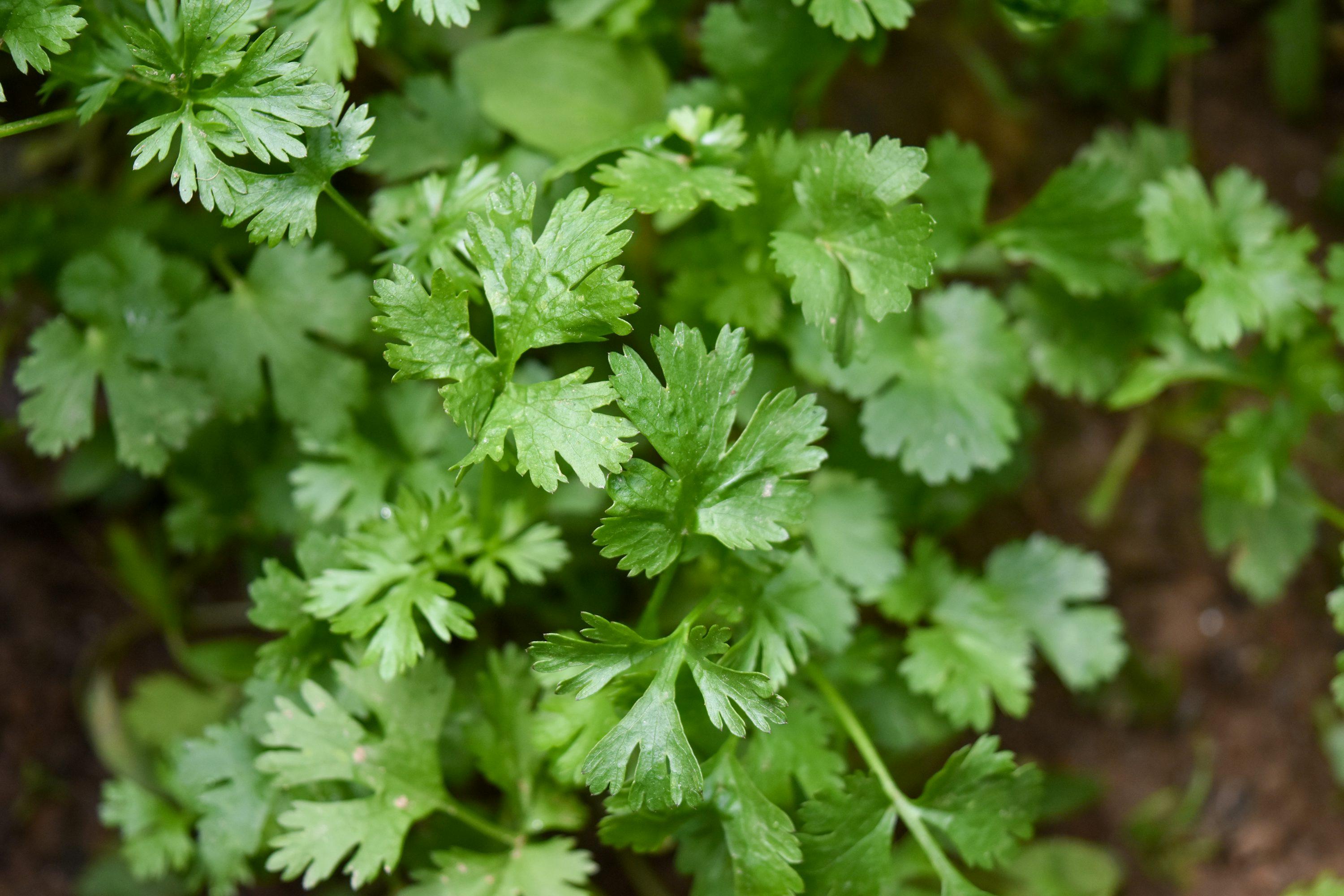
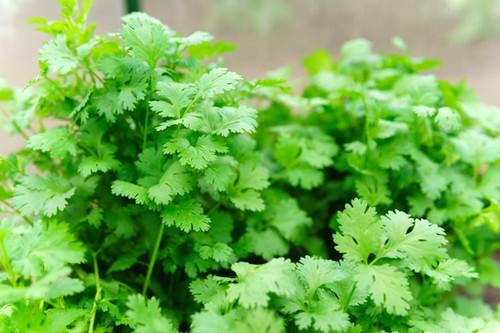
Cilantro is a beloved culinary herb with bright, citrusy leaves that bring freshness to Mexican, Indian, and Asian dishes. Known by many names including Chinese parsley and fresh coriander, this quick-growing annual has made its way into kitchens worldwide. The entire plant is edible, with leaves, stems, flowers, and seeds all offering distinct flavor profiles for cooking.
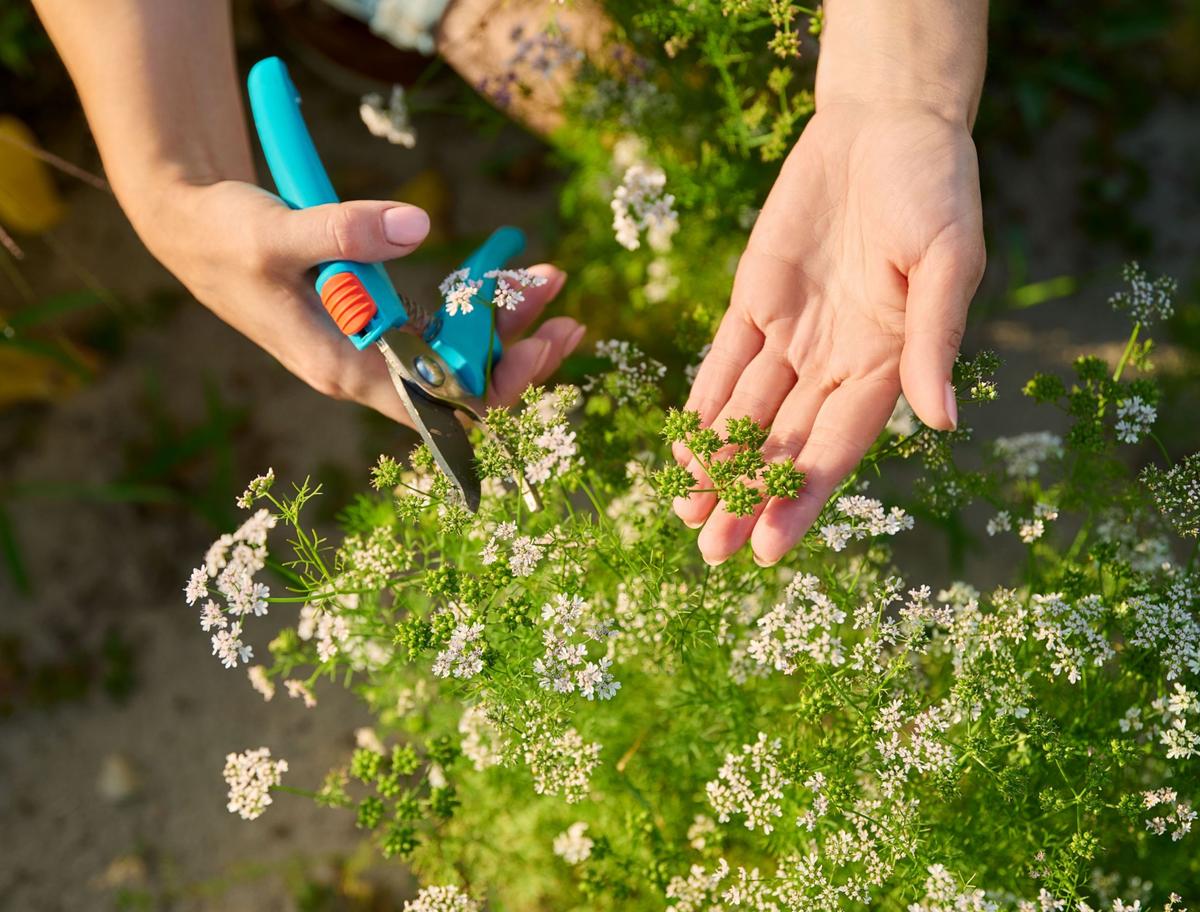
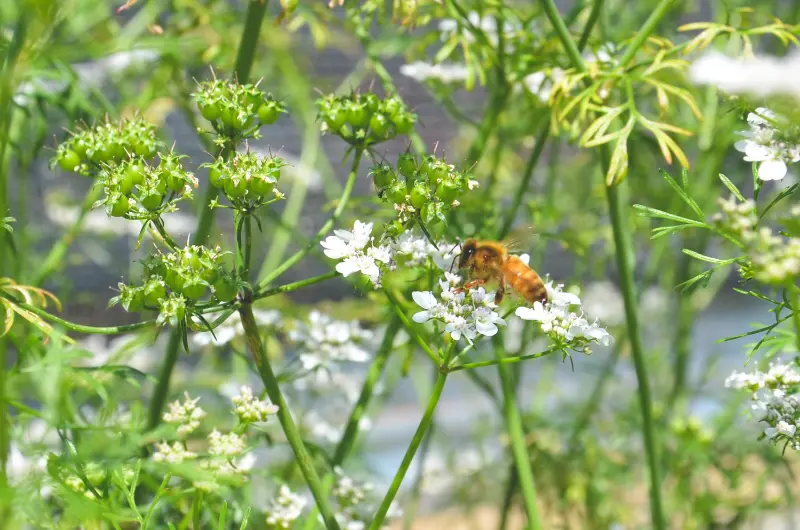
Cilantro originates from the Mediterranean region, Western Europe, and Western Asia where it thrives in cool climates with full sun. The plant naturally prefers moderate moisture and well-drained soil, growing 12-24 inches tall in its native habitats. It flowers in summer, producing delicate white to pink blooms that attract pollinators and beneficial insects.
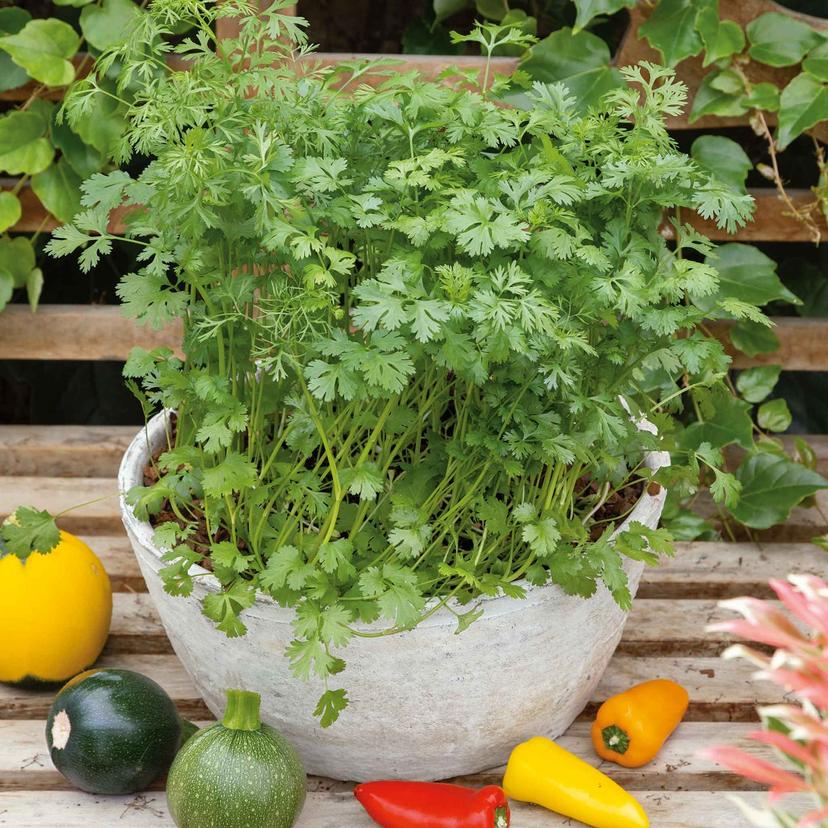
As a houseplant, cilantro adapts well to containers and indoor growing, producing harvestable leaves in just 35-50 days. Indoor growers should prioritize bright light, consistent watering, and cool temperatures to prevent early bolting. With proper care, you'll enjoy fresh cilantro for 8-12 weeks before the plant naturally transitions to flowering and seed production.
Watering Schedule
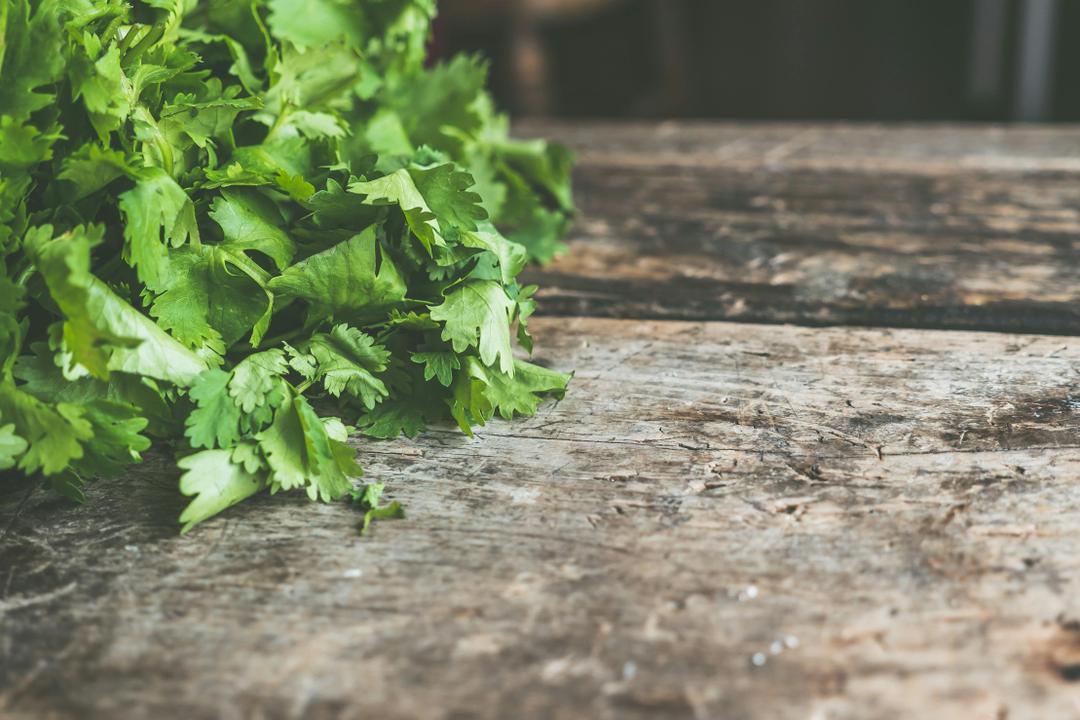
Cilantro loves consistent moisture but despises waterlogged soil. Water regularly during establishment, then adjust based on temperature and drying rates.
Common Problems & Solutions
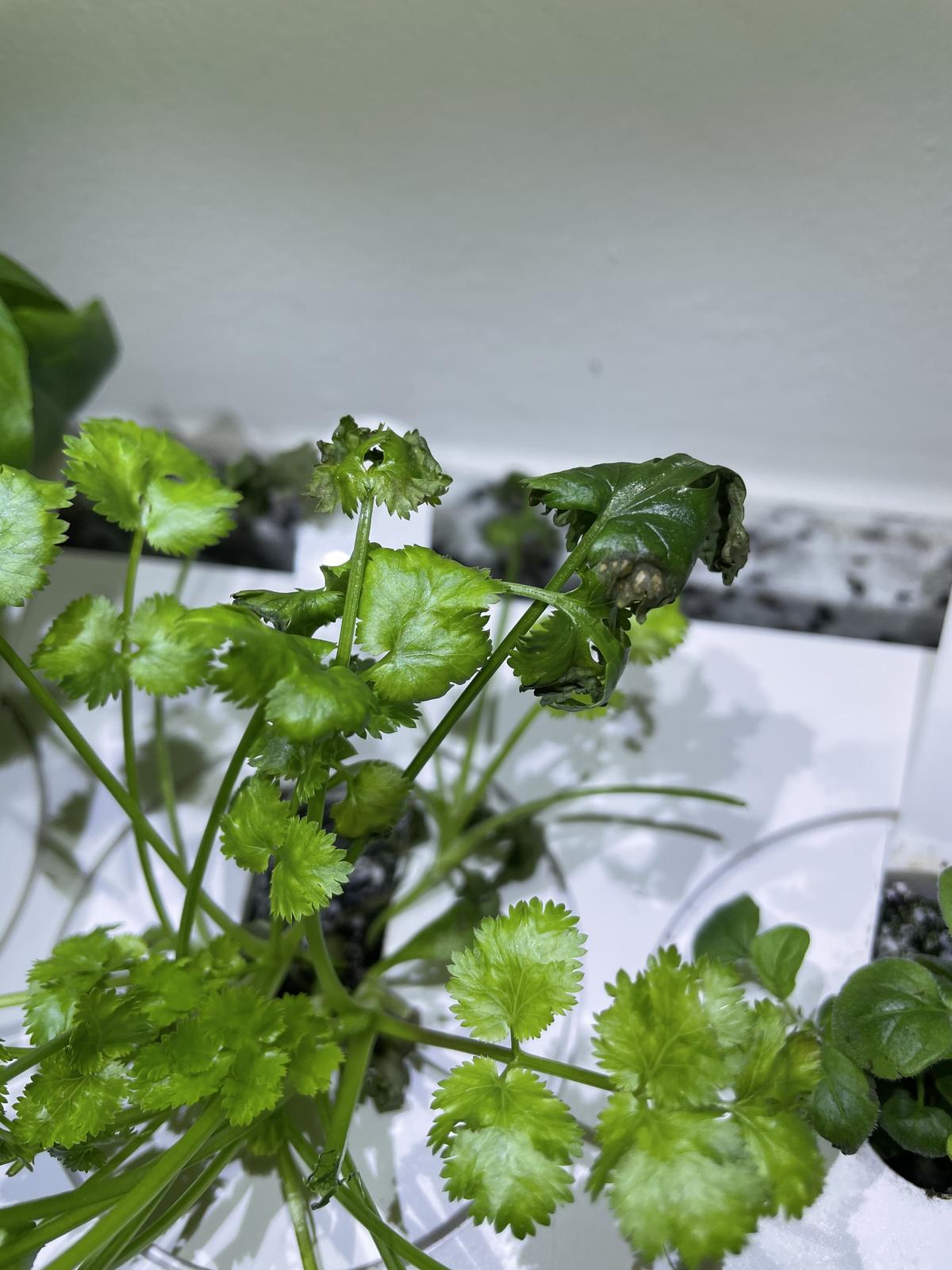
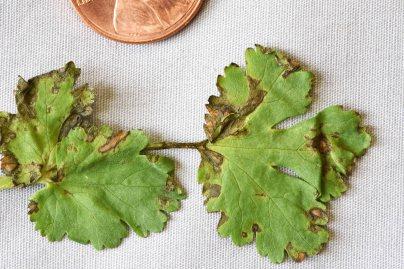
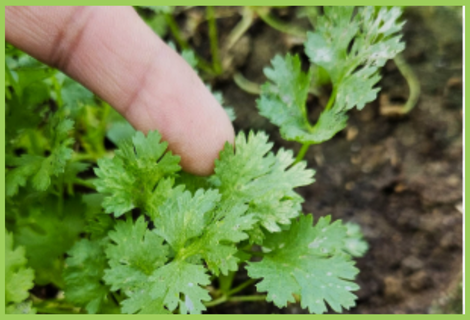
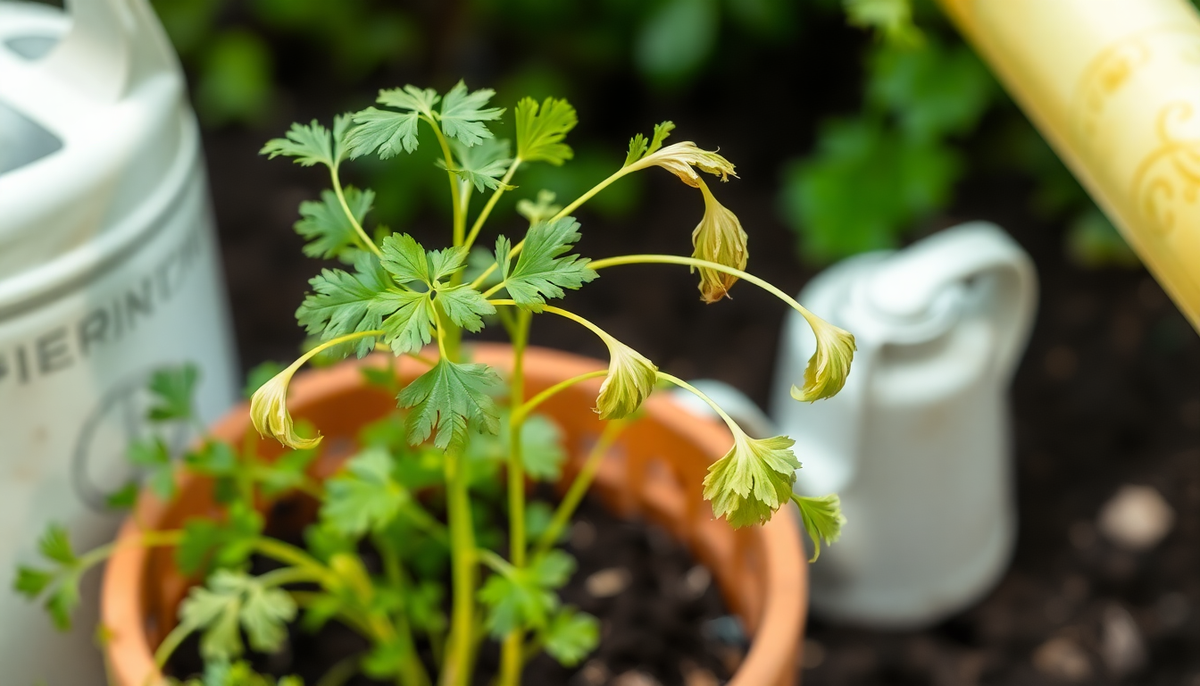
Here's how to identify and fix the most common cilantro problems.
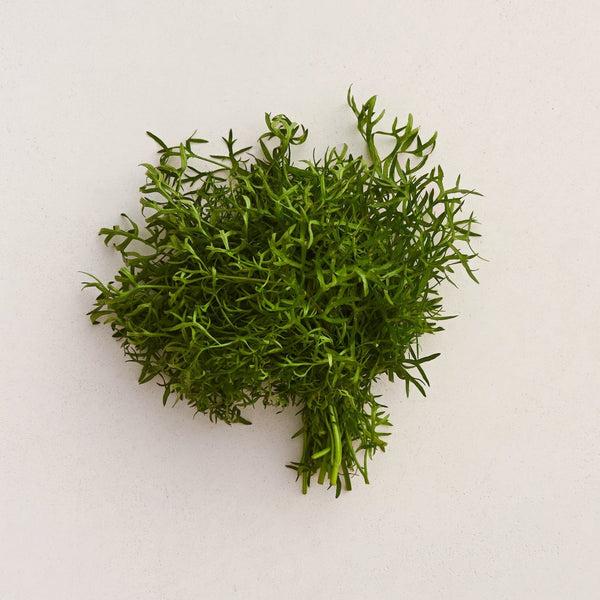
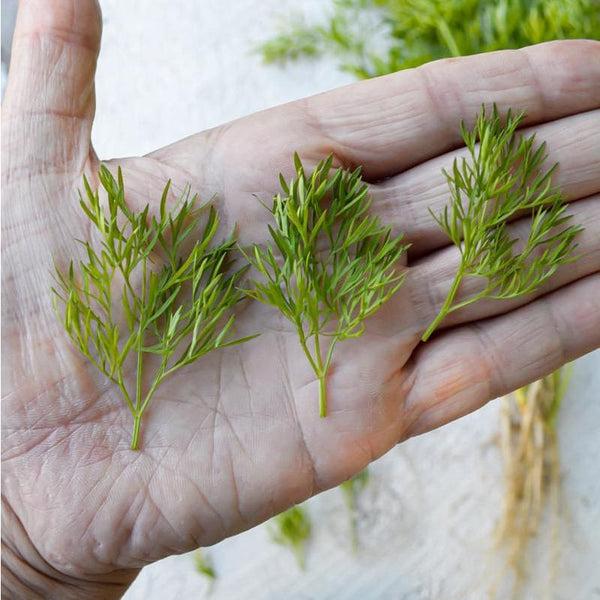
Popular Varieties
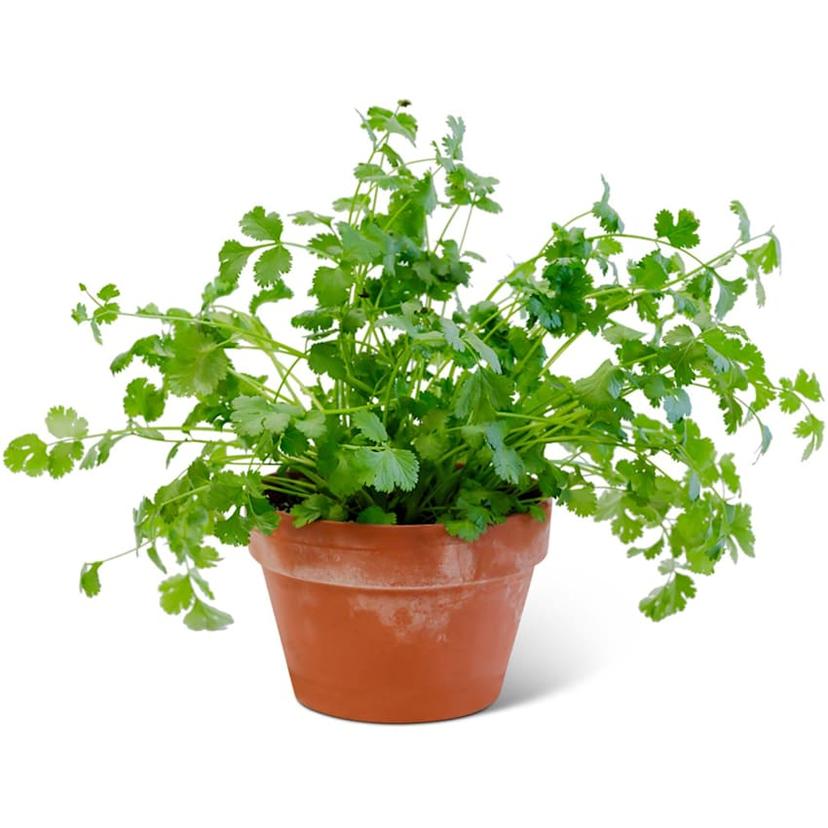
Explore different cilantro varieties and find your perfect match.
Care Tips & Best Practices
Humidity Management
Keep humidity between 40-60% by spacing plants apart and using a fan for air circulation.
Feeding
Apply diluted balanced liquid fertilizer (10-10-10) every 3-4 weeks, avoiding excess nitrogen that weakens flavor.
Leaf Cleaning
Gently wipe leaves monthly with a soft, damp cloth to remove dust and prevent pest infestations.
Support Structure
Tall varieties benefit from stakes at 12 inches tall to prevent sprawling and improve air circulation.
Pruning Strategy
Pinch off flower buds regularly to extend leaf production; harvest outer leaves first for bushier growth.
Pot Rotation
Rotate containers weekly if light is uneven to promote balanced, upright growth on all sides.
Care Checklist
10 Common Mistakes to Avoid
Overwatering soil until soggy
Why it's bad: Waterlogged roots rot and invite fatal fungal diseases like botrytis and damping off.
Do this instead: Water when top inch of soil feels dry; ensure pots have drainage holes for excess water.
Placing cilantro in low-light areas
Why it's bad: Inadequate light triggers early bolting and produces weak, pale foliage with weak flavor.
Do this instead: Provide minimum 6 hours direct sun daily; use grow lights if natural light is limited.
Allowing temperature to exceed 75°F consistently
Why it's bad: Heat stress causes plants to bolt prematurely, ending the leaf harvest season within weeks.
Do this instead: Grow in cool spaces, provide afternoon shade, or start cool-season crops in spring and fall.
Crowding too many plants in one container
Why it's bad: Poor airflow causes fungal diseases and leaf yellowing; plants compete for nutrients and water.
Do this instead: Space seedlings 2 inches apart for leaf harvest or 8-10 inches apart for seed production.
Never harvesting leaves, waiting for plant to mature
Why it's bad: Lack of harvesting stimulates flowering and signals plant to bolt and stop producing foliage.
Do this instead: Begin harvesting outer leaves at 4-6 inches tall; frequent picking prolongs the harvest window.
Over-fertilizing with high-nitrogen formulas
Why it's bad: Excess nitrogen produces lush foliage but dramatically weakens flavor and delays seed development.
Do this instead: Apply diluted balanced fertilizer (10-10-10) every 3-4 weeks or not at all if soil is rich.
Transplanting seedlings roughly or ignoring root sensitivity
Why it's bad: Cilantro dislikes root disturbance; damaged roots cause wilting and stunted growth.
Do this instead: Direct seed in final containers or handle seedlings gently with as much root ball as possible.
Watering foliage instead of soil level
Why it's bad: Wet leaves create conditions for powdery mildew and botrytis to colonize and spread.
Do this instead: Water directly at soil level with drip irrigation or careful pouring to keep foliage dry.
Ignoring early flowering signs and allowing bolting
Why it's bad: Once bolting starts, leaf quality and flavor decline sharply within days.
Do this instead: Pinch off flower buds as soon as they appear and harvest frequently to delay bolting.
Growing cilantro indoors without supplemental light in winter
Why it's bad: Short winter days (below 4 hours light) cause weak growth, yellowing, and premature bolting.
Do this instead: Use grow lights or relocate indoors near brightest south-facing window 12+ hours daily.
Frequently Asked Questions
Why does my cilantro bolt so quickly?
Bolting accelerates when temperatures exceed 75°F, light is insufficient, or soil is too dry. Choose slow-bolting varieties like Santo or Calypso, provide 6+ hours direct sun, and keep temperature cool.
Can I grow cilantro indoors year-round?
Yes, cilantro grows indoors with bright light (6+ hours) and cool temperatures (60-75°F). In winter, use grow lights to compensate for shorter days, or enjoy naturally longer harvests in fall and spring.
How often should I water cilantro?
Water when the top inch of soil is dry to the touch, typically every 2-4 days depending on temperature and humidity. Consistent moisture is key, but never allow soil to stay waterlogged.
Is cilantro toxic to pets?
No, cilantro is completely safe for dogs, cats, and horses according to the ASPCA. Pets may nibble on foliage without any health concerns.
What's the difference between cilantro and coriander?
They're the same plant. Cilantro refers to the fresh leaves and stems used as an herb, while coriander refers to the dried seeds used as a spice.
Can I harvest cilantro while it's flowering?
Yes, but quality declines as energy shifts to seed production. Pinch off flowers to extend leaf production, or allow some plants to bolt for coriander seed harvests.
How do I prevent powdery mildew?
Keep humidity below 50-60%, ensure good airflow with fans, avoid wetting foliage, and space plants apart. Remove infected leaves immediately and increase light exposure.
What size pot do I need for cilantro?
Use containers at least 8 inches deep and 6-8 inches wide. For multiple plants, use larger containers or space them 2 inches apart for leaf harvest or 8-10 inches for seed production.
How do I extend cilantro harvest season?
Sow seeds every 2-3 weeks for succession plantings, harvest frequently to delay bolting, choose slow-bolting varieties, provide afternoon shade in heat, and grow in cool seasons.
Can I regrow cilantro from cuttings in water?
Cilantro rarely roots from cuttings; direct seeding is more reliable. If attempting water propagation, use young tender stems and change water every 3 days, but expect low success rates.
References & Sources
Information in this guide is based on these trusted sources.