
chinese money plant
Charming houseplant with coin-shaped leaves that thrives with minimal care.
Video Tutorials
Watch these helpful videos to learn more about chinese money plant care.
About chinese money plant
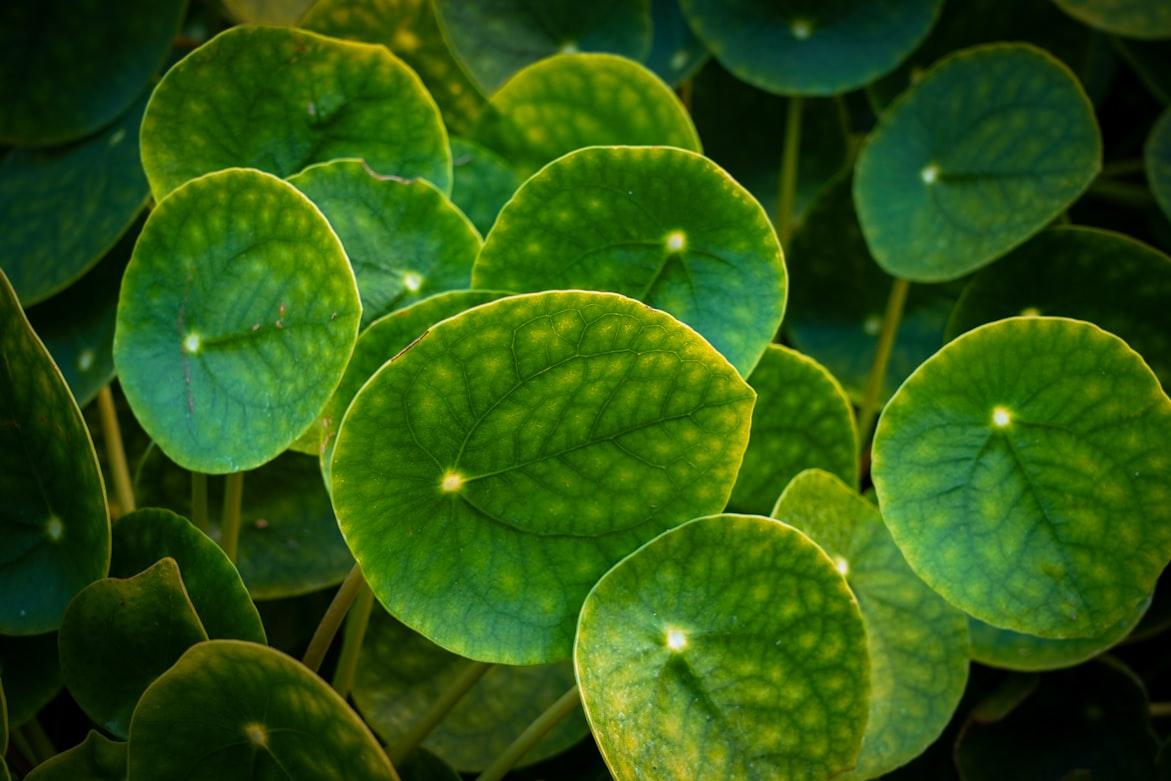
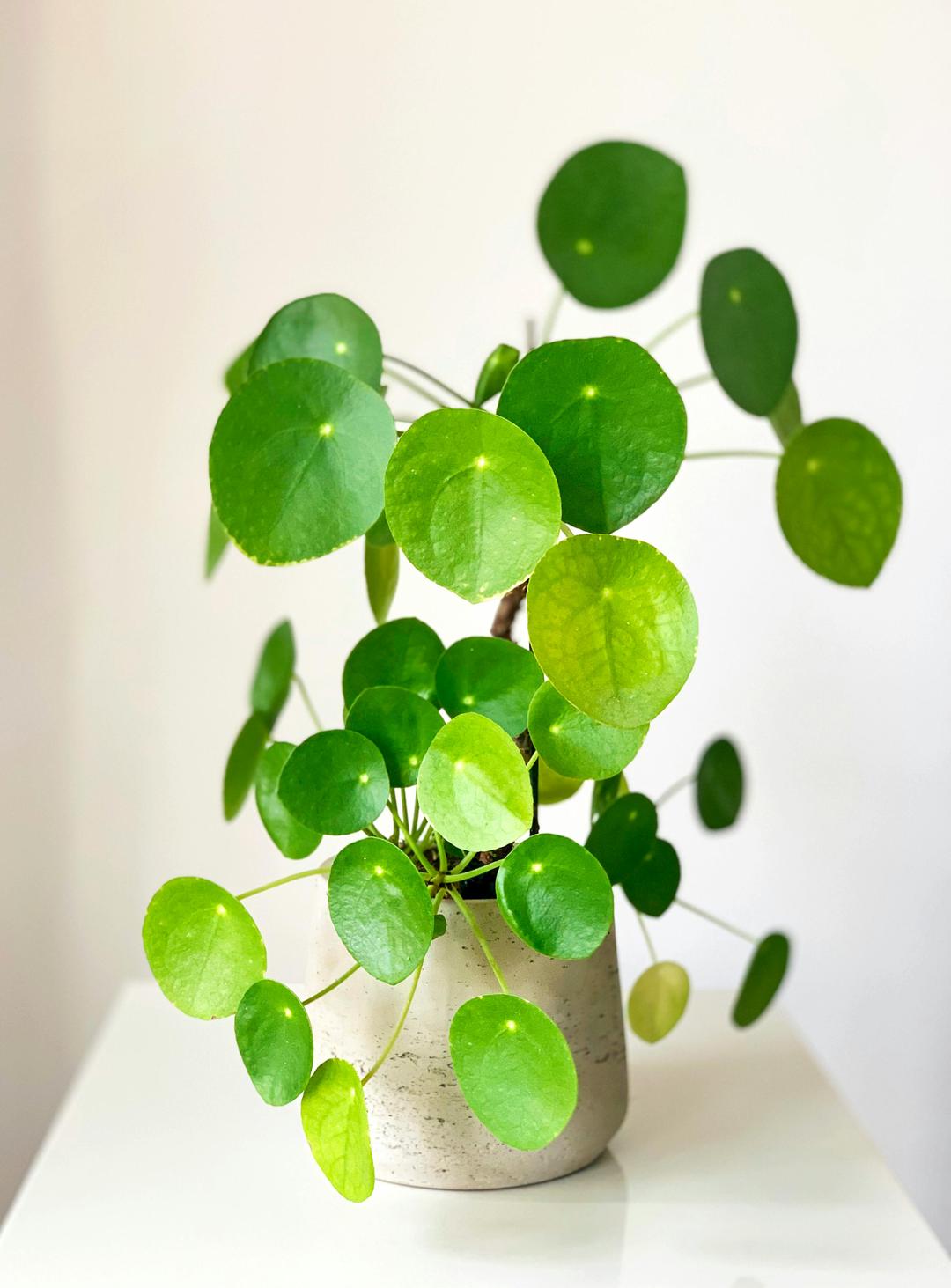
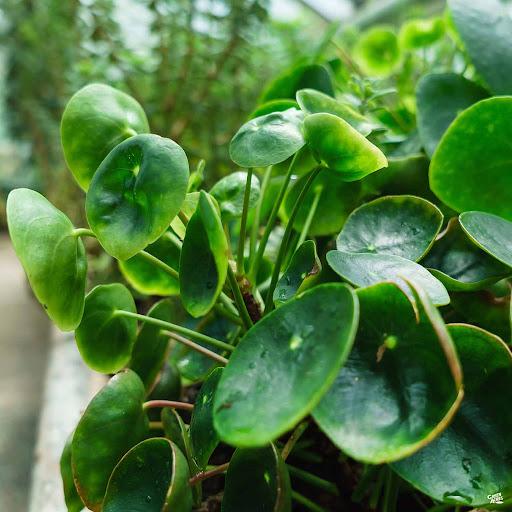
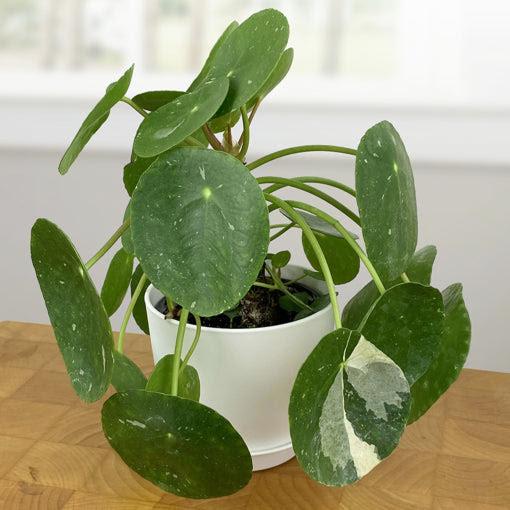
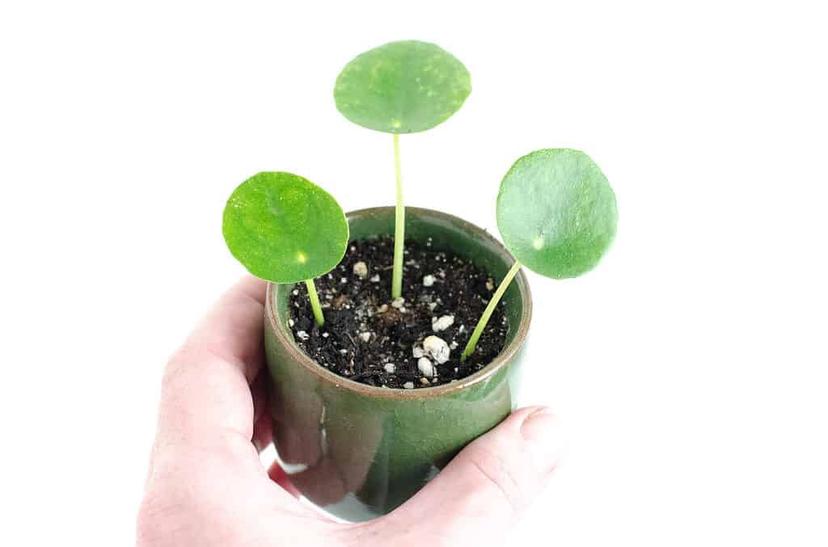
The Chinese money plant has become one of the world's most beloved houseplants, known for its distinctive round, coin-shaped leaves and upright growth. Discovered in the mountain forests of Yunnan Province in southern China, it earned its nickname from a Norwegian missionary who brought cuttings to Scandinavia in 1946, sharing them widely as gifts among friends.
In its native habitat, the plant grows in shady mountain ravines at elevations between 1,500 and 3,000 meters, where filtered light and moderate moisture support its growth. It naturally reaches around 30 centimeters tall with glossy circular leaves measuring up to 10 centimeters in diameter.
Indoors, this forgiving plant thrives with bright indirect light, moderate watering, and standard humidity. It grows quickly when conditions are right, frequently producing baby plantlets called pups that emerge around the base. With proper care, it can double in size yearly and live many years, making it perfect for beginners.
Watering Schedule
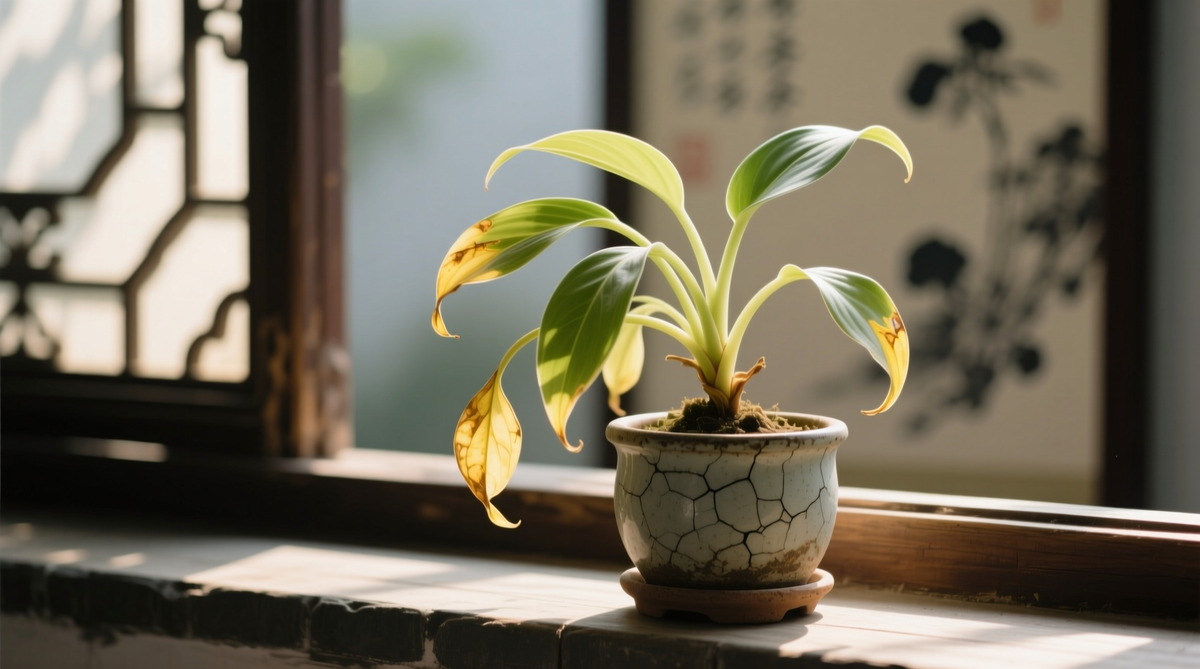
Water when the top 1-2 inches of soil feel dry to the touch. Overwatering is the most common problem, causing root rot and leaf yellowing.
Common Problems & Solutions
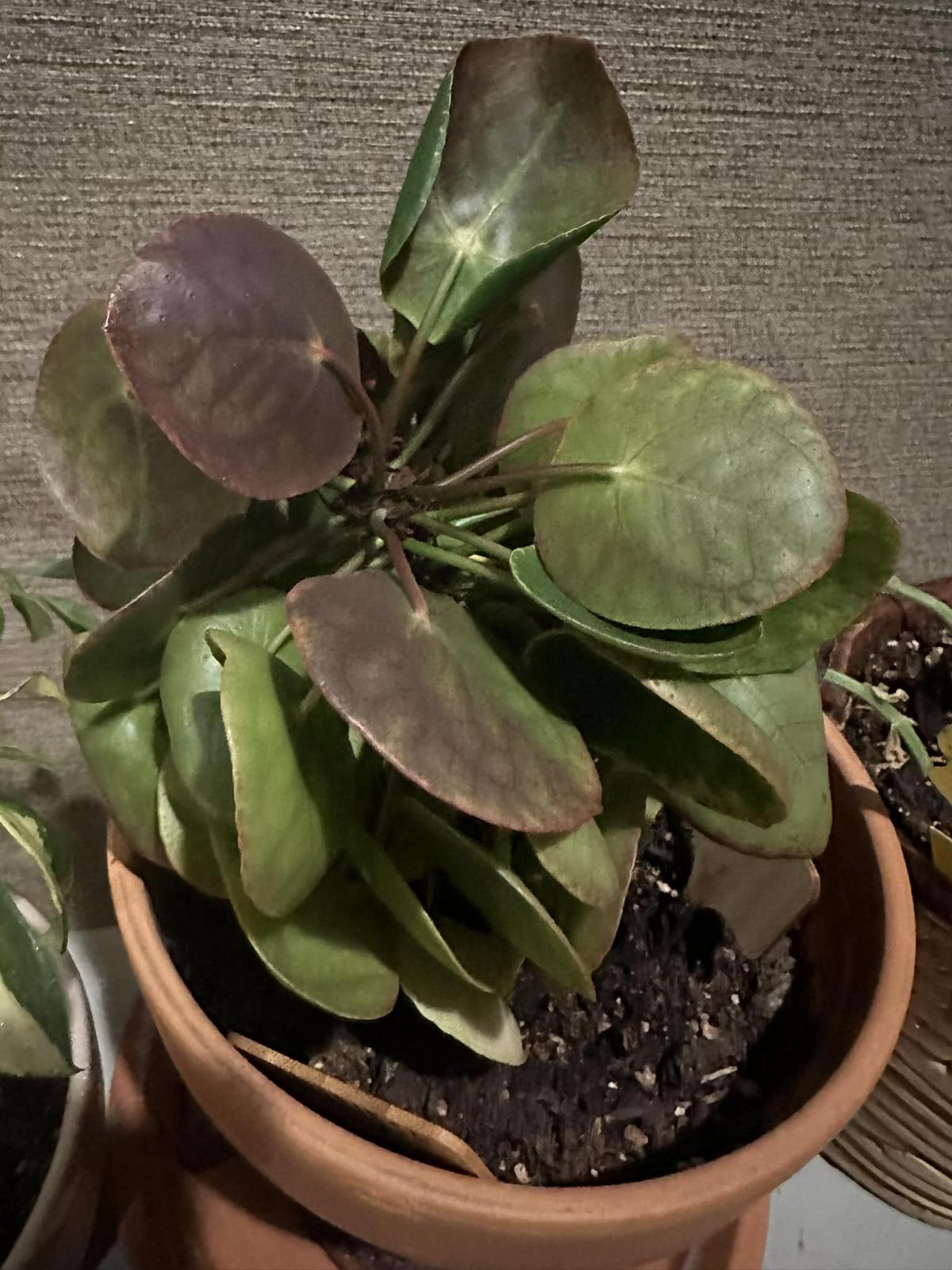
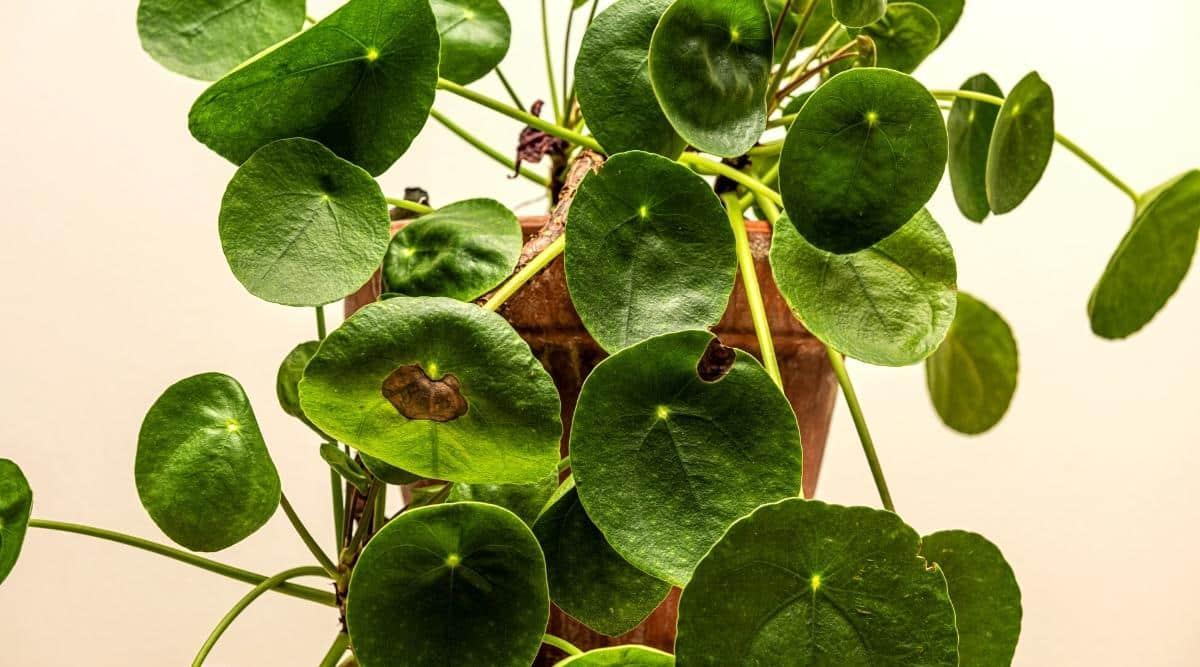
Here's how to identify and fix the most common chinese money plant problems.
Popular Varieties
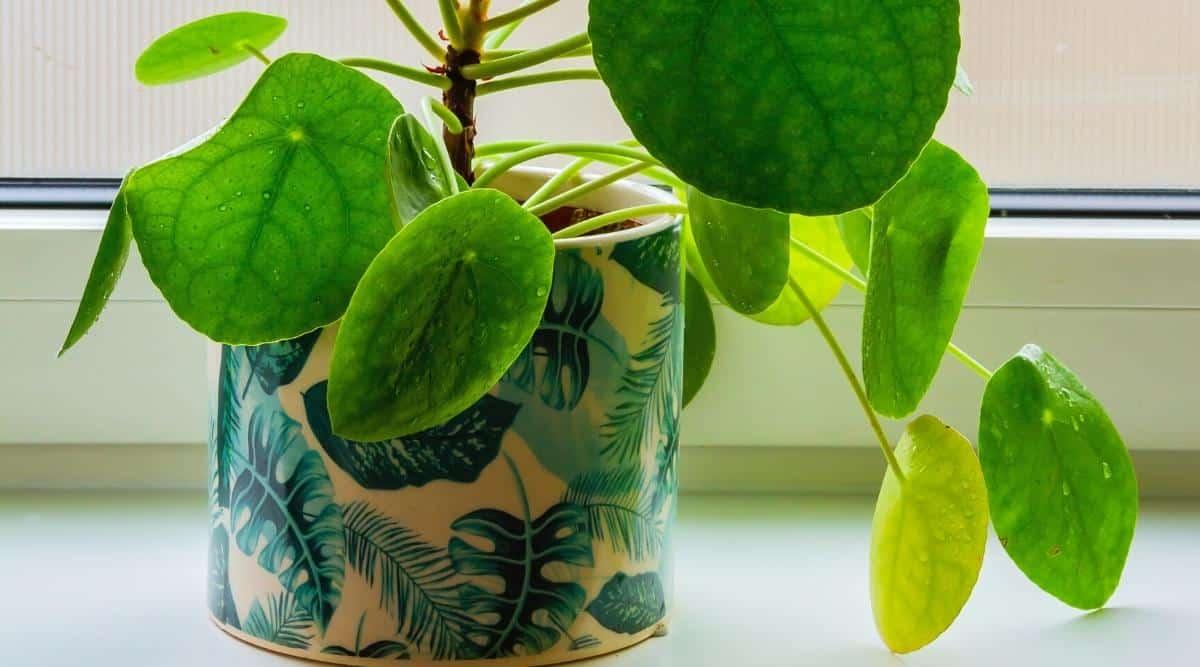
Explore different chinese money plant varieties and find your perfect match.
Care Tips & Best Practices
Humidity
While tolerant of average humidity, occasional misting or grouping plants helps keep leaves clean.
Feeding
Feed monthly spring through summer with balanced 10-10-10 fertilizer at half strength. Stop in fall and winter.
Cleaning
Wipe leaves monthly with a soft damp cloth to remove dust and improve photosynthesis.
Support
As stems grow taller, use a soft stake or moss pole to prevent bending.
Pruning
Remove yellowing or dead leaves to redirect energy toward healthy growth.
Rotation
Rotate every 3-4 days to ensure even, upright growth and prevent dramatic leaning.
Care Checklist
10 Common Mistakes to Avoid
Watering on a fixed schedule.
Why it's bad: Every home dries differently; fixed schedules cause overwatering.
Do this instead: Check soil before watering; water only when top 1-2 inches feel dry.
Using pots without drainage holes.
Why it's bad: Water pools at the bottom, drowning roots and causing rot.
Do this instead: Always use pots with drainage holes and empty the saucer.
Not rotating the plant.
Why it's bad: Leaves lean dramatically, creating uneven, wonky growth.
Do this instead: Rotate every 3-4 days for balanced, upright growth.
Placing plant in low light.
Why it's bad: Low light causes leggy, weak stems with sparse leaves.
Do this instead: Prioritize bright, indirect light; move furniture if needed.
Overfeeding with fertilizer.
Why it's bad: Excess fertilizer burns roots and causes yellowing.
Do this instead: Feed only monthly at half strength from March through September.
Leaving water in the saucer.
Why it's bad: Roots absorb excess water and become waterlogged.
Do this instead: Empty the saucer within 10-15 minutes of watering.
Repotting too frequently or oversizing pots.
Why it's bad: Excess soil holds moisture longer, causing waterlogging.
Do this instead: Repot only every 12-18 months in pots 1-2 inches larger.
Spraying leaves for humidity.
Why it's bad: Moisture on leaves overnight promotes fungal infections.
Do this instead: Mist early or use a pebble tray; rely on natural humidity.
Ignoring early pest signs.
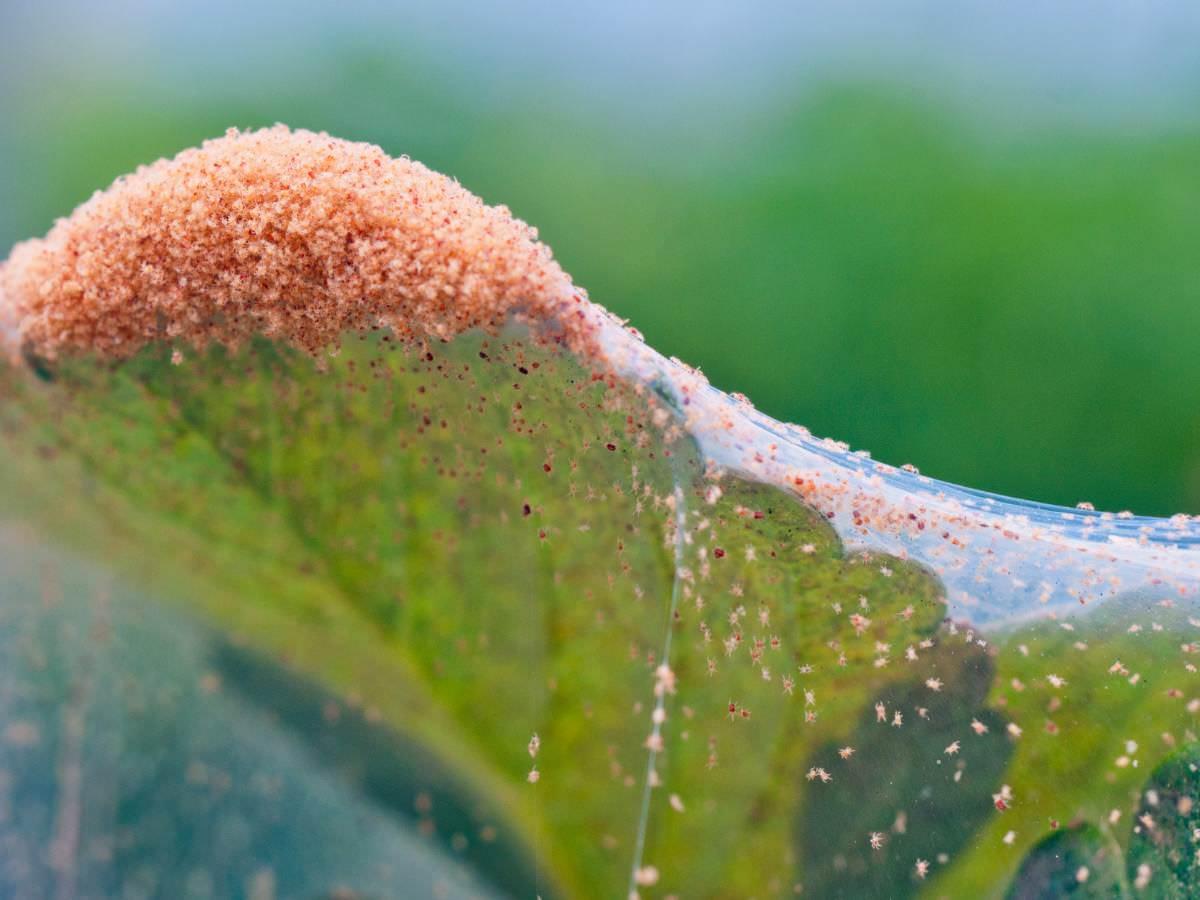
Why it's bad: Spider mites reproduce rapidly; early detection prevents infestation.
Do this instead: Inspect weekly and treat immediately with neem oil.
Repotting during winter dormancy.
Why it's bad: Plant cannot adjust to new soil when growth has slowed.
Do this instead: Repot only during spring or early summer.
Frequently Asked Questions
How often should I water my Chinese money plant?
Water when the top 1-2 inches of soil feel dry. This usually means weekly in spring and summer, every 10-14 days in fall and winter. Check soil before watering rather than following a calendar.
Why are my plant's leaves curling?
Curling indicates underwatering or overwatering. Check soil moisture and adjust watering accordingly. Increase humidity with misting or a pebble tray and ensure bright, indirect light.
Can I propagate my Chinese money plant?
Yes, very easily. Separate 2-3 inch pups and bury in moist soil, or take stem cuttings and root them in water or soil. Roots develop in 4-6 weeks.
Is the Chinese money plant safe for pets?
Yes, completely non-toxic to cats, dogs, and humans. However, discourage pets from nibbling, as eating large amounts can cause mild stomach upset.
What should I do if my plant is becoming leggy?
Leggy growth indicates insufficient light. Move to a brighter location and rotate every 2-3 days. Prune tall stems to encourage bushier growth.
How do I treat root rot?
Stop watering immediately. Remove the plant, trim black mushy roots with sterile scissors, and repot in fresh soil. Resume normal watering only when top inch dries out.
Why is my plant producing fewer pups?
Pups form when the plant is healthy. Insufficient light, inconsistent watering, or poor drainage reduce pup production. Optimize conditions and be patient.
What light conditions does the Chinese money plant prefer?
It thrives in bright, indirect light from east or north-facing windows. It tolerates gentle morning sun but avoids harsh afternoon direct light that scorches leaves.
How do I prevent white spots on the leaves?
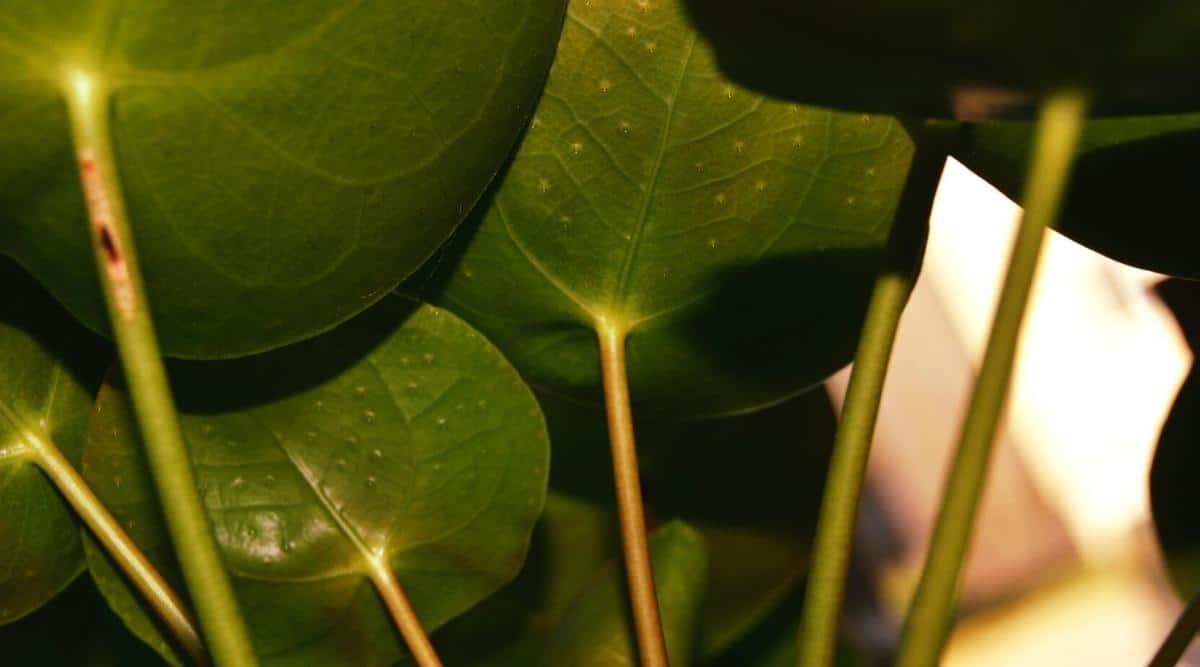
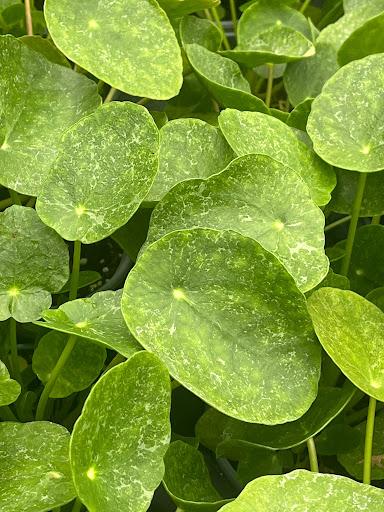
White spots are mineral deposits from fluoride in tap water. Use filtered water or let tap water sit 24 hours. Wipe leaves monthly with distilled water.
Should I mist my Chinese money plant?
Not required; the plant tolerates average humidity. Occasional misting helps keep leaves clean but avoid heavy misting that leaves water overnight, promoting fungal issues.
References & Sources
Information in this guide is based on these trusted sources.