
chamomile
A beloved herb with delicate daisy-like flowers perfect for soothing tea and home remedies.

Video Tutorials
Watch these helpful videos to learn more about chamomile care.
About chamomile
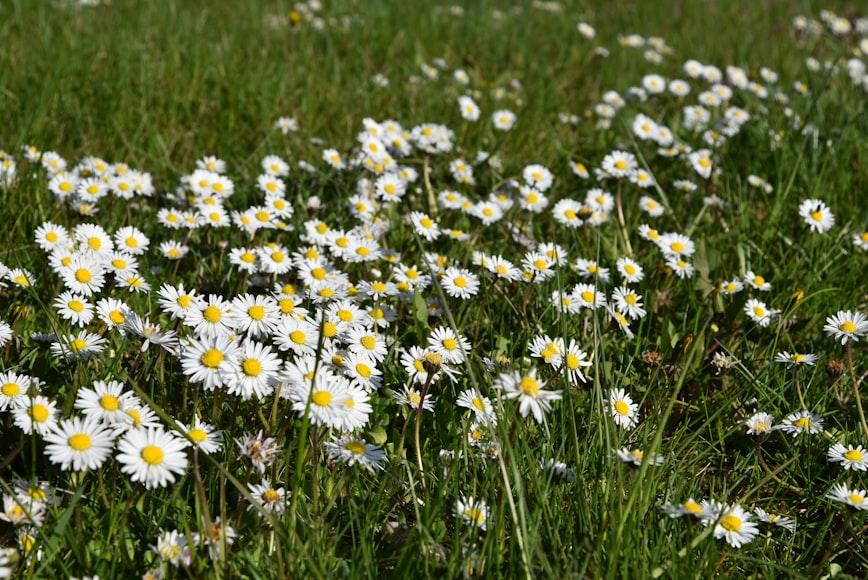
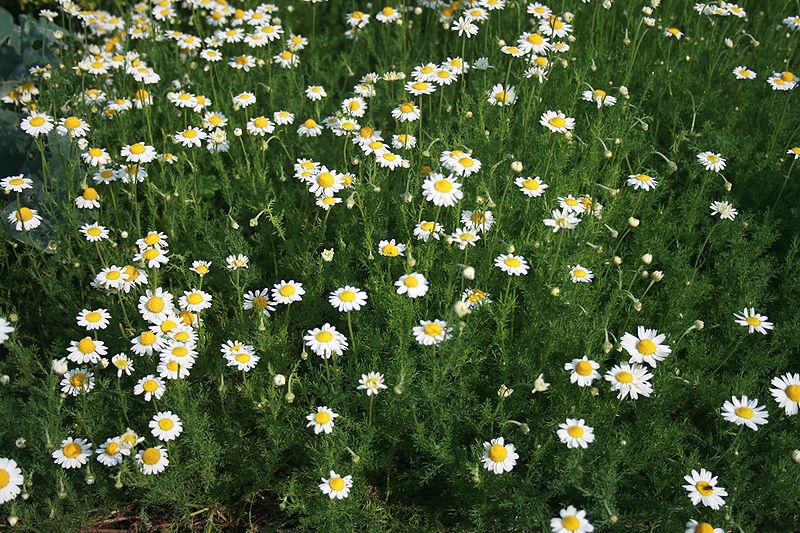
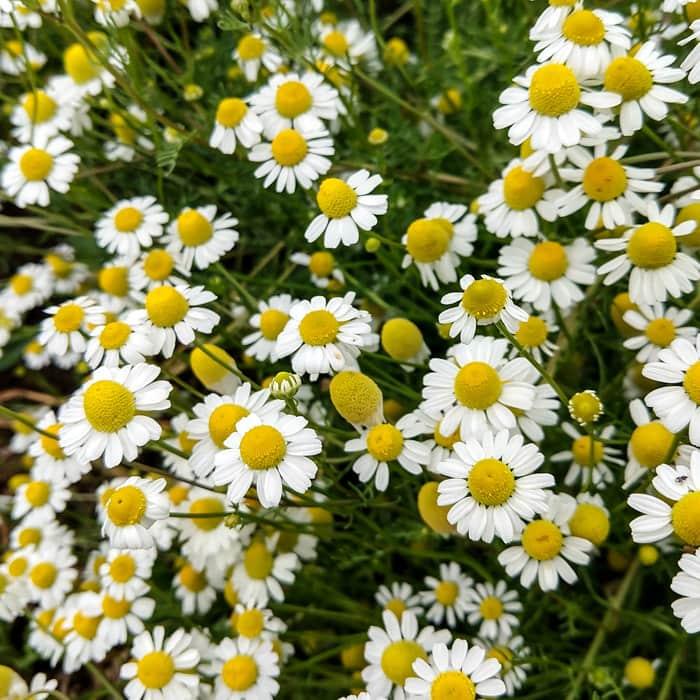
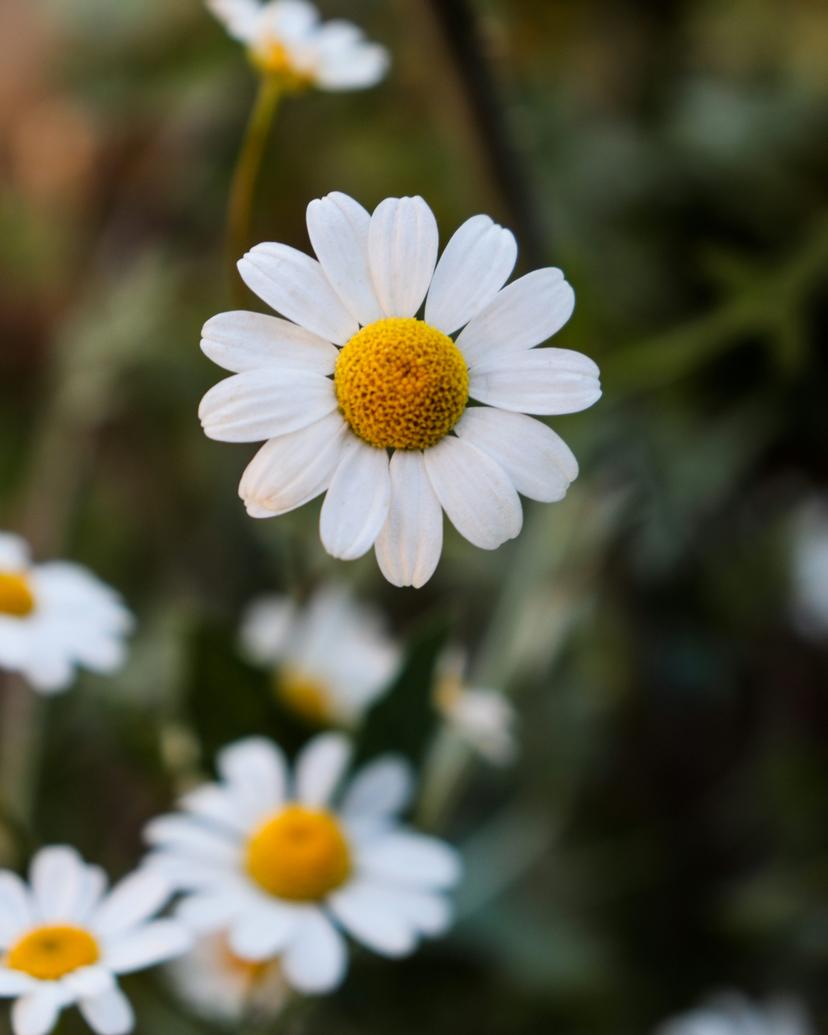
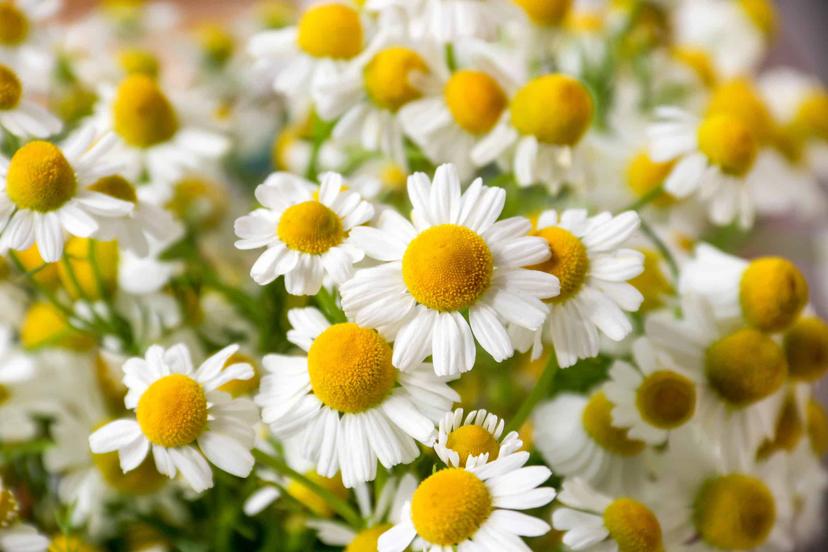
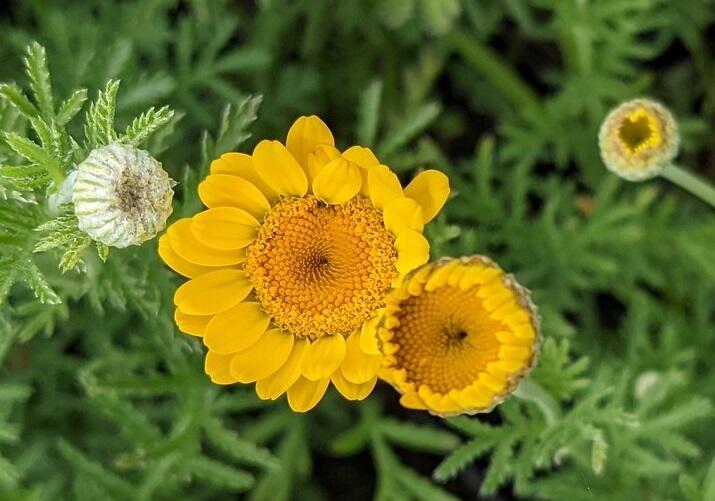
Chamomile is a beloved herb cherished for centuries in gardens worldwide. With delicate white petals and cheerful yellow centers, this plant produces flowers that make a calming, aromatic tea. The pleasant apple-like fragrance repels pests naturally, making it a smart companion plant.
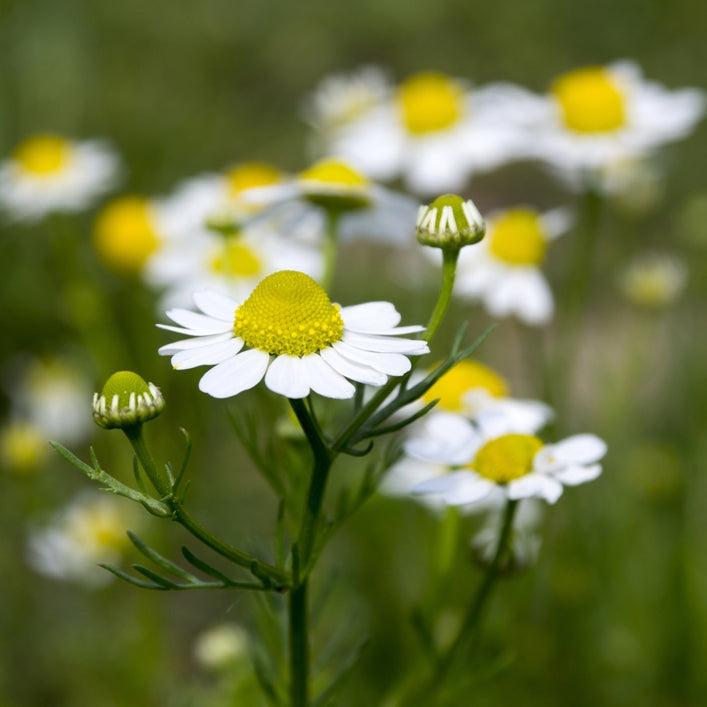
Native to Europe and Asia, chamomile thrives in dry, sunny conditions with light, well-draining soil. German chamomile is an annual that self-seeds freely, while Roman chamomile is a perennial that spreads via creeping stems. Both varieties are hardy and low-maintenance.
As a houseplant, chamomile adapts well to pots with proper drainage and stays productive for months. Most growers enjoy harvesting flowers for tea within 8-12 weeks. Plants live 3-4 months as annuals or year-round as perennials, reliably producing blooms all season long.
Watering Schedule
Chamomile prefers dry to medium moisture. Water deeply when the top inch of soil feels dry to the touch.
Common Problems & Solutions
Here's how to identify and fix the most common chamomile problems.



Popular Varieties
Explore different chamomile varieties and find your perfect match.
Care Tips & Best Practices
Humidity Control
Chamomile prefers 40-60% humidity. In dry climates, mist lightly in morning or group pots together to increase ambient moisture.
Feeding Schedule
Feed monthly with balanced, diluted fertilizer (10-10-10). Stop feeding in winter dormancy. Avoid over-fertilizing - rich soil produces leaves, not flowers.
Cleaning Foliage
Dust leaves monthly with soft brush or cloth. Never use commercial leaf shine - it clogs pores. Gentle misting rinses dust naturally.
Pinching for Shape
Pinch growing tips when plants reach 4-6 inches to encourage bushy, branching growth and fuller flower production.
Deadheading Blooms
Remove spent flowers regularly to redirect energy into new blooms. Harvest flowers when petals are fully open for best tea quality.
Pot Rotation
Rotate containers 90 degrees weekly to ensure even light exposure and balanced growth on all sides.
Care Checklist
10 Common Mistakes to Avoid
Overwatering regularly
Why it's bad: Waterlogged soil causes root rot, fungal disease, and nutrient lockout within days.
Do this instead: Water only when top inch feels dry - typically every 5-7 days. Let soil dry slightly between waterings.
Using heavy, clay-based potting soil
Why it's bad: Dense soil retains too much water, suffocates roots, and leads to rot and mold problems.
Do this instead: Mix 60% potting soil with 20% sand/perlite and 20% compost for proper drainage.
Placing in dark locations without direct sun
Why it's bad: Low light causes leggy growth, sparse flowers, yellowing leaves, and weak overall health.
Do this instead: Provide minimum 6 hours direct sunlight daily. Use grow lights if natural light unavailable.
Overcrowding plants too closely together
Why it's bad: Poor air circulation creates humidity pockets that trigger powdery mildew and fungal diseases.
Do this instead: Space plants 6-8 inches apart. Thin seedlings early when they reach 2 inches tall.
Over-fertilizing with rich fertilizers
Why it's bad: Excessive nitrogen pushes leafy growth at the expense of flowers. Plants produce few or no blooms.
Do this instead: Use balanced 10-10-10 fertilizer monthly only. Skip feeding in winter. Avoid manure-rich soils.
Never removing spent flowers or dead leaves
Why it's bad: Dead material attracts pests and diseases. Plant wastes energy on seed production instead of new blooms.
Do this instead: Deadhead faded flowers regularly. Remove yellowed or diseased leaves immediately.
Ignoring yellowing leaves or wilting
Why it's bad: Delaying treatment allows problems to worsen - yellow leaves indicate stress that spreads quickly.
Do this instead: Diagnose immediately: check soil moisture, light levels, and pest damage. Act within days.
Watering foliage overhead instead of at soil level
Why it's bad: Wet leaves promote powdery mildew, leaf spotting, and fungal infections overnight.
Do this instead: Water directly at soil level in morning. Keep foliage dry except for light misting.
Repotting more than once per growing season
Why it's bad: Frequent repotting stresses roots and delays flowering. Plants waste energy on root recovery.
Do this instead: Repot only in spring or when roots fill pot completely. Otherwise, wait until next season.
Buying varieties labeled 'Anthemis' thinking they're chamomile
Why it's bad: Some Anthemis species smell bad, taste bitter, or are poisonous. Not true chamomile despite similar appearance.
Do this instead: Buy only Matricaria recutita (German) or Anthemis nobilis/Chamaemelum nobile (Roman chamomile).
Frequently Asked Questions
Can I grow chamomile indoors year-round?
Yes! German chamomile dies after frost but self-seeds for next season. Roman chamomile is perennial and lives 3-4+ years indoors in pots with 6+ hours direct daily sunlight.
How long until I can harvest flowers?
Flowers appear in 8-12 weeks from seed. Harvest fully open blooms in early morning for tea or drying. Continue harvesting to encourage more flowers.
Is chamomile safe for pets and children?
Yes, chamomile is completely safe for cats, dogs, and children. It's non-toxic and widely used in herbal remedies for over 1,500 years. Always use food-grade varieties.
Why are my flowers not opening?
Insufficient light (under 6 hours daily), cold temperatures (below 65°F), or over-fertilizing prevent flowering. Move to brighter spot, increase warmth, and reduce feeding.
Can I propagate chamomile from cuttings?
German chamomile rarely roots from cuttings - seeds are fastest. Roman chamomile spreads via creeping stems that root naturally in moist soil.
What causes sudden wilting despite watering?
Root rot from waterlogged soil is the primary cause. Repot immediately in fresh, dry soil, removing any dark, mushy roots. Improve drainage.
How do I dry chamomile flowers for tea storage?
Harvest fully open flowers in morning. Dry on screens in cool, dark, well-ventilated area for 3-5 days until crispy. Store in airtight containers away from light.
Does chamomile spread or take over the garden?
German chamomile self-seeds freely - allow some flowers to dry on plant for natural propagation. Roman chamomile creeps slowly via rooting stems, ideal for ground covers.
What's the difference between German and Roman chamomile?
German is an annual, taller (12-24 inches), more aromatic, and self-seeds yearly. Roman is a perennial, shorter (6-12 inches), creeping, slightly bitter, and hardy zones 4-9.
Can I use store-bought tea bags to grow chamomile?
Rarely successful - most commercial tea bags contain broken flowers and dust with poor germination. Seeds or starter plants are much more reliable.
References & Sources
Information in this guide is based on these trusted sources.