
carrot
A cool-season root vegetable with natural sweetness. Grow carrots in loose soil with consistent moisture for crunchy harvests in 60-80 days.
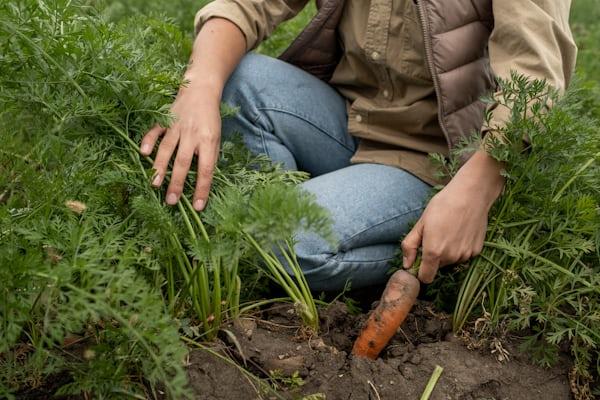
Video Tutorials
Watch these helpful videos to learn more about carrot care.
About carrot
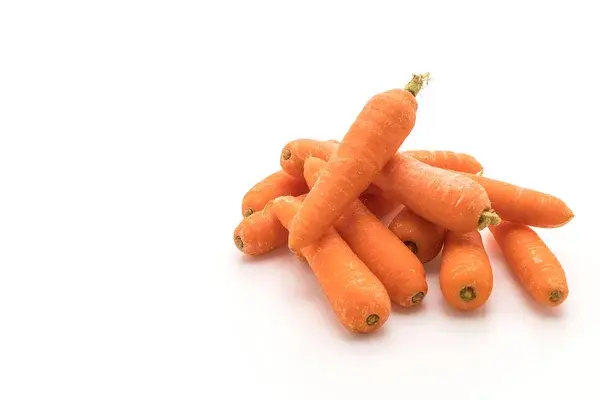
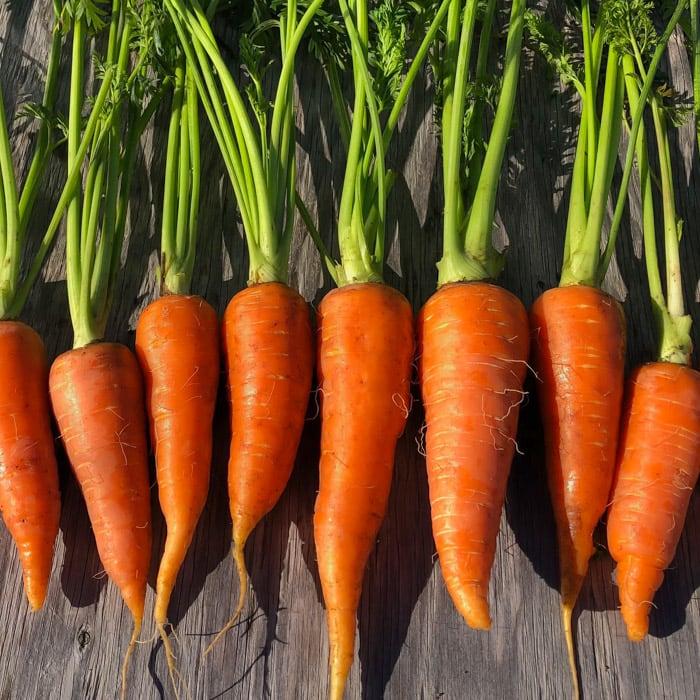
Carrots count among the most popular root vegetables in the world, loved for their natural sweetness and culinary versatility. The orange carrots were first developed from wild carrot in Afghanistan, then spread around the world to become a staple food. Carrots can be consumed fresh or roasted; they may also be taken as juice. They are rich in beta-carotene along with other vitamins. Carrots have moderate growing difficulty which makes them preferred by both beginner and experienced home gardeners because they do not take long to mature.
Cultivated carrots thrive in cool climates (55-65°F) and naturally prefer loose, well-draining soil. They originated in temperate regions and remain remarkably adaptable, now grown successfully through strategic seasonal planning across many climates.
As a garden crop, carrots deliver satisfying harvests in under three months. While they prefer outdoor gardens, carrots grow indoors in containers with proper lighting and consistent moisture. Success requires direct seeding, deep loose soil, and even watering. Unharvested carrots live two years, producing flowers in their second season.

Watering Schedule
Carrots demand consistent moisture to develop straight, sweet roots. Irregular watering causes cracking and bitter flavor.
Common Problems & Solutions
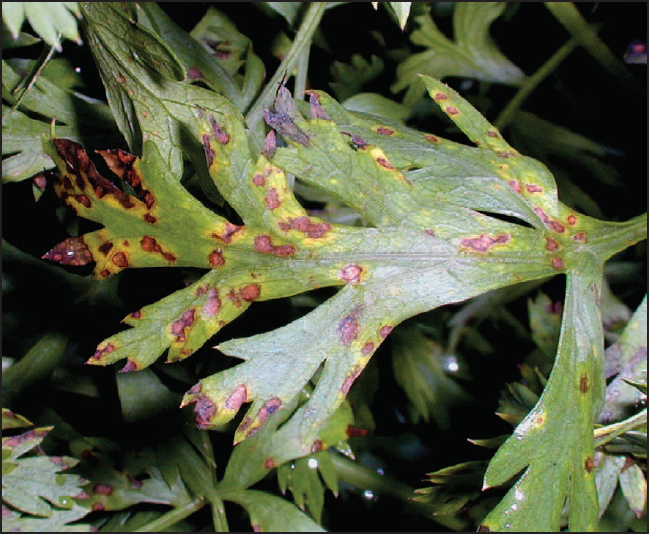
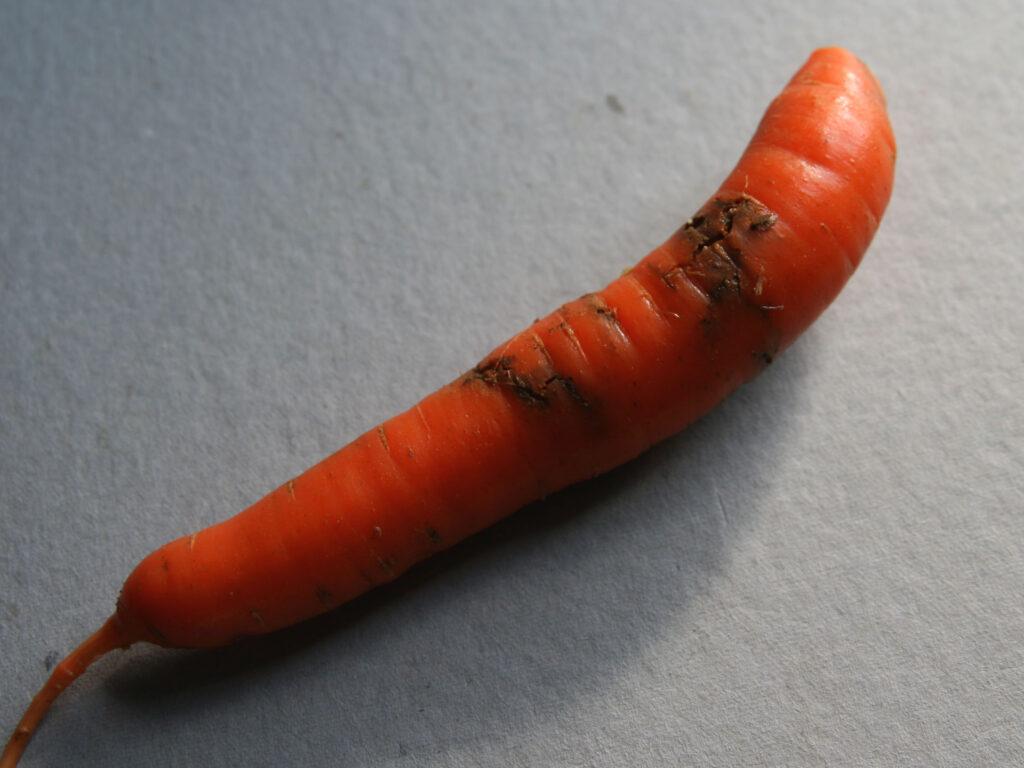
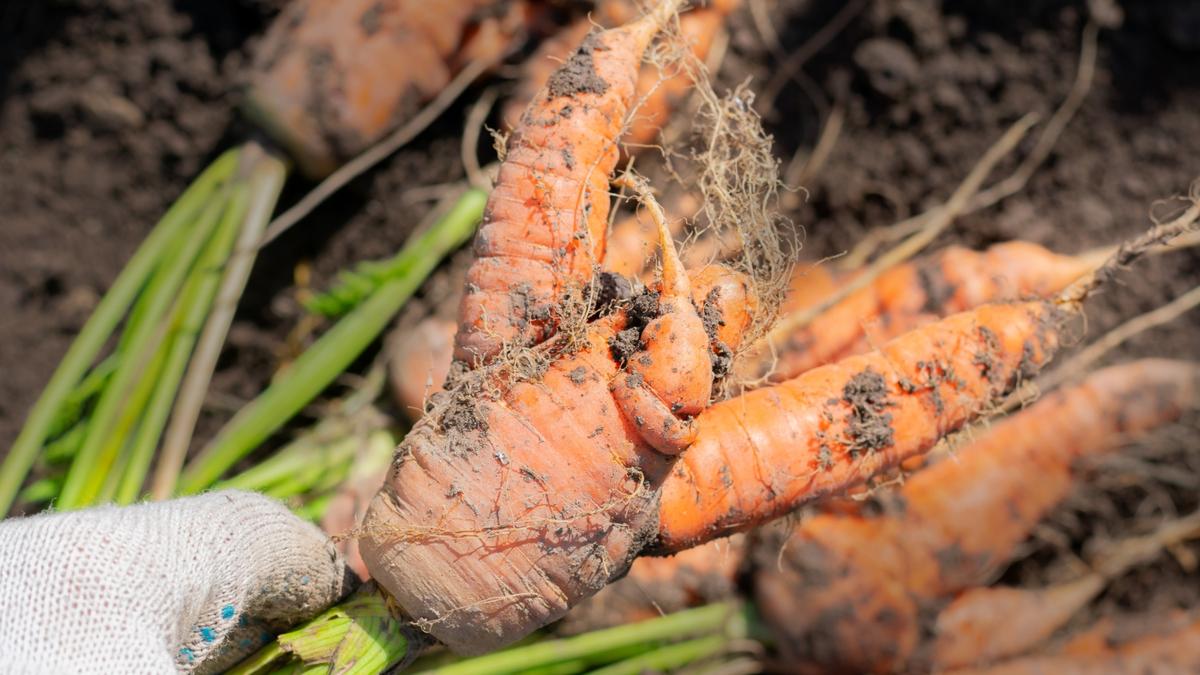
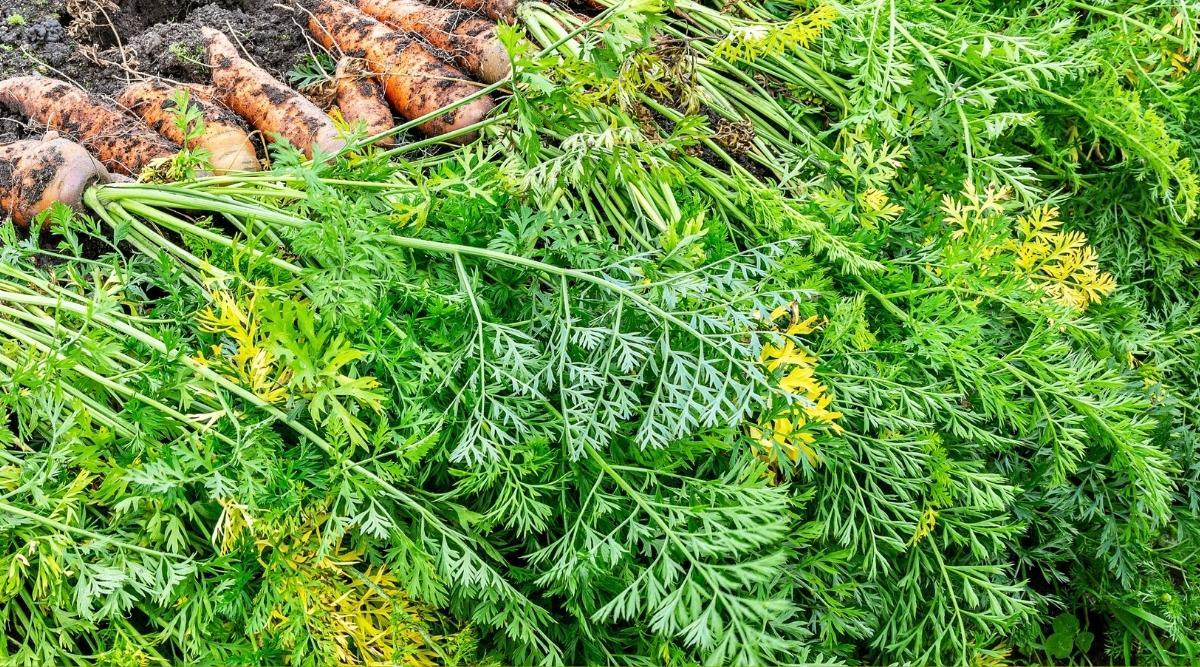
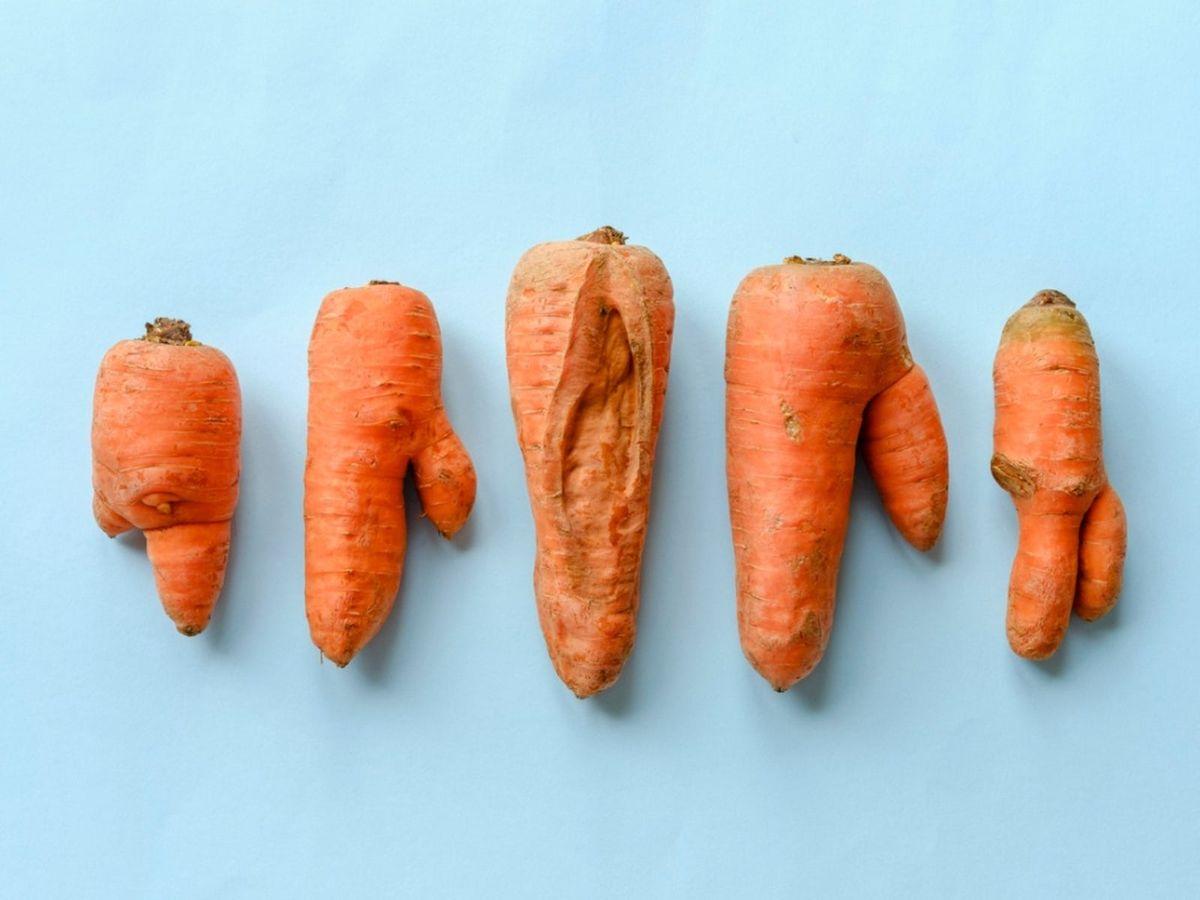
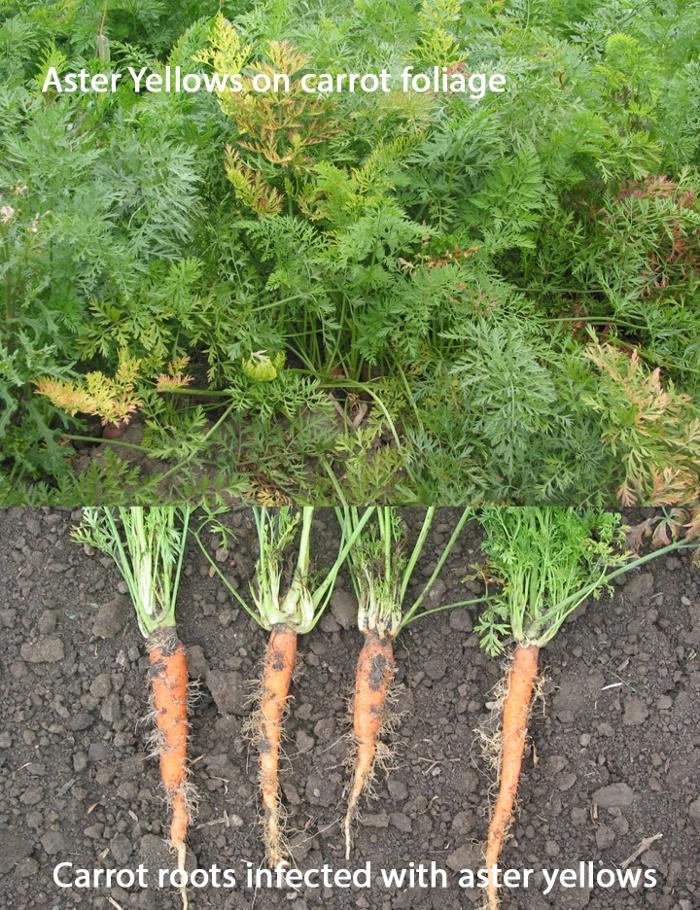
Here's how to identify and fix the most common carrot problems.
Popular Varieties
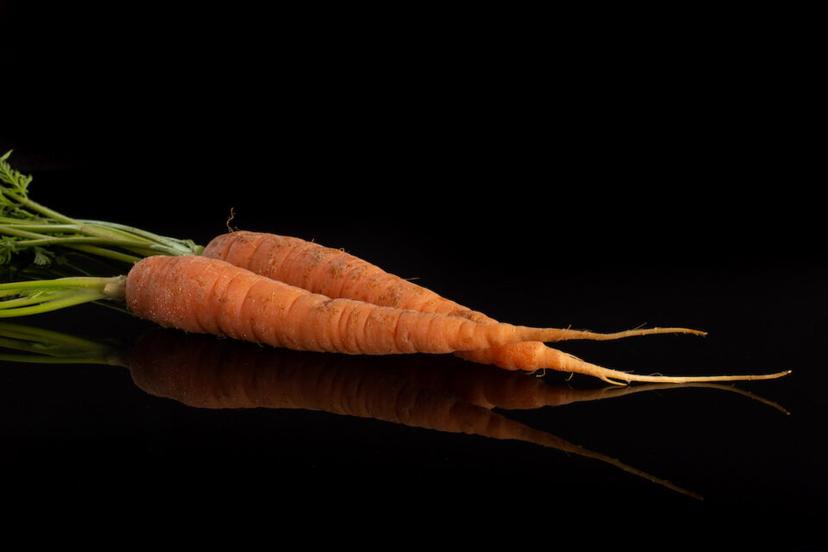
Explore different carrot varieties and find your perfect match.



Care Tips & Best Practices
Humidity
Carrots prefer 40-60% humidity. Mulch heavily in dry climates to retain moisture.
Feeding
Apply balanced fertilizer 30 days after germination. Use low-nitrogen formulas (1-9-3 ratio). Stop fertilizing in second half of season.
Cleaning
Remove dead foliage and weeds regularly to improve air circulation and prevent fungal diseases.
Support
Carrots don't need support. Mulch heavily to prevent root shoulders from turning green.
Thinning
Thin seedlings twice: first to 1 inch apart when 2 inches tall, then to 2-3 inches apart as they grow.
Rotation
Rotate carrots to different beds annually to prevent disease buildup and nutrient depletion.
Care Checklist
10 Common Mistakes to Avoid
Not loosening soil before planting
Why it's bad: Compacted soil forces roots to twist and deform, stunting growth.
Do this instead: Till soil 12 inches deep, remove all rocks, work in compost for loose planting bed.
Planting seeds too deeply
Why it's bad: Seeds deeper than 1/4 inch lack energy to push through and fail to germinate.
Do this instead: Press seeds 1/4 inch into soil, cover lightly with fine compost.
Failing to thin seedlings adequately
Why it's bad: Overcrowding causes competition, resulting in undersized and deformed roots.
Do this instead: Thin aggressively to 1 inch, then to 2-3 inch final spacing as plants grow.
Inconsistent watering patterns
Why it's bad: Irregular moisture causes cracking, bitterness, and disease susceptibility.
Do this instead: Water deeply and consistently, providing 1-2 inches weekly.
Using high-nitrogen fertilizer
Why it's bad: Excess nitrogen promotes foliage over root development.
Do this instead: Use low-nitrogen formula (1-9-3 ratio), fertilize only 30 days after germination.
Expecting perfectly straight carrots
Why it's bad: Home-grown carrots naturally bend; perfection requires intensive soil work.
Do this instead: Focus on flavor and nutrition rather than appearance.
Starting seeds indoors for later transplanting
Why it's bad: Carrot taproots cannot be transplanted without severe damage.
Do this instead: Always direct sow seeds outdoors or in containers where they grow to maturity.
Overcrowding in containers
Why it's bad: Too many plants compete for moisture and nutrients.
Do this instead: Use containers 12 inches deep; space plants 2-3 inches apart.
Insufficient light for indoor carrots
Why it's bad: Poor light produces spindly foliage and stunted, woody roots.
Do this instead: Use sunniest window or T5/LED grow lights 12 inches above plants, 12 hours daily.
Waiting too long to harvest
Why it's bad: Overripe carrots become woody, bitter, and prone to rot.
Do this instead: Harvest when roots reach 1/2 to 1 inch diameter; full size by 80 days maximum.
Frequently Asked Questions
Why do my carrot seeds take so long to germinate?
Carrot is one of the slowest seeds to sprout. Normal cool soil (55-65°F) takes 14-21 days for carrots to emerge, always keep the soil moist and be patient with nature. Cold, below 50°F or hot above 75°F dramatically delays germination.
Can I grow carrots indoors?
Yes, with 6-8 hours direct sun or strong grow lights and consistent moisture. Use containers 12+ inches deep with mini varieties like Little Finger.
Why are my carrots small and bitter?
Bitter, stunted carrots result from inconsistent watering, excessive nitrogen, overcrowding or lack of light. Maintain stability in all these factors- moisture, low nitrogen content in the fertilizer you use for top dressing when foliage is about 15cm high (6in), spacing between plants; ensure they receive six to eight hours of direct sunlight per day.
Are carrot greens edible?
Yes, carrot tops are nutritious and rich in vitamins. Use in salads, pesto, or cooked dishes. Remove and use quickly as greens wilt fast.
How long do carrots last in storage?
Carrots store 3-4 months in cool (32-40°F) humid conditions. Remove greens before storing. Danvers and Chantenay store longer than moist Nantes types.
Can I leave carrots in the ground to harvest later?
Yes, carrots stay in cool ground for weeks or months if mulched heavily. Flavor sweetens after frost. In cold zones, mulch 6+ inches and harvest before ground freezes.
What causes my carrots to crack and split?
Root cracking results from inconsistent watering, sudden heavy rain, or excessive nitrogen. Maintain steady moisture and use balanced fertilizer.
Why do carrots fork and deform?
Forked roots are caused by soil compaction, rocks, or debris. Prepare soil thoroughly 12 inches deep, removing obstructions. Raised beds solve this problem.
How much light do indoor carrots need?
Provide a DLI of 20-30 Mol/m²/day to indoor carrots. Place 6-8 high-output LED grow lamps one foot above the plants and operate them for twelve hours[1] Carrots will bolt prematurely if exposed to more than twelve hours of light per day.
When should I harvest carrots?
Harvest baby carrots at 50-60 days when roots reach 1/2 inch diameter. Full-size matures at 70-90 days when shoulders are 1 inch wide.
References & Sources
Information in this guide is based on these trusted sources.