
Calathea
Exotic prayer plants with stunning patterned foliage. Requires high humidity but rewards with breathtaking beauty.
Video Tutorials
Watch these helpful videos to learn more about Calathea care.
About Calathea
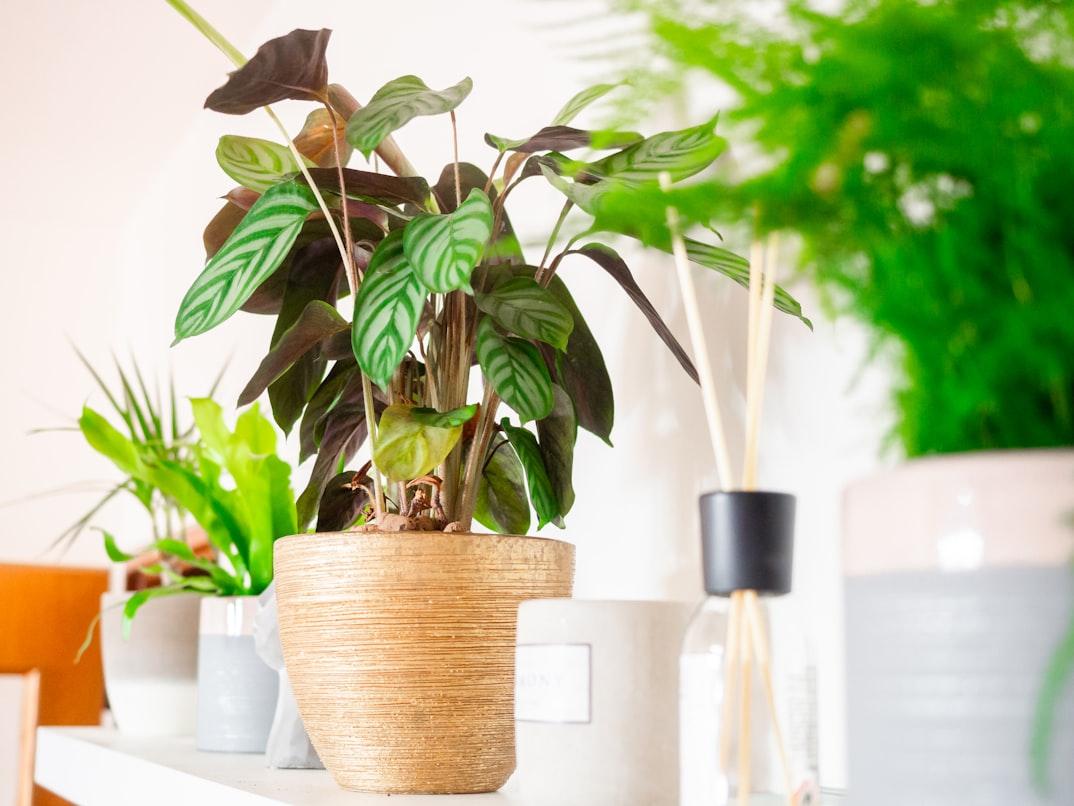
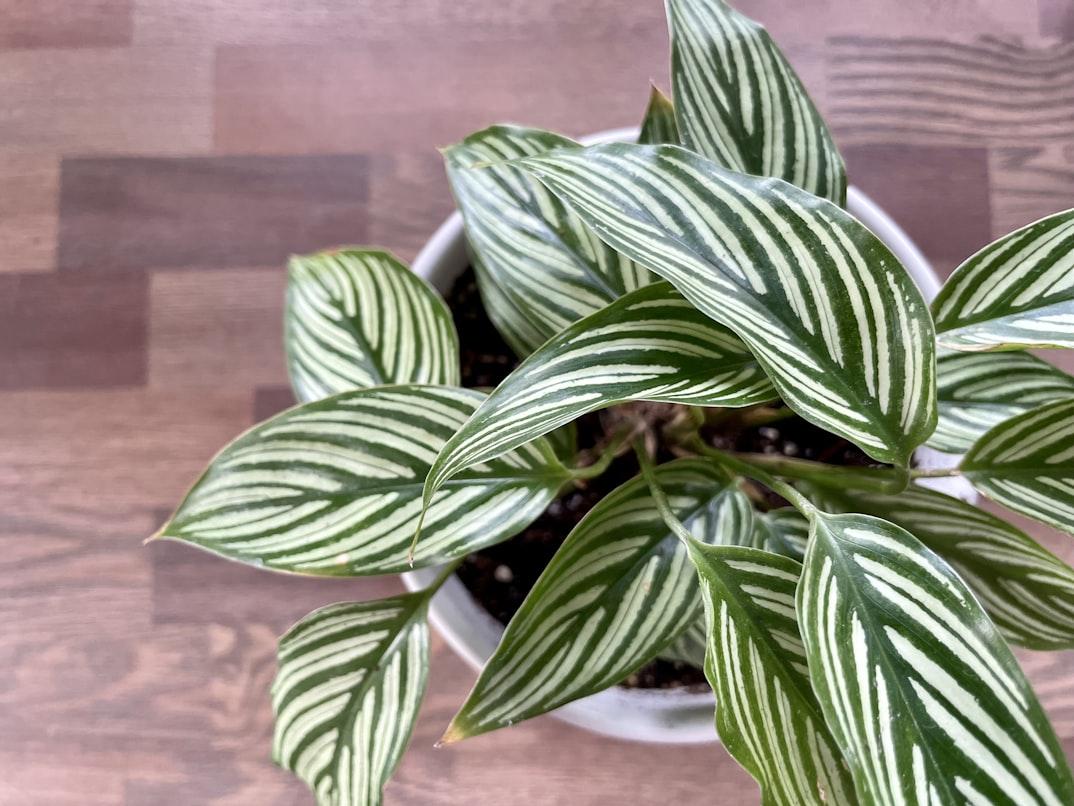
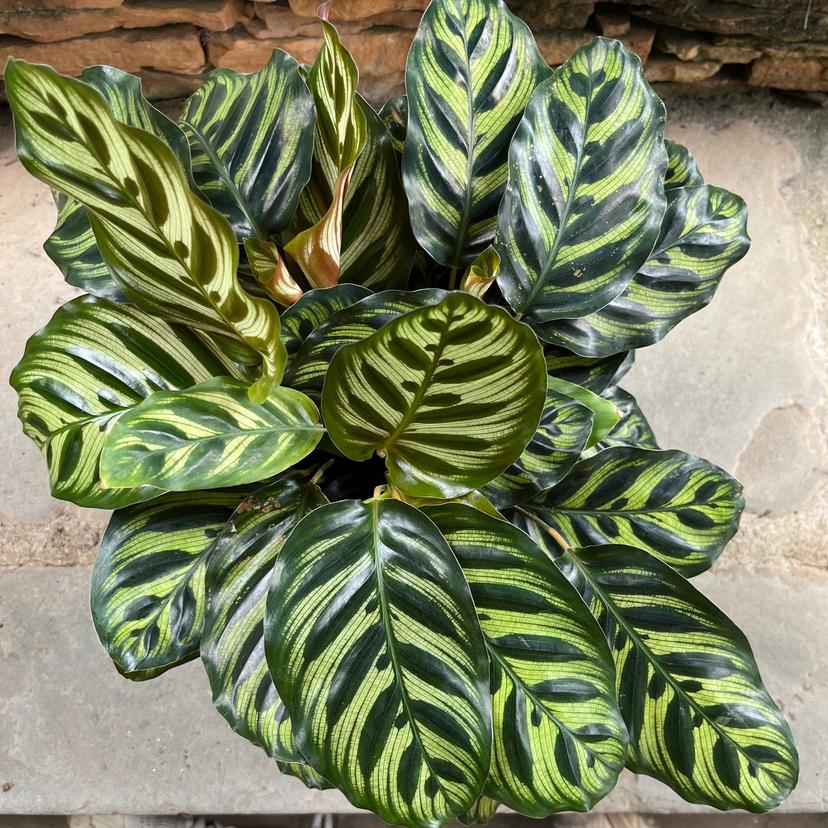
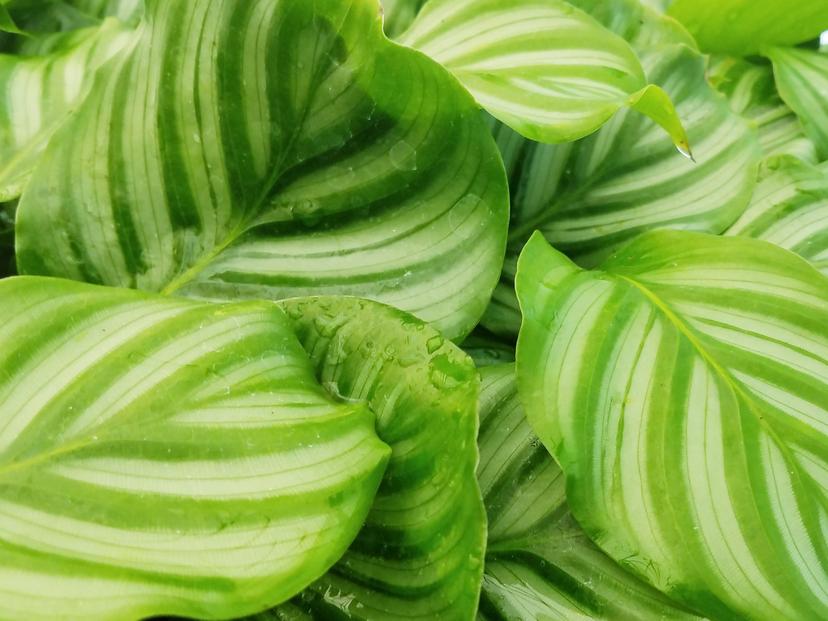
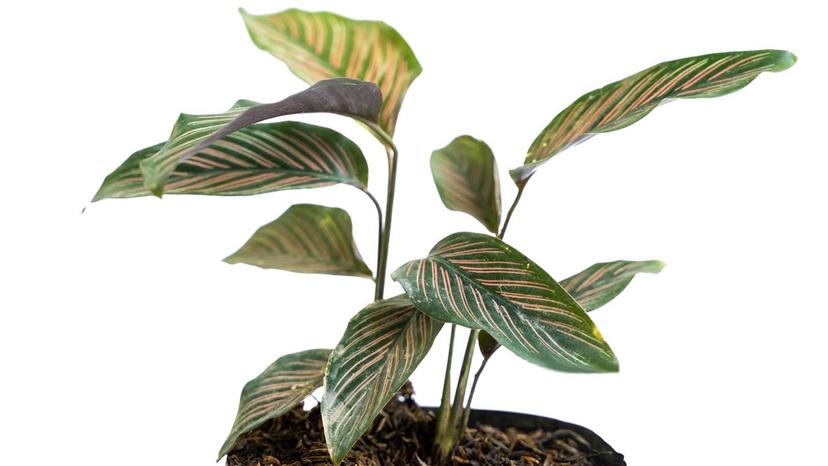
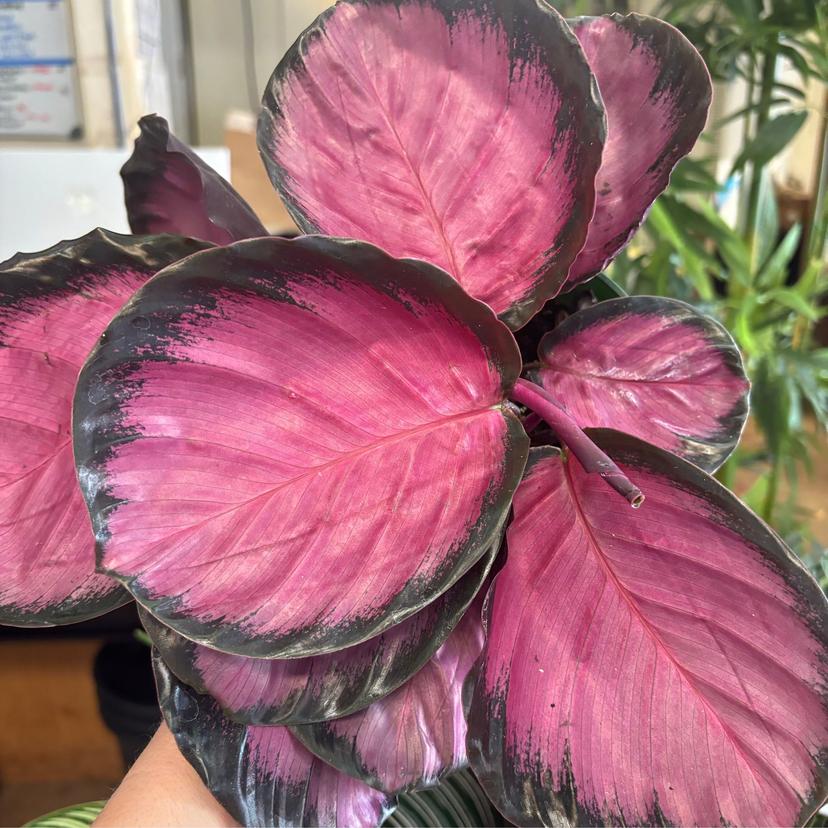
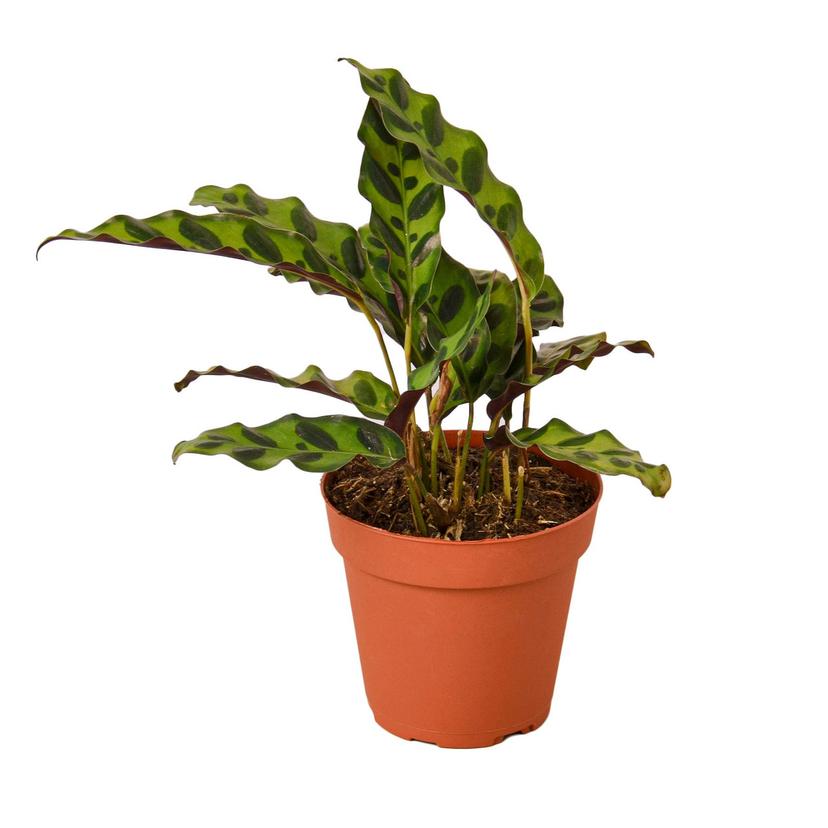
Calathea plants are tropical showstoppers with intricate leaf patterns and moving leaves. Prayer plants close leaves at night and reopen in morning light, creating magical effects. Popular varieties include peacock plants, orbifolia, and pinstripe plants. Their stunning foliage and pet-safe nature make them highly sought houseplants.
Native to tropical rainforests of Central and South America, calatheas evolved beneath dense forest canopies. They thrive in humid, warm environments with dappled light filtering through leaves. Their natural habitat explains their need for high humidity, consistent moisture, and protection from direct sun.
Indoors, calatheas reward dedicated plant parents with lush growth and mesmerizing leaf movements. They require 60-70% humidity, consistent soil moisture, bright indirect light, and protection from temperature fluctuations. Most varieties reach mature size in 3-5 years but display beautiful foliage within months with proper humidity and filtered water.
Watering Schedule
Keep soil evenly moist but never waterlogged. Water when top 1-2 inches feel dry, typically every 7-10 days. Always use distilled or filtered water, never chlorinated tap water which causes brown leaf tips.
Common Problems & Solutions
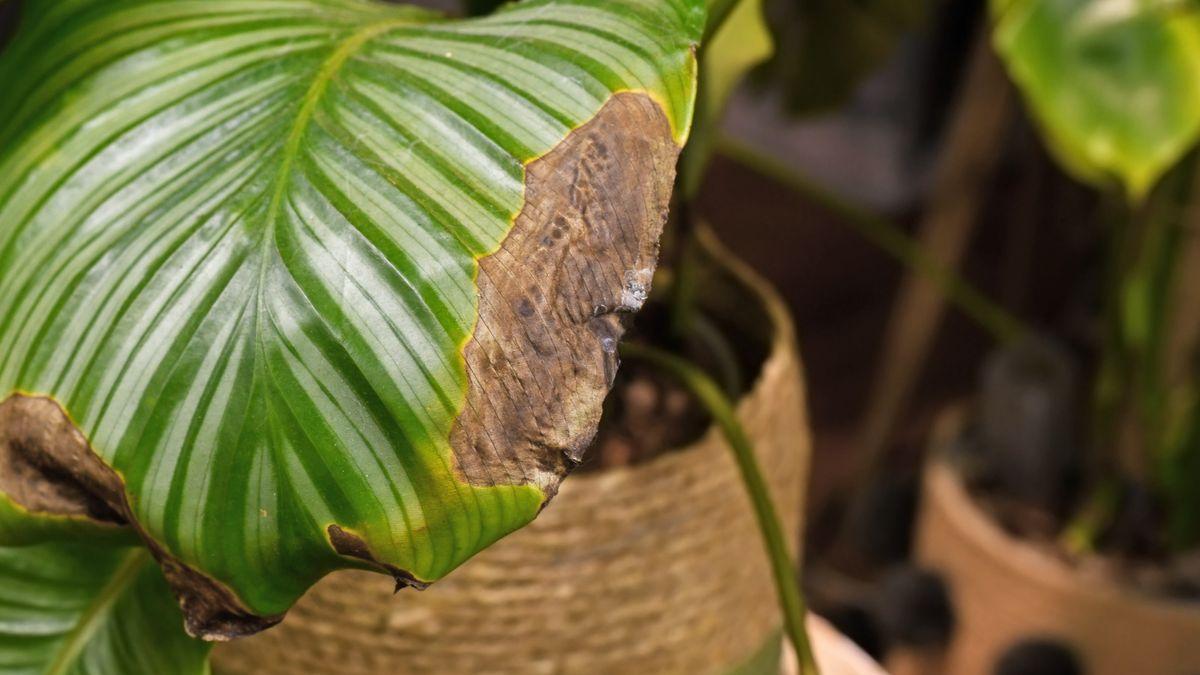
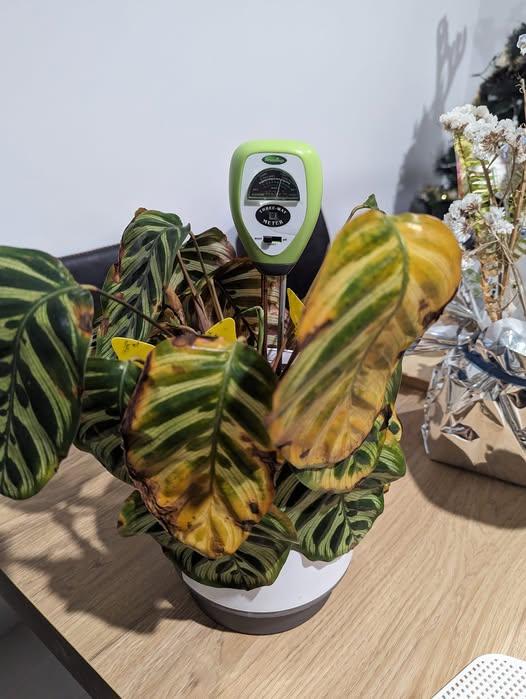
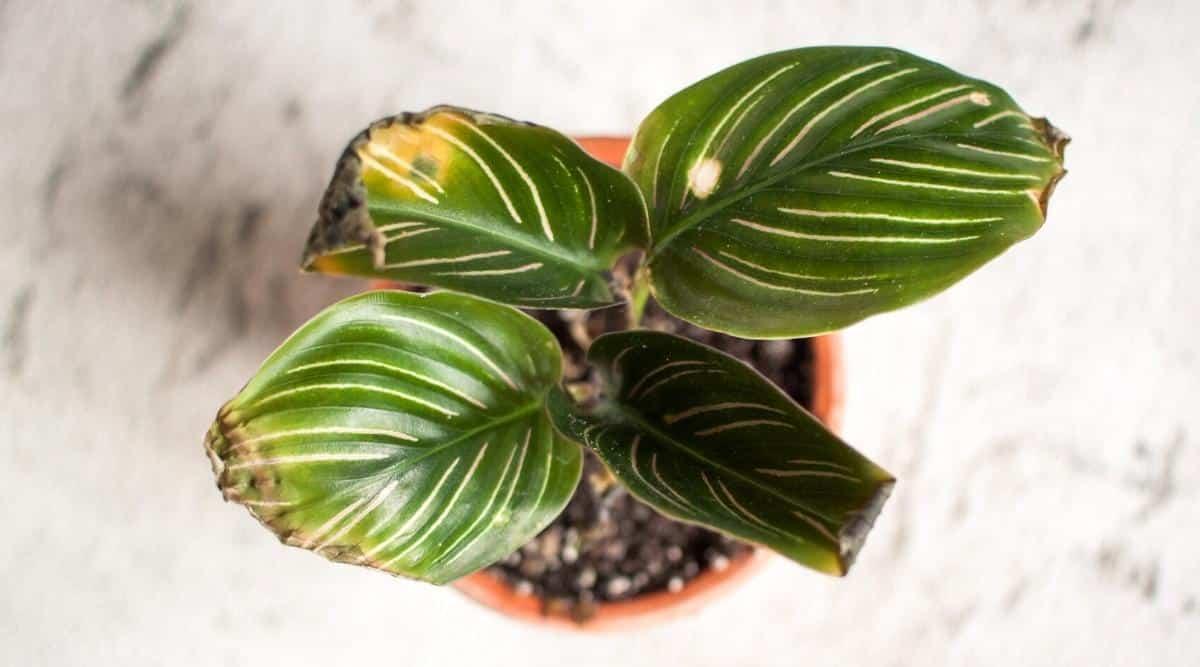
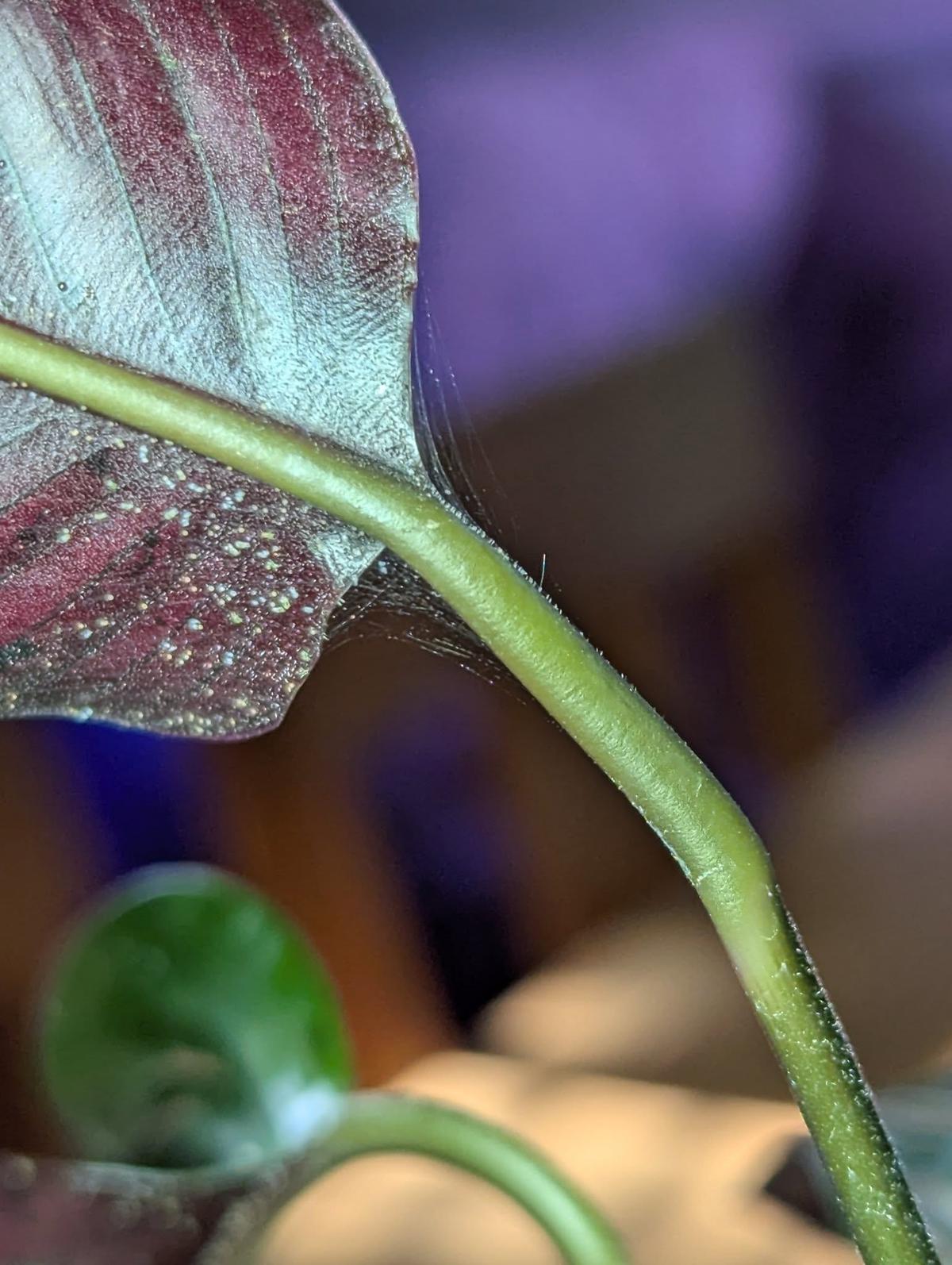
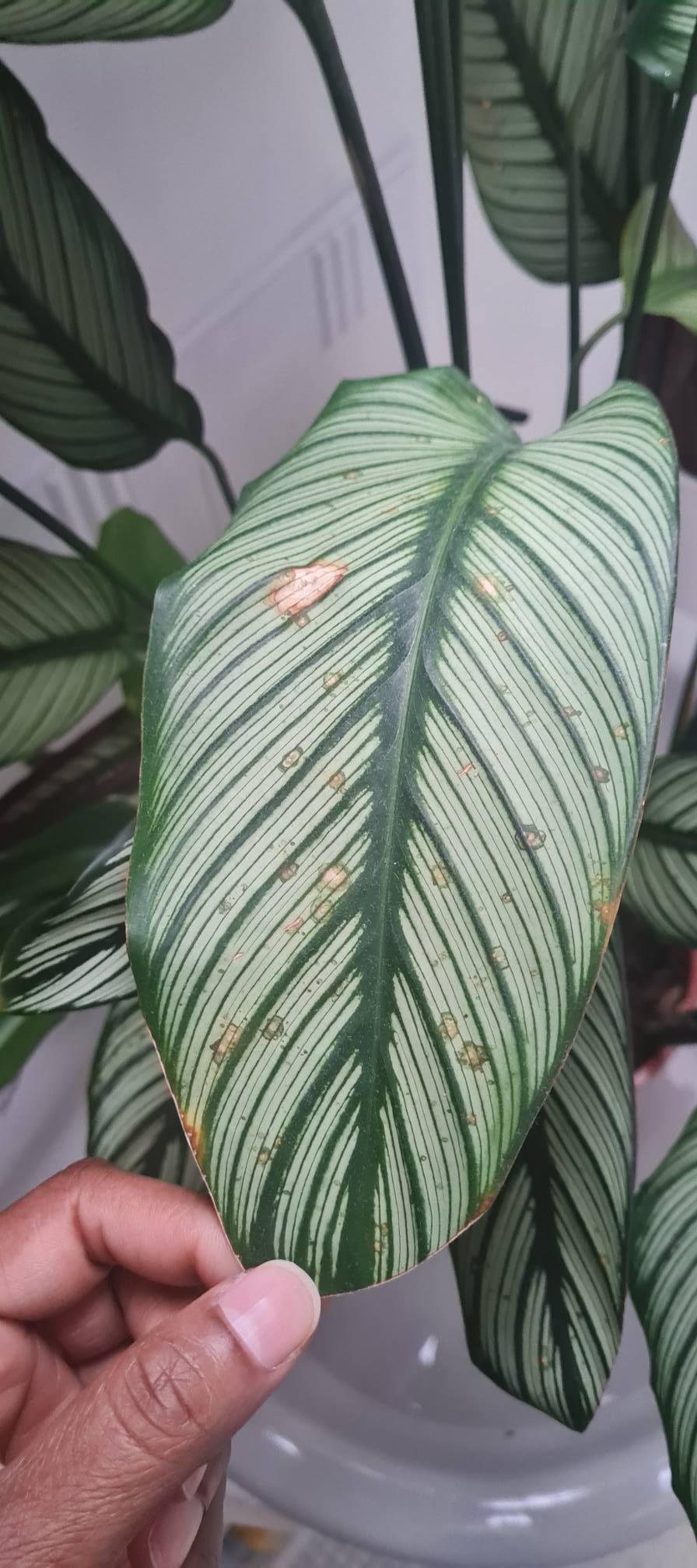
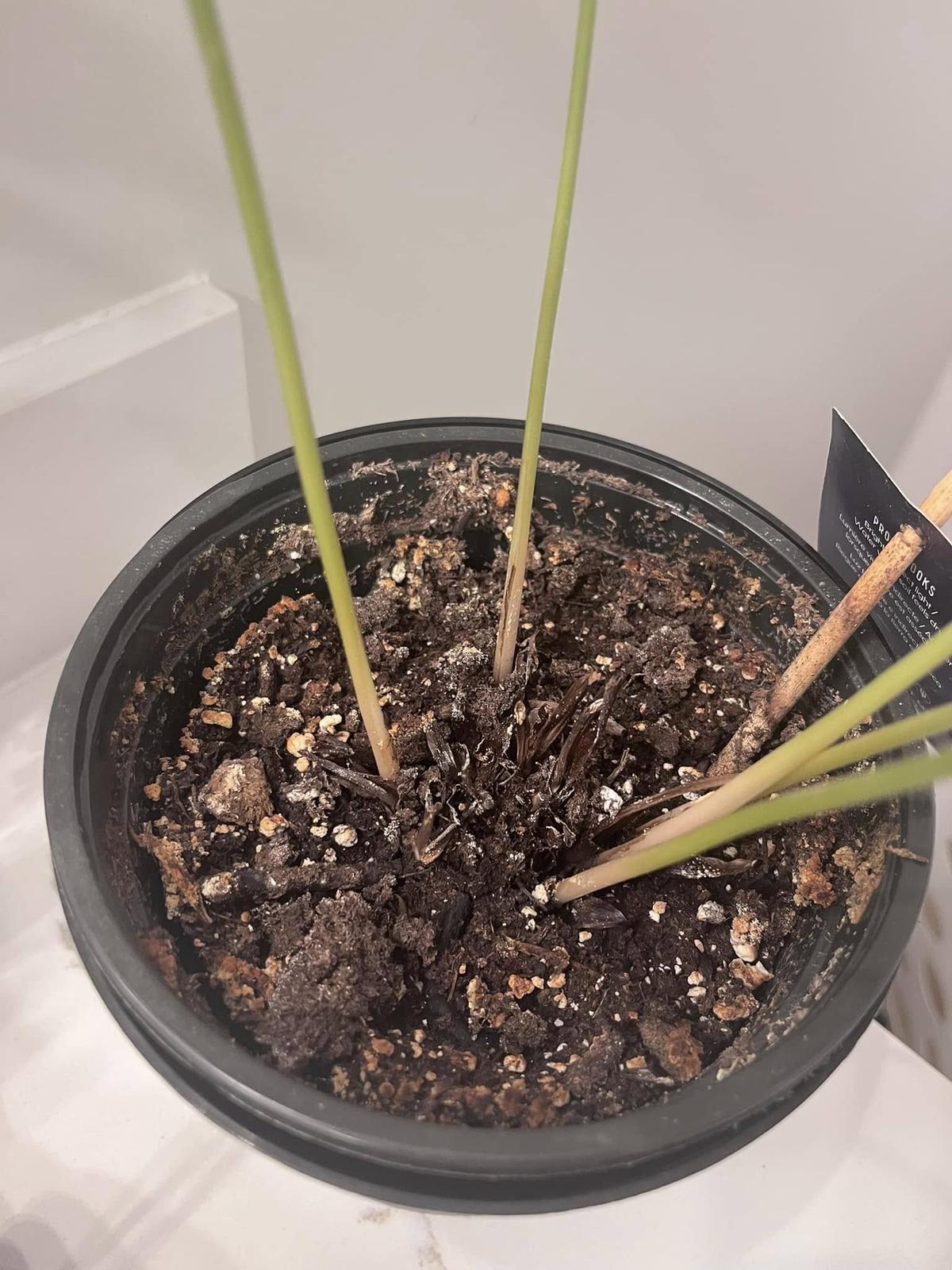
Here's how to identify and fix the most common Calathea problems.
Popular Varieties
Explore different Calathea varieties and find your perfect match.
Care Tips & Best Practices
Humidity
Maintain 60-70% humidity with humidifier, pebble tray, or misting 2-3 times daily. Group plants together. Bathrooms and kitchens provide natural humidity.
Feeding
Fertilize monthly March-August with diluted balanced formula. Use half-strength liquid fertilizer. Stop in fall-winter. Overfertilizing burns roots.
Cleaning
Dust leaves monthly with soft, damp cloth. Remove dust to improve light absorption. Never use commercial leaf shine products.
Water Quality
Always use distilled or filtered water. Leave tap water overnight for chlorine to evaporate. Tap water chemicals cause brown tips.
Pruning
Remove dead or yellowing leaves promptly. Cut old stems above nodes to encourage bushier growth.
Temperature
Maintain steady 65-75°F; avoid sudden changes. Keep away from cold drafts, heating vents, and AC blasts.
Care Checklist
10 Common Mistakes to Avoid
Using tap water without letting it sit overnight
Why it's bad: Chlorine and fluoride cause brown, crispy leaf tips within days.
Do this instead: Let tap water sit overnight for chlorine to evaporate or use distilled water.
Keeping humidity below 50%
Why it's bad: Low humidity triggers immediate leaf curling, browning, and stress.
Do this instead: Maintain 60-70% humidity with humidifier, misting, or pebble trays.
Placing in direct sunlight
Why it's bad: Direct sun scorches leaves brown and papery within days.
Do this instead: Keep in bright indirect light; filter strong rays with sheer curtains.
Overwatering without checking soil
Why it's bad: Waterlogged soil causes root rot and fungal infections.
Do this instead: Check soil; water only when top 1-2 inches feel dry.
Moving plant frequently for decoration
Why it's bad: Environmental changes stress sensitive plants causing leaf drop.
Do this instead: Choose location carefully; leave plant there permanently.
Using compacted heavy potting soil
Why it's bad: Dense soil waterloggs and prevents root oxygen.
Do this instead: Use airy mix: coco coir, perlite, vermiculite in equal parts.
Fertilizing year-round at full strength
Why it's bad: Overfertilizing burns roots and causes yellow leaves.
Do this instead: Fertilize only monthly March-August at half strength.
Never repotting despite roots circling pot
Why it's bad: Root-bound plants become stressed and stop growing.
Do this instead: Repot every 1-2 years in spring when roots circle pot.
Ignoring spider mites until severe infestation
Why it's bad: Mites spread rapidly on calatheas; hollow stems trap pests.
Do this instead: Inspect weekly for mites and treat immediately with neem oil.
Placing near heating vents or AC returns
Why it's bad: Temperature swings and dry air cause stress and leaf drop.
Do this instead: Keep in stable 65-75°F location away from all vents.
Frequently Asked Questions
Why do calathea leaves keep curling and browning?
Low humidity is the #1 cause. Increase humidity to 60-70% with humidifier or daily misting. Check water quality; tap water chemicals cause browning. Switch to distilled water.
How often should I water my calathea?
Water when top 1-2 inches feel dry, typically every 7-10 days. Keep soil consistently moist but never soggy. Overwatering causes root rot faster than underwatering.
Can calatheas tolerate low light?
Calatheas tolerate low and medium light but prefer bright indirect light. Growth slows significantly in low light. Darker varieties tolerate lower light better.
Is calathea toxic to cats and dogs?
No, calatheas are completely non-toxic to cats and dogs per ASPCA. They're safe for pet-friendly homes. Large ingestion may cause mild digestive upset.
What humidity level do calatheas need?
Most calatheas prefer 60-70% humidity. Use humidifier, pebble trays, or mist 2-3 times daily. Bathrooms and kitchens provide natural humidity.
How do I propagate calathea plants?
Divide mature calatheas in spring by separating root clumps. Each division needs 2-3 leaves and visible roots. Plant in moist soil and keep humid for 2-3 weeks.
What's the best soil mix for calatheas?
Mix equal parts coco coir, perlite, and vermiculite. Add worm castings and activated charcoal. This balances moisture retention with drainage perfectly.
When should I repot my calathea?
Repot every 1-2 years in spring when roots circle the pot. Increase pot size by just 1 inch; larger pots hold excess moisture. Use fresh soil.
Why are my calathea leaves turning yellow?
Overwatering and root rot are main causes. Check roots immediately; if mushy, repot into fresh soil. Other causes include low light and pests.
How fast do calatheas grow indoors?
Calatheas grow slowly to moderately, producing 1-2 new leaves monthly in optimal conditions. It takes 3-5 years to reach full maturity.
References & Sources
Information in this guide is based on these trusted sources.