
Bonsai
Living sculptures shaped by patient hands - ancient trees transformed into miniature masterpieces that bring zen and natural beauty to any space.
Video Tutorials
Watch these helpful videos to learn more about Bonsai care.
About Bonsai
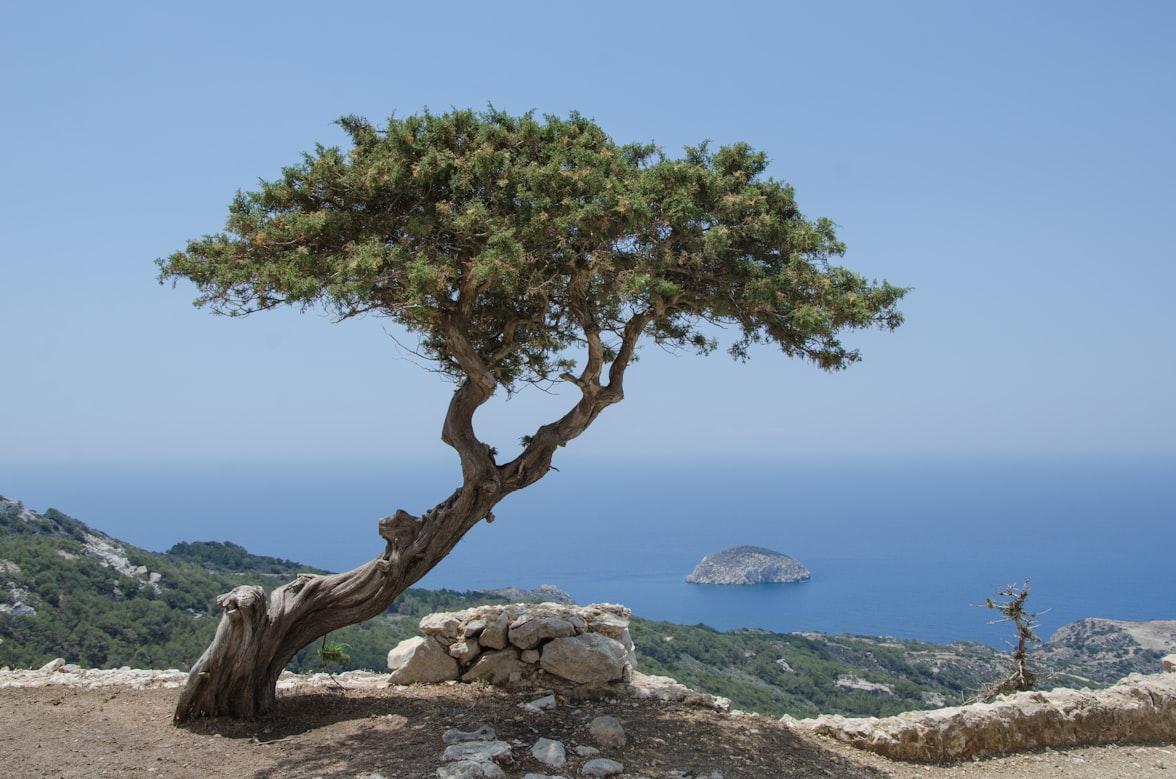
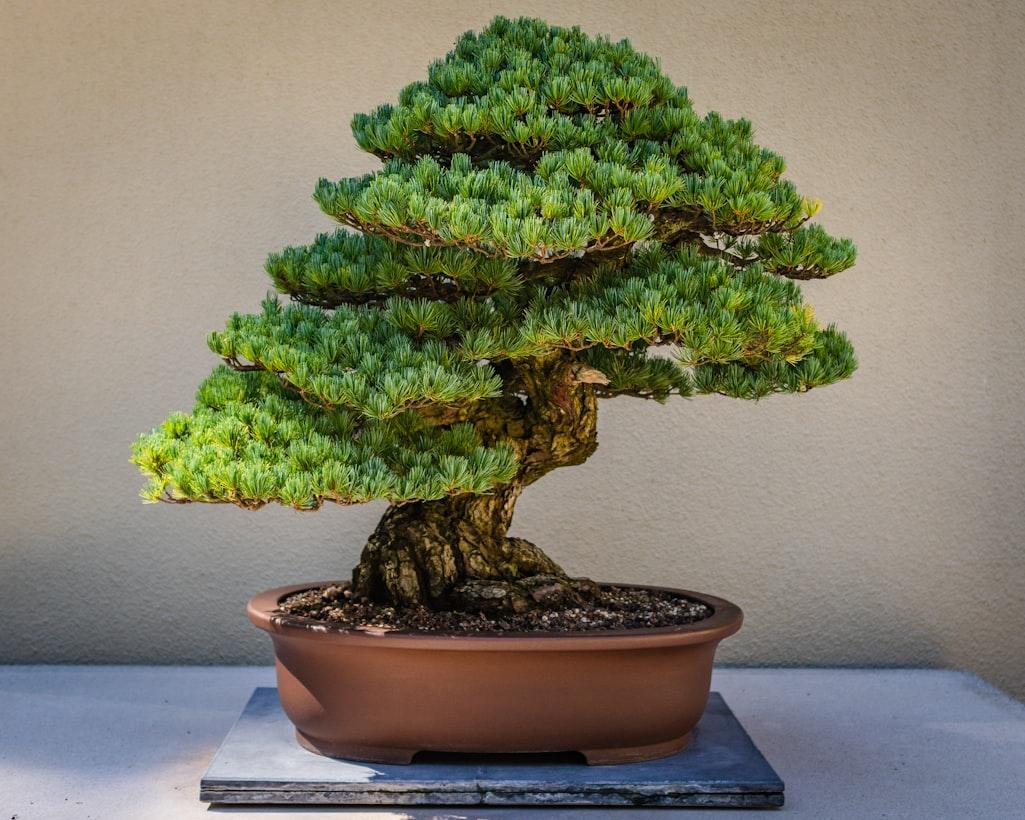
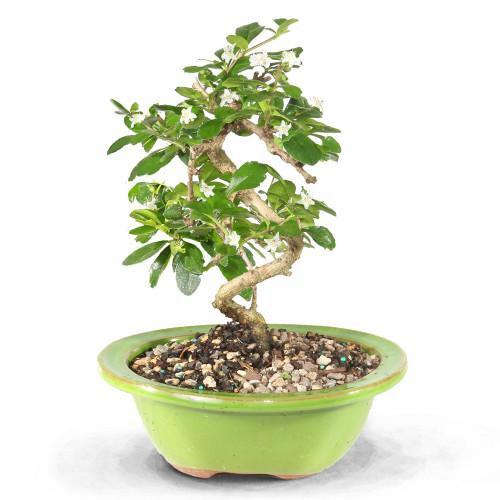
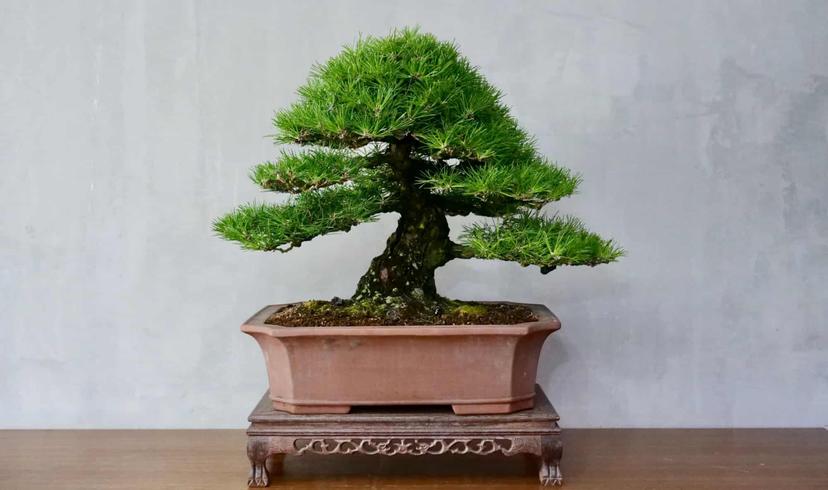
Bonsai represents centuries of Japanese horticultural artistry - the practice of cultivating miniature trees in containers. The word itself means 'tree in a pot,' but bonsai transcends simple horticulture to become living art. These aren't genetically dwarf plants but full-sized tree species meticulously shaped, pruned, and wired to create natural-looking miniatures. Collectors and enthusiasts find deep satisfaction in the meditative practice of bonsai cultivation, watching decades unfold in small spaces.
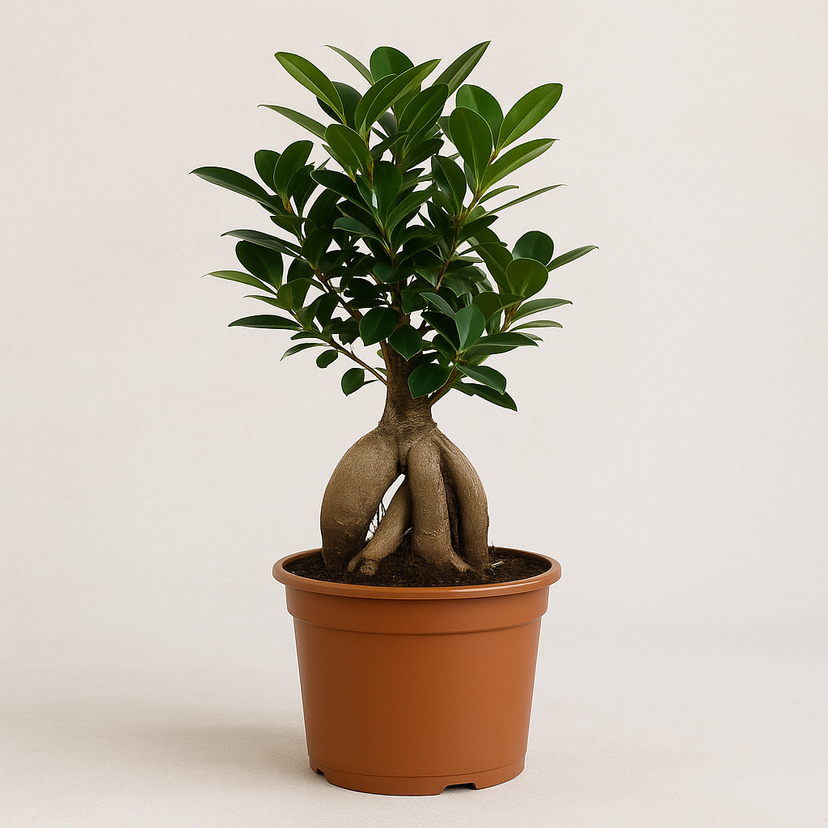
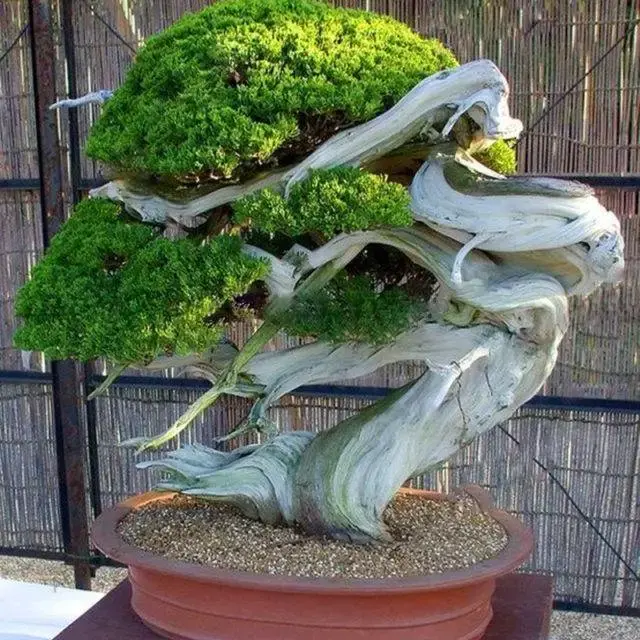
Bonsai species originate from diverse climates worldwide. Some, like hardy junipers, evolved in rocky mountainous regions requiring outdoor exposure and cold winters. Others, such as tropical ficus species, come from warm rainforests where year-round warmth and humidity prevail. Understanding each tree's native environment is crucial since bonsai inherently resist being forced into unnatural conditions.
As living art for homes and offices, bonsai demand commitment. Unlike typical houseplants, they require daily attention, precise watering, adequate light, and regular pruning. Properly maintained bonsai can live for centuries, becoming family heirlooms passed through generations. Many indoor species thrive on sunny windowsills with proper care, though outdoor bonsai reveal their full potential and authentic beauty.
Watering Schedule
Bonsai watering demands precision because small containers dry quickly while staying oversaturated easily. Water thoroughly but allow soil to dry between waterings. The exact schedule varies dramatically by species, season, container size, and environment.
Common Problems & Solutions
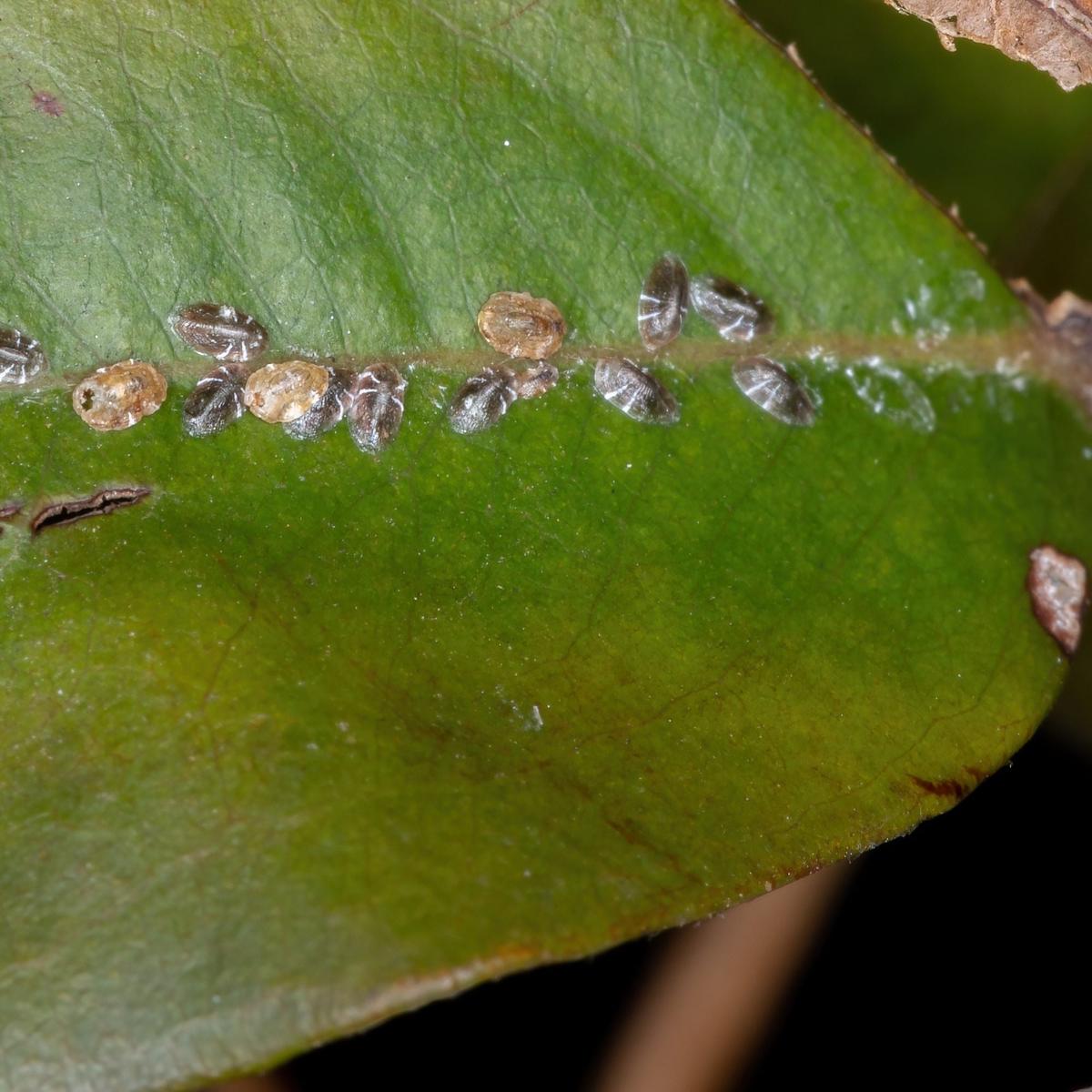
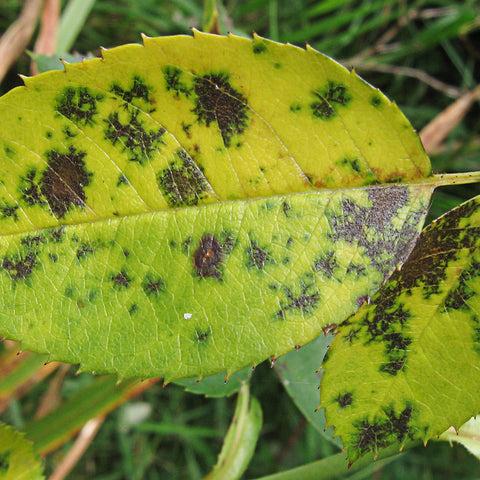
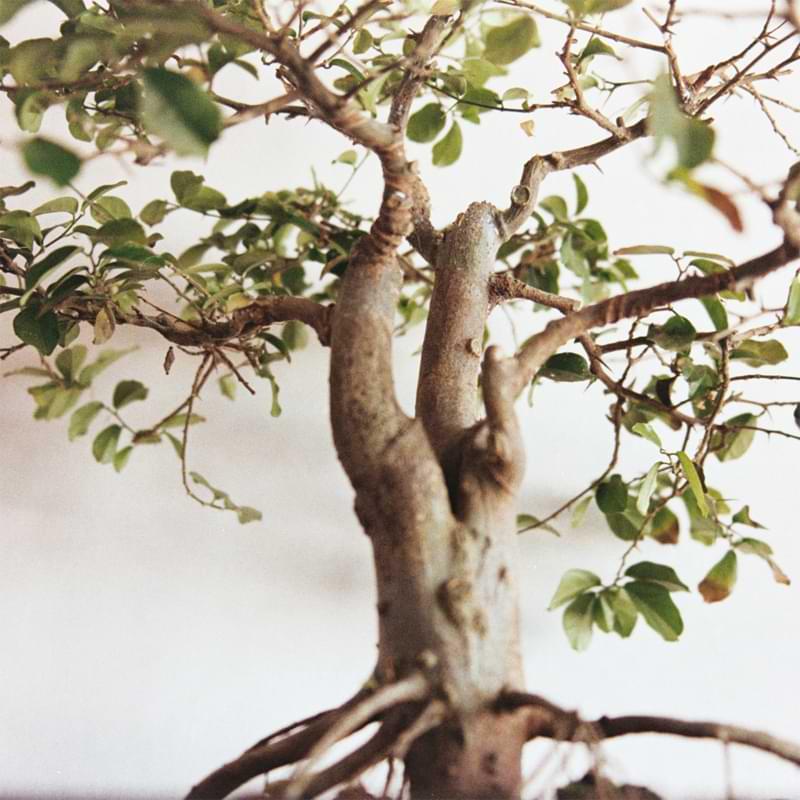
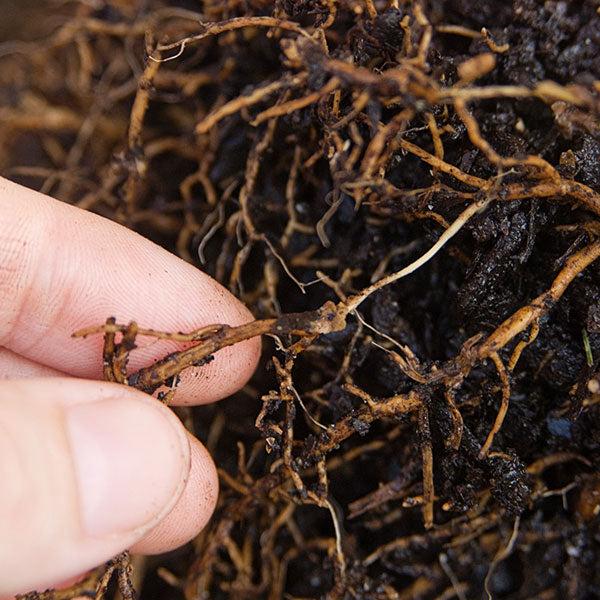
Here's how to identify and fix the most common Bonsai problems.
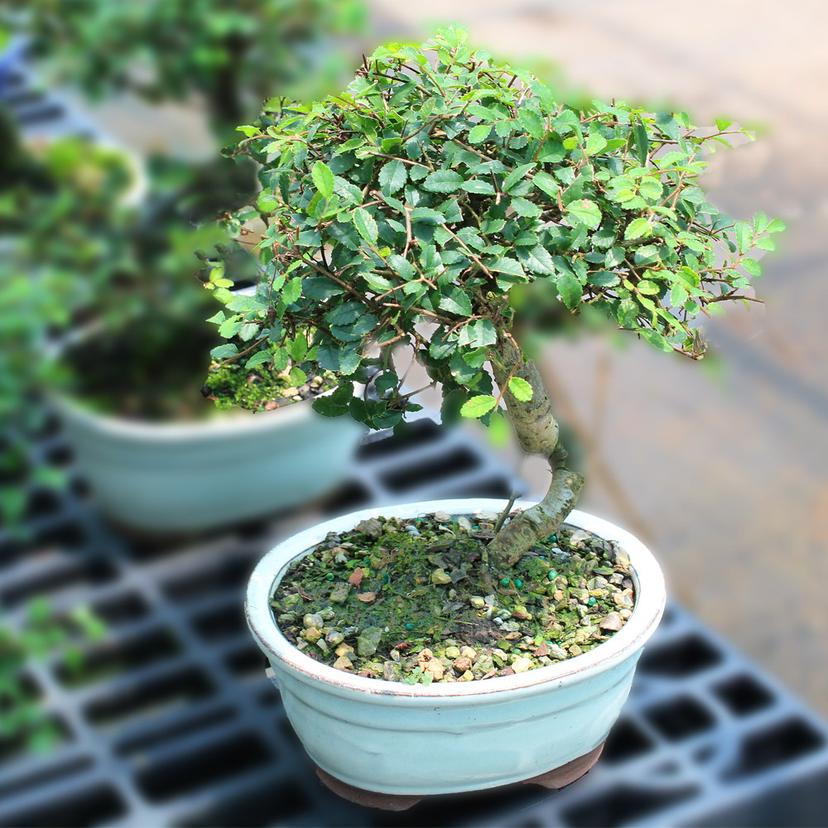
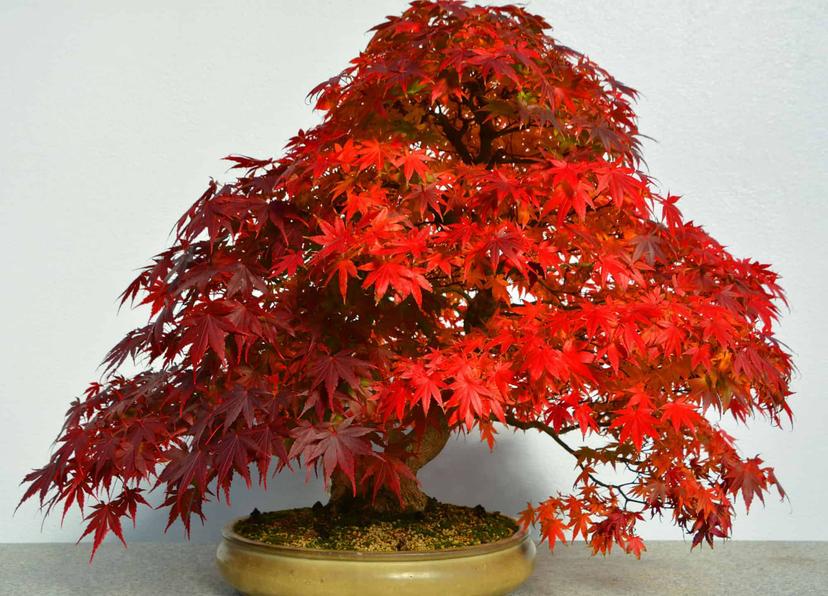
Popular Varieties
Explore different Bonsai varieties and find your perfect match.
Care Tips & Best Practices
Humidity Management
Use humidity trays filled with water and pebbles; place bonsai pot on pebbles above water line. Mist indoor trees 1-2 times daily except during blooming. Outdoor bonsai gain humidity naturally. Tropical species like ficus need 50-70% humidity.
Feeding and Fertilizing
Feed spring and summer monthly with balanced liquid bonsai fertilizer at half strength. Never fertilize fall and winter; trees are dormant and need no nutrients. Overfeeding causes salt buildup damaging roots.
Leaf Cleaning
Dust leaves quarterly with soft brush to remove dust blocking sunlight. Never use leaf shine products on bonsai; they clog pores. Remove dead leaves anytime they appear.
Pruning and Maintenance
Pinch back new growth regularly to maintain shape and encourage branching. Cut back to 2 leaves after 6-8 leaves grow. Prune in early spring and summer during active growth for best results.
Wiring and Shaping
Apply wire in early spring when branches are pliable. Check wires monthly; remove before they cut into bark. Leave wire on for 6-12 months depending on species; longer for conifers.
Seasonal Rotation
Rotate weekly for even light exposure and balanced growth. Move outdoor bonsai indoors before first frost. Bring indoor tropical species outside after last frost danger passes.
Care Checklist
10 Common Mistakes to Avoid
Inconsistent or random watering
Why it's bad: Bonsai need consistent soil moisture levels; erratic watering causes stress, leaf drop, and root damage.
Do this instead: Check soil daily; water thoroughly when top 1 inch is dry. Establish routine; consistency matters more than frequency.
Overwatering and waterlogging soil
Why it's bad: Waterlogged soil suffocates roots within days; roots rot and tree dies rapidly.
Do this instead: Use well-draining bonsai soil; ensure pots have drainage holes. Water thoroughly but allow drying between.
Keeping bonsai indoors 24/7
Why it's bad: Outdoor species need outdoor placement, cold winters, and natural light cycles.
Do this instead: Move outdoor bonsai outside May-September minimum. Tropical species alone can stay indoors; most need outdoor time.
Insufficient light indoors
Why it's bad: Indoor light is far weaker than outdoor; trees weaken, become susceptible to pests, and stop growing.
Do this instead: Place on brightest windowsill with 6-8 hours direct sun. Use grow lights if insufficient natural light available.
Moving tree constantly
Why it's bad: Frequent relocation stresses trees; they struggle to acclimate to changing light and temperature.
Do this instead: Choose one bright, stable location. Leave tree there for months. Rotate weekly for even growth but don't relocate.
Repotting on calendar schedules
Why it's bad: Unnecessary repotting stresses trees; some species need repotting yearly while others need it every 5 years.
Do this instead: Repot when soil hardens, roots circle pot, or growth slows despite good care. Let growth patterns guide timing.
Fertilizing during dormancy
Why it's bad: Winter and fall feeding disrupts natural dormancy cycles; causes weakness and poor branch structure.
Do this instead: Feed only spring and summer during active growth. Skip fall and winter entirely.
Using standard potting soil
Why it's bad: Regular potting soil retains too much moisture; bonsai roots rot in compact soil.
Do this instead: Use specialized bonsai soil mixes with large particles ensuring rapid drainage.
Ignoring pests until too late
Why it's bad: Spider mites, scale, and aphids reproduce rapidly; untreated infestations kill trees.
Do this instead: Inspect weekly for pests. Treat immediately with insecticidal soap. Isolate from other plants.
Expecting quick results
Why it's bad: Bonsai development takes years to decades; impatience leads to over-pruning or premature styling.
Do this instead: Accept that trees develop gradually. Enjoy the journey. Quality bonsai are refined over 8-10+ years.
Frequently Asked Questions
Can I keep bonsai indoors year-round?
Only tropical indoor species like ficus can stay indoors. Outdoor species like juniper and maple need outdoor placement, cold winters, and natural light cycles. Even indoor tropical species benefit from outdoor time May-September.
How often should I water my bonsai?
Check soil daily; water when top 1 inch feels dry. This might be daily in summer or every 2-3 days in winter. Never water on a fixed schedule. The exact frequency depends on species, pot size, soil, light, temperature, and humidity.
What light does bonsai need?
Most bonsai need 5-8 hours of direct sunlight daily. Indoor placement near bright windows works for tropical species. Outdoor bonsai need full sun or bright indirect light. Without adequate light, trees weaken and decline.
How do I know when to repot?
Repot when soil becomes hard and compact, roots circle inside pot, or growth slows despite good care. Young trees need repotting every 1-2 years; mature specimens every 3-5 years. Spring is ideal for most species.
Are bonsai toxic to pets?
Most bonsai species are safe for cats and dogs; only pyracantha berries are toxic. However, fertilizers and pesticides used on bonsai can harm pets, so place plants out of reach of curious animals.
How long does it take to develop a nice bonsai?
Basic development takes 3-5 years of consistent care. A refined specimen requires 8-10 years. Truly aged masterpieces take 20-50+ years. Patience and dedication are essential; bonsai reward commitment over decades.
Can I propagate my own bonsai?
Yes, through cuttings, seeds, air layering, or division. Cuttings root in 4-6 weeks and create genetic clones. Air layering creates specimens with superior roots quickly. Each method has advantages depending on desired results.
What soil should I use?
Use specialized bonsai soil mixes with large particles (bark, pumice, akadama) ensuring excellent drainage. Standard potting soil compacts and waterloggs, causing root rot. Drainage is critical; it matters more than nutrient content.
Why are my bonsai leaves turning yellow?
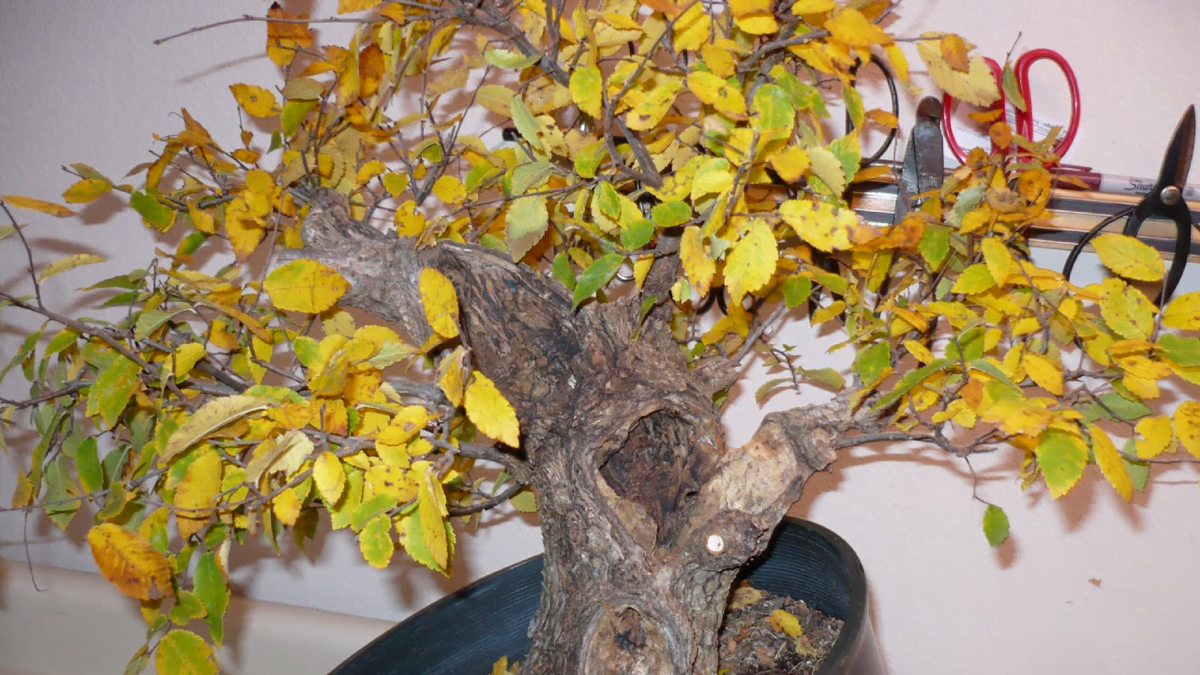
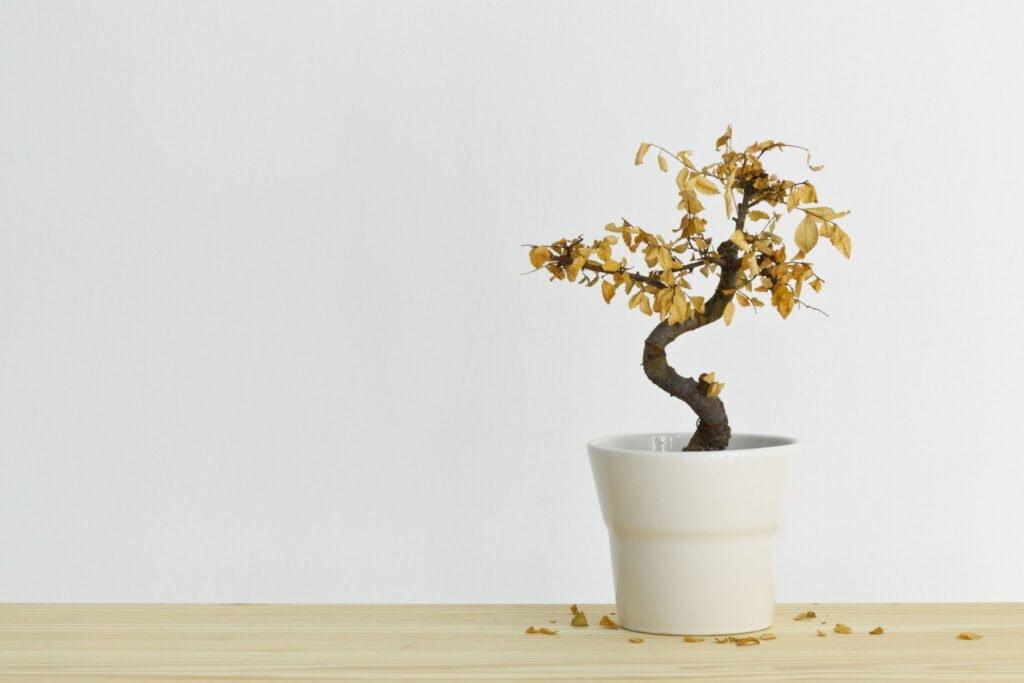
Yellow leaves indicate underwatering, overwatering, nutrient deficiency, low light, or root problems. Assess soil moisture first; adjust watering accordingly. Move to brighter location and consider fertilizing. Check soil for root rot.
How do I prevent pests and fungal infections?
Inspect weekly for spider mites, scale, and aphids. Maintain good air circulation, adequate light, and proper humidity. Isolate new plants before bringing home. Treat infestations immediately with insecticidal soap or fungicide.
References & Sources
Information in this guide is based on these trusted sources.