Plantlyze
HomeHow It WorksIntegrationsPricingContact
Get Started
All Plants
Popular Houseplant

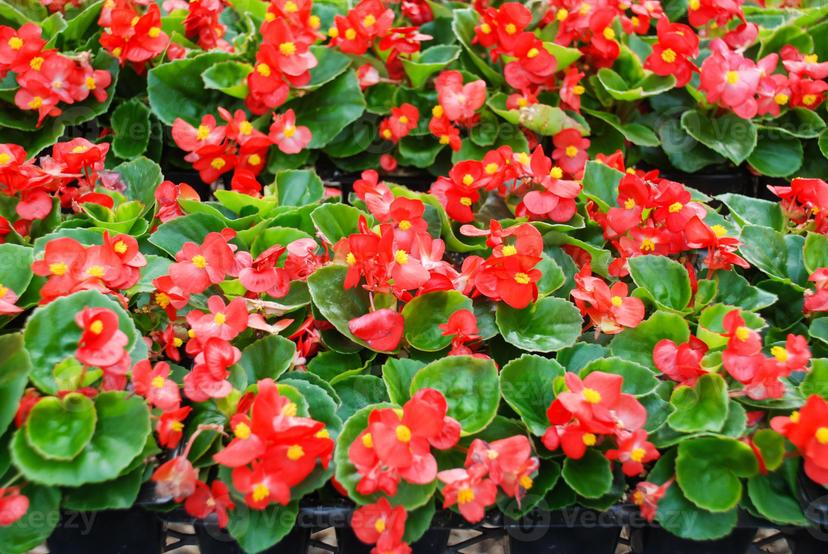
Begonia

Vibrant houseplant with dazzling leaves and blooms that thrive in shady spots. Perfect for adding tropical flair indoors year-round.
5 min read
Begonia - Begonia spp.
Light
Bright Indirect Light
Water
When Top Soil Dries
Temperature
60-75°F
Humidity
50-60%
Difficulty
Moderate
Pet Safe
Toxic

Video Tutorials

Watch these helpful videos to learn more about Begonia care.

Indoor Begonia Care Guide 🌿// Garden Answer

About Begonia

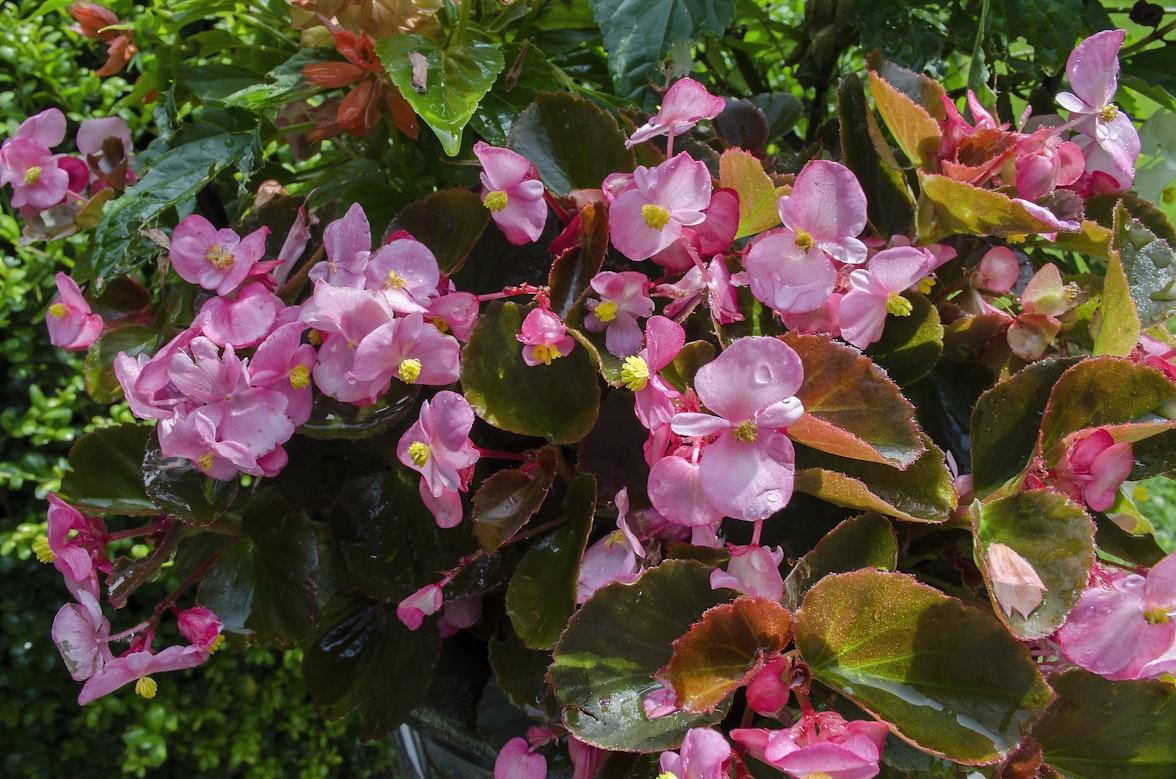
Begonias steal the show with bold, colorful leaves and nonstop flowers. Homeowners love them for easy shade-loving growth and variety from polka dots to metallic sheen.

Native to tropical forests in Central America, South America, Africa, and Asia, they grow under canopies in moist, humid shade.

Indoors, they live years with steady care. Water sparingly, boost humidity, and provide filtered light for lush, long-lasting displays.
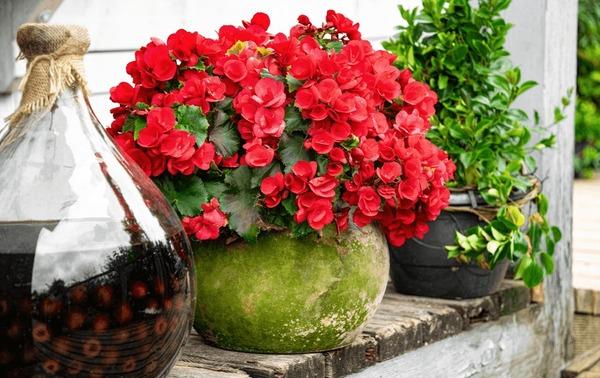
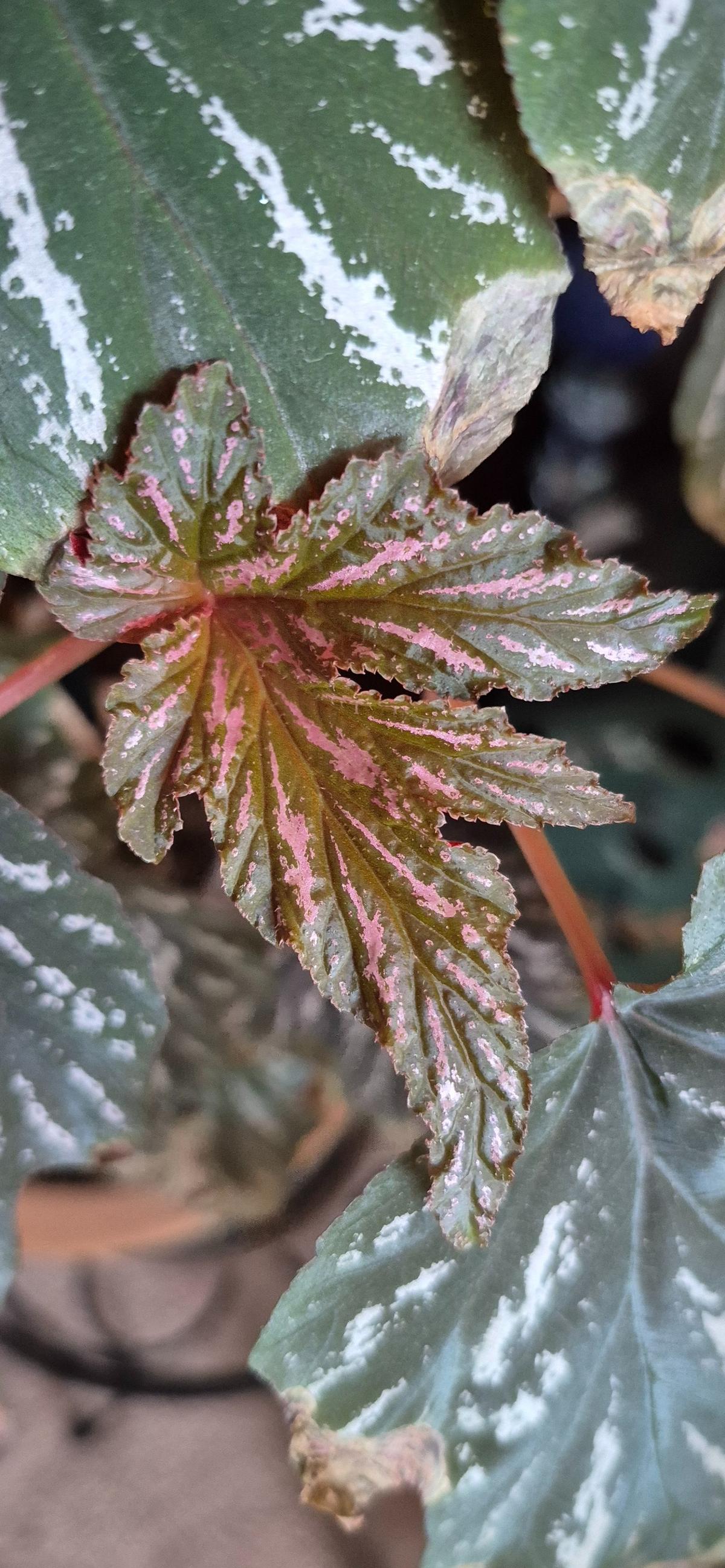
Begonia close-up

Watering Schedule

Let top 1-2 inches of soil dry between waterings. Overwatering leads to root rot fast.

Check soil with finger before adding water.
Use room-temperature water always.
Water from bottom to keep leaves dry.
Reduce in winter to every 10-14 days.
Ensure pot has drainage holes.
Empty saucer after 30 minutes.
Avoid Overwatering
Soggy soil causes stem rot and quick death. Always let dry out first.

Common Problems & Solutions

Here's how to identify and fix the most common Begonia problems.
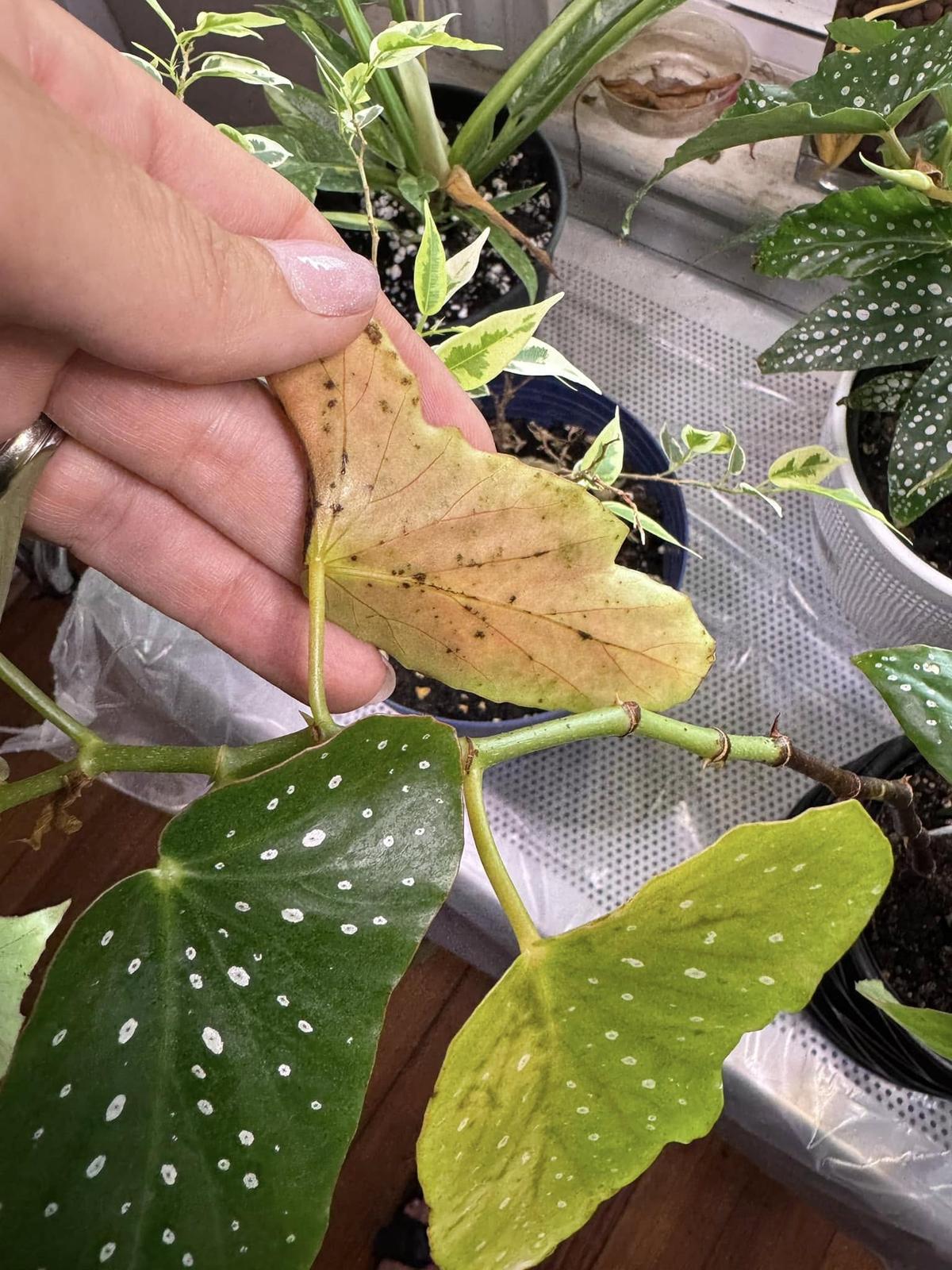
Yellow Leaves

Yellow Leaves

Cause: Overwatering or poor drainage keeps roots wet.

Solution: Let soil dry fully, repot in fresh mix.

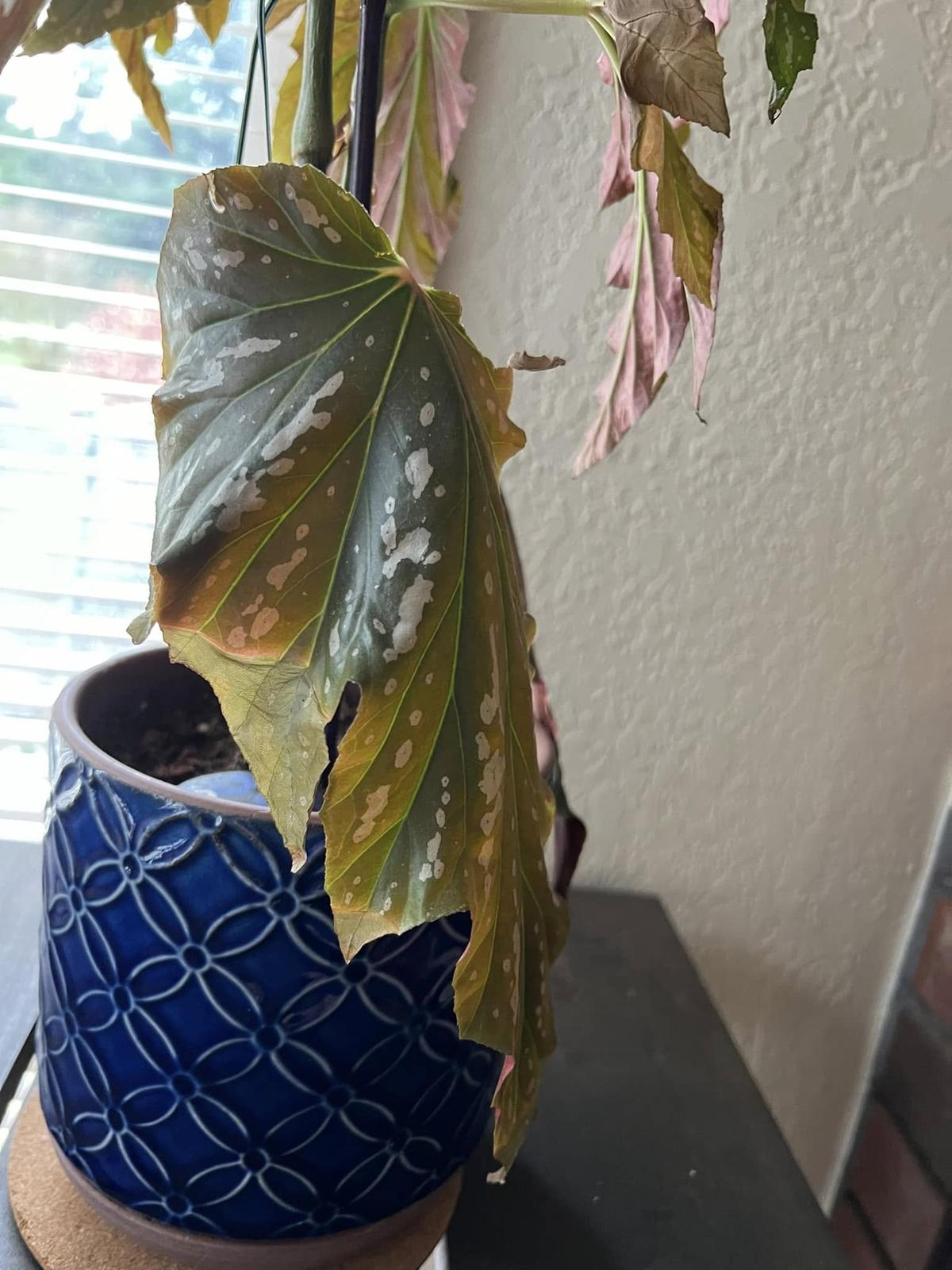
Brown Leaf Edges

Brown Leaf Edges

Cause: Low humidity or drafts below 60°F.

Solution: Boost humidity with pebble tray, move from vents.

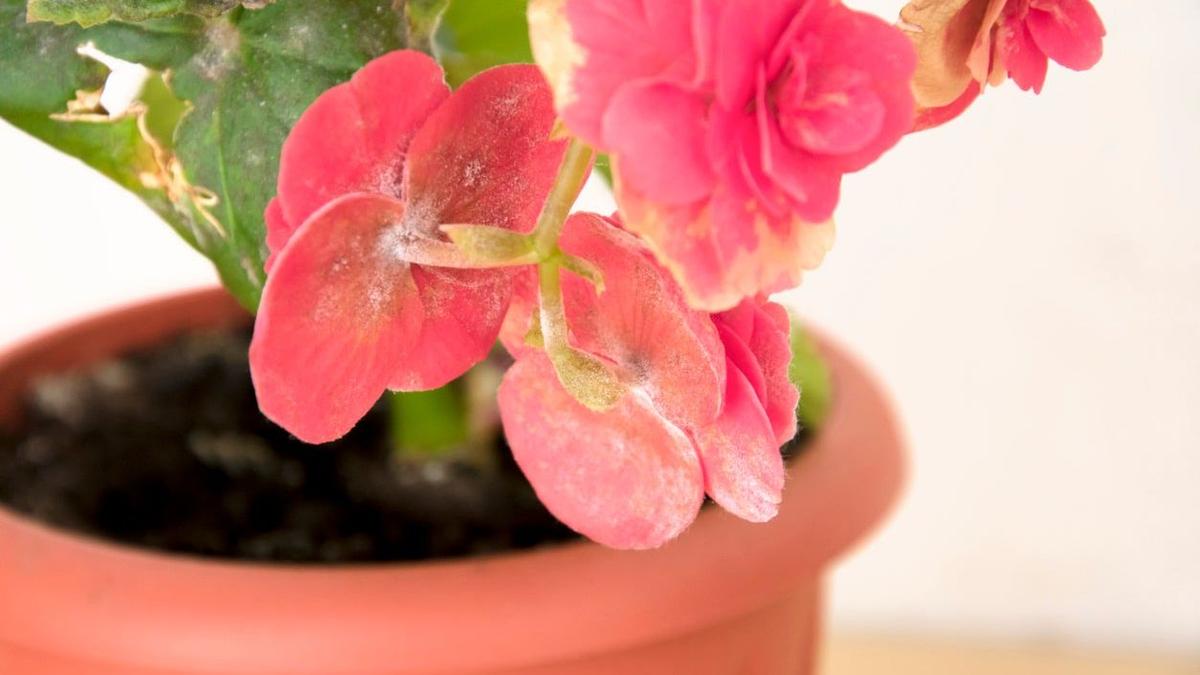
Powdery Mildew

Powdery Mildew

Cause: High humidity with poor air flow.

Solution: Improve circulation, apply fungicide spray.

Dropping Leaves

Dropping Leaves

Cause: Sudden dry air or underwatering.

Solution: Water consistently, group plants for humidity.

Leggy Growth

Leggy Growth

Cause: Too little light stretches stems.

Solution: Move to brighter spot, prune back.

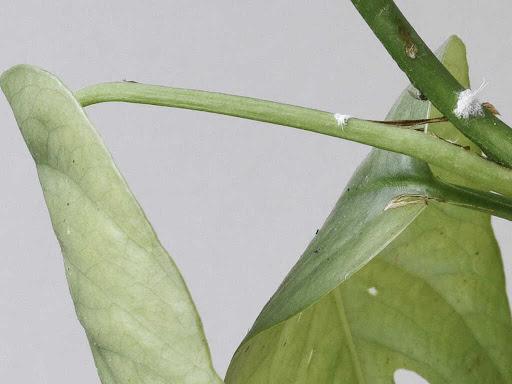
Mealybugs

Mealybugs

Cause: Tiny white bugs suck sap from stems.

Solution: Wipe with alcohol swab, isolate plant.

Popular Varieties

Explore different Begonia varieties and find your perfect match.
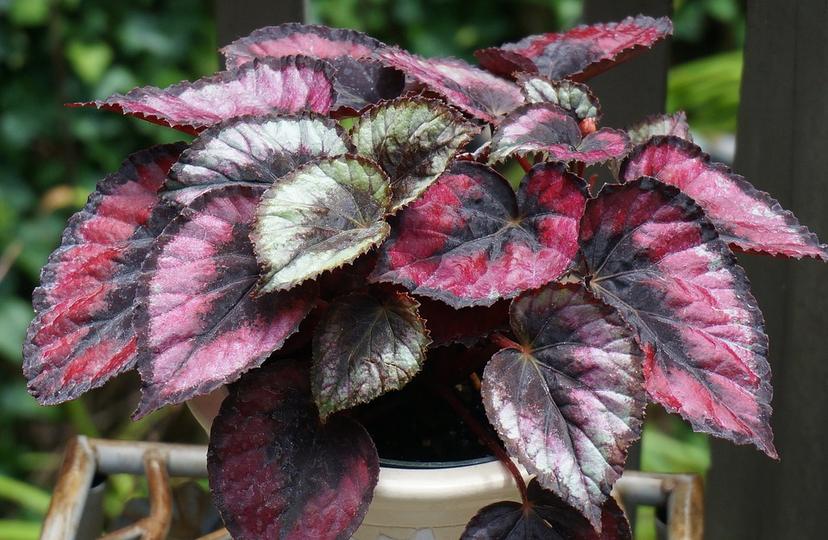
Begonia rex
Colorful foliage star.

Begonia rex

"King Begonia"

Stunning spiral leaves in silver, purple, green. Loves high humidity shade.

Difficulty: ModeratePrice: $15-30
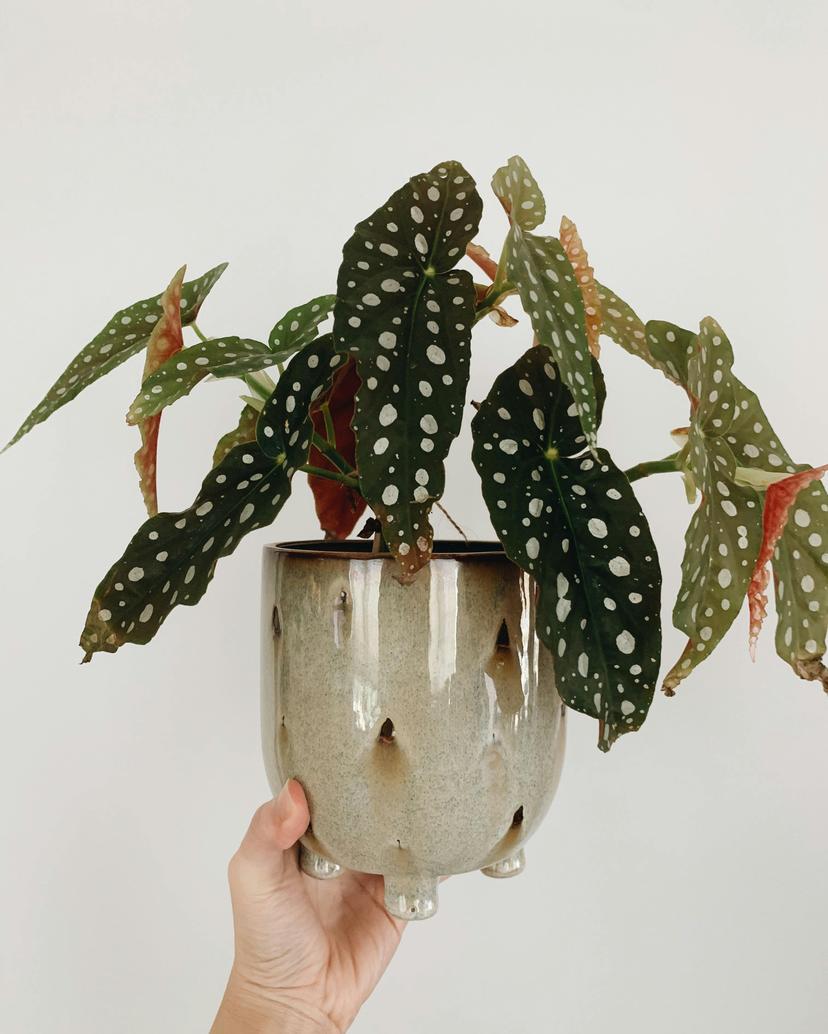
Begonia maculata
Dramatic polka dots.

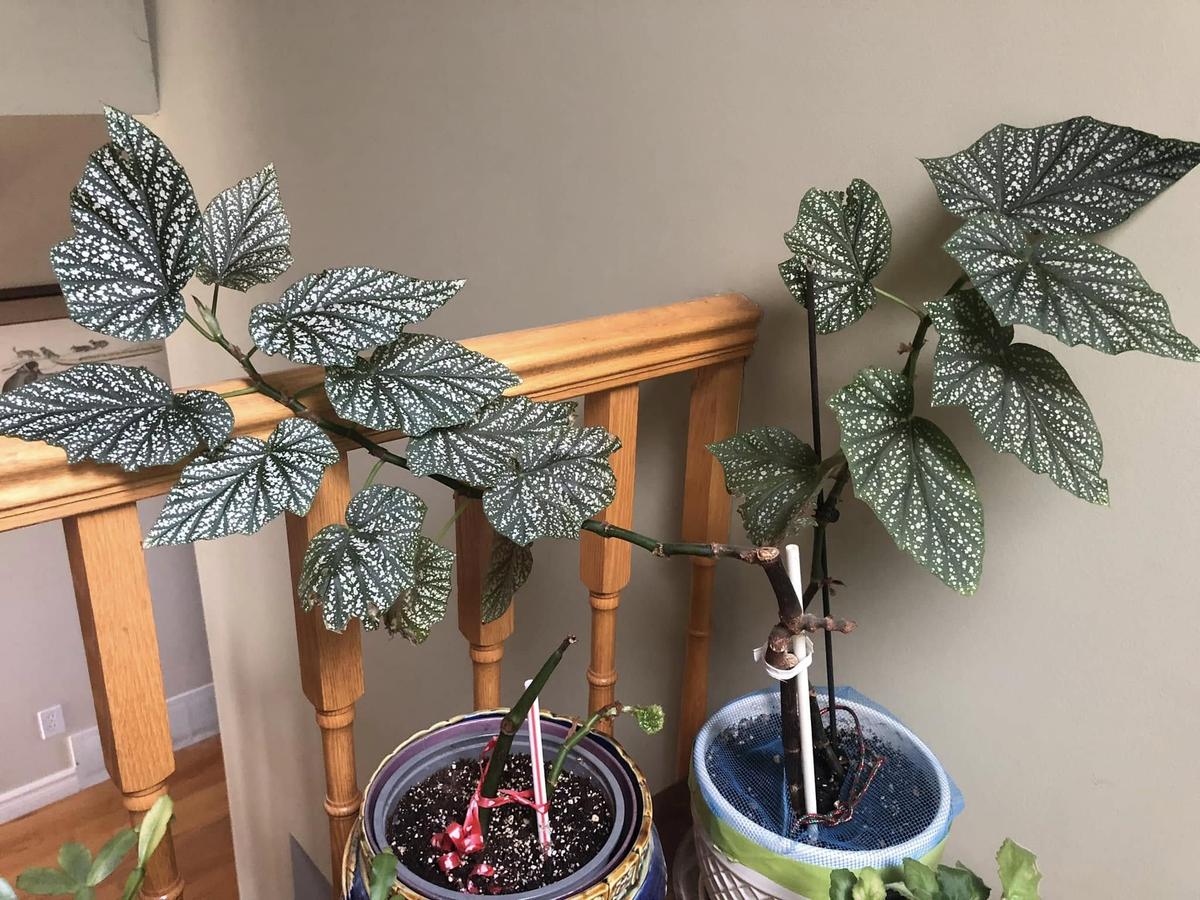
Begonia maculata

"Polka Dot"

Angel-wing leaves with silver dots, red undersides. Tall cane grower.

Difficulty: EasyPrice: $20-35
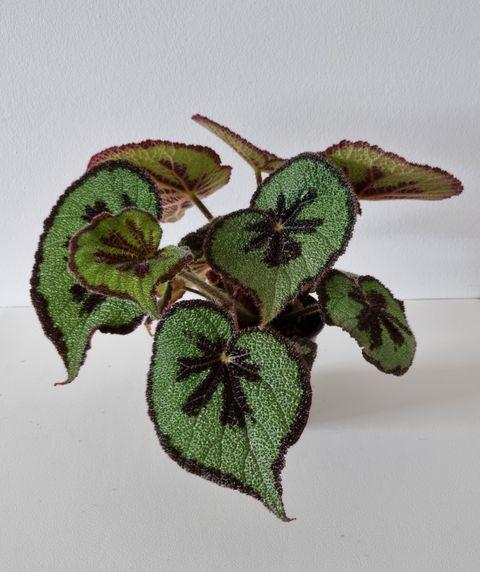
Begonia masoniana
Unique iron cross mark.

Begonia masoniana

"Iron Cross"

Velvety leaves with dark cross pattern. Compact rhizomatous type.

Difficulty: ModeratePrice: $20-40
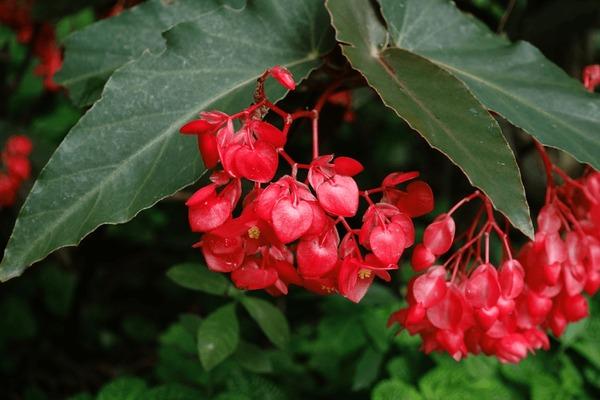
Begonia coccinea
Airplane leaf shape.

Begonia coccinea

"Angel Wing"

Winged leaves, clusters of pink flowers. Cane stems up to 5 feet.

Difficulty: EasyPrice: $15-25
Begonia semperflorens
Nonstop flowers.

Begonia semperflorens

"Wax Begonia"

Compact with waxy leaves, constant small blooms. Great for beginners.

Difficulty: EasyPrice: $5-15

Care Tips & Best Practices

Humidity

Set on pebble tray with water for 50% levels.

Feeding

Fertilize every 2 weeks spring-fall with balanced mix.

Cleaning

Wipe leaves monthly with damp cloth.

Support

Stake tall canes with bamboo for stability.

Pruning

Cut leggy stems in spring to bush out.

Rotation

Turn pot weekly for even light exposure.

Care Checklist

0 / 10 completed

10 Common Mistakes to Avoid

1

Overwatering weekly

Why it's bad: Causes root rot and yellow leaves.

Do this instead: Check soil dryness first.

2

Direct hot sun

Why it's bad: Scorches leaves crispy brown.

Do this instead: Use filtered bright light.

3

Ignoring humidity

Why it's bad: Edges brown in dry air.

Do this instead: Add pebble tray daily.

4

No pruning

Why it's bad: Gets leggy and weak.

Do this instead: Trim tops in spring.

5

Cold drafts

Why it's bad: Drops leaves below 60°F.

Do this instead: Keep in warm spots.

6

Wrong soil

Why it's bad: Poor drainage drowns roots.

Do this instead: Mix perlite potting soil.

7

Skipping rotation

Why it's bad: Leans to one side.

Do this instead: Turn pot weekly.

8

Over-fertilizing

Why it's bad: Burns leaf tips.

Do this instead: Dilute half strength.

9

Wet leaf watering

Why it's bad: Invites mildew spots.

Do this instead: Water soil only.

10

Crowded pots

Why it's bad: Stunts growth, pests thrive.

Do this instead: Repot yearly.

Frequently Asked Questions

How often water begonia?

Water when top 1-2 inches dry, about every 5-7 days. Adjust for humidity and season.

Can begonias take full sun?

No, direct sun burns leaves. Stick to bright indirect light near east windows.

Safe for cats and dogs?

Toxic if eaten, causes vomiting. Keep out of pet reach.

Why leaves turning yellow?

Usually overwatering. Let soil dry, check drainage.

Best fertilizer for begonias?

Balanced liquid every 2 weeks spring-fall. Half strength prevents burn.

Propagate begonia in water?

Yes for stems, roots in 3 weeks. Change water weekly.

Begonia dropping buds?

Dry air or inconsistent water. Boost humidity.

Winter care tips?

Water less, no feed, keep warm above 60°F.

Fix brown leaf tips?

Low humidity main cause. Use humidifier or tray.

How big do indoor begonias grow?

1-3 feet tall depending on type. Prune to control.

References & Sources

Information in this guide is based on these trusted sources.

1
Begonias as Houseplants
Royal Horticultural Society
2
Begonia Plant Profile
North Carolina Extension Gardener
3
Begonia Pests and Diseases
UC IPM Online
4
Begonia Toxicity
ASPCA

Plant Details

Botanical Name
Begonia spp.
Common Names
Wax Begonia, Rex Begonia, Angel Wing, Polka Dot Plant
Family
Begoniaceae
Native Region
Tropics of Central/South America, Africa, Asia
Growth Habit
Upright, trailing, clumping
Max Height Indoors
2-5 feet indoors
Growth Rate
Moderate
Toxicity
Toxic to pets, soluble calcium oxalates cause oral irritation.
Ready to Transform Your Plant Care?
Start using Plantlyze today — and let AI help you grow healthier, happier plants.
Get Started
See How It Works
Plantlyze
AI-powered plant care solutions to identify, diagnose, and nurture your plants — all in one place.
© Copyright 2025 Plantlyze. All Rights Reserved.
PLANTLYZE