
basil
The king of herbs - a fragrant, easy-to-grow culinary staple perfect for kitchens and gardens.
Video Tutorials
Watch these helpful videos to learn more about basil care.
About basil
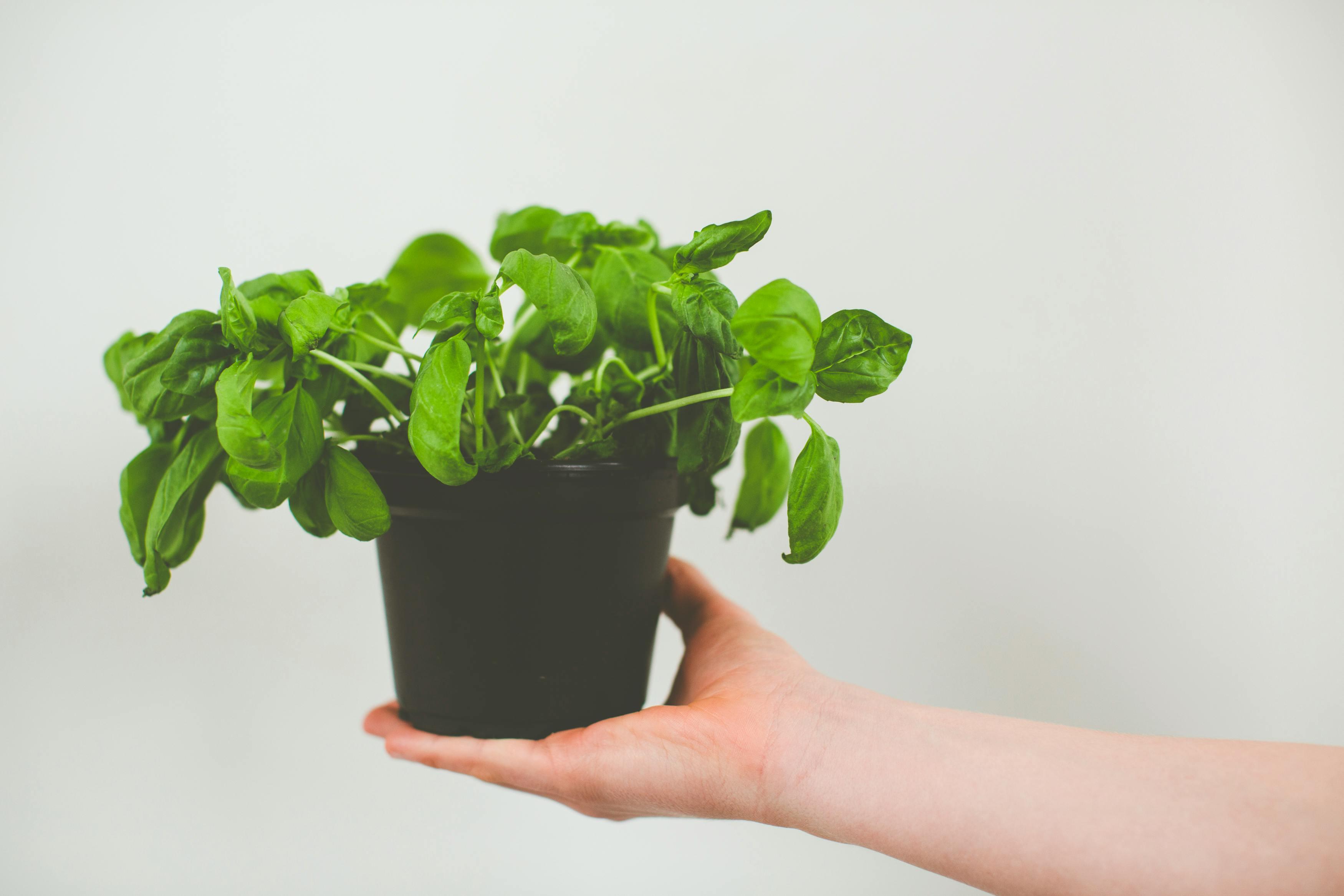
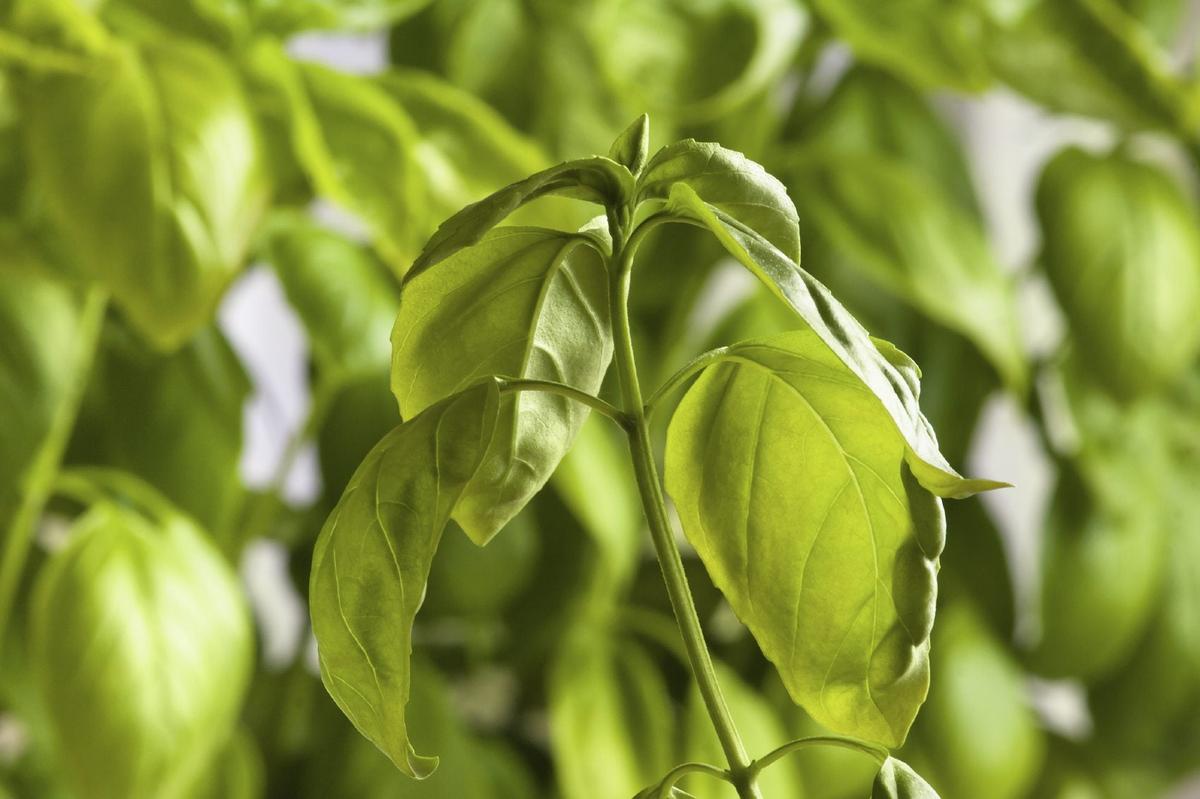
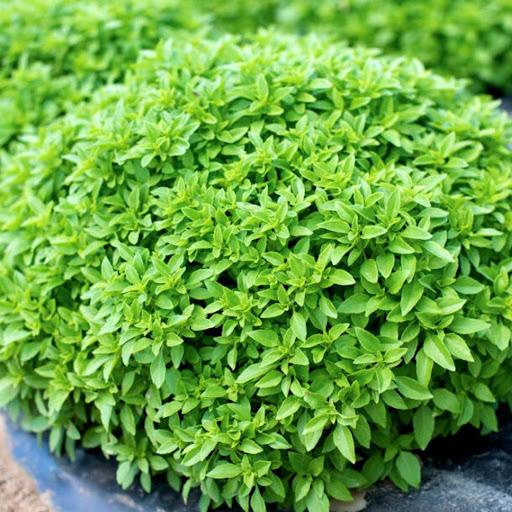
Basil (Ocimum basilicum) is one of the world's most beloved culinary herbs, known for its aromatic leaves and essential role in pesto, pasta, and Mediterranean cuisine. Native to tropical regions of Africa and Asia, this tender annual thrives in warmth and sunlight. Its popularity earned it the title 'king of the herbs' in gardening circles, making it the top choice for beginning gardeners and seasoned cooks alike.
This tropical herb naturally grows in warm, moist environments across Central Africa, Southeast Asia, and the Indian subcontinent. In its native habitat, basil experiences consistent warmth, bright light, and seasonal moisture patterns that shaped its growth requirements. These origins explain why basil demands warmth and sunshine - it's simply following its evolutionary instincts for success.
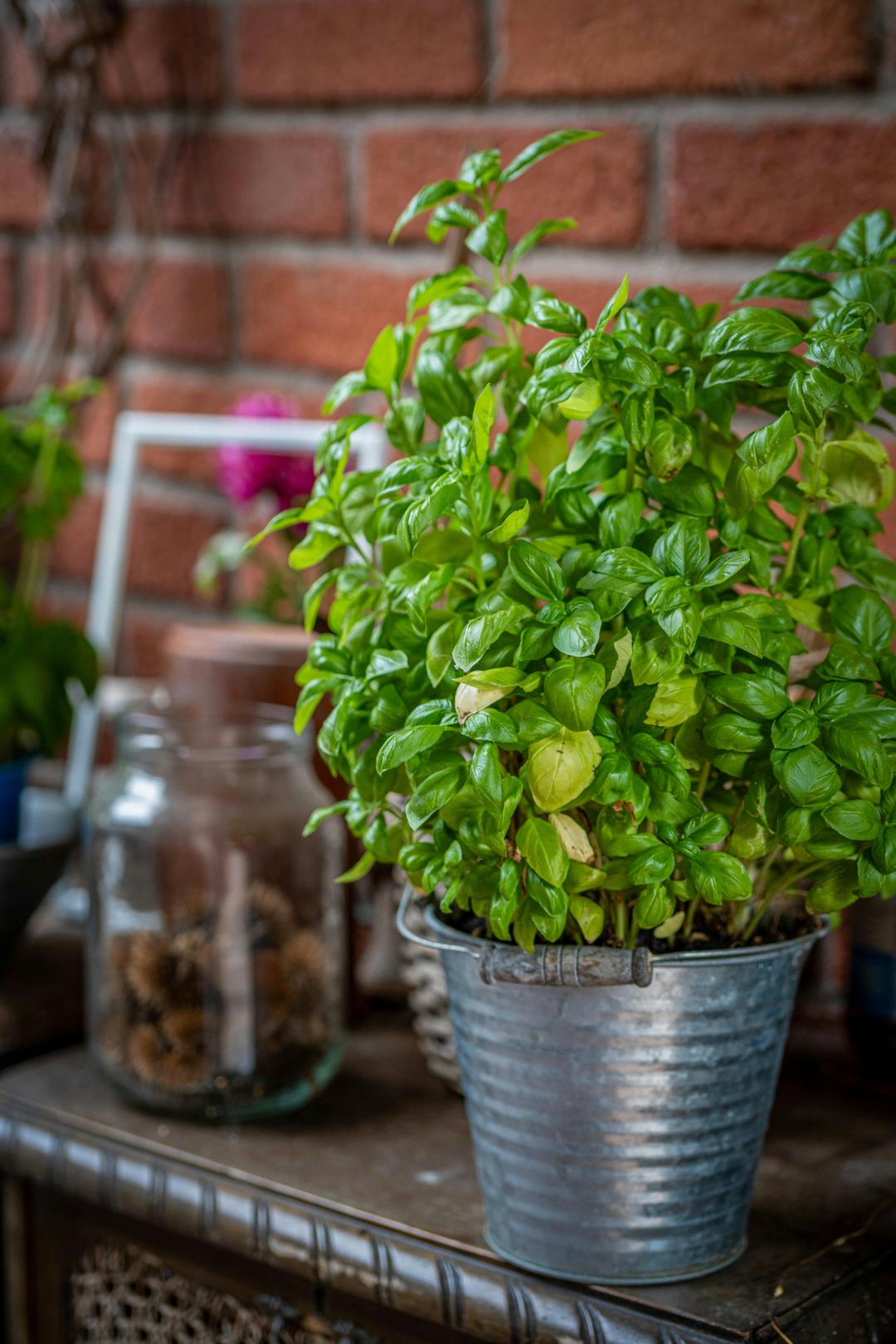
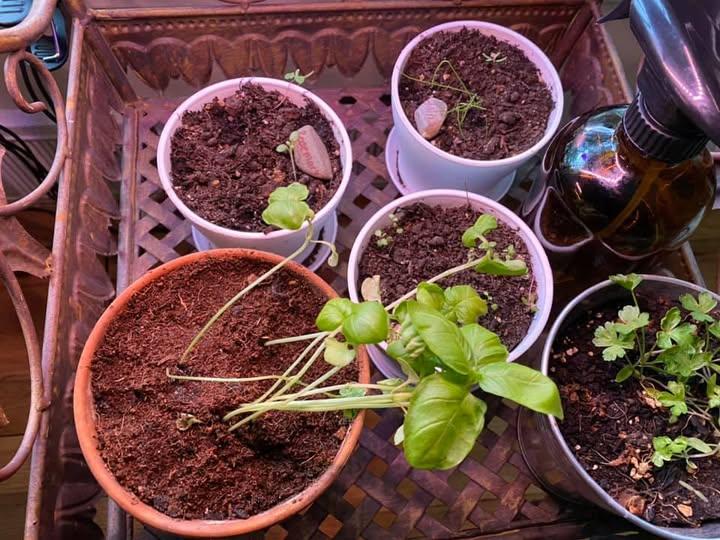
Indoors, basil adapts remarkably well to containers and windowsill gardens, making it ideal for year-round harvesting. With proper care, indoor basil plants can produce fresh leaves for 6 months or longer. Regular pruning transforms leggy seedlings into bushy, productive plants that supply abundant harvests throughout the growing season.
Watering Schedule
Basil loves consistent moisture but despises waterlogged soil. The balance is simple: keep soil damp, not soggy, by watering when the top inch feels dry.
Common Problems & Solutions
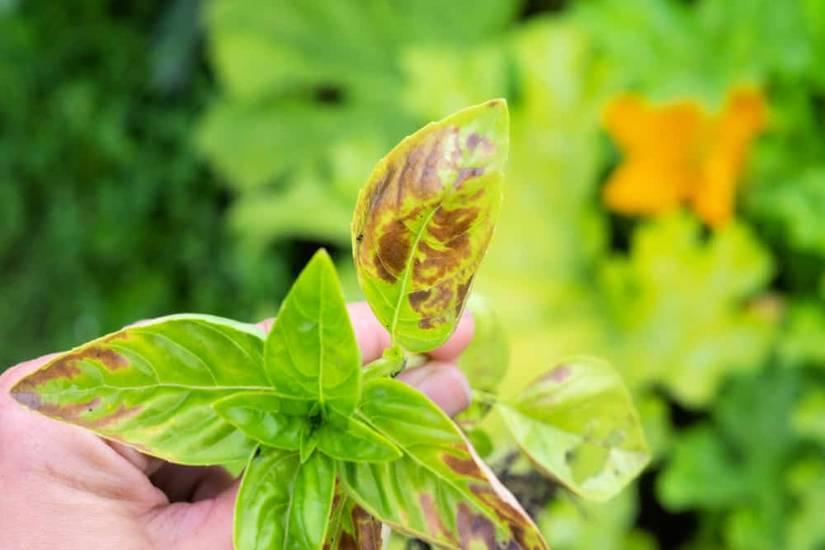
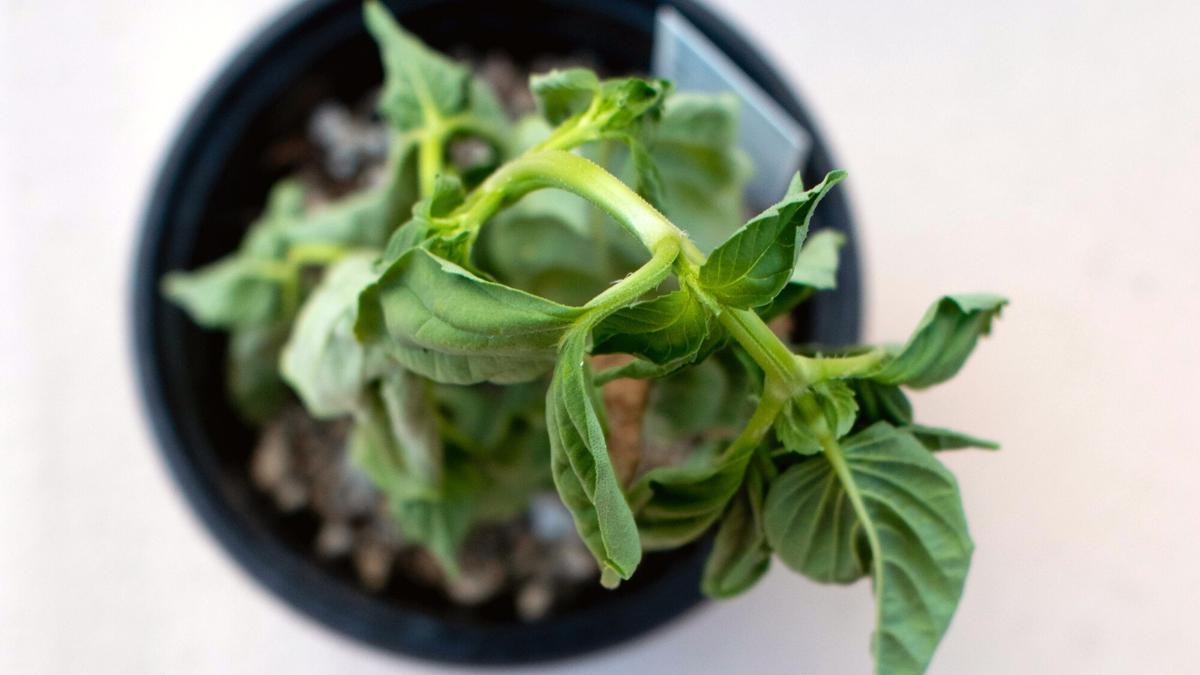
Here's how to identify and fix the most common basil problems.
Popular Varieties
Explore different basil varieties and find your perfect match.
Care Tips & Best Practices
Humidity
Maintain 40-60% humidity for thriving basil. In dry climates, mist leaves lightly in mornings or place a pebble tray with water near pots. Avoid humidity above 70% to prevent downy mildew.
Feeding
Fertilize every 2-4 weeks with balanced NPK (1-1-1) like fish emulsion or compost tea. Avoid excess nitrogen, which creates bland, watery leaves prone to pests. Reduce feeding in winter.
Cleaning
Remove yellow leaves weekly using clean scissors. Wipe dust from leaves with a soft, damp cloth. This improves light absorption and pest detection.
Pruning
Pinch off top growing tips when plants reach 6-8 inches tall. This doubles future harvests by forcing two stems where one existed. Prune every 2 weeks during growing season.
Support
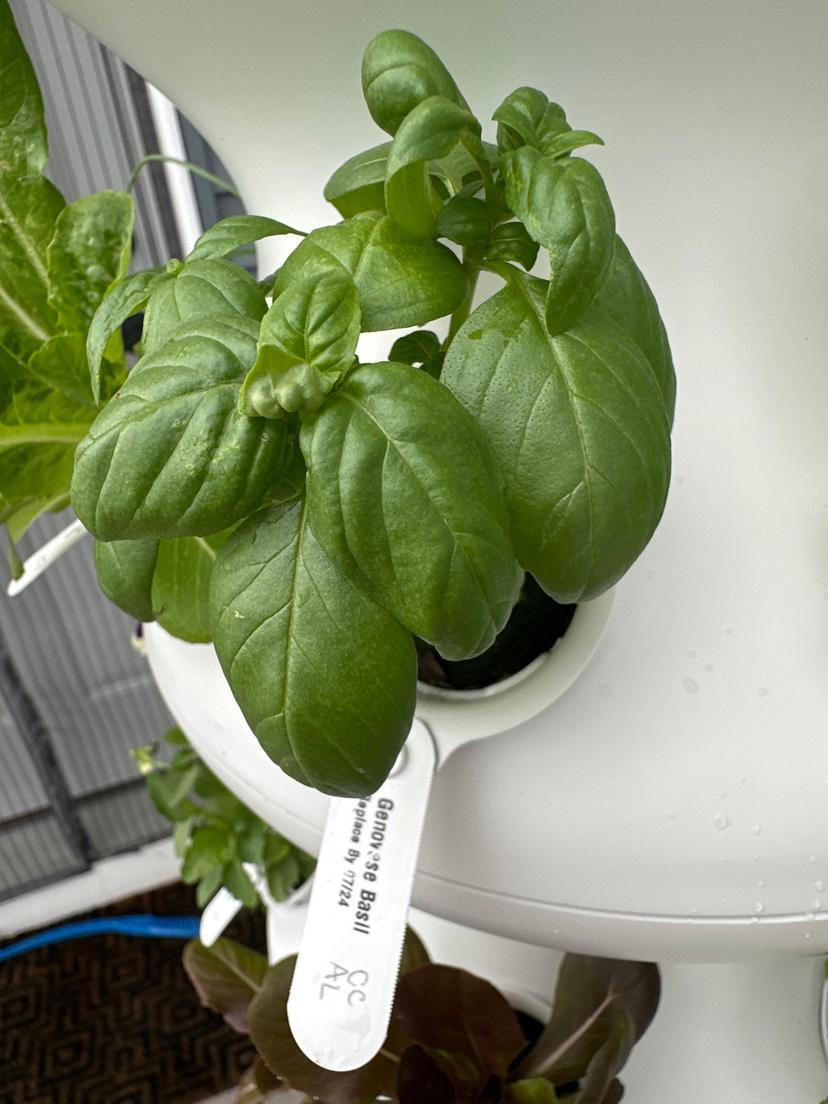
Staking tall varieties like Genovese helps prevent stem breakage under leaf weight. Gently tie stems to a thin stake using soft plant tape.
Rotation
Rotate pots weekly indoors to prevent uneven, lopsided growth. Outdoor plants naturally receive balanced light but benefit from weekly turning if positioned against walls.
Care Checklist
10 Common Mistakes to Avoid
Watering on a schedule instead of checking soil first
Why it's bad: Rigid watering kills plants through root rot faster than drought stress
Do this instead: Check soil daily - water only when top inch feels dry to the touch
Watering overhead onto leaves instead of at soil level
Why it's bad: Wet leaves create fungal infection pathways and invite downy mildew
Do this instead: Water exclusively at soil level using a narrow-spout can or drip line
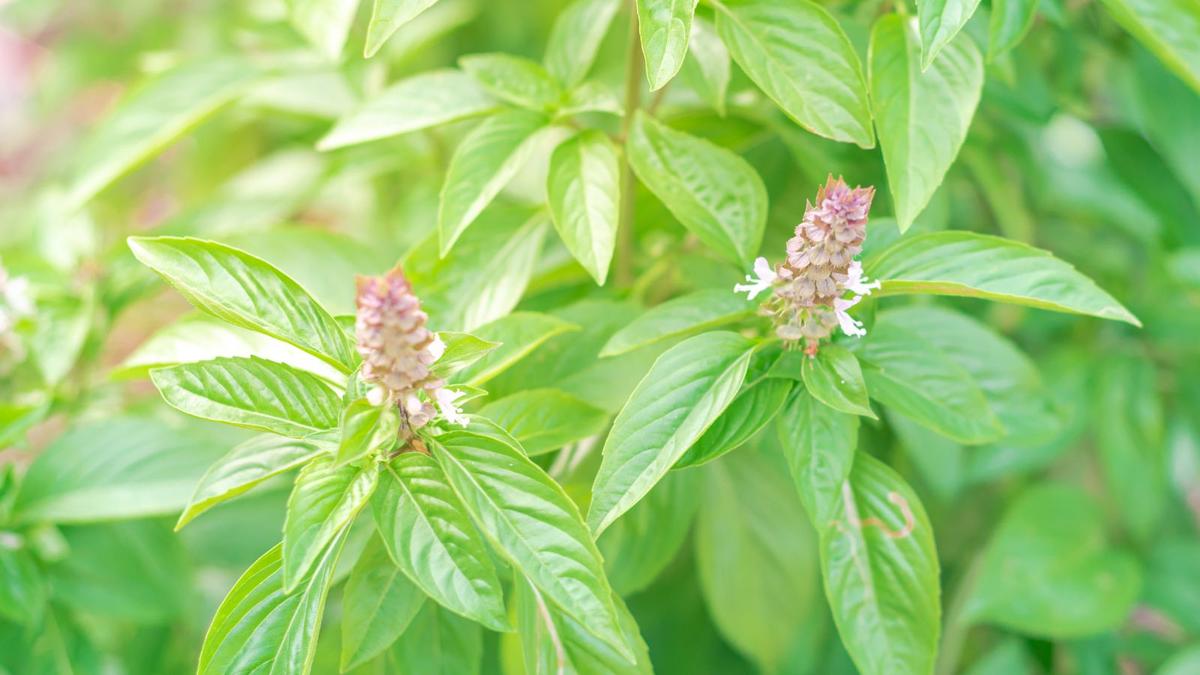
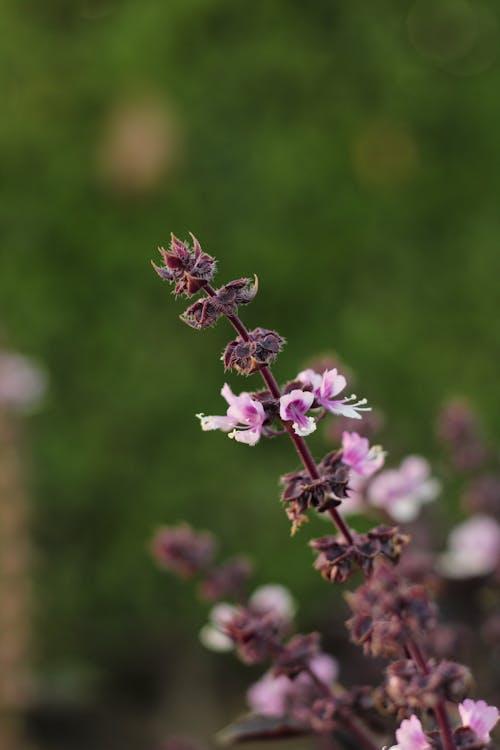
Letting the plant bolt (flower) without intervention
Why it's bad: Flowers signal the end of the plant's leafy phase; leaves turn bitter and thin
Do this instead: Pinch off flower buds immediately when spotted to extend harvest season
Placing basil in low-light windows or dark rooms
Why it's bad: Insufficient light creates leggy, weak plants with tiny, bland leaves
Do this instead: Ensure minimum 6-8 hours direct sun or supplement with full-spectrum grow lights
Overfertilizing with nitrogen-rich formulas
Why it's bad: Excess nutrients create soft, watery growth with reduced flavor and increased pest susceptibility
Do this instead: Fertilize sparingly every 2-4 weeks with balanced NPK only; skip in winter
Plucking individual leaves instead of cutting stem tips
Why it's bad: Leaf plucking triggers no new growth; stems remain single and unproductive
Do this instead: Cut or pinch entire stem tips just above a leaf node to force branching
Buying basil from supermarket 'quick-use' packets
Why it's bad: Overcrowded seedlings are bred for immediate harvest, not long-term growth
Do this instead: Purchase nursery basil seedlings or grow from seed for plants that thrive for months
Never repotting basil into larger containers
Why it's bad: Crowded roots limit growth, reduce harvest capacity, and shorten plant lifespan
Do this instead: Repot into 6-12 inch containers when roots emerge from drainage holes
Growing basil in cold temperatures below 50°F
Why it's bad: Basil is tropical; cold stops growth, triggers wilting, and invites disease
Do this instead: Keep basil above 70°F indoors. Bring potted plants inside before first frost
Ignoring yellowing leaves and waiting for self-recovery
Why it's bad: Yellow leaves signal root rot or nutrient deficiency that worsens without intervention
Do this instead: Remove yellow leaves, assess watering pattern, improve drainage, and adjust care immediately
Frequently Asked Questions
How long does basil live indoors?
With proper care, indoor basil lives 6+ months. It's an annual plant naturally, but consistent pruning, adequate light, and regular harvesting extend its lifespan. Propagate cuttings periodically to ensure continuous supply.
Can I grow basil in water without soil?
Yes, basil thrives in water propagation for 2-3 weeks. Change water every 2-3 days. However, for long-term growth, transplant rooted cuttings into soil once roots reach 1-2 inches.
Why are my basil leaves so small?
Small leaves indicate insufficient light. Move basil to a sunnier location or add full-spectrum grow lights positioned 12-18 inches above plants for 8-12 hours daily.
How do I prevent my basil from flowering?
Pinch off flower buds the moment they appear. Harvest leaf tips every 2 weeks. Consistent harvesting signals the plant to stay in vegetative mode, delaying its reproductive flowering phase.
Is basil safe for cats and dogs?
Yes, basil is completely non-toxic to cats and dogs according to the ASPCA. However, it's not nutritionally necessary for pets, so don't use it as dietary supplement. A nibbled leaf is harmless.
Can I grow the same basil plant year-round?
Outdoor basil dies at first frost since it's an annual. Indoor basil can survive 6+ months but eventually declines. Plan to propagate cuttings in fall for spring renewal, or start fresh seeds annually.
What's the difference between Thai and Sweet Basil?
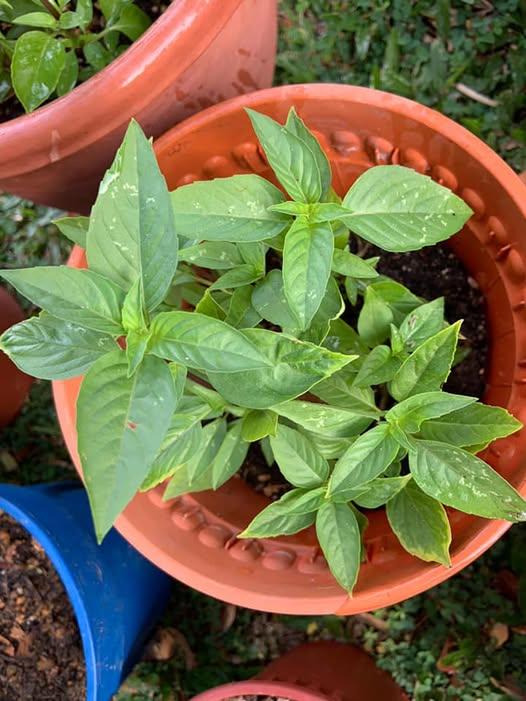
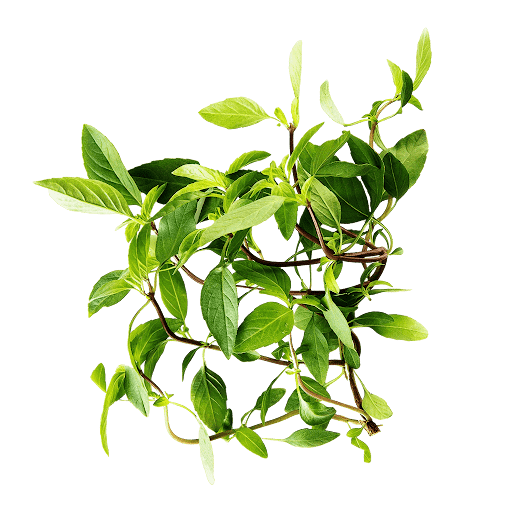
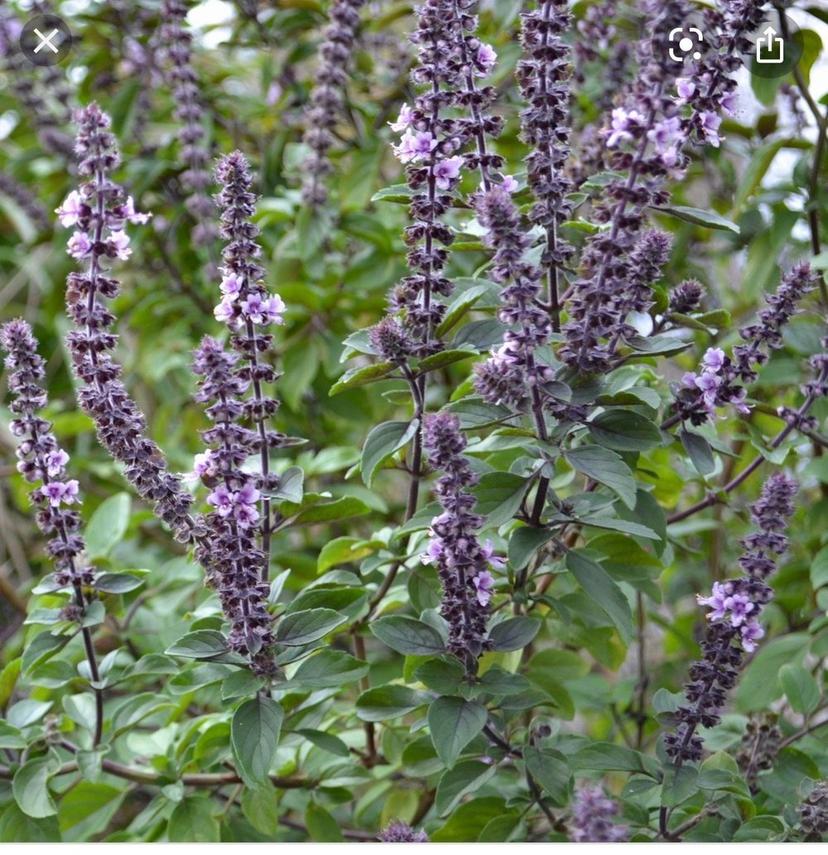
Thai basil has purple stems, licorice-anise aroma, and thrives in extreme heat above 90°F. Sweet (Genovese) basil has green stems, herbal flavor, and larger leaves perfect for pesto.
Why is my basil bitter?
Bitterness comes from stress, heat above 95°F, bolting (flowering), inconsistent watering, or overfertilizing. Keep plants cool-ish, well-watered, pinch flowers immediately, and harvest regularly.
How often should I harvest basil?
Harvest every 7-10 days during peak growing season. Remove the top 1-2 inches of stems just above leaf nodes. This frequent harvesting maximizes yields and delays flowering indefinitely.
Do I need to fertilize basil?
Yes, fertilize every 2-4 weeks with balanced NPK (1-1-1) like fish emulsion or diluted compost tea. Skip feeding in winter. Avoid high-nitrogen formulas, which reduce flavor and attract pests.
References & Sources
Information in this guide is based on these trusted sources.