
Banana
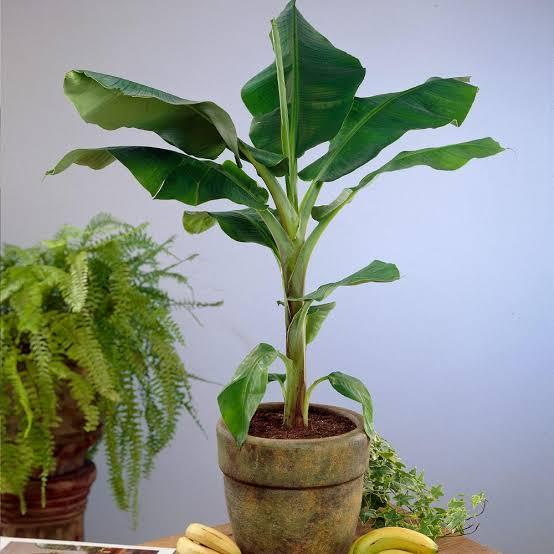
A dramatic tropical plant with oversized paddle-shaped leaves, bringing jungle vibes indoors with bright light and warmth.
Video Tutorials
Watch these helpful videos to learn more about Banana care.
About Banana
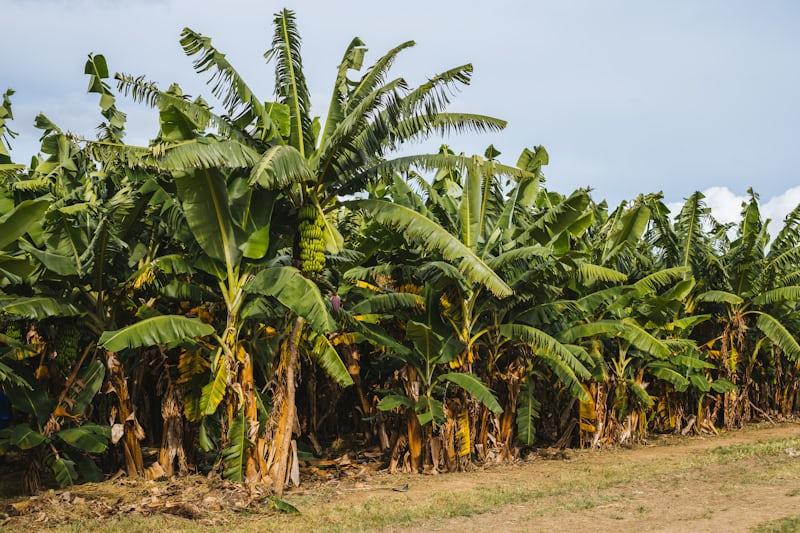
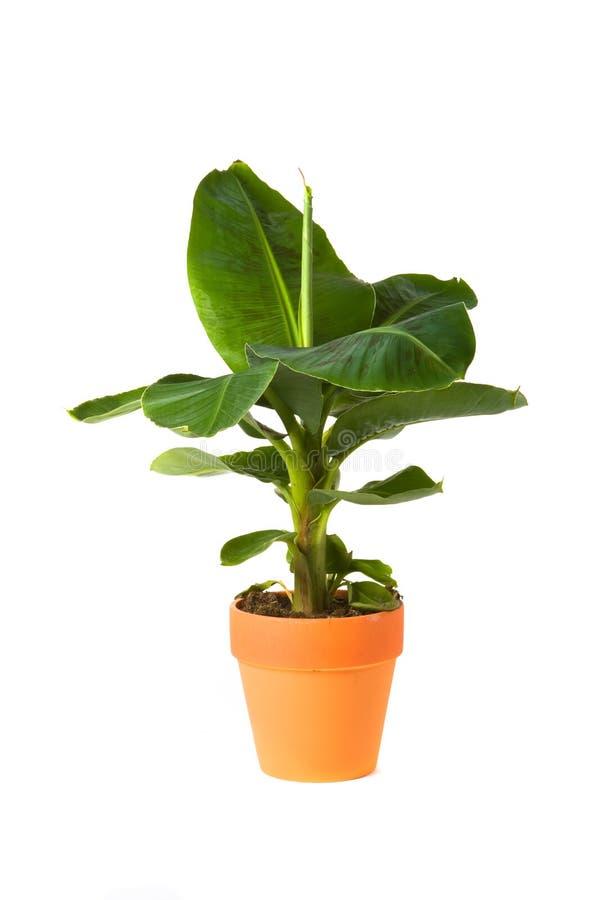
Banana plants are tropical statement pieces with massive paddle-shaped leaves that transform rooms into jungle sanctuaries. Most growers cultivate them for dramatic foliage rather than fruit.
Bananas originated in Southeast Asia, thriving in warm, humid climates with abundant sunlight and rapid growth.
Indoors, dwarf varieties grow 3-10 feet and live 5-10+ years. Most enjoy them for ornamental appeal.
Watering Schedule
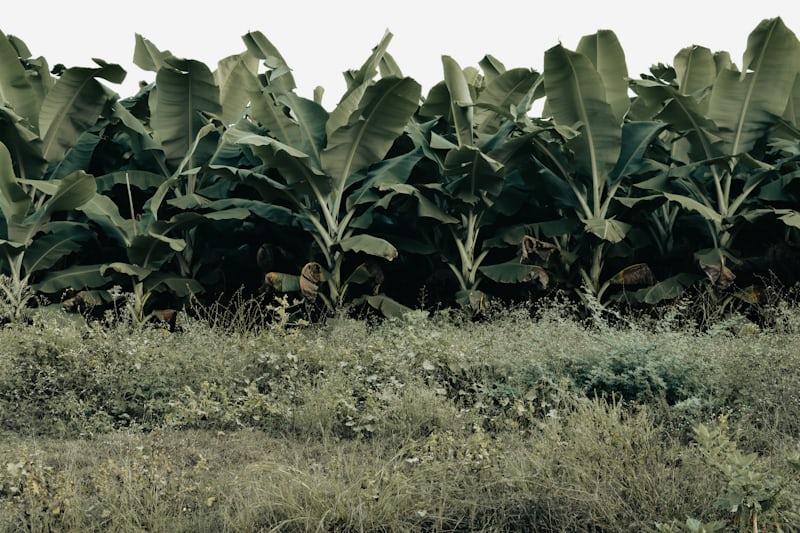
Banana plants are heavy drinkers requiring consistently moist soil. Large leaves transpire massive water amounts.
Common Problems & Solutions
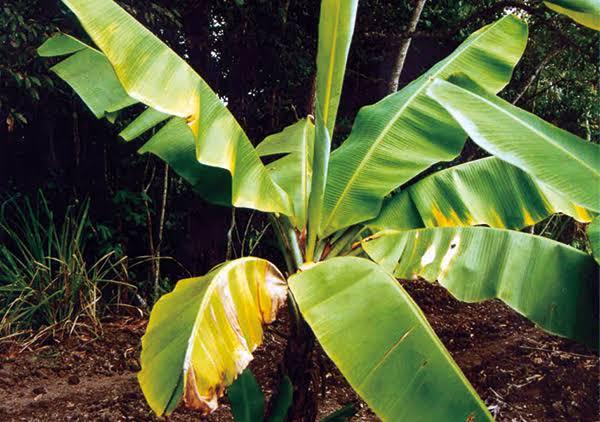
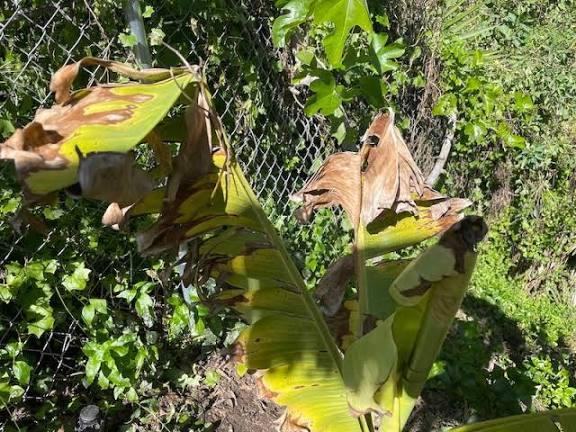
Here's how to identify and fix the most common Banana problems.
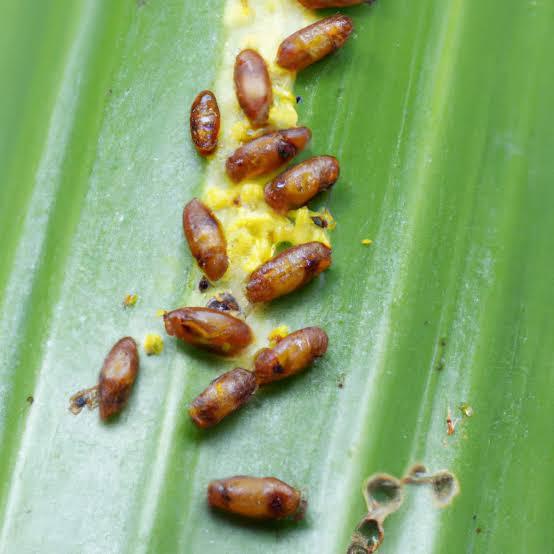
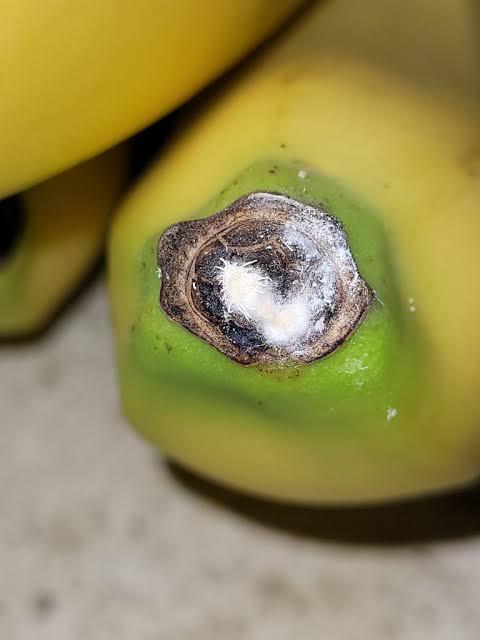
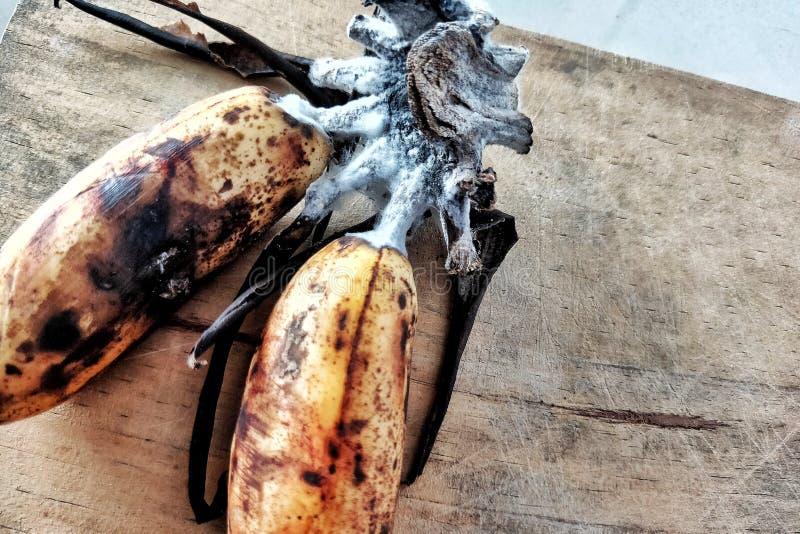
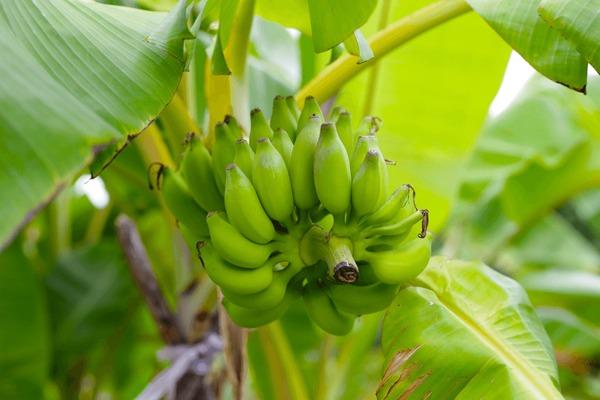
Popular Varieties
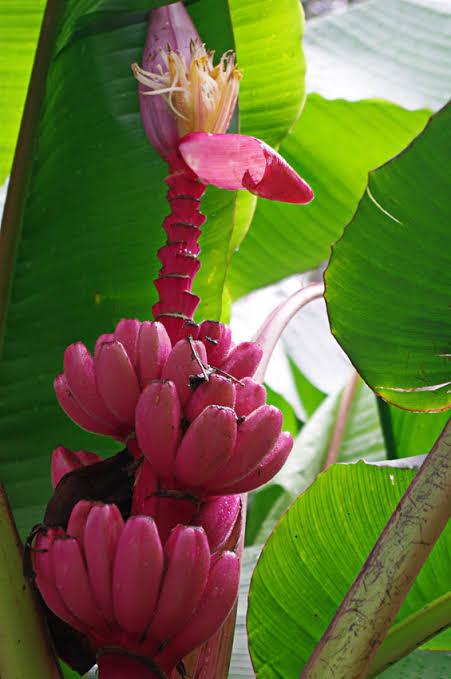
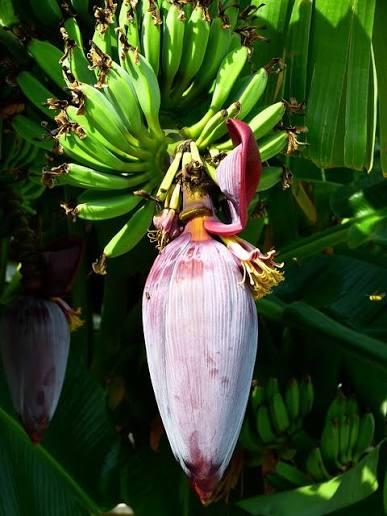
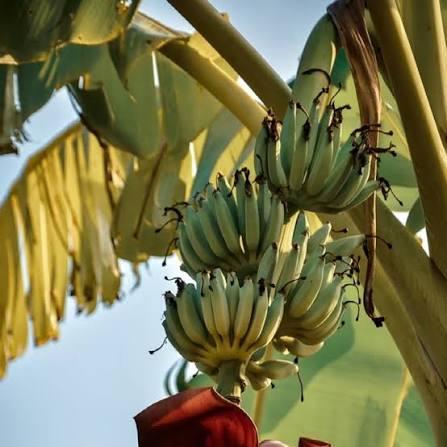
Explore different Banana varieties and find your perfect match.
Care Tips & Best Practices
Humidity is Essential
Maintain 50-70% humidity with humidifier, pebble tray, or grouping plants together.
Heavy Feeding During Growth
Fertilize every 7-14 days spring through fall with balanced liquid at half-strength.
Regular Leaf Cleaning
Wipe leaves monthly with damp cloth to remove dust and boost photosynthesis.
Sturdy Support Structure
Stake tall plants as they grow. Wind can topple stems; use soft ties to avoid damage.
Minimal Pruning Needed
Remove only dead or severely damaged leaves at the petiole. Bananas shed old leaves naturally.
Seasonal Light Rotation
Rotate pot weekly for even growth. Move from hot west windows in summer to south windows in winter.
Care Checklist
10 Common Mistakes to Avoid
Underestimating light needs and placing in low-light areas
Why it's bad: Bananas need 8-12 hours bright light daily. Low light prevents growth, causes yellowing, eliminates fruiting.
Do this instead: Use south or west windows or supplement with grow lights providing 10-12 hours daily
Overwatering by assuming heavy watering equals good care
Why it's bad: While bananas drink heavily, waterlogged soil causes root rot. Balance is key between moist and soggy.
Do this instead: Water when top inch is dry. Ensure drainage holes exist. Empty saucers daily.
Using undersized pots, causing root-bound plants
Why it's bad: Fast-growing bananas outgrow small pots quickly. Root-bound plants yellow and stunt.
Do this instead: Use 15-25 gallon containers for dwarf varieties. Repot every 12-18 months.
Keeping bananas in cold temperatures below 68°F
Why it's bad: Tropical plants halt growth below 65°F. Cold causes yellowing and leaf drop.
Do this instead: Maintain 75-85°F. Keep away from cold drafts and AC vents.
Neglecting humidity, especially with indoor heating systems
Why it's bad: Indoor humidity drops to 20-30%. Bananas need 50-70%, so low humidity causes brown edges and pests.
Do this instead: Use humidifier, pebble tray, or group plants. Mist daily if humidity is low.
Moving plants abruptly between light levels without acclimation
Why it's bad: Sudden light changes stress plants, causing scorch in bright light or yellowing in dim light.
Do this instead: Gradually acclimate over 2-3 weeks when moving locations.
Fertilizing heavily or year-round without stopping in winter
Why it's bad: Heavy fertilizing burns roots. Winter fertilizing stimulates weak new growth.
Do this instead: Fertilize every 7-14 days spring through fall at half-strength. Stop Dec-Feb.
Ignoring spider mites and thrips until damage is severe
Why it's bad: Warm, dry conditions favor pests. They multiply exponentially within 2-3 weeks.
Do this instead: Inspect undersides weekly. Spray immediately with neem oil every 10-14 days.
Expecting indoor fruiting without specific conditions
Why it's bad: Fruiting requires 12+ hours direct sun, 80-85°F warmth, and 50%+ humidity. Few homes provide this.
Do this instead: Grow bananas primarily for ornamental foliage. Consider fruiting a bonus.
Giving up after initial struggles
Why it's bad: Bananas need specific light, warmth, humidity, and water. Initial failures teach what your home needs.
Do this instead: Treat failures as learning experiences. Adjust one variable and observe response.
Frequently Asked Questions
Will my indoor banana plant produce fruit?
Possibly, but it's uncommon. Fruiting requires 12+ hours direct sun, 80-85°F warmth, 50%+ humidity, and 3-4 years growth. Most enjoy bananas for foliage rather than expecting fruit.
How often should I water my banana plant?
Water when top inch is dry, typically 2-3 times weekly. Large leaves transpire heavily, requiring frequent watering. Reduce frequency in winter but keep soil consistently moist year-round.
Why are my banana leaves getting brown edges?
Low humidity below 50%, inconsistent watering, or direct sun scorch causes brown edges. Increase humidity, maintain consistent moisture, and acclimate to direct light gradually.
How much light do banana plants need indoors?
Bananas need 6-12 hours bright light daily, with 8-12 hours ideal. South or west windows work best. Add grow lights if natural light is insufficient.
Can I propagate my banana plant?
Yes. Separate pups from the base when 12-24 inches tall with visible roots. Dig around carefully, sever from mother plant, and plant in fresh moist soil.
Are banana plants toxic to pets?
No. Banana plants are non-toxic to cats, dogs, and horses. The fruit is safe but give in moderation due to high sugar.
What temperature do banana plants prefer?
Ideal is 75-85°F, but they tolerate 68-90°F. Growth halts below 65°F. Avoid cold drafts and heating vents causing temperature fluctuations.
How fast do banana plants grow?
Bananas grow rapidly with proper light and warmth, producing new leaves weekly. Dwarf varieties reach full size in 2-3 years. Growth depends heavily on light exposure.
My banana plant looks droopy and weak. What's wrong?
Drooping indicates underwatering, cold temperatures, or insufficient light. Check soil moisture, move to warmer location, or increase light exposure.
How do I repot my growing banana plant?
Repot every 12-18 months into a pot 2-3 inches larger using fresh well-draining soil. Support during repotting. Don't bury deeper than originally planted. Water and maintain humidity.
References & Sources
Information in this guide is based on these trusted sources.