
asparagus
Lacy asparagus fern brings airy elegance to indoor spaces. Feathery fronds thrive with bright indirect light and steady moisture.
Video Tutorials
Watch these helpful videos to learn more about asparagus care.
About asparagus
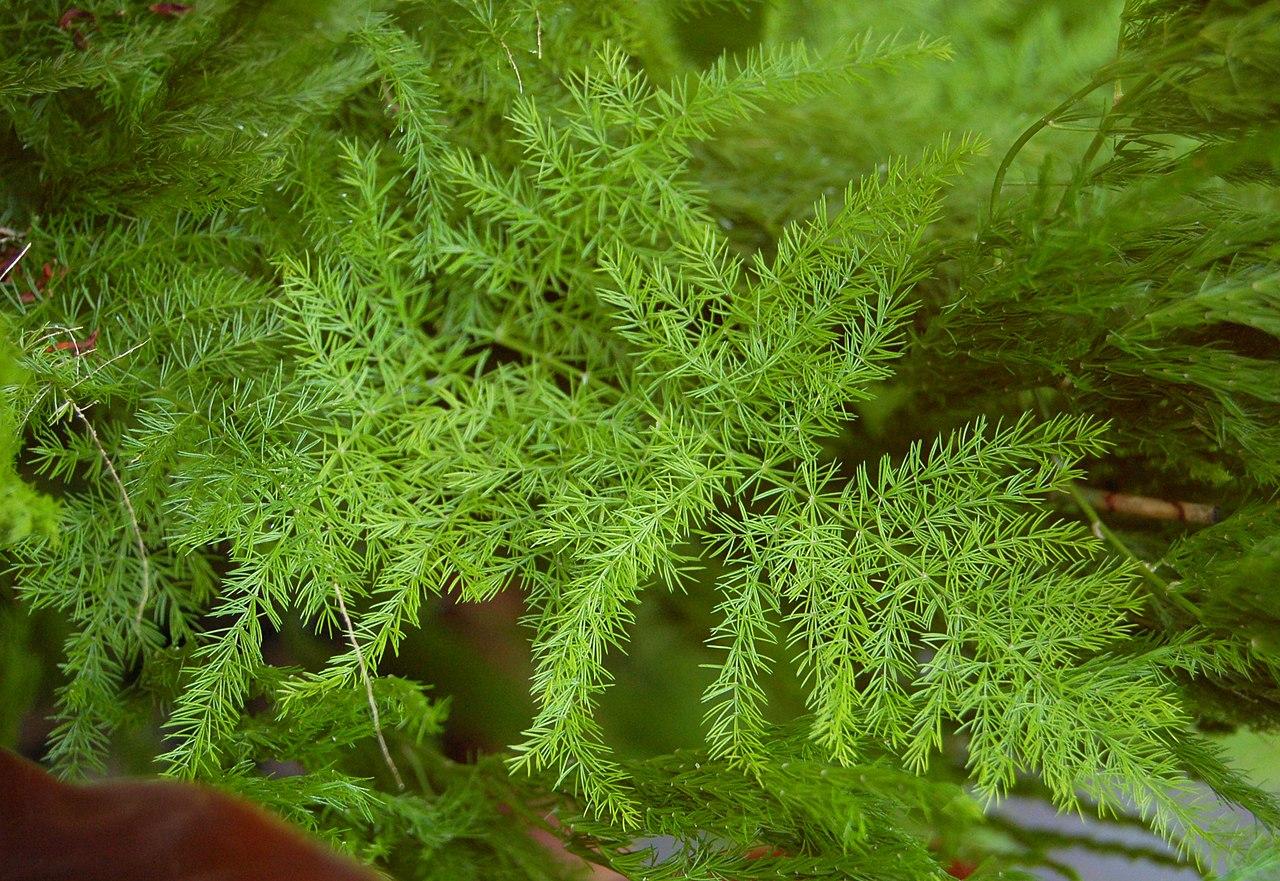
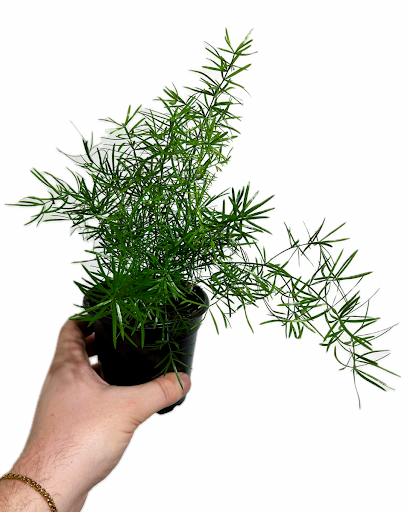
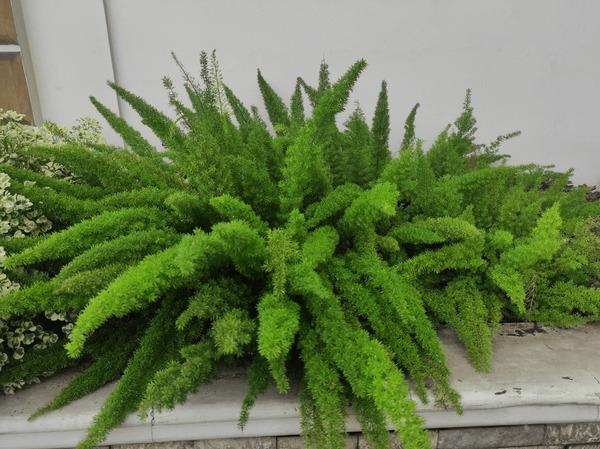
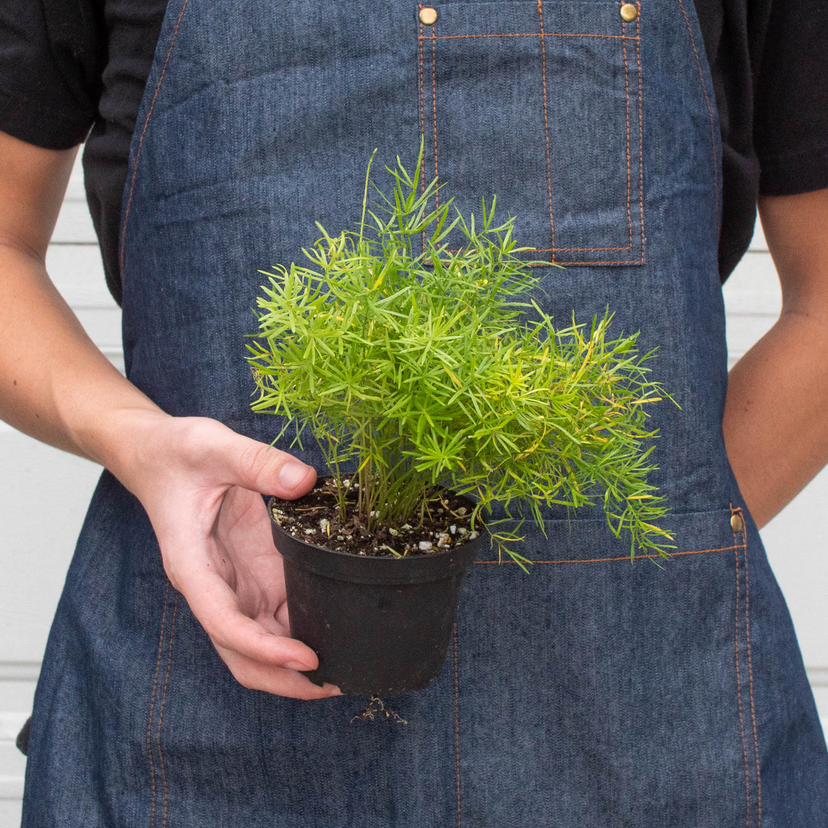
Asparagus fern delights with its soft, feathery fronds that sway gently indoors. Gardeners love its delicate look that softens room corners and adds tropical flair. Not a true fern, it belongs to the asparagus family.
Native to South Africa's shady dunes and woods, it grows in sandy, moist spots. There, wiry stems climb up to 20 feet with needle-like cladodes mimicking fern leaves.
Indoors, expect 2-3 feet of lush growth lasting years with basic care. Trim old stems for fresh fronds and repot every two years to keep it bushy.
Watering Schedule
Water when top inch of soil dries to keep roots happy. Asparagus fern hates soggy soil but loves consistent moisture.
Common Problems & Solutions
Here's how to identify and fix the most common asparagus problems.
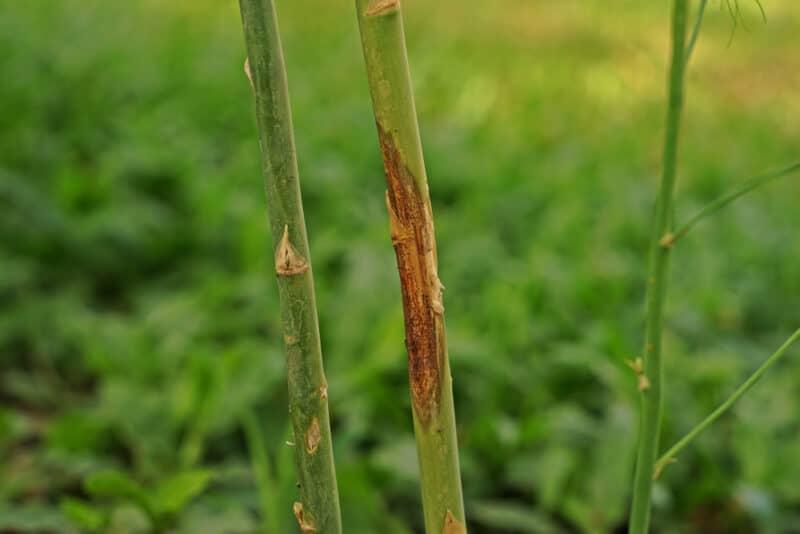
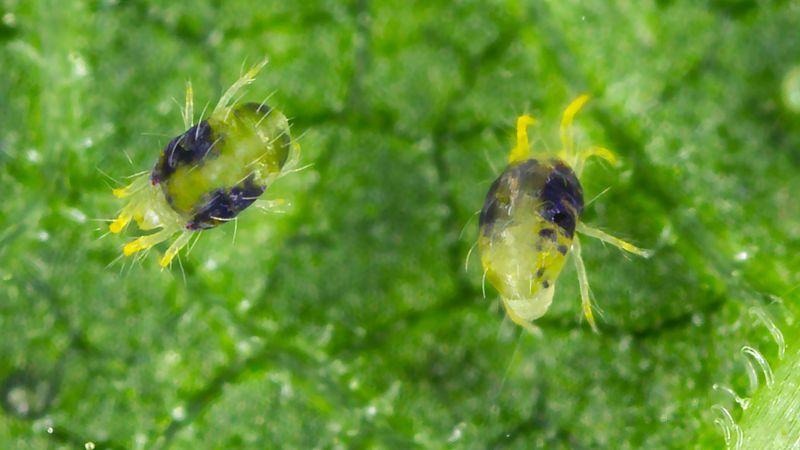
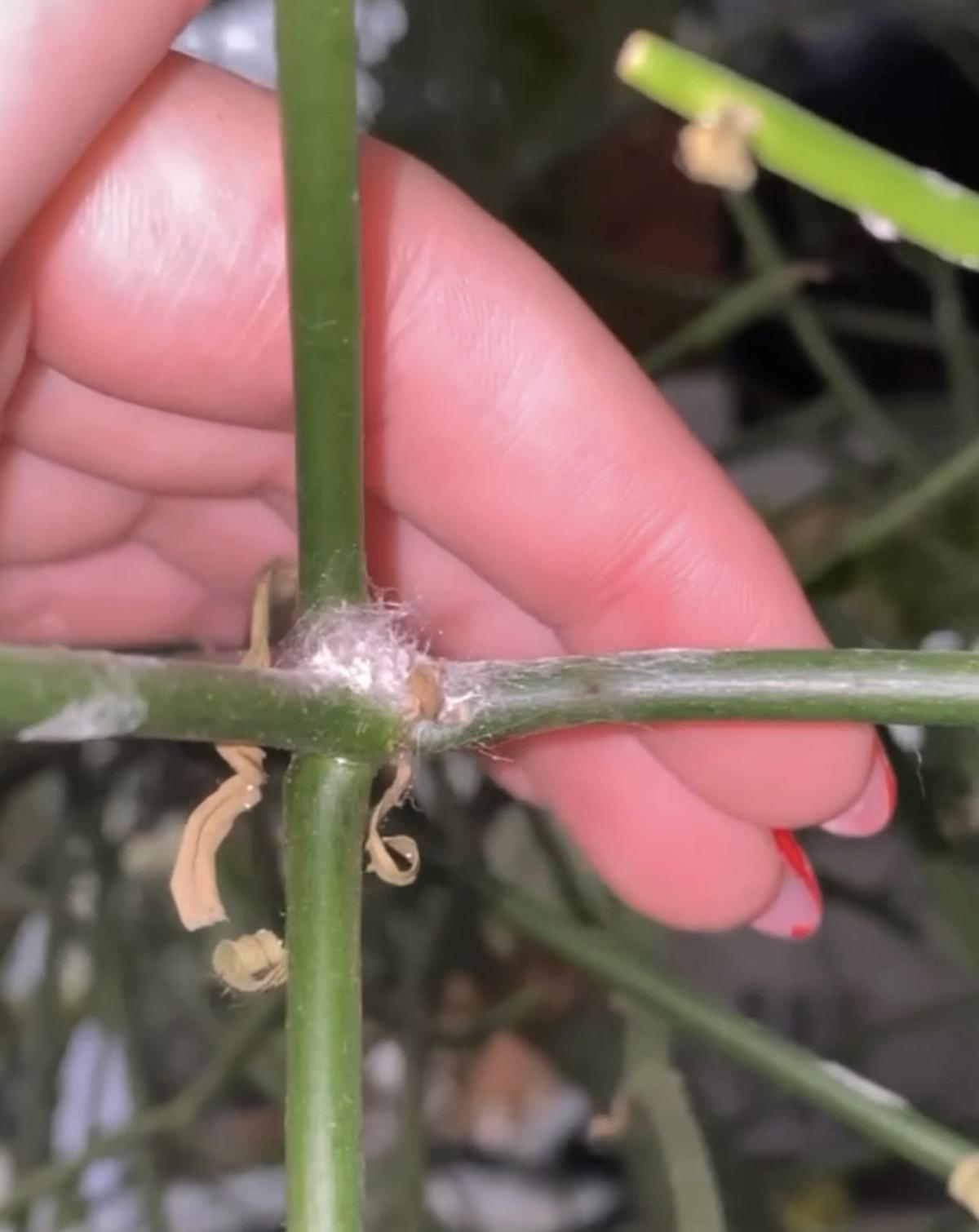
Popular Varieties
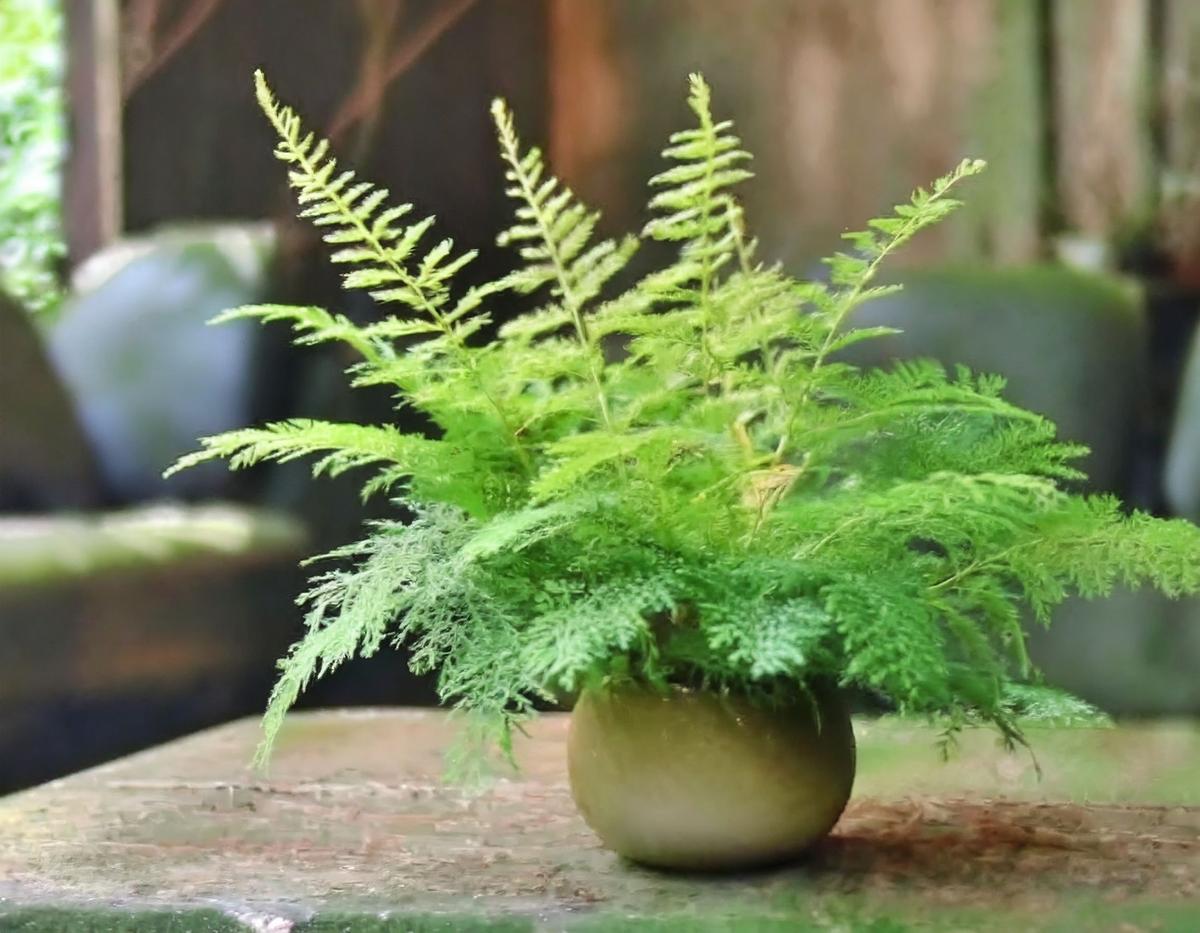
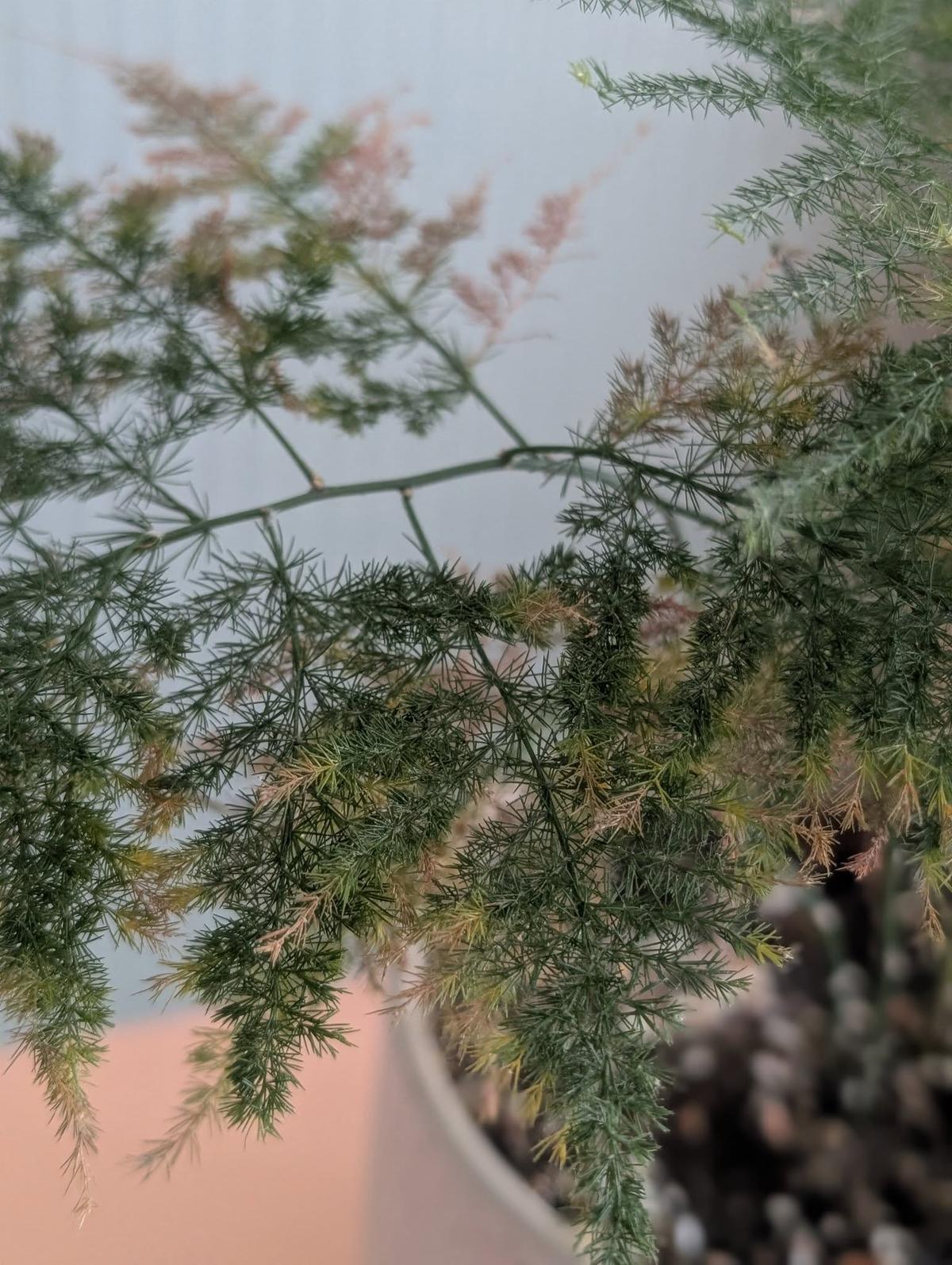
Explore different asparagus varieties and find your perfect match.
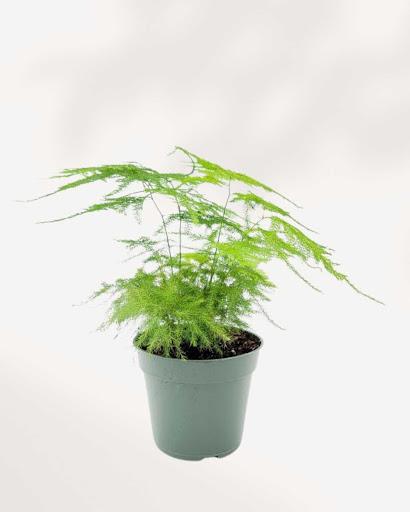
Care Tips & Best Practices
Humidity
Group with plants or mist twice daily for 50% humidity.
Feeding
Fertilize monthly spring-summer with half-strength balanced feed.
Cleaning
Shower fronds monthly to dust and refresh.
Support
Use moss pole for climbing stems indoors.
Pruning
Cut yellow stems at base in spring.
Rotation
Turn pot weekly for even frond growth.
Care Checklist
10 Common Mistakes to Avoid
Direct sun exposure
Why it's bad: Scorches fronds yellow-brown.
Do this instead: Choose filtered light spots.
Overwatering daily
Why it's bad: Causes tuber rot and collapse.
Do this instead: Wait for top inch dry.
Ignoring low humidity
Why it's bad: Tips brown and drop.
Do this instead: Mist or pebble tray daily.
No pruning old stems
Why it's bad: Plant gets leggy and sparse.
Do this instead: Cut at base in spring.
Skipping repotting
Why it's bad: Tubers crack pots and starve.
Do this instead: Repot every 2 years.
Cold drafts in winter
Why it's bad: Fronds blacken and die back.
Do this instead: Keep above 55°F.
Tap water with chlorine
Why it's bad: Kills soil microbes slowly.
Do this instead: Let water sit overnight.
Dark corner placement
Why it's bad: Leggy weak growth.
Do this instead: Bright indirect minimum.
Over-fertilizing
Why it's bad: Burns roots and tips.
Do this instead: Half strength monthly.
Pet access
Why it's bad: Berries cause vomiting.
Do this instead: Hang out of reach.
Frequently Asked Questions
Is asparagus fern safe for pets?
No, berries and sap irritate. Keep away from cats and dogs.
Why are my fronds turning yellow?
Often dry soil or low light. Water and relocate brighter.
How often to water asparagus fern?
Every 5-7 days; top inch dry. Less in winter.
Can I grow it in low light?
Tolerates but grows slow and sparse. Best bright indirect.
Does it bloom indoors?
Rarely; needs maturity and light. Berries follow flowers.
How to revive drooping fronds?
Check soil moisture first. Trim dead parts for rebound.
Propagate from cuttings?
No, divide tubers instead. Seeds slow but viable.
Why brown tips on needles?
Low humidity culprit. Mist and humidify air.
Outdoor care in summer?
Shaded patio fine. Acclimate slowly to avoid scorch.
Fertilizer type for best growth?
Balanced 10-10-10 diluted. Monthly spring through fall.
References & Sources
Information in this guide is based on these trusted sources.