
artichoke
Grow massive edible buds from this thistle-like perennial. Full sun turns it into a productive garden star.
Video Tutorials
Watch these helpful videos to learn more about artichoke care.
About artichoke
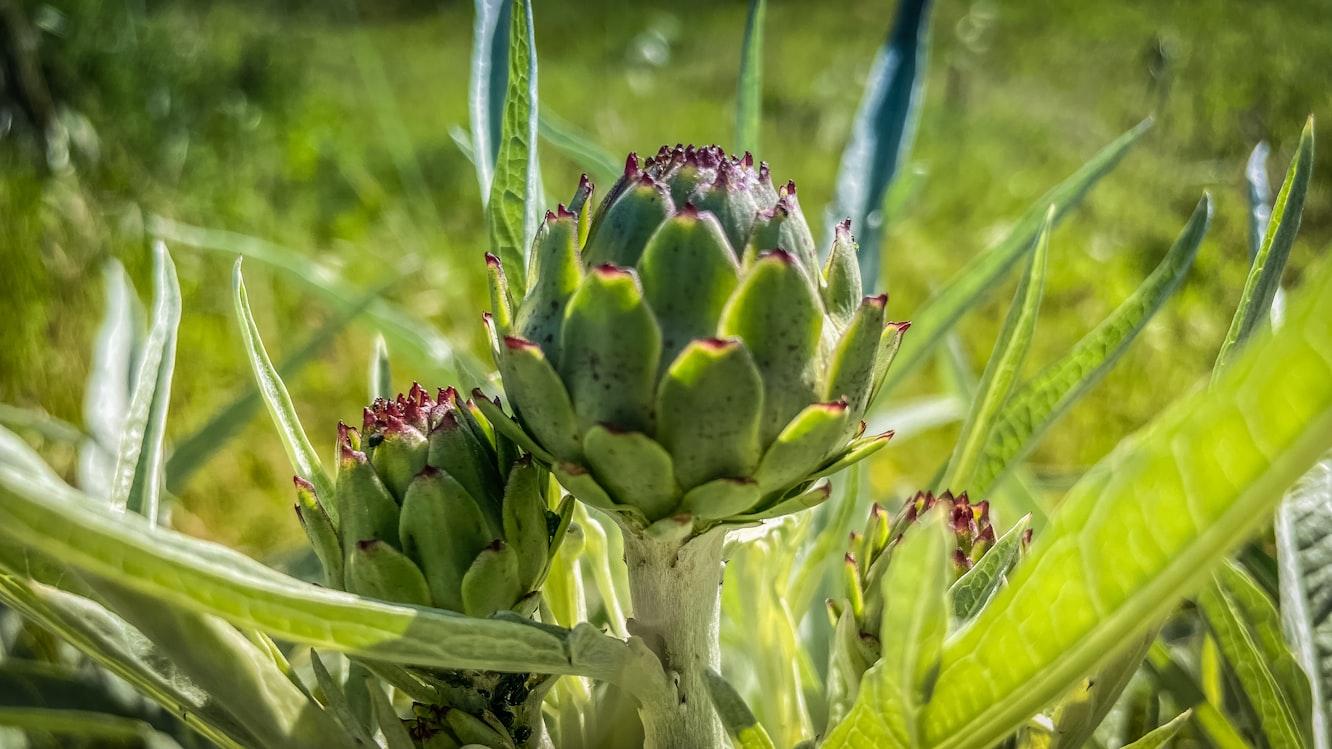
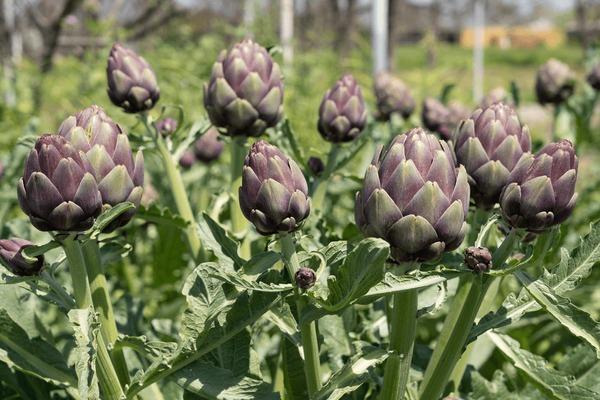
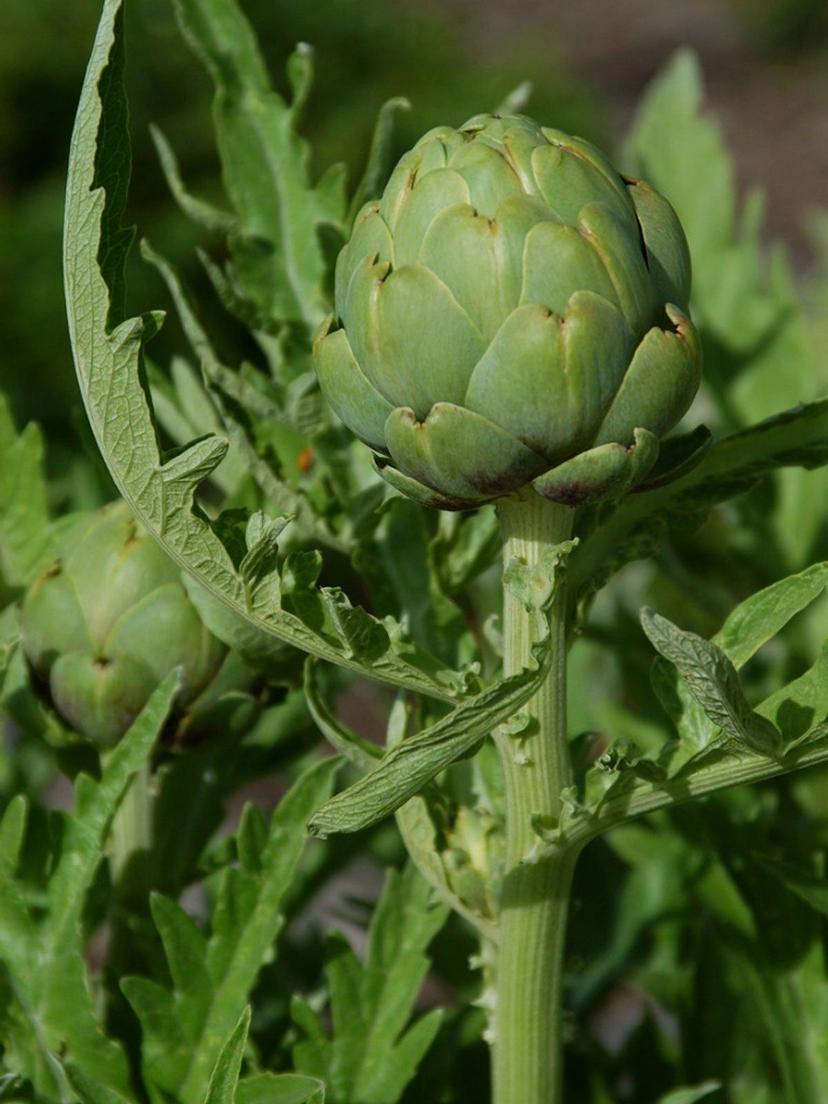
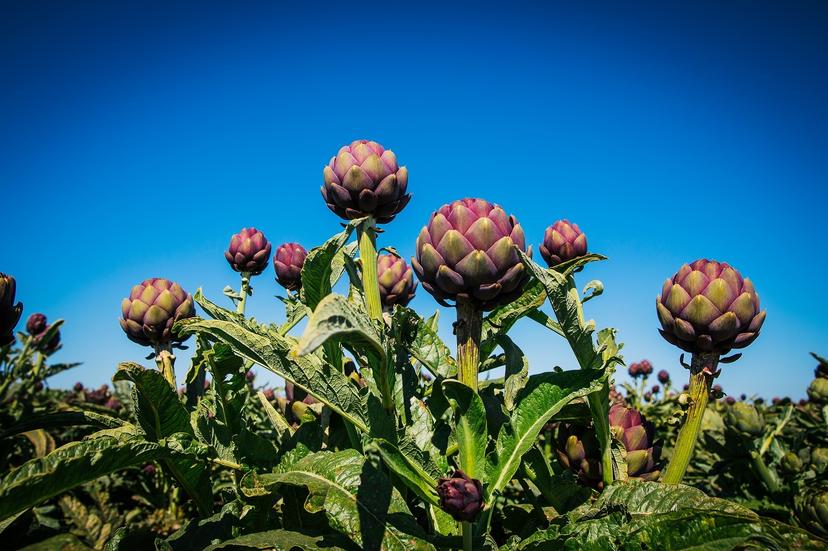
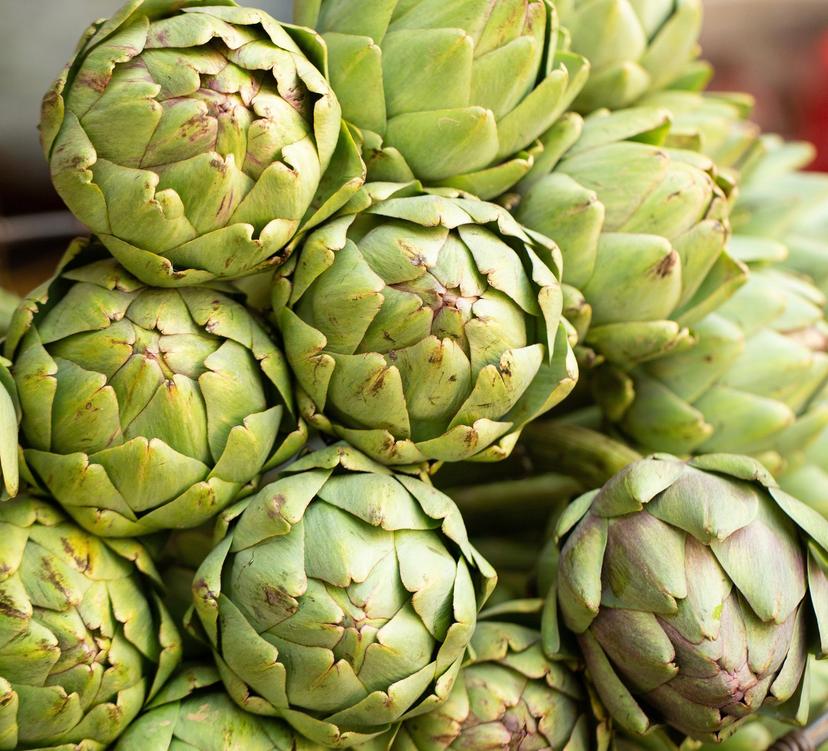
Artichoke plants crank out plump, tasty buds perfect for steaming or grilling. These giants add drama to gardens with silvery leaves and purple blooms that bees love.
Native to the Mediterranean, they thrive in warm, sunny spots with well-drained soil. Cool springs kick off bud formation best.
Indoors or out, expect harvests starting year two. Divide every 4-5 years to keep them pumping out buds for years.
Watering Schedule
Keep soil consistently moist with 1-2 inches weekly. Deep water supports shallow roots during bud growth.
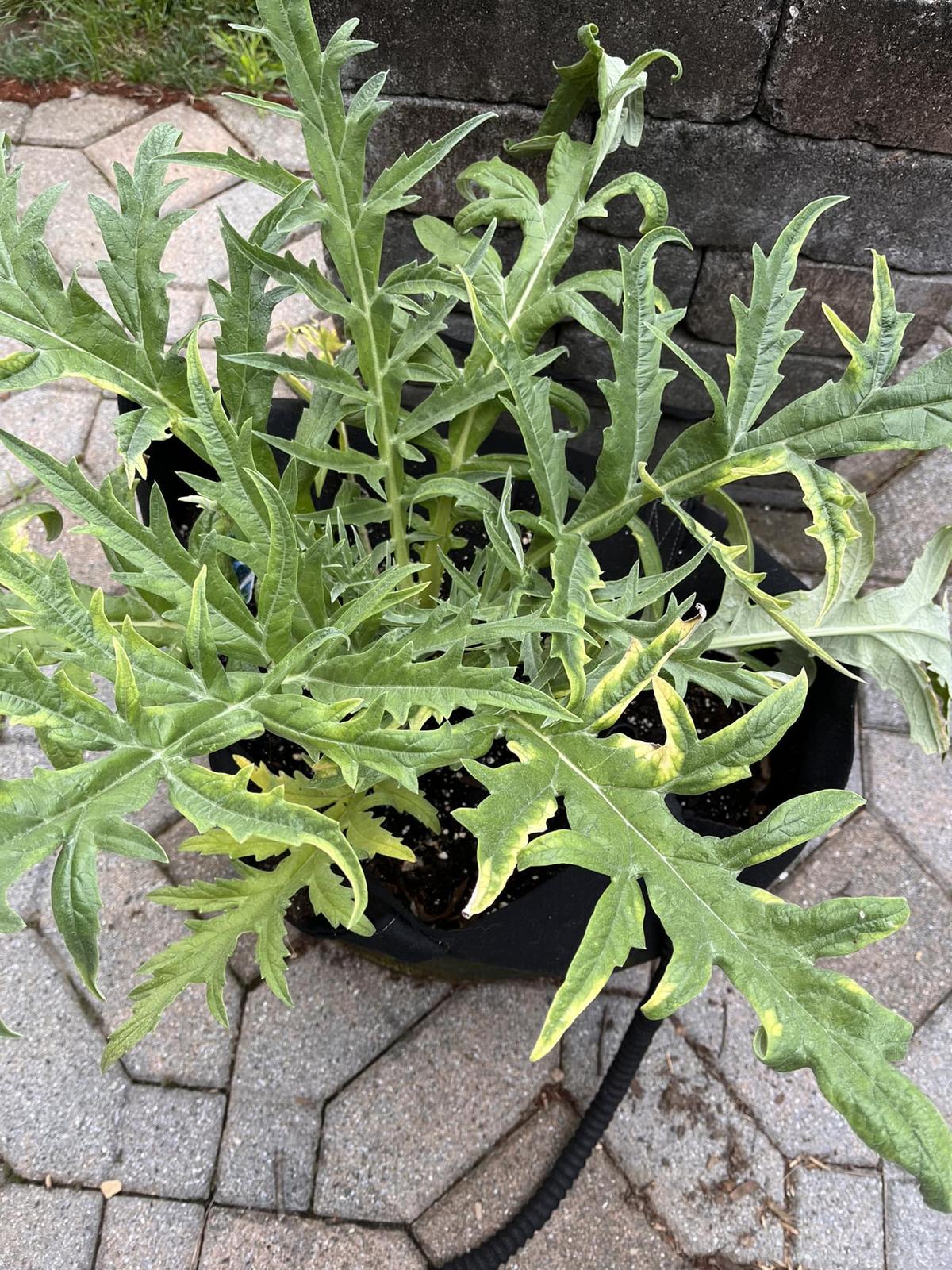
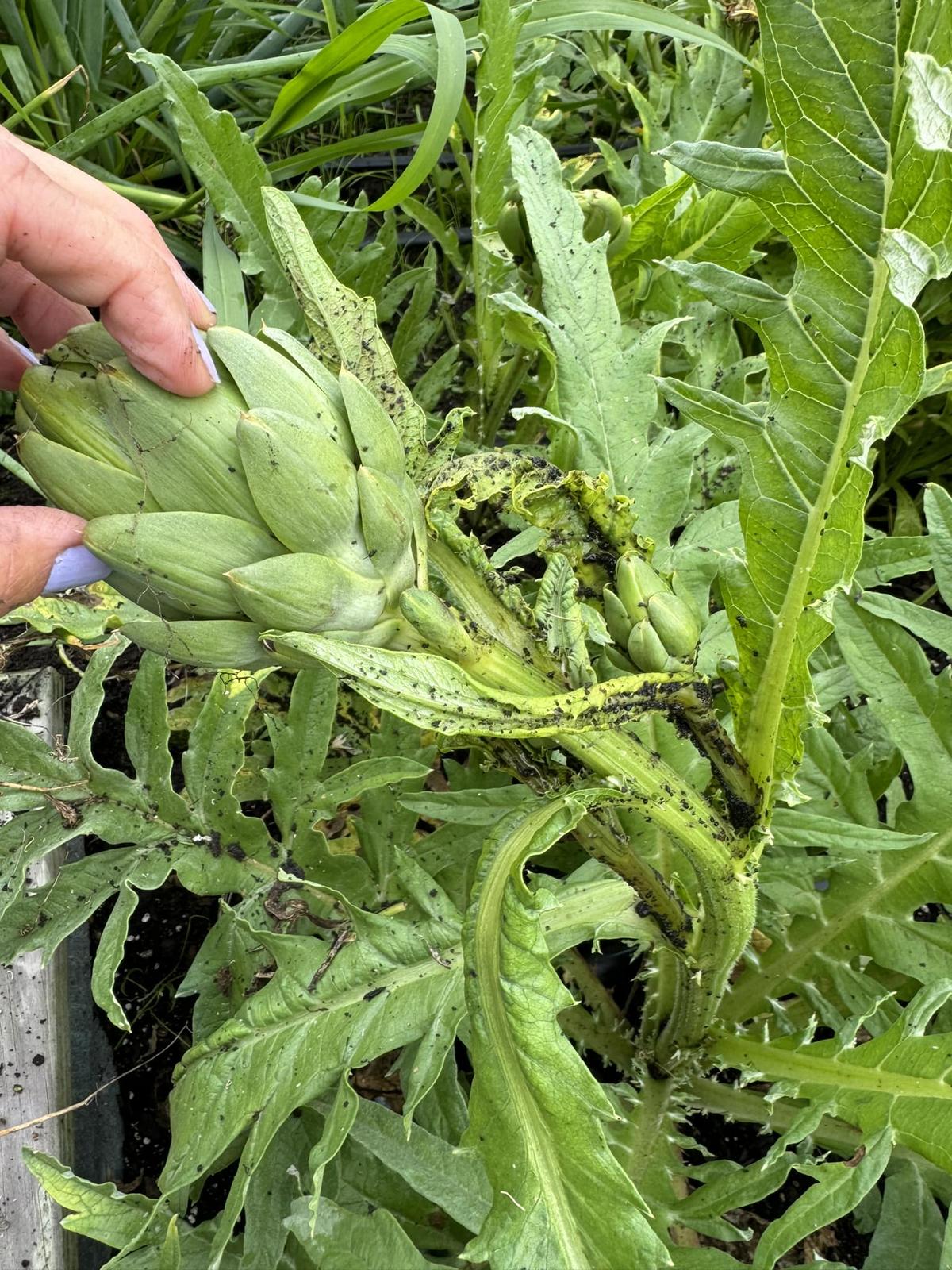
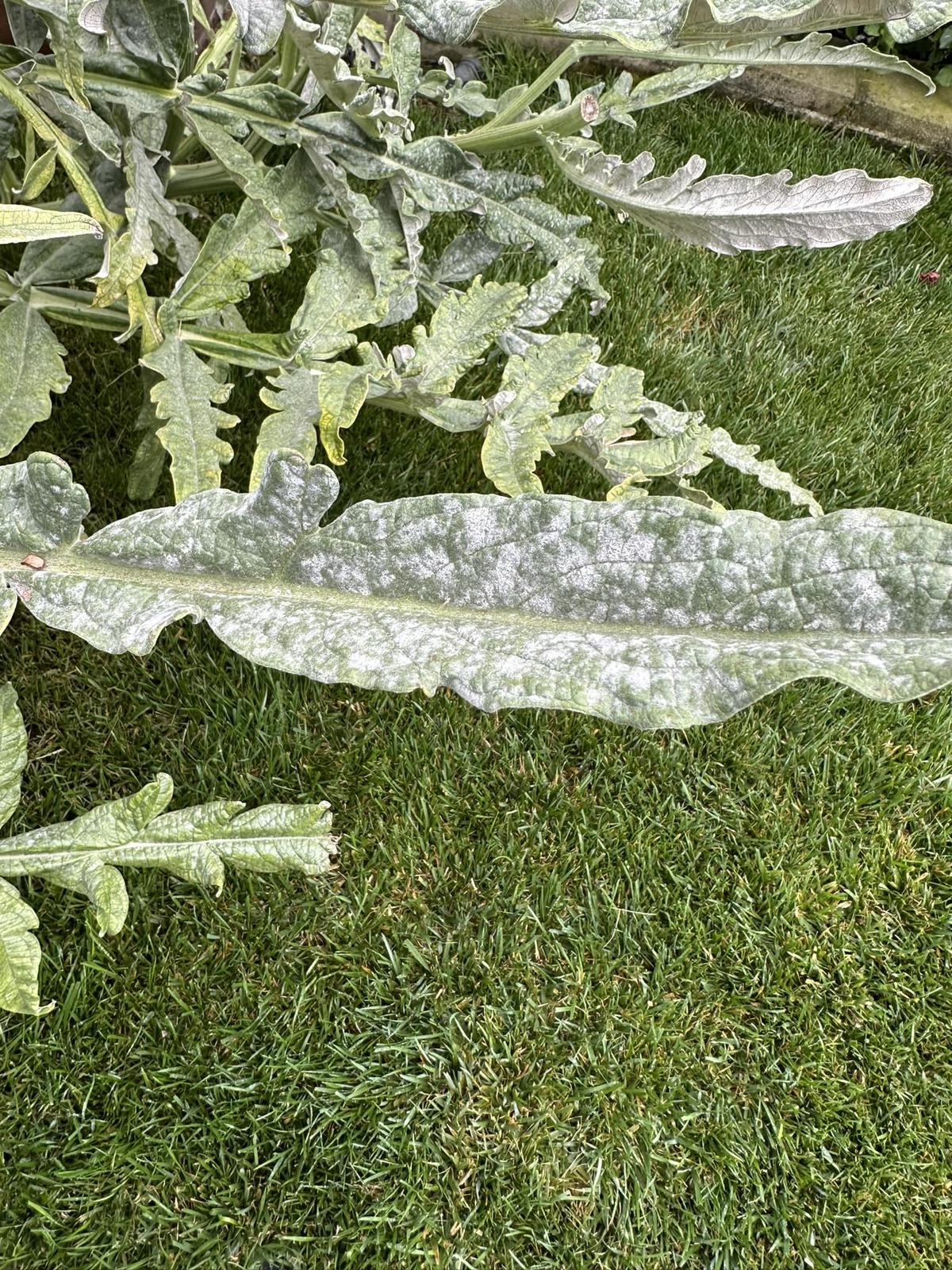
Common Problems & Solutions
Here's how to identify and fix the most common artichoke problems.
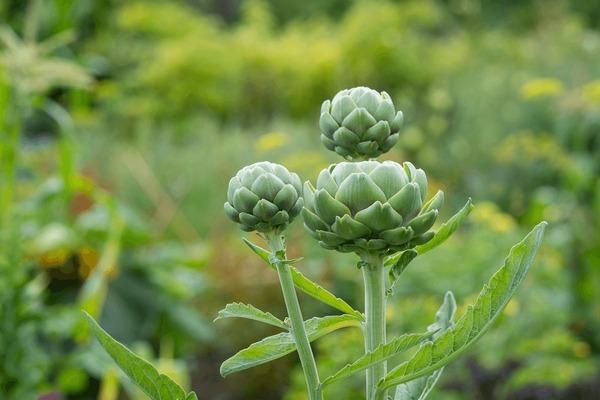
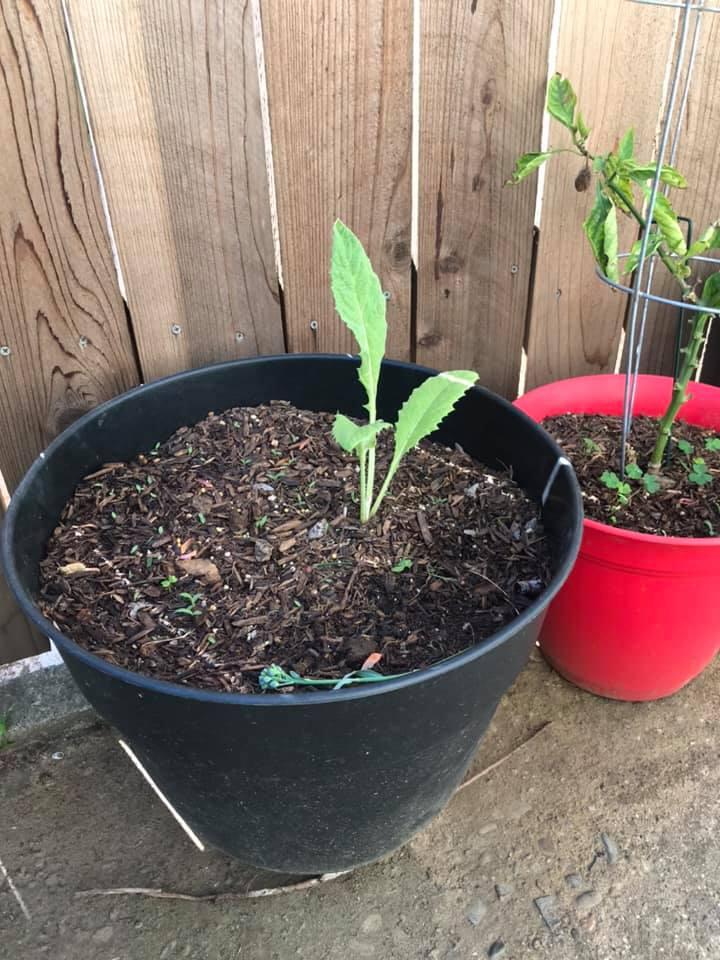
Popular Varieties
Explore different artichoke varieties and find your perfect match.
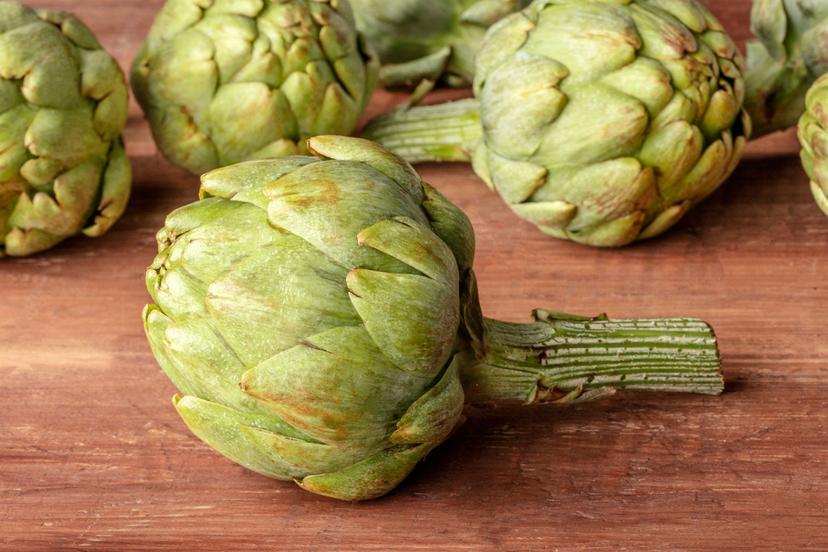
Care Tips & Best Practices
Humidity
Keep 40-60%; mist leaves in dry indoor air.
Feeding
Apply nitrogen fertilizer every 4 weeks spring-summer.
Cleaning
Wipe dusty leaves monthly with damp cloth.
Support
Stake tall stalks in windy spots.
Pruning
Cut spent stalks; trim dead leaves fall.
Rotation
Turn pots weekly for even sun exposure.
Care Checklist
10 Common Mistakes to Avoid
Planting in shade
Why it's bad: No buds form without 6+ hours sun.
Do this instead: Choose full sun spots only.
Overwatering crowns
Why it's bad: Causes fatal root rot.
Do this instead: Let top 2 inches dry.
Skipping mulch
Why it's bad: Soil dries fast; weeds compete.
Do this instead: Add 2-3 inches organic mulch.
No winter protection
Why it's bad: Crowns freeze and die.
Do this instead: Mulch heavily with straw.
Late planting
Why it's bad: Misses chill for buds.
Do this instead: Transplant early spring.
Ignoring aphids
Why it's bad: Spread viruses; stunt growth.
Do this instead: Inspect and hose weekly.
No fertilizing
Why it's bad: Weak plants, few buds.
Do this instead: Nitrogen every 4 weeks.
Crowded spacing
Why it's bad: Poor air flow breeds disease.
Do this instead: Space 3-4 feet apart.
Harvest late
Why it's bad: Buds open and toughen.
Do this instead: Cut when scales tight.
Never dividing
Why it's bad: Clumps weaken over time.
Do this instead: Divide every 4-5 years.
Frequently Asked Questions
Can artichokes grow indoors?
Yes in big pots with full sun windows. Provide 6-8 hours light and rotate often. Expect smaller yields than outdoors.
Why no buds on my plant?
Needs winter chill below 50°F for 10+ days. Plant early or vernalize seedlings. Check sun and water too.
How often to water artichoke?
1-2 inches per week; more in heat. Keep soil moist but not soggy. Mulch helps even it out.
Are artichokes perennials?
Yes in zones 7-10; mulch crowns well. Treat as annuals in colder spots or dig up roots.
Safe for pets?
Toxic if eaten; keep away from cats and dogs. Mild effects like vomiting.
Best fertilizer for artichokes?
High-nitrogen like 21-0-0 every 4 weeks spring through summer. Compost works too.
How to overwinter artichokes?
Cut back tops; mulch crowns 12 inches deep with straw. Cover in harsh cold.
Propagate from store artichoke?
Rarely works; bottom may sprout but weak. Buy seeds or plants instead.
Fix yellowing leaves?
Often overwater; check drainage. Nitrogen lack too; fertilize promptly.
Harvest time for buds?
Late summer; cut when full but tight. Leave some for pretty purple flowers.
References & Sources
Information in this guide is based on these trusted sources.