
areca palm
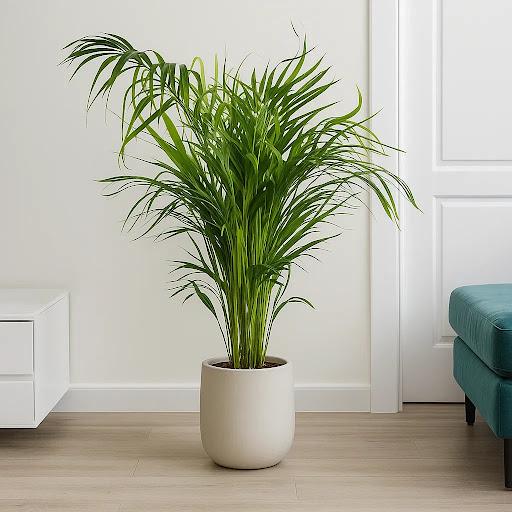
A tropical beauty with feathery fronds that purifies air and thrives with bright light and humid conditions.
Video Tutorials
Watch these helpful videos to learn more about areca palm care.
About areca palm
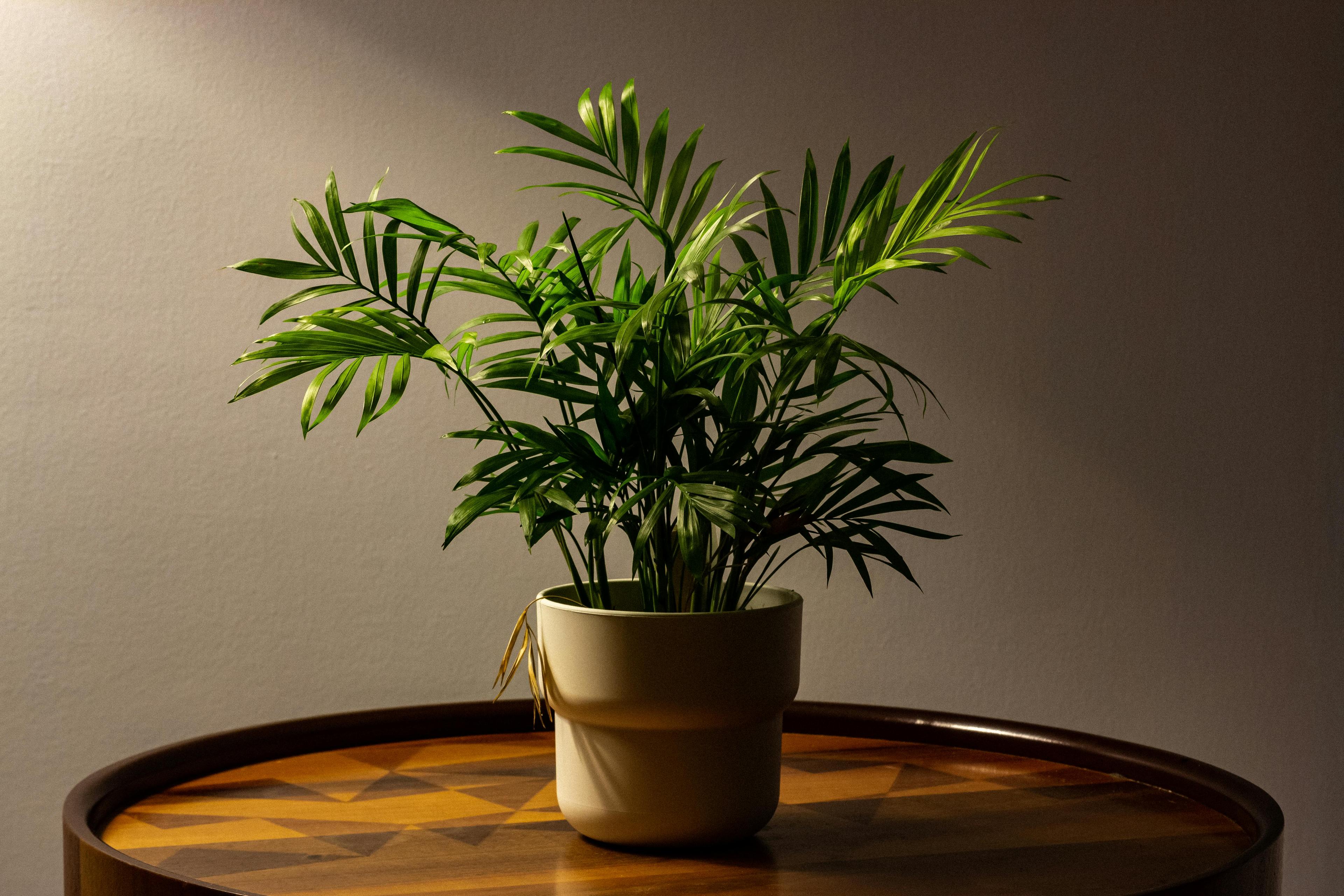
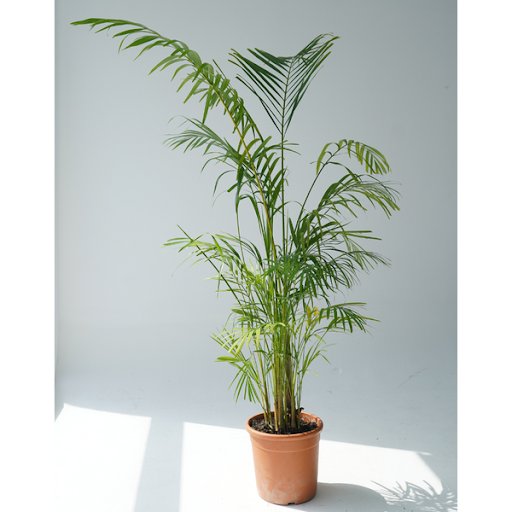
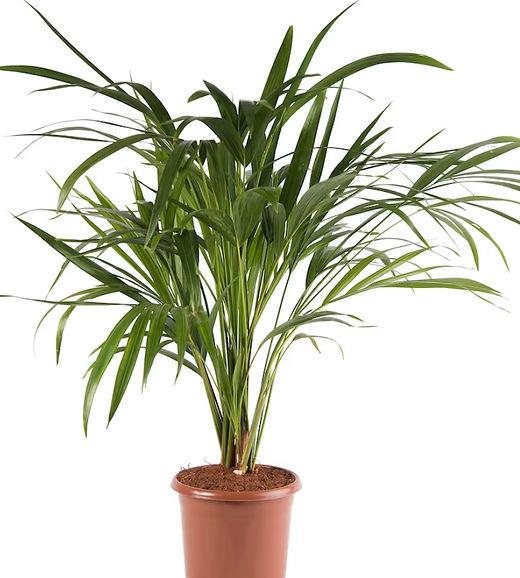
The Areca palm, also called the butterfly or golden cane palm, has become one of the world's most popular houseplants. NASA's Clean Air Study ranked it among the top plants for removing indoor air pollutants including formaldehyde, xylene, and toluene. A single 6-foot Areca palm can release about 1 liter of water daily through transpiration, naturally humidifying your space.
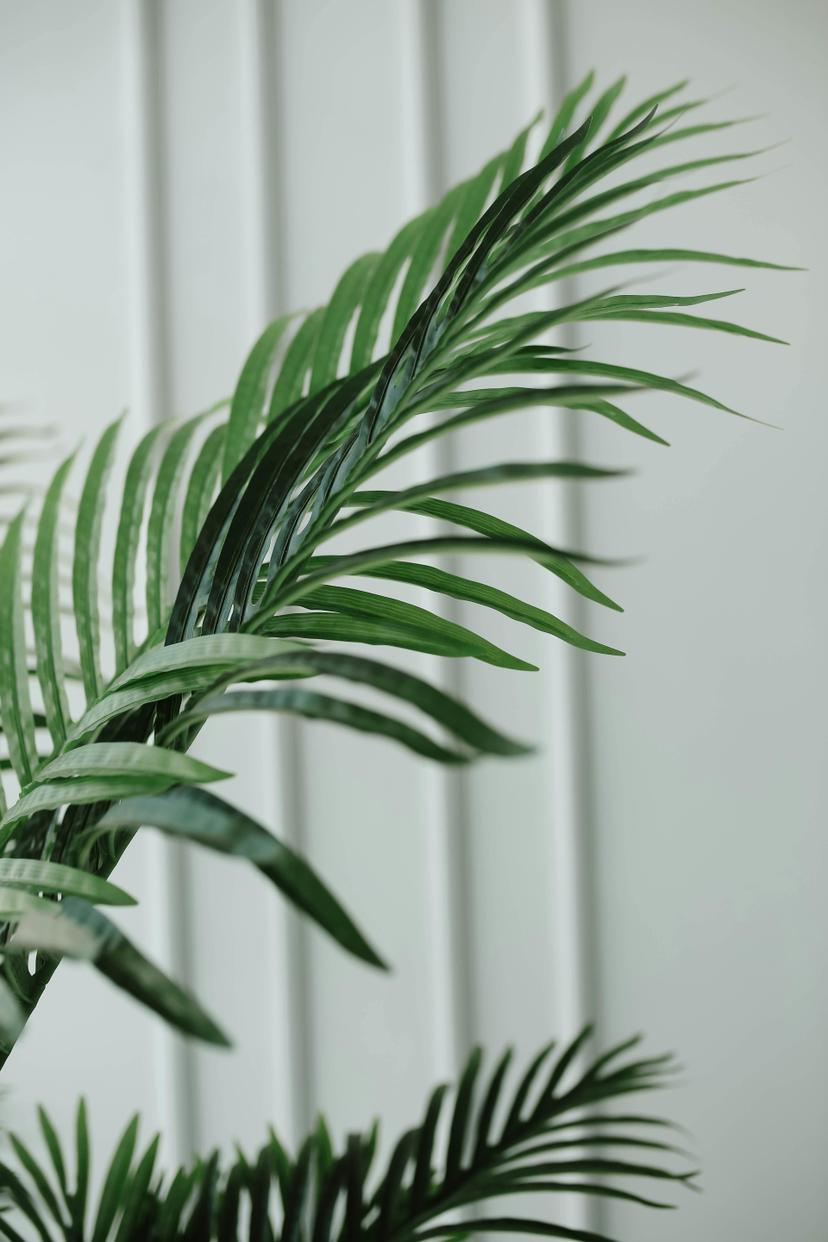
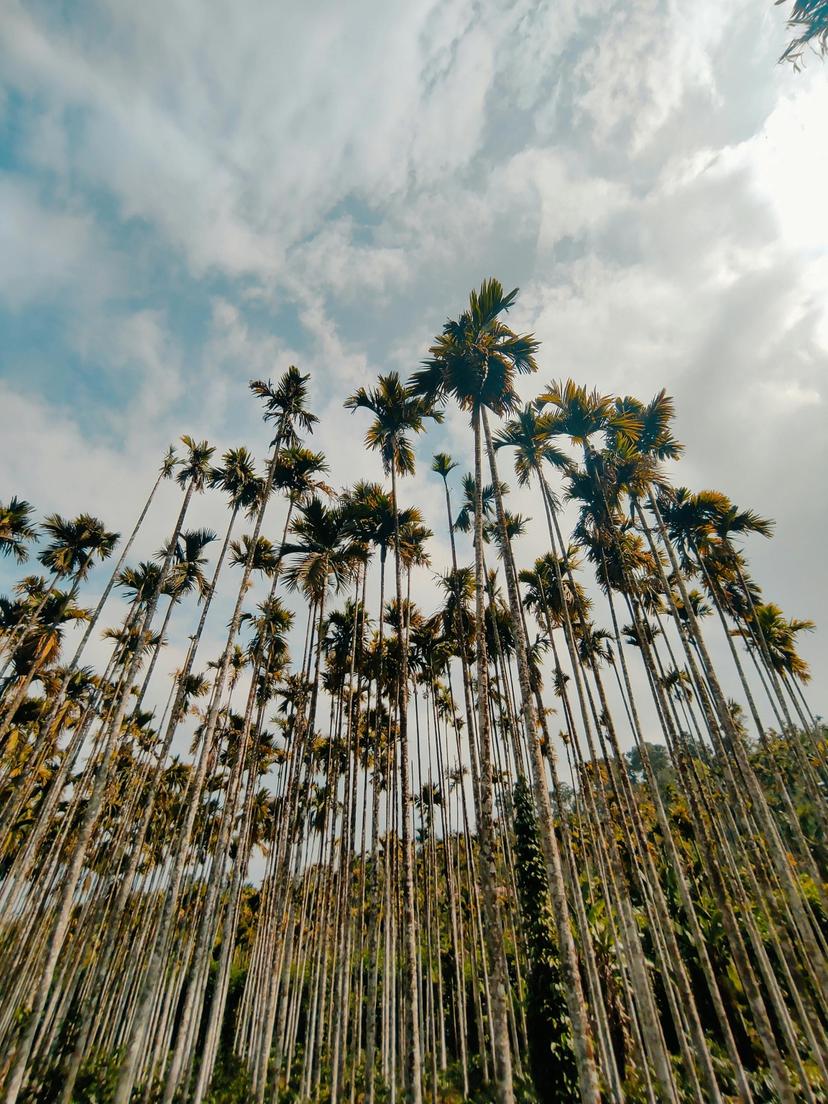
Native to the humid rainforests of Madagascar, this evergreen thrives in warm, tropical climates where it grows in dense clusters along riverbanks and coastal areas. In its natural habitat, the plant reaches heights up to 40 feet with gracefully arching fronds that resemble butterfly wings fluttering in the breeze.
Indoors, Areca palms stay much more compact, typically reaching 3-12 feet depending on the variety and care. With bright indirect light, consistent moisture, and high humidity, these palms grow at a moderate to fast pace. They produce new fronds every few months and can live for many years, though flowering rarely occurs indoors.
Watering Schedule
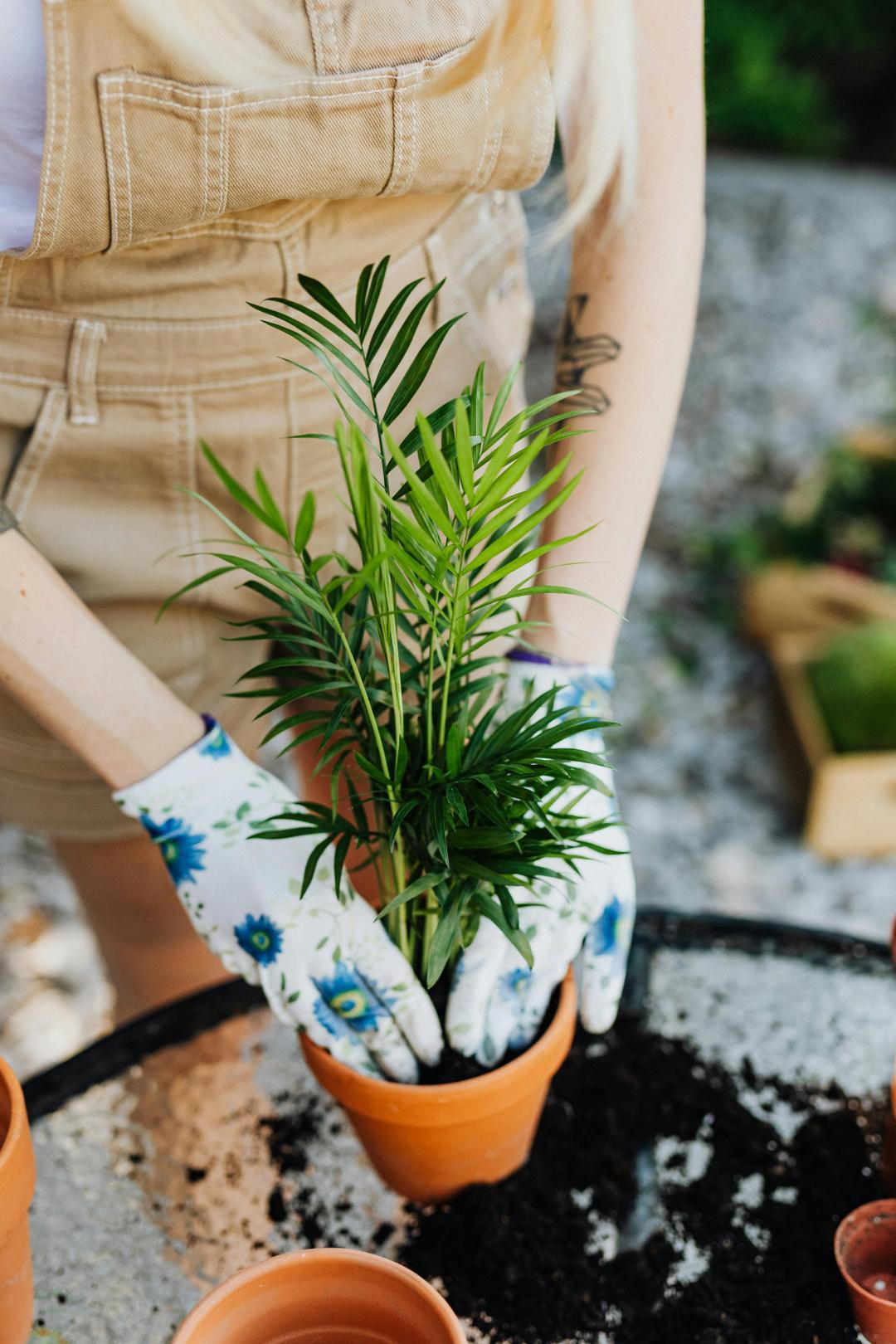
Areca palms need consistent moisture but hate waterlogging. Water when the top inch of soil feels dry, keeping soil lightly moist year-round. Reduce watering slightly in winter when growth slows.
Common Problems & Solutions
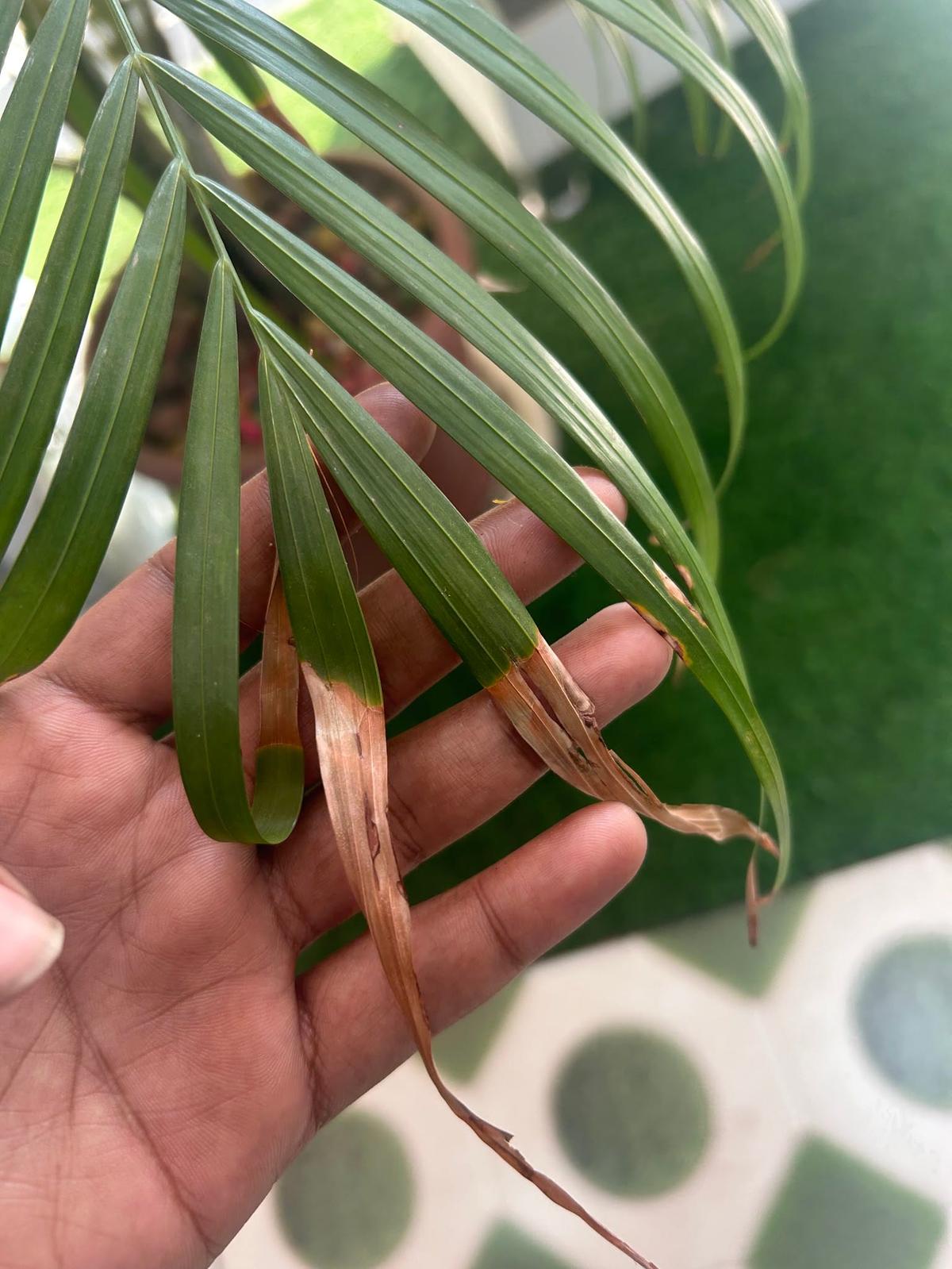
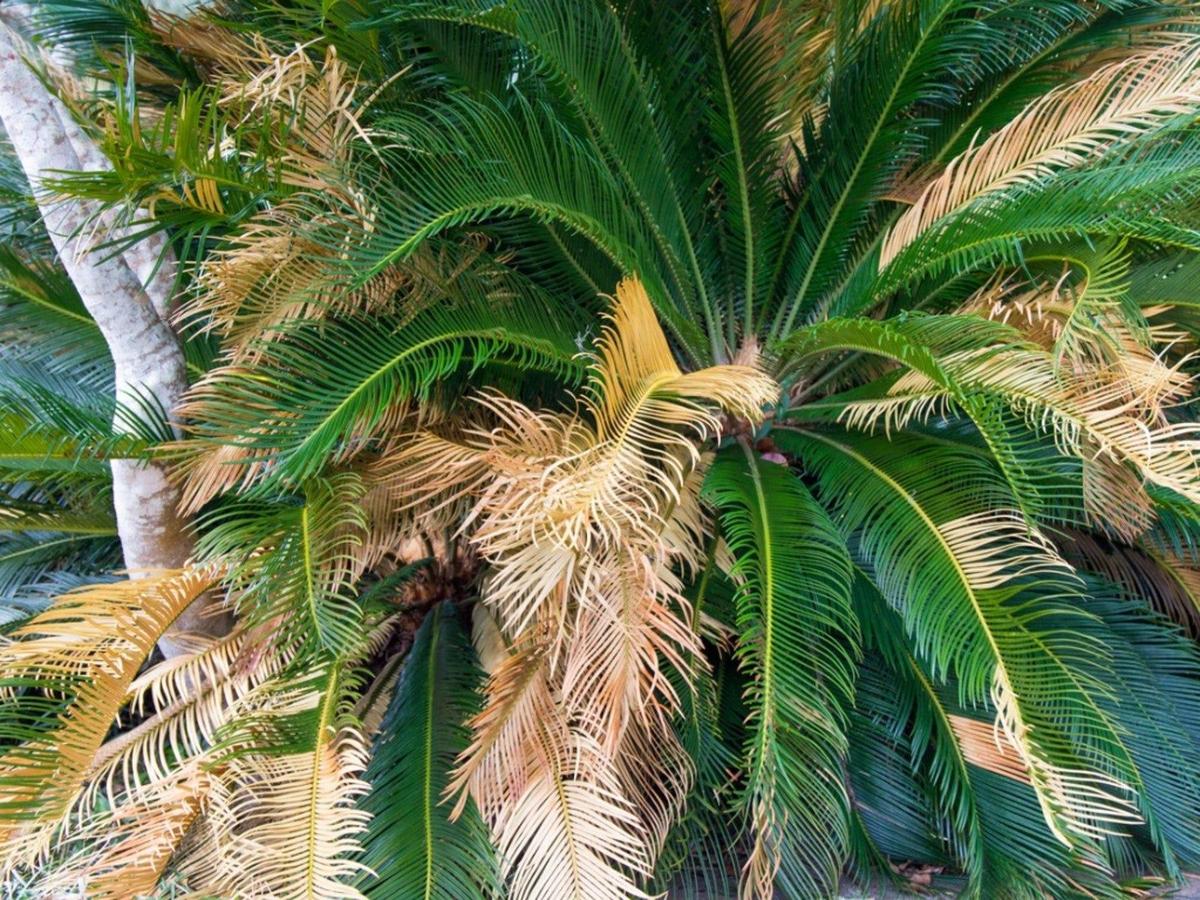
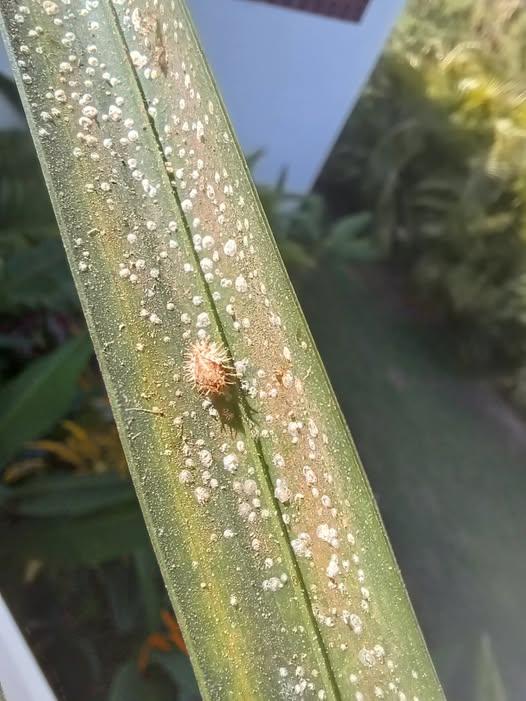
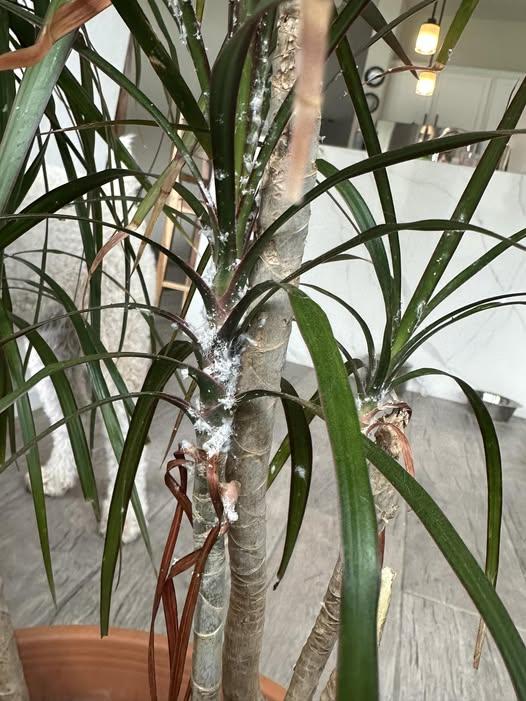
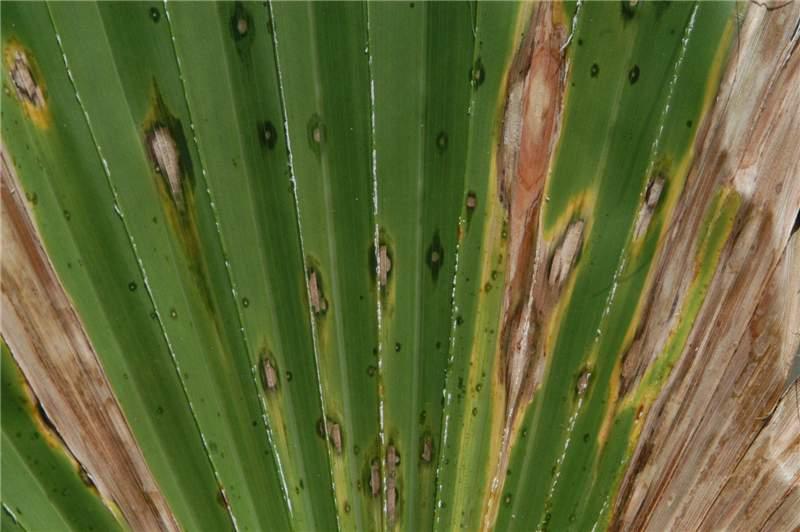
Here's how to identify and fix the most common areca palm problems.
Popular Varieties
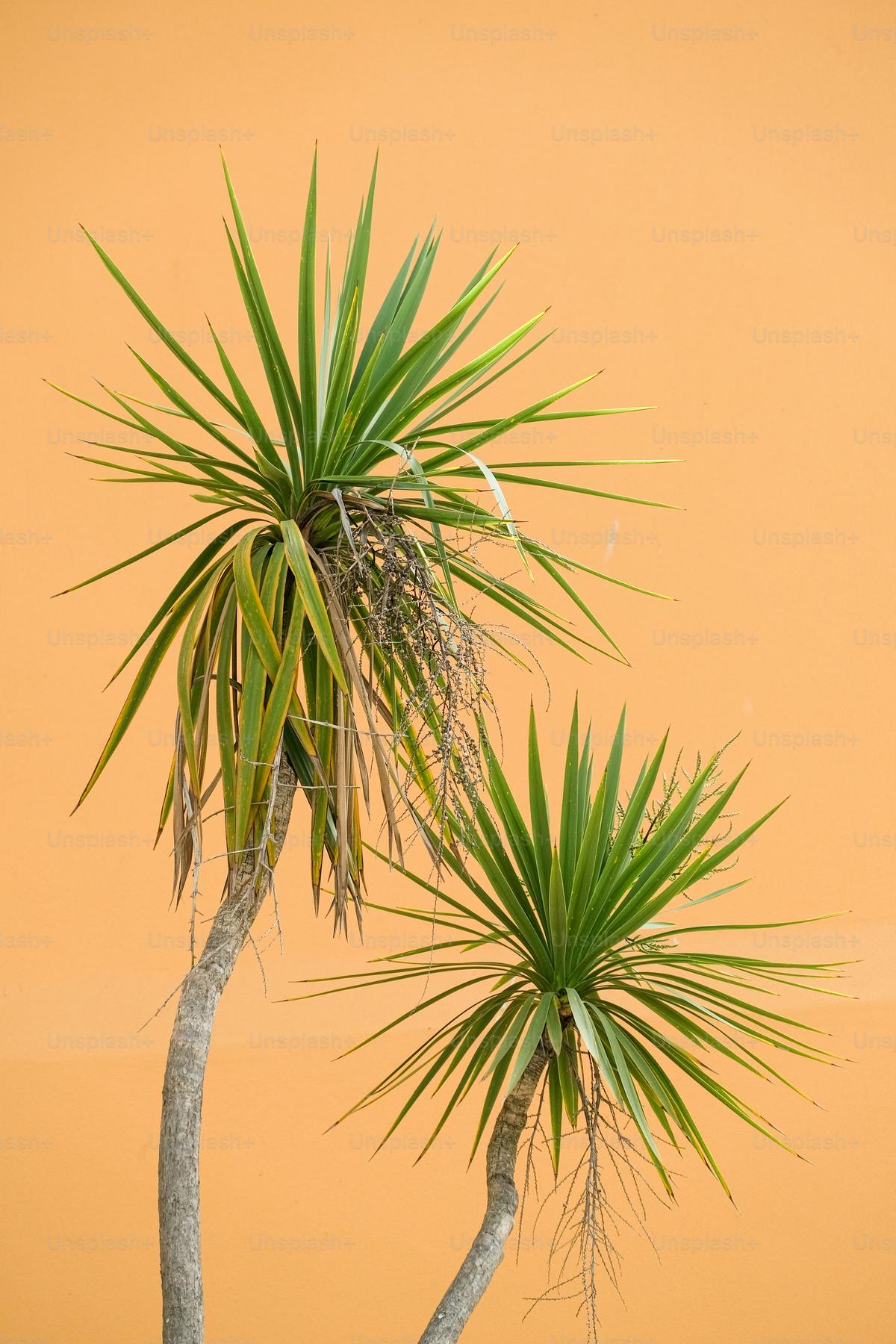
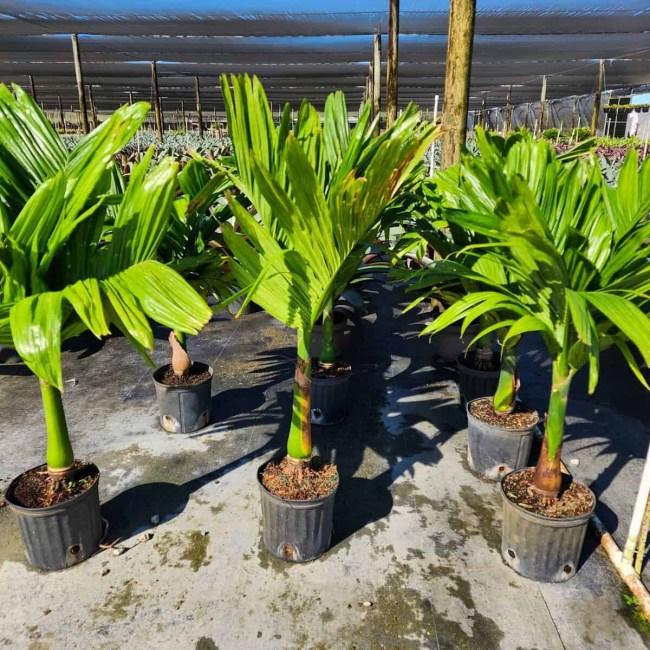
Explore different areca palm varieties and find your perfect match.
Care Tips & Best Practices
Humidity
Areca palms love humidity; aim for 60-80% by misting every 2-3 days or using a humidifier in winter.
Feeding
Feed with balanced liquid fertilizer every 4-6 weeks during spring and summer. Stop fertilizing in fall and winter dormancy.
Cleaning
Wipe leaves monthly with a soft, damp cloth to remove dust and improve air purification abilities.
Support
As the palm grows taller, support multiple stems with a stake or moss pole to prevent bending from leaf weight.
Pruning
Remove only completely dead or yellow fronds at the base. Never cut brown tips alone as it kills the entire frond.
Rotation
Rotate the plant 90 degrees every 1-2 weeks so all sides receive equal light and prevent uneven growth.
Care Checklist
10 Common Mistakes to Avoid
Watering on a fixed schedule regardless of soil moisture.
Why it's bad: Areca palms vary in water needs by season; rigid schedules cause root rot.
Do this instead: Check soil moisture daily and water only when top inch feels dry.
Using tap water with fluoride and chlorine.
Why it's bad: Areca palms are extremely sensitive; chemicals cause brown tips and leaf damage.
Do this instead: Use distilled water or let tap water sit 24 hours before using.
Placing the palm in low light to save space.
Why it's bad: Low light causes leggy stems, slow growth, and rapid yellowing of older fronds.
Do this instead: Prioritize bright, indirect light; rearrange furniture if needed.
Ignoring humidity requirements and not misting.
Why it's bad: Areca palms need 60-80% humidity; dry air causes brown tips and pest issues.
Do this instead: Mist every 2-3 days, use a humidifier, or place in bathroom.
Overcutting brown leaf tips thinking it helps.
Why it's bad: Cutting only the tip kills the entire frond, causing more damage.
Do this instead: Remove only completely dead or yellow fronds at the base.
Using pots without adequate drainage holes.
Why it's bad: Areca palms rot quickly in waterlogged soil with poor drainage.
Do this instead: Always use pots with multiple drainage holes and empty saucers.
Repotting too frequently or into oversized pots.
Why it's bad: Excess soil holds excess moisture longer than roots need.
Do this instead: Repot only every 2-3 years in pots just 1-2 inches larger.
Overfertilizing or using full-strength fertilizer.
Why it's bad: Salt buildup from excess fertilizer burns roots and causes brown tips.
Do this instead: Fertilize only every 4-6 weeks at half the recommended strength.
Exposing the plant to cold temperatures below 60°F.
Why it's bad: Cold stress causes dark spots on leaves and root damage.
Do this instead: Keep temperatures between 65-75°F; avoid drafts and cold windows.
Moving the plant frequently or rotating too suddenly.
Why it's bad: Frequent relocations stress the plant and cause leaf drop.
Do this instead: Choose one location carefully, then rotate only every 1-2 weeks.
Frequently Asked Questions
How often should I water my Areca palm?
Water when the top 1-2 inches of soil feel dry, typically every 1-2 weeks in summer and every 2-3 weeks in winter. Check soil daily as it's better to underwater than overwater.
Why are my Areca palm leaves turning brown at the tips?
Brown tips usually indicate low humidity, fluoride sensitivity in tap water, or overfertilization. Use distilled water, increase humidity to 60-80% by misting or using a humidifier, and reduce fertilizer frequency.
Can I propagate my Areca palm from cuttings?
No, Areca palms cannot be propagated from leaf or stem cuttings. Use root division by separating multi-stemmed plants or grow from seed, which takes 4-8 weeks to germinate.
Is the Areca palm safe for pets and children?
Yes, Areca palms are completely non-toxic to cats, dogs, and humans. However, large quantities of ingested leaves may cause mild digestive upset in pets.
How much light does an Areca palm need?
Areca palms thrive in bright, indirect light for 8+ hours daily. They tolerate medium light but growth slows. Avoid harsh direct afternoon sun which scorches leaves yellow-brown.
What humidity level do Areca palms prefer?
Areca palms love humidity and prefer 60-80%. Mist every 2-3 days, use a humidifier, or place in a bathroom. Low humidity causes brown tips and attracts spider mites.
How do I treat root rot in my Areca palm?
Stop watering immediately. Remove the plant, trim black mushy roots with sterile scissors, and repot in fresh, well-draining soil. Reduce watering frequency and ensure excellent drainage.
Why is my Areca palm drooping even though I water it?
Drooping usually indicates overwatering causing root rot or underwatering causing stress. Check soil moisture and adjust watering. Ensure pot has drainage holes to prevent waterlogging.
How fast do Areca palms grow indoors?
Areca palms grow at a moderate to fast pace, producing 1-2 new fronds every 2-3 months under ideal conditions. Growth slows in winter and with insufficient light.
Should I fertilize my Areca palm year-round?
No, fertilize only during growing season from spring through early fall every 4-6 weeks at half strength. Stop completely in fall and winter when the plant is dormant.
References & Sources
Information in this guide is based on these trusted sources.