
apple
Grow crisp apples indoors with dwarf varieties. These productive trees bring homegrown fruit and fragrant blossoms to your home.
Video Tutorials
Watch these helpful videos to learn more about apple care.
About apple
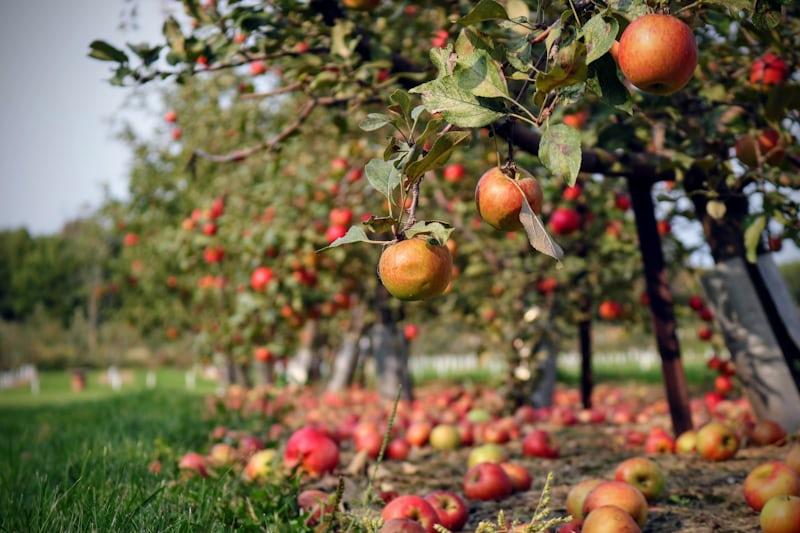
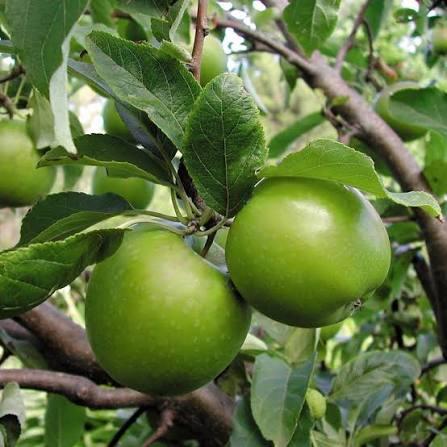
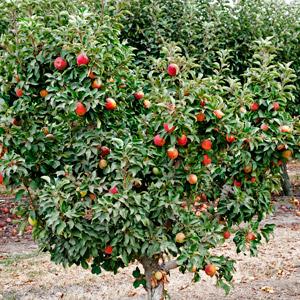
Apple trees are among the world's most beloved fruit trees. Dwarf and miniature varieties produce full-sized delicious fruit in containers or indoors, perfect for modern homes and patios.
Native to Central Asia, apples thrive in cool temperate climates requiring winter dormancy below 45°F to flower and fruit properly.
Dwarf varieties mature 6-10 feet tall and produce fruit within 2-3 years with adequate light, winter dormancy, hand-pollination, and pest management.
Watering Schedule
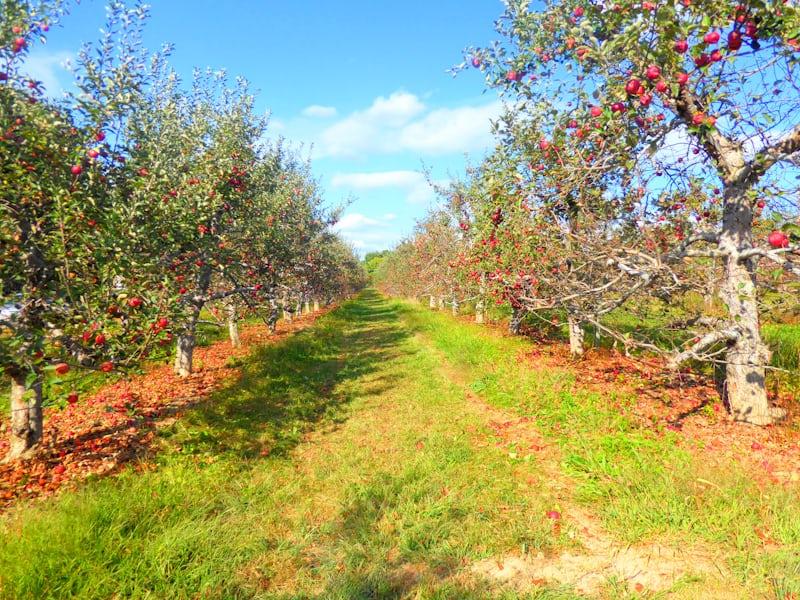
Apple trees need consistent moisture during growing season but despise waterlogged roots. Young trees need frequent watering; mature trees are drought-tolerant.
Common Problems & Solutions
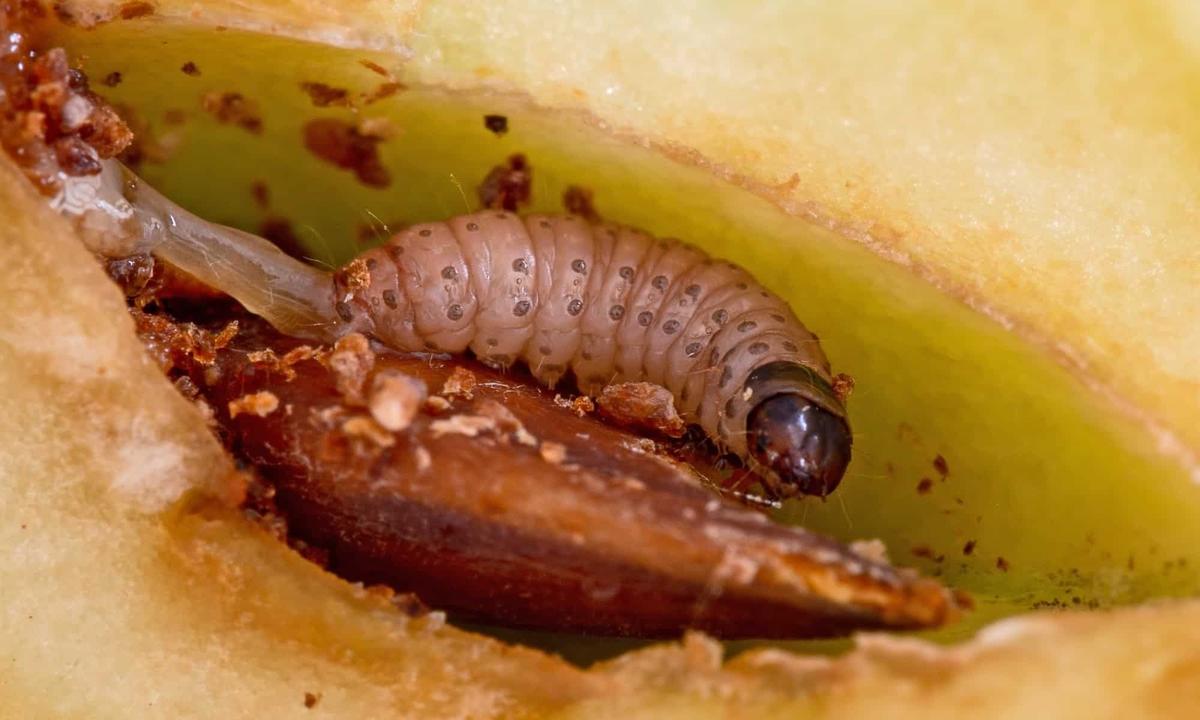
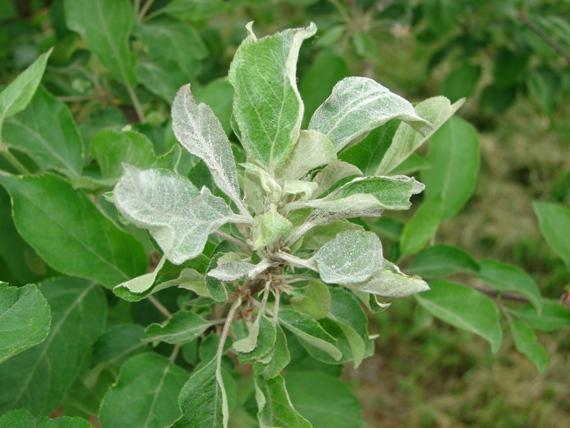
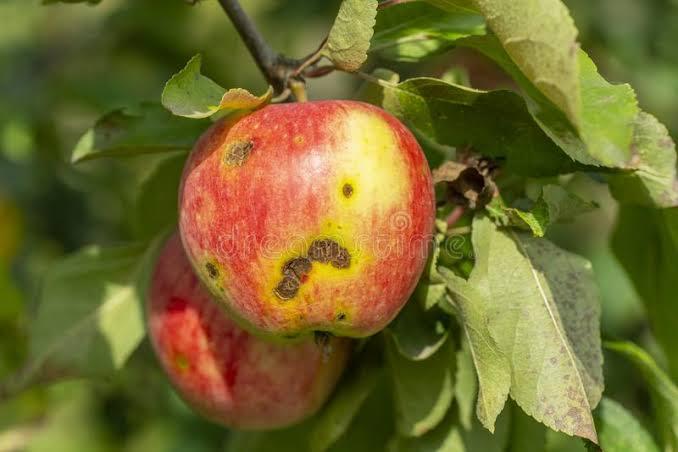
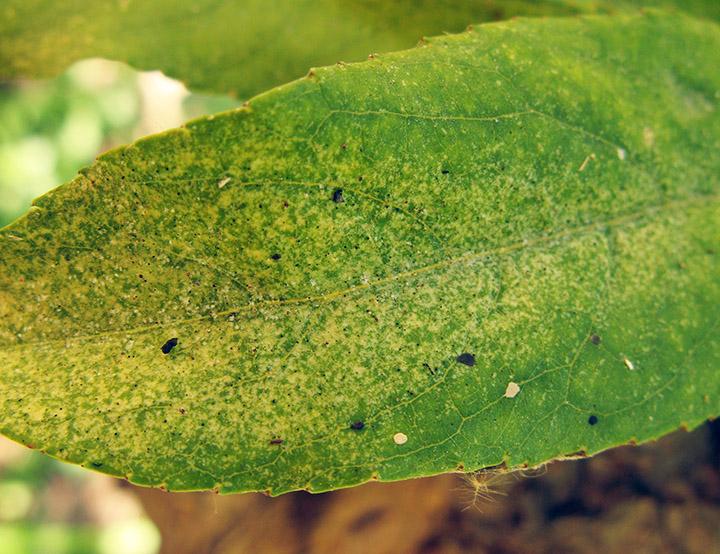
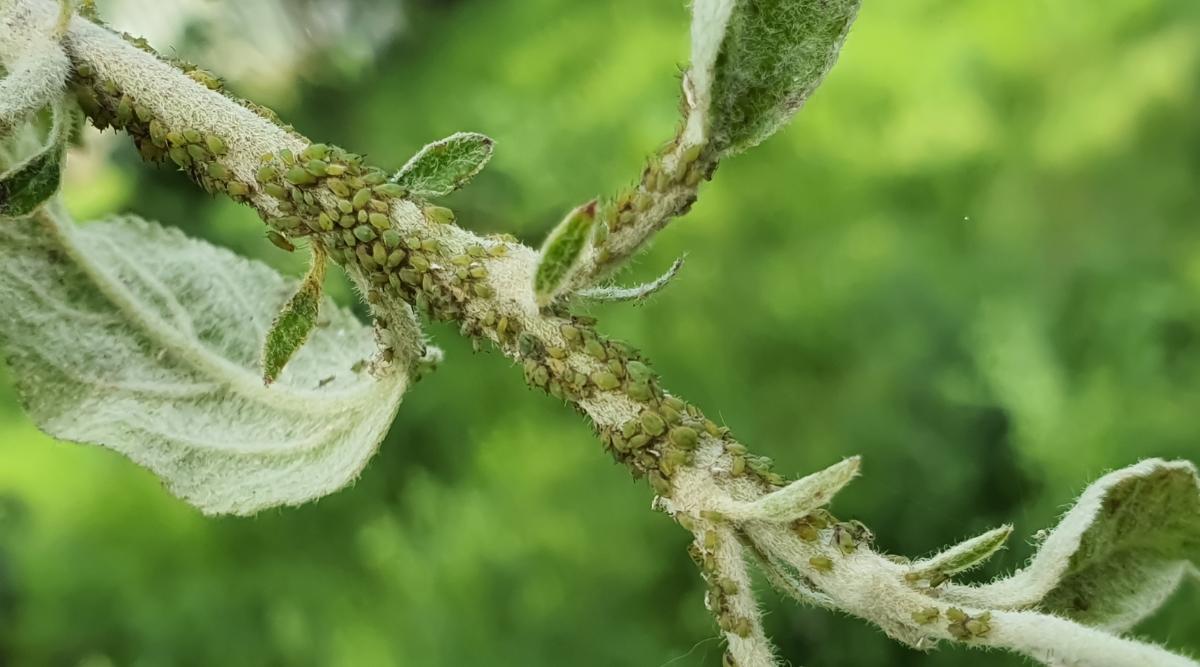
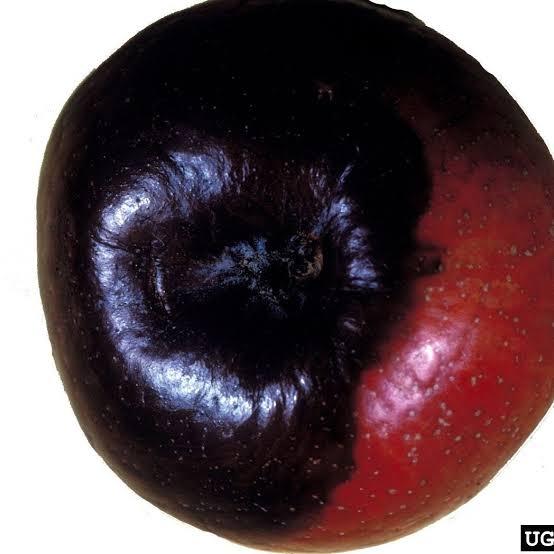
Here's how to identify and fix the most common apple problems.
Popular Varieties
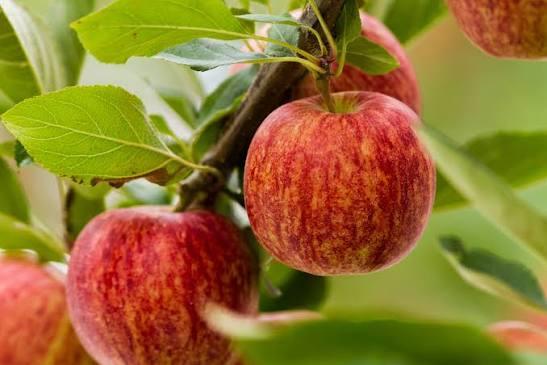
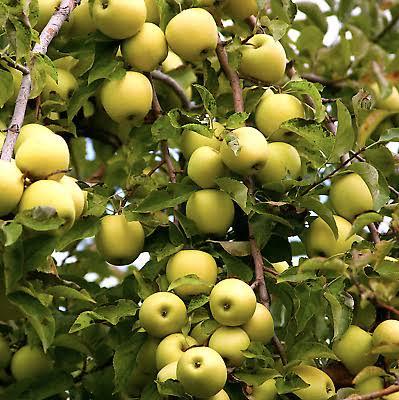
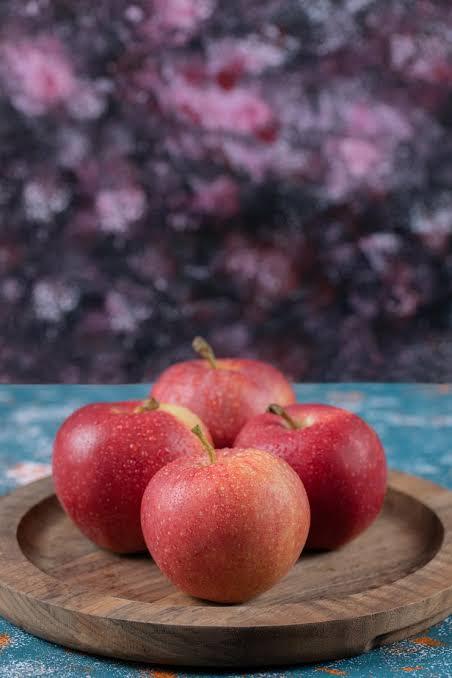
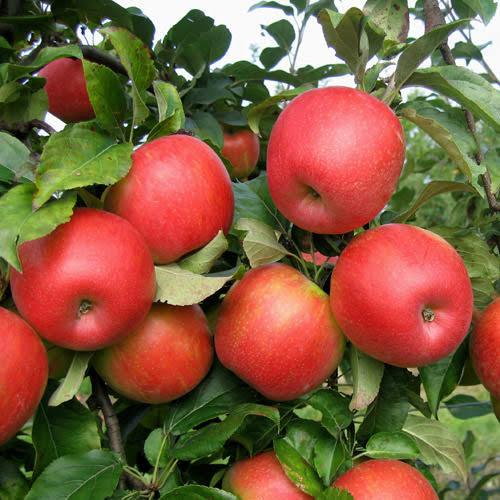
Explore different apple varieties and find your perfect match.
Care Tips & Best Practices
Humidity and Air Circulation
Apple trees prefer 40-60% humidity but need air movement. Use oscillating fan indoors a few hours daily. Space trees properly outdoors. Thin canopy annually.
Feeding and Fertilization
Apply balanced 10-10-10 NPK in early spring. Use 0.1 pounds nitrogen per inch trunk diameter annually, split 2-3 applications through June. Stop fertilizing by July 1.
Cleaning and Pest Prevention
Inspect trees weekly for pests and disease. Remove spotted leaves immediately. Clean pruning tools with alcohol between cuts. Remove fallen fruit and leaves daily.
Support and Training
Stake young trees 1-2 years with soft ties allowing 2-3 inches movement. Train branches to 45-degree angles. Remove stakes as trees mature.
Pruning and Canopy Management
Prune late winter-early spring while dormant. Remove dead, diseased, crossing, and vertical branches. Thin for 35-70% light penetration. Never remove more than 1/3 canopy annually.
Winter Dormancy and Chilling Hours
Apple trees require 500-1,000 chill hours below 45°F to flower and fruit. Move potted trees to cool garage/basement (30-45°F) November-February for dormancy. Without this period, trees produce foliage but no fruit.
Care Checklist
10 Common Mistakes to Avoid
Planting too deep or shallow
Why it's bad: Burying graft union defeats dwarf rootstock purpose. Shallow planting exposes roots to sun.
Do this instead: Position graft union 1-2 inches above soil. Dig hole twice as wide, just as deep.
Inadequate light
Why it's bad: Light deficiency #1 cause of failure. Weak growth, few flowers, minimal fruit, disease susceptible.
Do this instead: Full sun 10+ hours daily or 40+ watt/sq ft LED grow lights 12-18 inches above canopy.
Overwatering and root rot
Why it's bad: Wet soil suffocates roots within weeks. Fastest way to kill trees.
Do this instead: Water when soil 1 inch deep feels dry. Use pots with drainage holes. Well-draining soil.
Skipping winter dormancy
Why it's bad: Trees require 500-1,000 chill hours below 45°F. Warm year-round means no flowers or fruit.
Do this instead: Move potted trees to cool location (30-45°F) November-February - garage, basement, or shed.
Poor soil drainage
Why it's bad: Root rot faster than overwatering. Heavy clay holds water causing fungal diseases.
Do this instead: Test drainage - water should drain within 24 hours. Amend clay with 1/3 compost plus perlite.
Ignoring pest and disease monitoring
Why it's bad: Early detection critical. Late treatment less effective and recovery slower.
Do this instead: Inspect weekly, especially leaf undersides. Remove spotted leaves immediately. Clean tools between cuts.
No cross-pollination
Why it's bad: Most varieties require different variety for pollination. Single trees produce little fruit.
Do this instead: Plant two different varieties within 100 feet or hand-pollinate with brush daily while blooming.
Heavy, compacted soil
Why it's bad: Retains too much water causing root rot and poor drainage.
Do this instead: Use 50-60% pine bark, 20-25% perlite, 15-20% peat, 5-10% compost for containers.
Pruning at wrong time or too heavily
Why it's bad: Fall pruning exposes wounds when wet. Removing 1/3+ canopy stresses tree.
Do this instead: Prune late winter-early spring while dormant. Never remove more than 1/3 canopy.
Over-fertilizing with nitrogen
Why it's bad: Excess nitrogen creates soft growth attractive to pests, delays dormancy, weakens hardiness.
Do this instead: Apply 10-10-10 early spring, mid-spring if needed, early summer - stop by July 1.
Frequently Asked Questions
How long until apple trees produce fruit?
Dwarf varieties: 2-3 years. Semi-dwarf: 3-5 years. Standard: 5-8+ years. Full production at 4-6 years for dwarfs. Grafted nursery trees fruit earlier than seed-grown.
Can apple trees grow indoors?
Yes, with dwarf varieties and 10-12 hours light daily (supplement with LED grow lights). Challenge: winter dormancy needed - move to cool location 30-45°F for 6 months. Hand-pollinate flowers. Success requires dedication.
Do apple trees need two varieties?
Most need cross-pollination from different compatible variety for good fruit. Self-fertile varieties produce better with pollination assistance. Plant two varieties within 100 feet or hand-pollinate indoors.
What size pot for dwarf apple tree?
Minimum 18-22 inch diameter (15-25 gallons). Pot-up every 2-3 years to larger sizes. Must have drainage holes.
How often to water?
Growing season: 1 inch weekly. Young trees: 3-5 gallons weekly. Check soil - water when 1 inch deep feels dry. Sandy soils every 3-5 days; clay every 1-2 weeks.
What temperature do apple trees prefer?
Growing: 65-75°F daytime. Cool nights help color and flavor. Dormancy: 500-1,000 chill hours at 32-45°F required. Without winter cold, no flowers.
Are apple trees safe for pets?
Fruit safe in moderation. Seeds contain trace cyanide (need 85+ grams to harm dogs). Leaves and stems may cause mild upset if eaten in quantity. Keep fallen fruit picked up.
How to prevent powdery mildew?
Prune for air circulation. Avoid overhead watering. Spray sulfur or neem oil every 10-14 days from bud break through early June at 45-85°F. Choose resistant varieties.
When to harvest apples?
Harvest when full color and twist off easily. Gala: mid-September. Golden Delicious: Sept-Oct. Granny Smith: Oct-Nov. Store 4-6 months at 32-36°F.
What causes bitter pit?
Calcium deficiency in tree, especially Honeycrisp. Ensure consistent soil moisture. Apply foliar calcium sprays after bloom, repeat every 10-15 days.
References & Sources
Information in this guide is based on these trusted sources.